
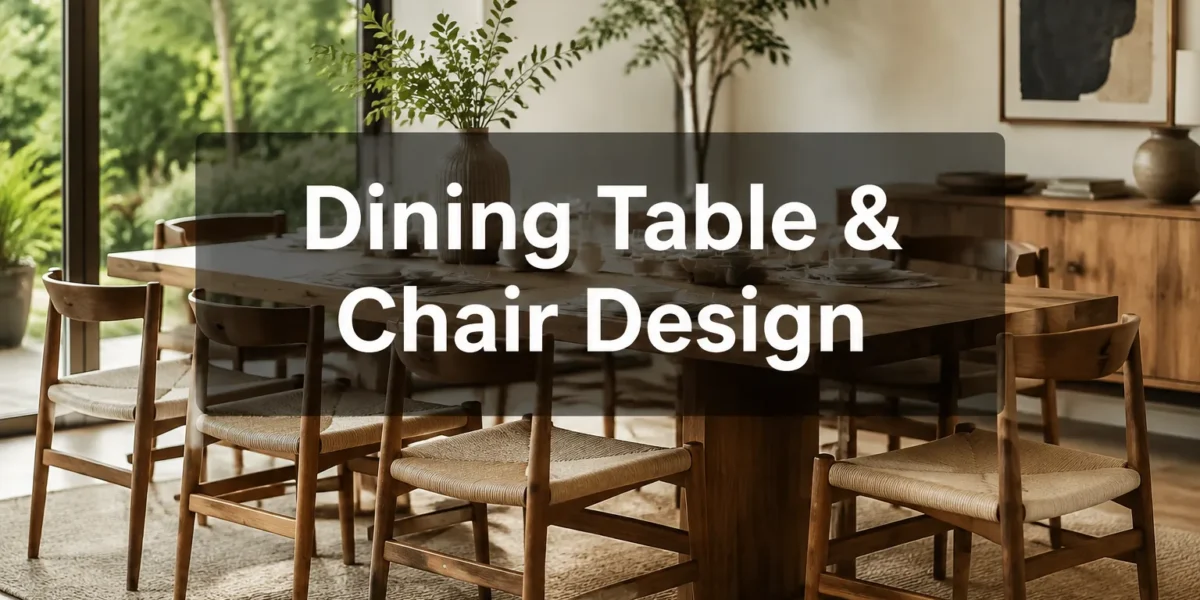
The subtle difference of half an inch in a chair’s seat height can transform a comfortable dining experience into one of awkward discomfort. This often-overlooked detail underscores the critical importance of cohesive design when creating a dining room table and chairs as a matching set. Rather than viewing the table and chairs as separate entities, successful design integrates them into a singular, harmonious unit where proportions, joinery, and wood choices work in concert to create both functional and aesthetically pleasing furniture. In 2026, understanding these principles is paramount for anyone looking to craft or commission a truly integrated dining ensemble.
Key Takeaways
- Proportional Harmony is Essential: Ensure the 10-12 inch rule for seat-to-tabletop clearance is met, alongside careful consideration of chair width, depth, and armrest height relative to table apron clearance.
- Joinery Dictates Durability and Aesthetics: Select appropriate joinery techniques (e.g., mortise and tenon, dovetails) that provide both structural integrity for daily use and complement the overall design aesthetic of the set.
- Wood Choice Influences Durability and Style: The selection of wood impacts not only the set’s longevity but also its visual appeal, requiring careful consideration of grain, color, hardness, and suitability for the intended finish.
- Unified Design Extends to Finishes and Details: A truly matching set goes beyond just dimensions and materials; consistent finishes, design motifs, and stretcher placement ensure visual coherence and a professional look.
Achieving Proportional Harmony: Designing Dining Room Tables and Chairs as a Matching Set
Achieving visual and functional harmony in a dining room set hinges on precise proportional planning. The primary goal is to ensure ergonomic comfort and a balanced aesthetic, making the table and chairs feel like they belong together. This involves several critical measurements and considerations.
The most fundamental proportion is the relationship between the chair seat height and the tabletop height. A comfortable gap of 10 to 12 inches between the top of the chair seat and the underside of the tabletop (where your legs rest) is universally recommended. Most dining tables are between 29 and 31 inches tall, with 30 inches being a common standard. Consequently, dining chair seats typically range from 17 to 19 inches high. Deviation from this 10-12 inch rule can lead to discomfort, with legs either feeling cramped or suspended too far below the table.
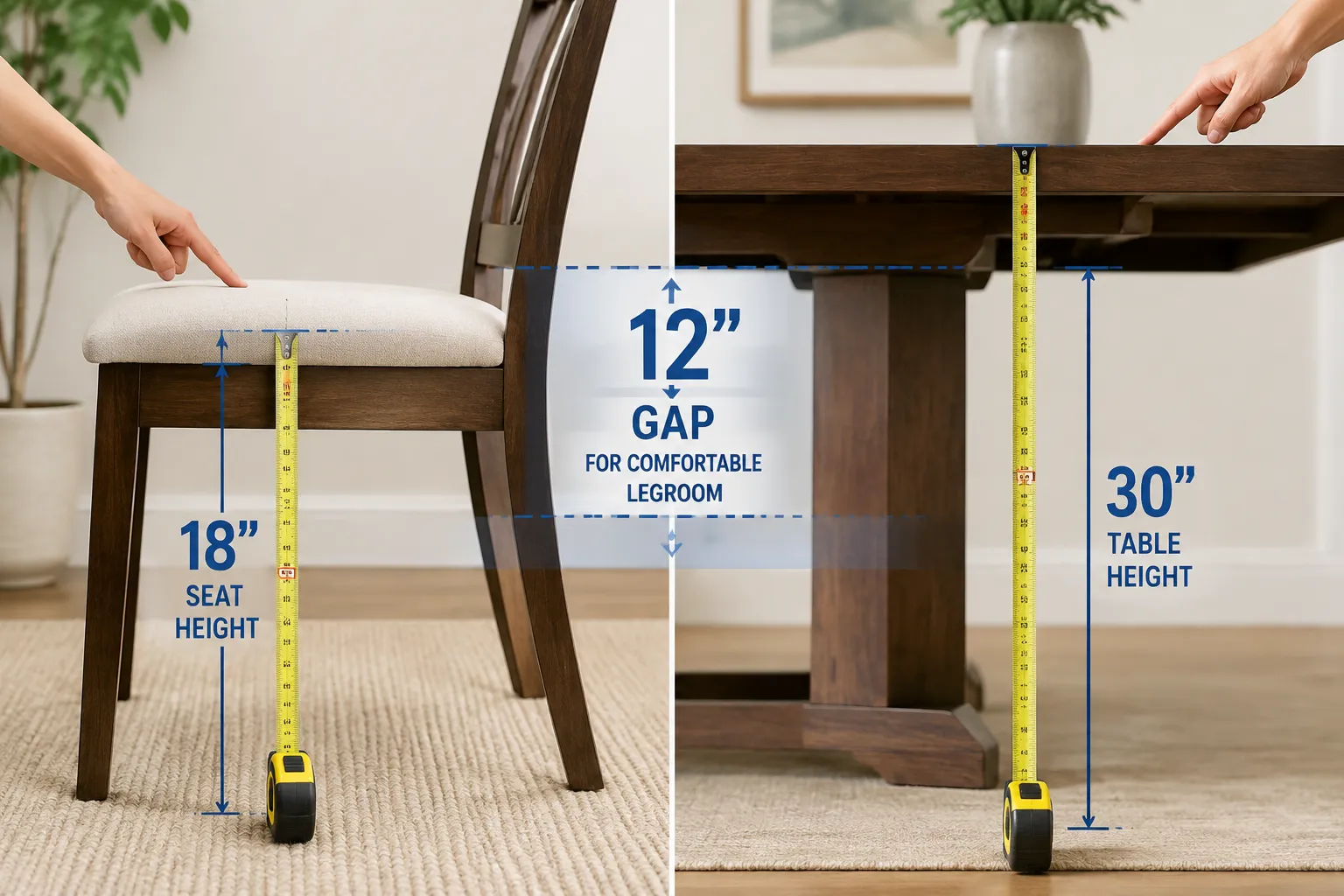
Beyond seat height, chair dimensions must also align with the table.
- Chair Width and Spacing: Consider the number of chairs the table is designed to accommodate. Each diner generally requires 22-24 inches of table edge space for comfortable elbow room. Chairs should be wide enough to be comfortable but not so wide that they crowd the table or prevent easy movement.
- Chair Depth: A standard dining chair depth is around 20-24 inches. Ensure that when pushed in, chairs do not significantly obstruct walkways around the table.
- Armrest Clearance: If the chairs have armrests, measure their height carefully. They must slide comfortably under the table’s apron (the frame beneath the tabletop) without bumping. Standard apron heights are often 25-26 inches from the floor, so armrests should typically be 24-25 inches or less.
- Stretcher Placement: For both tables and chairs, stretchers (horizontal supports connecting legs) play a role in stability and aesthetics. On chairs, lower stretchers can serve as footrests. On tables, a low stretcher might interfere with legroom, while higher stretchers can add visual interest without obstruction. When designing a custom round dining table with a pedestal base, stretcher placement around the base needs particular attention to maintain leg clearance.
Table:Chair Proportional Guidelines
| Dimension Category | Table (Standard) | Chair (Standard) | Optimal Relationship |
|---|---|---|---|
| Height | 29-31 inches | 17-19 inches | 10-12 inch clearance between seat and tabletop underside |
| Length/Diameter | Varies by seating | N/A | 22-24 inches table edge per diner; ensures ample elbow room |
| Width/Depth | Varies by seating | 20-24 inches | Chair depth allows for easy movement when pushed in |
| Apron Height | 25-26 inches (from floor) | N/A | Ensures armrests (if any) slide under easily |
| Armrest Height | N/A | 24-25 inches | Must be less than table apron height for clearance |
When designing dining room tables and chairs as a matching set, it’s useful to sketch out the entire room. This allows for visualization of how the set fits within the space, ensuring adequate clearance for chairs to be pulled out and for people to walk around comfortably. For instance, leaving at least 36-48 inches of space between the table’s edge and the nearest wall or furniture is a good rule of thumb.
Joinery Techniques: Strength and Visual Consistency in a Matching Set
The choice of joinery is fundamental to both the structural integrity and the aesthetic appeal of a dining room set. For a matching table and chairs, using consistent joinery techniques throughout the pieces reinforces the sense of a unified design. Strong, well-executed joints ensure durability, especially for furniture subject to daily use and movement.
Common Joinery for Dining Tables and Chairs
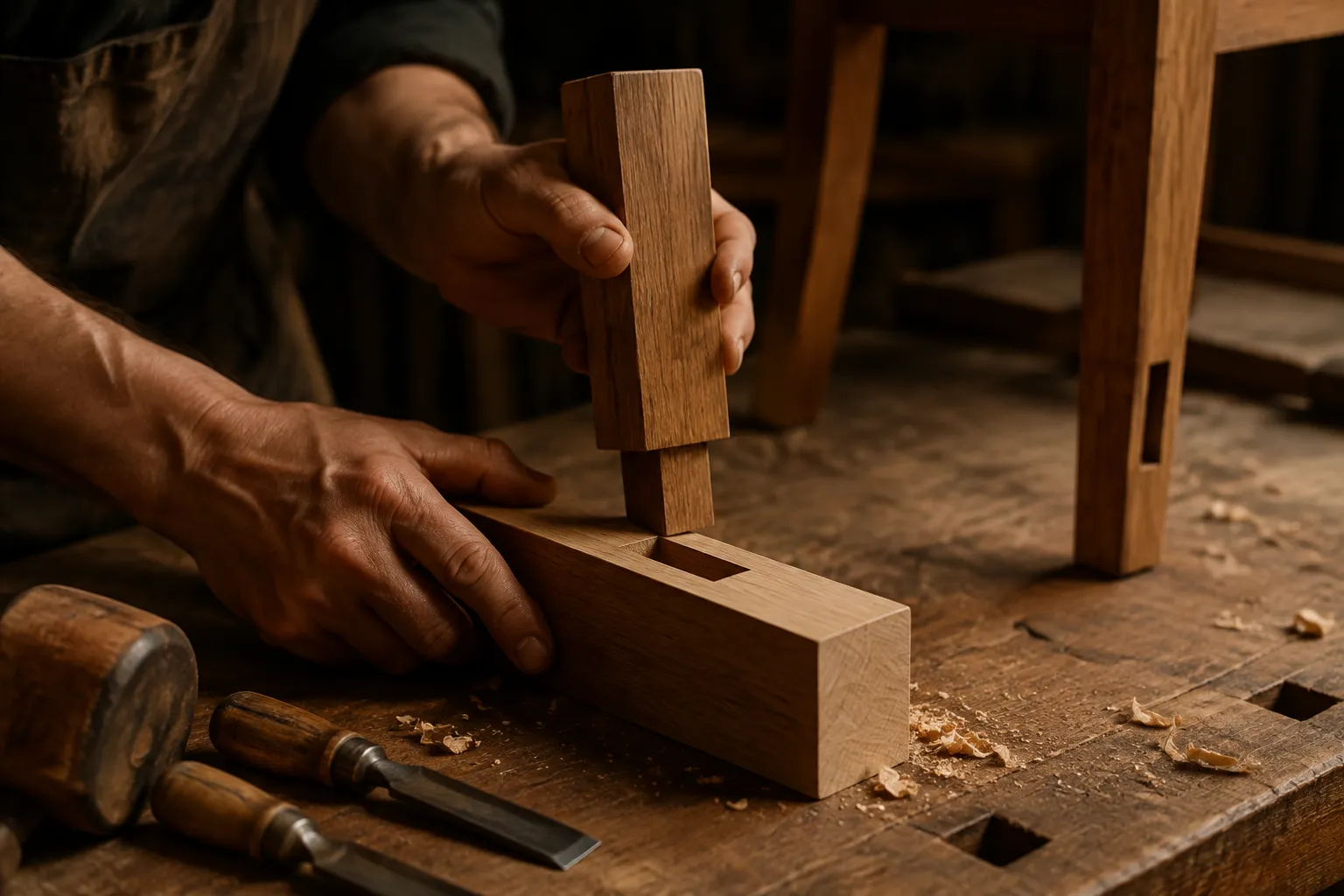
Mortise and Tenon: This classic joint is highly regarded for its strength and durability. It involves a “tenon” (a projecting piece of wood) fitting snugly into a “mortise” (a corresponding hole).
- Application: Ideal for attaching chair legs to stretchers and rails, and table legs to aprons. Blind mortise and tenon joints hide the joinery for a clean look, while through-mortise and tenon can be left exposed as a decorative element, particularly in artisanal or rustic designs.
- Consistency: Using through-tenons on both the table and chairs, perhaps with contrasting wedges, creates a strong visual link. Mastering wood joinery techniques like this ensures longevity.
Dovetails: Famous for their interlocking “tail” and “pin” shapes, dovetail joints offer exceptional resistance to being pulled apart.
- Application: Primarily used for drawers in sideboards or buffets that might accompany a dining set, but also for attaching table aprons to legs where extreme strength is desired. While less common for chair frames due to their complexity in that context, exposed dovetails can be a beautiful feature on table aprons.
- Aesthetic Impact: Exposed dovetails are often celebrated as a sign of high craftsmanship and can contribute to a specific design aesthetic, such as Arts and Crafts or Shaker. Consider this when designing dining room tables and chairs as a matching set.
Dowels and Biscuits: These joints offer a simpler alternative for certain applications, relying on small wooden pins (dowels) or compressed wood biscuits inserted into slots.
- Application: Suitable for attaching tabletops to aprons, or for less stressed joints in chair construction. While strong enough for many uses, they don’t offer the same mechanical strength as mortise and tenon for primary structural connections in chairs, which endure significant racking forces.
- Ease of Use: Dowels and biscuits are often favored for their relative ease of execution with power tools, making them accessible for many woodworkers.
Screws and Bolts (Reinforced): While rarely used as the sole joinery for high-quality furniture, screws and bolts can reinforce other joints or attach components like tabletop fasteners.
- Application: Metal fasteners are crucial for attaching solid wood tabletops in a way that allows for seasonal wood movement, preventing cracking. Z-clips or figure-8 fasteners are excellent choices for this.
- Integration: Ensure any visible fasteners are aesthetically integrated or strategically hidden to maintain the high-quality appearance of the matching set.
When designing the chairs, particular attention must be paid to joints that withstand significant stress from users leaning back or shifting weight. The connections between legs, stretchers, and seat rails must be robust. Similarly, the table’s leg-to-apron connections must be solid to prevent wobbling, especially for larger or heavier tabletops. Exploring techniques like those in traditional Japanese wood joinery can offer inspiration for unique, fastener-free structural designs.
Wood Choices and Finishing for a Cohesive Dining Ensemble
The selection of wood species and the subsequent finishing process are paramount in defining the character, durability, and visual unity of a matched dining room table and chairs. These choices impact everything from the set’s longevity to its ability to complement existing decor.
Selecting the Right Wood
Different wood species offer distinct properties in terms of hardness, grain pattern, color, and workability. For dining furniture, durability is key, as it will endure daily use, spills, and constant movement.
Hardwoods for Durability:
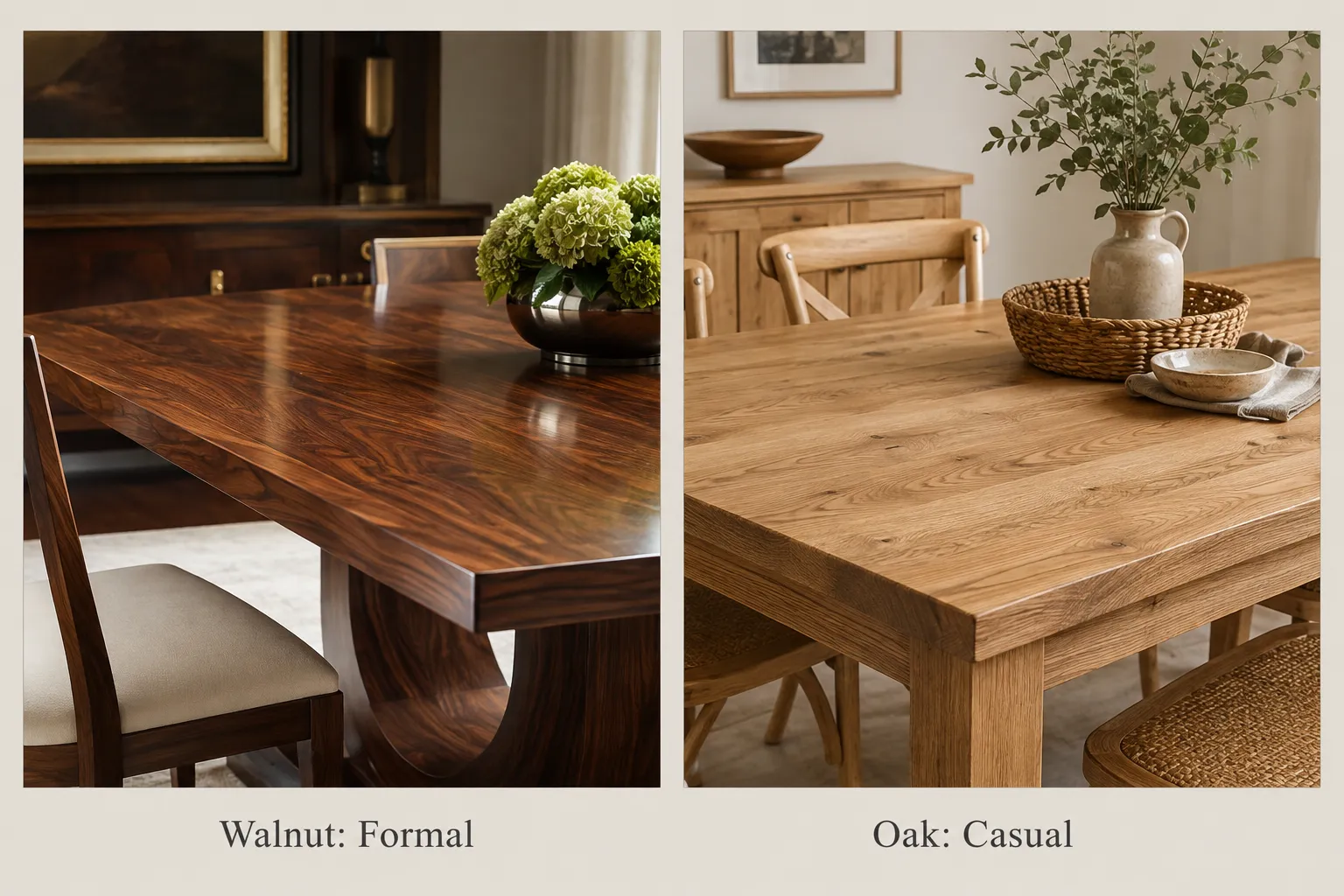
- Oak (Red and White): A perennial favorite, oak is known for its open grain, strength, and durability. White oak is particularly resistant to moisture and wear. Its versatile appearance suits both rustic and contemporary designs.
- Maple: Hard, dense, and with a fine, subtle grain, maple is excellent for a clean, modern aesthetic. It takes stains well, but also looks stunning with a natural finish.
- Cherry: Valued for its smooth grain and rich, reddish-brown hue that deepens beautifully over time. Cherry lends itself to more formal or classic designs.
- Walnut: A premium choice, walnut offers a dark, rich brown color and striking grain patterns. It’s strong, stable, and brings a sense of luxury to any dining space.
- Ash: Similar in appearance to oak but often lighter in color, ash is a strong and flexible wood, suitable for a range of styles.
Considerations:
- Grain Matching: For a truly cohesive set, consider selecting lumber from the same tree or at least from the same batch to ensure consistent grain patterns and color. This is especially important for tabletops and chair seats.
- Stability: Choose wood that is properly seasoned and dimensionally stable to minimize warping or cracking, particularly for large table surfaces.
- Budget: Hardwoods vary significantly in price. Balance your desired aesthetic and durability with your budget. The essential guide to wood species for beginner furniture makers offers more insights.
Finishing for Unity and Protection
The finish not only protects the wood but also unifies the table and chairs visually. A consistent finish across all pieces is crucial for a “matching set” look.
Protective Finishes: Dining tables and chairs require a robust finish that can withstand daily wear, spills, and cleaning.
- Polyurethane (Oil-based or Water-based): Offers excellent durability and water resistance. Oil-based polyurethanes impart a warm, amber tone, while water-based versions remain clearer.
- Varnish: A classic choice, varnishes provide a hard, durable surface with a traditional look. They are often less flexible than polyurethane but offer good protection.
- Conversion Varnish/Lacquer: These professional-grade finishes offer exceptional durability and hardness but require specialized application equipment and good ventilation.
- Hardwax Oils: For a more natural, matte look that allows the wood to breathe and be easily repaired, hardwax oils are an excellent choice. They offer good protection but may require more frequent reapplication than film-building finishes.
Aesthetic Consistency:
- Stain Matching: If staining, apply the same stain to all components of both the table and chairs. Always test the stain on scrap pieces of the actual wood being used, as different boards can absorb stain differently.
- Sheen Level: Decide on a consistent sheen, matte, satin, semi-gloss, or gloss, for all pieces. A satin or matte finish is often practical for dining tables as it hides minor imperfections better than high gloss.
- Texture: If applying a textured finish (e.g., wire-brushed oak), ensure the technique is applied consistently to all parts of the set.
- Color Palette: Consider how the wood color and finish integrate with the overall dining room decor. A bold choice like a rich walnut might anchor a room, while a light maple could open up a smaller space. For inspiration on incorporating wood into other areas, consider how reclaimed wood mantels for modern fireplaces balance warmth with contemporary design.
Maintenance and Longevity
Regardless of the finish, proper care will extend the life and beauty of your matching dining set. Regular cleaning with appropriate products, protecting surfaces from excessive heat or moisture, and occasional re-application or touch-up of the finish will ensure the set remains a cherished centerpiece for years to come. In 2026, many eco-friendly and low-VOC finish options are available, aligning with modern preferences for healthier home environments.
Conclusion
Designing dining room tables and chairs as a matching set is a sophisticated endeavor that transcends mere aesthetics; it’s about crafting a cohesive, ergonomic, and durable dining experience. By meticulously considering proportions, selecting robust joinery techniques, and making informed wood and finish choices, woodworkers and designers can achieve a unified ensemble that is both beautiful and highly functional. The harmony in these elements ensures that each piece not only stands on its own merit but also elevates the entire dining space, creating an inviting atmosphere for meals and gatherings.
The process demands attention to detail, from the initial ergonomic measurements that dictate comfortable seating to the final finish that protects and beautifies the wood. Understanding how elements like chair seat height, table apron clearance, the strength of a mortise and tenon joint, or the grain of a cherry slab interact, allows for the creation of truly integrated furniture. As you embark on your next woodworking project, remember that the most successful dining sets are those where the table and chairs are conceived and executed as a singular, harmonious vision. This holistic approach ensures longevity, comfort, and enduring style in your dining room for 2026 and beyond.
SEO Meta Title: Designing Dining Sets: Proportions, Joinery & Wood SEO Meta Description: Master designing dining room tables and chairs as a matching set. Explore proportions, strong joinery, and ideal wood choices for cohesive, durable furniture in 2026.