

A well-executed woodworking project begins long before the first cut or the initial application of finish. It starts with the meticulous selection of materials. Investing countless hours into a piece only to have it compromised by subpar lumber or an inferior finish is a common frustration that expert woodworkers avoid by prioritizing their suppliers. This article serves as a comprehensive Woodworking Supply Guide: How to Choose the Right Art and Craft Supplier for Quality Lumber and Finishing Products in 2026, equipping you with the knowledge to make informed decisions that elevate your craftsmanship.
Key Takeaways
- Prioritize Quality Lumber: Understand species characteristics, moisture content, grain, and defect assessment to ensure project stability and aesthetics.
- Evaluate Finishing Products: Look for reputable brands, understand different finish types, and assess shelf life and application properties for optimal results.
- Assess Supplier Credentials: Verify knowledge, experience, customer service, and storage practices as indicators of a reliable art and craft supplier.
- Understand Pricing & Returns: Compare costs, look for transparent pricing, and know return policies for peace of mind.
- Seek Local & Specialty Providers: Local sawmills, hardwood dealers, and dedicated art and craft suppliers often offer superior quality and expertise compared to big box stores.
Understanding Lumber: The Foundation of Your Project
The quality of your lumber directly impacts the strength, stability, and aesthetic appeal of your finished piece. Choosing the right art and craft supplier means understanding what constitutes good lumber and how to identify it. Not all wood is created equal, and discerning the differences is crucial for any serious woodworker.
Species and Characteristics
Before even considering a supplier, identify the wood species best suited for your project. Are you building a sturdy dining table that requires the durability of oak or maple, or a delicate jewelry box that demands the fine grain of cherry or walnut? Each species has unique properties:
- Hardwoods: (e.g., Oak, Maple, Cherry, Walnut, Ash) Known for density, durability, and often beautiful grain patterns. Ideal for furniture, flooring, and structural components.
- Softwoods: (e.g., Pine, Fir, Cedar, Spruce) Generally lighter, easier to work with, and more affordable. Best for construction, interior trim, or projects where hardness isn’t paramount.
Your supplier should offer a diverse selection and be knowledgeable about the characteristics and best uses for each.
Moisture Content (MC)
One of the most critical factors for wood stability is its moisture content. Wood expands and contracts with changes in humidity, and if lumber isn’t properly dried, your finished project can warp, crack, or twist.
Target Moisture Content:
- Indoor Projects: 6-8% MC
- Outdoor Projects: 9-12% MC
A reputable supplier will have kilns or a reliable drying process and should be able to provide you with the MC readings, often using a moisture meter. Don’t hesitate to ask to see their measurements or bring your own meter. Lumber that is too wet will lead to significant problems down the line, regardless of how expertly you work it.
Grain, Figure, and Defects
Inspecting the grain and looking for defects is essential.
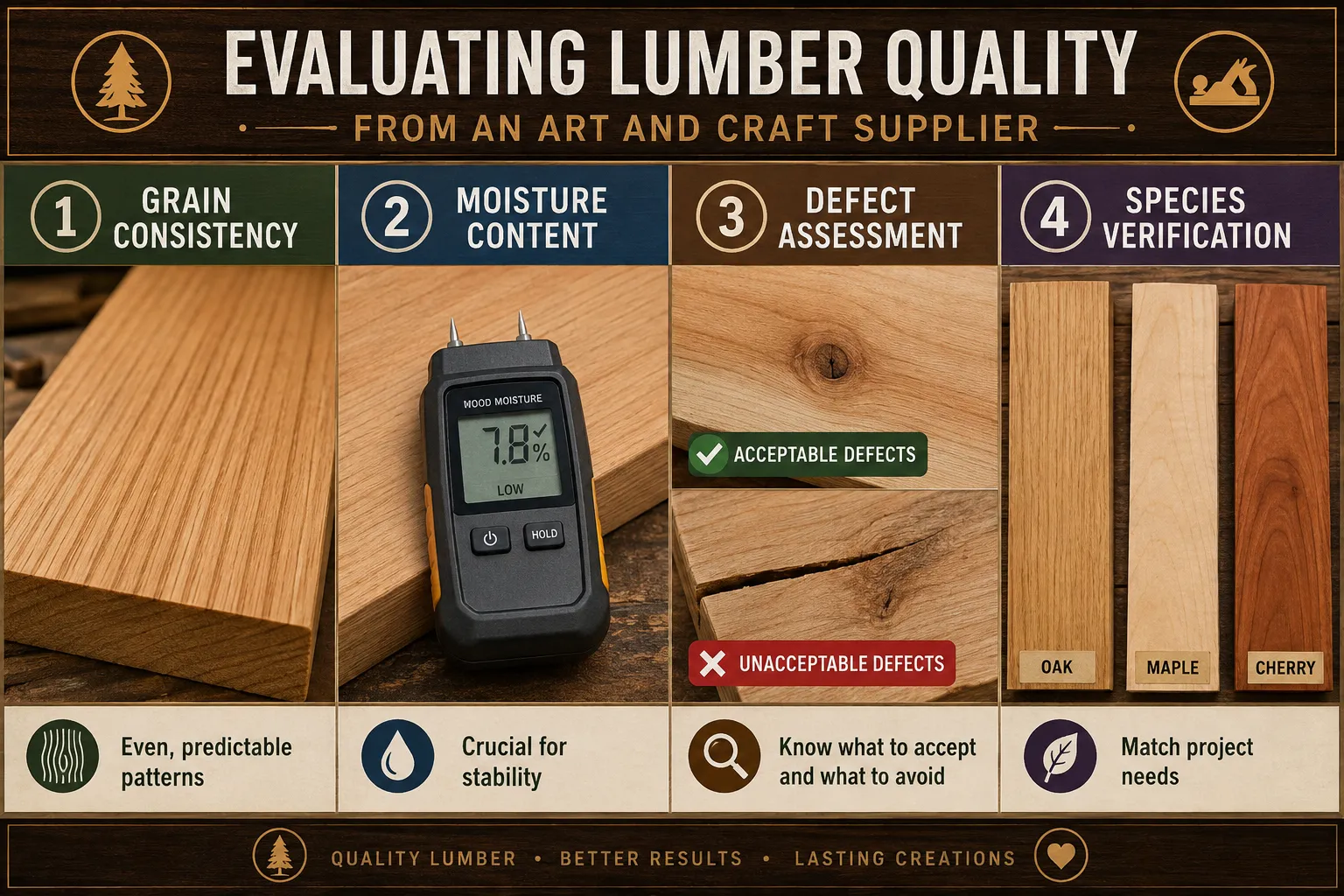
- Grain Direction: Look for straight, consistent grain patterns, especially if you plan to resaw or carve. Run-out, where the grain runs out of the face of the board, can weaken the wood.
- Figure: This refers to the natural patterns in the wood, like curly, quilted, or birdseye. These are highly prized and can significantly increase the value and beauty of your project, but also typically come at a higher cost.
- Defects:
- Knots: Can be sound (tightly intergrown) or unsound (loose, prone to falling out). Assess if the knot’s size and location are acceptable for your project’s aesthetics and structural integrity.
- Checks/Cracks: Small separations along the grain, often due to improper drying. Avoid boards with significant checks, especially at the ends.
- Warping: Cupping, bowing, twisting, or crooking indicate instability. While some minor warps can be milled out, excessive warping means significant material loss and extra work.
- Insect Damage/Rot: Obvious signs of pests or decay are immediate red flags.
A good woodworking supply guide: how to choose the right art and craft supplier for quality lumber and finishing products would advise selecting boards that are as flat and stable as possible, with defects that are either minimal or enhance the intended aesthetic, such as character grade wood for rustic pieces. For projects like building a farmhouse dining table, choosing stable, high-quality rough cut lumber is paramount for longevity and appearance.
Evaluating Finishing Products: The Project’s Final Flourish
The finish is what protects your woodworking project and highlights its natural beauty. The right finishing product can transform a good piece into a great one, while a poor choice can detract from even the most skilled craftsmanship.
Types of Finishes and Their Uses
Your supplier should carry a range of finishing products and offer guidance on their application and properties. Common types include:
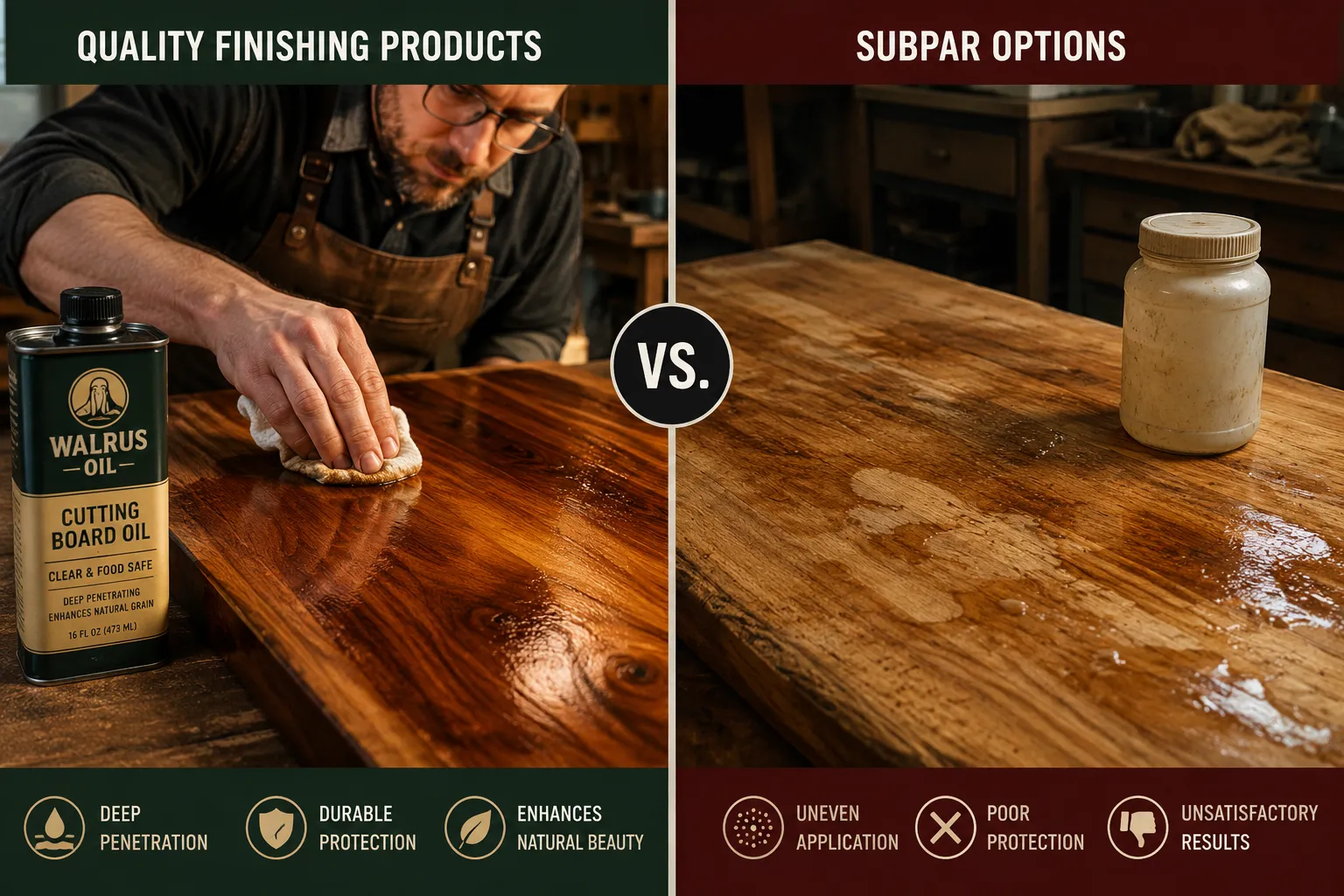
- Oils (e.g., Tung Oil, Danish Oil, Linseed Oil): Penetrate the wood, offering a natural, matte to satin finish that enhances the grain. They are easy to apply and repair but offer less protection against water and abrasion than film finishes. Learn more about Danish Oil vs Boiled Linseed Oil.
- Varnishes (e.g., Polyurethane, Spar Varnish): Create a durable film on the wood surface, offering excellent protection against moisture, abrasion, and chemicals. Ideal for high-wear surfaces like tabletops.
- Lacquers: Fast-drying, durable, and offer a smooth, clear finish, often used in professional shops.
- Shellac: A natural resin that provides a warm, amber tone and is easy to repair. It’s less durable than varnish but works well for sealing or as a traditional finish.
- Waxes: Offer a soft, low-sheen finish and some protection, often used over other finishes for added luster.
Consider the intended use of your project when selecting a finish. A coffee table will need more robust protection than a decorative wall hanging. For specific aesthetic goals, explore unique wood finishing techniques or dark wood finishing techniques.
Quality Indicators for Finishing Products
Just like lumber, not all finishing products are created equal.
- Reputable Brands: Established brands often have consistent quality and readily available technical data and support.
- Shelf Life and Freshness: Check the manufacturing date or batch code. Finishes can degrade over time, affecting their performance. Old or improperly stored products can lead to poor adhesion, uneven drying, or an undesirable appearance.
- Consistency: The product should be free of lumps, excessive separation, or strange odors.
- Application Properties: Consider how easy the finish is to apply, its drying time, and the number of coats required to achieve the desired result. Some finishes require specific environmental conditions for optimal application.
When evaluating a supplier, look for well-maintained inventory and staff who can speak intelligently about the various products, their application methods, and their suitability for different wood types and projects. For instance, achieving beyond basic sanding is only truly realized when paired with a high-quality finish.
How to Choose the Right Art and Craft Supplier: Key Evaluation Criteria
The expertise and reliability of your supplier are just as important as the quality of their materials. A truly valuable Woodworking Supply Guide: How to Choose the Right Art and Craft Supplier for Quality Lumber and Finishing Products emphasizes the relationship you build with your providers.
Supplier Knowledge and Experience
- Expert Advice: Do the staff possess deep knowledge about different wood species, their properties, best applications, and potential challenges? Can they guide you on appropriate finishes for your project? A good supplier offers more than just products; they offer expertise.
- Processing Capabilities: Does the supplier offer milling services such as planing, jointing, or resawing? For many woodworkers, especially those without extensive machinery, having lumber processed to rough dimensions or even perfectly square and flat can be invaluable. This is particularly useful when working with oversized rough hewn timber mantels for 2026 gas fireplaces.
- Specialty Inventory: Beyond standard offerings, do they stock unique or exotic woods? Are they aware of sustainable sourcing practices, like urban harvested or reclaimed wood?
Storage and Handling Practices
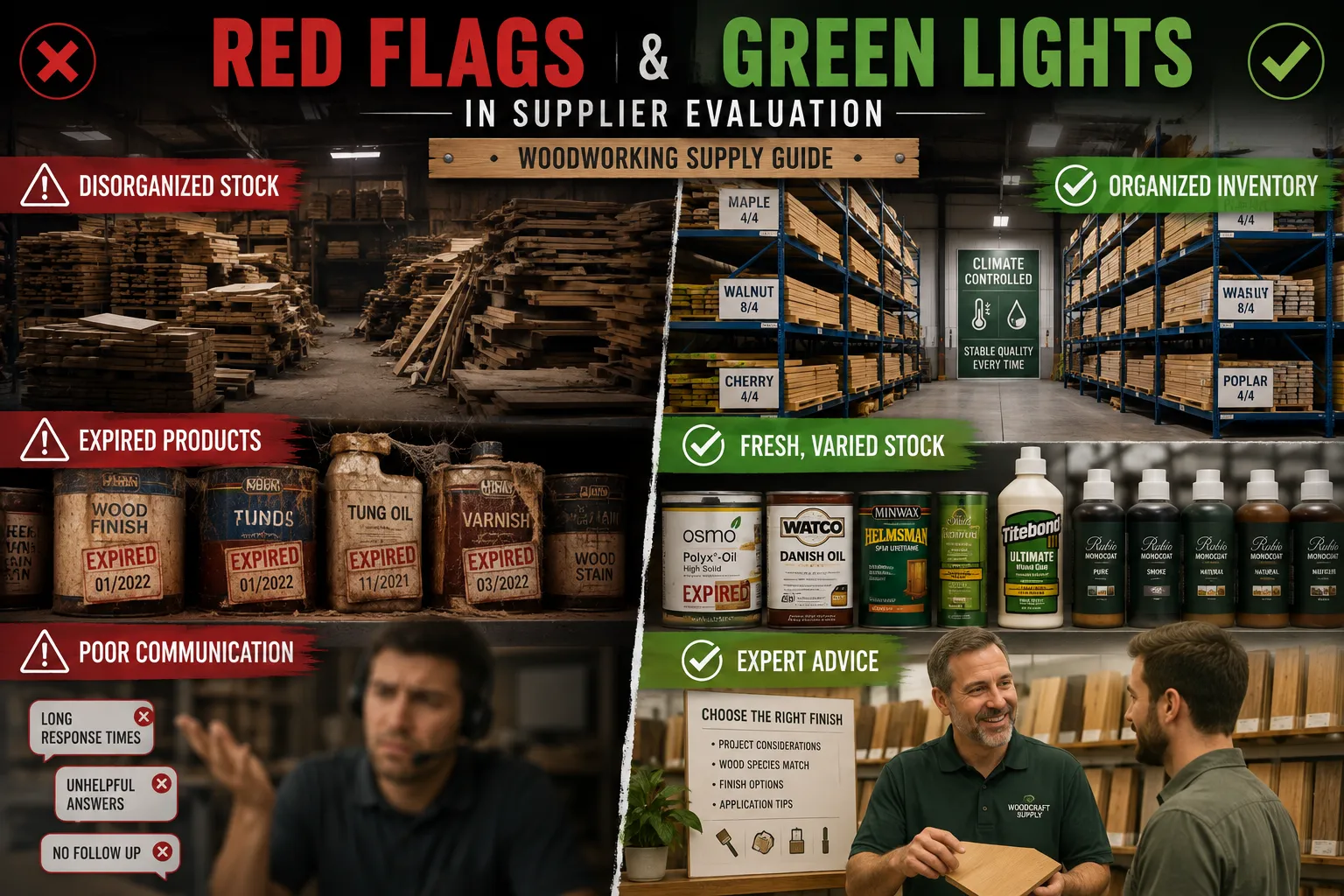
- Lumber Storage: Quality lumber should be stored indoors, typically in a climate-controlled environment, stacked flat and stickered to allow for air circulation and prevent warping. Avoid suppliers who store wood directly on concrete floors or exposed to the elements.
- Finishing Product Storage: Finishes should be stored in cool, dry conditions, away from direct sunlight, to maintain their integrity and extend shelf life.
- Inventory Rotation: A good supplier will rotate their stock to ensure products are fresh. This is especially important for finishes and adhesives.
Customer Service and Reputation
- Responsiveness and Communication: Are they easy to reach? Do they respond to inquiries promptly and clearly?
- Problem Resolution: How do they handle issues like damaged material or incorrect orders? A fair return policy and a willingness to rectify mistakes are signs of a trustworthy supplier.
- Online Reviews and Testimonials: Check online reviews (Google, Yelp, woodworking forums) to gauge other customers’ experiences. Word-of-mouth recommendations from fellow woodworkers are also invaluable.
Pricing and Value
While cost is a factor, it shouldn’t be the only one. The cheapest lumber or finish isn’t always the best value if it compromises your project or requires more work.
- Transparency: A good supplier will have clear pricing structures, whether by the board foot, lineal foot, or by the piece. Be wary of hidden fees.
- Bundle Deals/Bulk Discounts: For larger projects, inquire about discounts for purchasing significant quantities.
- Value-Added Services: Consider if the supplier offers services like cut-to-size, delivery, or advice, which can add significant value.
Location and Accessibility
Consider the convenience of the supplier’s location. Proximity can reduce transportation costs and time, especially for large lumber orders. If you rely on delivery, assess their reliability and cost.
Red Flags to Watch For:
- Disorganized or unclean storage areas.
- Lack of knowledge from staff or inability to answer basic questions about wood properties or finish applications.
- Refusal to provide moisture content readings for lumber.
- Excessive warping or defects in a significant portion of their lumber stock.
- Unclear pricing or a reluctance to provide detailed quotes.
- Poor online reviews mentioning consistent quality issues or bad customer service.
Conversely, a “green light” supplier will have a well-organized yard, knowledgeable staff who treat you with respect, and a clear commitment to quality.
Crafting Your Shopping List
When you’re ready to visit a supplier, whether in person or online, come prepared.
Sample Lumber Shopping List Considerations
- Species: (e.g., “8/4 Hard Maple,” “4/4 Black Walnut”)
- Quantity: Board feet or number of pieces.
- Dimensions: Rough dimensions (e.g., 8 feet long, 6 inches wide)
- Grade: (e.g., FAS, Select & Better, #1 Common). Understand that higher grades mean fewer defects and higher cost.
- Moisture Content Requirement: (e.g., “Kiln-dried to 6-8% MC”)
- Specific Needs: (e.g., “Quarter-sawn for stability,” “Live edge slab,” “Figure requested”). For projects involving live edge slab selection and milling, specify your preferences clearly.
Sample Finishing Product Shopping List Considerations
- Product Type: (e.g., “Polyurethane Varnish,” “Tung Oil,” “Wood Dye”)
- Sheen: (e.g., “Satin,” “Semi-Gloss,” “Matte”)
- Quantity: (e.g., “1 quart,” “1 gallon”)
- Color/Tint: If applicable (e.g., “Dark Walnut stain”)
- Application Method: (e.g., “Brush-on,” “Wipe-on,” “Spray”)
- Related Supplies: Brushes, rags, sandpaper (for progressive grits), respirators, gloves.
Always measure twice and buy once. It’s often better to buy slightly more material than you think you’ll need to account for mistakes or unforeseen issues.
Conclusion
Choosing the right art and craft supplier for quality lumber and finishing products is a critical step that underpins the success of any woodworking project in 2026. By thoroughly understanding lumber characteristics, evaluating finishing products, and assessing supplier credentials, you can ensure that your raw materials are of the highest standard. Don’t be afraid to ask questions, inspect products closely, and build relationships with knowledgeable suppliers. Investing time in this initial selection process will save you frustration, wasted materials, and ultimately, elevate the quality and longevity of your woodworking creations. Happy woodworking!
SEO Meta Title: Woodworking Supply Guide: Choose Top Lumber & Finishes in 2026 SEO Meta Description: Master choosing woodworking suppliers for quality lumber and finishing products in 2026. Learn to evaluate wood, finishes, and supplier reliability.