
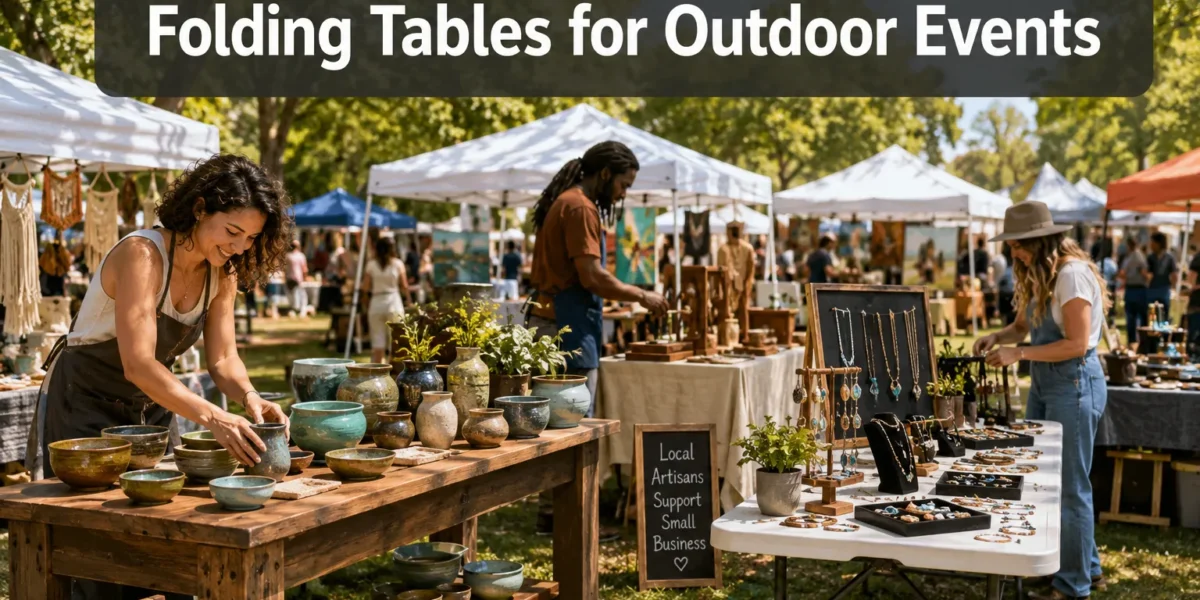
The success of any outdoor event, from bustling craft fairs to vibrant farmers’ markets, often hinges on the reliability of its foundational elements. Without sturdy, appropriate surfaces to display goods or facilitate activities, even the most meticulously planned event can falter. This guide delves into the crucial decision of selecting the Best Folding Tables for Outdoor Events: Heavy-Duty vs. Lightweight Options for Craft Fairs and Markets, providing insights into the strengths and ideal applications of each type to ensure your setup is both functional and resilient in 2026.
Key Takeaways
- Heavy-duty folding tables offer superior durability, weight capacity, and stability, making them ideal for supporting substantial items or enduring frequent, rigorous use.
- Lightweight folding tables excel in portability, ease of transport, and quick setup, perfect for vendors needing to move frequently or manage booths alone.
- Material composition, such as steel vs. aluminum frames and wood vs. plastic tops, significantly impacts a table’s performance, lifespan, and overall value.
- Consider factors like load capacity, weather resistance, storage footprint, and ease of cleaning when choosing the best folding table for your specific outdoor event needs.
- The ideal choice balances the requirements of your specific merchandise or activity with your logistical capabilities for transport and setup.
Understanding Heavy-Duty Folding Tables for Outdoor Events
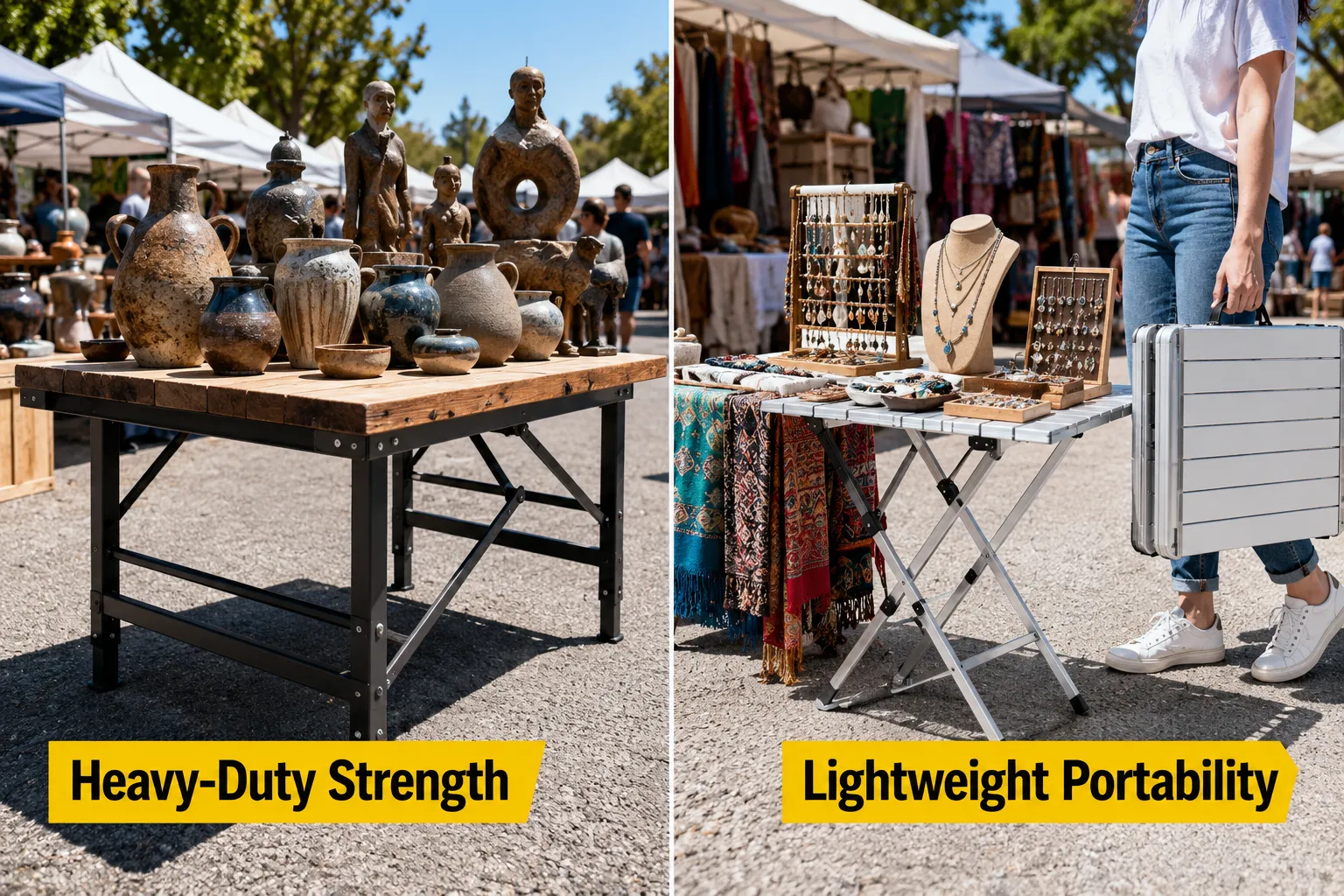
When the demand is for unwavering stability and the ability to bear substantial weight, heavy-duty folding tables are the undisputed champions. These tables are engineered to withstand rigorous conditions and support significant loads, making them a preferred choice for vendors at outdoor events who deal with weighty merchandise or require a stable workspace.
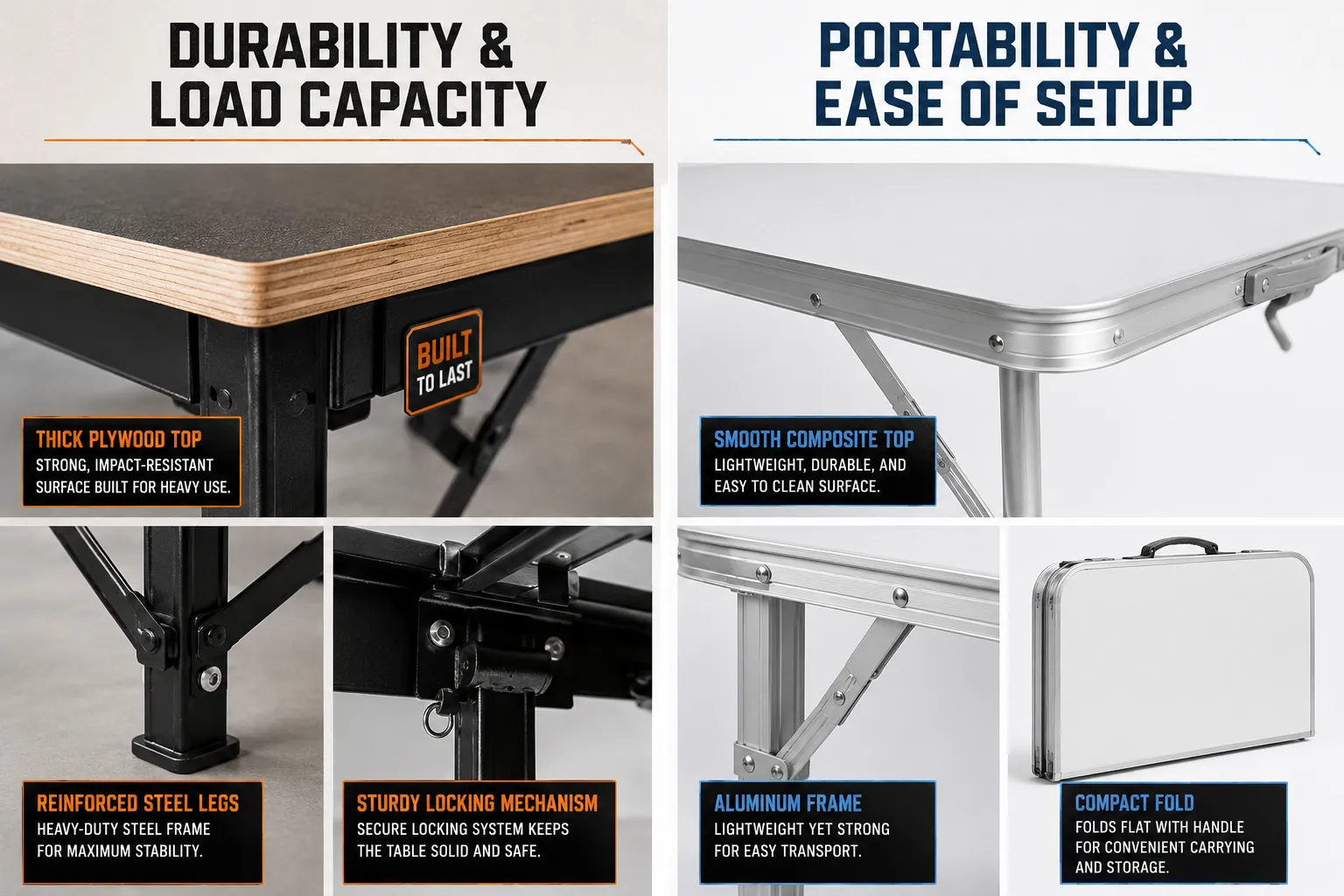
The construction of heavy-duty tables typically involves more robust materials. Frames are often crafted from commercial-grade steel, known for its exceptional strength and rigidity. This steel frame, sometimes powder-coated for enhanced corrosion resistance, forms the backbone of the table, preventing wobbling or collapse even under considerable stress. Tabletops can range from high-density polyethylene (HDPE), which is impact-resistant and easy to clean, to plywood with a protective laminate or even solid wood for maximum durability and a more traditional aesthetic.
Consider a potter displaying intricate ceramic pieces or a jeweler showcasing heavy gemstone settings. For these artisans, a table’s ability to remain steady and secure is paramount. A heavy-duty folding table not only provides a reliable display surface but also instills confidence in customers that the products are well-supported. The robust nature of these tables also translates to a longer lifespan, offering excellent value for money over many years of use. For vendors looking to build out a reliable and long-lasting market presence, investing in quality folding tables for craft fairs is a wise decision.
While their strength is a significant advantage, it comes with a trade-off: weight and portability. Heavy-duty tables are, by definition, heavier and often bulkier when folded. This can make transport and setup more challenging, especially for individuals working alone or those with smaller vehicles. However, for those who prioritize stability and load capacity above all else, these tables are indispensable.
Key Characteristics of Heavy-Duty Folding Tables:
- Materials: Heavy-gauge steel frames, high-density polyethylene (HDPE) or plywood tops.
- Weight Capacity: Often exceeds 300-500 lbs (136-227 kg), with some commercial models supporting upwards of 1,000 lbs (454 kg).
- Stability: Exceptional resistance to wobbling, even on uneven outdoor terrain, thanks to robust leg mechanisms and locking braces.
- Durability: Built to endure frequent use, harsh weather conditions (when properly cared for), and heavy impacts.
- Size Options: Available in various lengths and widths, including larger sizes (e.g., 8-foot rectangular) to maximize display space.
- Weather Resistance: While many materials are weather-resistant, continuous exposure to rain or direct sun can still impact longevity, especially for wood-topped tables. Proper storage and covers are recommended.
One common application for heavy-duty folding tables is in settings where vendors display large, handcrafted furniture pieces or sell bulkier items like artisanal breads or large produce. Their inherent strength ensures that the display remains intact and professional throughout the event. For those interested in building their own durable work surfaces, understanding the principles of sturdy table construction, similar to Building a DIY Folding Console Table: Maximizing Space and Versatility in Small Homes, can offer valuable insights into what makes a table truly robust.
Consider the scenario of a vendor selling antique tools or metal sculptures. A lightweight table would simply not suffice. The weight and inherent value of such items demand a foundation that can reliably support them without risk of tipping or structural failure. This is where the robust engineering of heavy-duty options truly shines.
Ultimately, when selecting the Best Folding Tables for Outdoor Events: Heavy-Duty vs. Lightweight Options for Craft Fairs and Markets, heavy-duty tables are the clear choice for situations demanding maximum strength, stability, and enduring performance, even if it means a bit more effort in transport.
Exploring Lightweight Folding Tables for Outdoor Events
In stark contrast to their heavy-duty counterparts, lightweight folding tables prioritize ease of transport and quick setup. These tables are specifically designed for the vendor on the go, making them an excellent choice for craft fairs, farmers’ markets, and other outdoor events where mobility and convenience are key.
The primary goal of a lightweight folding table is to reduce the overall weight without significantly compromising on functionality. This is achieved through the use of advanced materials and smart design. Frames are frequently constructed from aluminum, a metal known for its strength-to-weight ratio and corrosion resistance. Tabletops are typically made from lighter materials such as blow-molded plastic (often HDPE, but thinner than heavy-duty versions), aluminum slats, or even composite materials. These materials contribute to a table that can often be carried with one hand.
For vendors selling delicate jewelry, textiles, handmade cards, or other lighter goods, the immense load capacity of a heavy-duty table is often overkill. Instead, the ability to quickly unpack, set up, and later pack down a booth becomes a significant advantage. A lightweight table allows a single person to manage their entire setup efficiently, reducing the need for assistance and minimizing setup/teardown times. This efficiency is invaluable during busy market days or when navigating crowded event spaces.
Key Characteristics of Lightweight Folding Tables:
- Materials: Aluminum frames, thinner blow-molded plastic (HDPE) or aluminum slat tops.
- Weight Capacity: Typically ranges from 50-200 lbs (23-91 kg), suitable for most lighter display items.
- Portability: Designed for easy carrying, often featuring built-in handles and compact folded dimensions.
- Ease of Setup: Simple folding mechanisms allow for rapid deployment and takedown, often in under a minute.
- Storage: Folds flat or into a compact shape, making storage and transport in smaller vehicles (even sedans) much easier.
- Weather Resistance: Aluminum and plastic components offer good resistance to rust and moisture, making them well-suited for varied outdoor conditions.
- Versatility: Many models come with adjustable height settings, adding to their adaptability for different uses and comfort levels.
One of the greatest benefits of lightweight tables is their adaptability. They can be easily reconfigured, moved to different spots within a booth, or even stacked if not in use. This flexibility is particularly useful at dynamic events where layout adjustments might be necessary throughout the day. For creators who frequently attend multiple events, the ease with which these tables can be managed contributes significantly to reducing physical strain and logistical complexity.
While lighter in construction, modern lightweight folding tables for outdoor events are surprisingly durable for their intended use. Manufacturers have made significant strides in engineering these tables to withstand the rigors of frequent packing and unpacking, as well as moderate outdoor exposure. However, they are generally not designed for the same extreme load-bearing tasks as their heavy-duty counterparts. Attempting to overload a lightweight table can lead to bowing, instability, or even structural failure.
When choosing between lightweight and heavy-duty options, evaluate your specific product weight, frequency of events, and personal strength for handling. For those who prioritize agility and independent management of their market setup, lightweight tables offer an unbeatable combination of convenience and functionality. For more insights into optimizing your market booth setup, explore resources like Folding Collapsible Tables for Craft Fairs and Market Booths: Build, which can help you further refine your display strategy.
Choosing the Best Folding Tables for Outdoor Events: Heavy-Duty vs. Lightweight Options for Craft Fairs and Markets
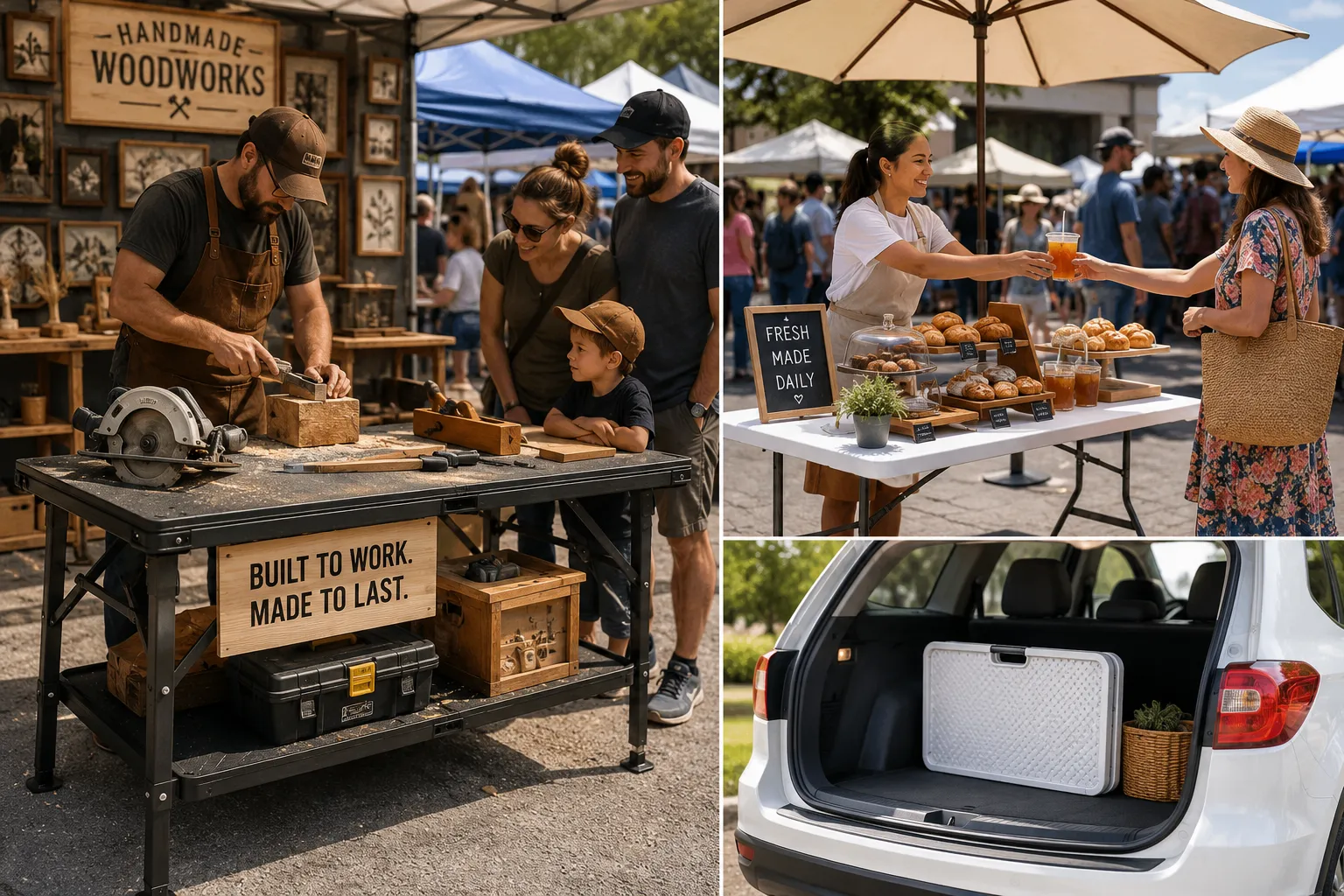
The decision between heavy-duty and lightweight folding tables ultimately comes down to a careful evaluation of your specific needs, the nature of your products, and your logistical capabilities. There isn’t a single “best” option; rather, it’s about finding the table that best supports your operation at craft fairs and markets in 2026.
When considering the Best Folding Tables for Outdoor Events: Heavy-Duty vs. Lightweight Options for Craft Fairs and Markets, start by asking yourself these critical questions:
- What is the average weight of the items I will be displaying? If you’re selling heavy items like pottery, stone sculptures, or large woodworking pieces, a heavy-duty table is non-negotiable for safety and stability. For lighter goods such as jewelry, textiles, or baked goods, a lightweight table will suffice.
- How frequently do I participate in outdoor events, and how far do I transport my gear? Frequent movers will greatly benefit from the portability of lightweight tables. If you have a dedicated vehicle or a team to help with setup, a heavy-duty table might be manageable.
- Will I be setting up and tearing down my booth alone? The ease of handling lightweight tables makes solo setup much more feasible. Heavy-duty tables often require two people to safely maneuver.
- What is my budget? While quality often correlates with price, there are excellent options in both categories. Heavy-duty tables might have a higher initial cost but offer superior longevity for specific applications.
- What kind of aesthetic do I prefer for my booth? Some heavy-duty tables, particularly those with wooden tops, offer a more rustic or premium feel, while lightweight plastic tables might be more utilitarian. However, both can be dressed up with tablecloths and displays. For artisans who value craftsmanship, understanding how to build durable structures, similar to building a DIY Folding Saw Bench Table: A Compact Combination of Sawhorse and, can inform their choice of commercial tables.
Hybrid Solutions and Accessories:
For some vendors, a hybrid approach might be the most effective. This could involve using one heavy-duty table for a central display of heavier items, complemented by one or two lightweight tables for lighter merchandise or as a dedicated workspace.
Additionally, consider accessories that enhance the functionality of your chosen table:
- Tablecloths: Essential for both aesthetics and protecting tables from the elements. Look for fitted or weighted options for outdoor use.
- Leg Levelers/Shims: Crucial for stabilizing tables on uneven ground, a common challenge at outdoor venues.
- Wheeled Carts/Bags: If you opt for heavier tables, a dedicated transport cart can significantly ease the burden of moving them.
- Under-Table Storage: Maximize your space with hanging organizers or storage bins that fit neatly beneath your table.
- Table Skirts/Covers: Not only enhance visual appeal but also hide unsightly storage items and deter theft.
Comparison at a Glance:
| Feature | Heavy-Duty Folding Tables | Lightweight Folding Tables |
|---|---|---|
| Primary Benefit | Durability, high weight capacity, stability | Portability, easy setup, quick transport |
| Materials | Steel frame, thicker HDPE/plywood top | Aluminum frame, thinner HDPE/plastic/slat top |
| Weight | Heavier (25-60+ lbs / 11-27+ kg) | Lighter (10-25 lbs / 4.5-11 kg) |
| Load Capacity | Excellent (300-1000+ lbs / 136-454+ kg) | Good for light items (50-200 lbs / 23-91 kg) |
| Cost | Often higher initial investment | Generally more affordable |
| Transport | More challenging, may require two people or a cart | Easy, often manageable by one person |
| Ideal For | Heavy crafts, large displays, food prep, workshops | Jewelry, textiles, small art, documentation, secondary displays |
Ultimately, the goal is to create a professional, stable, and attractive display that functions seamlessly throughout your event. By carefully weighing the pros and cons of heavy-duty vs. lightweight options, you can make an informed decision that enhances your outdoor market experience in 2026. For those passionate about displaying their crafts, remember that the right table is an extension of your professionalism, much like a well-chosen display case, as discussed in Crafting Custom Wooden Display Cases for Collectibles: Protecting and Showcasing Your Treasures with Precision Joinery.
Conclusion
Choosing the Best Folding Tables for Outdoor Events: Heavy-Duty vs. Lightweight Options for Craft Fairs and Markets is a foundational decision for any vendor or event organizer. The ideal table provides not just a surface for display, but a stable platform that protects your merchandise, simplifies your operations, and contributes to the overall professionalism of your setup. In 2026, with an increasing number of outdoor markets and pop-up events, making the right choice can significantly impact your efficiency and success.
Heavy-duty tables offer unparalleled strength and stability for substantial items, enduring frequent use and demanding conditions. They are an investment in long-term reliability for those who prioritize load capacity and unwavering support. Conversely, lightweight tables excel in portability and ease of setup, making them indispensable for solo vendors or those requiring quick transitions between events. Their convenience significantly reduces logistical strain and allows for greater flexibility.
To make the most informed decision, meticulously assess the weight and type of products you sell, your personal capacity for transport and setup, and the frequency of your participation in outdoor events. Don’t hesitate to consider a mixed approach, leveraging the strengths of both heavy-duty and lightweight options to create a versatile and efficient booth. By carefully matching your needs with the appropriate table type, you can ensure your outdoor event experience is seamless, secure, and successful.
SEO Meta Title: Best Folding Tables: Heavy-Duty vs. Lightweight for Outdoor Events SEO Meta Description: Choose the best folding tables for outdoor events in 2026. Compare heavy-duty and lightweight options for craft fairs and markets based on durability, portability, and stability.