
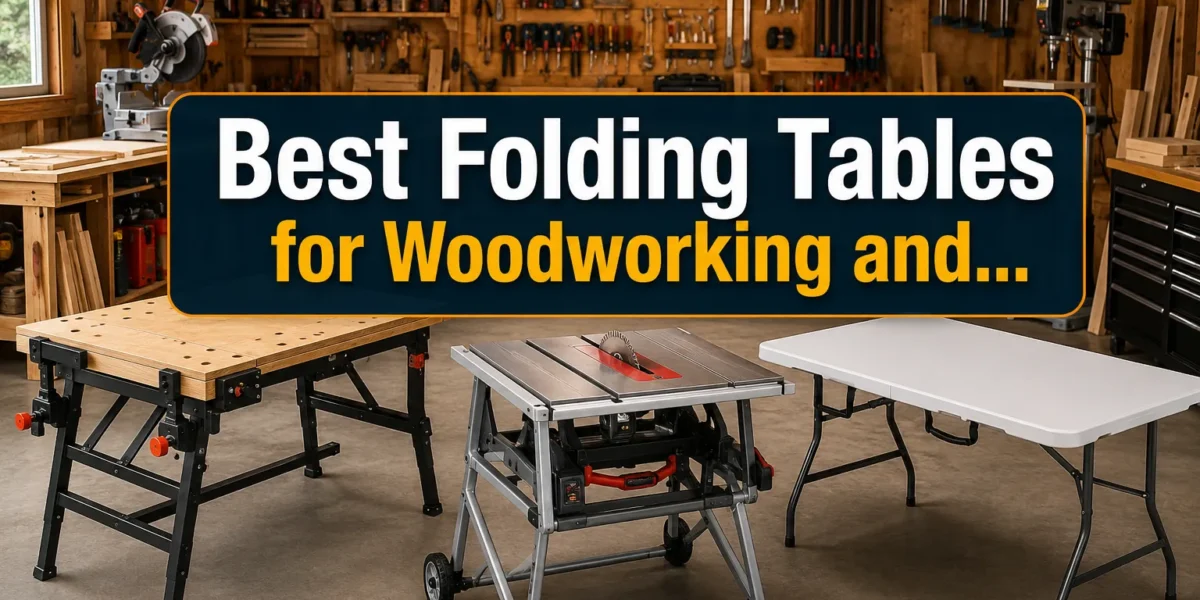
The humble folding table has evolved far beyond its picnic origins, becoming an indispensable asset for woodworkers and DIY enthusiasts operating in limited spaces or needing flexible setups. With myriad options available in 2026, choosing the right portable workstation can dramatically impact efficiency, safety, and project quality. This guide will explore the best folding tables for woodworking and DIY, comparing the robust features of workbench-style tables, the specialized support of saw benches, and the ultimate convenience of portable options, helping you make an informed decision for your unique needs.
Key Takeaways
- Workbench-Style Folding Tables: Offer superior stability and integrated features like vises and dog holes, ideal for heavy-duty tasks, but are often heavier and less compact.
- Saw Benches (Sawhorses): Specialized for cutting operations, providing robust support for long materials and elevating work to a comfortable height. They are highly portable and often stackable.
- Portable Folding Tables: Emphasize lightweight design, quick setup, and compact storage, suitable for light assembly, finishing, and temporary workspaces.
- Considerations: When choosing, prioritize stability, weight capacity, integrated features, portability, and storage footprint based on your typical projects and available space.
- DIY vs. Commercial: While commercial options offer immediate convenience, DIY solutions can be tailored to specific needs and may be more cost-effective for those with basic building skills.
Workbench-Style Folding Tables: Stability Meets Portability
For woodworkers who crave the functionality of a traditional workbench but are constrained by space, workbench-style folding tables offer an exceptional compromise. These units are designed to provide a stable, solid work surface capable of handling significant loads and vigorous activities like planing, chiseling, or routing. Unlike lighter portable tables, they often incorporate features found in permanent workbenches, making them suitable as primary workspaces for many hobbyists.
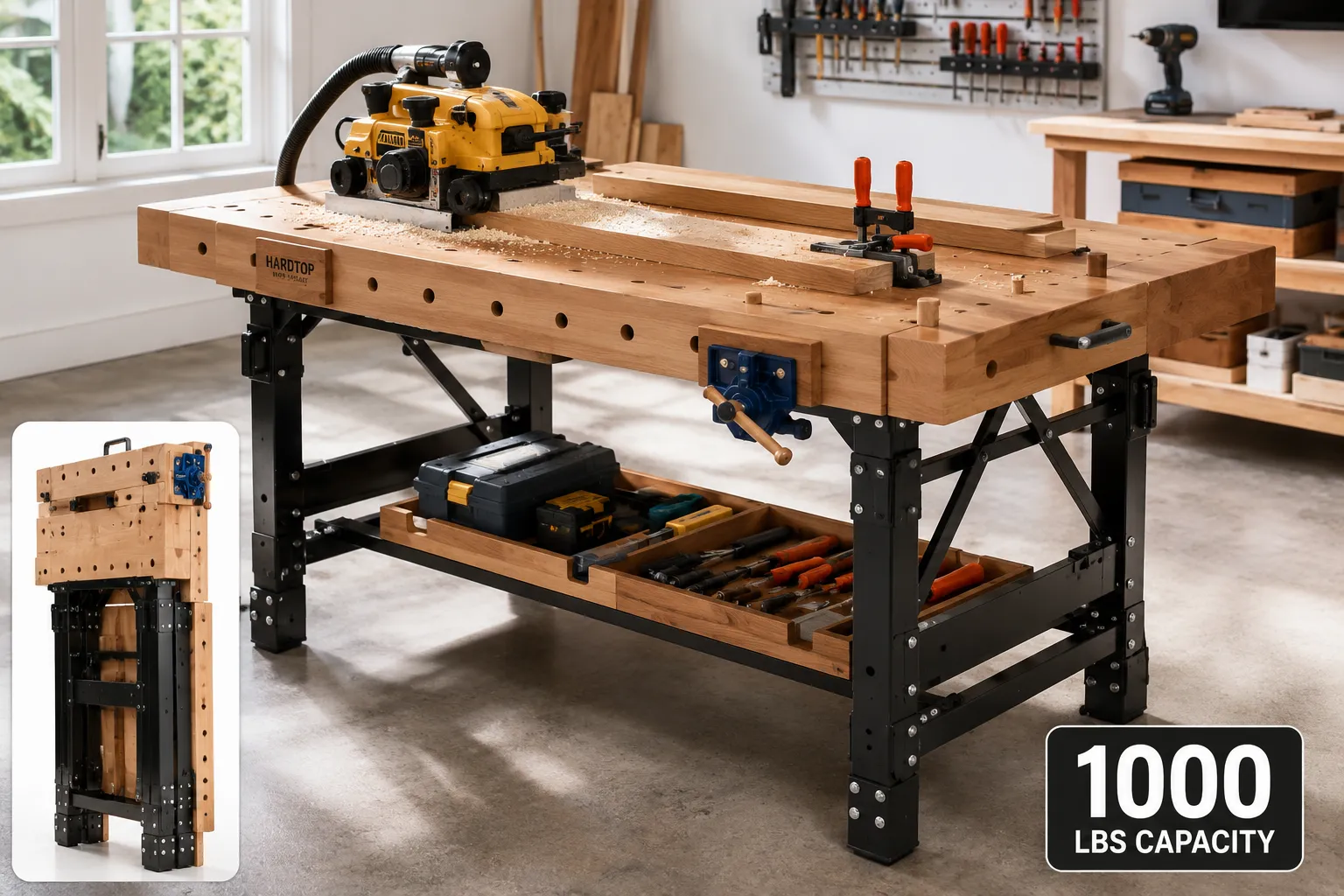
A key characteristic of these tables is their robust construction. Many feature heavy-gauge steel frames, thick MDF or plywood tops, and advanced locking mechanisms to ensure rigidity. Some models even come with integrated bench vises, dog holes for clamping, or tool trays, significantly enhancing their utility. For example, a workbench-style table with a built-in quick-release vise allows for secure clamping of workpieces, a critical feature for precise hand-tool work or intricate joinery. This makes them ideal for tasks like mastering dovetail joinery for drawers.
While offering superior stability, these tables are generally heavier and bulkier than other folding options. Their portability might be limited to moving them around a workshop or garage rather than frequent transport to off-site jobs. However, for those needing a reliable surface for assembly, finishing, or even light machine work, the trade-off in weight is often justified by the increased functionality and security. When building projects like end tables or console tables-build-sleek-entryway-and-tv-stand-a/), a sturdy, level surface is paramount for achieving professional results.
Key Features of Workbench-Style Folding Tables
- High Weight Capacity: Designed to support heavy tools and materials.
- Integrated Clamping Solutions: Vises, dog holes, or T-track systems.
- Durable Work Surface: Often made from high-density materials resistant to dents and scratches.
- Sturdy Frame: Steel construction with strong locking mechanisms.
- Adjustable Height (Optional): Some models offer height adjustments for ergonomic benefits. For more on this, consider resources on creating ergonomic workshop furniture.
Considerations: Before investing, assess the weight and folded dimensions to ensure it fits your storage space and transportation needs. While excellent for stationary work, if frequent transport is a primary concern, other options might be more suitable.
Saw Bench (Sawhorse) Options: Specialized Support for Cutting and Assembly
Saw benches, commonly known as sawhorses, are the workhorses of any woodworking or DIY setup that involves cutting long materials. These specialized folding tables excel at providing elevated, stable support for lumber, sheet goods, and other lengthy workpieces, making sawing, routing, and assembly tasks safer and more manageable. In 2026, modern saw benches often feature innovative designs that enhance portability, adjustability, and even integrated clamping options.
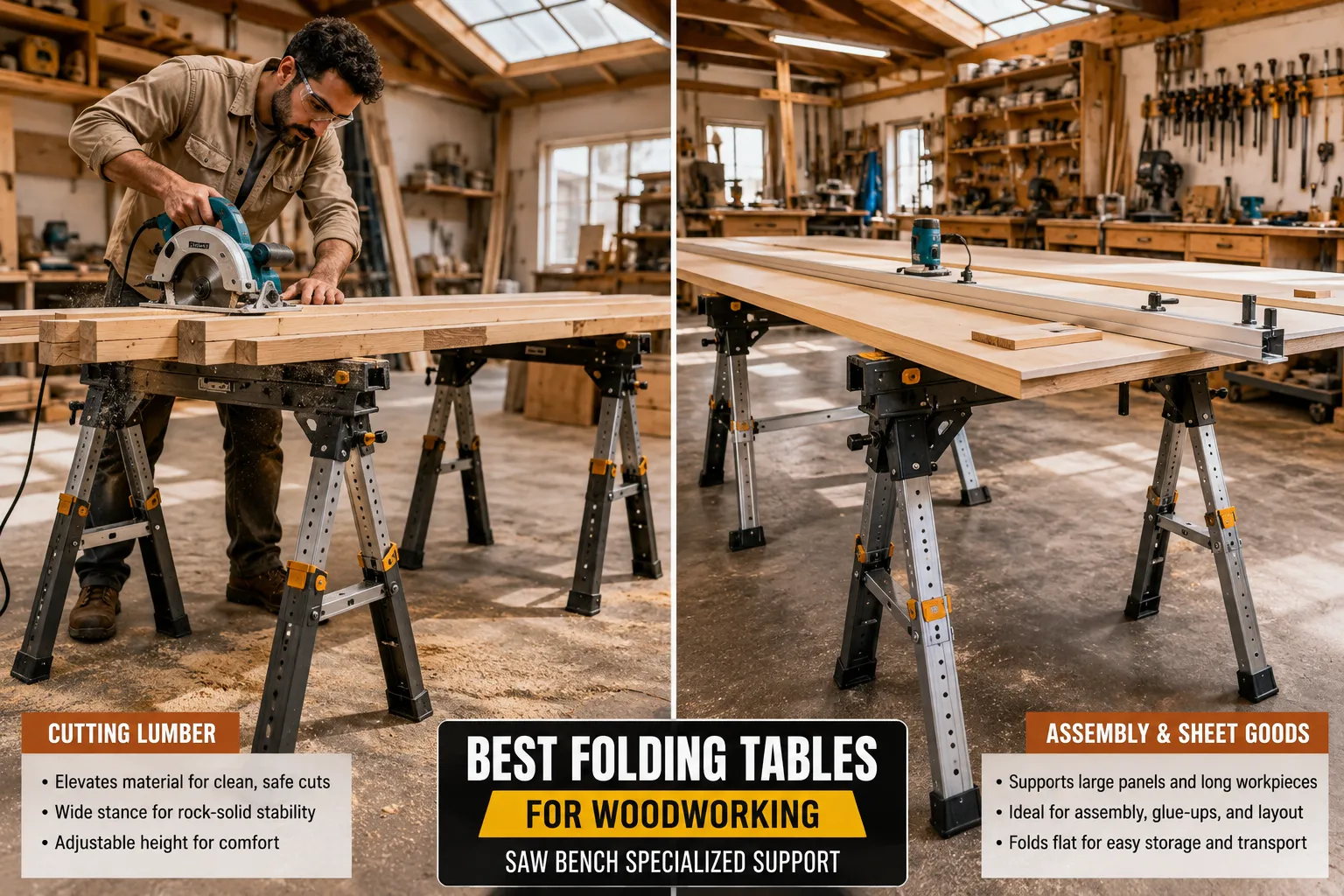
The primary advantage of saw benches lies in their simplicity and efficacy. They elevate materials to a comfortable working height, reducing back strain and providing clear access for tools like circular saws, miter saws, and jigsaws. Many models are sold in pairs, allowing you to support very long boards or even large sheets of plywood. Some advanced sawhorses feature adjustable legs, allowing them to adapt to uneven terrain or to match the height of other work surfaces, which can be crucial for maintaining alignment during complex projects.
Beyond their use as cutting supports, saw benches are incredibly versatile for assembly tasks. By laying a piece of plywood or an old door across two sawhorses, you can quickly create a temporary, large assembly table for projects like building a mobile dust collection cart or DIY modular desk organizers. This adaptability makes them a core component of any flexible workshop. Their ability to fold flat or stack also makes them exceptionally space-efficient, a critical factor for small garages or shared workspaces.
Types of Saw Benches
- Basic Folding Sawhorses: Simple, lightweight, often made of plastic or metal, and designed for quick setup and breakdown.
- Heavy-Duty Sawhorses: Constructed from robust steel or aluminum, offering higher weight capacities and greater stability for demanding tasks.
- Adjustable Height Sawhorses: Feature telescoping legs to customize working height, enhancing ergonomics.
- Sawhorses with Integrated Clamping/Supports: Some models include V-grooves for pipe/round stock, material support pegs, or even quick-clamp mechanisms.
Considerations: When selecting saw benches, consider the maximum weight you’ll need them to support and whether you require adjustable height or integrated features. For cutting operations, especially with a miter saw, ensuring the miter saw table height importance guidelines and tips are met by your sawhorses is essential for accuracy and safety.
Portable Options: The Best Folding Tables for Woodworking and DIY on the Go
When maximum portability and compact storage are the top priorities, dedicated portable folding tables come into their own. These tables are engineered for quick setup and takedown, making them ideal for small projects, finishing work, or situations where you need to transport your workspace to different locations frequently. For tasks that don’t require extreme stability or heavy clamping, these options shine, epitomizing the concept of the best folding tables for woodworking and DIY for mobile craftsmen.
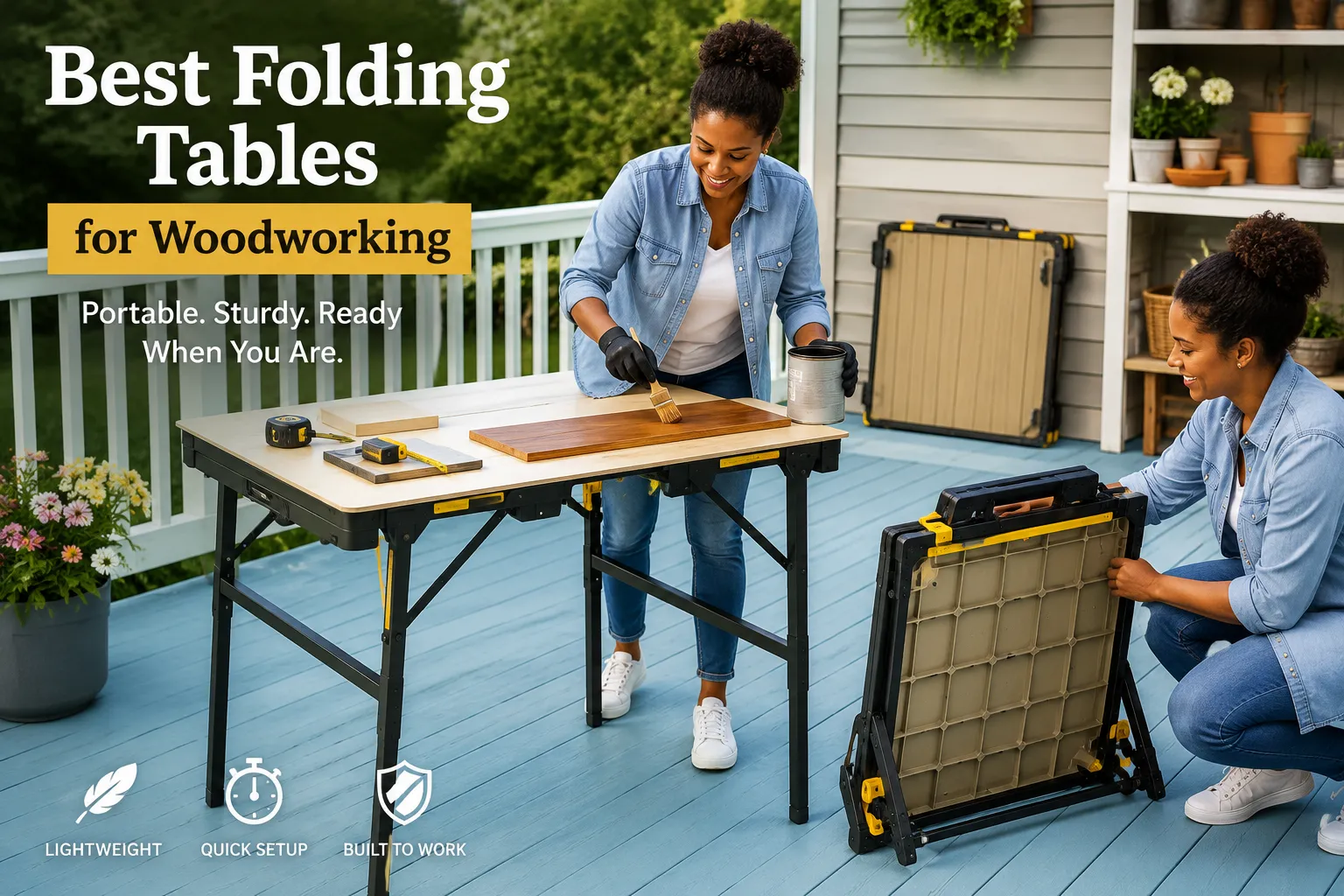
These portable tables often feature lightweight materials like aluminum or composite plastics, sometimes combined with a sturdy, yet foldable, frame. The emphasis is on ease of transport, often with integrated carrying handles and designs that collapse into a very thin profile. While they might not offer the brute strength of a workbench-style table, many are surprisingly stable for their weight, capable of supporting tools like drills, jigsaws, and even small routers.
Their primary use cases include acting as a glue-up station, a clean surface for applying finishes, a temporary desk for project planning, or an auxiliary surface for holding tools and hardware. For DIYers tackling projects around the house, from building custom wooden planters to assembling flat-pack furniture, a portable folding table provides a convenient, elevated platform, keeping work off the floor and at a comfortable height.
Some advanced portable tables include features like built-in power strips, tool storage compartments, or even modular systems that allow multiple tables to connect, expanding the work surface as needed. This modularity is particularly appealing for those who need a versatile setup that can adapt to various project sizes.
Advantages of Portable Folding Tables
- Exceptional Portability: Lightweight and designed for easy transport.
- Rapid Setup and Teardown: Ideal for temporary workspaces.
- Compact Storage: Folds flat for minimal space requirements.
- Versatile Use: Suitable for light assembly, finishing, staging, and general DIY tasks.
Considerations: Evaluate the table’s weight capacity and overall stability for your intended use. While excellent for many tasks, avoid using them for heavy planing or intense clamping operations that could compromise their stability or durability. When selecting, consider how often you’ll be moving the table and how critical a compact storage footprint is for your situation. For more ideas on maximizing space in a small workshop, check out building modular wood storage systems for small workshops.
Choosing the Best Folding Table for Your Needs
Selecting the ideal folding table boils down to aligning its features with your specific woodworking or DIY requirements. There isn’t a single “best” option, but rather the best fit for your projects, space, and budget.
1. Assess Your Typical Projects:
- Heavy-Duty Woodworking (Planing, Joinery, Heavy Clamping): A workbench-style folding table is likely your best bet for its stability and integrated features.
- Cutting Long Stock (Dimensional Lumber, Sheet Goods): Saw benches are purpose-built for this, offering excellent support and height.
- Light Assembly, Finishing, Staging, Small Repairs, Mobile Work: A dedicated portable folding table provides unmatched convenience and portability.
2. Evaluate Your Space Constraints:
- Very Limited Storage: Prioritize tables that fold extremely flat or are highly stackable (like sawhorses).
- Shared or Multi-use Space (e.g., garage, basement): Ease of setup and takedown is crucial, making any folding option valuable, with portable tables excelling here.
- Dedicated, but Small, Workshop: A workbench-style folding table can serve as a primary workstation, especially if you can tuck it away when not in use.
3. Consider Portability Requirements:
- Frequent Transport to Job Sites/Other Locations: Lightweight, highly portable tables are essential. Look for integrated carrying handles.
- Moving Around Your Own Workshop Only: Workbench-style tables, though heavier, can still be moved, sometimes with the aid of integrated wheels.
4. Budget: Folding tables range widely in price. Determine what features are absolute necessities and what are nice-to-haves to find the best value within your budget. Sometimes, a combination of types (e.g., two basic sawhorses and one sturdy portable table) offers the most versatility.
5. DIY vs. Commercial: While commercial options offer convenience and tested designs, consider building a portable workbench yourself if you enjoy custom projects and have the necessary skills. A DIY approach allows for tailored dimensions, specific feature integration (like custom dog holes or tool storage), and can be more cost-effective. However, commercial options usually come with warranties and engineering for reliability.
Conclusion
For any woodworker or DIY enthusiast, optimizing your workspace is key to enjoyable and productive project execution. The selection of the best folding tables for woodworking and DIY, encompassing workbench-style, saw bench, and portable options, offers a spectrum of solutions to meet diverse needs. Whether you require the uncompromising stability of a folding workbench, the robust support of a saw bench for cutting, or the ultimate convenience of a lightweight portable table for on-the-go tasks, the market in 2026 provides excellent choices. Carefully consider your typical projects, available space, and portability needs to invest in the right folding table that will elevate your craftsmanship and efficiency for years to come.
Meta Title: Best Folding Tables for Woodworking & DIY: Workbench, Saw Bench, Portable Meta Description: Explore the best folding tables for woodworking & DIY in 2026. Compare workbench-style, saw bench, and portable options for assembly, cutting, and mobile projects.