
The average outdoor coffee table faces a relentless assault from the elements: scorching sun, driving rain, freezing temperatures, and humidity fluctuations. Choosing the wrong wood can lead to warping, rot, and a significantly shortened lifespan, transforming a beautiful patio centerpiece into a dilapidated eyesore in mere seasons. Selecting the Best Wood Species for Outdoor Coffee Tables: Durability, Aesthetics, and Weather Resistance is not just a preference; it is a critical decision that impacts longevity, maintenance, and the overall enjoyment of your outdoor living space.
Key Takeaways
- Durability is paramount: Woods like Teak, Ipe, and Cedar offer natural resistance to rot, insects, and moisture, making them ideal for outdoor use.
- Aesthetics vary significantly: From the golden hues of Teak to the deep browns of Ipe or the rustic charm of Redwood, each wood offers distinct visual characteristics.
- Weather resistance is inherent: High-density, oily woods perform best without extensive treatment, though proper sealing enhances the lifespan of any outdoor wood.
- Consider maintenance requirements: Some woods demand regular oiling, while others can be left to weather naturally.
- Sustainable sourcing matters: Prioritize ethically harvested or reclaimed wood to support environmental responsibility.
Understanding Durability and Weather Resistance in Outdoor Woods
When evaluating the Best Wood Species for Outdoor Coffee Tables: Durability, Aesthetics, and Weather Resistance, it’s essential to grasp what makes a wood durable in an outdoor setting. The primary threats to outdoor wood furniture are moisture, fungal decay, insect infestation, and UV radiation from the sun. Certain wood species possess natural properties that provide inherent protection against these factors.
Natural Resistance Mechanisms
Woods that excel outdoors typically have:
- High Natural Oil Content: Oils act as a water repellent, preventing moisture absorption and deterring fungal growth. Teak is particularly renowned for this.
- High Density: Denser woods are less porous, making it harder for water to penetrate and causing them to be more resistant to impact and wear.
- Presence of Extractives: These are chemical compounds within the wood that act as natural fungicides and insecticides. Cedar and Redwood are excellent examples.
- Dimensional Stability: Woods that exhibit minimal expansion and contraction with changes in humidity are less likely to warp, crack, or split.
Without these natural defenses, woods quickly deteriorate when exposed to the elements. This is why indoor furniture woods, while beautiful, are rarely suitable for outdoor applications without significant, continuous protective finishes. Crafting durable outdoor pieces often involves a balance between material selection and thoughtful construction, such as employing appropriate joinery that can withstand environmental stress. For those interested in woodworking projects, robust construction is key for items like High-Demand Woodworking Projects for 2026: Coffee Tables, Wine Racks, and Clocks.
Wood Grades and Their Impact
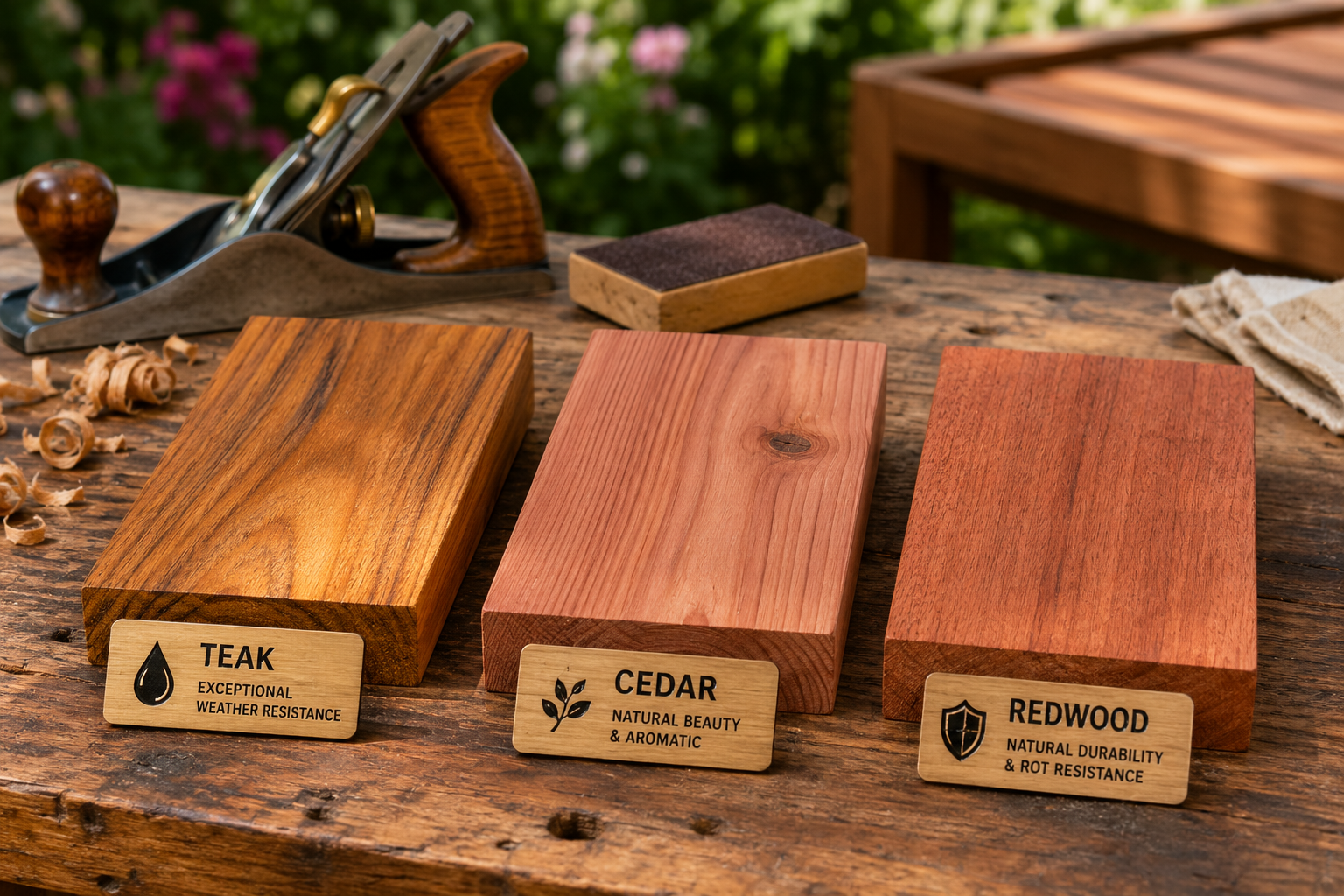
Even within a single species, different grades of wood exist. For outdoor applications, heartwood is generally preferred over sapwood. Heartwood, the dead central wood of a tree, is denser and contains more extractives than sapwood, the living outer section. This makes heartwood significantly more resistant to decay and insects. When sourcing wood, specifying heartwood for outdoor projects is a crucial step towards ensuring longevity.
Top Wood Species for Outdoor Coffee Tables: Durability, Aesthetics, and Weather Resistance
Selecting the right material is the foundation of a long-lasting and attractive outdoor coffee table. Here, we delve into the best wood species available, examining their unique properties and what makes them suitable for the challenging outdoor environment.
1. Teak (Tectona grandis)
Durability: Teak is often considered the gold standard for outdoor furniture. Its exceptionally high natural oil content and tight grain make it incredibly resistant to water, rot, fungi, and insects. It is also highly resistant to warping, shrinking, and swelling. Aesthetics: Teak boasts a beautiful golden-brown color when new, which gradually weathers to a soft, silvery-gray patina if left untreated. This aged look is highly sought after. Its grain is straight and consistent. Weather Resistance: Outstanding. Teak can endure extreme weather conditions, from tropical humidity to harsh winters, without significant deterioration. Maintenance: Low. While it can be oiled to retain its golden color, teak does not require regular sealing or treatment to perform well outdoors. A simple cleaning with soap and water is often sufficient. Cost: High. Teak is one of the more expensive options due to its superior qualities and slower growth rate.
2. Ipe (Handroanthus spp.)
Durability: Ipe, sometimes called Brazilian Walnut, is an incredibly dense and hard wood, even harder than Teak. It boasts excellent resistance to rot, insects, and fire. Its density also makes it highly resistant to scratches and dents. Aesthetics: Ipe has a rich, deep reddish-brown color that can darken to almost black over time. It has a fine, often interlocked grain, giving it a sophisticated appearance. Like Teak, it will weather to a silvery-gray if left untreated. Weather Resistance: Exceptional. Ipe is renowned for its ability to withstand extreme weather, including intense sun, heavy rain, and even saltwater exposure, making it a favorite for decking and boardwalks. Maintenance: Low. Due to its density and natural oils, Ipe requires minimal maintenance. It can be oiled to retain its original color or allowed to weather. Cost: High. Similar to Teak, Ipe is a premium hardwood with a higher price point.
3. Cedar (Thuja plicata – Western Red Cedar, or Juniperus virginiana – Eastern Red Cedar)
Durability: Cedar, particularly Western Red Cedar, is naturally resistant to rot, decay, and insect infestation due to its natural extractives. It is a softer wood than Teak or Ipe but offers good stability. Aesthetics: Western Red Cedar has a warm, reddish-brown hue, often with lighter streaks, and a fine, straight grain. Eastern Red Cedar typically has a more pronounced red color. Both have a distinctive, pleasant aroma. If left untreated, it weathers to a soft gray. Weather Resistance: Good. Cedar performs well in many outdoor environments, though it is softer and can be more prone to denting than harder woods. Its natural oils protect it from moisture. Maintenance: Moderate. While naturally resistant, cedar benefits from a protective finish (sealer or stain) to maintain its color and further enhance its lifespan, especially in areas with high moisture exposure. Cost: Moderate. Cedar is generally more affordable than Teak or Ipe, offering a good balance of performance and price.
4. Redwood (Sequoia sempervirens)
Durability: Like Cedar, Redwood contains natural tannins and extractives that make it highly resistant to insects and decay. It is also dimensionally stable, meaning it resists warping and cracking. Aesthetics: Redwood features a beautiful, deep reddish-brown color that can vary in shade. It has a relatively straight grain and a rich, appealing texture. It will gracefully weather to a silvery-gray if left untreated. Weather Resistance: Very good. Redwood is known for its ability to stand up to various weather conditions, including humidity and temperature fluctuations. Maintenance: Moderate. To preserve its distinctive color and maximize its lifespan, Redwood should be treated with a UV-protective sealant or stain. Cost: Moderate to High. Prices can vary based on grade and availability, often falling between cedar and the premium hardwoods like Teak.
5. Acacia (Acacia spp.)
Durability: Acacia is a dense, durable hardwood that is naturally resistant to moisture and rot. It’s often used for outdoor furniture due to its strength and ability to withstand varied climates. Aesthetics: Acacia typically features a warm, reddish-brown color with an attractive grain pattern that can be quite varied. It polishes to a smooth, lustrous finish. Weather Resistance: Good. While not as universally praised as Teak or Ipe for extreme conditions, properly treated Acacia holds up well against outdoor elements. Maintenance: Moderate. Acacia benefits from regular oiling or sealing to protect its finish and enhance its weather resistance. Cost: Moderate. Acacia offers a more budget-friendly hardwood option compared to Teak or Ipe, making it an attractive choice for many.
Comparison Table: Key Characteristics of Top Wood Species
| Wood Species | Durability Rating (1-5, 5=Best) | Weather Resistance | Aesthetic Appeal | Maintenance Level | Cost Range (1-5, 5=Highest) |
|---|---|---|---|---|---|
| Teak | 5 | Excellent | Golden-brown, silvers to gray | Low | 5 |
| Ipe | 5 | Exceptional | Deep reddish-brown, silvers to gray | Low | 5 |
| Cedar | 3-4 | Good | Reddish-brown, silvers to gray | Moderate | 2-3 |
| Redwood | 4 | Very Good | Deep reddish-brown, silvers to gray | Moderate | 3-4 |
| Acacia | 3-4 | Good | Warm reddish-brown | Moderate | 3 |
For those looking to build furniture, understanding these characteristics is key to successful projects, whether you’re making a simple DIY Coffee Table Plan or a more intricate design.
Essential Considerations Beyond Wood Species
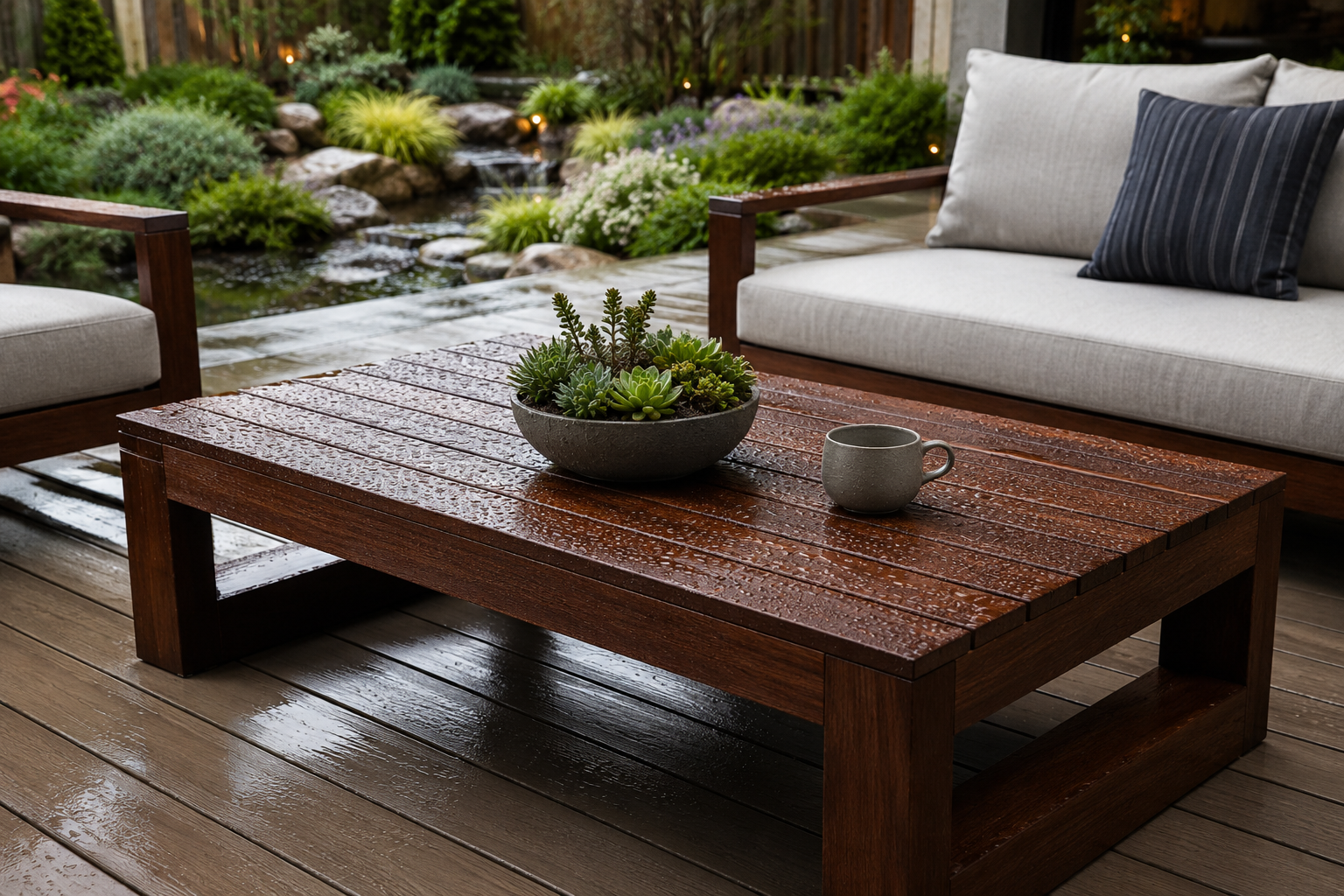
While choosing the Best Wood Species for Outdoor Coffee Tables: Durability, Aesthetics, and Weather Resistance is paramount, other factors significantly influence the longevity and beauty of your outdoor furniture.
Finishing and Sealing for Enhanced Protection
Even the most durable woods benefit from proper finishing and sealing, especially if you wish to preserve their original color rather than allowing them to weather naturally.
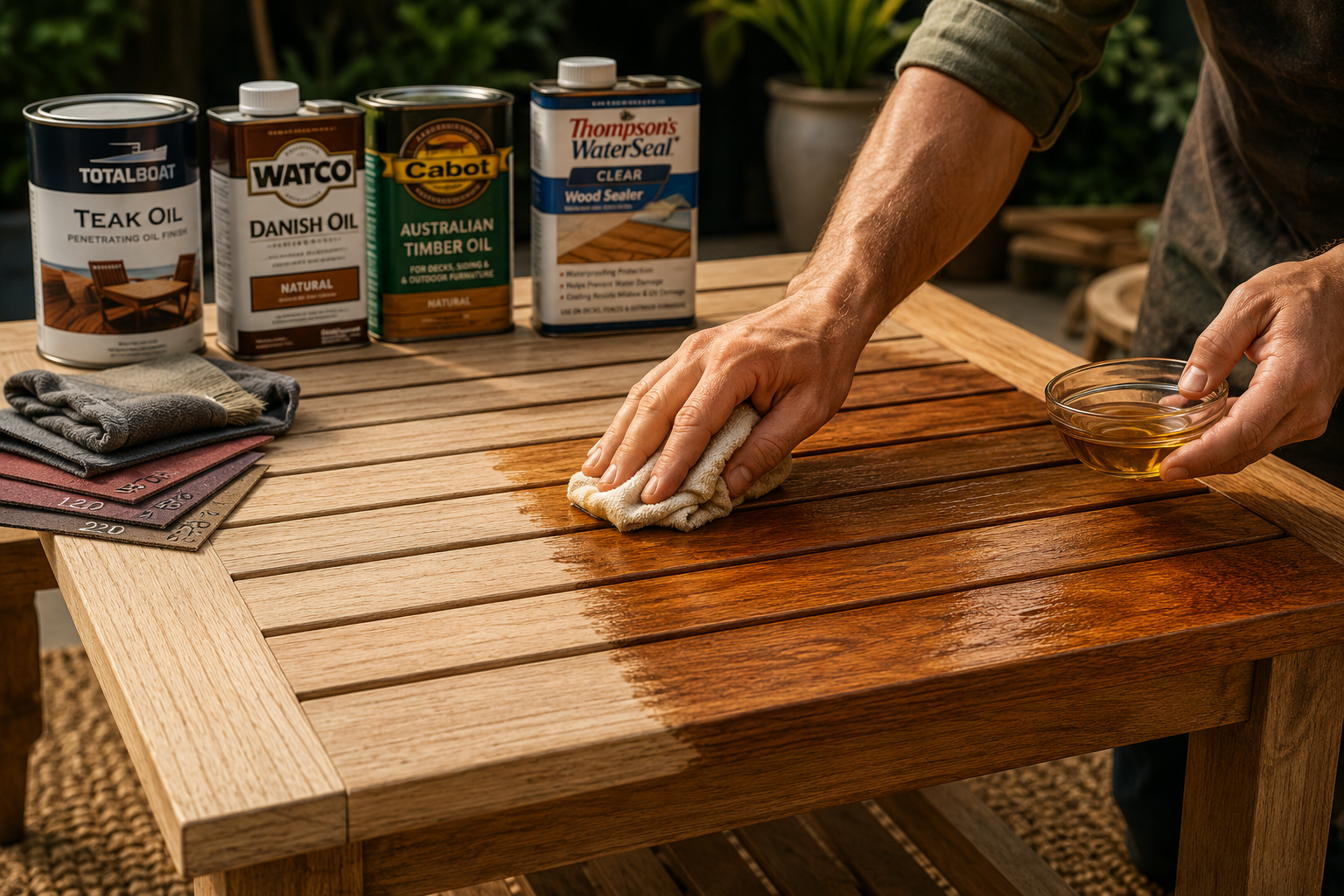
- Oils: Penetrating oils (like Teak oil or linseed oil) nourish the wood, enhance its natural color, and provide additional water repellency. They need reapplication periodically, often annually.
- Sealants: Clear sealants or varnishes create a protective barrier on the wood’s surface, guarding against UV damage and moisture. These finishes tend to be more durable than oils but can crack or peel over time, requiring sanding and reapplication.
- Stains: Stains combine color with a protective finish, allowing you to alter the wood’s hue while offering protection. Many outdoor stains contain UV inhibitors.
When considering finishes, look for products specifically designed for outdoor use that offer UV protection and mildew resistance. For more insights into wood finishes, exploring resources like Weathered Wood Finishing Techniques or Unique Wood Finishing Techniques can provide valuable context.
Construction Techniques and Hardware
The way an outdoor coffee table is built is just as important as the wood it’s made from.
- Joinery: Use durable, water-resistant joinery methods. Mortise and tenon, dowel joints, or robust lap joints are preferable over simple butt joints. Ensure tight-fitting joints to prevent water ingress. For more on this, check out the Beginner’s Guide to Essential Woodworking Joints.
- Hardware: All screws, bolts, and fasteners should be made from stainless steel or marine-grade brass to prevent rust and corrosion, which can stain the wood and compromise structural integrity.
- Drainage: Design the table with adequate drainage in mind. Slatted tops or slight slopes can prevent water from pooling, which is a major cause of rot.
- Legs/Base: Consider feet or glides that lift the wood off damp surfaces, minimizing ground contact and preventing moisture wicking.
Maintenance and Care
Regardless of the wood species, regular cleaning and occasional maintenance will extend the life of your outdoor coffee table.
- Routine Cleaning: Wipe down the table regularly to remove dirt, pollen, and debris. Use a mild soap and water solution and a soft brush for deeper cleaning.
- Seasonal Inspection: Inspect the table annually for any signs of wear, loose joints, or failing finishes. Address minor issues promptly before they become significant problems.
- Winter Storage: If possible, store your outdoor coffee table indoors or cover it during harsh winter months to protect it from extreme conditions.
- Reapplication of Finish: Follow the manufacturer’s recommendations for reapplication of oils, sealants, or stains to maintain protection.
By combining the selection of Best Wood Species for Outdoor Coffee Tables: Durability, Aesthetics, and Weather Resistance with thoughtful design, appropriate finishes, and consistent care, your outdoor coffee table can remain a beautiful and functional centerpiece for many years. Sustainable sourcing also plays a role in woodworking, aligning with practices discussed in Sustainable Wood Sourcing for the Modern Woodworker.
Conclusion
Choosing the Best Wood Species for Outdoor Coffee Tables: Durability, Aesthetics, and Weather Resistance is a critical decision that balances investment, visual preference, and practical longevity. While premium hardwoods like Teak and Ipe offer unmatched natural resilience and minimal maintenance, more affordable options such as Cedar, Redwood, and Acacia provide excellent performance when properly finished and maintained. Each species brings its own unique character and benefits, allowing woodworkers and homeowners to select the ideal material that complements their outdoor space and withstands the test of time and weather.
Ultimately, a well-chosen wood, coupled with sound construction techniques and consistent care, will ensure your outdoor coffee table remains a beautiful and functional gathering point for many seasons to come. Before embarking on your next woodworking project, consider the specific environmental conditions your table will face, your aesthetic preferences, and your willingness to commit to regular maintenance. This thoughtful approach will yield a durable and stunning piece of furniture for your outdoor living area in 2026 and beyond.
References
- Forest Products Laboratory. (2010). Wood Handbook: Wood as an Engineering Material. General Technical Report FPL-GTR-190. U.S. Department of Agriculture, Forest Service, Forest Products Laboratory.
- Hoadley, R. Bruce. (2000). Understanding Wood: A Craftsman’s Guide to Wood Technology. Taunton Press.
- Wengert, Eugene M. (2017). Understanding Wood Finishing: How to Select and Apply the Right Finish. Fox Chapel Publishing.
SEO Meta Title: Best Wood Species for Outdoor Coffee Tables in 2026: Durability & Style SEO Meta Description: Discover the best wood species for outdoor coffee tables in 2026. Compare durability, aesthetics, and weather resistance to choose your perfect patio centerpiece.