

For woodworkers in 2026, the allure of crafting with reclaimed wood transcends mere aesthetics; it embodies a commitment to sustainability, history, and unique design. While newly milled lumber offers predictable consistency, working with salvaged materials presents a distinct challenge and reward, transforming discarded timber into pieces of furniture rich with narrative. Reclaimed wood woodworking involves a meticulous process of sourcing, careful preparation, and thoughtful construction to honor the material’s past while creating durable, beautiful pieces for the future.
Key Takeaways
- Sustainability & Character: Reclaimed wood reduces waste and offers unique aesthetic qualities unmatched by new lumber.
- Diverse Sourcing: Materials can be found from demolition sites, specialized dealers, and online marketplaces, each with specific considerations.
- Thorough Preparation is Crucial: Cleaning, de-nailing, drying, and milling are essential steps to ensure safety and quality.
- Design for the Material: Embrace the imperfections and unique characteristics of reclaimed wood in your furniture designs.
- Specialized Tools & Techniques: Certain tools and methods are particularly beneficial when working with salvaged timber.
Reclaimed Wood Woodworking: Sourcing Salvaged Materials
Sourcing is the foundational step in any reclaimed wood woodworking project. It dictates the type of wood, its inherent characteristics, and the level of preparation required. Knowing where to look and what to look for can significantly impact the success and safety of your endeavors.
Where to Find Reclaimed Wood
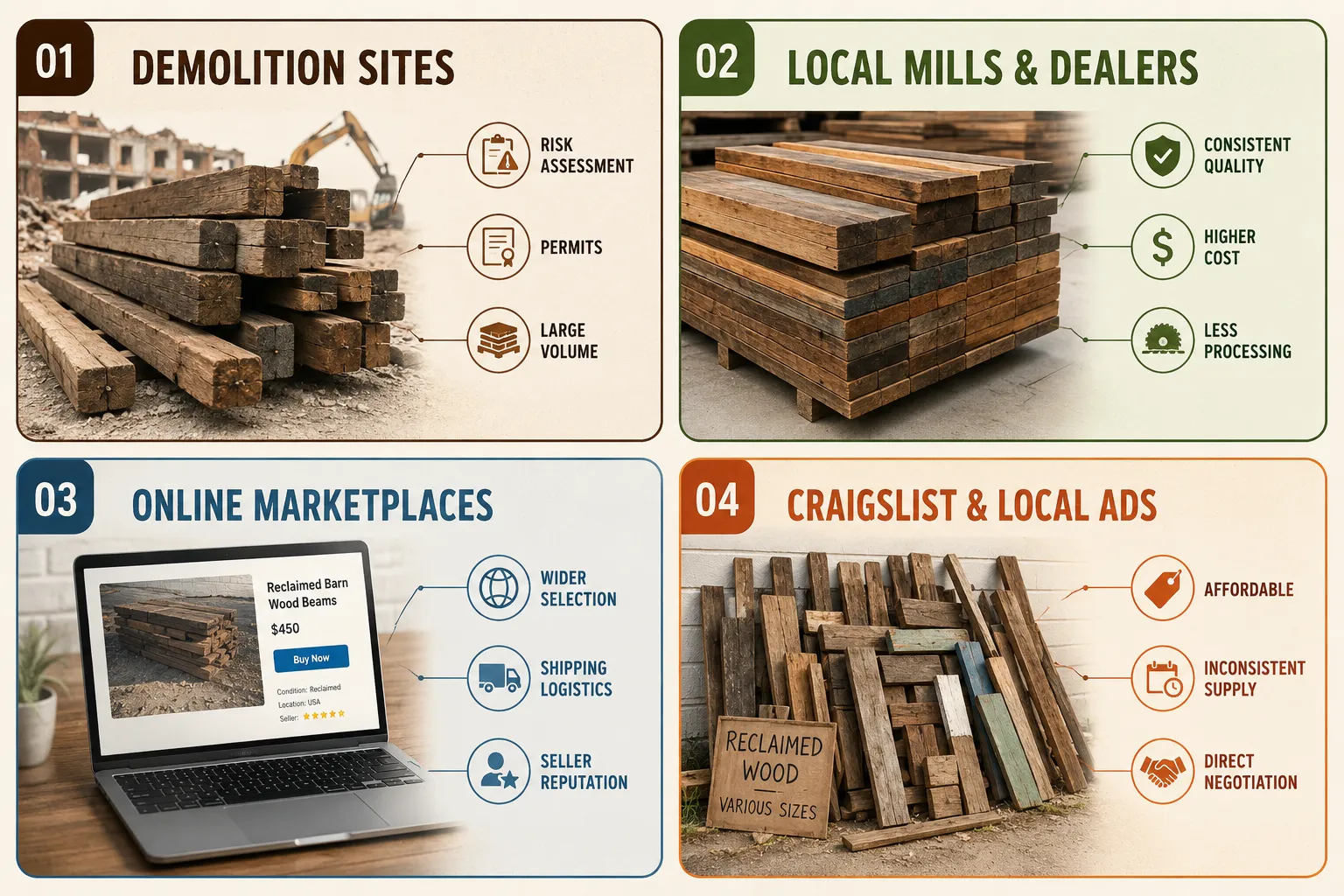
The journey for reclaimed wood can take you to diverse locations, each offering different opportunities and challenges.
Demolition Sites
Old barns, factories, houses, and industrial buildings are treasure troves of high-quality, aged lumber. Often, these structures were built with old-growth timber, which is denser and more stable than most modern lumber.
- Pros: Can yield large quantities of unique wood species (e.g., heart pine, oak, chestnut). Often free or very low cost if you do the removal yourself. Offers a direct connection to the material’s history.
- Cons: Significant safety risks (structural instability, hazardous materials like lead paint or asbestos). Requires permits and careful planning. Wood may contain hidden metal, excessive dirt, and rot. Labor-intensive to extract and transport.
When considering demolition sites, always prioritize safety. Wear appropriate personal protective equipment (PPE), including steel-toed boots, heavy gloves, eye protection, and a respirator. Never work alone.
Dedicated Reclaimed Wood Dealers
These businesses specialize in sourcing, processing, and selling reclaimed lumber. They often have large inventories of various wood types, already de-nailed, kiln-dried, and sometimes milled.
- Pros: High-quality, often ready-to-use material. Wide selection of species and dimensions. Dealers can provide information about the wood’s origin and history. Reduced risk of hidden hazards.
- Cons: Significantly higher cost than other sourcing methods. Less direct involvement in the salvaging process.
Local Sawmills and Lumberyards
Many smaller sawmills or lumberyards might process local reclaimed timber or have “odd” batches that don’t fit standard orders. Some may even offer custom milling services for wood you’ve sourced yourself.
- Pros: Potentially good deals on irregular cuts or smaller batches. Local support and expertise.
- Cons: Inventory can be inconsistent. May still require significant preparation.
Online Marketplaces and Local Listings
Websites like Craigslist, Facebook Marketplace, or specialized online forums for woodworkers can be excellent places to find individuals selling salvaged wood. Local ads in newspapers or community boards can also yield results.
- Pros: Often very affordable or even free. Can discover unique, small batches of wood. Direct negotiation with sellers.
- Cons: Quality and consistency vary wildly. “Buyer beware” applies strongly here; thorough inspection is critical. Logistics for pickup can be challenging.
What to Look for When Sourcing Reclaimed Wood
Regardless of where you source your wood, consider these factors:
- Wood Species: Identify the type of wood. Different species have varying hardness, grain patterns, and workability.
- Condition: Assess for rot, insect damage, severe cracks, or excessive warping. While some character is desirable, structural integrity is paramount.
- Moisture Content: High moisture content indicates the wood will need significant drying time before use to prevent warping and cracking in your finished furniture. A moisture meter is an invaluable tool.
- Hidden Hazards: Assume all reclaimed wood contains metal (nails, screws, bolts, rebar fragments). Always use a metal detector.
- Size and Quantity: Ensure you have enough material for your project, accounting for waste during preparation.
Reclaimed Wood Woodworking: Preparing Salvaged Materials for Furniture
Once sourced, reclaimed wood requires careful preparation to transform it into usable, safe, and stable material for furniture building. Skipping these steps can lead to damaged tools, unstable projects, or even injury.
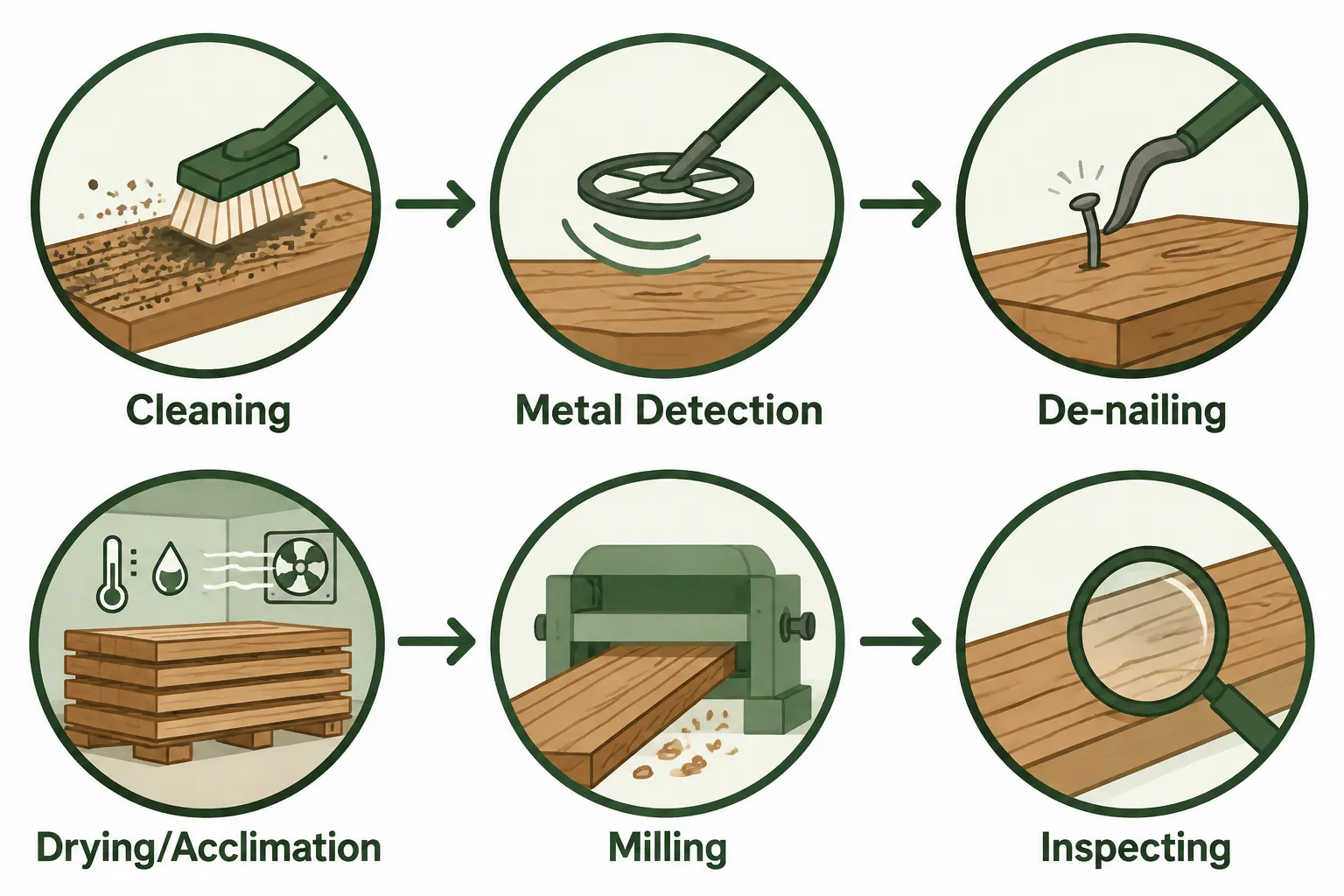
Essential Preparation Steps
The preparation phase is often the most time-consuming but critical part of working with reclaimed wood.
1. Cleaning
Reclaimed wood is typically covered in dirt, dust, paint, and sometimes even remnants of plaster or concrete.
- Initial Scrubbing: Use a stiff brush, scraper, and water (if not overly wet) to remove loose debris. For heavily soiled pieces, a power washer can be effective, but ensure the wood dries thoroughly afterward.
- Chemical Removal (with caution): For old paint or stubborn grime, environmentally friendly paint strippers or wood cleaners might be necessary. Always test on an inconspicuous area first and follow safety guidelines.
2. Metal Detection and De-nailing
This is arguably the most crucial safety step. Hidden metal can shatter planer blades, saw teeth, and router bits, creating dangerous projectiles and costly damage.
- Metal Detector: Systematically scan every square inch of the wood with a high-quality metal detector. Mark any detected metal with chalk.
- De-nailing: Carefully remove all detected nails, screws, bolts, and other metal fragments using nail pullers, pry bars, and sometimes even grinders to cut flush with the surface if removal is impossible. Be thorough; even a tiny piece of metal can cause significant damage.
3. Stabilizing and Drying
Reclaimed wood often has an unknown moisture content. Using wood that is too wet will lead to warping, cracking, and joint failure as it dries in your home.
- Air Drying: Stack the wood with stickers (small spacer strips) between layers to allow air circulation. Store it in a dry, stable environment, away from direct sunlight or extreme temperature changes. This can take months or even years depending on the wood’s thickness and initial moisture content.
- Kiln Drying: For faster and more precise drying, commercial kiln drying services are available. This ensures the wood reaches a stable moisture content (typically 6-8% for indoor furniture).
- Acclimation: Once dried, allow the wood to acclimate to your workshop or home’s ambient conditions for several weeks before milling or assembly.
4. Milling and Dimensioning
This step transforms irregular, rough-sawn boards into flat, square, and dimensioned lumber suitable for fine woodworking.
- Jointing: Use a jointer to create one perfectly flat face.
- Planing: With the flat face against the planer bed, plane the opposite face to achieve parallel surfaces and desired thickness. Take shallow passes to avoid tear-out.
- Edging: Joint one edge square to the flat face, then rip the opposite edge parallel on a table saw to achieve desired width.
- Squaring: Crosscut ends square to length.
“Building a DIY woodworking bench for beginners” is a project where mastering these milling skills is essential, as a stable, flat work surface is paramount. See our guide on Building a DIY Woodworking Bench For Beginners Essential Features And Simple Construction for more details.
5. Inspection and Repair
After milling, thoroughly inspect the wood for any remaining defects.
- Fill Voids: Use epoxy, wood filler, or bow ties (dovetail keys) to stabilize cracks, knots, or wormholes. Epoxy can be particularly effective for filling large voids and creating unique visual effects.
- Patching: For larger missing sections or severe damage, consider patching with matching reclaimed wood.
Reclaimed Wood Woodworking: Building Furniture from Salvaged Materials
The unique character of reclaimed wood lends itself to furniture pieces that tell a story. When designing and building, embrace the material’s history while ensuring structural integrity and a refined finish.
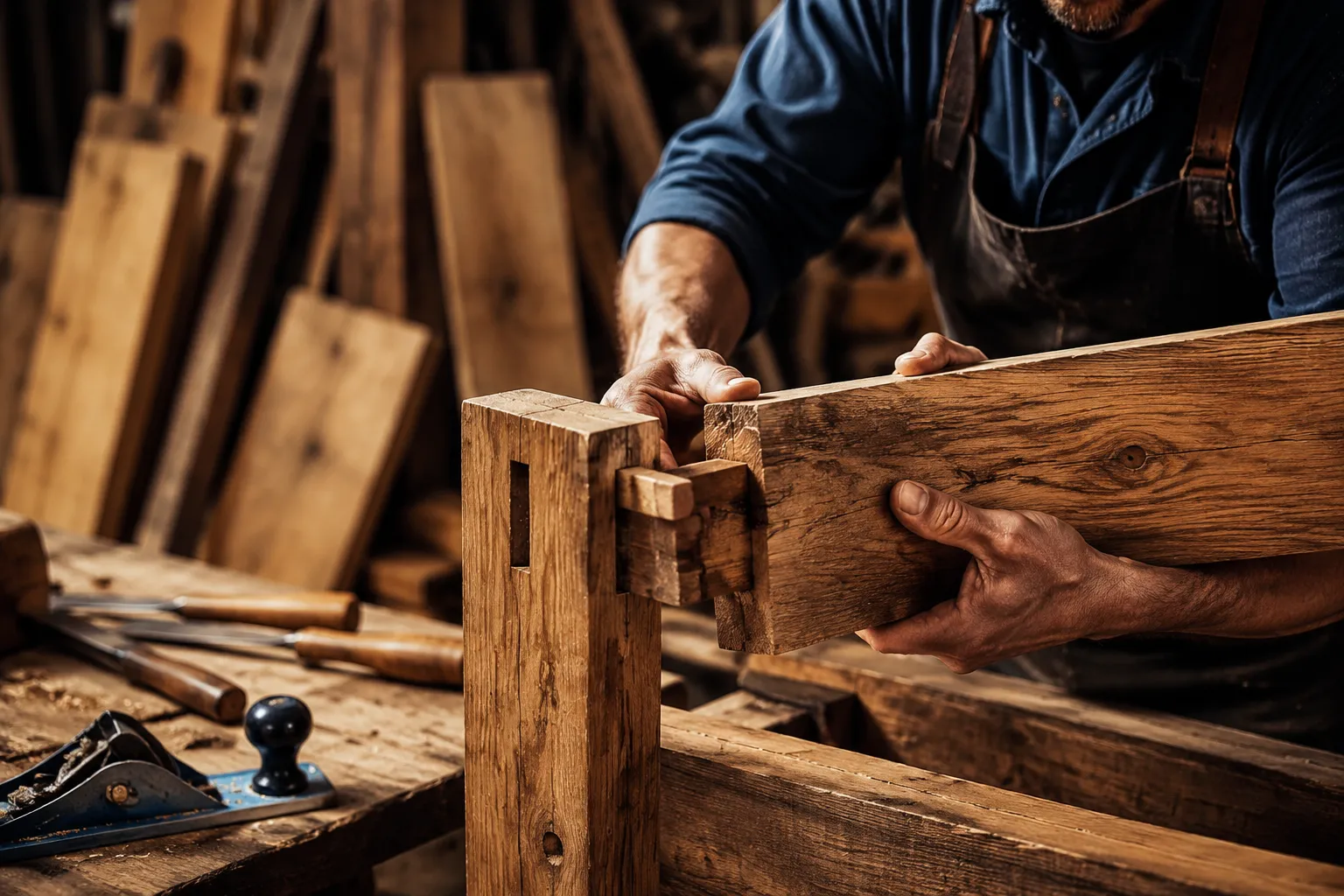
Design Considerations for Reclaimed Wood Furniture
The imperfections inherent in reclaimed wood are often its greatest asset. Integrate them into your design rather than trying to hide them.
- Highlight Character: Exposed nail holes, saw marks, natural checking, and variations in grain and color contribute to the rustic or industrial aesthetic. Consider these “narrative interiors” when planning your project. Learn more about creating Narrative Interiors Through Woodworking Telling Stories With Reclaimed Materials And Custom Pieces.
- Structural Integrity: While character is good, structural weakness is not. Design joints that are strong and appropriate for the wood’s condition. Avoid placing critical stress on severely cracked or compromised sections.
- Joint Selection: Traditional joinery like mortise and tenon, dovetails, or dadoes are excellent choices. Biscuits, dominos, or pocket screws can also be used, but ensure they don’t interfere with existing defects.
- Minimize Waste: Design your pieces around the available dimensions of your reclaimed lumber to maximize yield and minimize offcuts. This is a core principle of sustainable woodworking.
Popular Reclaimed Wood Furniture Projects
The versatility of reclaimed wood makes it suitable for a wide range of furniture:
- Dining Tables and Coffee Tables: Large, thick planks from old barns make stunning tabletops. The imperfections add to their charm. Consider projects like “Building statement furniture pieces” for inspiration on creating high-value items. Read our article on Building Statement Furniture Pieces Designing And Constructing Coffee Tables Benches And Console Tables That Sell For 500 In 2026.
- Shelving Units and Bookcases: The rustic look of reclaimed wood shelves can add warmth and character to any room.
- Benches and Seating: Ideal for entryway benches or outdoor seating. For outdoor furniture, ensure the wood is naturally weather-resistant or properly sealed. Explore ideas for DIY Outdoor Furniture Building Weather Resistant Benches Tables And Planters For Your Backyard Oasis.
- Console Tables and Side Tables: Smaller pieces can showcase unique sections of highly figured or distressed wood. Our guide on Console Tables Vs Coffee Tables Vs End Tables How To Design And Build The Right Table For Each Room offers design insights.
Assembly and Finishing
Assembly with reclaimed wood is similar to new lumber but requires extra attention to detail due to variations in thickness and potential irregularities.
- Dry Fit: Always dry fit your joints before applying glue to ensure a snug fit. Make adjustments as needed.
- Gluing: Use high-quality wood glue. Because reclaimed wood can sometimes be harder or more brittle, ensuring good clamping pressure and sufficient drying time is crucial.
- Fasteners: Where necessary, use appropriate screws or bolts. Pre-drilling pilot holes is essential to prevent splitting, especially in old, dry wood.
- Sanding: Start with a coarser grit (e.g., 80-100 grit) to remove any remaining milling marks or surface imperfections, then progressively move to finer grits (up to 180-220) for a smooth finish. Be careful not to sand away too much of the desirable character.
- Finishing: The choice of finish largely depends on the desired aesthetic and intended use.
- Oils (Linseed, Tung): Penetrate the wood, enhance its natural color and grain, and offer a natural, matte look.
- Waxes: Provide a soft sheen and some protection, often used over oil finishes.
- Polyurethane/Varnish: Offer durable, water-resistant protection, ideal for tabletops or high-use items. Available in various sheens from matte to high gloss.
- Natural Finishes: For an eco-friendly approach, consider plant-based stains and oils. Learn more about Natural Wood Finishing Without Chemicals Plant Based Stains Oils And Protective Coatings For Health Conscious Makers And Eco Conscious Buyers.
- Milk Paint/Chalk Paint: Can be used to achieve a distressed, antique look while preserving the wood’s texture. For more, see Introduction To Milk Paint And Chalk Paint Finishes Achieving Rustic And Distressed Looks On Wood.
Conclusion
Reclaimed wood woodworking is more than just a craft; it’s a creative journey that breathes new life into forgotten materials. By mastering the art of sourcing, the rigor of preparation, and the thoughtful execution of building, woodworkers in 2026 can create truly unique, sustainable, and story-rich furniture pieces. The character embedded in each knot, nail hole, and weathered grain tells a silent tale, transforming a discarded beam into a cherished heirloom. Embrace the imperfections, honor the history, and enjoy the profound satisfaction of crafting with salvaged wood.
Actionable Next Steps:
- Start Small: Begin with a simpler project like a small shelf or a cutting board to gain experience with reclaimed wood preparation.
- Invest in Safety: Prioritize a good metal detector and appropriate PPE.
- Visit Local Dealers: Explore a dedicated reclaimed wood dealer to understand the quality and types of materials available.
- Practice Milling: If you’re new to it, practice jointing and planing on scrap wood to achieve flat, square stock consistently.
- Embrace the Process: Working with reclaimed wood requires patience and adaptability. Enjoy the journey of transforming raw, salvaged material into a beautiful, functional piece of furniture.
References
- Petersen, S. (2010). Building with reclaimed lumber: A guide to finding and using salvaged wood. Storey Publishing.
- Schwartz, M. (2018). The Reclaimed Wood Handbook: A complete guide to finding, preparing, and building with repurposed wood. Fox Chapel Publishing.