
The average homeowner spends over $5,000 annually on home improvements and repairs, a significant portion of which often involves woodworking projects. For dedicated woodworkers, the allure of tackling every aspect of a project, from design to the final installation, is powerful. However, there are critical junctures where the ambition of “Doing It Yourself” clashes with the practical realities of safety, structural integrity, and sheer physical effort. This article, “Choosing a Handyman vs. Doing It Yourself: When Woodworkers Should Hire Help for Built-ins and Heavy Installations,” explores those pivotal moments, guiding woodworkers on when to leverage professional help for complex built-ins and heavy installations.
Key Takeaways
- Assess Project Complexity and Risk: Evaluate whether your project involves structural modifications, heavy lifting, or intricate installations that could pose safety risks or require specialized tools beyond your current capabilities.
- Understand Your Skill and Time Limits: Be honest about the time commitment and specific skills required for large-scale installations, especially those involving ceiling beams or extensive cabinetry.
- Handymen Offer Specialized Expertise: Professionals bring experience with diverse construction scenarios, ensuring proper installation, adherence to building codes, and efficiency.
- Cost-Benefit Analysis: While hiring help incurs an upfront cost, it can prevent expensive mistakes, save time, and ensure a higher quality, safer final product.
- Effective Collaboration is Key: When hiring, clearly define roles, communicate expectations, and integrate the handyman’s skills with your woodworking expertise for optimal results.
Choosing a Handyman vs. Doing It Yourself: Understanding Project Scope and Limitations
For many woodworkers, the satisfaction of seeing a project through from raw lumber to finished installation is a core part of the craft. However, the scope of a project can quickly expand beyond the typical workshop bench, especially when dealing with custom built-ins or heavy installations that become part of the home’s structure. Understanding when your passion and skill set intersect with the need for professional assistance is crucial.
Consider the example of built-in bookshelves. While crafting the individual cabinets and shelves might be within your wheelhouse, securely integrating them into a wall, ensuring they are level, plumb, and structurally sound, especially if they are floor-to-ceiling or span an entire wall, can present challenges. These challenges are amplified when the installation involves elements like new electrical outlets within the units, rerouting existing wiring, or ensuring the units can bear significant weight without compromising the wall structure.
Heavy installations, such as large wooden ceiling beams, intricate paneling, or massive entertainment centers, often demand more than just woodworking prowess. They require an understanding of building codes, load-bearing capacities, and the use of specialized lifting and anchoring equipment. Attempting these tasks without the proper knowledge or tools can lead to costly damage, safety hazards, or a result that falls short of professional standards.
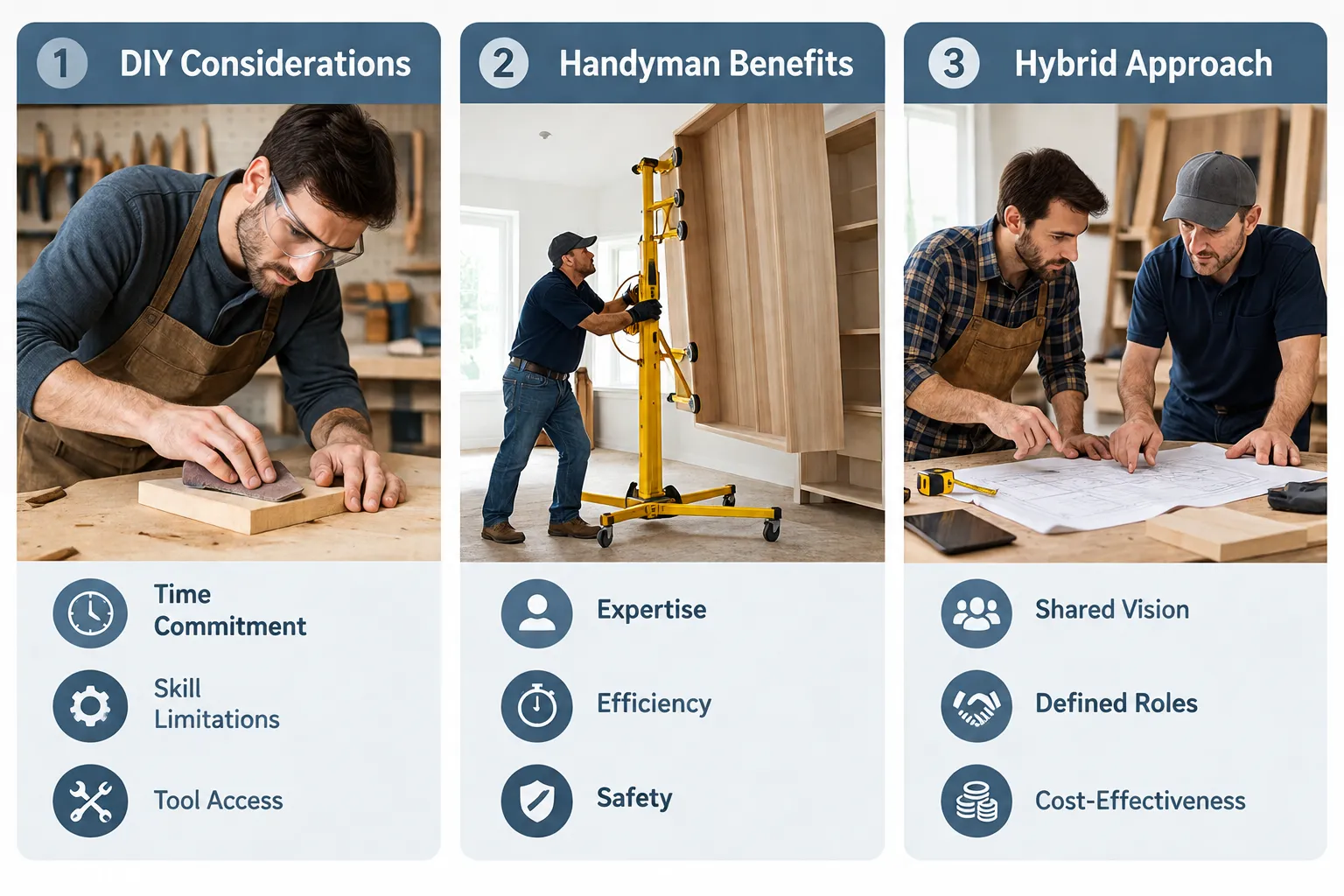
A handyman, particularly one with experience in home renovation and construction, brings a different skill set to the table. They are often proficient in a range of trades, from carpentry and plastering to basic electrical and plumbing work. This versatility makes them ideal for tasks that bridge the gap between fine woodworking and general home construction, such as:
- Structural Integration: Securing heavy built-ins to wall studs, ensuring proper weight distribution, and addressing any necessary wall modifications.
- Heavy Lifting and Placement: Safely moving and positioning large, heavy wooden components, especially in awkward spaces or at height.
- Utility Connections: Integrating lighting, power outlets, or hidden wiring within built-in units, ensuring compliance with electrical codes.
- Finish Work: Patching drywall, painting, or matching existing finishes around the installed pieces for a seamless look.
- Problem Solving: Addressing unexpected structural issues, uneven floors or walls, or other installation complexities that arise on site.
The decision of “Choosing a Handyman vs. Doing It Yourself: When Woodworkers Should Hire Help for Built-ins and Heavy Installations” hinges on a realistic assessment of the project’s demands versus your personal capabilities and available resources. For instance, while you might excel at mastering the art of wood selection or crafting modular furniture designs, the actual installation of a floor-to-ceiling unit that requires anchoring into concrete or dealing with uneven wall surfaces might be better left to someone with specific structural installation experience.
Identifying When Professional Help is Indispensable for Built-ins and Heavy Installations
There are clear indicators that a woodworking project has crossed the threshold from DIY territory into the realm where professional assistance becomes not just helpful, but essential. These often involve significant weight, complex structural challenges, or the need for specialized equipment and knowledge.
When to Strongly Consider Hiring a Handyman:
- Structural Modifications: If your built-in project requires altering load-bearing walls, adding new framing, or cutting into existing structural elements (like joists or studs), a handyman with construction experience or a general contractor is advisable. They can ensure structural integrity and prevent costly, dangerous mistakes.
- Significant Weight and Size: Installing large, heavy built-in units, such as massive wall-to-wall bookcases, entertainment centers, or DIY exposed wood box beams, often requires multiple people, specialized lifting equipment, and precise anchoring techniques to prevent collapse or damage. A handyman can provide the necessary labor and expertise for safe installation.
- Integration with Home Utilities: Projects that involve running new electrical wiring for integrated lighting, moving outlets, or dealing with plumbing lines (e.g., a built-in wet bar) should typically involve a licensed electrician or plumber, or a handyman experienced in these trades. Safety and compliance with local codes are paramount.
- Height and Accessibility Challenges: Installing cabinetry, shelving, or decorative elements high up on walls or ceilings poses safety risks. A handyman often has the right ladders, scaffolding, and safety gear, along with the experience to work efficiently at height.
- Lack of Specialized Tools: While woodworkers accumulate an impressive array of tools, certain installations require tools not typically found in a woodworking shop, such as heavy-duty anchors, laser levels for large-scale accuracy, or specific demolition and patching equipment. Hiring a handyman often means gaining access to their full toolkit without the investment.
- Time Constraints or Physical Limitations: Large installations can be incredibly time-consuming and physically demanding. If you have limited time, or if the physical strain is too great, a handyman can expedite the process and prevent injury.
- Desire for a Flawless Finish: While you might be an expert in Mahogany wood finishing techniques, achieving a perfectly seamless integration into an existing wall, including drywall patching, paint matching, or trim work, often requires the skills of a handyman or general carpenter.
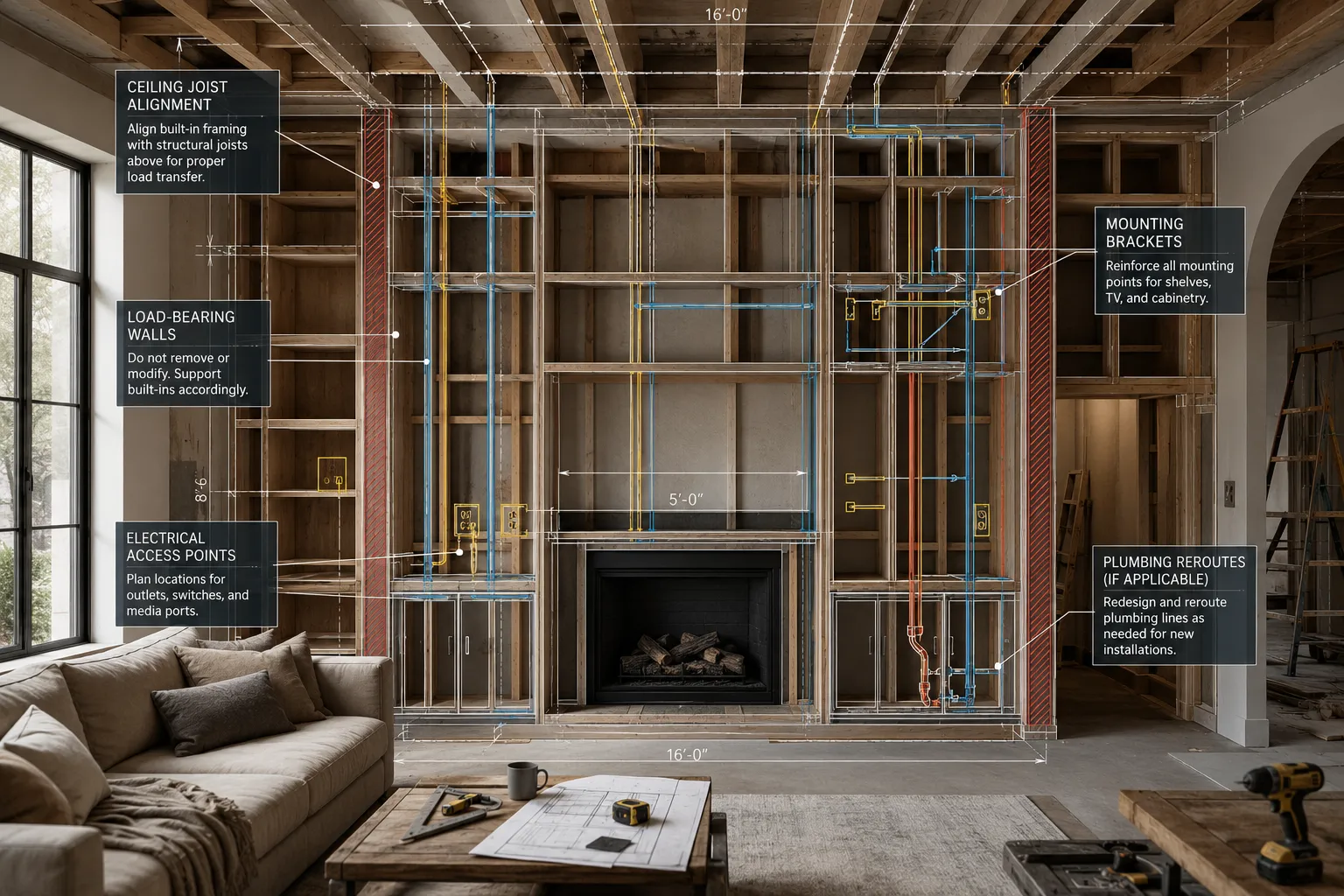
A Practical Scenario: Imagine you’ve crafted a beautiful set of floor-to-ceiling built-in cabinets for your living room, intending to house a collection of books and display items. The total weight of the units, once installed and filled, could be hundreds of pounds. Beyond the sheer weight, the installation involves securing these units to plaster walls, ensuring they are perfectly level across a span of 10 feet, and integrating power for interior lighting.
In this scenario, a handyman’s contribution is invaluable. They can accurately locate wall studs, use appropriate fasteners and blocking for maximum support, manage the lifting and positioning of large sections, and skillfully patch and finish any surrounding wall areas for a truly integrated look. Their experience with diverse wall types and fastening methods will likely surpass that of a dedicated woodworker whose primary expertise lies in joinery and fabrication.
Collaborating with a Handyman: A Woodworker’s Guide to Seamless Projects
Once you’ve made the decision that “Choosing a Handyman vs. Doing It Yourself: When Woodworkers Should Hire Help for Built-ins and Heavy Installations” leans towards professional assistance, the next step is effective collaboration. As a woodworker, your expertise in design, fabrication, and material selection is paramount. The handyman’s role is to execute the structural installation, bringing their knowledge of construction, safety, and efficiency.
1. Vetting and Hiring the Right Handyman:
- Look for Experience: Seek a handyman with proven experience in built-in installations, carpentry, and general home renovation. Ask for references and view examples of similar work.
- Clear Communication: During the initial consultation, assess their communication style. A good handyman will listen to your vision, ask clarifying questions, and offer practical solutions.
- Obtain Detailed Quotes: Get a written estimate that clearly outlines the scope of work, labor costs, and any materials they will provide. Ensure there are no hidden fees.
- Check Licensing and Insurance: Verify that they are licensed and insured (where required by local regulations) to protect both parties in case of accidents or damage.
2. Defining Roles and Expectations:
Before any work begins, establish clear roles. As the woodworker, you are likely responsible for:
- Design and Fabrication: Creating the detailed plans, selecting materials, and constructing the built-in components.
- Material Preparation: Ensuring all wooden components are finished and ready for installation. For guidance on appropriate fastening, refer to Mastering Woodworking Screws: Your Ultimate Guide for 2026.
- On-Site Presence: Being available to answer questions and make design decisions during the installation.
The handyman’s role typically includes:
- Site Preparation: Protecting flooring, furniture, and clearing the work area.
- Structural Assessment: Verifying wall integrity, locating studs, and identifying any underlying issues.
- Installation: Carefully positioning, leveling, and securely fastening the built-in components.
- Utility Integration: Handling electrical or plumbing connections as agreed upon (or coordinating with licensed specialists).
- Finishing Touches: Drywall patching, caulking, or minor painting to seamlessly integrate the built-ins.
3. Collaborative Planning and Execution:
- Share Detailed Plans: Provide the handyman with comprehensive drawings, measurements, and any specific installation instructions for your built-ins. Walk them through your vision.
- Pre-Installation Walkthrough: Conduct a thorough walkthrough of the installation area together. Discuss potential challenges, access points, and how best to maneuver large pieces.
- Staging Materials: Coordinate how and when materials will be brought to the site to maximize efficiency and minimize disruption.
- Open Communication: Maintain an open line of communication throughout the project. If issues arise, discuss them calmly and collaboratively to find solutions.
- Respect Each Other’s Expertise: While you may be the woodworking expert, respect the handyman’s experience in structural installation and construction best practices. They may offer insights that improve the stability or longevity of your built-ins.
- Final Inspection: Once the installation is complete, perform a joint inspection to ensure everything meets your expectations and is properly secured.
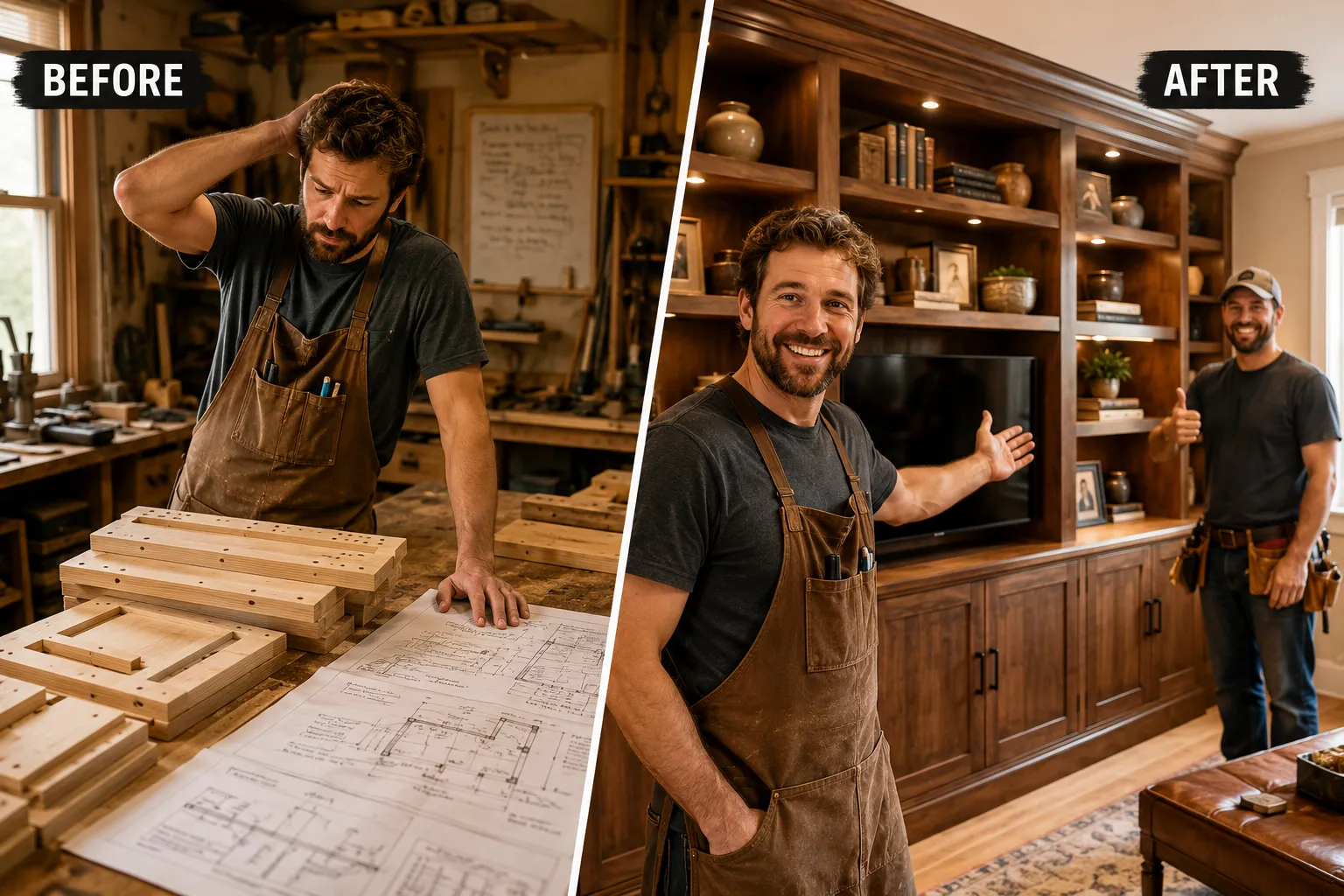
By embracing a collaborative approach, you combine your woodworking artistry with the handyman’s practical installation expertise. This synergy not only ensures a higher quality, safer final product but also makes the entire project more efficient and less stressful. Whether it’s the intricate placement of a reflecting mirror on wood as part of a larger unit or the secure mounting of heavy shelving, choosing to collaborate when the project demands it allows woodworkers to focus on what they do best: creating beautiful, functional pieces.
Conclusion
The decision of “Choosing a Handyman vs. Doing It Yourself: When Woodworkers Should Hire Help for Built-ins and Heavy Installations” is a nuanced one, reflecting a blend of skill assessment, safety considerations, and practical project management. While the DIY spirit is a cornerstone of woodworking, recognizing the limitations of one’s own capabilities, especially when dealing with structural challenges, heavy components, or complex utility integrations, is a mark of true craftsmanship. By understanding when to bring in professional help, woodworkers not only ensure the safety and longevity of their creations but also free themselves to focus on the intricate details and artistic aspects of their craft.
Collaborating with a skilled handyman for the installation phase of large built-ins or heavy fixtures can transform a potentially overwhelming project into a seamless and successful endeavor. It’s about leveraging complementary skill sets: your precision and design prowess, combined with a handyman’s experience in structural installation and problem-solving. In 2026, as home improvement projects continue to grow in scale and complexity, knowing when and how to effectively integrate professional support will be an invaluable asset for any woodworker looking to achieve ambitious, high-quality results. Don’t let pride prevent a perfect finish; sometimes, the smartest tool in your shed is a trusted professional.
SEO Meta Title: Woodworker’s Guide: Handyman vs. DIY for Built-ins & Heavy Installs SEO Meta Description: When should woodworkers hire a handyman for built-ins or heavy installations in 2026? Learn to assess project scope, vet pros, and collaborate effectively.