
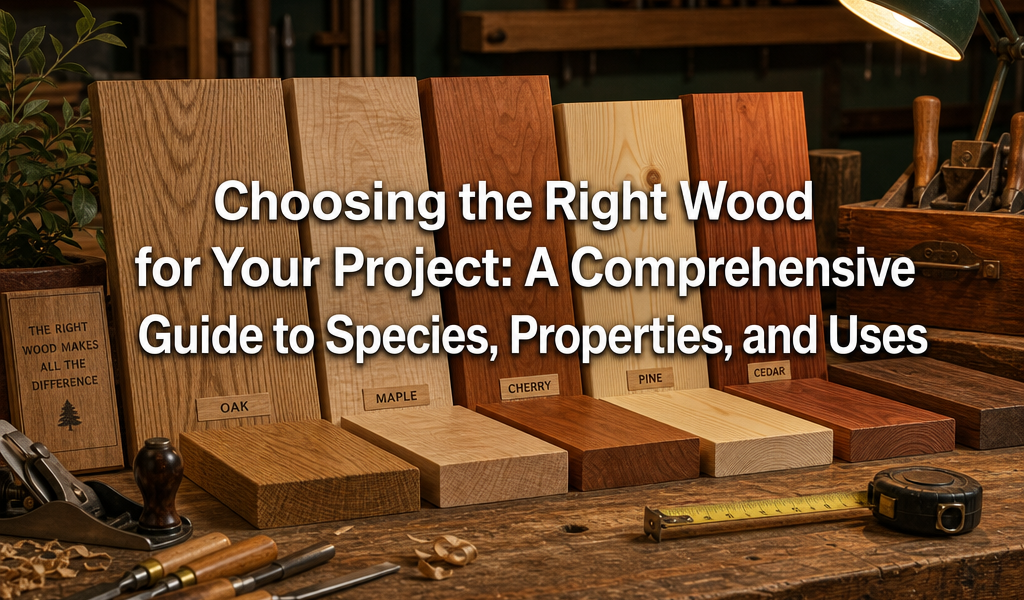
Over 70% of a woodworking project’s success hinges on the initial choice of material. Selecting the wrong wood can lead to frustration, wasted effort, and a finished piece that fails to meet expectations for durability, aesthetics, or performance. This comprehensive guide aims to simplify the often-complex decision of Choosing the Right Wood for Your Project: A Comprehensive Guide to Species, Properties, and Uses, empowering both novice and experienced woodworkers in 2026 to make informed choices.
Key Takeaways
- Hardwoods vs. Softwoods: Understand the fundamental differences in density, durability, and common applications.
- Key Wood Properties: Prioritize factors like hardness, stability, rot resistance, and grain aesthetics based on your project’s demands.
- Species-Specific Uses: Match popular wood species (e.g., oak, maple, pine, cedar) to their ideal projects for optimal results.
- Workability & Finish: Consider how easy a wood is to cut, shape, and finish, as this impacts project execution and final appearance.
- Sourcing Responsibly: Explore options like sustainably harvested and reclaimed wood for environmental benefits and unique character.
Understanding the Fundamentals: Hardwoods vs. Softwoods 🌳
The first step in Choosing the Right Wood for Your Project: A Comprehensive Guide to Species, Properties, and Uses is to grasp the basic distinction between hardwoods and softwoods. These classifications refer to the botanical origin of the tree, not necessarily its physical hardness, though there’s often a correlation.
Hardwoods come from deciduous trees that lose their leaves in the fall (e.g., oak, maple, cherry, walnut). They tend to be denser, more durable, and typically exhibit more complex grain patterns. Due to their slower growth rate, hardwoods are generally more expensive and harder to work with than softwoods. They are ideal for fine furniture, flooring, cabinetry, and other applications requiring strength and longevity.
Softwoods come from coniferous trees that bear needles and cones (e.g., pine, cedar, spruce, fir). They grow faster, are generally less dense, and often have a simpler, straighter grain. Softwoods are typically more affordable, easier to cut, and widely used for construction lumber, framing, exterior projects, and some rustic furniture. While called “softwoods,” species like Douglas fir can be quite strong.
Essential Wood Properties to Consider
Beyond the hardwood/softwood division, several key properties influence a wood’s suitability for a particular project:
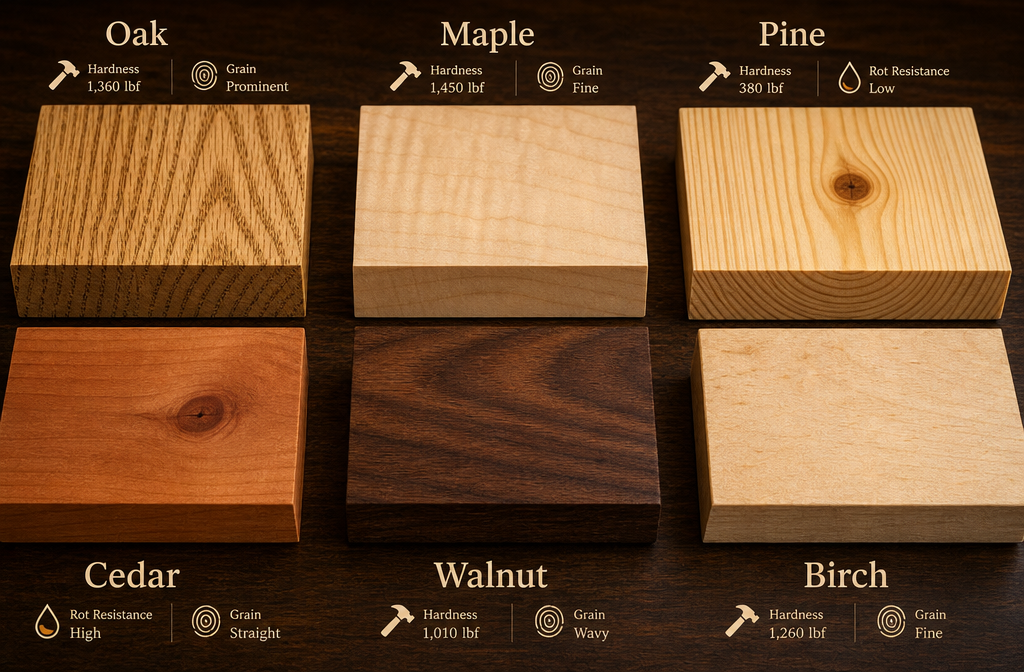
- Hardness (Janka Scale): This measures a wood’s resistance to denting and wear. Higher Janka ratings indicate greater durability. For example, Red Oak (1,290 lbf) is significantly harder than Eastern White Pine (380 lbf).
- Stability: Refers to how much a wood changes dimension (swells or shrinks) due to changes in humidity. Stable woods are less prone to warping and cracking, crucial for furniture and cabinetry.
- Durability/Rot Resistance: Important for outdoor projects or areas exposed to moisture. Woods like cedar and redwood naturally resist decay and insects.
- Strength (Modulus of Rupture, MOE): Measures a wood’s ability to withstand bending and compression. Critical for structural applications.
- Grain Pattern & Aesthetics: The visual appeal of the wood, including its color, texture, and how the grain presents. This is often a primary consideration for visible projects.
- Workability: How easy a wood is to cut, plane, sand, glue, and finish. Some woods are prone to tear-out, while others are very cooperative.
Hardwoods: Strength and Beauty
| Wood Species | Janka Hardness (lbf) | Common Uses | Key Characteristics |
|---|---|---|---|
| Oak (Red & White) | 1290 (Red), 1360 (White) | Furniture, flooring, cabinetry, trim, boat building | Strong, durable, prominent open grain, takes stain well. White oak is more water-resistant. |
| Maple (Hard) | 1450 | Furniture, butcher blocks, flooring, musical instruments | Very hard, dense, fine grain, light color, good impact resistance. Can be challenging to stain evenly. |
| Cherry | 950 | Fine furniture, cabinetry, turned objects | Beautiful reddish-brown, smooth grain, develops a rich patina over time, easy to work with. |
| Walnut | 1010 | High-end furniture, gunstocks, decorative items | Rich dark brown, distinctive grain, strong, stable, excellent workability. |
| Poplar | 540 | Painted furniture, interior trim, drawer boxes, hidden components | Relatively soft hardwood, straight grain, machines well, takes paint exceptionally. |
For intricate furniture pieces, understanding various joinery techniques, such as those found in Hand Tool Joinery for Visible Wood Joints: Dovetails, Mortis, becomes critical for hardwoods.
Softwoods: Versatility and Affordability
| Wood Species | Janka Hardness (lbf) | Common Uses | Key Characteristics |
|---|---|---|---|
| Pine (White) | 380 | Construction, rustic furniture, shelving, trim | Soft, light color, prominent knots, easy to work with, affordable. Prone to dents. |
| Cedar (Western Red) | 350 | Outdoor furniture, decking, siding, birdhouses | Aromatic, naturally rot and insect resistant, lightweight, stable, beautiful reddish color. |
| Douglas Fir | 660 | Construction lumber, framing, plywood, large beams | Strong for a softwood, good strength-to-weight ratio, straight grain. |
| Spruce | 460 | Construction, framing, musical instrument soundboards | Light, strong, good stiffness, commonly used in general construction. |
When building outdoor projects like DIY Wooden Plant Stands: Elevate Your Indoor Garden with Cus, cedar’s natural resistance makes it a prime choice. Similarly, for Building Wooden Birdhouses: Advanced Joinery for Functional, cedar’s lightweight nature and rot resistance are highly beneficial.
Matching Wood Species to Your Project Needs in 2026 🛠️
The core of Choosing the Right Wood for Your Project: A Comprehensive Guide to Species, Properties, and Uses lies in aligning the wood’s characteristics with the demands of your specific project. This section offers practical guidance for various woodworking applications in 2026.
Furniture Building
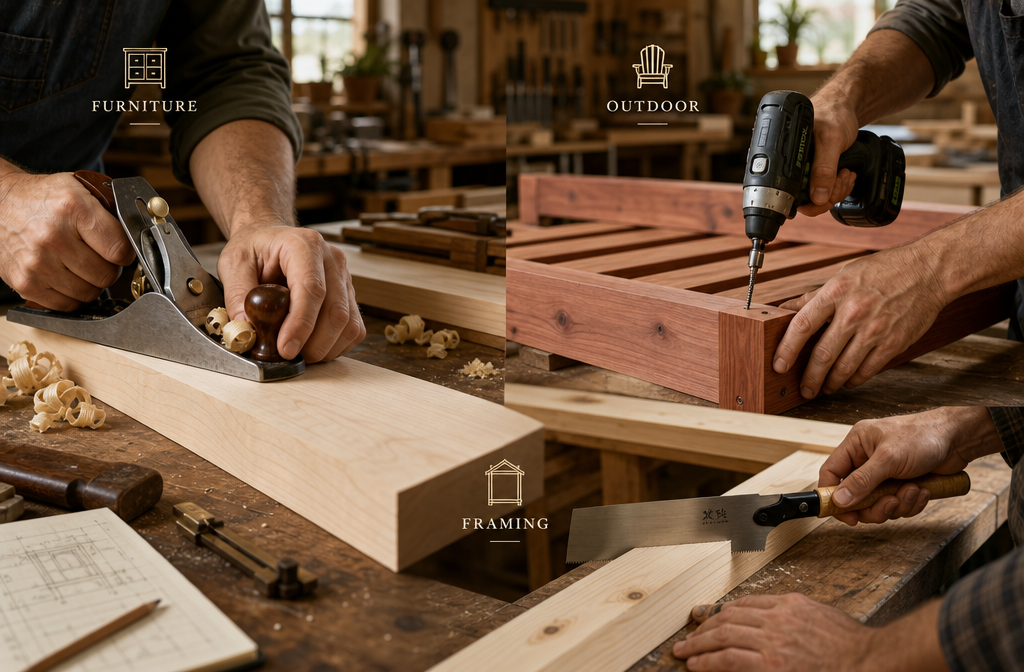
For indoor furniture, such as a sturdy dining table or an elegant nightstand, hardwoods are often the preferred choice due to their durability and aesthetic appeal.
- Dining Tables & Chairs: Oak, Maple, Walnut. These woods offer the strength to withstand daily use and beautiful grain patterns. Craft your dream farmhouse dining table often uses sturdy woods like oak or pine.
- Cabinets & Built-ins: Maple, Cherry, Poplar (for painted finishes). Maple and cherry provide a refined look, while poplar is an excellent, cost-effective option for painted cabinetry.
- Bedroom Furniture (Nightstands, Dressers): Cherry, Walnut, Maple. These woods bring warmth and elegance. Crafting your perfect woodworking nightstand often involves these choices.
Outdoor Projects
Exposure to elements requires woods with natural resistance to moisture, rot, and insects.
- Decks & Fencing: Cedar, Redwood, Pressure-Treated Pine. Cedar and redwood are naturally resistant, while pressure-treated pine offers an economical, durable option.
- Outdoor Furniture (Adirondack Chairs, Picnic Tables): Cedar, Teak, Cypress. These woods hold up well against weather. Consider building Adirondack chairs with cedar for longevity.
- Garden Structures (Arbors, Planters): Cedar, Redwood. Their natural properties prevent decay.
Decorative & Craft Projects
Here, aesthetics, workability, and unique features often take precedence.
- Cutting Boards: Hard Maple, Walnut, Cherry. Maple is favored for its hardness and tight grain, while walnut and cherry offer beautiful contrast and durability. For a deeper dive, check out the ultimate guide to wooden cutting boards.
- Turned Objects (Bowls, Spindles): Maple, Cherry, Walnut, Exotic Woods. These woods turn smoothly and reveal stunning grain patterns. For beginners, Introduction to Wood Turning for Beginners is a great resource.
- Picture Frames & Small Boxes: Pine, Poplar, small pieces of Walnut or Cherry. Ease of workability and cost-effectiveness are key here. Profitable Beginner Woodworking: Picture Frames, Cutting Boa often uses these species.
Structural Applications
Strength, stiffness, and consistency are paramount.
- Framing & Construction: Douglas Fir, Spruce, Pine. These softwoods are chosen for their structural integrity and availability.
- Support Beams: Douglas Fir, Larch, or engineered lumber. When building box beams for ceilings, strength is crucial.
Sourcing and Preparing Your Wood 🪵
Once you’ve narrowed down your ideal wood species, the next critical step in Choosing the Right Wood for Your Project: A Comprehensive Guide to Species, Properties, and Uses involves sourcing and proper preparation. The quality of your lumber directly impacts the success and longevity of your project.
Where to Buy Wood
- Lumberyards: Best for a wide selection of hardwoods and specialty woods. Staff can often offer expert advice.
- Big Box Stores: Convenient for softwoods, dimensional lumber, and some common hardwoods, especially for larger projects.
- Sawmills: Can provide rough-sawn lumber, often at a lower cost, but requires more processing on your part.
- Online Retailers: Offer access to a vast array of domestic and exotic woods, often delivered directly.
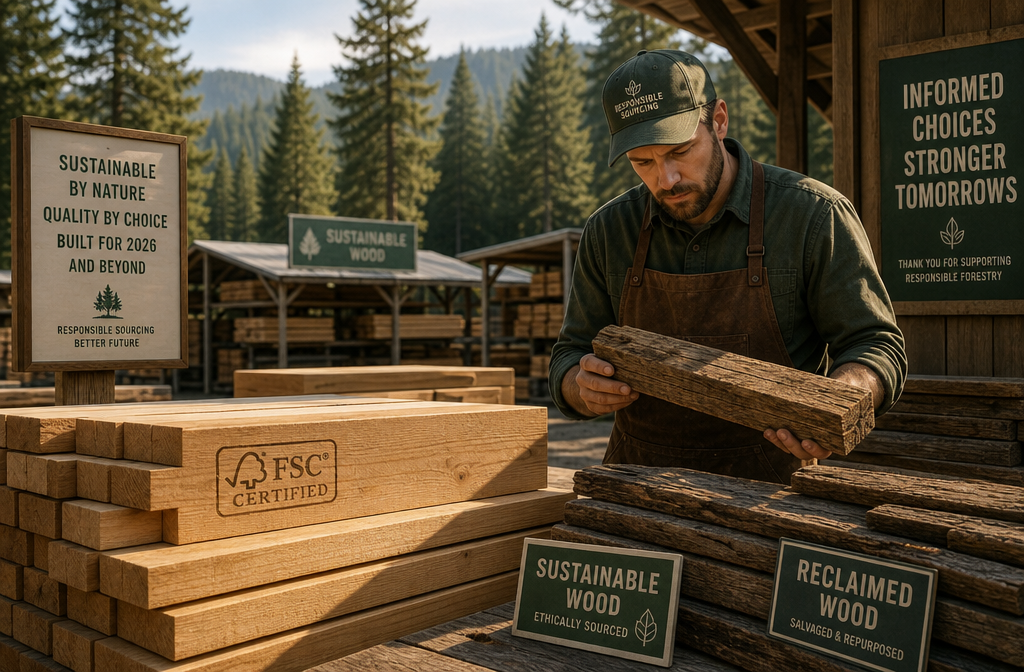
- Reclaimed & Salvaged Wood: For unique character and sustainability, consider sourcing reclaimed and salvaged wood. This can add a rich history to your projects, such as with reclaimed wood mantels.
Important Considerations When Buying
- Moisture Content: Ensure wood is properly kiln-dried (typically 6-8% for indoor projects). High moisture content leads to warping and cracking as the wood dries.
- Grain Direction & Defects: Inspect for straightness, flatness, and absence of significant knots, cracks, or warping. Look at the grain for aesthetics and structural integrity.
- Cost: Hardwoods are generally more expensive than softwoods. Factor this into your project budget.
- Sustainability: Consider FSC (Forest Stewardship Council) certified wood or locally sourced timber to support sustainable forestry practices.
Preparing Your Wood for the Project
Even properly dried wood needs some acclimatization and preparation before use.
- Acclimatization: Bring the wood into your workshop or the environment where the finished piece will reside for several days or weeks. This allows it to adjust to the local humidity, minimizing movement later.
- Milling: If you bought rough-sawn lumber, you’ll need to mill it flat, square, and to your desired thickness. This often involves a jointer and planer. Even pre-surfaced lumber may benefit from a pass through a planer for optimal results, as discussed in guides on tools like the Super 125 Surface Planer.
- Sanding: Begin with coarser grits and progressively move to finer ones to achieve the desired smoothness for finishing.
- Finishing: The type of finish (oil, varnish, lacquer, paint) will protect the wood and enhance its appearance. Ensure your chosen finish is compatible with your wood species and project’s use (e.g., food-safe for cutting boards). Explore different natural wood finishing techniques for inspiration.
By carefully considering these steps, you lay a solid foundation for a successful and lasting woodworking project in 2026.
Conclusion
Choosing the Right Wood for Your Project: A Comprehensive Guide to Species, Properties, and Uses is more than just selecting a material; it’s about making an informed decision that influences the entire lifecycle of your creation. From the strength and durability of oak for a dining table to the aromatic, weather-resistant qualities of cedar for an outdoor planter, each wood species offers a unique set of characteristics. By understanding the fundamental differences between hardwoods and softwoods, evaluating key properties like hardness and stability, and matching these traits to your project’s specific demands, you empower yourself to achieve superior results.
In 2026, embracing responsible sourcing through sustainable or reclaimed lumber adds another layer of satisfaction, giving your projects character and an environmental conscience. Take the time to research, consult guides, and even experiment with different species. The perfect piece of wood is waiting to become the foundation of your next masterpiece.
Actionable Next Steps:
- Define Your Project: Clearly outline the purpose, location (indoor/outdoor), and desired aesthetic for your next woodworking endeavor.
- Prioritize Properties: Based on your project definition, list the 2-3 most critical wood properties (e.g., hardness, rot resistance, grain pattern).
- Research Species: Use this guide and other resources to identify 2-3 potential wood species that meet your criteria.
- Visit a Lumberyard: Physically inspect wood samples, discuss options with experts, and get a feel for the different species.
- Plan Your Purchase: Account for moisture content, defects, and budget before making your final selection.
SEO Meta Title: Choose the Right Wood: Species, Properties & Uses Guide 2026 SEO Meta Description: Master choosing wood for any project in 2026. Explore species, hardness, durability, & uses for furniture, outdoor builds, & crafts.