
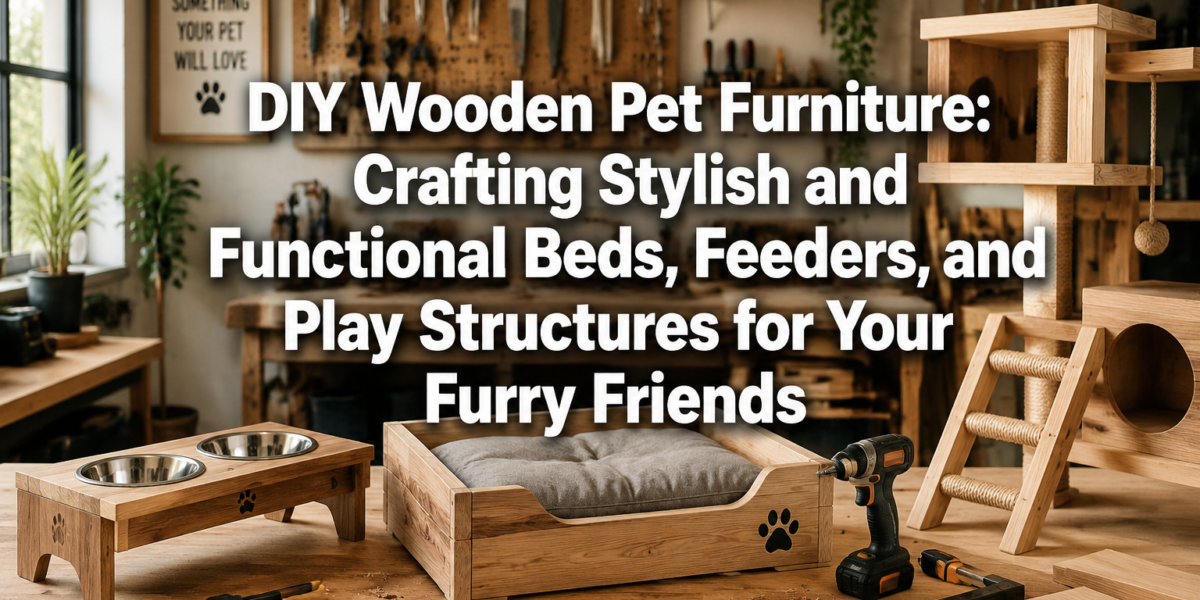
The bond between humans and their animal companions is profound, often prompting a desire to provide the very best for them. While commercial pet products abound, the appeal of crafting bespoke items offers a unique blend of personalization, quality control, and aesthetic integration into your home. This article delves into the rewarding world of DIY Wooden Pet Furniture: Crafting Stylish and Functional Beds, Feeders, and Play Structures for Your Furry Friends, empowering you to design and build items that cater perfectly to your pet’s needs while enhancing your living space. From ergonomic feeders to luxurious sleeping quarters and stimulating play environments, handmade wooden pieces stand out for their durability, charm, and the love imbued in every joint and finish.
Key Takeaways
- Customization is Key: Tailor dimensions, materials, and designs to precisely fit your pet’s size, breed, and habits, as well as your home’s aesthetic.
- Safety First: Prioritize non-toxic materials, secure joinery, and smooth finishes to ensure your pet’s well-being.
- Functionality Meets Style: Combine practical elements like elevated feeding heights and integrated storage with designs that complement your interior decor.
- Sustainable and Durable: Wood offers a robust and often eco-friendly alternative to plastic, providing long-lasting furniture for years of pet enjoyment.
- Skill Development: DIY pet furniture projects are excellent for honing woodworking skills, from basic cuts to advanced joinery.
Designing and Building Bespoke Wooden Pet Beds
Pet beds are more than just sleeping spots; they are sanctuaries where our furry friends rest, feel secure, and often spend a significant portion of their day. Creating a custom wooden pet bed allows for an unparalleled level of personalization, addressing specific comfort needs, fitting awkward spaces, and integrating seamlessly with your home’s interior design.
When embarking on a project involving DIY Wooden Pet Furniture: Crafting Stylish and Functional Beds, Feeders, and Play Structures for Your Furry Friends, consider the following aspects for pet beds:
Material Selection for Comfort and Durability
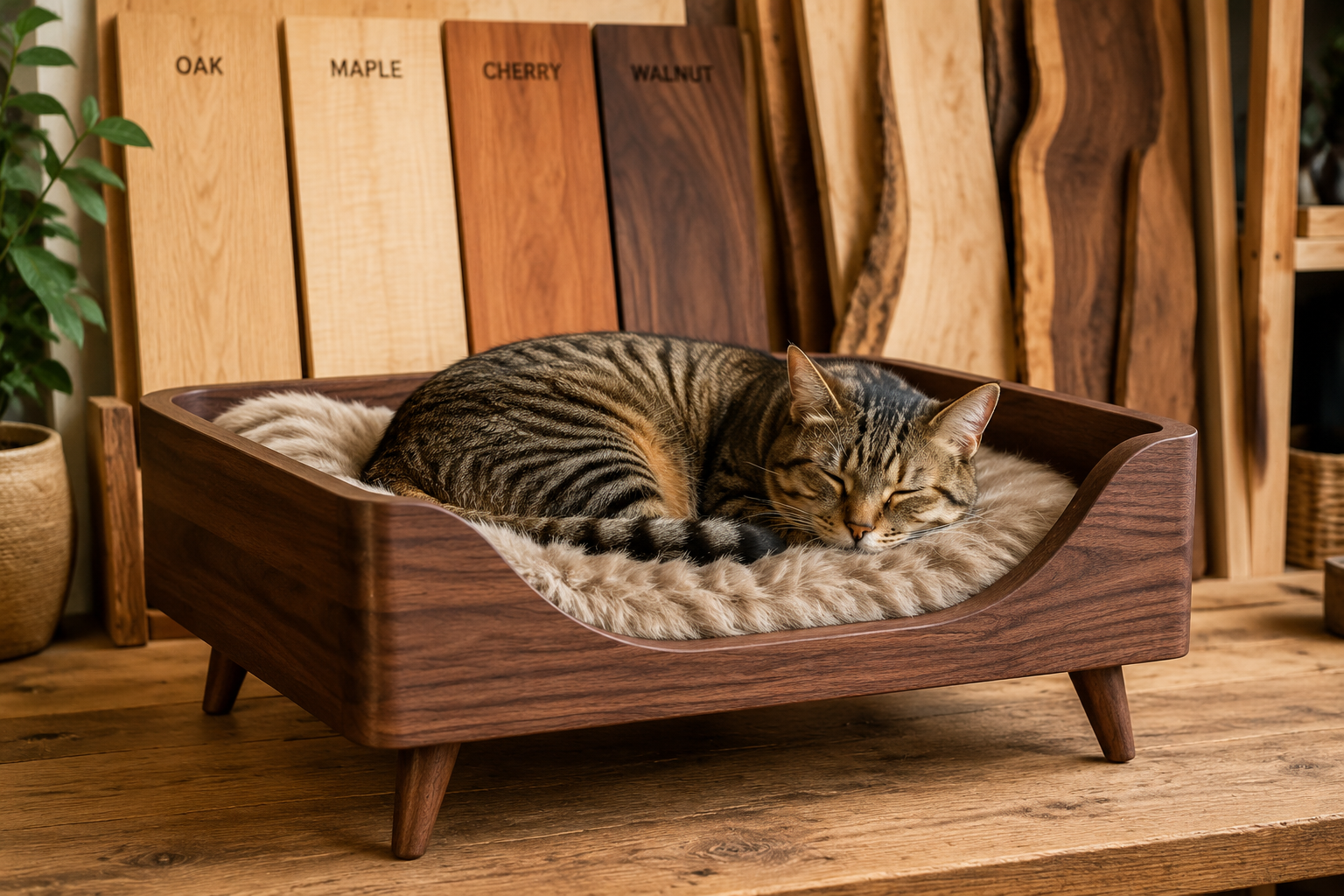
The choice of wood greatly influences the bed’s aesthetics, durability, and safety. Hardwoods like oak, maple, or walnut offer exceptional strength and a rich appearance, suitable for heirloom pieces. Softer woods such as pine or poplar are more budget-friendly and easier to work with, making them ideal for beginners. Always opt for untreated wood, as many chemical treatments can be harmful to pets.
Wood Types for Pet Beds:
| Wood Type | Characteristics | Ideal For |
|---|---|---|
| Pine | Lightweight, easy to work, affordable, light color | Beginner projects, rustic designs, painting |
| Poplar | Smooth grain, takes paint well, moderately durable, cost-effective | Painted beds, modern designs |
| Oak | Very durable, distinctive grain, heavy, strong | Long-lasting beds, classic or traditional styles |
| Maple | Hard, fine grain, strong, light color, resistant to dents | Durable modern beds, sleek finishes |
| Walnut | Rich dark color, strong, premium feel, works well | Luxury beds, accentuating natural wood beauty |
| Plywood | Stable, available in various grades, can be combined with solid wood | Structural bases, sides, budget-friendly options, painting or veneering |
Remember to select wood that is free from splinters, excessive knots, or rough edges, as these can pose a hazard to pets. For more on selecting and working with wood, explore resources like “Sourcing Reclaimed and Salvaged Wood: Quality Assessment, Restoration, and Safe Handling” or learn about Understanding Wood Movement: How to Design and Build Furniture That.
Design Considerations for Pet Beds
- Size and Height: Measure your pet while they are sleeping in various positions (curled up, stretched out) to determine the ideal dimensions. Larger breeds might benefit from elevated beds to ease joint pressure, while smaller pets might prefer a low-profile design for easy access.
- Style Integration: Consider your home’s existing decor. A rustic farmhouse style might call for reclaimed wood and simple lines, while a modern minimalist home could benefit from sleek, geometric designs with hidden fasteners.
- Cushion Accommodation: Design the bed frame to snugly fit a standard or custom-made pet cushion. This ensures comfort and makes cleaning easier. Raised edges or a “cubby” design can provide a sense of security.
- Ventilation: Ensure adequate airflow to prevent moisture buildup and keep the cushion fresh. Slatted bases are an excellent solution.
Construction Techniques and Finishing
For pet beds, secure joinery is paramount. Techniques such as mortise and tenon, dadoes, or pocket screws provide robust connections. If using fasteners, ensure they are recessed and covered to prevent injury.
When finishing, prioritize non-toxic, pet-safe options. Water-based polyurethanes, natural oils (like tung oil or linseed oil), or zero-VOC paints are excellent choices. Always allow finishes to cure completely in a well-ventilated area before introducing your pet. Natural Wood Finishing Techniques offers valuable insights into safe and effective finishing methods.
Crafting Functional and Stylish Pet Feeders
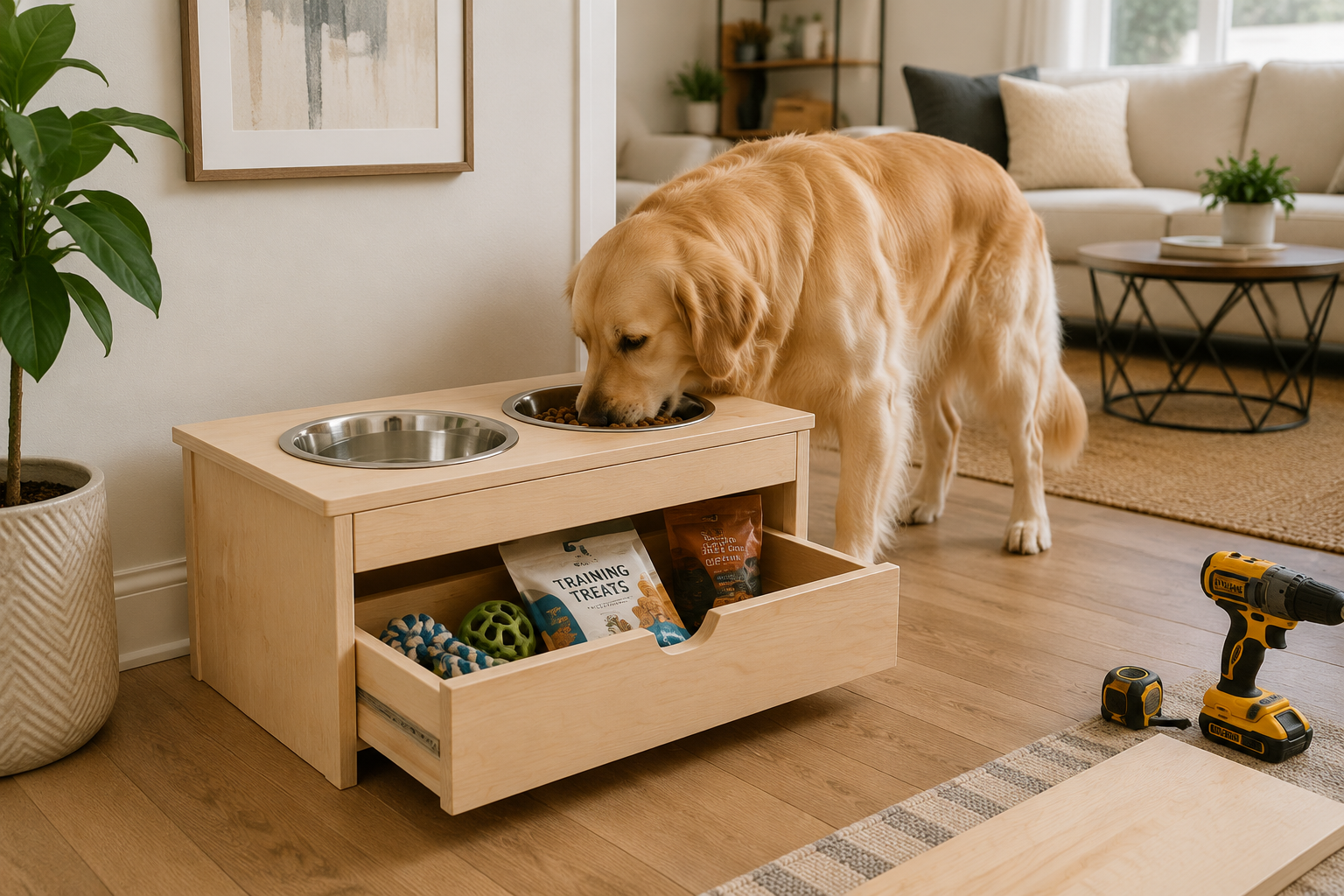
Elevated pet feeders have become increasingly popular for a good reason: they can improve a pet’s digestion, reduce neck strain, and promote a more comfortable eating posture. Beyond ergonomics, a custom wooden feeder can be a beautiful and practical addition to your home, often incorporating clever storage solutions.
Ergonomics and Design for Elevated Feeders
The primary goal of an elevated feeder is to provide a comfortable eating experience. Determining the correct height is crucial:
- Measure: Have your pet stand naturally. Measure from the floor to their lower chest or shoulder. The bowl rim should be at or slightly below this height.
- Observe: Watch your pet eat from a temporary elevated surface. Their neck should be relatively straight, not craning up or down excessively.
When designing your feeder as part of your DIY Wooden Pet Furniture: Crafting Stylish and Functional Beds, Feeders, and Play Structures for Your Furry Friends endeavors, consider stability. A wide, heavy base prevents tipping, especially for enthusiastic eaters.
Integrating Storage Solutions
One of the significant advantages of DIY feeders is the ability to add integrated storage. This can be invaluable for keeping pet food, treats, toys, and leashes organized and out of sight.
Popular Storage Options:
- Pull-Out Drawers: Ideal for storing bags of treats, medications, or grooming tools.
- Lift-Top Compartments: Great for bulk pet food storage, keeping it fresh and easily accessible.
- Side Shelves or Hooks: Perfect for leashes, collars, or cleaning supplies.
Material Choices and Construction for Feeders
Water resistance and ease of cleaning are critical for feeders. Hardwoods naturally resist moisture better than softwoods, but any wood can be protected with a high-quality, food-safe finish. Stainless steel bowls are recommended as they are durable, easy to clean, and non-porous. Design the feeder with openings that perfectly fit the bowls, allowing for easy removal and cleaning. Ensure all cuts are smooth and sanded to prevent any sharp edges. The best glues to use for such projects can be found in The Ultimate Guide to Wood Glue: Choosing the Right Adhesive for.
Building Engaging Wooden Play Structures
Play is vital for a pet’s physical and mental well-being. For cats, vertical space, scratching surfaces, and hidden nooks are essential. For smaller dogs, indoor agility elements or comfortable lounging platforms can provide stimulation. Crafting these structures yourself means you can tailor them to your pet’s specific play style, your available space, and your home’s aesthetics.
Designing for Feline Friends: Cat Trees and Shelves
Cats love to climb, scratch, and observe their territory from a height. Wooden cat trees and wall-mounted shelves offer excellent solutions:
- Multi-Level Trees: Design a sturdy base with multiple platforms at varying heights. Incorporate sisal rope-wrapped posts for scratching and small cubbies for hiding.
- Wall-Mounted Shelves: Create a series of staggered shelves, ramps, or bridges that allow cats to navigate vertical spaces. Ensure they are securely anchored to wall studs. Consider adding carpet remnants or soft fabric to platforms for grip and comfort.
- Climbing Poles: Simple vertical poles wrapped in sisal can provide a scratching and climbing challenge.
Safety is paramount. Use robust wood, strong fasteners, and ensure all components are stable and cannot tip over. Avoid small gaps where a cat could get stuck.
Crafting Interactive Structures for Dogs
While large dogs might not typically use indoor play structures, smaller breeds can benefit from custom-built indoor agility elements or lounging areas.
- Ramps and Stairs: For older or smaller dogs, wooden ramps or stairs can provide easy access to elevated beds or sofas, reducing strain on joints.
- Indoor Agility: Simple wooden hurdles (low height), weave poles, or tunnels can be crafted for indoor play and training, especially on rainy days. Ensure all pieces are lightweight and easily movable for storage.
- Comfort Platforms: A low, wide platform with a soft cushion can serve as a designated lounging spot, allowing dogs to observe their surroundings comfortably.
Consider the dimensions and weight of your pet when designing any structure, ensuring it can safely support them during play.
Tools and Techniques for Play Structures
Building larger pet furniture like play structures often involves a broader range of woodworking tools. A sturdy workbench, such as those discussed in Building a Custom Wood Workbench: Design Considerations and, is invaluable. You’ll likely use circular saws for cutting sheet goods, jigsaw for curves, drills for pilot holes, and sanders for smoothing. Router tables, as explored in Mastering the Router Table: Essential Jigs, Safety, and Advanced, can be helpful for creating dados, rabbets, or decorative edges for added safety and aesthetics.

Essential Tools and Safety Practices for DIY Pet Furniture
Undertaking DIY Wooden Pet Furniture: Crafting Stylish and Functional Beds, Feeders, and Play Structures for Your Furry Friends requires the right tools and, more importantly, a commitment to safety.
Recommended Hand and Power Tools
Having a well-equipped workshop simplifies projects and improves results.
Basic Hand Tools:
- Measuring Tape & Ruler: For accurate dimensions.
- Pencils & Marking Gauge: For precise layout.
- Hand Saw: For rough cuts or small adjustments.
- Chisels: For cleaning out joints or shaping.
- Wood Mallet: For joint assembly.
- Clamps: Essential for holding pieces securely during gluing and assembly.
- Sanding Blocks & Sandpaper (various grits): For smooth finishes.
Essential Power Tools:
- Circular Saw or Miter Saw: For straight, accurate crosscuts and rip cuts.
- Jigsaw: For cutting curves and intricate shapes.
- Drill/Driver: For pilot holes and driving screws.
- Orbital Sander: For efficient and smooth finishing.
- Router (optional but highly recommended): For creating decorative edges, dados, and rabbets. Choosing and Using Router Tables: Maximizing Precision and Safety for can help you get started.
Prioritizing Safety in Your Workshop
Safety is non-negotiable when woodworking, especially when creating items for beloved pets.
- Personal Protective Equipment (PPE): Always wear safety glasses to protect against flying debris. Hearing protection is crucial when operating loud power tools. A dust mask or respirator protects your lungs from fine wood dust.
- Tool Maintenance: Ensure all tools are in good working order, with sharp blades and bits. Dull tools are more dangerous as they require more force, increasing the risk of kickback or slips.
- Work Area: Keep your workspace clean and organized. Clear away sawdust and scraps, and ensure adequate lighting. Secure your workpiece with clamps before cutting or drilling.
- Chemical Safety: When using glues, stains, or finishes, work in a well-ventilated area. Read product labels for specific safety instructions and ensure all chemicals are stored safely away from pets and children.
- Non-Toxic Materials: As mentioned, select non-toxic finishes. Even glues should be chosen carefully; while many common wood glues are safe once cured, avoid contact during application.
Finishing Touches and Maintenance
The final steps in crafting your DIY Wooden Pet Furniture: Crafting Stylish and Functional Beds, Feeders, and Play Structures for Your Furry Friends involve careful finishing and a plan for ongoing maintenance. These elements ensure the longevity, safety, and aesthetic appeal of your creations.
Pet-Safe Finishes
Once your wooden pet furniture is assembled and sanded smooth, applying a finish is crucial. It protects the wood from moisture, wear, and tear, and makes cleaning easier.
Recommended Pet-Safe Finishes:
- Water-Based Polyurethane: Offers excellent durability and moisture resistance. Look for low-VOC (Volatile Organic Compounds) or zero-VOC options. Dries clear and hard.
- Natural Oils (Tung Oil, Linseed Oil): These penetrate the wood, enhancing its natural beauty and providing a water-resistant surface. Ensure they are pure oils, not “oil finishes” which may contain solvents. They typically require multiple coats.
- Mineral Oil: Food-safe and often used for cutting boards. It’s a gentler finish, but requires reapplication more frequently. Suitable for feeders.
- Zero-VOC Paints: If you prefer a painted finish, choose paints specifically labeled as zero-VOC. Allow ample time for the paint to cure and off-gas before introducing your pet.
Always apply finishes in a well-ventilated area and allow them to cure fully. This process can take several days or even weeks, depending on the product and environmental conditions. Avoid any finishes that produce strong fumes or are known to be toxic.
Integrating Soft Elements
For beds and some play structures, integrating soft elements is essential for comfort.
- Cushions: Choose durable, washable fabrics for pet bed cushions. Covers with zippers make cleaning easier. Consider water-resistant or orthopedic options for older pets.
- Scratching Surfaces: For cat play structures, use natural sisal rope or carpet remnants for scratching posts. Secure them firmly to the wooden structure.
- Padding: For platforms or perches, a thin layer of foam or batting covered with a durable fabric can add comfort and grip.
Cleaning and Maintenance
Regular cleaning and maintenance will extend the life of your wooden pet furniture.
- Routine Cleaning: Wipe down wooden surfaces with a damp cloth. For feeders, sanitize regularly with a pet-safe cleaner.
- Deep Cleaning: Periodically, you might need to clean more thoroughly. For finished wood, a mild soap and water solution can be used, followed by drying immediately. Avoid harsh chemicals that could strip the finish or harm your pet.
- Inspections: Regularly check for loose screws, splinters, or signs of wear and tear. Address any issues promptly to ensure your pet’s safety.
- Re-finishing: Over time, finishes may wear down. Reapply as needed, following the original application instructions.
Conclusion
Crafting DIY Wooden Pet Furniture: Crafting Stylish and Functional Beds, Feeders, and Play Structures for Your Furry Friends is a deeply rewarding endeavor. It allows you to create truly bespoke pieces that cater to the unique needs and personalities of your pets, blending seamlessly with your home’s aesthetic. From the careful selection of pet-safe woods and secure joinery to applying non-toxic finishes and planning for integrated storage, each step in the process contributes to a durable, functional, and beautiful piece of furniture. By embracing these principles, you not only provide comfort and stimulation for your beloved companions but also enrich your own woodworking skills and add a personal touch to your living space in 2026. Take pride in knowing that every piece you create is a testament to the special bond you share with your furry family members.
To begin your journey, choose a simple project, gather your tools, and prioritize safety. The satisfaction of seeing your pet enjoy a handmade piece tailored just for them is unparalleled.