
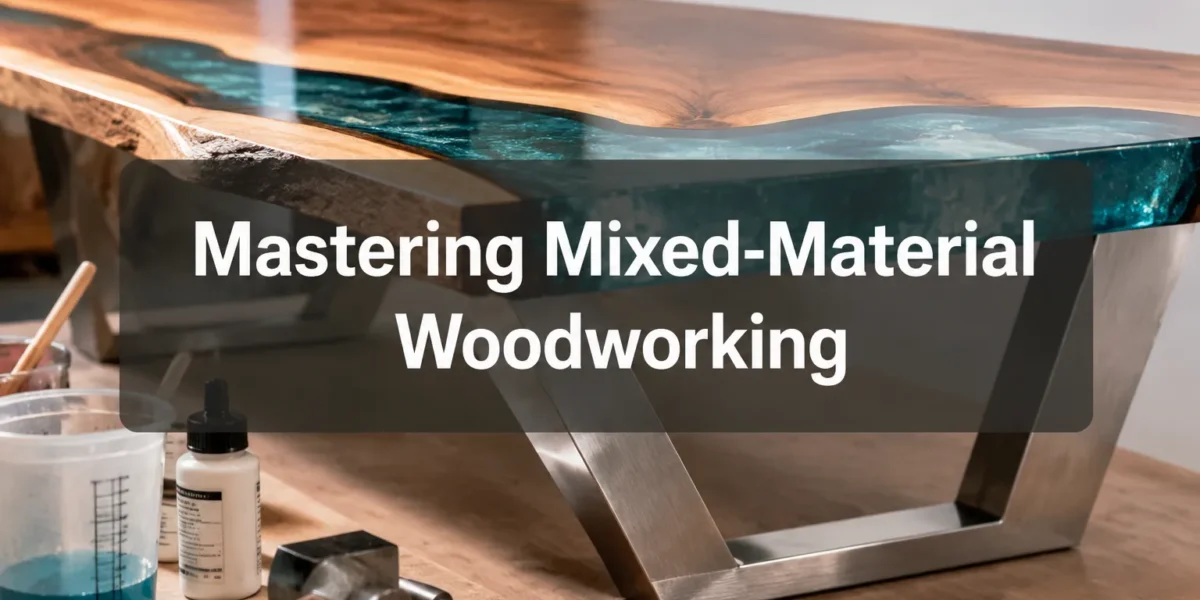
The modern furniture landscape in 2026 is no longer defined by single materials. Instead, a revolution in design and craftsmanship has elevated mixed-material woodworking to the forefront, challenging traditional notions and opening vast creative avenues. This article explores this dynamic shift, providing an in-depth guide to [Mastering Mixed-Material Woodworking: Blending Wood with Resin, Metal, and Laminates for Modern Furniture]. This isn’t just about combining elements; it’s about understanding how diverse materials interact, complement, and enhance each other to produce pieces that are both visually striking and structurally sound.
Key Takeaways
- Mixed-material woodworking combines wood with elements like resin, metal, and laminates for contemporary furniture design.
- Careful material selection, understanding properties, and surface preparation are crucial for successful integration.
- Specialized joining techniques and adhesives are necessary to ensure strong, lasting bonds between dissimilar materials.
- Finishing processes must accommodate the unique characteristics of each material to achieve a cohesive and durable result.
- The blend of materials offers enhanced aesthetics, durability, and functionality, pushing the boundaries of traditional woodworking.
Understanding the Appeal of Mixed-Material Woodworking
The allure of mixed-material woodworking lies in its ability to transcend the limitations of a single medium. Wood, with its inherent warmth, unique grain patterns, and organic beauty, forms the foundation. When combined with other materials, its aesthetic and functional properties are amplified, creating pieces that embody both natural elegance and industrial sophistication.
Why Blend Materials?
The rationale behind blending materials is multifaceted, driven by both artistic expression and practical considerations.
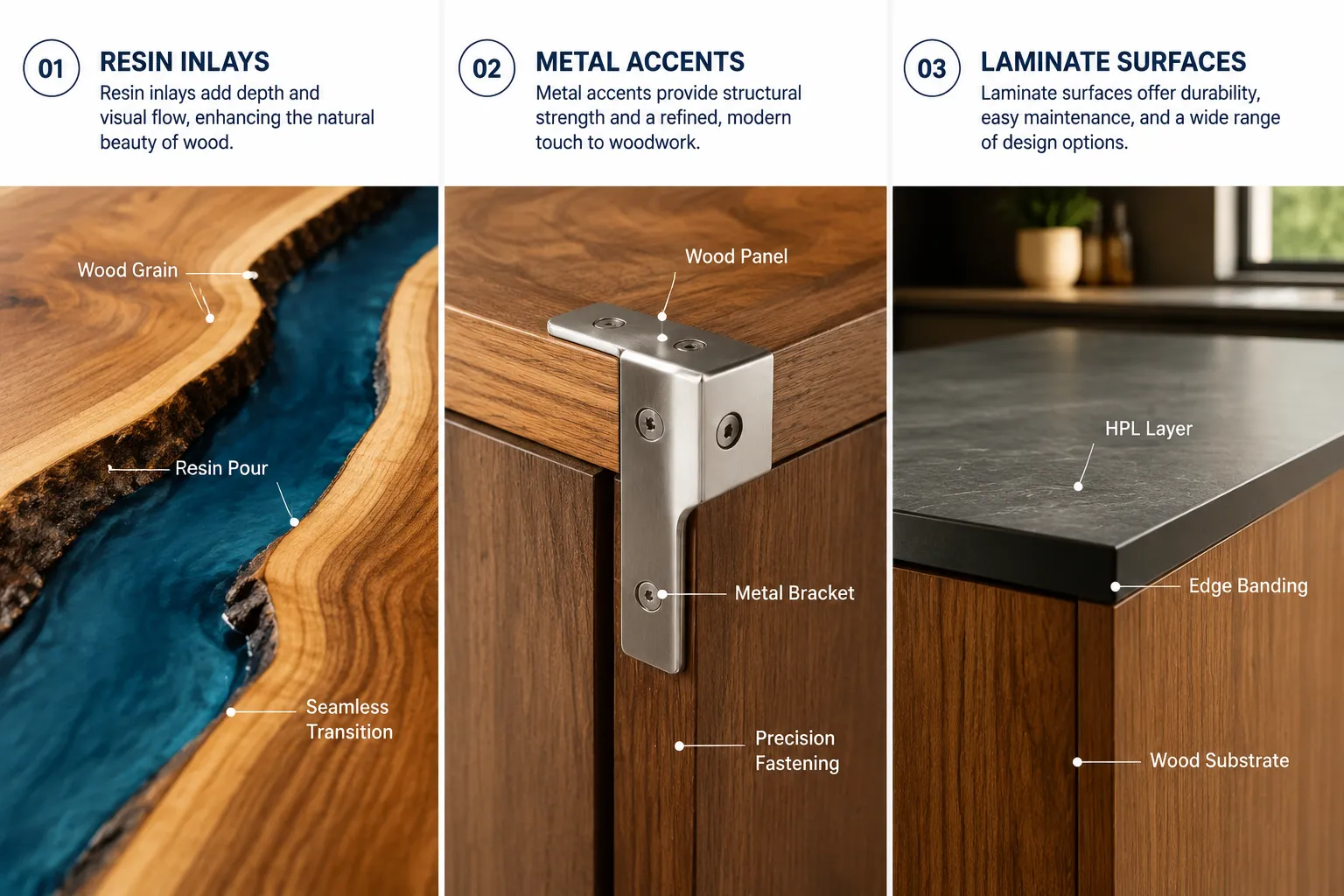
- Aesthetics: Combining textures, colors, and sheens creates visual contrast and depth. Imagine the organic flow of live-edge wood complemented by the sleek reflectivity of polished metal, or the vibrant translucence of resin rivers cutting through an aged timber slab. This interplay can transform a simple furniture piece into a sculptural statement.
- Durability and Strength: Metal components can add significant structural integrity, reinforcing joints or providing slender yet strong leg systems that wood alone might not achieve. Laminates offer enhanced scratch, heat, and moisture resistance, making them ideal for high-traffic surfaces.
- Functionality: Different materials bring unique functional attributes. Resin can fill voids, stabilize cracks, and create smooth, impervious surfaces. Metal provides rigidity and allows for intricate, slender designs. Laminates offer a durable, easy-to-clean surface, perfect for kitchen or dining furniture.
- Innovation and Modernity: [Mastering Mixed-Material Woodworking: Blending Wood with Resin, Metal, and Laminates for Modern Furniture] allows craftsmen to push creative boundaries, responding to contemporary design trends that favor eclectic textures and bold juxtapositions. This approach enables the creation of truly unique, one-of-a-kind pieces that resonate with modern sensibilities.
Choosing the Right Materials
Successful mixed-material projects begin with thoughtful material selection. Understanding the properties of each component is vital for harmonious integration.
Wood Selection
The choice of wood greatly influences the overall aesthetic and structural integrity.
- Hardwoods: Oak, walnut, maple, and cherry are popular for their density, durability, and appealing grain. Walnut, for example, pairs beautifully with lighter resins and brushed metals. Consider “The Essential Guide To Wood Species For Beginner Furniture Makers Selection Properties And Best Uses” to inform your choices.
- Softwoods: Pine and cedar can be used for lighter applications or where a more rustic look is desired, though they may require more stabilization when paired with denser materials.
- Exotic Woods: Bubinga, wenge, and zebrawood offer unique colors and patterns, often serving as a dramatic counterpoint to simpler resins or metals.
- Live-Edge Slabs: These are particularly popular for resin river tables, where the natural, irregular edge of the wood creates a stunning visual. The selection and preparation of such materials is covered in detail in “Live Edge Slab Selection And Preparation From Raw Material To Finished Showpiece”.
Resin Types
Epoxy resin is the most common choice for woodworking due to its versatility and strength.
- Deep Pour Epoxy: Ideal for large castings, such as river tables or filling significant voids. It cures slowly, allowing bubbles to escape.
- Tabletop Epoxy: Designed for thinner pours and creating a clear, durable surface coating.
- Colorants and Pigments: These allow for endless customization, from translucent blues and greens in river tables to opaque metallic effects.
Metal Varieties
Metals introduce industrial strength and a distinct visual character.
- Steel: Carbon steel (often powder-coated for durability and color) and stainless steel (for corrosion resistance and modern sheen) are frequently used for legs, frames, and accents.
- Aluminum: Lighter than steel, it’s suitable for decorative elements or situations where weight is a concern. It can be anodized in various colors.
- Brass/Copper: These add a touch of warmth and luxury, often used for inlays, small decorative details, or hardware.
- Fabrication: Metal components often require welding, bending, or CNC cutting, making collaboration with a metal fabricator beneficial for complex designs.
Laminates
Laminates provide durable, versatile, and often cost-effective surfacing options.
- High-Pressure Laminate (HPL): Extremely durable, resistant to scratches, impacts, and moisture. Available in a vast array of colors, patterns, and textures, including wood grain replicas, stone effects, and solid colors.
- Melamine: A more economical option, typically used for cabinet interiors or less demanding surfaces.
- Compact Laminate: A thicker, self-supporting laminate that doesn’t require a substrate, often used for sleek, thin tabletops.
- Application: Laminates are typically bonded to a wood or plywood substrate using contact cement or other adhesives, requiring precise cutting and edge banding.
Essential Techniques for Blending Wood, Resin, Metal, and Laminates
The true mastery in mixed-material woodworking comes from understanding how to effectively join and finish these disparate elements. Each material presents unique challenges and opportunities.
Surface Preparation and Adhesion
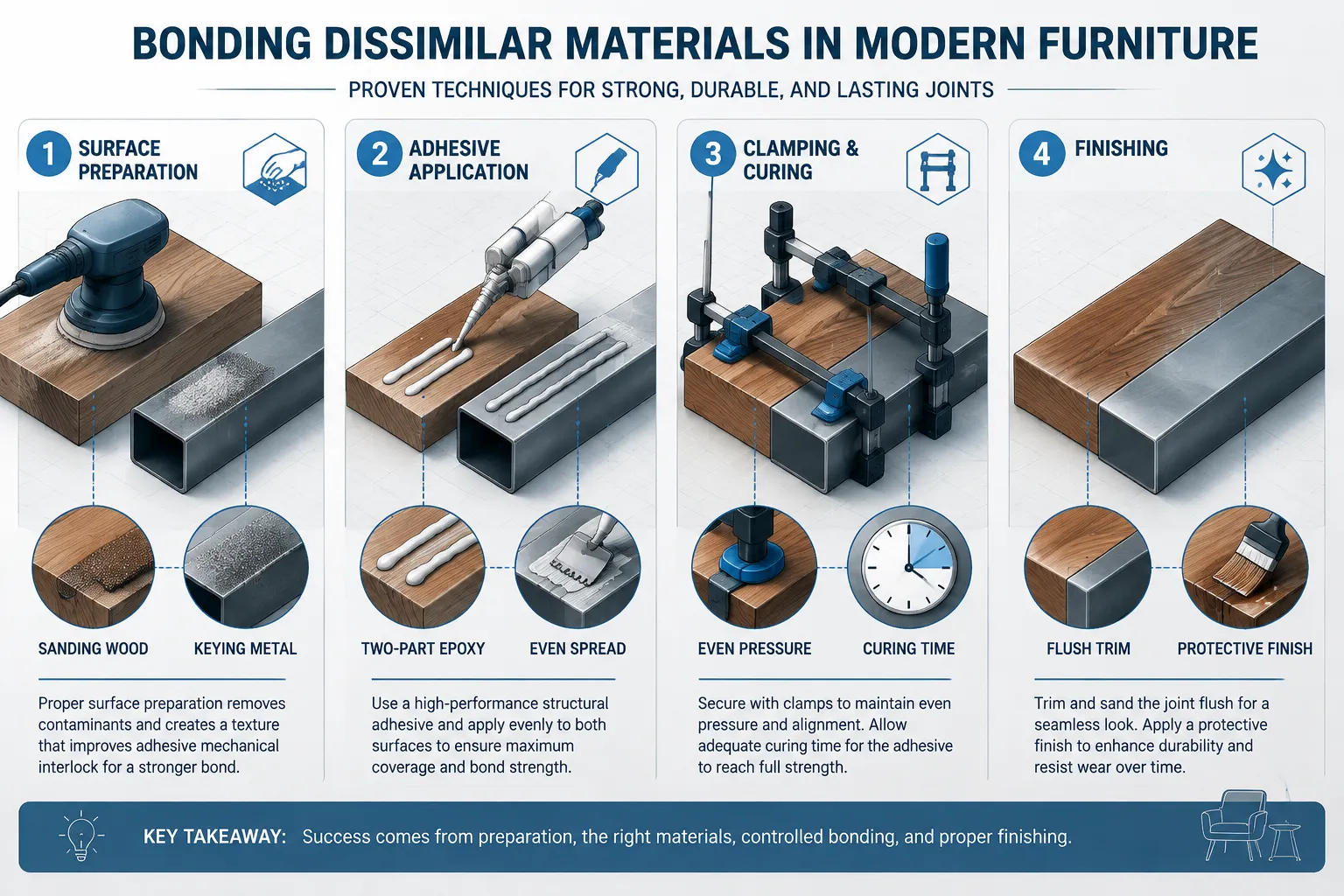
Proper surface preparation is paramount for ensuring strong, lasting bonds between materials.
- Wood: Surfaces must be clean, dry, and sanded to an appropriate grit. For resin, rougher surfaces provide better mechanical keying. For metal or laminate, a finer sanding grit might be suitable, depending on the adhesive.
- Resin: Ensure wood is sealed to prevent air bubbles from leaching into the resin. For subsequent resin layers, lightly abrade the previous layer for better adhesion.
- Metal: Metal surfaces often require degreasing and mechanical abrasion (sanding or grinding) to create a profile for the adhesive to grip. Some metals, like aluminum, may benefit from chemical etching for optimal bond strength.
- Laminates: The back of the laminate and the substrate need to be clean and dust-free. Light sanding of the substrate can improve adhesion.
Adhesive Considerations
The choice of adhesive is critical.
- Epoxy Adhesives: Two-part epoxies are highly versatile, offering strong bonds to wood, metal, and cured resin. They fill gaps well and cure rigidly.
- Polyurethane Adhesives: These offer flexibility and excellent bonds to wood and some metals, often used where some movement might occur.
- Contact Cement: Primarily used for bonding laminates to substrates, it creates an immediate, strong bond upon contact.
- Structural Adhesives: For critical metal-to-wood joints, specialized structural adhesives (e.g., methacrylate-based) may be required for maximum strength and durability.
Joining and Integration Strategies
Beyond adhesives, specific techniques are employed to integrate materials seamlessly.
- Resin River Tables: This popular technique involves placing two live-edge wood slabs parallel and pouring deep-pour epoxy resin into the void, creating a “river” effect. Clamping and careful damming are essential to contain the resin during curing. This can be adapted for smaller inlay cutting boards.
- Metal Inlays: Routing a channel into the wood and carefully fitting a precisely cut metal strip (brass, copper, aluminum) creates elegant linear or geometric designs. Adhering the metal with epoxy and sanding flush is key.
- Metal Frameworks: Designing a metal base or frame that the wooden top or panels sit within or on is a common approach. This often involves precise machining of metal and careful joinery in the wood. Traditional joinery skills, such as those discussed in “The Art Of Japanese Wood Joinery For Furniture Master The Beauty Of Mortise And Tenon Dovetail And Halving Joints”, can inform the woodworking aspects of these assemblies.
- Laminate Application: Applying HPL requires precision in cutting and trimming. Edge banding, either matching the laminate or using a contrasting wood, provides a clean, finished look and protects the edges. A router with a flush trim bit is invaluable here.
Finishing and Detailing for a Cohesive Look
The finishing process is where the disparate materials truly come together, creating a unified and polished piece. This requires careful consideration of each material’s properties.
Sanding and Planing
- Initial Levelling: After assembly, surfaces may need to be planed or sanded aggressively to ensure all materials are flush. For resin, this might involve using a router sled or a wide belt sander.
- Gradual Grit Progression: Sand through successively finer grits (up to 320, 400, or even higher for resin) to achieve a smooth finish. Be mindful that wood, resin, and metal abrade differently. Sanding resin too aggressively can generate heat, causing it to soften.
Finishing Oils and Coatings
- Wood Finishes: Penetrating oils (like tung oil or Danish oil) enhance wood grain and offer a natural feel. Varnish or polyurethane provides more durable protection. For a cohesive look, choose finishes that complement the overall aesthetic. Consider the advice in “Beginner’s Guide to Wood Staining: Color Selection, Application, and” for achieving desired wood tones.
- Resin Finishes: Once sanded and polished, resin can be buffed to a high gloss or left with a matte finish. Some wood finishes can also be applied over resin for a unified look, provided they are compatible.
- Metal Finishes: Metal components might be polished, brushed, patinated, or powder-coated. Ensure any applied finish on metal is protected from the wood or resin finishing processes if they are not compatible.
Detailing and Assembly
- Hardware: Selecting appropriate hardware (hinges, pulls, fasteners) that complements the mixed materials is crucial. Stainless steel or matte black hardware often pairs well with modern mixed-material designs.
- Fasteners: Using appropriate screws, bolts, or specialized connectors for joining materials is vital. For example, threaded inserts in wood allow for robust, repeatable connections to metal components.
- Edge Treatments: The edges where materials meet demand particular attention. A clean, precise transition or a subtle chamfer can highlight the blend rather than making it look abrupt.
- Care and Maintenance: Educating the end-user on how to care for a mixed-material piece, given the different properties of wood, resin, metal, and laminates, helps ensure its longevity and beauty.
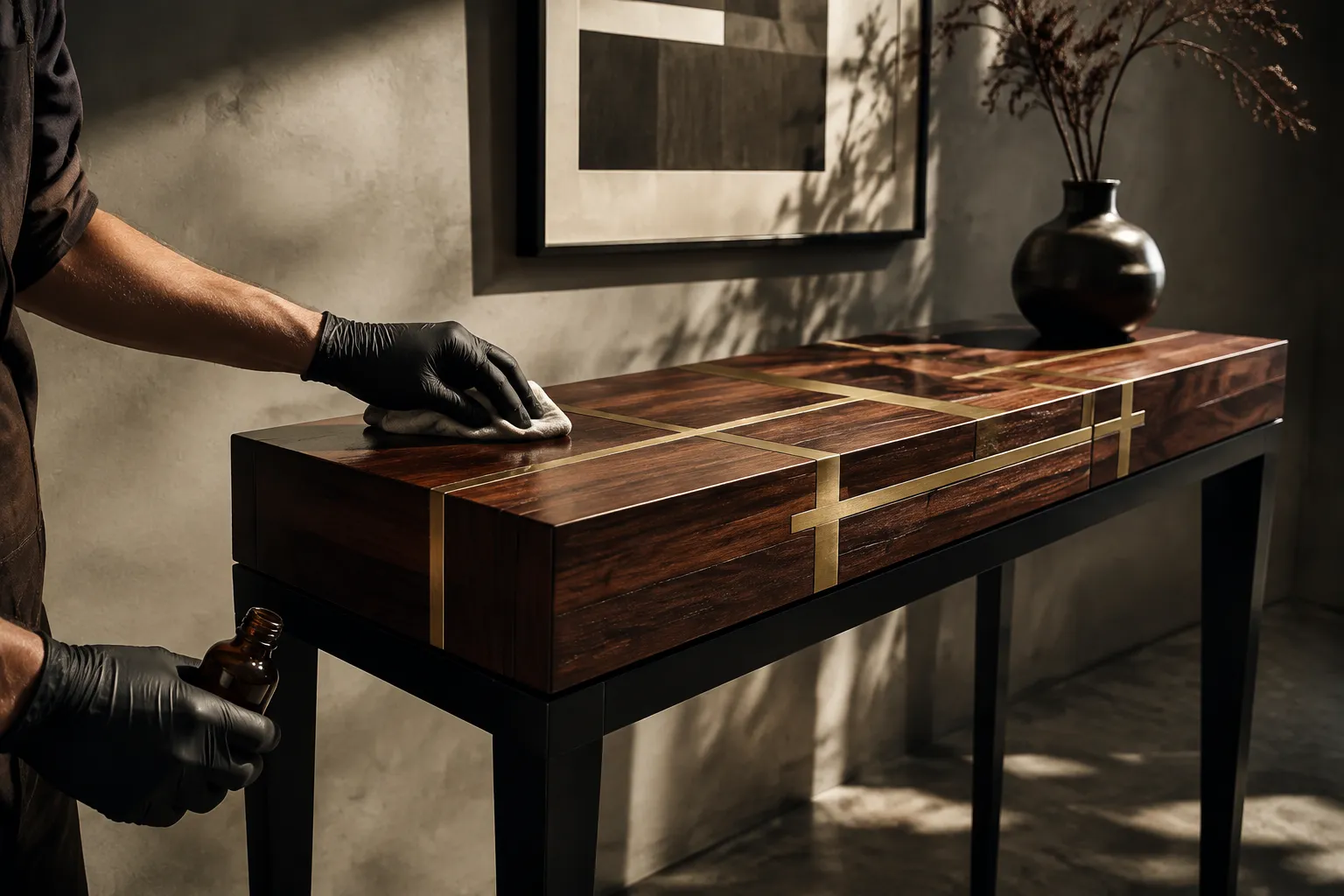
Modern furniture design in 2026 thrives on innovation, and [Mastering Mixed-Material Woodworking: Blending Wood with Resin, Metal, and Laminates for Modern Furniture] is at the forefront of this trend. By carefully selecting materials, employing precise joining techniques, and applying thoughtful finishing, woodworkers can create stunning, durable, and highly functional pieces that stand apart. This approach not only expands the creative possibilities for craftsmen but also delivers unique furniture solutions that meet the evolving demands of contemporary interiors.
Conclusion
The journey of mastering mixed-material woodworking is one of continuous learning and creative exploration. It requires a deep understanding of each material’s properties, a commitment to precision in execution, and an artistic eye for harmonious integration. By embracing the challenges and opportunities presented by blending wood with resin, metal, and laminates, woodworkers can unlock new dimensions of design, crafting modern furniture that is both visually captivating and exceptionally durable.
To begin your own mixed-material projects, start small. Experiment with resin inlays on a cutting board, or add simple metal accents to a wooden shelf. Research specific adhesives and joining methods, and always prioritize safety. The world of modern woodworking is waiting for your innovative touch.