

The global demand for timber continues to rise, yet the ecological imperative to protect our forests has never been stronger. For woodworkers in 2026, the question of sourcing materials responsibly is not merely a trend but a cornerstone of ethical practice. This article delves into Understanding Wood Pickers and Their Role in Sustainable Timber Sourcing for Woodworkers, exploring how these often unsung heroes contribute to a greener woodworking industry by providing unique, reclaimed, and ethically salvaged wood that adds character and a compelling story to every project.
Key Takeaways
- Wood pickers are essential partners in sustainable timber sourcing, providing alternatives to newly felled lumber.
- They specialize in finding reclaimed, salvaged, and naturally fallen timber, often with unique aesthetic qualities.
- Partnering with wood pickers helps woodworkers reduce environmental impact and meet growing consumer demand for sustainable products.
- Sourcing from wood pickers offers access to diverse wood species and sizes, often at competitive prices.
- Establishing clear communication and fair practices is key to successful long-term relationships with wood pickers.
Understanding Wood Pickers and Their Role in Sustainable Timber Sourcing for Woodworkers
Wood pickers, also known as timber salvagers, urban loggers, or reclaimers, are individuals or small businesses dedicated to recovering wood that would otherwise be wasted. Their work encompasses a wide range of activities, from collecting storm-felled trees in urban and rural areas to salvaging lumber from demolition sites and deconstructed buildings. This process is far more involved than simply collecting firewood; it requires an expert eye for valuable timber, knowledge of wood species, and often specialized equipment for safe and efficient retrieval.
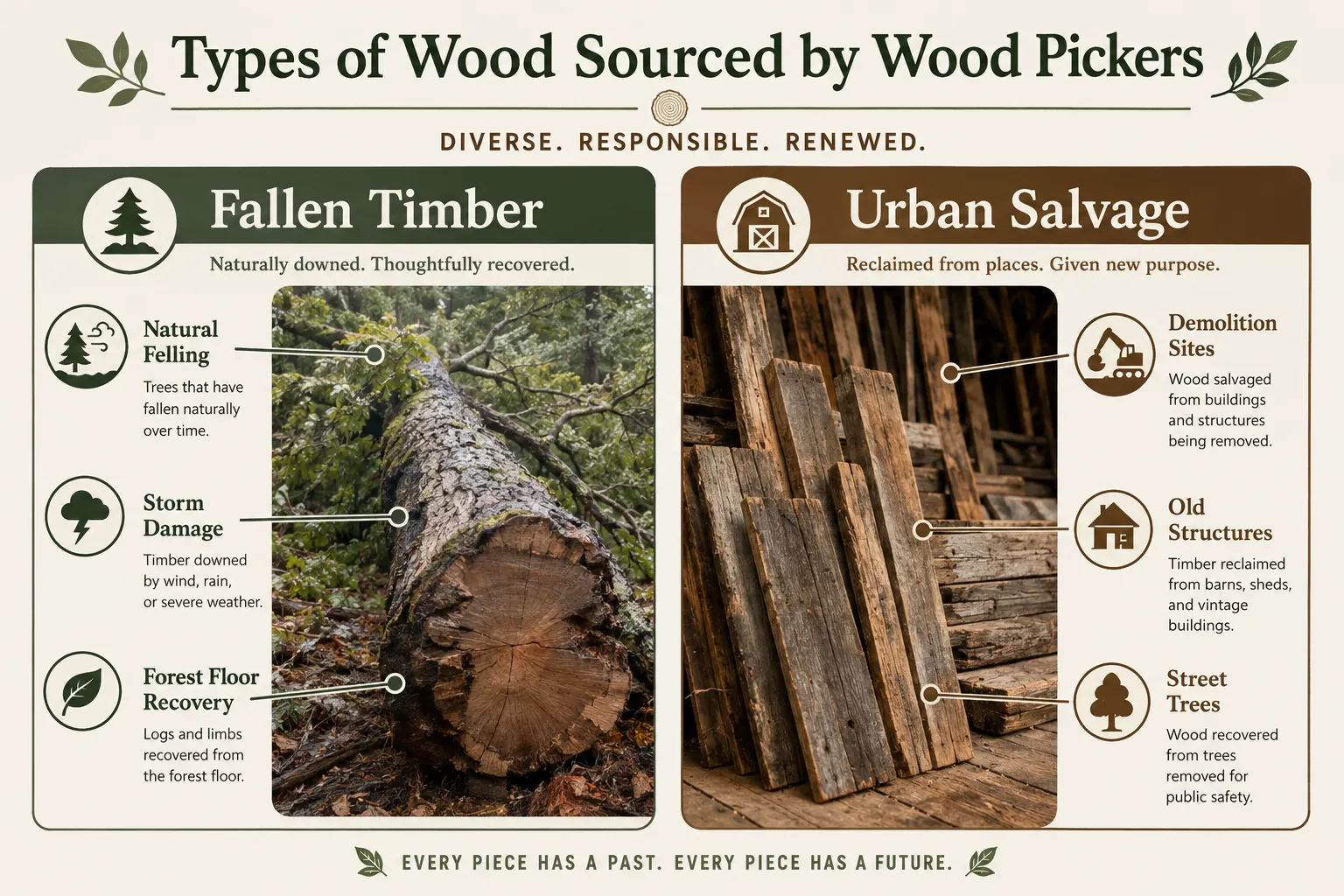
The primary objective of a wood picker is to divert wood from landfills or burning, giving it a second life in woodworking projects. This approach significantly reduces the demand for virgin timber, thereby lessening the pressure on active forests. For woodworkers, this presents an unparalleled opportunity to access materials with unique histories, distinctive grain patterns, and inherent character that cannot be replicated by commercially harvested lumber. This directly aligns with the broader movement towards reclaimed wood restoration and sustainable craftsmanship.
The role of wood pickers has become increasingly vital in 2026 as consumer awareness of environmental impact grows. Clients are not only looking for beautifully crafted items but also for products with an ethical backstory. By sourcing from wood pickers, woodworkers can confidently claim their materials are sustainably acquired, adding significant value and appeal to their creations.
Types of Wood Sourced by Pickers
Wood pickers acquire timber from various sources, each offering distinct advantages for woodworkers:
- Urban Salvage: This involves retrieving trees that have been removed due to development, disease, storm damage, or hazard in urban and suburban settings. Species like oak, maple, cherry, and walnut are commonly found. This wood often comes with an interesting backstory related to local history. Wood from older buildings undergoing deconstruction also falls into this category, offering aged, stable lumber. This type of sourcing is crucial for projects like building live edge dining tables with reclaimed wood.
- Storm-Felled and Naturally Deceased Trees: Following severe weather events, many valuable trees are brought down. Wood pickers are often among the first to assess and recover these fallen giants, preventing them from decaying or being chipped for mulch. This wood can be exceptionally sound and offers a range of species depending on the region.
- Demolition and Deconstruction Sites: Old barns, factories, and homes often contain high-quality, old-growth timber that is no longer readily available from new harvests. Wood pickers carefully extract these beams, planks, and flooring, which are prized for their tight grain, stability, and historical patina. This is particularly relevant for projects such as building reclaimed wood mantels.
- Foreshore and River Salvage: In some regions, wood pickers recover logs that have washed ashore or sunken timber from rivers and lakes. These pieces often have unique coloration and mineral staining due to prolonged water exposure, making them highly sought after for artistic and specialty projects.
Benefits of Partnering with Wood Pickers for Sustainable Timber Sourcing
For woodworkers committed to sustainability, integrating wood sourced by pickers into their practice offers a multitude of benefits beyond environmental responsibility. It’s a strategic move that enhances the value, uniqueness, and narrative of their craft.
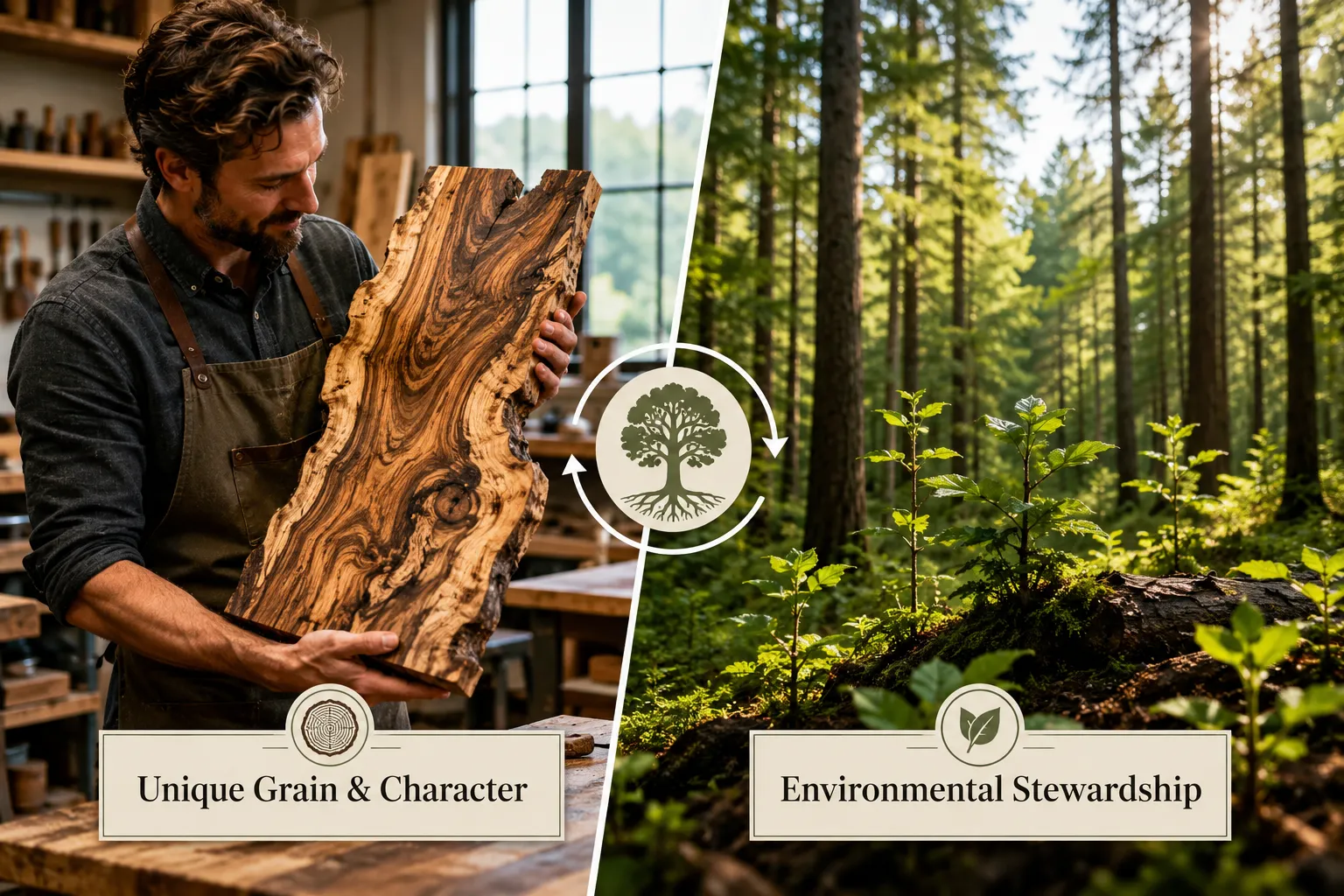
One of the most compelling advantages is the unique character and aesthetic of salvaged timber. Unlike commercially milled wood, reclaimed pieces often bear the marks of their previous life, nail holes, saw marks, variations in color, and distinctive grain patterns that tell a story. This character is highly desirable for artisans and clients looking for bespoke, one-of-a-kind furniture and fixtures. The beauty of these imperfections can be further enhanced by applying sustainable finishes for reclaimed wood.
Furthermore, sourcing from wood pickers can lead to cost savings. While the initial investment in salvaged wood might sometimes be comparable to new timber, the long-term value often surpasses it due to its inherent uniqueness and stability. For smaller workshops or those looking to experiment with diverse species without a large upfront investment in full commercial orders, wood pickers offer flexibility. They often deal in smaller, more manageable quantities, which can also help in projects utilizing scrap wood.
Environmental and Ethical Advantages
The core appeal of Understanding Wood Pickers and Their Role in Sustainable Timber Sourcing for Woodworkers lies in its profound environmental impact:
- Reduced Deforestation: By utilizing wood that would otherwise be discarded, wood pickers directly contribute to reducing the need for logging new trees, helping to preserve natural forests and their vital ecosystems.
- Waste Diversion: Tons of wood waste are diverted from landfills annually, where they would decompose and release methane, a potent greenhouse gas. Reclaiming this wood lessens the environmental burden of waste disposal.
- Lower Carbon Footprint: The energy expenditure for salvaging wood is typically much lower than for harvesting, transporting, and milling new timber from distant forests. This translates to a smaller carbon footprint for the finished product.
- Preservation of Old-Growth Wood: Many reclaimed pieces come from old-growth trees, felled decades or centuries ago. These woods are highly stable, dense, and possess grain structures rarely seen in modern timber, effectively preserving a valuable resource.
Engaging with wood pickers also aligns with ethical business practices. It supports local economies and independent operators, fostering a community of sustainable craftsmanship. Woodworkers can market their products with a clear conscience, knowing their materials contribute to a circular economy rather than depleting natural resources. This also resonates with customers who increasingly prioritize environmentally conscious purchasing decisions in 2026.
How Woodworkers Can Connect with and Source from Wood Pickers
Establishing a successful relationship with wood pickers requires proactive effort, clear communication, and a commitment to fair practices. For woodworkers new to this avenue of sourcing, a structured approach can yield significant benefits in terms of access to unique, sustainable materials.
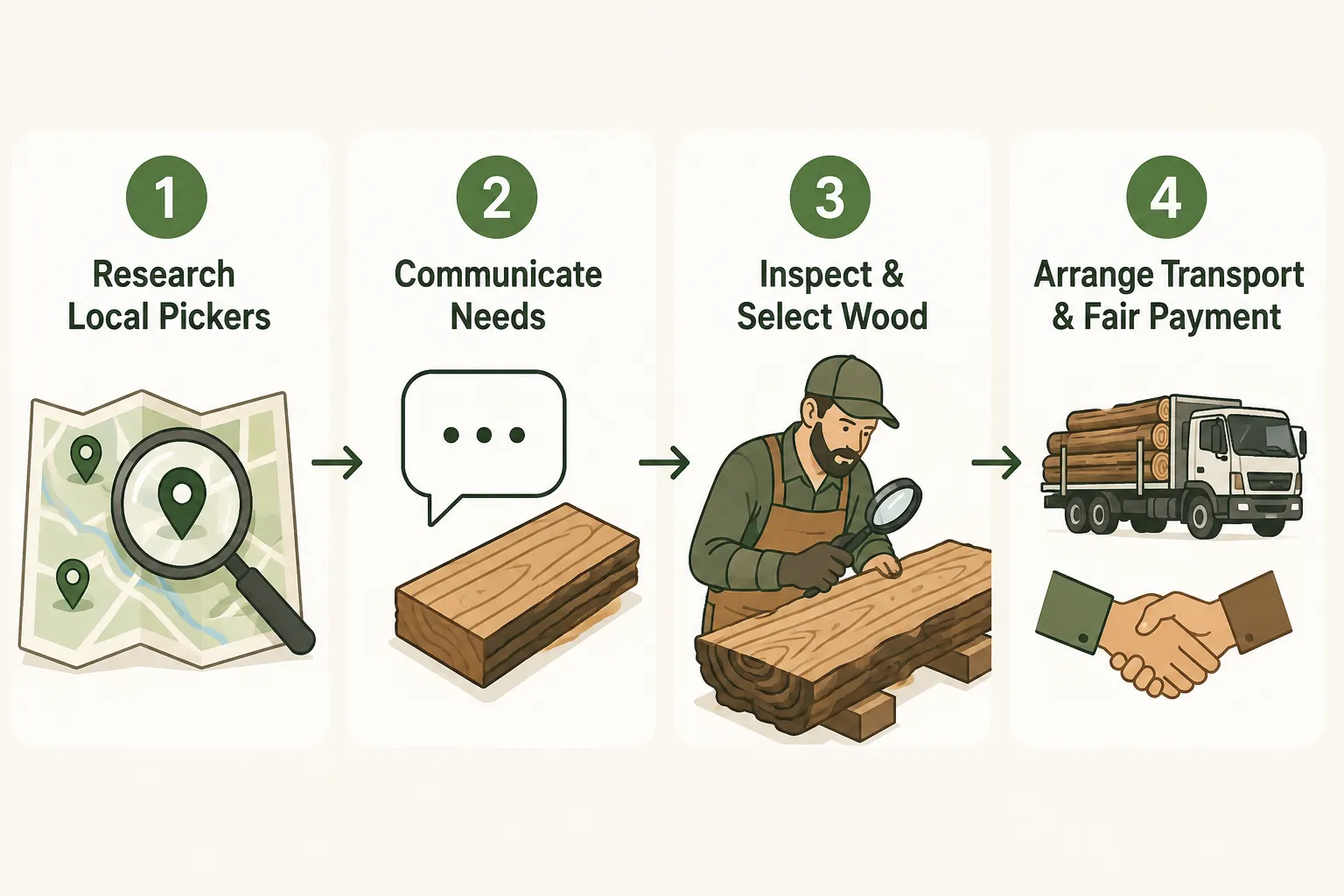
The first step is identifying local wood pickers and suppliers of reclaimed timber. Begin by searching online for “reclaimed wood suppliers,” “urban loggers,” “wood salvagers,” or “tree recycling services” in your region. Local sawmills, arborists, and demolition companies can also be excellent sources for referrals. Attending local woodworking fairs, craft markets, and environmental events can also connect you with individuals in this niche. Networking within your local woodworking community is often the most effective method, as word-of-mouth recommendations carry significant weight.
Once potential contacts are identified, initiate communication to understand their sourcing methods and available inventory. Be clear about your specific needs regarding wood species, dimensions, moisture content, and preferred processing (e.g., rough-sawn slabs, milled lumber, or raw logs). Many wood pickers process timber to some degree, but some may offer raw material for you to mill yourself, which can be a cost-effective option if you have the equipment and expertise.
It is crucial to discuss quality, pricing, and delivery logistics upfront. Salvaged wood often comes with unique characteristics such as embedded metal (nails, bolts), pest damage, or unusual grain. Understand how these factors affect the pricing and how the wood picker mitigates potential issues. Always inspect the wood in person if possible before committing to a purchase.
Building Strong Relationships
Building a lasting partnership with wood pickers involves more than just transactional exchanges:
- Fair Compensation: Recognize the labor, expertise, and often difficult conditions involved in salvaging timber. Offer fair prices that reflect the value of their unique product and service.
- Clear Expectations: Communicate your project timelines and material specifications clearly. If you have specific aesthetic requirements (e.g., preference for a certain patina or amount of distressing), convey this early.
- Flexibility and Patience: Sourcing reclaimed wood can sometimes be less predictable than ordering from a traditional lumber yard. Be flexible with timelines and patient, as unique finds often take time to materialize.
- Feedback and Appreciation: Provide feedback on the quality of the wood you receive and express your appreciation. A positive relationship ensures you’ll be considered for future desirable finds.
- Safety Considerations: Understand that salvaged wood might contain foreign objects. Communicate with your wood picker about any metal detection processes they employ, and always exercise caution when milling.
By fostering these connections, woodworkers contribute directly to a more circular economy, ensuring that valuable timber resources are utilized to their fullest potential. This ethical approach not only benefits the environment but also provides woodworkers with a distinctive competitive edge in the market of 2026, creating pieces that are not only beautiful but also imbued with a story of sustainability. For projects that focus on creating unique wood finishing techniques, the inherent character of salvaged wood provides an excellent canvas.
Conclusion
The journey towards Understanding Wood Pickers and Their Role in Sustainable Timber Sourcing for Woodworkers reveals a vital pathway to ethical craftsmanship in 2026. Wood pickers are much more than collectors; they are environmental stewards and invaluable partners, providing access to extraordinary materials that carry a story, reduce waste, and lessen the burden on our planet’s forests. By intentionally seeking out and collaborating with these dedicated individuals, woodworkers can elevate their craft, meet the growing demand for sustainable products, and contribute meaningfully to a healthier environment.
As the woodworking industry continues to evolve, the integration of reclaimed and salvaged timber will become increasingly central to sustainable practices. Embracing this approach not only offers unique aesthetic advantages and potential cost benefits but also imbues each handcrafted piece with an undeniable sense of purpose and a clear commitment to environmental responsibility. For any woodworker looking to make a lasting impact with their work, forging connections with wood pickers is an essential next step.
Next Steps for Woodworkers:
- Research Local Sources: Actively search for wood pickers, urban loggers, and reclaimed wood suppliers in your geographical area.
- Network: Connect with local arborists, demolition companies, and other woodworkers for referrals and leads.
- Communicate Needs Clearly: Prepare a list of your preferred wood species, dimensions, and project requirements before contacting suppliers.
- Build Relationships: Cultivate long-term, mutually beneficial relationships based on trust, fair pricing, and open communication.
- Explore Projects: Consider how the unique character of salvaged wood can enhance your current and future projects, from furniture to decorative items.
SEO Meta Title: Wood Pickers & Sustainable Timber: A Woodworker’s Guide SEO Meta Description: Explore wood pickers’ crucial role in sustainable timber sourcing for woodworkers in 2026. Find unique, ethical wood & green your craft.