
The persistent hum of woodworking machinery and the delightful scent of sawdust are often accompanied by an unwelcome guest during warmer months: oppressive heat. Many craftspeople operating out of small workshops find their productivity and comfort severely diminished as temperatures climb. This comprehensive “Beginner’s Guide to Portable AC Units for Small Workshops: Keeping Cool While You Craft” aims to solve that problem, offering practical advice on selecting, installing, and maintaining a portable air conditioning unit to transform your hot workspace into a comfortable haven. Understanding how to effectively cool your small workshop is not just about comfort; it’s about maintaining focus, protecting materials, and ensuring your crafting projects can continue unimpeded by the weather, whether you’re building a wooden beer caddy or a custom workbench.
Key Takeaways
- Portable AC units offer a flexible and effective cooling solution for small workshops without permanent installation.
- Selecting the right BTU capacity is crucial for efficient cooling, based on your workshop size and heat sources.
- Proper exhaust ventilation, typically through a window or wall, is essential for a portable AC unit to function correctly.
- Regular maintenance, including filter cleaning and condensate draining, extends the unit’s lifespan and efficiency.
- Consider specific workshop challenges like dust and air quality when choosing and positioning your portable AC.
Understanding Portable AC Units for Small Workshops
Portable air conditioning units offer a distinct advantage for small workshops: mobility and ease of installation compared to central air systems or even window-mounted units. These self-contained systems typically sit on the floor and can be moved from one area to another as needed. For many hobbyists and professional craftspeople alike, a small workshop often lacks dedicated HVAC infrastructure, making portable units a go-to solution for summer comfort. They work by drawing in hot air from the room, cooling it over a refrigerant-filled coil, and then expelling the cooled air back into the space. The hot, humid air removed from the room is vented outside through an exhaust hose.
This flexibility is particularly beneficial in a workshop environment where permanent modifications might be impractical or disallowed. A portable AC unit can be deployed during the hot season and stored away when not needed, freeing up valuable space in compact areas. Before diving into specific models, it’s essential to grasp the core components and operational principles that make these units suitable for maintaining a comfortable crafting environment.
Types of Portable AC Units
When considering a portable AC for your workshop, you’ll primarily encounter a few common types, each with its own advantages and considerations:
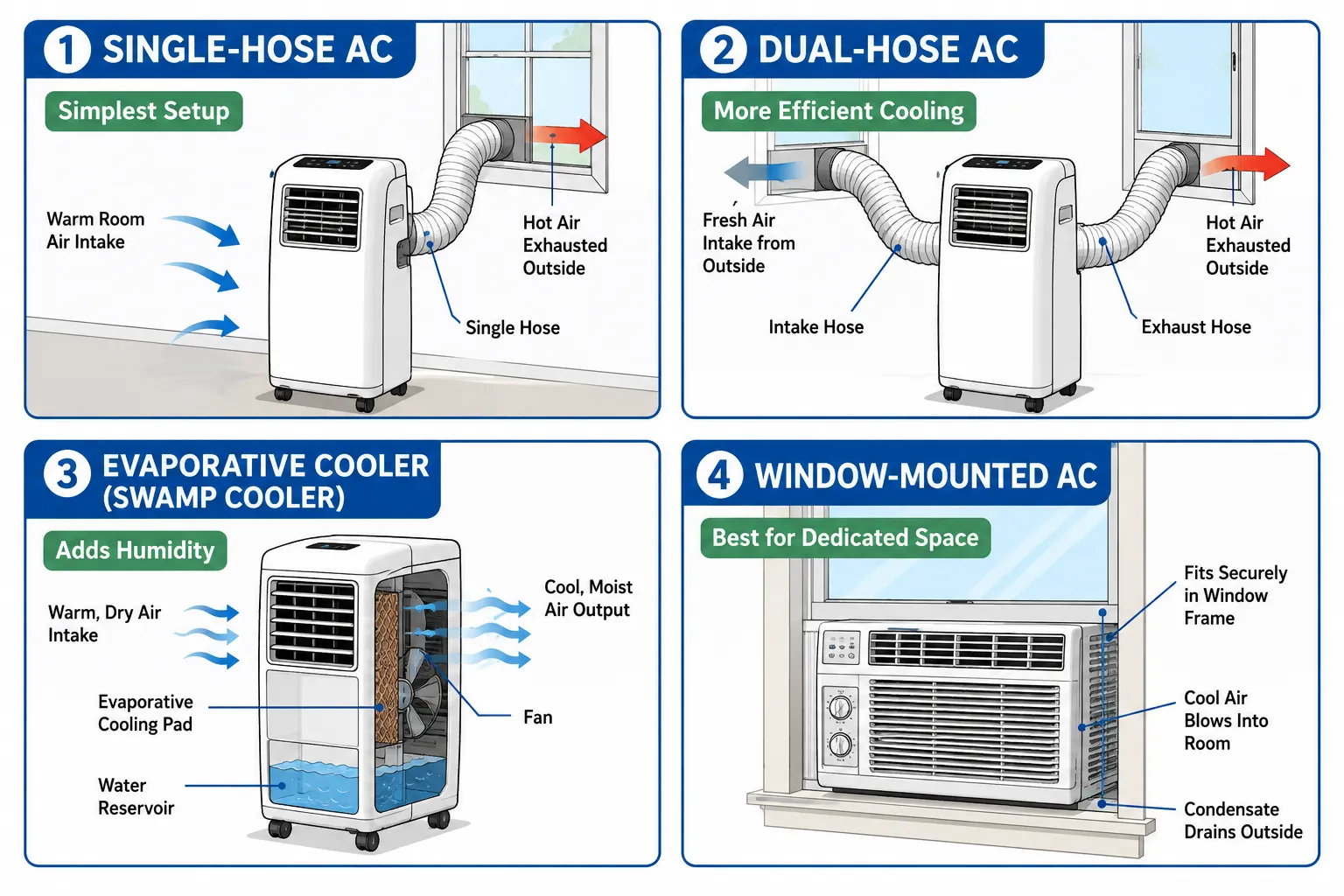
- Single-Hose Portable AC Units: These are the most common and typically the most affordable. They draw air from the room, cool it, and expel the hot exhaust air through a single hose to the outside. This creates a slight negative pressure in the room, causing unconditioned outside air to be drawn in through gaps and cracks, which can reduce efficiency. However, for smaller, less-insulated workshops, they can still provide significant relief.
- Dual-Hose Portable AC Units: These units are generally more efficient. They use one hose to draw in outside air for cooling the condenser and another hose to exhaust the hot air back outside. This design avoids creating negative pressure in the room, leading to more consistent cooling. While often more expensive and requiring more setup (two hoses instead of one), they are ideal for workshops where optimal cooling is a priority.
- Evaporative Coolers (Swamp Coolers): While not traditional AC units, evaporative coolers are sometimes considered for cooling. They work by evaporating water to lower the air temperature and add humidity. They are most effective in dry climates and can be counterproductive in humid environments, as they will only make the workshop feel muggier. They do not have an exhaust hose as they don’t remove heat in the same way.
For a beginner’s guide to portable AC units for small workshops, focusing on single- and dual-hose models is most relevant, as they provide true air conditioning by removing heat and humidity.
Sizing Your Portable AC Unit
One of the most critical factors in choosing an effective portable AC unit is its cooling capacity, measured in British Thermal Units (BTUs). An undersized unit will struggle to cool your workshop, while an oversized unit might cycle on and off too frequently, leading to inefficiency and potential discomfort.
Calculating BTU Requirements:
- Determine Workshop Square Footage: Measure the length and width of your workshop and multiply them to get the square footage.
- Consult a BTU Chart:
- 150-250 sq ft: 5,000-8,000 BTUs
- 250-350 sq ft: 8,000-10,000 BTUs
- 350-450 sq ft: 10,000-12,000 BTUs
- 450-550 sq ft: 12,000-14,000 BTUs
- Account for Heat Sources: Workshops are unique environments often filled with heat-generating equipment. Add 1,000-2,000 BTUs for each significant heat source, such as a large table saw, router, or multiple power tools running simultaneously. If your workshop has poor insulation, many windows, or is exposed to direct sunlight, consider adding another 10-20% to your total BTU estimate.
For example, a 300 sq ft workshop with two significant heat sources and direct sun exposure might need an 8,000 BTU base + 2,000 BTUs for tools + 1,000 BTUs for sun = 11,000 BTUs. Always round up if you are between sizes to ensure adequate cooling capacity.
Installation and Optimal Placement for Workshop Cooling
Proper installation and strategic placement are paramount to maximizing the efficiency of your portable AC unit in a small workshop. Without correctly venting the hot air, the unit will be ineffective, essentially circulating hot air within the space. Additionally, positioning the unit thoughtfully can help distribute cool air more evenly and minimize interference with your crafting workflow. This section will guide you through crucial steps for effective setup, ensuring your “Beginner’s Guide to Portable AC Units for Small Workshops: Keeping Cool While You Craft” is truly comprehensive.
Venting the Exhaust Hose
The most critical step in portable AC installation is venting the hot exhaust air outside. Most units come with a window kit designed for sash or sliding windows, but workshops often present different challenges.
Venting Options:
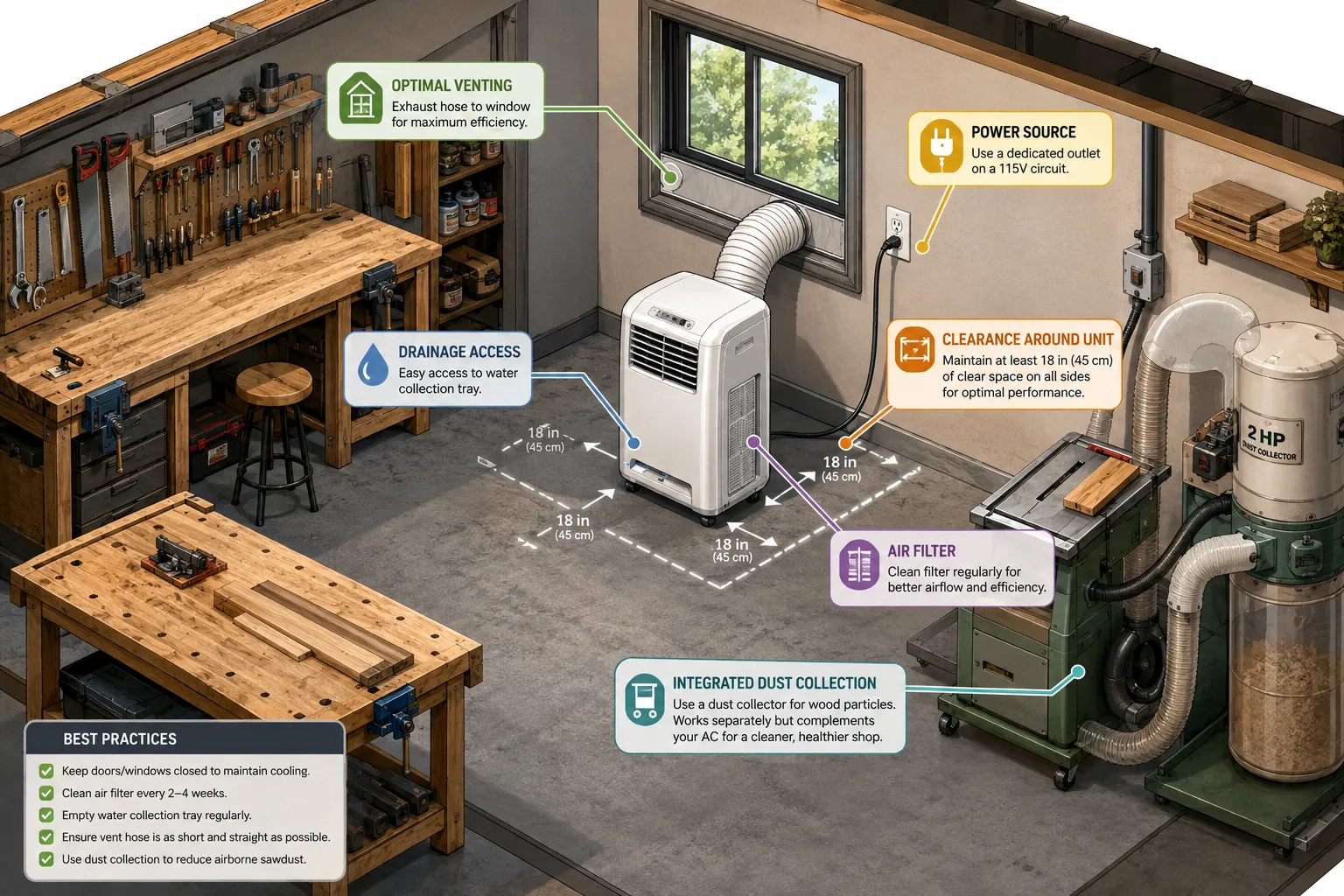
- Window Venting: This is the most common method. The kit typically includes an adjustable panel that fits into an open window, with a hole for the exhaust hose.
- Tip: Ensure a tight seal around the panel and hose connection to prevent hot air from re-entering the workshop. Use foam insulation strips or duct tape if necessary.
- Wall Venting: If a window isn’t available or practical, you can create a permanent vent through an exterior wall. This involves cutting a hole, installing a dryer vent cap on the outside, and connecting the exhaust hose internally. This offers a more aesthetic and secure solution but requires more effort and potential modifications to your workshop structure, which might also be a consideration when building modular wood storage systems.
- Door Venting: Similar to window venting, a custom panel can be made to fit in an open doorway or garage door, often requiring larger, custom-fabricated panels.
- Ceiling/Roof Venting: While more complex, some workshops might benefit from venting through the ceiling or roof, especially if wall and window options are limited. This typically requires professional installation and appropriate flashing to prevent leaks.
Hose Considerations:
- Keep it Short and Straight: The shorter and straighter the exhaust hose, the more efficiently the unit will operate. Bends and kinks restrict airflow, reducing cooling power and potentially leading to overheating.
- Insulate the Hose: The exhaust hose gets hot. Insulating it with thermal wrap or specialized hose covers can prevent it from radiating heat back into your workshop, improving overall efficiency.
Optimal Unit Placement
Where you place your portable AC unit within the workshop directly impacts its effectiveness and your comfort.
- Near a Venting Point: Place the unit as close as possible to your chosen venting point (window, wall, or door) to minimize hose length and maximize efficiency.
- Unobstructed Airflow: Ensure there’s ample space around the unit, typically 12-18 inches, for proper air intake and cool air distribution. Do not place it against a wall or in a tight corner that could restrict airflow.
- Away from Heat Sources: Avoid placing the unit directly next to heat-generating machinery or in direct sunlight, as this will force it to work harder and reduce its lifespan.
- Strategic Cooling: Position the unit so that the cool air output is directed towards your primary work area. If your workshop is long, consider placing it in the middle for more even cooling.
- Consider Dust: Workshops generate significant dust, especially from activities like sanding or using a Craftsman 152221140 Table Saw. While portable ACs have filters, excessive dust can clog them quickly. Place your AC unit away from direct dust-generating operations, or consider using a robust dust collection system in conjunction with your AC to maintain air quality and protect the unit. Learn more about dust collection basics with our guide on the Reliant Dust Collector.
- Stable and Level Surface: Ensure the unit is placed on a stable, level surface to prevent tipping and allow for proper condensate drainage.
Maintenance and Efficiency Tips for Portable AC Units
To ensure your portable AC unit provides reliable cooling throughout the crafting season and maintains its efficiency, regular maintenance is essential. Neglecting these simple steps can lead to reduced performance, higher energy bills, and a shorter lifespan for your unit. This section is a crucial part of our “Beginner’s Guide to Portable AC Units for Small Workshops: Keeping Cool While You Craft,” focusing on practical tips to keep your unit running smoothly in a challenging workshop environment.
Regular Cleaning and Filter Maintenance
The dusty nature of workshops makes filter cleaning even more critical for portable AC units. Dust, sawdust, and fine particles can quickly clog the air filter, impeding airflow and forcing the unit to work harder.
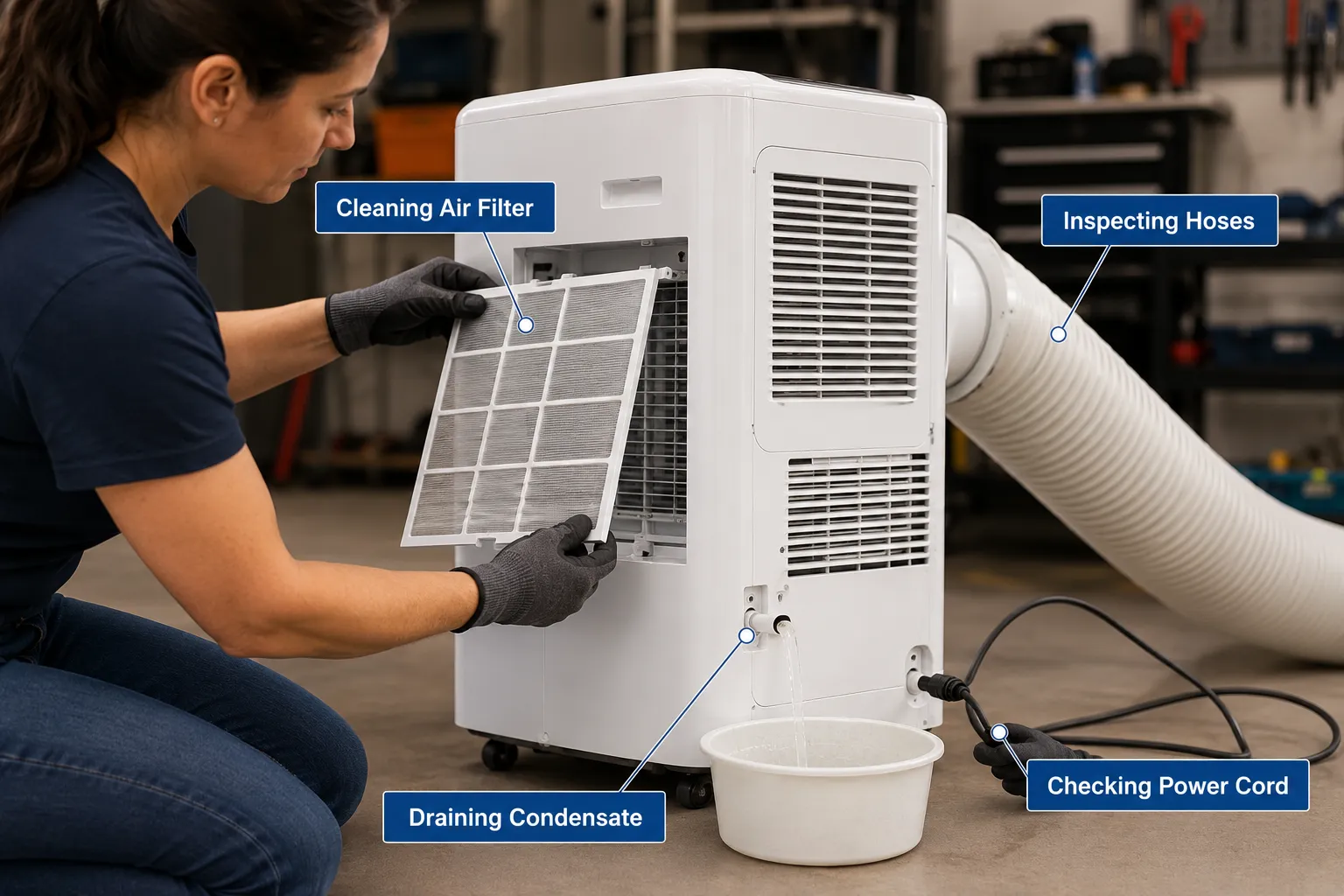
- Clean or Replace Air Filter: Most portable AC units come with washable air filters.
- Frequency: In a workshop environment, check and clean the filter every 1-2 weeks, or even more frequently if you are doing extensive sanding or routing. If your filter is disposable, replace it as per manufacturer recommendations.
- Process: Simply slide out the filter, rinse it under lukewarm water until clean, allow it to air dry completely, and then reinsert it. Never operate the unit without a dry filter.
- Clean Exterior Vents: Periodically wipe down the exterior vents and surfaces of the unit to remove dust buildup. Use a soft brush or vacuum attachment to clear any debris from the intake and exhaust grilles.
Condensate Management
As portable AC units cool the air, they also remove humidity, producing condensate (water). This water needs to be managed to prevent leaks or mildew growth.
- Internal Collection Tank: Many units have an internal tank that collects water. Once full, the unit will typically shut off until the tank is emptied.
- Draining: Consult your manual for the exact draining procedure. This usually involves removing a drain plug and letting the water flow into a bucket or drain. The frequency of draining depends on ambient humidity levels.
- Continuous Drainage (if available): Some models offer a continuous drainage option where a hose can be attached to the drain port and routed to a floor drain or a larger collection vessel. This is highly recommended for workshops to avoid constant manual emptying, especially during humid periods.
- Self-Evaporating Models: Certain advanced portable AC units are designed to partially or fully evaporate the condensate through the exhaust hose, reducing or eliminating the need for manual draining. While convenient, they may still require occasional draining in very humid conditions.
Optimizing for Workshop Efficiency
Beyond basic maintenance, several strategies can enhance the overall efficiency of your portable AC in a workshop setting.
- Seal Gaps and Cracks: Even with the best portable AC unit, cool air can escape, and hot air can infiltrate through unsealed gaps around windows, doors, and walls. Use weatherstripping, caulk, or foam insulation to seal these entry points, making your AC more effective and reducing energy waste.
- Limit External Heat Sources: Where possible, schedule heat-generating tasks (e.g., prolonged use of heat guns or powerful motors) for cooler parts of the day or open doors/windows for temporary ventilation during these activities, then seal the workshop again for AC operation.
- Use Curtains or Blinds: If your workshop has windows, drawing blinds or curtains during direct sunlight hours can significantly reduce heat gain.
- Consider Dehumidification: If your primary issue is humidity rather than extreme heat, a dedicated dehumidifier might be a more energy-efficient solution. However, portable ACs inherently dehumidify as they cool.
- Pre-Cooling: On extremely hot days, consider turning on your portable AC unit an hour or two before you start crafting to get a head start on cooling the space.
By diligently following these maintenance and efficiency tips, your portable AC unit will continue to provide a comfortable and productive environment, allowing you to focus on woodworking projects that sell or simply enjoy your craft.
When to Consider Alternatives or Supplements
While portable ACs are excellent for many small workshops, some scenarios might warrant alternative or supplementary solutions:
- Extreme Heat & Humidity: In exceptionally hot and humid climates, a portable AC might struggle to maintain ideal temperatures. In such cases, combining it with an exhaust fan to actively pull hot air out of the workshop can be beneficial.
- Very Large Workshops: For workshops exceeding 500-600 sq ft, a single portable AC may not be sufficient. Multiple units or a more permanent solution like a mini-split system might be necessary.
- Dedicated Dust Control: Remember that a portable AC is for cooling, not dust collection. Invest in a dedicated dust collection system to protect your lungs and your equipment from fine sawdust. The AC filter is primarily for its internal protection, not general workshop air purification.
Conclusion
Keeping your small workshop cool and comfortable is not a luxury; it’s a necessity for maintaining focus, protecting your materials, and ensuring your passion for crafting can thrive year-round. This “Beginner’s Guide to Portable AC Units for Small Workshops: Keeping Cool While You Craft” has outlined the essential steps from understanding different unit types and sizing correctly, to implementing optimal placement and diligent maintenance.
By carefully selecting a portable AC with the appropriate BTU capacity, ensuring proper exhaust ventilation, and committing to regular filter cleaning and condensate management, you can transform your workspace into an inviting environment even during the hottest months of 2026. Don’t let the heat deter your creativity. Invest in a portable AC unit, follow these guidelines, and enjoy a more comfortable, productive crafting experience. Your hands and your projects will thank you.
SEO Meta Title: Portable AC for Small Workshops: Beginner’s Cooling Guide
SEO Meta Description: Keep your small workshop cool in 2026 with our beginner’s guide to portable AC units. Learn to choose, install, and maintain for comfort while crafting.