
The timeless appeal of wooden toys and games transcends generations, offering not just entertainment but a tangible connection to craftsmanship and creativity. In an age dominated by digital distractions, the art of building your own wooden playthings is experiencing a profound resurgence. This article delves into the rewarding world of DIY Wooden Toys and Games: Crafting Heirloom Pieces for Children and Adults, exploring how you can create durable, engaging, and beautiful items that will be cherished for years to come. From simple puzzles to intricate dollhouses, crafting these pieces provides a unique opportunity for personal expression, skill development, and the creation of meaningful gifts or profitable craft fair items.
Beyond the sheer joy of creation, wooden toys offer a sensory experience that plastic alternatives simply cannot match. The feel of smooth, sanded wood, the subtle scent of timber, and the satisfying weight of a well-crafted piece all contribute to a rich play experience. For adults, the process itself is a therapeutic endeavor, a chance to disconnect from screens and engage in a focused, hands-on activity.
Key Takeaways
- Sustainability & Durability: Wooden toys are naturally eco-friendly and built to last, often outliving mass-produced plastic items.
- Skill Development: Crafting wooden toys enhances woodworking skills, from basic cutting and sanding to intricate joinery and finishing.
- Creative Expression: DIY projects allow for personalization in design, wood choice, and finishing, making each piece unique.
- Heirloom Potential: Handcrafted wooden toys and games become cherished family heirlooms, passed down through generations.
- Market Opportunity: Well-made wooden toys and games have a strong market appeal for gifting and craft sales.
Getting Started with DIY Wooden Toys and Games: Basic Projects and Techniques
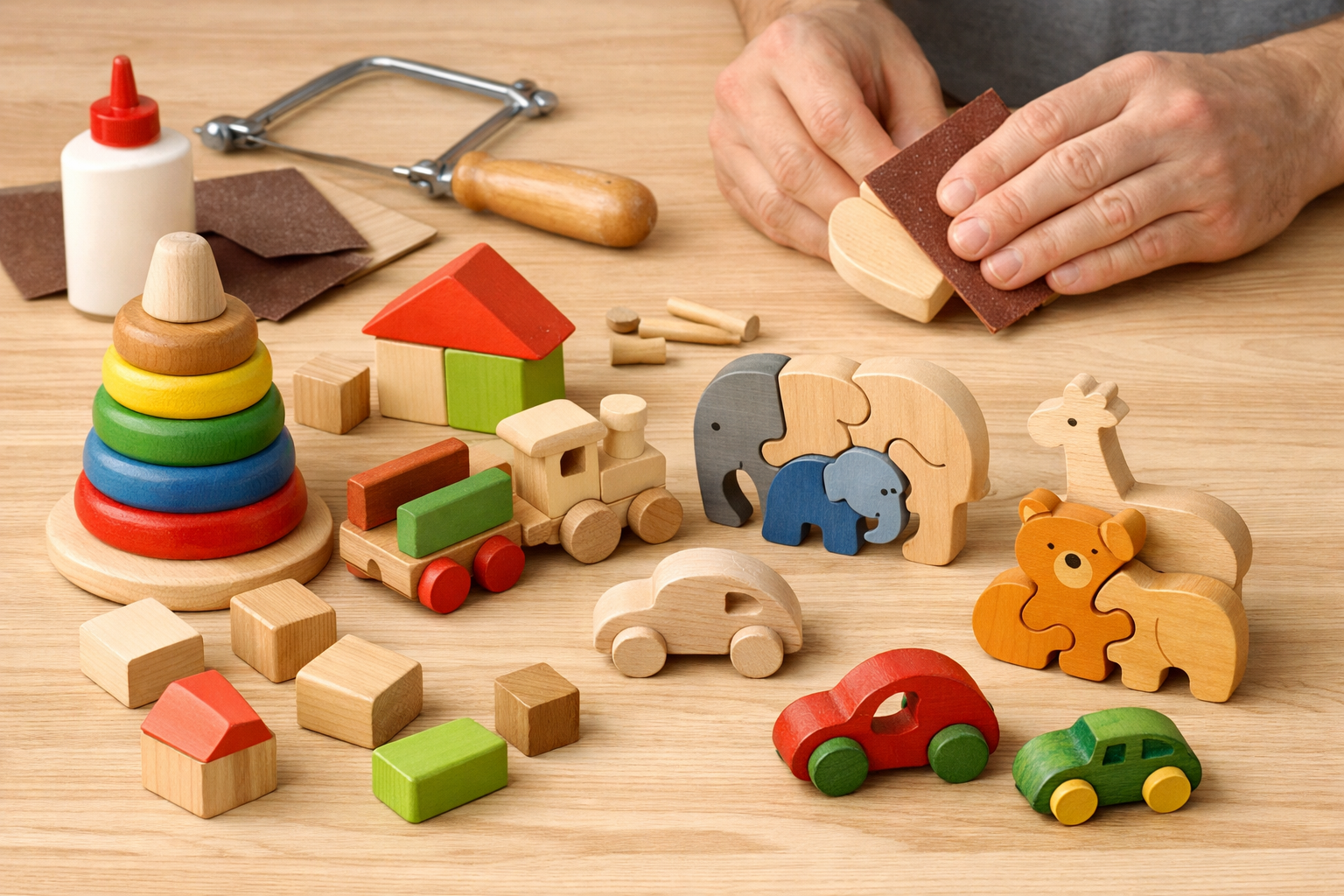
Embarking on the journey of crafting DIY Wooden Toys and Games doesn’t require a fully equipped professional workshop. Many engaging projects can be completed with a few essential hand tools and a willingness to learn. The key is to start with simpler designs, focusing on mastering fundamental woodworking techniques before moving on to more complex creations.
Essential Tools and Materials
To begin, you’ll need some basic tools. These often include:
- Hand Saw or Jigsaw: For cutting wood to size.
- Sandpaper: Various grits (from coarse to very fine) for smoothing surfaces.
- Wood Glue: A strong adhesive for joining pieces.
- Clamps: To hold pieces securely while glue dries.
- Drill: For creating holes, especially for axles or connecting components.
- Measuring Tape and Pencil: For accurate marking.
- Safety Gear: Gloves, safety glasses, and hearing protection are crucial.
For materials, opt for readily available and safe woods. Poplar, pine, maple, and birch are excellent choices for toys due to their fine grain, stability, and ease of working. When selecting wood, always prioritize untreated, non-toxic options, especially for items intended for children.
Table 1: Common Woods for DIY Wooden Toys
| Wood Type | Characteristics | Best For | Safety Considerations |
|---|---|---|---|
| Maple | Hard, fine grain, durable | Blocks, puzzles, cars | Very safe, non-toxic |
| Birch | Light color, smooth texture | Smaller toys, accents | Very safe, non-toxic |
| Poplar | Soft, easy to work, inexpensive | Beginner projects, simple shapes | Generally safe, can splinter if not sanded well |
| Pine | Soft, distinct grain, affordable | Larger, less intricate pieces | Ensure knots are solid, avoid resinous areas for toys |
Simple Projects for Beginners
Starting with straightforward projects helps build confidence and refine skills. Consider these ideas:
- Wooden Blocks: A classic. Cut wood into various shapes and sizes, then sand them smooth. These can be left natural or painted with child-safe paints.
- Push-Along Animals/Cars: Involve cutting out animal or vehicle shapes and attaching wooden wheels using dowels. This introduces basic joinery and drilling.
- Simple Puzzles: Cut a larger piece of wood into 2-5 distinct shapes. This teaches precision cutting and sanding.
- Stacking Toys: Create a base with a dowel, then cut rings or other shapes with a central hole to be stacked.
Always ensure all edges are thoroughly sanded to prevent splinters, and use non-toxic finishes if desired. For more on wood finishing techniques, explore our guide on natural wood finishing techniques.
Fundamental Techniques to Master
- Measuring and Marking: Precision is key. Use a square to ensure straight lines for cutting.
- Cutting: Whether with a hand saw or jigsaw, practice smooth, controlled cuts.
- Sanding: Start with coarser grit (e.g., 80-120) to shape and remove marks, then progressively move to finer grits (220+) for a silky-smooth finish.
- Gluing and Clamping: Apply even pressure and use appropriate clamps to ensure strong bonds. Our article on does super glue work on wood offers insights into different adhesives.
- Finishing: Options include natural oils (like mineral oil or Danish oil), beeswax, or child-safe paints and lacquers. This not only protects the wood but also enhances its beauty. Understanding options like Danish oil vs. linseed can guide your choices.
Advancing Your Skills: Complex DIY Wooden Toys and Games for All Ages
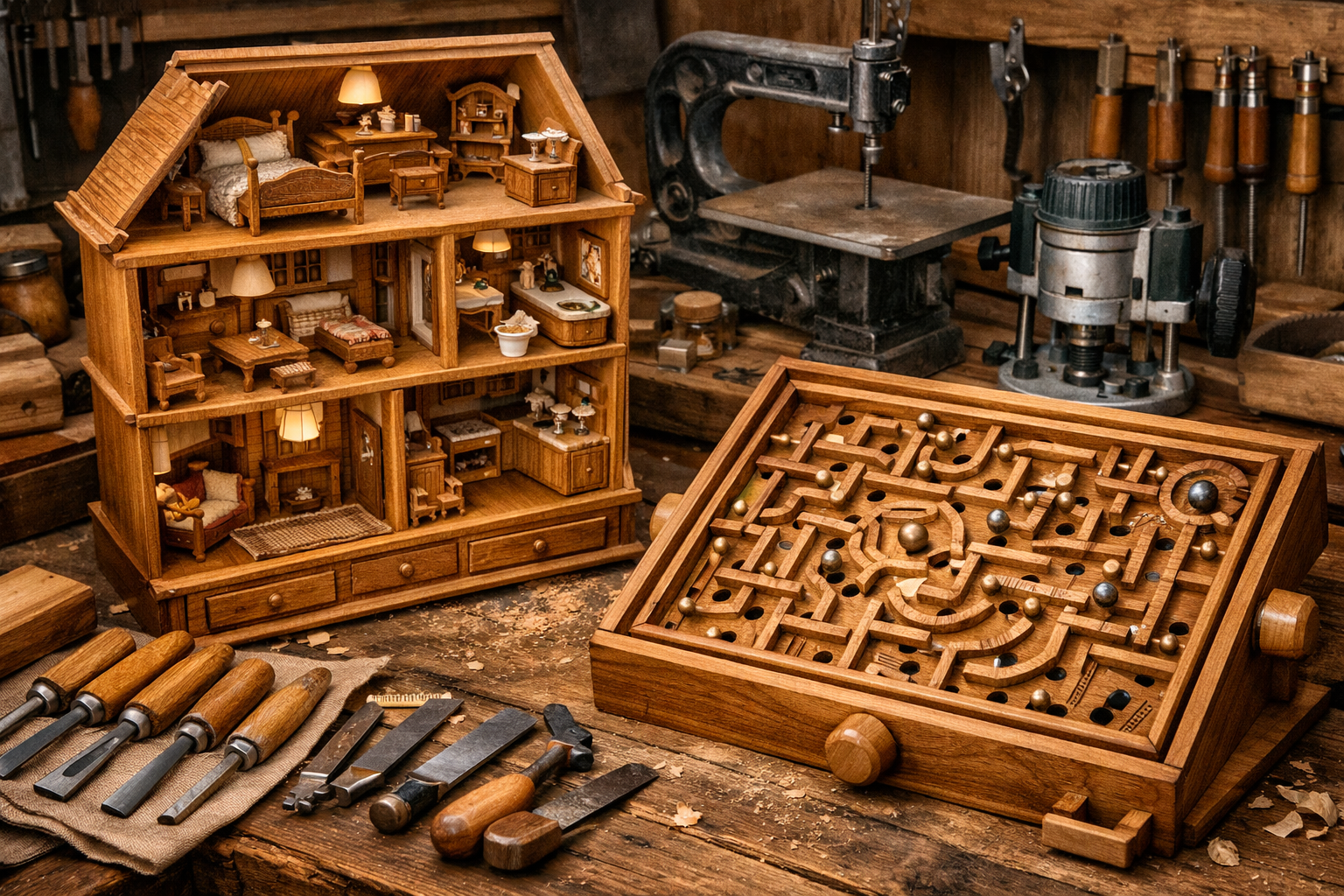
Once comfortable with the basics, the world of DIY Wooden Toys and Games opens up to more intricate and rewarding projects. These advanced pieces often involve more specialized tools, complex joinery, and a greater investment of time, but the resulting heirloom quality is well worth the effort.
Intermediate to Advanced Projects
Consider these projects to challenge your skills:
- Dollhouses and Furniture: Building a dollhouse requires precise cuts, careful assembly, and often miniature furniture. This project is a fantastic way to practice joinery and fine detail work.
- Wooden Train Sets: Crafting a complete train set with engines, cars, and tracks involves repetitive cutting, drilling, and smooth finishing.
- Board Games: Chess boards, checkers, or unique strategy games can be crafted with inlaid wood, carved pieces, and durable playing surfaces. This can be a great way to showcase fine woodworking skills.
- Marble Runs: Designing and building a multi-level marble run challenges your creativity in engineering and precise construction.
- Rocking Horses or Ride-On Toys: These larger projects require strong joinery, careful balancing, and a robust finish.
Specialized Tools and Techniques
Moving into more complex projects often means expanding your toolset.
- Scroll Saw or Bandsaw: Essential for cutting intricate curves and shapes, perfect for animal figures, puzzle pieces, or dollhouse details.
- Router: Useful for creating decorative edges, dados, and grooves for joinery. Our guide on best router bit for box joints can be very helpful.
- Chisels and Carving Tools: For adding intricate details, textures, or even carving full figures.
- Measuring Tools: A digital caliper, combination square, and marking gauge ensure extreme precision.
- Dust Collection System: As you use more power tools, managing sawdust becomes crucial for safety and cleanliness.
Techniques to develop include:
- Dovetail Joints or Box Joints: For strong, aesthetically pleasing connections, especially in boxes or drawers for game pieces. Our article on mastering dovetail joinery for drawers provides in-depth guidance.
- Laminating Wood: Combining different wood species for aesthetic contrast or added strength, often seen in custom chessboards or cutting boards (though here for toys).
- Wood Turning: If you have access to a lathe, you can create turned components like wheels, game pieces, or decorative elements.
- Finishing with Polyurethane or Lacquer: For items that need a very durable, hard-wearing finish, especially for games that will see a lot of handling. Understanding options like water-based spar urethane vs. polyurethane is beneficial.
Crafting these more involved pieces requires patience, attention to detail, and a commitment to safety. Always ensure your workspace is tidy and well-lit.
The Enduring Value of Handcrafted Heirloom Pieces
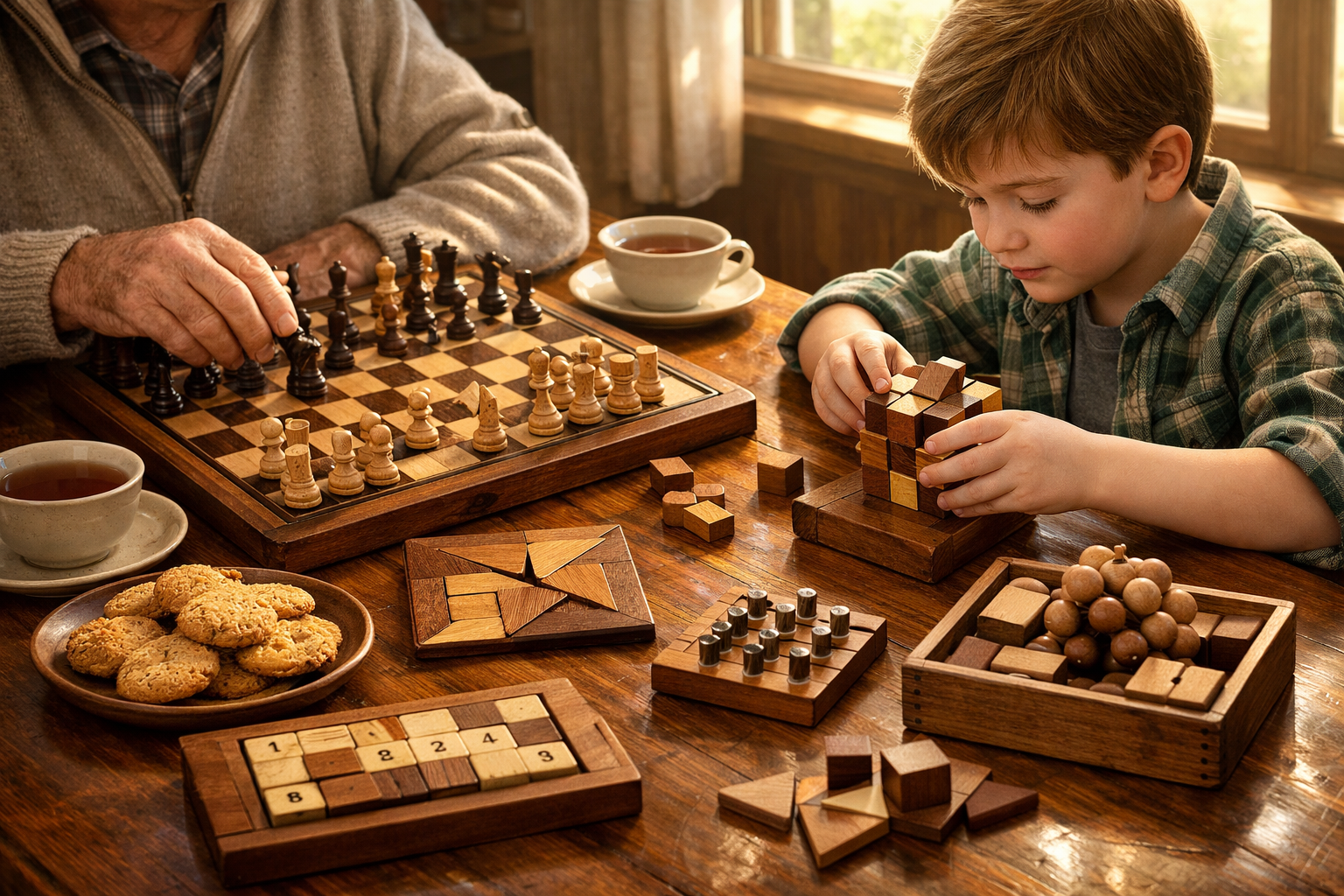
The true magic of DIY Wooden Toys and Games lies in their potential to become cherished family heirlooms. Unlike mass-produced plastic items that often end up in landfills, a handcrafted wooden toy embodies durability, history, and a story. These pieces aren’t just toys; they are tangible memories, passed down from one generation to the next, gaining character and value with each loving touch.
Creating Lasting Memories and Bonds
When you craft a wooden toy or game, you’re not just making an object; you’re investing time, skill, and affection. This intentionality infuses the piece with a unique significance. For children, playing with a toy made by a parent, grandparent, or even a skilled artisan, fosters a deeper appreciation for craftsmanship and the personal connection behind the gift.
- Emotional Connection: Handcrafted items carry the maker’s care and effort, fostering a strong emotional bond with the recipient.
- Sustainability: Choosing wood over plastic aligns with environmentally conscious values, teaching future generations about sustainable practices. Consider sourcing and restoring urban-harvested and reclaimed wood for an even greener approach.
- Educational Value: Wooden toys often encourage open-ended, imaginative play, promoting cognitive development more effectively than many electronic alternatives.
Beyond the Home: Craft Fairs and Gifting
The high quality and unique appeal of handcrafted wooden toys and games make them ideal candidates for gifting or even selling.
- Unique Gifts: A custom-made wooden toy or game stands out from commercial offerings, showing thoughtfulness and originality.
- Craft Fair Success: Artisanal wooden items are highly sought after at local markets and online craft platforms. They appeal to buyers looking for durable, safe, and beautifully made products. For inspiration on maximizing profit from small woodworking projects, you might find our article on maximizing profit from scrap wood helpful.
- Custom Orders: As your skills grow, you might attract custom orders for personalized items, expanding your craft into a profitable venture.
When creating for sale, always prioritize safety standards, use non-toxic finishes, and clearly communicate the quality and materials used. High-quality finishing is crucial for market appeal, as detailed in our comprehensive guide to wood finishing techniques.
In 2026, the demand for authentic, handcrafted items continues to grow. Investing your time and skill into DIY Wooden Toys and Games offers not only a creative outlet but also the opportunity to contribute to this valuable tradition, creating pieces that will bring joy for generations.
Conclusion
The journey of crafting DIY Wooden Toys and Games: Crafting Heirloom Pieces for Children and Adults is a deeply rewarding one. From the satisfying thrum of a saw cutting through timber to the silky-smooth feel of a perfectly sanded surface, each step is an act of creation that culminates in a tangible, beautiful object. These aren’t just playthings; they are investments in sustainable living, skill development, and the creation of lasting memories.
Whether you’re a novice woodworker looking to make simple blocks or an experienced artisan ready to tackle an elaborate dollhouse, the principles remain the same: patience, precision, and a commitment to quality. The resulting heirloom pieces will not only provide endless hours of imaginative play but will also stand as a testament to your craftsmanship, ready to be passed down and cherished by future generations. Embrace the warmth, durability, and timeless appeal of wood, and begin crafting your own legacy today.
Actionable Next Steps:
- Start Simple: Pick a basic project like wooden blocks or a push-along toy to build foundational skills.
- Invest in Safety: Prioritize safety gear and learn proper tool usage before starting any project.
- Research Designs: Explore free plans online or in woodworking books for inspiration and step-by-step guides.
- Practice Finishing: Experiment with various non-toxic finishes to find what works best for your projects and desired aesthetic.
- Share Your Creations: Gift your handmade items, or consider showcasing them at local craft fairs to share your passion and skill.
References
- Fine Woodworking Magazine. (2021). Woodworking Fundamentals. Taunton Press.
- Lee, T. (2018). Making Wooden Toys: 12 Fun-To-Build Projects. Fox Chapel Publishing.
- National Association for the Education of Young Children (NAEYC). (2019). The Importance of Play.
- The Woodworking Association. (2020). Safe Workshop Practices.