
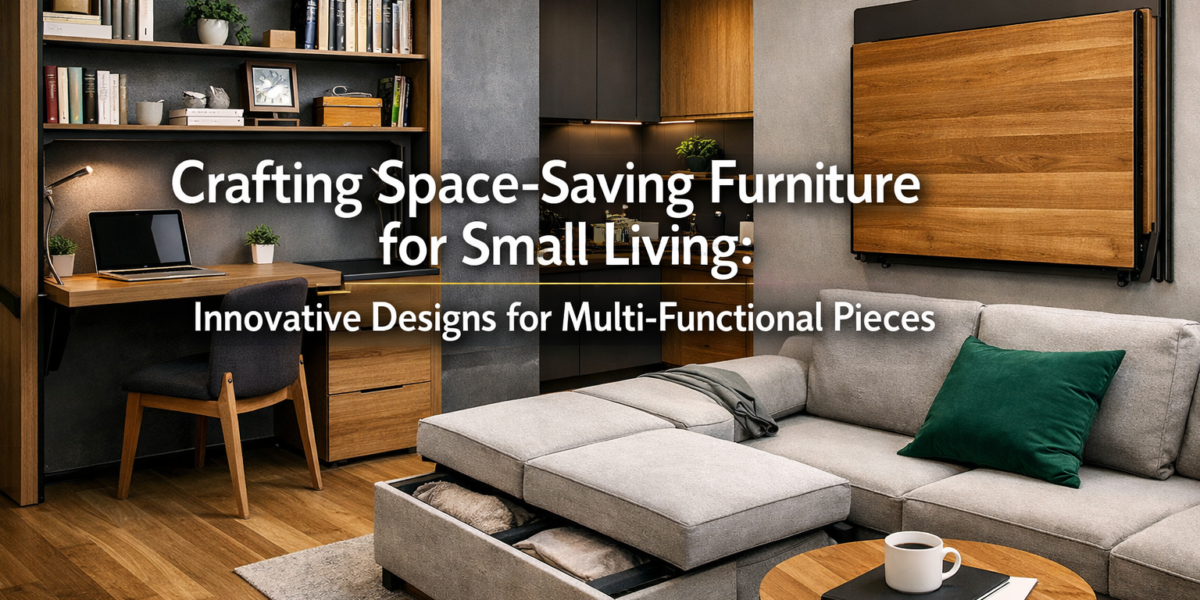
In 2026, with urban living spaces continually shrinking and property costs soaring, the average apartment size in many major cities has decreased by nearly 10% over the last decade. This growing trend underscores an urgent need for intelligent design solutions that maximize every square foot. For woodworkers and DIY enthusiasts, this presents a unique opportunity and a compelling challenge: Crafting Space-Saving Furniture for Small Living: Innovative Designs for Multi-Functional Pieces. This article delves into the principles, techniques, and inspirational projects that transform compact areas into highly functional and aesthetically pleasing homes.
Key Takeaways
- Space-saving furniture prioritizes multi-functionality and clever design to maximize utility in limited living areas.
- Successful designs often incorporate modularity, transforming capabilities, and integrated storage.
- Woodworkers can leverage various joinery techniques, hardware solutions, and material choices to create durable and adaptable pieces.
- Planning, precise measurements, and understanding user needs are crucial for effective space-saving furniture construction.
- DIY projects for small spaces empower individuals to customize solutions perfectly suited to their unique needs and aesthetic preferences.
The Philosophy Behind Crafting Space-Saving Furniture for Small Living
The core idea behind Crafting Space-Saving Furniture for Small Living: Innovative Designs for Multi-Functional Pieces isn’t merely about making things smaller; it’s about making them smarter. It’s an approach that combines ergonomics, aesthetics, and engineering to solve the spatial puzzles of modern compact homes. Think beyond traditional furniture pieces and embrace concepts where one item serves multiple purposes, adapting to different activities throughout the day.
Understanding the Demands of Small Spaces
Small living environments, whether a studio apartment, a tiny home, or a compact urban dwelling, impose specific design constraints. Every item needs to justify its existence and footprint. This means furniture must often:
- Be Multi-Functional: A coffee table that becomes a dining table, or a bed that folds into a wall unit.
- Offer Integrated Storage: Hidden compartments, pull-out drawers, or shelves seamlessly built into the structure.
- Be Modular or Collapsible: Pieces that can be reconfigured, stacked, or folded away when not in use.
- Utilize Vertical Space: Wall-mounted solutions and tall, slender units are invaluable.
- Be Lightweight and Mobile: Allowing for easy rearrangement to suit different needs.
A well-designed space-saving piece is more than just practical; it contributes to a sense of calm and order. Clutter can make a small space feel even smaller, so furniture that helps organize and conceal items is highly valued. The choice of materials also plays a significant role, with lighter woods and finishes often preferred to keep spaces feeling open and airy.
Innovative Designs for Multi-Functional Pieces: Examples and Techniques
The innovation in space-saving furniture lies in its ability to seamlessly transition between roles without sacrificing style or comfort. For woodworkers, this involves a blend of traditional craftsmanship and modern hardware solutions.
Transforming Tables: From Coffee to Dining
One of the most popular and impactful categories for space-saving is the transforming table. These pieces often feature sophisticated hinge mechanisms and telescoping legs, allowing them to expand, contract, and change height.
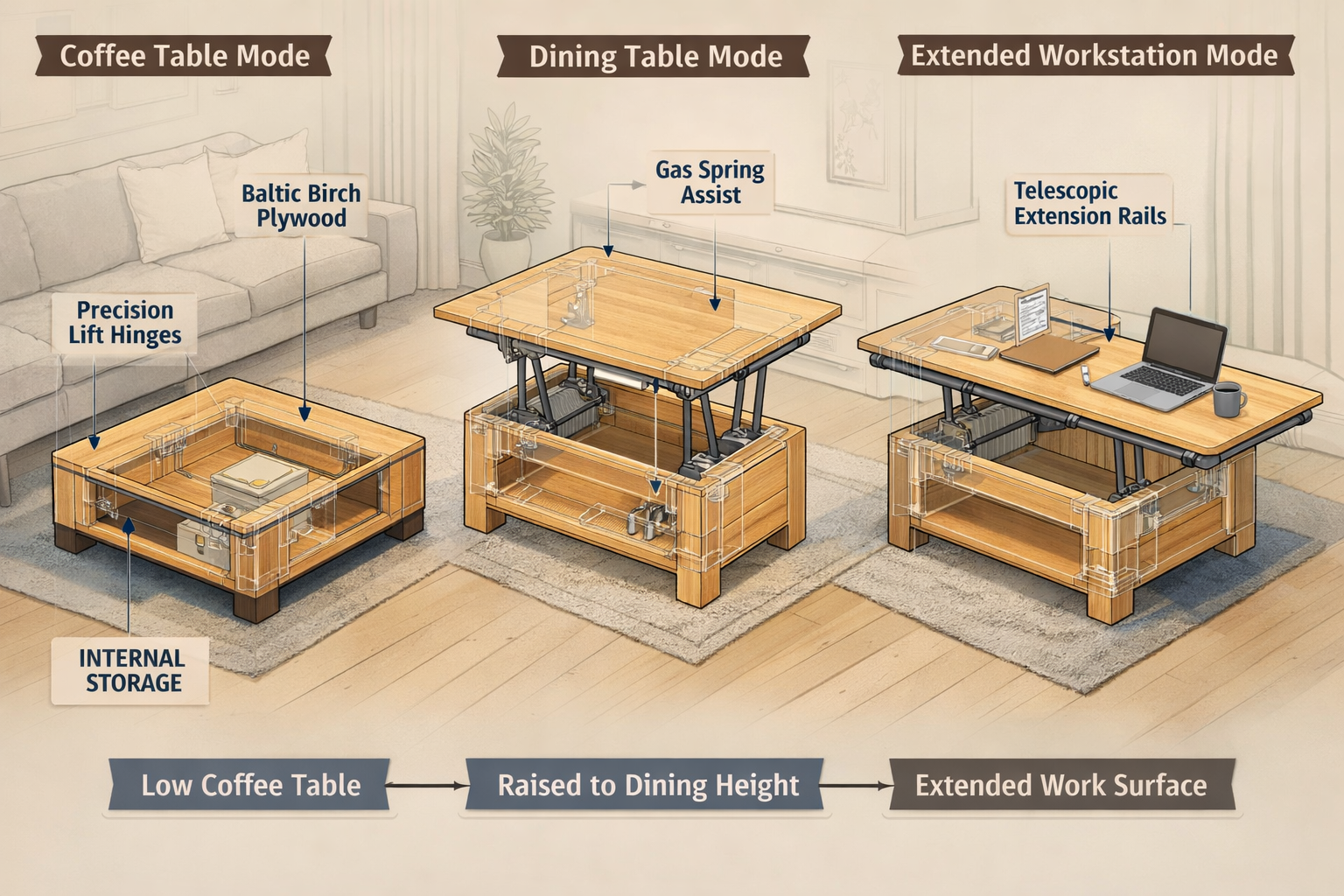
Project Idea: A lift-top coffee table that raises to dining height.
- Mechanism: Spring-loaded or pneumatic lift mechanisms.
- Materials: Plywood (e.g., Baltic birch for stability), solid wood for aesthetic appeal. Consider a durable finish to withstand varied use.
- Hidden Benefits: Often includes internal storage for remotes, magazines, or even extra placemats.
Murphy Beds and Wall-Mounted Desks
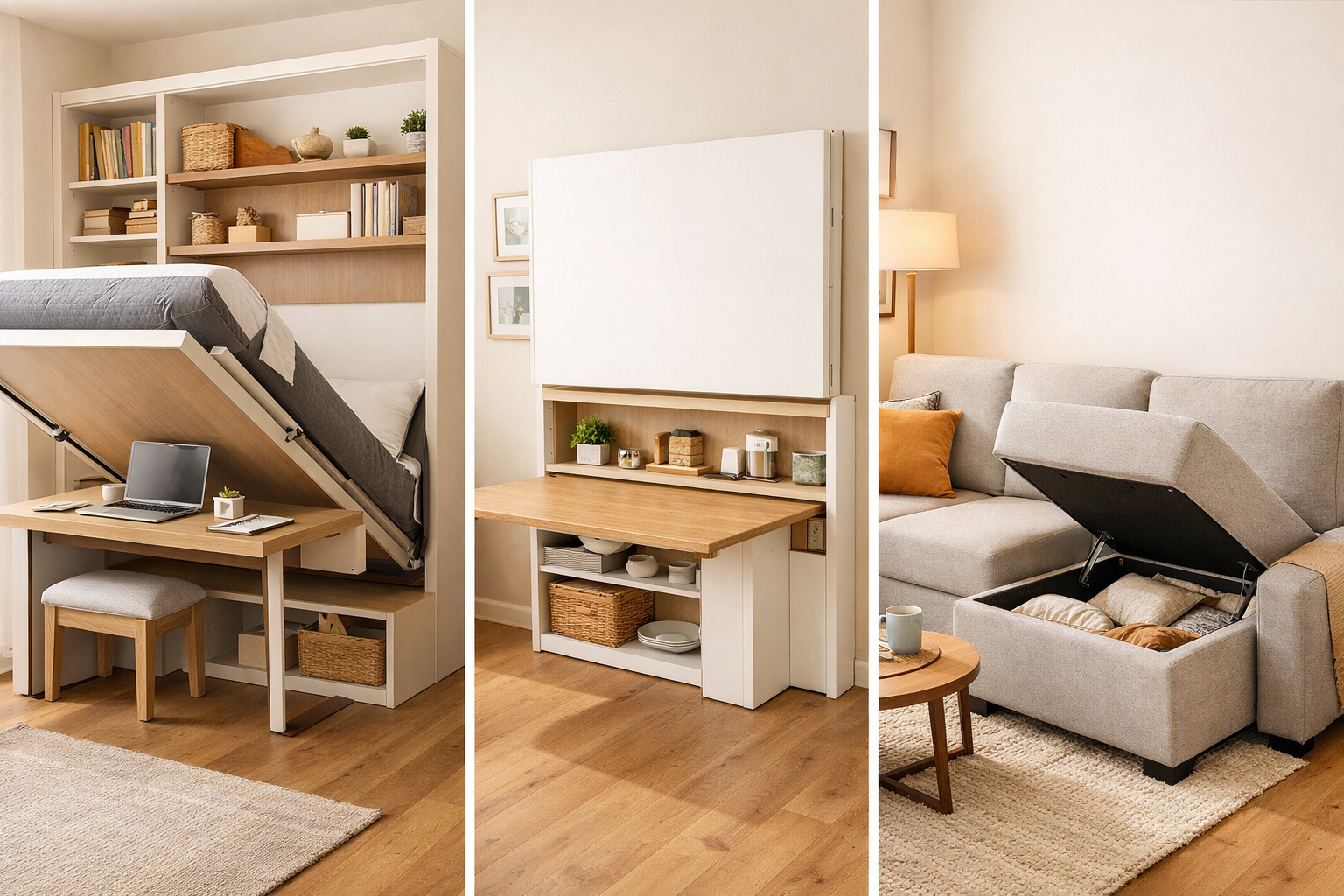
The classic Murphy bed is a prime example of a furniture piece that virtually disappears when not in use, freeing up valuable floor space. Modern iterations integrate shelving, lighting, and even desks. Similarly, wall-mounted desks offer a dedicated workspace that can fold flat against the wall, making them ideal for home offices in compact living areas.
Project Idea: A custom wall unit incorporating a Murphy bed and a retractable desk.
- Challenge: Precision joinery and robust hardware are critical for safety and smooth operation.
- Design Considerations: Ensure adequate structural support in the wall. Integrate lighting within the unit for functionality.
- Resources: For a detailed guide on building such a system, consider exploring our article on Building a Custom Murphy Bed with Integrated Desk: Space-Saving.
Modular Seating and Storage Solutions
Sofas and benches can be much more than just places to sit. Modular seating allows users to reconfigure their living space to suit different needs, while integrated storage turns otherwise dead space into valuable organizational zones.
| Design Element | Multi-Functional Application | Woodworking Focus |
|---|---|---|
| Modular Sofa | Reconfigurable sections; each piece can be a seat, ottoman, or even a chaise. | Strong joinery for independent modules; hidden connectors. |
| Storage Ottoman | Seating, footrest, and concealed storage for blankets, books. | Hinged lids with soft-close mechanisms; sturdy box construction. |
| Bench with Shelves | Entryway seating, shoe storage, display surface. | Robust frame, careful shelf spacing for different item sizes. |
| Nesting Tables | Multiple tables of varying sizes that tuck into one another. | Precision sizing, smooth finishes for easy sliding; stable legs. |
When Crafting Space-Saving Furniture for Small Living: Innovative Designs for Multi-Functional Pieces, woodworkers should always prioritize the durability and smooth operation of moving parts. Utilizing quality hardware is not an area to cut corners. For instance, creating modular office solutions requires careful planning for adaptability, similar to the concepts discussed in Building a Modular Home Office Desk System: Customizable Designs for Ergonomics, Cable Management, and Integrated Storage.
Vertical Storage and Wall-Mounted Organizers
Embracing vertical space is paramount in small living. Wall-mounted shelves, cabinets, and organizers keep items off the floor, reducing clutter and creating a more open feel.
Project Idea: A custom entryway organizer with hooks, a mail slot, and a small shelf.
- Material: Often uses thinner stock to reduce visual bulk.
- Benefit: Keeps keys, mail, and small accessories tidy.
- Inspiration: Check out our guide on DIY Compact Entryway Organizers: Building Wall-Mounted Solutions for Keys, Mail, and Small Accessories.
The Woodworker’s Approach: Materials, Tools, and Techniques
Successfully Crafting Space-Saving Furniture for Small Living: Innovative Designs for Multi-Functional Pieces requires a thoughtful approach to material selection, precise execution with appropriate tools, and an understanding of advanced joinery.
Material Selection for Durability and Aesthetics
- Plywood: High-quality plywoods like Baltic birch offer stability, strength, and a clean edge, ideal for components that require rigidity and smooth movement.
- Solid Wood: For visible surfaces and structural elements, solid hardwoods (maple, oak, walnut) provide beauty and longevity. Lighter woods such as pine or birch can make a space feel larger.
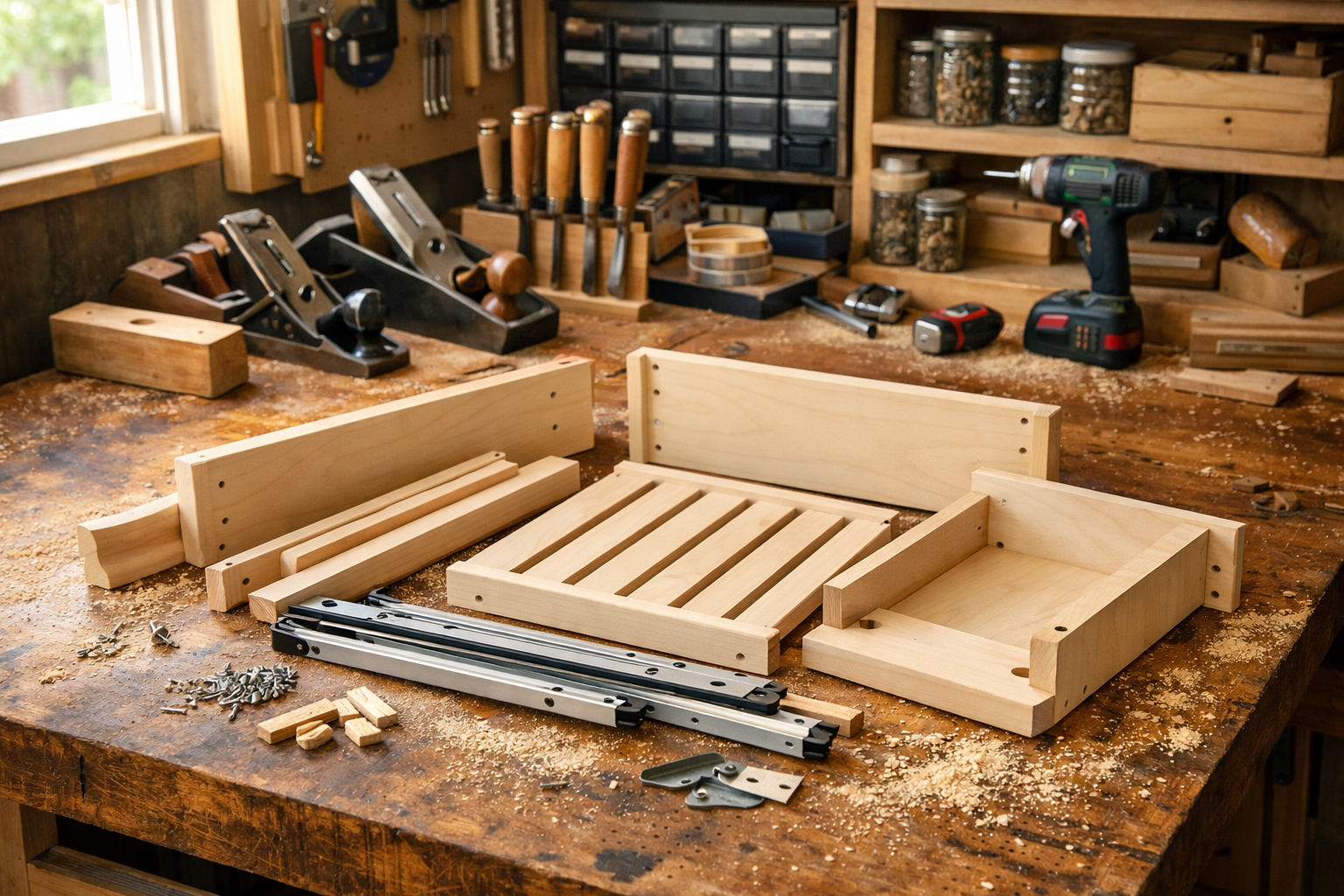
- Hardware: Essential for transforming furniture. Look for heavy-duty slides, hinges, gas struts, and folding mechanisms designed for repeated use. Soft-close features are a bonus.
- Finishes: Durable, low-VOC finishes protect the wood and are safe for indoor environments. Consider clear lacquers, polyurethanes, or natural oils that enhance the wood’s grain.
Essential Tools and Techniques
- Precision Cutting: A table saw or track saw is vital for accurate, repeatable cuts, especially for modular components.
- Router Table: Essential for creating clean edges, dados, rabbets, and custom profiles. Mastering this tool is crucial for seamless joinery and aesthetics. Learn more in our guide on Mastering the Router Table: Essential Jigs, Safety, and Advanced Techniques for Precision Joinery and Edges.
- Joinery: Strong joinery is paramount. Dovetails, mortise and tenon, dados, and pocket screws all have their place depending on the stress and visibility of the joint.
- Example: Mastering Dovetail Joints with Hand Tools: A Step-by-Step Guide for Flawless Wood Joinery can elevate the quality and strength of your pieces.
- Clamping and Gluing: Proper clamping pressure and the right wood glue are critical for strong assemblies. Consult The Ultimate Guide to Wood Glue: Choosing the Right Adhesive for Every Project, Joint and Environmental Condition for best practices.
- Planning and Prototyping: Before committing to expensive materials, create detailed plans and, if possible, build small-scale prototypes or mock-ups to test functionality and dimensions. This is particularly important for complex transforming mechanisms.
Embracing Customization
One of the greatest advantages of DIY in this field is the ability to customize. Off-the-shelf solutions rarely fit perfectly. By building your own, you can ensure dimensions are optimized for your unique space and aesthetic preferences. This is where your skills as a woodworker truly shine, transforming challenges into opportunities for personalized solutions. Consider how even workshop organization benefits from customization, as seen in Smart Workshop Storage Solutions: Maximizing Small Spaces with Modular Systems and DIY Organizers.
Conclusion
Crafting Space-Saving Furniture for Small Living: Innovative Designs for Multi-Functional Pieces is more than just a woodworking endeavor; it’s a creative response to the realities of modern urban dwelling. By embracing multi-functionality, clever mechanisms, and integrated storage, woodworkers can design and build pieces that not only conserve precious square footage but also enhance the beauty and livability of small homes.
The journey from concept to a finished, transforming piece of furniture requires careful planning, precise execution, and a willingness to experiment with innovative hardware and joinery. As you embark on these projects, remember that every successful design starts with understanding the user’s needs and ends with a durable, beautiful piece that truly serves its purpose. Dive into your next project with a mindset of innovation and watch as your small living spaces become more expansive, organized, and inspiring in 2026.