
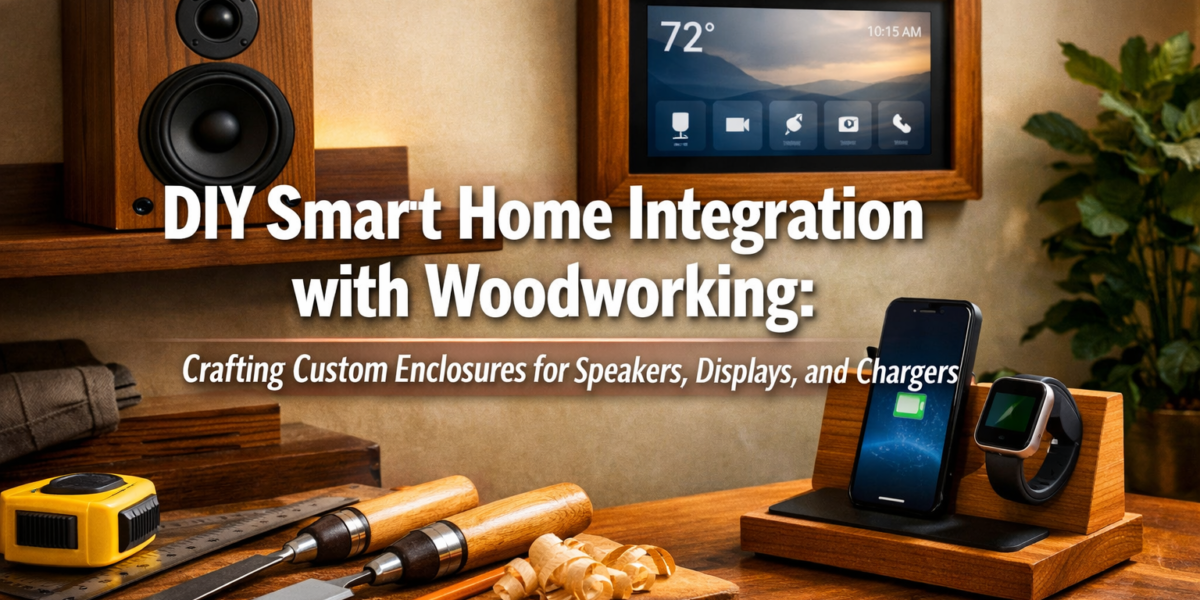
The digital age, with its ever-present smart devices, often presents a challenge to the aesthetic harmony of our living spaces. Bulky plastic speakers, exposed wires, and generic charging docks can detract from a carefully curated interior. However, a growing trend merges the timeless craft of woodworking with cutting-edge smart home technology, offering an elegant solution. By embracing DIY Smart Home Integration with Woodworking: Crafting Custom Enclosures for Speakers, Displays, and Chargers, homeowners can transform mundane tech into integrated, beautiful elements of their home decor. This approach not only enhances aesthetics but also provides practical benefits like improved acoustics, better cable management, and personalized functionality.
This article explores how you can harness woodworking skills to create bespoke solutions for your smart home, seamlessly blending modern convenience with custom craftsmanship in 2026.
Key Takeaways
- Elevate Aesthetics: Custom wooden enclosures transform standard smart devices into elegant, integrated home decor pieces.
- Enhance Functionality: Wood provides acoustic benefits for speakers and allows for discreet cable management and ventilation for chargers and displays.
- Personalization is Key: Design enclosures that perfectly match your home’s style, from rustic to modern minimalist.
- Skill Development: This fusion project offers opportunities to hone both woodworking techniques and a deeper understanding of smart home device requirements.
- Future-Proofing: Modular and well-designed enclosures can adapt to future technology upgrades with minor modifications.
Designing Custom Wooden Enclosures for Smart Speakers and Displays
Integrating smart technology into your home doesn’t mean sacrificing style. Custom wooden enclosures offer a sophisticated way to house smart speakers and displays, making them appear less like gadgets and more like intentional design elements. This section delves into the design considerations and woodworking techniques crucial for crafting these bespoke pieces, focusing on DIY Smart Home Integration with Woodworking: Crafting Custom Enclosures for Speakers, Displays, and Chargers.
{{IMG_SLOT_1}}
When designing for smart speakers, acoustics are paramount. Wood, with its natural resonant properties, can significantly enhance sound quality. The choice of wood, internal bracing, and porting can all influence the speaker’s performance. For instance, dense hardwoods like oak or maple can provide a rich, warm tone, while lighter woods like pine might offer a brighter sound. Considerations for internal volume and damping material are also critical to prevent unwanted vibrations and echoes. For those interested in improving audio further, exploring Crafting Acoustic Diffusers and Absorbers from Scrap Wood can provide complementary enhancements.
Speaker Enclosure Design Principles
- Material Selection:
- Hardwoods: Oak, walnut, maple for durability, aesthetic, and good acoustic properties.
- Softwoods: Pine, cedar for ease of work, but may require more internal bracing for acoustics.
- Plywood/MDF: Cost-effective, stable, excellent for painting or veneering.
- Acoustic Considerations:
- Internal Volume: Match the speaker’s recommended enclosure volume if available. Too small, and bass response suffers; too large, and sound can be muddy.
- Porting: For bass reflex speakers, calculate port length and diameter for optimal low-frequency response.
- Damping: Line interior walls with acoustic foam or polyfill to absorb internal reflections and prevent standing waves.
- Vibration Isolation: Use rubber feet or pads to decouple the enclosure from surfaces, minimizing transmitted vibrations.
- Ventilation: Smart speakers often generate heat. Ensure adequate airflow through discreet vents or an open-back design, while preventing dust ingress.
- Cable Management: Integrate channels or cutouts for power cables, ensuring they are hidden and organized.
For smart displays (e.g., Google Nest Hub, Amazon Echo Show), the primary goal is often aesthetic integration and protection. These enclosures can range from simple frames that subtly blend the device into a wall or shelf, to more elaborate stand designs that incorporate tilt and swivel functionality.
Smart Display Enclosure Design Principles
- Screen Visibility: Ensure the display remains fully visible and glare-free. Recess the screen slightly to protect it.
- Touchscreen Access: Frame the display without impeding touchscreen functionality or access to physical buttons.
- Camera/Sensor Apertures: Precisely cut openings for cameras, microphones, light sensors, and other functional elements.
- Mounting Options: Design for wall-mounting, tabletop stands, or integration into existing furniture. Consider robust DIY Home Office Ergonomics: Building Custom Wooden Monitor Stands and Keyboard Trays for inspiration on display stands.
- Heat Dissipation: Like speakers, displays can generate heat. Consider small vent cutouts or strategic spacing within the enclosure.
- Cable Routing: Create hidden channels for power cables, potentially incorporating USB passthrough if required.
Choosing the Right Wood and Finish
The selection of wood and finish is crucial for achieving the desired aesthetic. Reclaimed wood can offer a rustic charm, while finely planed hardwoods with a clear coat suit modern minimalist homes. For detailed insights into material selection, our guide on Sourcing Reclaimed and Salvaged Wood: Quality Assessment, Restoration, and Safe Handling can be highly beneficial. Finishing options like natural oils, waxes, or stains can further enhance the wood’s natural beauty or match existing decor.
“Woodworking offers an unparalleled opportunity to personalize your smart home. Rather than hiding technology, we can elevate it, making devices integral to the home’s design narrative.”
Crafting Integrated Charging Stations and Device Hubs
The proliferation of smartphones, tablets, and wearable devices means charging cables and docks often clutter our countertops and bedside tables. By extending the principles of DIY Smart Home Integration with Woodworking: Crafting Custom Enclosures for Speakers, Displays, and Chargers, one can create elegantly integrated charging stations and hidden device hubs. This not only declutters but also adds a sophisticated touch to any room.
{{IMG_SLOT_2}}
Integrated charging stations can vary from simple tabletop boxes with hidden cable management to elaborate built-in solutions that incorporate wireless charging pads, USB ports, and even secure storage for devices. The key is to make functionality discreet and aesthetically pleasing.
Design Elements for Charging Stations
- Wireless Charging Integration: Cut precise recesses for Qi wireless charging pads into the surface of a tabletop, shelf, or drawer. Ensure adequate clearance for the charging coil to function effectively.
- USB/Power Port Integration: Install recessed USB-A, USB-C, or even standard power outlets directly into the wooden structure for easy access. These can be hidden behind small, hinged panels when not in use.
- Cable Management Channels: Design internal channels or hollow spaces to route charging cables from the power source to the integrated ports or wireless pads, keeping them completely out of sight.
- Device Holders/Slots: Create custom-sized slots or stands for specific devices (phones, tablets, smartwatches) to sit securely while charging.
- Ventilation: While most chargers generate minimal heat, consider small, discreet vents if housing multiple devices or high-power chargers, especially in enclosed spaces.
- Hidden Compartments: Build hidden drawers or compartments to store power adapters, excess cable length, or even small smart home accessories like remote controls. For ideas on hidden features, refer to Building Custom Wooden Key Holders: Wall-Mounted Designs wit.
Consider a nightstand with an integrated wireless charging pad on top, a hidden pull-out drawer for charging cables, and a discreet opening in the back for power cords. Or, a sleek console table in an entryway featuring a recessed charging tray for family devices.
| Feature | Woodworking Consideration | Smart Home Benefit |
|---|---|---|
| Wireless Charging | Precise routing for coils, non-metallic top surface | Clutter-free charging, seamless integration |
| Cable Management | Internal channels, hidden access panels | Organized space, enhanced safety, cleaner aesthetic |
| Device Storage | Custom slots/dividers, soft lining for protection | Secure charging, prevents damage, centralized hub |
| Ventilation | Discreet drilled holes, strategic gaps | Prevents overheating of devices and chargers |
| Power Integration | Recessed outlets/USB ports, secure wiring | Easy access to power, reduces cable sprawl |
Advanced Techniques and Considerations for Bespoke Smart Home Woodwork
Moving beyond basic enclosures, advanced woodworking techniques and thoughtful integration considerations can elevate your DIY Smart Home Integration with Woodworking: Crafting Custom Enclosures for Speakers, Displays, and Chargers projects to a professional level. This includes sophisticated joinery, precise cutouts for sensors, and incorporating smart features into the wood itself.
{{IMG_SLOT_3}}
Precision is paramount when working with smart devices. Even a slight miscalculation can render a sensor ineffective or obstruct a port. Utilizing templates, jigs, and accurate measuring tools is essential. For instance, achieving tight, seamless corners on an enclosure can be accomplished with Mastering Dovetail Joints with Hand Tools: A Step-by-Step Guide for or through careful router work.
Precision Woodworking for Smart Devices
- CNC Routers and Laser Cutters: For intricate designs, perfect sensor cutouts, or engraving controls, a CNC router or laser cutter can offer unparalleled precision. Even for small workshops, a Beginner’s Guide to CNC Routers for Small Woodshops: From Setup to can open up new possibilities.
- Router Jigs: Create custom jigs for repetitive cuts, ensuring consistency for multiple enclosures or complex shapes. This is particularly useful for speaker cutouts or recessed display areas.
- Templates: Use paper or thin MDF templates to mark out component positions before cutting, verifying fit and alignment.
- Hand Tool Precision: For smaller, more delicate work, hand tools like chisels and marking gauges offer fine control, especially for creating subtle bevels or detailed inlays. Hand Tool Mastery for Detail Work: Chisels, Hand Planes, and can provide guidance here.
Integrating Smart Features into Wood
The concept of “smart furniture” is evolving, and woodworking can be at its forefront. Imagine a wooden coffee table that not only houses smart speakers but also integrates touch-sensitive controls into its surface or lights up when a device is placed on its charging pad.
- Capacitive Touch Sensors: Embed thin capacitive touch sensors beneath a veneer or thin wood surface to create invisible controls for smart lights, media playback, or device activation.
- LED Lighting: Integrate LED strips or puck lights within enclosures or furniture to provide ambient lighting, status indicators for charging, or subtle backlighting for displays. These can be motion-activated or controllable via smart home platforms.
- Acoustic Transparency: For speakers, consider using acoustically transparent fabric grilles stretched over a wooden frame, allowing sound to pass through while concealing the speaker driver. Alternatively, design wooden grilles with precise patterns of holes or slats that allow sound transmission while maintaining a solid wood aesthetic.
- Environmental Sensors: Create discreet compartments for temperature, humidity, or air quality sensors, allowing them to blend seamlessly into your decor.
- Magnetic Fasteners: Use strong rare-earth magnets to secure panels, access doors for cable management, or even to hold a remote control to the side of an enclosure, offering a clean, hardware-free look.
Planning for Longevity and Adaptability
Smart home technology evolves rapidly. When crafting custom enclosures, consider designs that allow for future upgrades or modifications.
- Modular Design: Create components that can be easily replaced or adapted. For example, a removable front panel on a speaker enclosure could be swapped out for a different grill design or to accommodate a slightly larger speaker in the future.
- Standardized Openings: Where possible, design openings to accommodate common sizes or form factors, reducing the need for a complete rebuild if a device is upgraded.
- Internal Accessibility: Ensure that internal components, cables, and power bricks are easily accessible for maintenance or replacement without damaging the wood structure.
By thoughtfully applying these advanced techniques and considerations, woodworkers can create not just enclosures, but truly integrated, intelligent furniture pieces that enhance both the functionality and beauty of any modern home.
Conclusion
The convergence of traditional woodworking and contemporary smart home technology presents a compelling opportunity to infuse personalized craftsmanship into our digital lives. DIY Smart Home Integration with Woodworking: Crafting Custom Enclosures for Speakers, Displays, and Chargers allows individuals to transcend generic plastic housings, transforming functional devices into exquisite pieces of furniture and decor. From enhancing the acoustics of a smart speaker with a finely crafted wooden cabinet to decluttering countertops with a seamlessly integrated charging station, the possibilities are vast and limited only by imagination and skill.
By focusing on meticulous design, precise execution, and a deep understanding of both woodworking principles and smart device requirements, anyone can create bespoke solutions that elevate their living spaces. These projects not only provide functional benefits but also offer the profound satisfaction of building something beautiful and purposeful with your own hands. As smart home technology continues to evolve in 2026, the demand for custom, aesthetically pleasing integration will only grow, making these woodworking skills increasingly valuable.
Actionable Next Steps:
- Assess Your Needs: Identify which smart devices in your home could benefit most from a custom wooden enclosure or integrated solution.
- Research & Plan: Gather dimensions of your devices, sketch design ideas, and research appropriate wood types and joinery techniques.
- Gather Materials & Tools: Collect the necessary wood, hardware, and ensure your DIY Smart Workshop Storage Solutions: Maximizing Space and are in order.
- Practice & Prototype: For complex designs, consider creating a prototype from less expensive materials (like MDF) to test fit and functionality before using your final wood.
- Build & Refine: Carefully execute your woodworking plan, paying close attention to precision for device fit and finish.
Embrace the journey of integrating smart technology with the warmth and timeless appeal of wood, creating a home that is both intelligent and exceptionally beautiful. For further inspiration on integrating custom woodwork into your smart home, explore our article on “DIY Smart Home Integration with Custom Woodwork: Hiding Tech with”.