
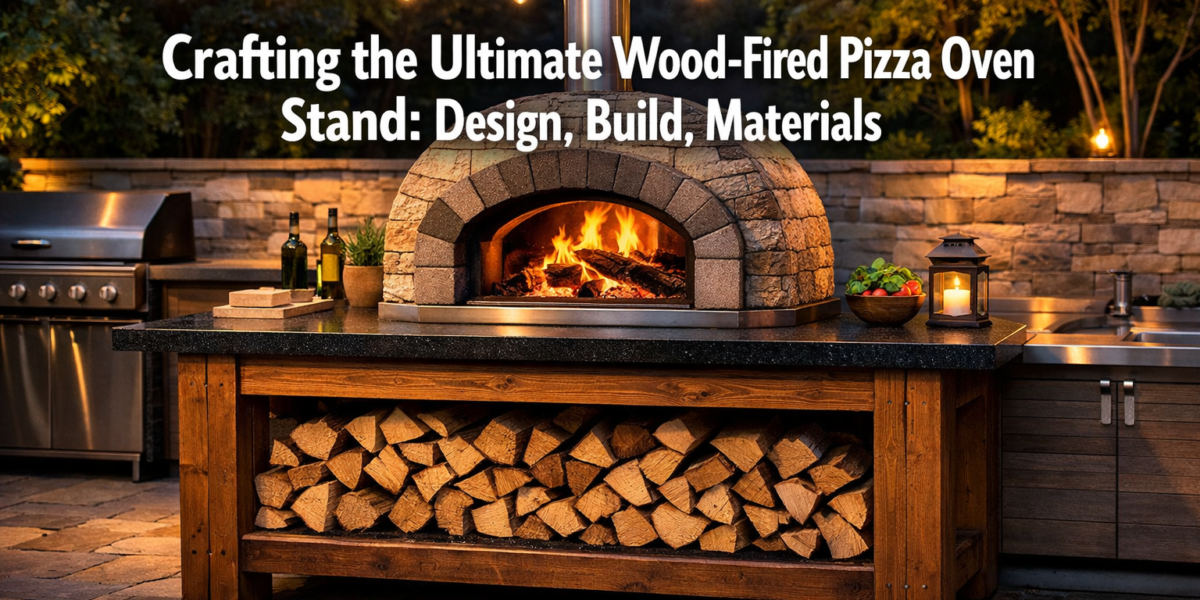
The aroma of freshly baked pizza, with its crispy crust and bubbling cheese, signals more than just a meal; it heralds an experience. Central to this experience, especially for outdoor entertaining, is the wood-fired pizza oven. While the oven itself is a marvel, its true potential is unlocked when supported by a well-designed, functional, and aesthetically pleasing stand. This comprehensive guide delves into Building a Modern Wood-Fired Pizza Oven Stand: Design, Construction, and Material Selection, ensuring your outdoor cooking setup is both durable and stylish for 2026 and beyond.
A modern wood-fired pizza oven stand is more than just a support structure; it’s an integrated workstation that enhances usability, safety, and the overall outdoor ambiance. From robust construction techniques to intelligent material choices, every aspect plays a crucial role in creating a stand that will endure the elements and provide a stable platform for countless delicious pizzas.
Key Takeaways
- Prioritize Stability and Weight Capacity: A pizza oven stand must safely support significant weight and withstand operational heat without compromising structural integrity.
- Design for Functionality: Incorporate essential features like ample prep space, convenient storage for wood and tools, and optional mobility.
- Select Durable, Heat-Resistant Materials: Choose lumber, countertops, and finishes that can endure outdoor conditions, moisture, and high temperatures.
- Focus on Robust Joinery: Employ strong woodworking joints for long-lasting construction that can handle dynamic loads.
- Consider Site-Specific Needs: Factor in the stand’s permanent location, weather exposure, and desired aesthetic integration with your outdoor living space.
Design Considerations for a Modern Wood-Fired Pizza Oven Stand
Building a Modern Wood-Fired Pizza Oven Stand: Design, Construction, and Material Selection begins with thoughtful planning. The design phase is critical, as it dictates the stand’s functionality, durability, and visual appeal. Several key factors must be meticulously considered to ensure the final product meets all requirements.
Stability and Weight Distribution
The primary function of any pizza oven stand is to safely support the considerable weight of the oven itself. Wood-fired ovens can weigh hundreds of pounds, sometimes exceeding 1,000 lbs. Therefore, the stand’s structural integrity is paramount.
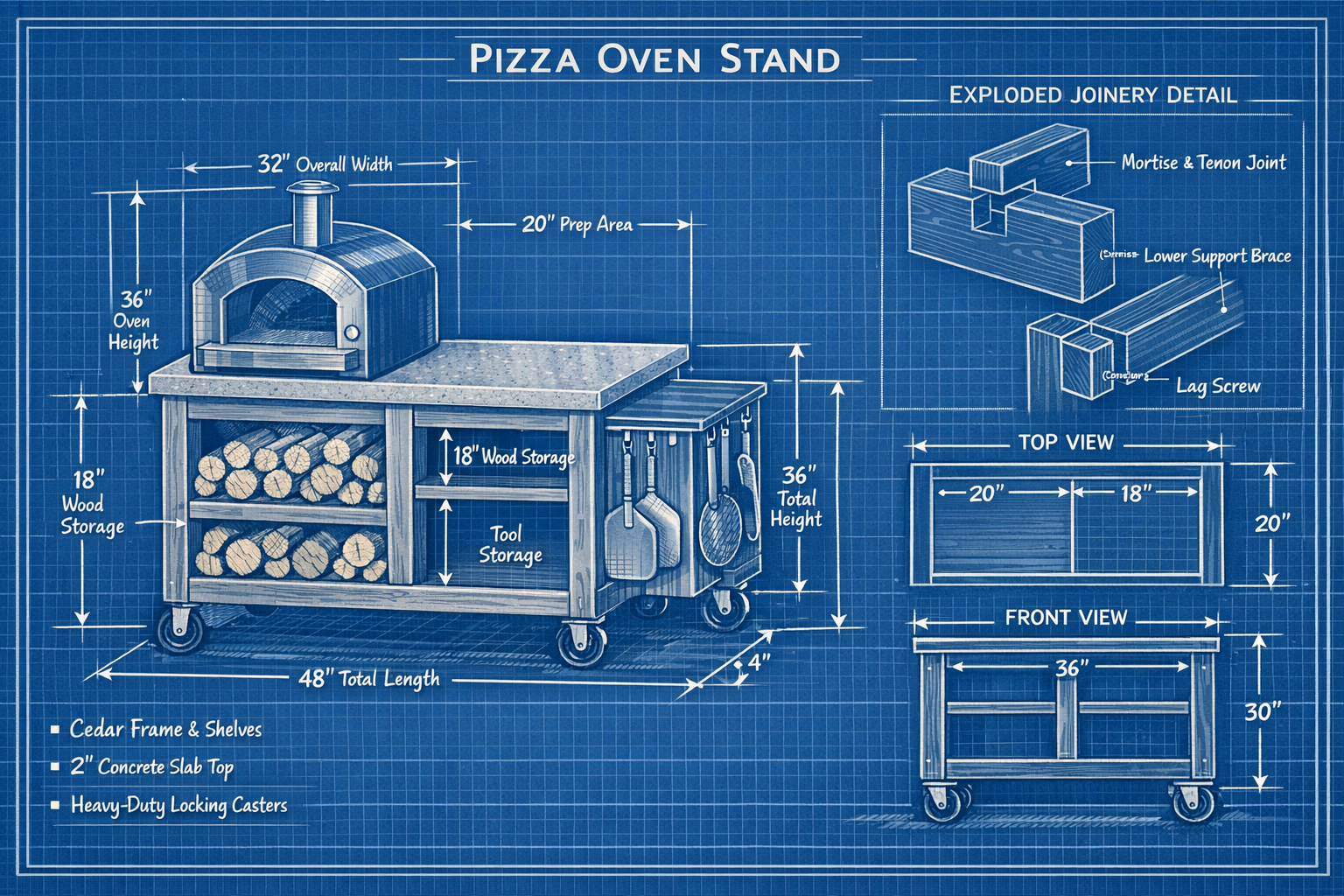
- Footprint: A wider base offers greater stability. Consider the oven’s dimensions and add a comfortable margin (at least 6-12 inches on each side) for a stable platform and additional workspace.
- Legs and Framing: Use robust, appropriately sized lumber (e.g., 4×4 or 6×6 posts for legs, 2×6 or 2×8 for framing). The number of legs and internal cross-bracing should be determined by the oven’s weight.
- Leveling: The stand must sit perfectly level to prevent the oven from tilting, which can lead to uneven cooking and potential safety hazards. Adjustable feet or shims are essential if built on an uneven surface.
Heat Resistance and Safety
Wood-fired ovens generate intense heat, and while the oven itself is insulated, residual heat can affect the stand. Materials chosen for the countertop and immediate surrounding areas must be non-combustible and heat-resistant.
- Countertop Material: Opt for materials like granite, soapstone, concrete, or fire-rated cement board topped with tile. These materials not only withstand heat but also provide a durable, easy-to-clean prep surface.
- Clearance: Ensure adequate air circulation around the oven to prevent heat buildup, especially if the oven sits within a recessed area of the stand. Always follow the oven manufacturer’s recommendations for clearance.
Functionality: Storage and Prep Space
A modern pizza oven stand should be more than just a platform; it should be a functional outdoor kitchen workstation.
- Prep Area: Integrate sufficient counter space adjacent to the oven for kneading dough, topping pizzas, and holding ingredients. This minimizes trips back and forth to the main kitchen.
- Fuel Storage: A dedicated, dry, and easily accessible storage area for firewood is crucial. This can be an open shelf or a louvered cabinet beneath the oven. Consider ventilation to prevent moisture buildup.
- Tool Storage: Drawers or hooks for pizza peels, brushes, and other accessories keep essential tools organized and within reach.
- Mobility (Optional): For smaller, portable ovens, integrating heavy-duty, lockable casters can provide flexibility for moving the oven for storage or optimal positioning. Ensure the casters are rated for the oven’s full weight, plus the stand’s weight.
Aesthetic Integration
The stand should complement your outdoor living space, whether it’s a rustic patio or a sleek modern deck.
- Style: Consider the existing architecture and landscaping. A modern stand might feature clean lines and minimalist design, while a rustic one could incorporate reclaimed wood.
- Finishes: Choose stains or sealants that protect the wood and enhance its natural beauty. For inspiration on combining natural materials with clean design, check out our article on Warm Minimalism in Woodworking: Balancing Clean Design with Textured Natural Materials.
Construction Techniques for Durability and Longevity
The construction phase of Building a Modern Wood-Fired Pizza Oven Stand: Design, Construction, and Material Selection demands precision, robust joinery, and careful assembly to ensure a structure that is both safe and long-lasting.
Foundation and Framing
- Level Base: Begin by preparing a level surface. For a permanent installation, a concrete pad or gravel base is ideal. For mobile stands, ensure the ground is firm and even before positioning.
- Legs and Posts: Anchor the primary support legs securely. For heavier ovens, consider using reinforced corner bracing or additional intermediate posts.
- Cross-Bracing: Employ horizontal and diagonal cross-bracing at various points to prevent racking and ensure rigidity. This is especially important for open designs.
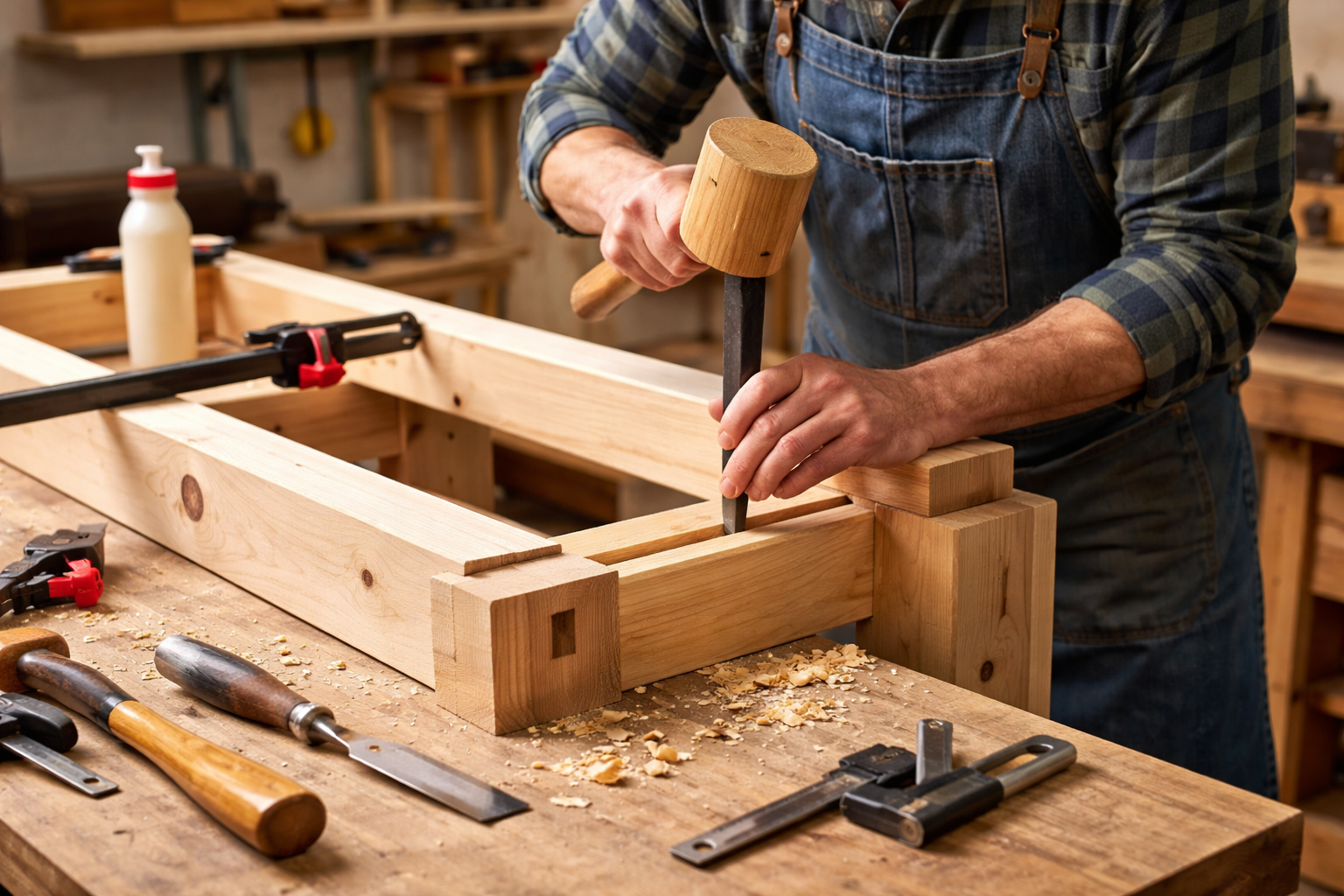
- Strong Joints: Utilize robust woodworking joints. Mortise and tenon joints, half-lap joints, or heavy-duty through-bolt connections are far superior to simple butt joints with screws for structural integrity. For a refresher on strong joinery, explore our Beginner’s Guide to Essential Woodworking Joints: When to Use Which.
Assembling the Structure
- Precision Cuts: Accuracy is key. Use a miter saw or circular saw with a guide for precise, square cuts.
- Secure Fasteners: When using screws, opt for exterior-grade, corrosion-resistant fasteners. Pre-drilling pilot holes will prevent splitting, especially with hardwoods.
- Adhesives: Supplement mechanical fasteners with a strong, waterproof exterior wood glue for added strength and durability.
- Countertop Installation: Ensure the countertop is securely fastened to the frame. For heavy stone or concrete slabs, this might involve a robust sub-frame and appropriate anchors.
- Shelving and Drawers: Build shelves and drawers with proper clearances and sturdy construction. Use dado joints or robust cleats for shelves, and consider full-extension, heavy-duty drawer slides for tool storage.
Weatherproofing and Finishing
- Sealants: Apply a high-quality exterior-grade sealant or stain to all wooden components. This protects against moisture, UV radiation, and rot. Reapply every 1-2 years as needed.
- Metal Components: If using metal accents or hardware, ensure they are galvanized, stainless steel, or powder-coated for corrosion resistance.
- Drainage: Design the stand to allow for water runoff, preventing pooling on surfaces or within storage areas. Sloping the countertop slightly can aid this.
Material Selection: Choosing for Performance and Aesthetics
The choice of materials is central to Building a Modern Wood-Fired Pizza Oven Stand: Design, Construction, and Material Selection, influencing its longevity, resistance to the elements, and overall look.
Structural Wood Options
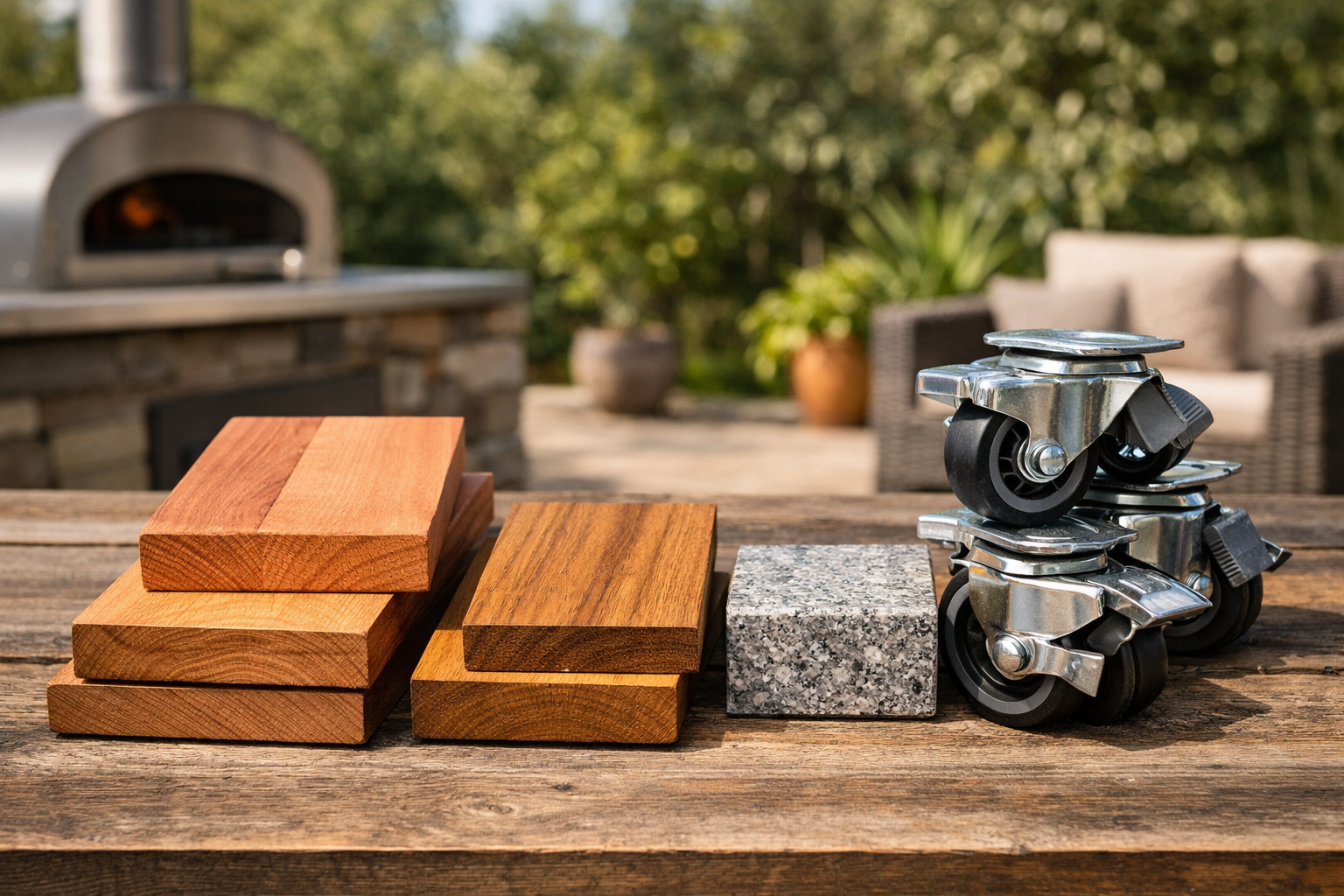
- Cedar (Western Red Cedar): Naturally resistant to rot, decay, and insect infestation. It’s lightweight, easy to work with, and offers a beautiful aesthetic. Excellent choice for outdoor furniture.
- Redwood: Similar to cedar in its natural resistance and beauty, often chosen for its rich color.
- Treated Lumber (Pressure-Treated): Ideal for parts of the stand that come into direct contact with the ground or are exposed to consistent moisture. However, it’s less aesthetically pleasing and requires proper sealing. Ensure it’s rated for ground contact if necessary.
- Teak: A premium, highly durable hardwood with exceptional resistance to water, rot, and insects. It’s expensive but offers unmatched longevity and a beautiful silver-grey patina if left untreated.
- Ipe: Another extremely dense and durable hardwood, often used for decking due to its resistance to decay and insects. It’s very heavy and hard to work with, but virtually indestructible.
Countertop Materials
The countertop must be non-combustible and durable.
- Granite: Extremely durable, heat-resistant, and available in a wide range of colors. Requires periodic sealing.
- Soapstone: Non-porous, naturally heat-resistant, and develops a beautiful patina over time. It’s softer than granite but easy to maintain.
- Concrete: Versatile, customizable (can be poured in place or as pre-cast slabs), and very durable. Requires proper sealing.
- Tile over Cement Board: A cost-effective option. Use exterior-grade cement board as a substrate, then apply heat-resistant outdoor tiles. Ensure grout is suitable for outdoor use.
Hardware and Fasteners
- Stainless Steel: Essential for all screws, bolts, and hinges. Stainless steel resists rust and corrosion, which is critical for outdoor structures.
- Galvanized Steel: Another good option for fasteners, offering rust resistance through a zinc coating.
- Heavy-Duty Casters: If mobility is desired, invest in robust, lockable casters with a high weight rating. Ensure they are designed for outdoor use and can handle uneven surfaces.
Finishes
- Exterior Stains/Sealants: Protect the wood from UV damage and moisture. Choose oil-based or water-based products specifically formulated for outdoor use.
- Paint: Offers a protective layer and a wide range of color options. Ensure it’s exterior-grade paint with UV inhibitors.
Choosing the right materials ensures your pizza oven stand will not only look fantastic but will also withstand the rigors of outdoor use and the high temperatures associated with wood-fired cooking. For additional insights into selecting quality wood and building principles, consider learning more about 12 Plywood for Cabinets: Strength, Durability, and Design Considerations or our guide to Mastering Dovetail Joints with Hand Tools: A Step-by-Step Guide for Flawless Wood Joinery.
Conclusion
Building a Modern Wood-Fired Pizza Oven Stand: Design, Construction, and Material Selection is a rewarding project that significantly enhances your outdoor cooking experience. By carefully considering stability, heat resistance, functionality, and aesthetics during the design phase, and then executing with precise construction techniques and superior material choices, you can create a stand that is both a reliable workhorse and a beautiful addition to your outdoor living space. The result will be a durable, stylish, and highly functional hub for crafting unforgettable wood-fired pizzas for years to come.
Actionable Next Steps:
- Measure Your Oven: Accurately determine the dimensions and weight of your specific wood-fired pizza oven.
- Sketch Your Design: Create detailed drawings, incorporating desired features like prep space, storage, and mobility.
- Source Materials: Research and acquire high-quality, weather-resistant lumber, countertop material, and hardware.
- Gather Tools: Ensure you have the necessary woodworking and safety tools for the construction process.
- Build with Precision: Take your time, focus on strong joinery, and follow best practices for outdoor wood construction.
- Apply Protective Finishes: Thoroughly seal and protect all wooden surfaces before exposing them to the elements.