
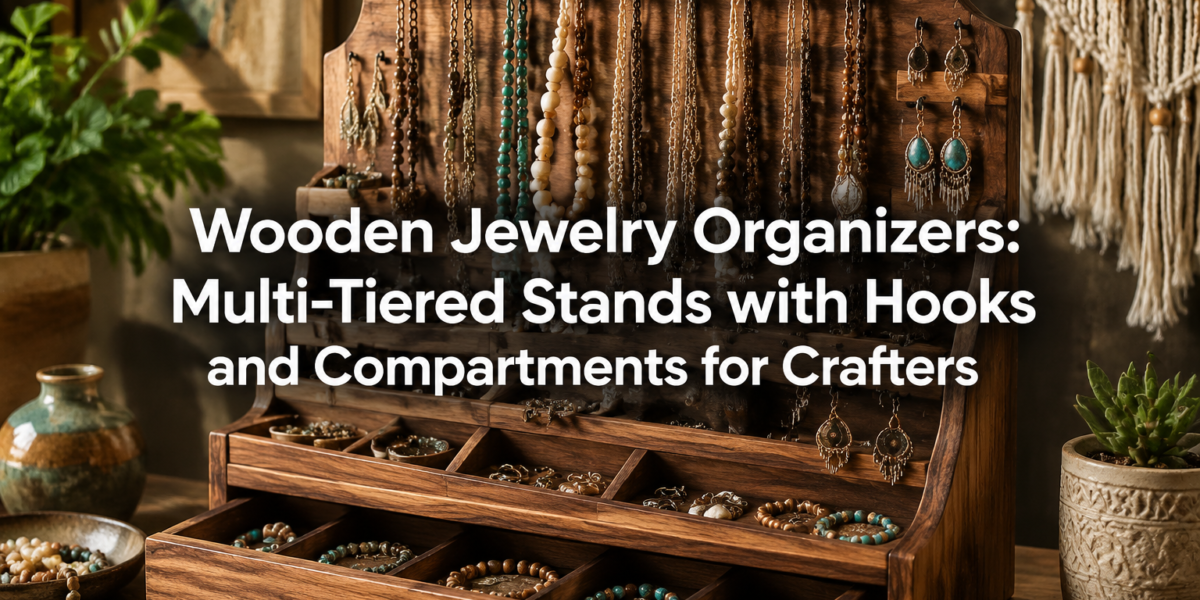
A significant number of small-batch woodcraft items, specifically those requiring intricate drilling, precise sanding, and careful polishing, fetch premium prices at artisan markets and online storefronts. This often overlooked segment of woodworking offers crafters an excellent opportunity to hone fundamental skills while creating highly sought-after, profitable products. Among these, Wooden Jewelry Organizers: Multi-Tiered Stands with Hooks and Compartments for Crafters stand out as a prime example, blending aesthetic appeal with practical functionality. Whether aiming for a sleek modern design or a rustic, organic feel, these organizers provide a canvas for skill development and creative expression, making them an ideal project for woodworking enthusiasts looking to expand their repertoire and market presence in 2026.
Key Takeaways
- Skill Development: Crafting wooden jewelry organizers refines essential woodworking skills like precision drilling, detailed sanding, and effective finishing techniques, crucial for all crafters.
- Profitability: These organizers are high-demand items, offering strong profit margins at artisan shows, craft markets, and online sales platforms.
- Customization Potential: Designs can be tailored from modern minimalist to rustic farmhouse, appealing to diverse customer tastes and allowing for unique artistic expression.
- Functional Design: Multi-tiered structures with hooks and compartments provide superior organization for various jewelry types, making them highly practical for users.
- Market Appeal: Their blend of utility and aesthetic charm makes them attractive to jewelry collectors, crafters, and individuals seeking stylish home organization solutions.
The Art of Crafting Wooden Jewelry Organizers: Multi-Tiered Stands for Skill Development
Crafting functional and beautiful objects from wood is a deeply rewarding endeavor, and few projects offer such a perfect blend of skill-building and market appeal as Wooden Jewelry Organizers: Multi-Tiered Stands with Hooks and Compartments for Crafters. These items are not merely storage solutions; they are showcases for precious adornments and testaments to woodworking precision. For crafters, this project provides an invaluable opportunity to master several core techniques that are transferable across a wide range of woodworking applications.
The fundamental skills refined through creating these organizers include:
- Precision Drilling: Whether for mounting hooks, dowel joints, or creating small compartments, accuracy in drilling is paramount. This involves selecting the correct drill bit, setting appropriate depths, and ensuring straight holes. This precision is essential for achieving a professional finish and robust construction. Crafters learn to account for wood grain and prevent tear-out, ensuring clean, crisp holes every time.
- Detailed Sanding: Achieving a smooth, tactile finish is critical for any high-quality wooden product, especially one that will be handled frequently. Jewelry organizers demand meticulous sanding, often through several grits, to eliminate imperfections and prepare the surface for finishing. This process enhances the wood’s natural beauty and ensures jewelry will not snag or scratch.
- Effective Polishing and Finishing: The choice of finish can transform an ordinary piece into an extraordinary one. Crafters experiment with various stains, oils, waxes, and lacquers to protect the wood, highlight its grain, and achieve a desired aesthetic – from a glossy sheen to a matte, natural look. Proper application techniques are learned, including conditioning, multiple coats, and buffing, all contributing to the final product’s durability and appeal. For more on natural wood finishing, explore our guide on natural wood finishing techniques.
Beyond these core skills, crafters also develop their eye for design, understanding how to balance aesthetics with practicality. They learn about joinery methods suitable for smaller-scale items, such as dadoes, rabbets, or simple butt joints reinforced with screws or dowels. The selection of wood itself becomes part of the craft, choosing species that offer suitable hardness, grain patterns, and finishing characteristics.
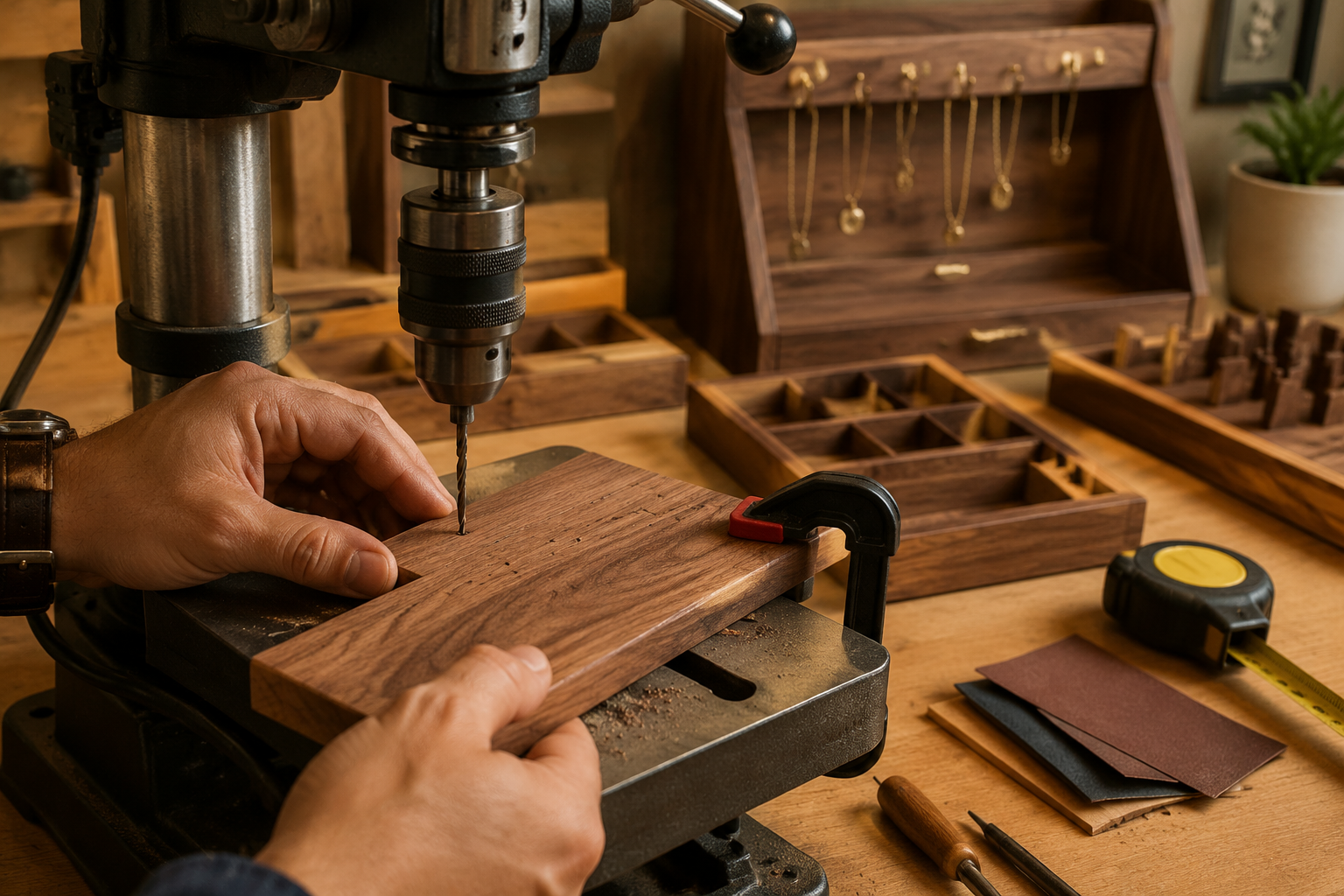
A well-made multi-tiered organizer demands attention to detail. Consider the placement of hooks: are they spaced adequately to prevent necklaces from tangling? Are the compartments sized appropriately for earrings, rings, or small trinkets? These considerations elevate a simple wood project into a thoughtful, highly functional piece of art. The journey from raw lumber to a finished, beautiful organizer is a testament to the crafter’s growing expertise and dedication.
Design Versatility: Modern, Rustic, and Customizable Wooden Jewelry Organizers
One of the most appealing aspects of crafting Wooden Jewelry Organizers: Multi-Tiered Stands with Hooks and Compartments for Crafters is the immense design versatility they offer. This adaptability allows crafters to cater to a broad spectrum of tastes, making their products more marketable and enabling them to experiment with different stylistic elements. Whether a customer prefers the clean lines of modern design or the warm embrace of rustic aesthetics, a wooden organizer can be tailored to fit.
Modern Aesthetics
Modern wooden jewelry organizers often feature:
- Clean Lines and Minimalist Forms: Straight edges, geometric shapes, and an absence of excessive ornamentation define this style.
- Light Woods and Finishes: Maple, birch, or light-colored oak with clear lacquers or natural oil finishes are common, emphasizing the wood’s inherent beauty without distraction.
- Subtle Hardware: Integrated, almost invisible hooks or sleek metal accents contribute to an understated elegance.
- Modular Elements: Some modern designs incorporate modular sections that can be rearranged, providing flexibility for the user.
- For those interested in similar design principles, our guide on warm minimalism in woodworking provides further inspiration.
Rustic Charm
Rustic wooden jewelry organizers, conversely, celebrate natural textures and a handcrafted feel:
- Reclaimed or Distressed Wood: Barnwood, pallet wood, or pieces with visible knots, grains, and even slight imperfections add character and a story.
- Earthy Tones and Finishes: Darker stains, waxes, or unfinished wood that highlights its raw beauty are typical.
- Visible Joinery and Hardware: Exposed screws, rustic metal hooks, or hand-carved details contribute to an authentic, artisanal look.
- Organic Shapes: While still functional, rustic designs might incorporate slightly irregular edges or natural wood features.
- For tips on working with reclaimed wood, see our article on reclaimed wood restoration.
Customization Opportunities
The beauty of crafting these organizers lies in the potential for endless customization. Crafters can differentiate their products by:
- Wood Species Selection: Offering options like cherry for its rich color, walnut for its deep tones, or pine for its affordability and ease of work.
- Tier Configuration: Varying the number of tiers, their height, and spacing to accommodate different jewelry collections (e.g., more space for long necklaces, shallower tiers for rings).
- Compartment Design: Customizing compartment sizes and shapes. Some might include ring rolls, small trays for studs, or larger sections for watches.
- Hook Styles: From simple pegs to elaborate metal hooks, the choice can significantly alter the organizer’s aesthetic.
- Engraving and Personalization: Adding initials, dates, or small decorative motifs through laser engraving or hand carving. This is a popular option for gifting and adds significant value, tying into customization strategies for mass-producing small woodcraft.
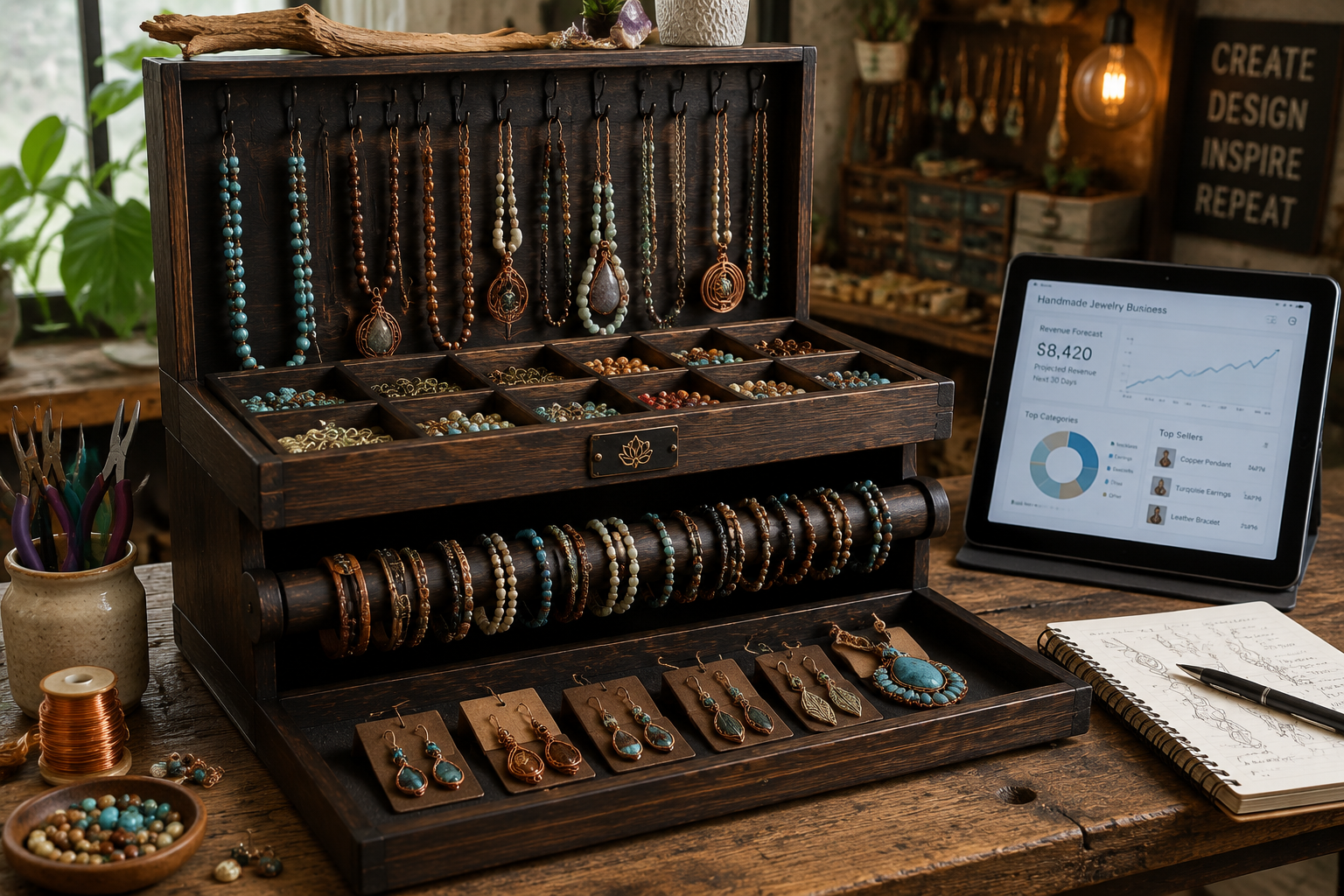
Table: Design Element Comparison
| Feature | Modern Aesthetic | Rustic Aesthetic |
|---|---|---|
| Wood Type | Maple, Birch, Light Oak | Reclaimed Wood, Pine, Darker Stains |
| Finish | Clear lacquer, Natural oil, Matte | Dark stain, Wax, Unfinished (distressed) |
| Lines | Clean, Straight, Geometric | Organic, Irregular, Hand-carved |
| Hardware | Minimalist, Hidden, Sleek Metal | Exposed, Forged Iron, Patinated |
| Details | Simple, Functional, Polished | Knots, Grains, Visible Joinery, Carvings |
| Market Appeal | Contemporary homes, minimalist decor, gifting | Farmhouse style, vintage lovers, natural decor, gifting |
By mastering these design variations and offering customization, crafters can create a unique selling proposition for their Wooden Jewelry Organizers: Multi-Tiered Stands with Hooks and Compartments for Crafters, appealing to a broader market and increasing profitability.
Profitability and Market Appeal: Selling Wooden Jewelry Organizers in 2026
The market for handmade goods continues to thrive in 2026, with consumers increasingly valuing unique, high-quality items over mass-produced alternatives. Wooden Jewelry Organizers: Multi-Tiered Stands with Hooks and Compartments for Crafters fit perfectly into this niche, offering significant profit potential for skilled woodworkers. Their inherent utility combined with their aesthetic appeal makes them a desirable product for a diverse customer base.
Why They Sell Well
- Practicality: Everyone with jewelry needs a way to organize it. These organizers solve a common problem of tangled necklaces, lost earrings, and cluttered dresser tops.
- Aesthetic Value: Far from being purely utilitarian, well-crafted wooden organizers serve as decorative pieces that enhance a room’s decor, whether it’s a bedroom, dressing room, or a craft studio.
- Gifting Potential: They make excellent gifts for birthdays, holidays, graduations, or as thoughtful presents for crafters and jewelry makers themselves.
- Durability: Wood is a timeless, robust material. A well-constructed wooden organizer can last for decades, offering long-term value.
- Perceived Value: The effort and skill involved in creating a handmade wooden item translates into a higher perceived value, justifying a premium price point.
Channels for Sales
Crafters can explore multiple avenues to sell their Wooden Jewelry Organizers: Multi-Tiered Stands with Hooks and Compartments for Crafters:
- Artisan Markets and Craft Fairs: These provide direct interaction with customers, allowing crafters to tell the story behind their work and build a local following. Demonstrating the organizer’s features in person can be highly effective.
- Online Marketplaces: Platforms like Etsy, Shopify, or even a dedicated e-commerce website offer global reach. High-quality photography and detailed descriptions are crucial for success here.
- Local Boutiques and Gift Shops: Consignment or wholesale agreements with local businesses can introduce products to a curated clientele.
- Social Media Marketing: Instagram, Pinterest, and Facebook are ideal for showcasing wooden crafts, using visually appealing content to drive traffic and sales.
- Collaborations: Partnering with local jewelry makers or fashion influencers can expand reach and create cross-promotional opportunities.
Pricing Strategies
Effective pricing is key to profitability. Consider these factors:
- Material Costs: Calculate the cost of wood, hardware (hooks, screws, glue), and finishing supplies.
- Labor Costs: Assign an hourly rate for your time. Be realistic about the hours spent on design, cutting, sanding, assembling, and finishing.
- Overhead: Factor in workshop expenses, tools, marketing, and platform fees.
- Market Research: Research competitor pricing for similar handmade wooden organizers. Position your product competitively while reflecting its quality and unique features.
- Value Proposition: Highlight the craftsmanship, durability, customization options, and aesthetic benefits to justify your price. For more on pricing small woodcraft, see our guide on profitable small-batch woodworking.
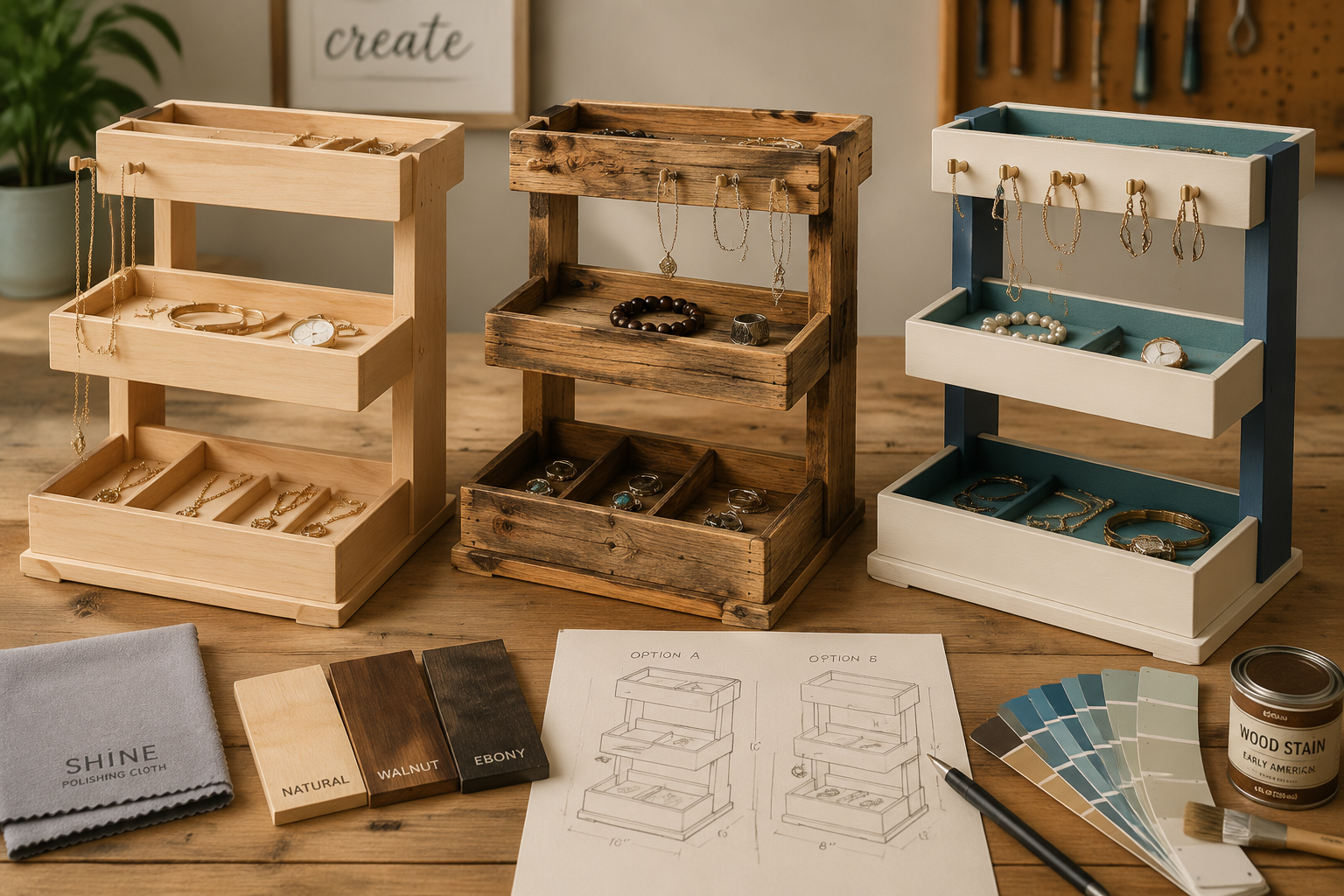
By focusing on quality, understanding market demand, and employing smart sales strategies, crafters can turn their passion for woodworking into a profitable venture with Wooden Jewelry Organizers: Multi-Tiered Stands with Hooks and Compartments for Crafters.
Conclusion
The creation of Wooden Jewelry Organizers: Multi-Tiered Stands with Hooks and Compartments for Crafters represents a powerful opportunity for woodworkers in 2026. This project is a crucible for refining essential skills—precision drilling, meticulous sanding, and expert finishing—while simultaneously yielding a highly marketable product. Its inherent design versatility, allowing for both modern minimalist and rustic farmhouse aesthetics, ensures broad appeal, while the potential for customization adds significant value and uniqueness.
For crafters looking to transition their hobby into a profitable endeavor, these organizers offer a compelling proposition. They address a universal need for organization, possess enduring aesthetic appeal, and can be sold through various channels, from local artisan markets to global online platforms. By focusing on quality craftsmanship, strategic pricing, and effective marketing, woodworkers can carve out a successful niche, proving that functionality and beauty, when combined with skill, create products that resonate deeply with consumers. Embrace the challenge, hone your craft, and watch your creations find their perfect place in homes and hearts.
References
- Anderson, S. (2023). The Crafter’s Guide to Market Success. Artisan Press.
- Chen, L. (2022). Wood Finishing Techniques for Small Projects. Timberline Books.
- Miller, R. (2021). Designing Functional Woodwork: A Modern Approach. Woodcraft Publishing.