
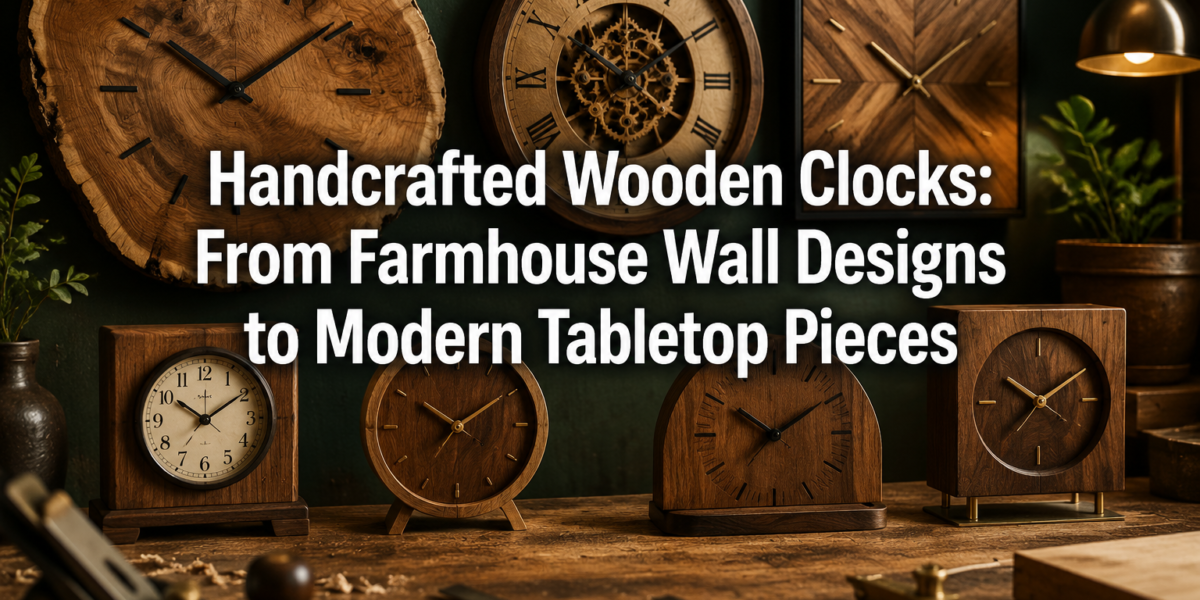
In a market increasingly dominated by mass-produced items, the quiet resurgence of handcrafted goods offers a compelling narrative of value, artistry, and connection. This is particularly true for handcrafted wooden clocks, which transcend mere timekeeping to become focal points of design and personal expression. As of 2026, these exquisite pieces are not just functional objects but sought-after decor elements, ranging from grand farmhouse wall designs to understated, modern tabletop pieces. Their appeal lies in their unique character, the warmth of natural materials, and the skilled craftsmanship embedded in every curve and joint. For woodworkers and enthusiasts, understanding the nuances of creating these timeless sellers for home decor markets, from integrating basic mechanisms with live-edge elements to mastering precise joinery and timing finishes, is key to success.
Key Takeaways
- Handcrafted wooden clocks offer a unique blend of functionality, artistry, and personal expression, making them highly desirable home decor items.
- Mastering diverse design styles, from rustic farmhouse to sleek modern, broadens market appeal for these wooden timepieces.
- Integrating live-edge elements and employing precise joinery techniques elevate the aesthetic and structural integrity of handcrafted clocks.
- Understanding and properly timing finishing processes are crucial for enhancing the wood’s natural beauty and ensuring durability.
- Creating these clocks presents a viable opportunity for woodworkers to produce profitable, timeless pieces for various home decor markets.
The Art of Crafting Handcrafted Wooden Clocks: From Raw Material to Timeless Design
The journey of creating a handcrafted wooden clock begins long before the first cut, rooted in the careful selection of timber. Each piece of wood, with its unique grain patterns, color variations, and inherent character, dictates the final aesthetic. Wood selection is paramount, whether opting for the rustic charm of reclaimed barnwood for a farmhouse design or the clean lines of walnut or maple for a modern minimalist clock. The choice impacts not only the look but also the workability and durability of the finished product. Understanding different wood species, their densities, and how they react to various finishes is fundamental.
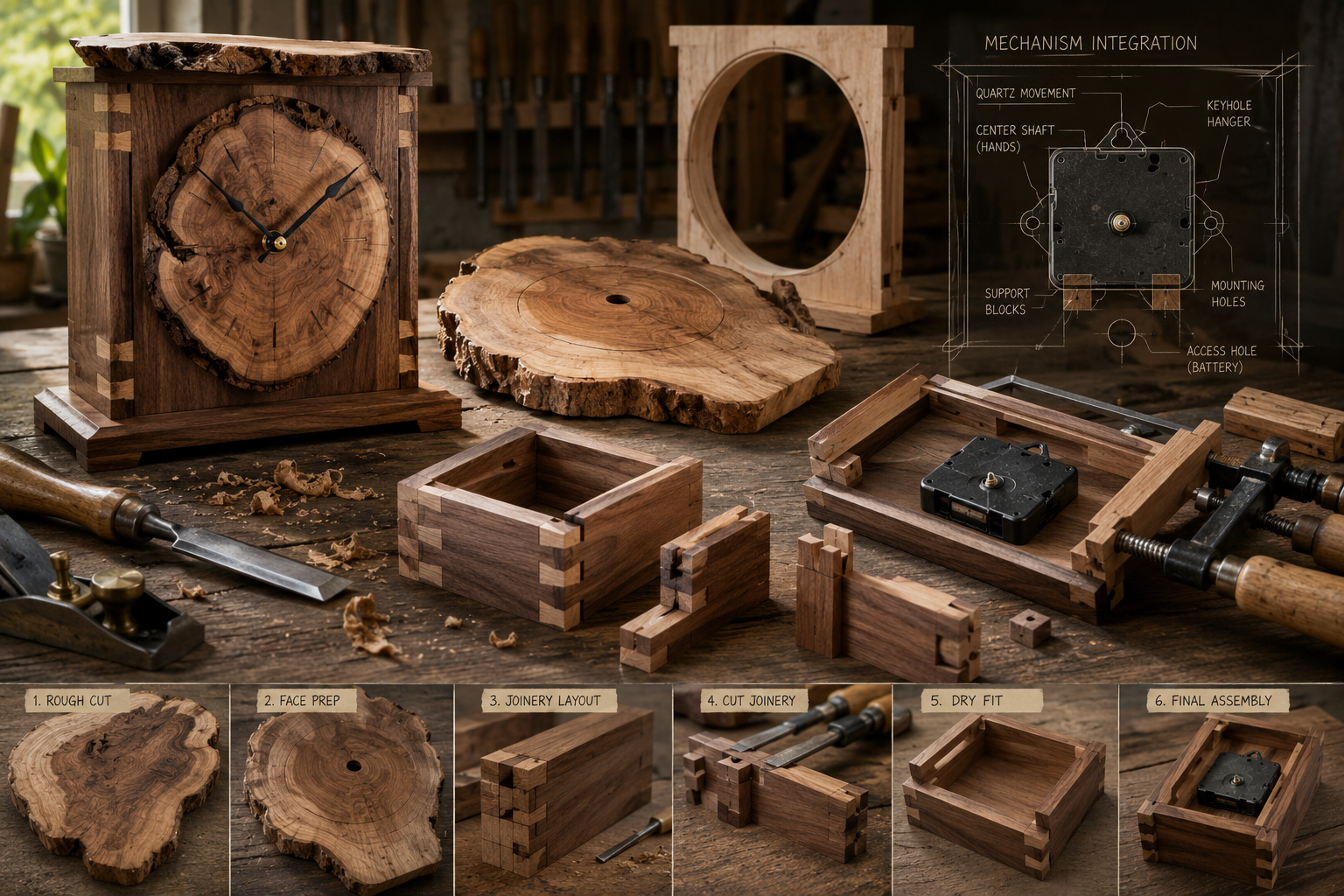
A crucial aspect of wooden clock making, especially when incorporating live-edge elements, is accounting for understanding wood movement. Wood is a hygroscopic material, meaning it absorbs and releases moisture, causing it to expand and contract. This natural movement must be carefully considered during design and construction to prevent cracking or warping, particularly around delicate clock mechanisms. Proper joinery, such as dados, rabbets, or even precision-cut dovetails, provides both structural integrity and allows for subtle wood movement without compromising the clock’s function or appearance.
| Wood Type | Common Uses for Clocks | Characteristics |
|---|---|---|
| Oak | Farmhouse, traditional | Strong, prominent grain, durable |
| Walnut | Modern, contemporary, transitional | Rich dark color, fine grain, stable |
| Maple | Modern, light contemporary | Light color, subtle grain, takes stain well |
| Cherry | Classic, elegant | Reddish hue, darkens with age, fine grain |
| Reclaimed Wood | Rustic, farmhouse, industrial | Unique character, imperfections, storied past |
For those venturing into building these pieces, knowledge of precision tools is essential. A well-tuned miter saw table ensures accurate angle cuts for frames, while a reliable table saw is indispensable for ripping boards to precise widths. Hand tools also play a significant role, particularly for delicate joinery or shaping unique features.
“The true art of a handcrafted wooden clock lies in its ability to tell more than just time; it tells the story of the wood itself and the hands that shaped it.”
Integrating clock mechanisms requires precision. Basic quartz movements are often the simplest for beginners, offering reliable timekeeping and ease of installation. However, more advanced clockmakers might explore mechanical movements, which add another layer of complexity and historical charm. The challenge lies in accurately cutting the opening for the movement and ensuring the hands have adequate clearance. For DIY enthusiasts, resources like DIY Wooden Wall Clocks: Analog and Modern Faces with Precision Tool Guides offer excellent starting points.
Handcrafted Wooden Clocks: From Farmhouse Wall Designs to Modern Tabletop Pieces
The versatility of handcrafted wooden clocks is evident in their ability to adapt to a myriad of design aesthetics. From the cozy warmth of a farmhouse kitchen to the sleek minimalism of a contemporary living room, there’s a wooden clock style to complement every interior.
Farmhouse Wall Designs
Farmhouse wall clocks are typically characterized by their rustic appeal, distressed finishes, and often oversized dimensions. They frequently incorporate reclaimed wood, which adds character and a sense of history. Common features include:
- Distressed Finishes: Mimicking the look of aged wood, often achieved through sanding, painting, and scuffing.
- Large Roman Numerals: Or simple, bold Arabic numerals that are easily readable from a distance.
- Exposed Mechanisms: Sometimes a cut-out allows a glimpse of the pendulum or gears, adding to the mechanical charm.
- Live-Edge Elements: A popular trend in 2026, incorporating the natural edge of the wood slab, often creating a unique, organic frame for the clock face. This offers a raw, earthy connection to nature, fitting perfectly with the farmhouse aesthetic.
Creating a large farmhouse wall clock might involve sourcing reclaimed and salvaged wood and then using techniques to accentuate its weathered beauty, perhaps with a whitewash or a dark wax finish. The scale of these clocks makes them significant statement pieces in a room.
Modern Tabletop Pieces
In contrast, modern tabletop clocks focus on clean lines, sophisticated finishes, and often a minimalist approach to design. These pieces are smaller, designed to sit on desks, shelves, or nightstands, and prioritize form and material over elaborate details.
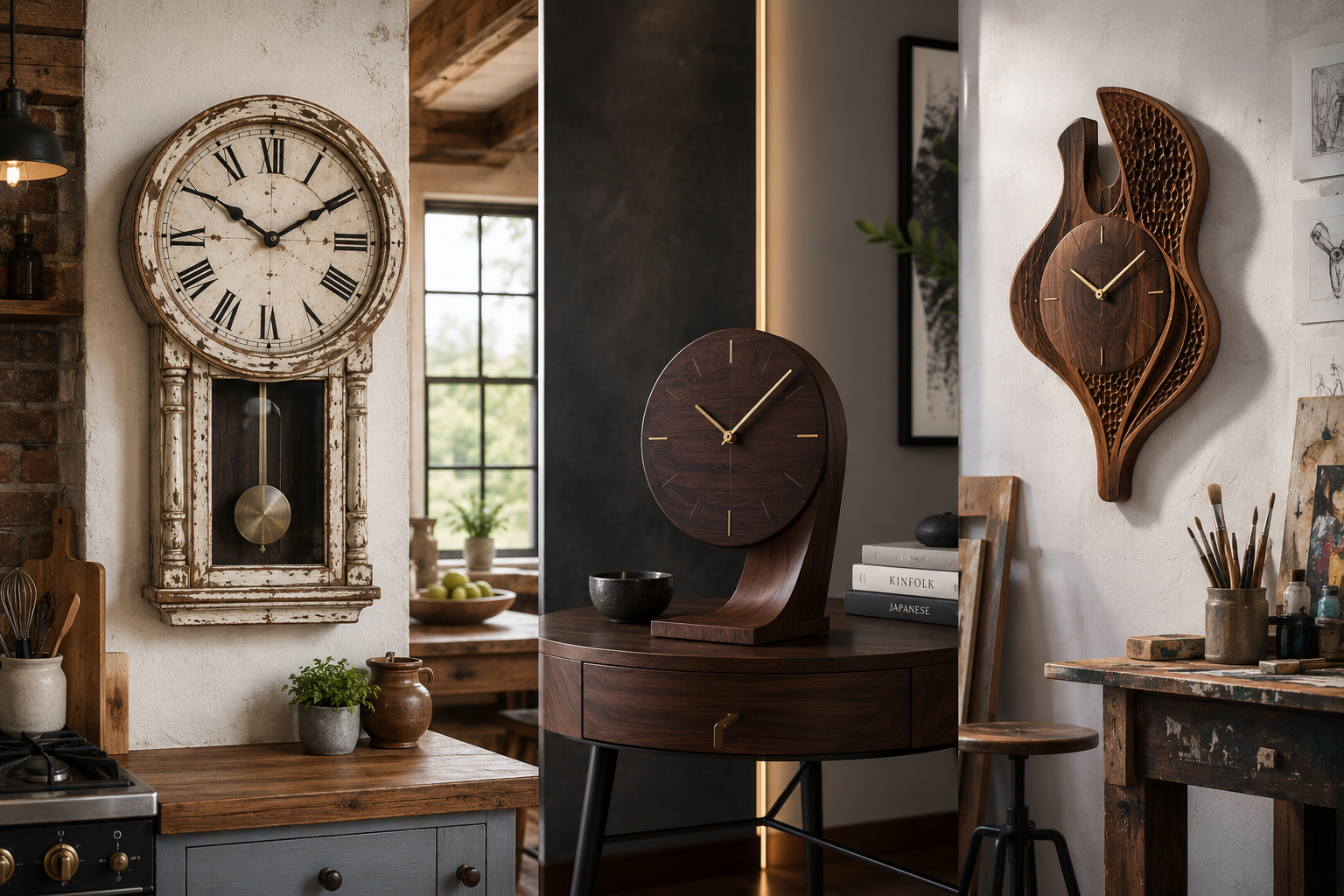
Key characteristics of modern tabletop clocks include:
- Sleek Silhouettes: Often geometric shapes, simple blocks, or elegantly curved forms.
- Refined Wood Species: Walnut, maple, and cherry are popular choices, chosen for their fine grain and ability to take a smooth, polished finish.
- Minimalist Faces: Sometimes just simple markers or no numerals at all, relying on the hands themselves to indicate time.
- Integrated Design: Often part of a larger, functional piece, such as a clock integrated into a wooden jewelry organizer or a bookshelf.
- Contrast Materials: Some modern designs might incorporate metal accents, glass, or even a subtle resin inlay to create visual interest.
For those interested in building these smaller, intricate pieces, focusing on flawless joinery and superior surface preparation is critical. The beauty of these clocks often lies in the perfection of their craftsmanship and the natural allure of the wood itself.
Finishing Techniques and Market Appeal for Handcrafted Wooden Clocks
The finishing process is where a handcrafted wooden clock truly comes alive, enhancing the wood’s natural beauty and protecting it for years to come. The choice of finish significantly impacts the clock’s overall look and feel, and timing is crucial for optimal results.
Selecting the Right Finish
Different finishes offer varied levels of protection and aesthetic qualities:
- Oils (Danish oil, tung oil, linseed oil): Penetrate the wood, offering a natural, matte, or satin look that highlights the grain. They provide moderate protection and are relatively easy to repair. Danish oil vs. linseed oil discusses popular options.
- Varnishes and Polyurethanes: Form a protective film on the surface, offering high durability and resistance to moisture and scratches. Available in various sheens, from matte to high gloss. However, careful application is needed to avoid drips or bubbles. Natural Wood Finishing Techniques provides comprehensive guidance.
- Waxes: Provide a soft, natural luster and some protection, often used over other finishes for added depth or as a standalone finish for decorative pieces.
- Stains: Change the wood’s color while allowing the grain to show through. They are typically followed by a clear topcoat for protection. Weathered wood finishes are particularly popular for farmhouse designs.
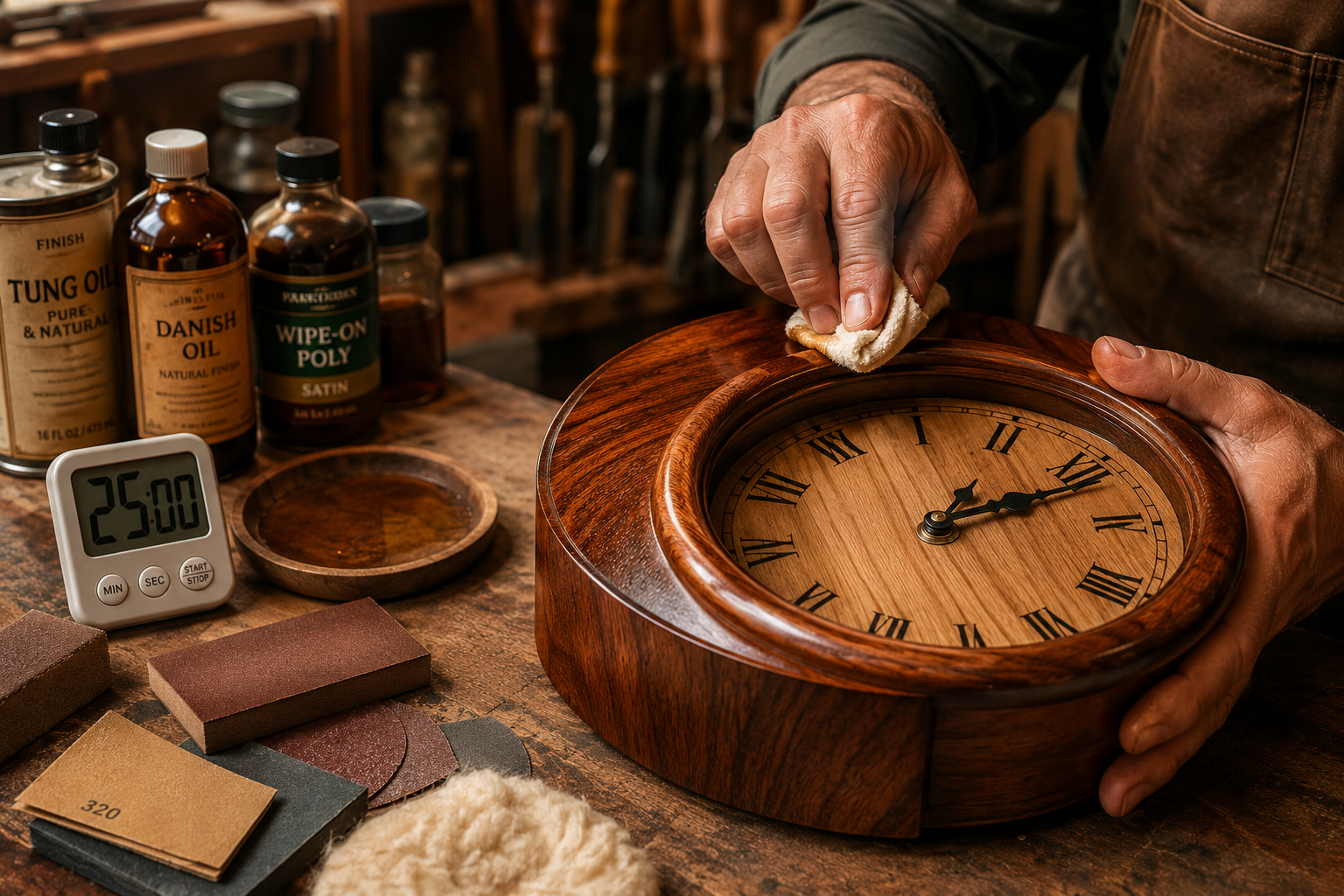
The timing of finish application is paramount. For example, applying a stain to an improperly sanded surface will highlight imperfections. Similarly, applying a topcoat before a stain is fully dry can lead to adhesion issues or a cloudy finish. Drying times between coats must be strictly adhered to, often influenced by humidity and temperature. This attention to detail ensures a durable, beautiful finish that truly showcases the artistry of the handcrafted wooden clock.
Market Appeal and Profitability in 2026
Handcrafted wooden clocks, whether expansive farmhouse wall designs or elegant modern tabletop pieces, hold significant market appeal in 2026. Consumers are increasingly seeking unique, high-quality, and sustainably made products that bring warmth and character into their homes.
- Uniqueness: Each handcrafted clock is inherently one-of-a-kind, especially those featuring live-edge wood, appealing to buyers looking for distinctive decor.
- Durability and Longevity: Made from natural wood and often built with precision joinery, these clocks are built to last, offering a counterpoint to disposable goods.
- Versatility: The wide range of styles means there’s a handcrafted wooden clock for virtually any interior design theme, making them adaptable and desirable.
- Gift Potential: They make excellent, thoughtful gifts for various occasions, from housewarmings to weddings, adding to their marketability. For ideas on crafting custom wooden gifts, consider clock variations.
For woodworkers, focusing on quality craftsmanship, innovative designs, and effective marketing can make handcrafted wooden clocks a profitable venture. Offering custom options, such as personalized engravings or specific wood choices, can also command higher prices. These timeless pieces are not merely functional items; they are expressions of artistry that add soul to any space, making them consistently sought-after items in the home decor market.
Conclusion
Handcrafted wooden clocks, spanning the spectrum from charming farmhouse wall designs to sophisticated modern tabletop pieces, represent a remarkable fusion of utility, artistry, and natural beauty. In 2026, their appeal continues to grow as consumers increasingly value authenticity, craftsmanship, and unique design in their home decor. For woodworkers, mastering the intricate balance of wood selection, precise joinery, integrating reliable clock mechanisms, and expertly applying finishes is the key to creating these enduring pieces. Whether showcasing the rustic character of live-edge wood or the refined elegance of a polished surface, these clocks are more than just instruments for telling time; they are captivating focal points that enrich any living space. By understanding design trends, committing to quality, and embracing the distinct characteristics of wood, artisans can continue to produce cherished, profitable items for a diverse and appreciative market.
Actionable Next Steps:
- Start Small: If you’re new to clock making, begin with simpler designs using a reliable quartz movement and practice basic joinery.
- Experiment with Woods: Explore different wood species and reclaimed materials to discover their unique properties and how they influence the final aesthetic.
- Master Finishing: Dedicate time to perfecting your finishing techniques, understanding how various oils, waxes, and topcoats interact with different woods.
- Study Design Trends: Keep an eye on popular home decor styles in 2026 to identify opportunities for new clock designs that resonate with current tastes.
- Document Your Process: Take photos of your work, from raw wood to finished product, to showcase your craftsmanship and build a portfolio for potential customers.