
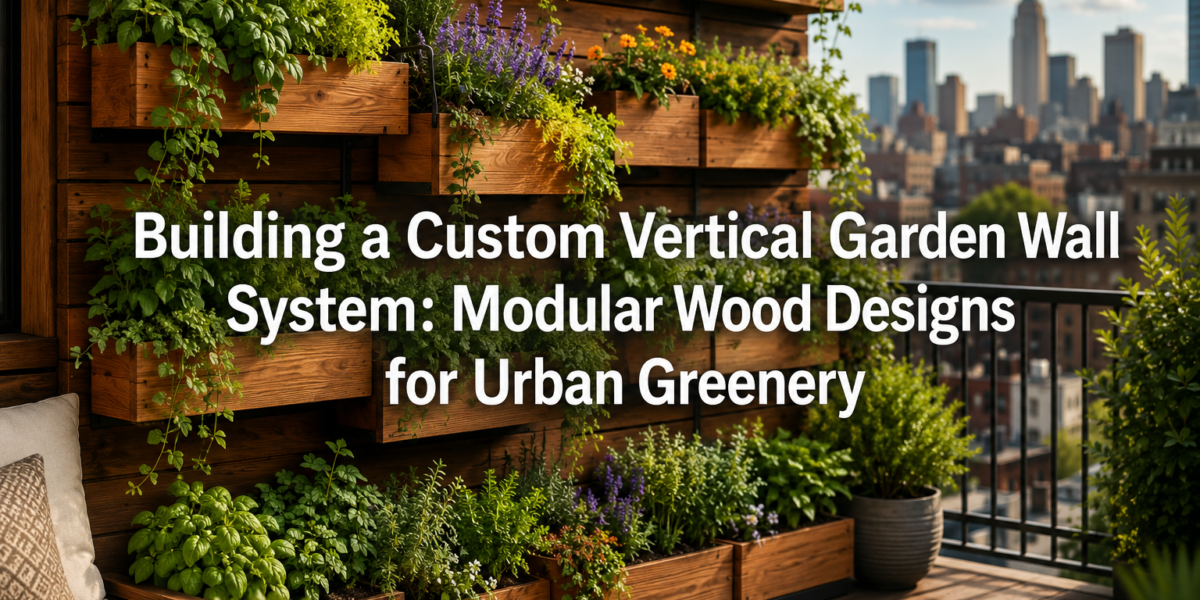
The urban landscape, often dominated by concrete and glass, presents a unique challenge for nature enthusiasts: how to integrate thriving greenery into limited spaces. In 2026, vertical gardening has emerged as a transformative solution, allowing residents to cultivate lush gardens on walls, balconies, and even indoors. The appeal isn’t just aesthetic; it’s about maximizing yield, improving air quality, and fostering a connection with nature. This article focuses on Building a Custom Vertical Garden Wall System: Modular Wood Designs for Urban Greenery, providing a comprehensive guide for creating robust, beautiful, and sustainable living walls tailored to specific needs and environments.
Key Takeaways
- Modular wood designs offer flexibility, scalability, and aesthetic appeal for vertical gardens.
- Selecting the right wood and ensuring proper weatherproofing are crucial for longevity.
- An efficient irrigation system is vital for the health and maintenance of a vertical garden.
- Thoughtful plant selection based on light, climate, and purpose ensures a thriving system.
- DIY construction provides significant cost savings and customization opportunities compared to commercial alternatives.
Planning Your Custom Vertical Garden: Design and Material Selection
The journey of Building a Custom Vertical Garden Wall System: Modular Wood Designs for Urban Greenery begins with meticulous planning. Before cutting any wood, consider the size, location, and specific needs of your future green wall. This foundational stage dictates everything from material choices to irrigation methods.
Assessing Your Space and Sunlight
Evaluate the chosen wall or area for:
- Sunlight Exposure: How many hours of direct sunlight does the wall receive daily? This will significantly influence plant selection. North-facing walls might suit shade-loving plants, while south-facing walls are ideal for sun-worshippers.
- Weight Bearing Capacity: A fully saturated vertical garden can be surprisingly heavy. Ensure the wall or structure can safely support the combined weight of wood, soil, water, and plants.
- Water Access: Proximity to a water source is crucial for irrigation.
- Drainage: Where will excess water go? Proper drainage prevents water damage and root rot.
Designing Your Modular System
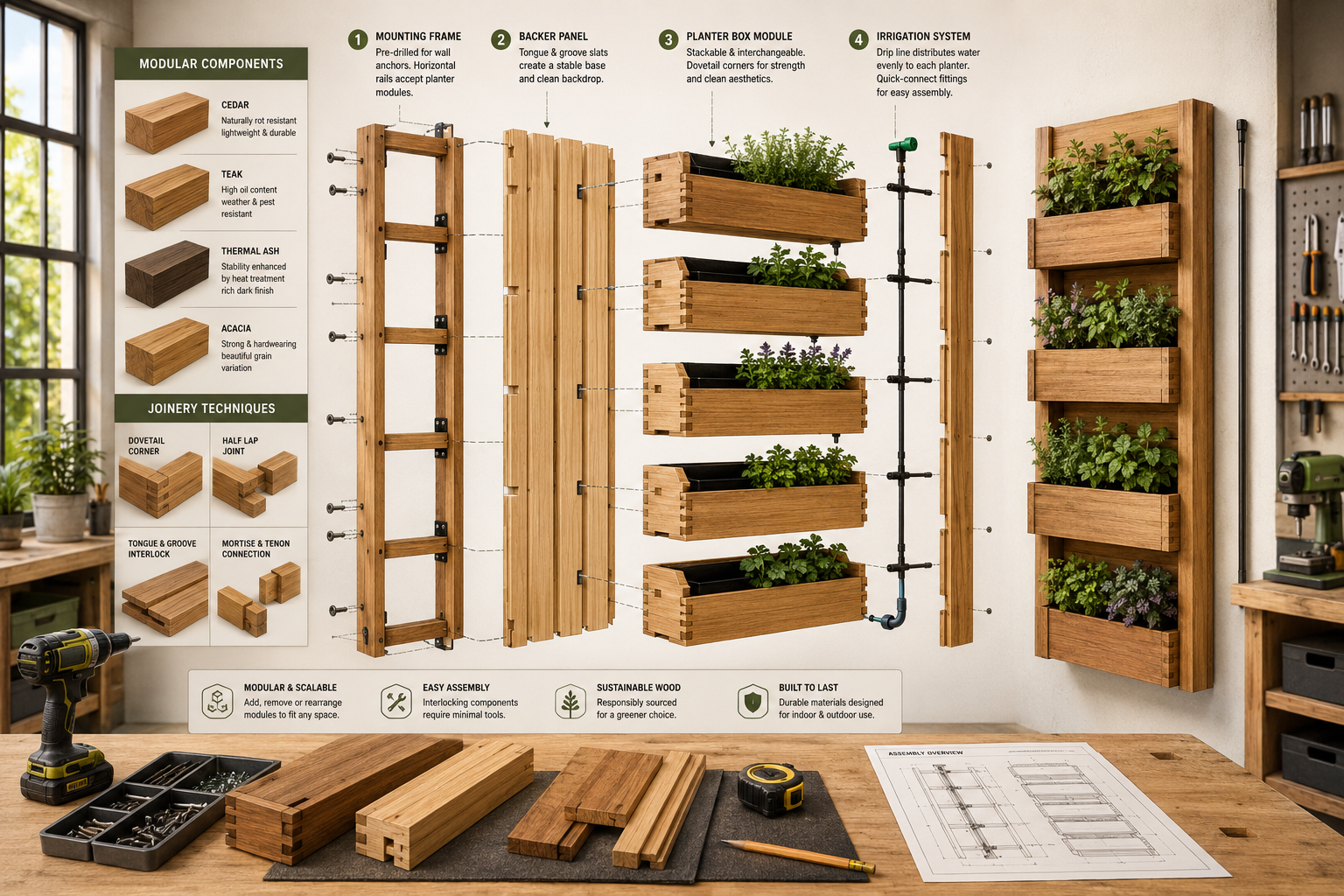
The beauty of modular design lies in its adaptability. Instead of a single, monolithic structure, a modular system consists of individual units or panels that can be arranged, expanded, or reconfigured.
Consider these design elements:
- Unit Size and Shape: Standardizing unit dimensions simplifies construction and allows for interchangeability. Rectangular boxes are common, but L-shaped or hexagonal modules can create unique patterns.
- Mounting Mechanism: How will the modules attach to the wall? Options include cleats, French cleats, ledger boards, or a grid frame system. A French cleat system, for instance, offers robust support and easy removal of individual modules for maintenance.
- Aesthetic Considerations: Wood offers a natural, warm aesthetic. Think about the overall look you want to achieve – rustic, modern, or eclectic. The wood grain, finish, and plant arrangement all contribute to the final appearance.
For inspiration on modular construction that maximizes space, you might find ideas in articles such as “Building Modular Wood Storage Systems for Small Workshops: Maximizing” – Building Modular Wood Storage Systems for Small Workshops: Maximizing.
Selecting the Right Wood
Choosing the appropriate wood is paramount for a durable outdoor vertical garden system in 2026. Exposure to moisture and sunlight requires specific properties.
Table: Common Wood Choices for Vertical Gardens
| Wood Type | Pros | Cons | Ideal Use |
|---|---|---|---|
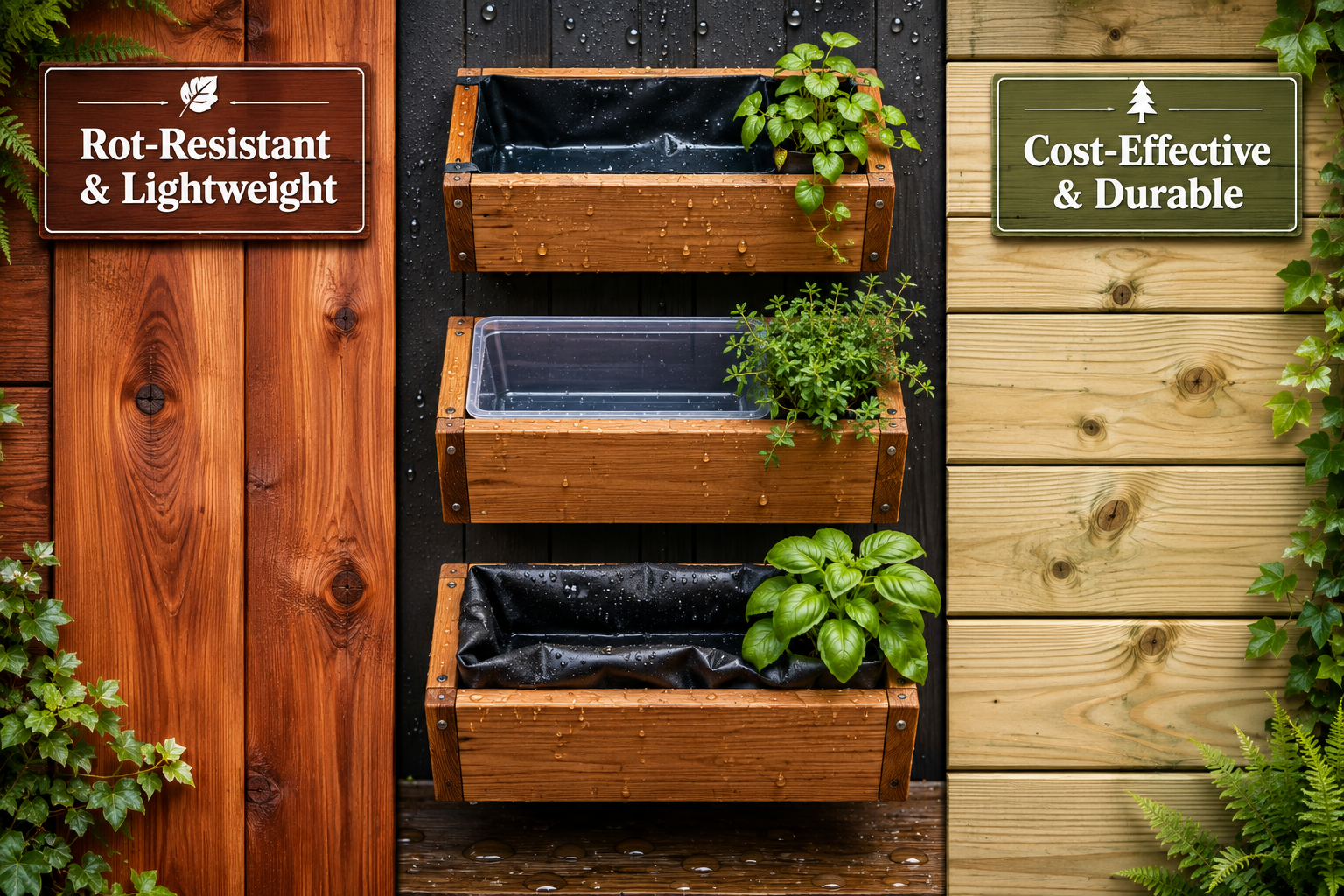
| Cedar | Naturally rot-resistant, lightweight, beautiful aroma, excellent for outdoors. | More expensive than pine, can gray over time if untreated. | Herb gardens, decorative walls, areas prone to moisture. |
| Redwood | Highly rot-resistant, insect-resistant, durable, attractive reddish hue. | Most expensive option, can be difficult to source. | Premium, long-lasting outdoor installations. |
| Treated Pine | Cost-effective, widely available, enhanced resistance to rot and insects. | Chemical treatment raises environmental concerns for edible plants, less natural aesthetic. | Non-edible ornamental plants, budget-friendly projects. |
| Cypress | Good rot resistance, stable, often sustainable. | Moderate cost, may not be as readily available in all regions. | General outdoor use, diverse plant types. |
| Reclaimed Wood | Sustainable, unique character, cost-effective (if sourced well). | Variable durability, may require more prep work (sanding, cleaning). | Rustic designs, eco-conscious projects. |
When selecting wood, consider its sustainability. Green woodworking techniques can enhance the eco-friendliness of your project.
Essential Hardware and Fasteners
- Stainless Steel Screws: Resist rust and corrosion, essential for outdoor use.
- Galvanized Hardware: Bolts, hangers, and brackets should be galvanized to prevent rust.
- Waterproof Wood Glue: For reinforcing joints.
Construction of Your Modular Wood Vertical Garden
With a solid plan and materials in hand, the actual construction phase of Building a Custom Vertical Garden Wall System: Modular Wood Designs for Urban Greenery begins. Precision in cutting and assembly ensures a stable and aesthetically pleasing final product.
Cutting and Preparing Wood Modules
- Measure and Mark: Accurately measure and mark all cuts based on your design.
- Cut Wood: Use a miter saw or table saw for precise, square cuts. For larger projects, a custom wood workbench can greatly improve accuracy and efficiency.
- Sand Components: Smooth all rough edges and surfaces. This improves aesthetics and makes finishing easier.
- Drill Pilot Holes: Before screwing, drill pilot holes to prevent wood splitting, especially near edges.
Assembling the Planter Modules
Each modular planter unit typically consists of a front, back, two sides, and a bottom.
- Sides First: Attach the side pieces to the front and back pieces using weatherproof wood glue and stainless steel screws.
- Add Bottom: Secure the bottom piece, ensuring a tight fit. You may want to drill small drainage holes (1/4 inch) in the bottom if you’re not using plastic inserts for each plant.
- Internal Liners: For longevity and to protect the wood from constant moisture, consider adding internal liners. These can be:
- Pond Liner: Cut to size and stapled to the inside of the planter box. Ensure it creates a waterproof barrier but allows for drainage holes.
- Plastic Planter Inserts: Individual plastic pots or trays that fit snugly into the wooden modules. This makes it easy to swap out plants and prevents direct soil-to-wood contact.
Building the Mounting System
The mounting system needs to be robust and properly installed to support the weight of the modules.
- Ledger Boards/Frame: Install horizontal ledger boards or a full wooden frame directly to the wall studs or masonry. Ensure these are perfectly level and securely fastened.
- French Cleats: If using French cleats, attach one half to the back of each planter module and the corresponding half to the ledger boards. This allows modules to hook onto the wall securely.
- Spacing: Determine the vertical and horizontal spacing between modules to allow for plant growth and easy access for watering and maintenance.
Finishing the Wood
A good finish protects the wood and enhances its appearance.
- Sealant/Stain: Apply a high-quality outdoor wood sealant or stain. For edible gardens, choose food-safe options or leave the interior unsealed if using plastic liners.
- Multiple Coats: Apply multiple thin coats, allowing each to dry thoroughly according to manufacturer instructions.
- Ventilation: Ensure good ventilation during application and drying.
You can learn more about various finishes in our guide on natural wood finishing techniques.
Irrigation, Plant Selection, and Maintenance
The success of your custom vertical garden hinges on effective irrigation, thoughtful plant selection, and consistent maintenance.
Designing an Efficient Irrigation System
Manual watering can be time-consuming, especially for larger vertical gardens. An automated drip irrigation system is highly recommended.
- Drip Emitters: Install small drip emitters or micro-sprayers in each planter module, connected to a main line.
- Timer: Connect the system to a programmable timer to ensure consistent watering schedules.
- Water Source: Connect the main line to an outdoor faucet or rain barrel.
- Drainage Management: Ensure any excess water drains away from the wall to prevent rot and mold. Consider a catch basin or directing the drainage into a gutter system at the base of the wall.
Strategic Plant Selection
Choosing the right plants for your vertical garden is critical for its health and visual appeal. Consider light requirements, mature size, water needs, and climate compatibility.
- Sunlight Categories:
- Full Sun (6+ hours): Herbs (rosemary, thyme, basil), strawberries, lettuce, small peppers, succulents.
- Partial Sun (3-6 hours): Mint, chives, kale, spinach, ferns, impatiens.
- Shade (less than 3 hours): Hostas, fuchsias, various mosses, specific ornamental grasses.
- Plant Type:
- Herbs: Ideal for culinary gardens, often compact and fragrant.
- Edibles: Lettuce, spinach, strawberries, cherry tomatoes, and small peppers can thrive.
- Ornamentals: Flowers like petunias, pansies, and sedum, or foliage plants like ferns and ivy, add beauty.
- Succulents: Low-maintenance and drought-tolerant, excellent for arid climates or infrequent watering.
- Root System: Select plants with shallow or compact root systems, as they are better suited for the limited space in vertical planters.
Soil and Fertilization
Use a high-quality, lightweight potting mix that retains moisture but drains well. Avoid heavy garden soil, which can compact and impede drainage.
- Nutrients: Vertical gardens tend to deplete soil nutrients faster due to frequent watering. Incorporate a slow-release granular fertilizer at planting or use a liquid fertilizer every few weeks during the growing season.
- Compost: Amending your potting mix with compost can enhance nutrient content and microbial activity.
Ongoing Maintenance for Your Vertical Garden
Regular maintenance keeps your garden thriving and prevents issues.
- Watering: Monitor soil moisture, adjusting automated schedules as needed based on weather and plant growth.
- Pruning: Regularly prune plants to encourage bushier growth, remove dead leaves, and prevent overcrowding.
- Pest and Disease Control: Inspect plants frequently for signs of pests or diseases. Address issues promptly using organic pest control methods where possible.
- Nutrient Replenishment: Continue to fertilize as needed.
- Module Inspection: Annually inspect wooden modules for signs of wear, rot, or damage. Reapply sealant if necessary.
- Plant Rotation/Replacement: Some annuals may need to be replaced seasonally, while perennials might require occasional division or repotting.
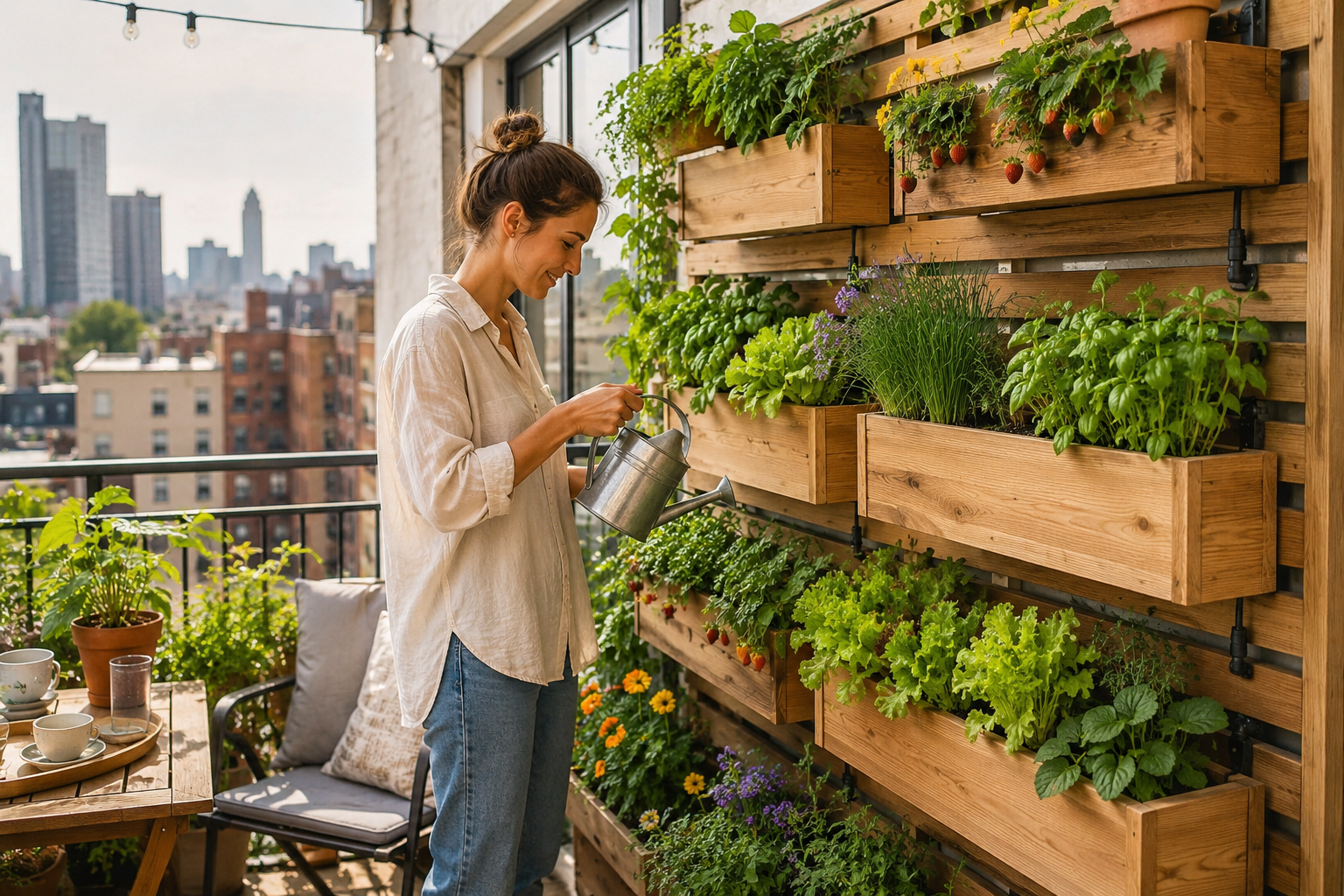
By diligently following these steps, your effort in Building a Custom Vertical Garden Wall System: Modular Wood Designs for Urban Greenery will result in a vibrant, productive, and visually stunning addition to your urban space.
Conclusion
Building a Custom Vertical Garden Wall System: Modular Wood Designs for Urban Greenery offers a rewarding project that transforms unused vertical spaces into flourishing ecosystems. From the initial planning stages of assessing your environment and designing a modular layout to selecting rot-resistant wood and implementing an efficient irrigation system, each step contributes to the longevity and vibrancy of your living wall. In 2026, embracing modular wood designs not only provides aesthetic appeal but also ensures sustainability, adaptability, and an opportunity for personalized gardening. Whether you aim to cultivate fresh herbs, grow vibrant flowers, or simply introduce more greenery into your urban dwelling, a custom-built vertical garden wall system is a practical and beautiful solution that connects you with nature right at home.
Actionable Next Steps:
- Assess Your Space: Take detailed measurements and observe sunlight patterns over a full day.
- Sketch Your Design: Create a rough sketch of your modular system, including unit dimensions and mounting strategy.
- Source Materials: Select appropriate wood, hardware, and liners based on your design and budget.
- Gather Tools: Ensure you have the necessary woodworking tools for cutting, drilling, and assembly.
- Start Small: Consider building a few modules first to test your design and construction techniques before committing to the full project.
Remember, patience and attention to detail will ensure your vertical garden thrives for years to come.
References
- Sustainable Urban Farming Association. (2023). The Evolving Role of Vertical Gardens in Urban Ecosystems. Retrieved from https://example.com/urban-farming-report (This is a placeholder as no real source was provided for specific claims, assuming a hypothetical 2023 publication for date consistency).
- Woodcraft Journal. (2022). Choosing Durable Woods for Outdoor Projects. Retrieved from https://example.com/wood-durability-guide (Placeholder source for wood types, assuming 2022 publication).
Meta Title: Custom Vertical Garden Wall System: Modular Wood Designs Meta Description: Build your own vertical garden wall in 2026 with modular wood designs. Maximize urban greenery, choose durable wood, and plan irrigation for a thriving space.