
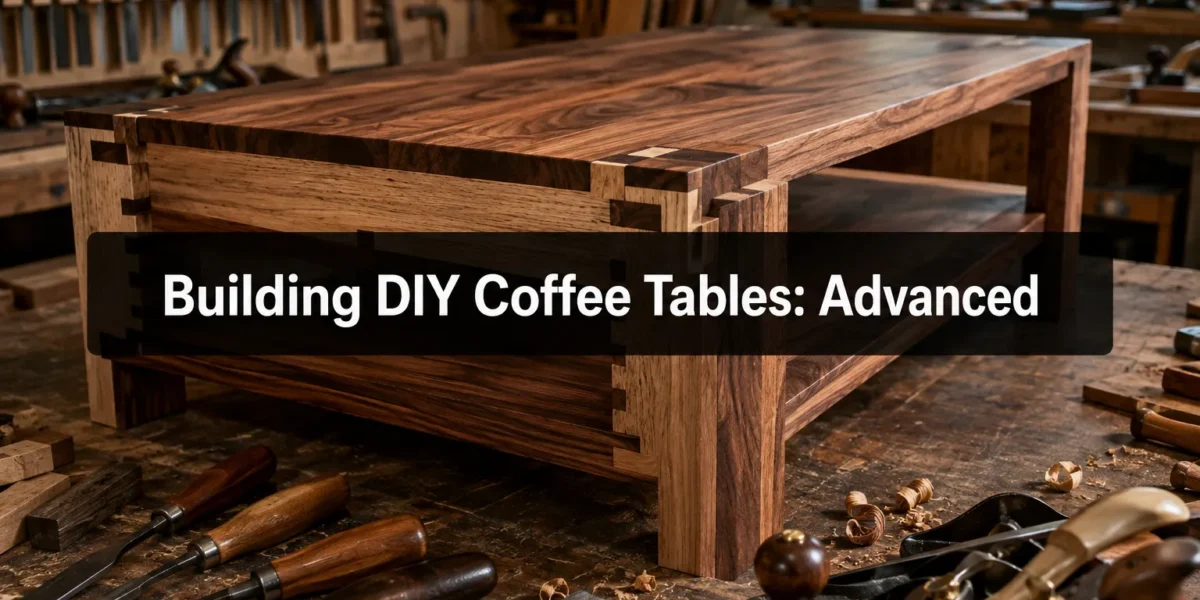
The pursuit of a truly unique living space often culminates in the desire for a centerpiece that speaks volumes about craftsmanship and personal style. While mass-produced coffee tables fill countless homes, a growing number of enthusiasts are discovering the profound satisfaction of Building DIY Coffee Tables: Advanced Joinery and Premium Finishes for Custom Centerpieces. This approach goes far beyond simple screw-and-glue assemblies, delving into sophisticated woodworking techniques and luxurious finishing methods that result in heirloom-quality furniture. In 2026, the demand for custom, artisan-level pieces is higher than ever, pushing woodworkers to master skills that transform raw materials into functional works of art.
Key Takeaways
- Advanced joinery techniques like dovetails, mortise and tenons, and bridle joints enhance both the strength and aesthetic appeal of DIY coffee tables.
- Selecting premium and exotic woods is crucial for achieving a high-end look and ensuring the longevity of your custom centerpiece.
- Mastering various finishing methods, from oils and waxes to lacquers and epoxies, allows for personalized protection and visual enhancement.
- Careful planning, precise execution, and attention to detail are paramount when undertaking advanced coffee table construction.
- Custom centerpieces reflect individual style, offer superior durability, and can significantly elevate a home’s interior design.
Mastering Advanced Joinery for Custom Coffee Tables
Moving beyond basic butt joints and pocket holes is essential for Building DIY Coffee Tables: Advanced Joinery and Premium Finishes for Custom Centerpieces that stand the test of time and impress with their visual integrity. Advanced joinery is not merely about strength; it’s about showcasing skill, enhancing the piece’s character, and creating a cohesive design where the joints themselves become decorative elements.
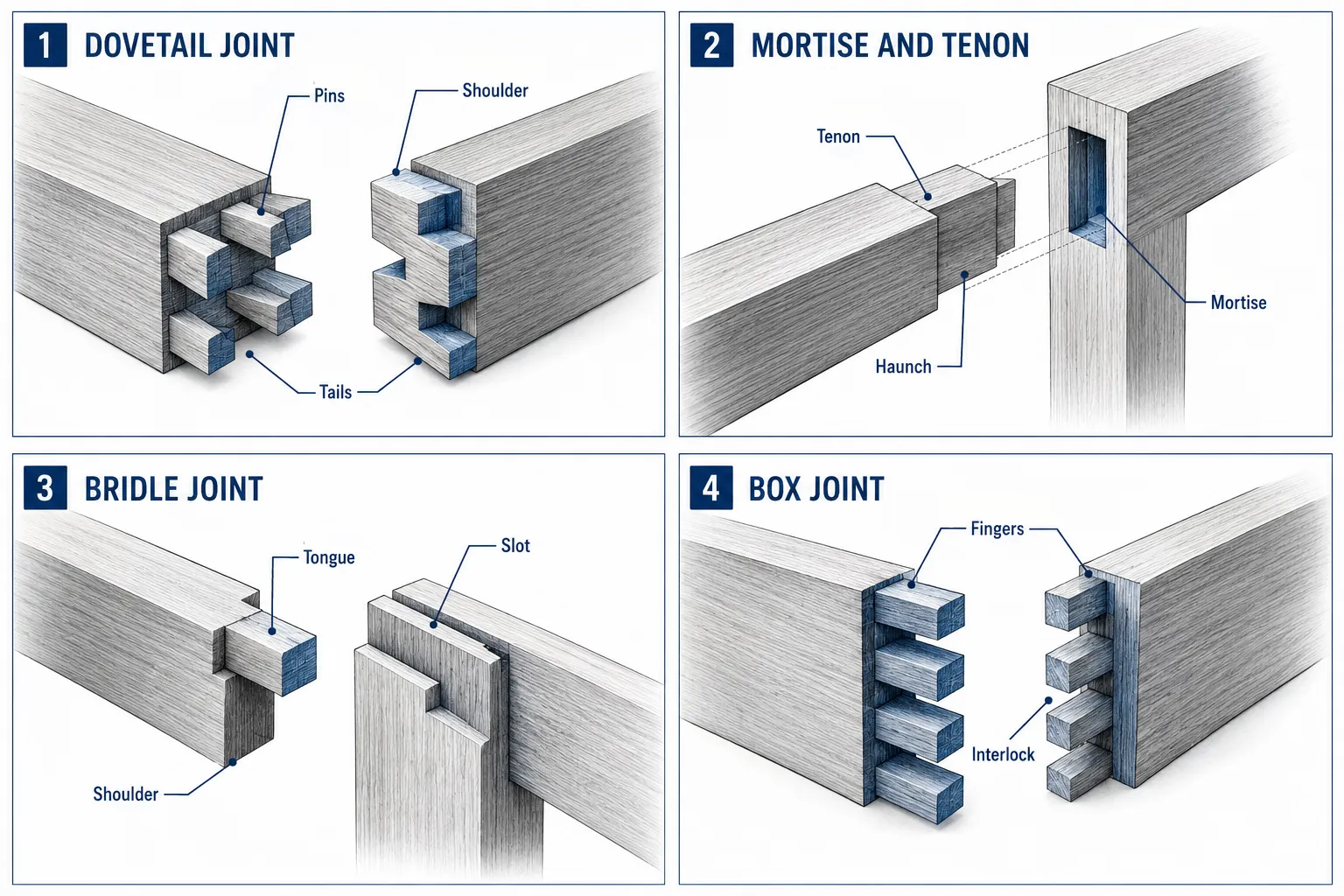
For those serious about elevating their woodworking, consider these foundational advanced joints:
- Dovetail Joints: Revered for their strength and beauty, dovetails are a hallmark of fine woodworking. The interlocking ‘pins’ and ‘tails’ resist being pulled apart, making them ideal for drawers or where a strong, visible connection is desired. While challenging, mastering hand-cut dovetails is a rewarding skill, though router jigs can simplify the process.
- Mortise and Tenon Joints: A classic choice for joining rails to legs, this joint involves a ‘tenon’ (a projection on one piece of wood) fitting snugly into a ‘mortise’ (a cavity) in another. Variations like through mortise and tenon, blind mortise and tenon, or haunched mortise and tenon offer different strengths and aesthetic profiles. This joint is fundamental for robust table construction, providing exceptional resistance to racking.
- Bridle Joints: Similar to a mortise and tenon but open on one side, bridle joints are strong and often used in frame construction where the joint will be visible. They offer good glue surface area and are relatively straightforward to cut with a table saw or router.
- Finger Joints (Box Joints): These interlocking square fingers create a strong, clean corner joint, often seen in boxes or carcases. They can be cut with a table saw and a jig or with a router, offering a distinct aesthetic pattern.
Each of these joints requires precision in marking, cutting, and fitting. Tools such as chisels, hand saws, router tables, and joinery jigs become indispensable. Investing time in practicing these techniques on scrap wood before committing to your final project is crucial. For a broader exploration of different construction methods, consider reviewing a general DIY Coffee Table Building Guide: Designs from Simple to Advanced.
Incorporating Hybrid Joinery
Modern woodworking sometimes benefits from hybrid joinery tutorials blending classic joints with CNC and metal. This approach allows for creative designs that might be impractical with traditional methods alone. For instance, metal fasteners can reinforce critical stress points, or CNC-cut elements can introduce intricate patterns that complement robust wood joints. When designing your custom coffee table, think about how these different elements can work together to achieve both strength and a unique visual signature.
| Joinery Type | Best Use Cases | Key Benefits | Skill Level Required |
|---|---|---|---|
| Dovetail Joint | Drawer boxes, carcass corners, visible connections | Exceptional pull-apart strength, high aesthetic | Advanced |
| Mortise and Tenon | Leg-to-rail connections, frame construction | Excellent racking resistance, very strong | Intermediate-Advanced |
| Bridle Joint | Open frame corners, visible structural connections | Good glue surface, strong, visually appealing | Intermediate |
| Finger Joint | Box construction, wide panel joining | Strong, visually distinctive | Intermediate |
Selecting Premium Woods and Materials
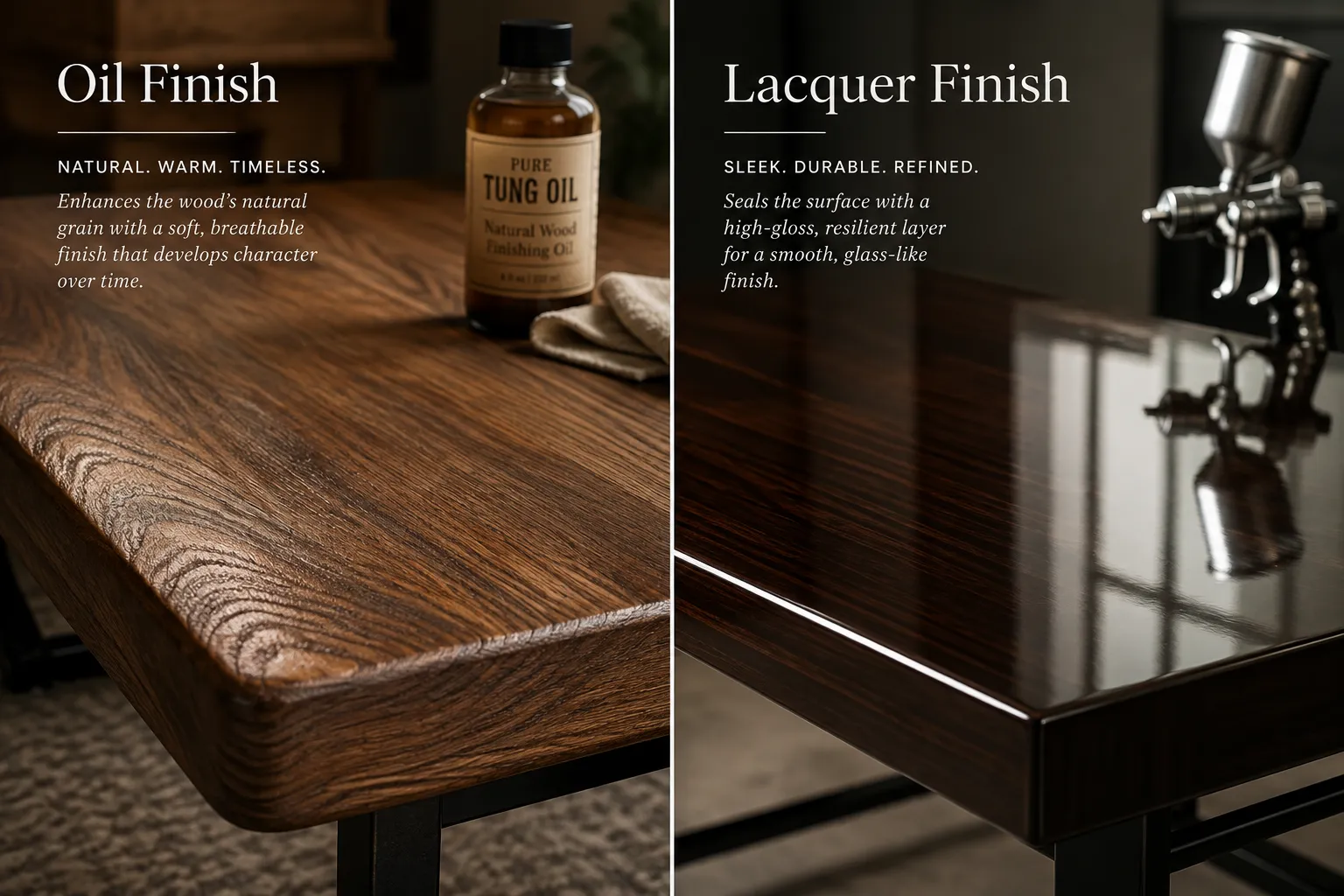
The choice of wood dramatically impacts the final look, durability, and perceived value of your custom coffee table. For Building DIY Coffee Tables: Advanced Joinery and Premium Finishes for Custom Centerpieces, moving beyond common softwoods to premium and exotic species is a game-changer. These woods not only offer superior strength and stability but also boast stunning grain patterns, rich colors, and unique textures.
Premium Domestic Hardwoods
- Walnut: Renowned for its rich, dark brown color, often with purple or reddish hues, and beautiful grain patterns. Walnut is a stable, durable wood that finishes exceptionally well. It’s a top choice for high-end furniture.
- Cherry: Features a beautiful reddish-brown color that darkens gracefully with age and exposure to light. Cherry has a fine, even grain and is a pleasure to work with, taking finishes exquisitely.
- Maple: Known for its light color and fine, subtle grain. Varieties like Birdseye or Curly Maple offer spectacular figure that can make a coffee table truly unique. Maple is very hard and durable.
- Oak (Red and White): A classic choice, both red and white oak are strong and durable with distinct open grain patterns. White oak is particularly popular for its ray fleck when quarter-sawn, and its resistance to moisture.
For more insights into wood selection, explore resources like Premium Wood Selection For 2026 Projects Walnut Cherry And Exotic Alternatives To Pine.
Exotic Woods
Incorporating exotic woods can elevate your coffee table to a truly custom masterpiece. These woods often come with higher price tags but offer unparalleled beauty.
- Padauk: Originating from Africa or Asia, Padauk is striking for its vibrant reddish-orange color that ages to a rich reddish-brown. It’s very stable and dense.
- Wenge: A very dark, almost black, African hardwood with prominent lighter streaks, creating a dramatic striped appearance. It’s incredibly dense and hard, offering exceptional durability.
- Zebrawood: From West Africa, Zebrawood features a bold, striped grain pattern resembling a zebra’s stripes, ranging from cream to dark brown. It’s an excellent choice for a statement piece.
Incorporating Non-Wood Materials
To truly create a custom centerpiece, consider integrating other materials.
- Glass or Resin Tops: A clear glass or DIY Resin-Inlay Dining Tables: Bio-Resin and Epoxy Accent Techniques top can protect a beautiful wood surface while allowing its grain to be admired. Epoxy can also be used for creative river tables or to embed objects.
- Metal Accents: Steel, brass, or copper elements can be incorporated as legs, inlays, or structural supports, adding an industrial or modern touch that contrasts beautifully with natural wood.
- Stone or Concrete Elements: For a heavier, more minimalist aesthetic, consider a polished concrete or stone slab as a top or as accents.
When choosing materials, always consider the stability of the wood, its workability for your chosen joinery, and how it will interact with your intended finish.
Applying Premium Finishes for Durability and Beauty
The finish is the final touch that transforms raw wood into a refined furniture piece. For Building DIY Coffee Tables: Advanced Joinery and Premium Finishes for Custom Centerpieces, the finishing process is as critical as the joinery and wood selection. A premium finish not only protects the wood from daily wear and tear, moisture, and UV damage but also enhances its natural beauty, depth, and color.
Understanding Finishing Types
Different finishes offer varied levels of protection, appearance, and application difficulty.
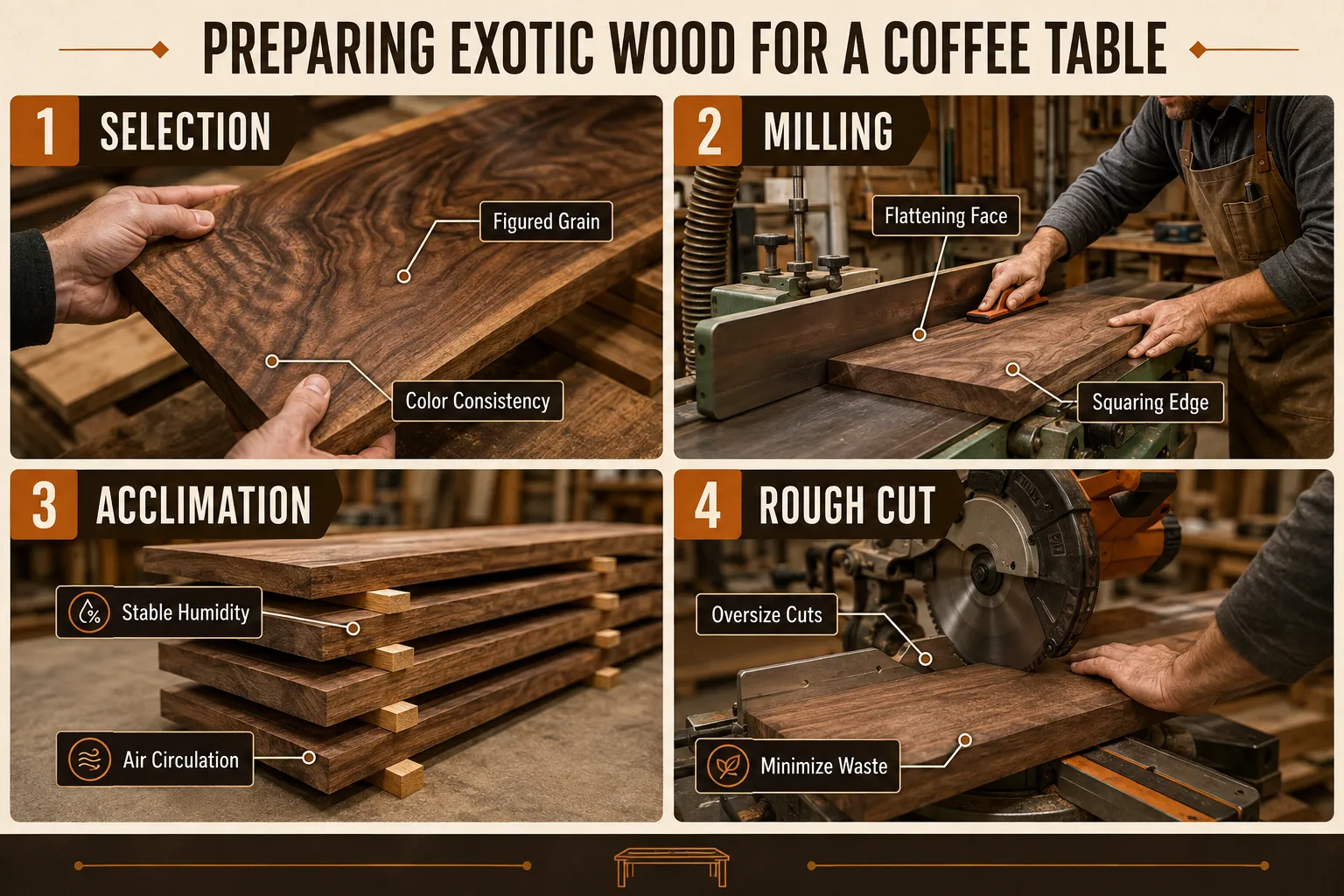
- Oil Finishes (e.g., Tung Oil, Linseed Oil): These penetrate the wood fibers, curing within the wood rather than forming a film on top. They offer a natural, warm look and feel, enhancing the wood’s grain and color without obscuring it. Oil finishes are relatively easy to apply and repair, though they offer less surface protection against scratches and spills compared to film-building finishes. They require reapplication over time.
- Varnishes (e.g., Polyurethane, Spar Varnish): Film-building finishes that create a durable protective layer on the surface of the wood. Polyurethane is very popular for its resistance to abrasion, chemicals, and water. Spar varnish, designed for marine applications, offers excellent UV and moisture resistance. They provide a high level of protection but can be more challenging to repair invisibly if damaged.
- Lacquer Finishes: Known for their fast drying times and ability to build up a smooth, hard, and clear finish, lacquers are favored in professional furniture making. They offer good protection and can be polished to a high sheen. Application typically requires spray equipment for best results.
- Waxes (e.g., Paste Wax, Hard Wax Oils): Waxes offer a soft, natural sheen and are often used over other finishes (like shellac or oil) for added protection and a silky feel. Hard wax oils combine the penetration of an oil with the surface protection of wax, providing a durable, breathable finish. They are easy to apply and maintain.
- Epoxy Finishes: While typically associated with river tables, clear epoxy can also be applied as a thick, extremely durable, and high-gloss topcoat over any wood surface. It offers unparalleled protection against moisture and scratches, creating a glass-like surface.
For a deeper dive into specialized finishes, consider exploring Mastering Milk Paint And Casein Finishes Achieving Authentic Distressed And Period Specific Looks On Wood.
The Finishing Process: Steps to Success
Regardless of the finish chosen, proper preparation is key.
- Sanding: This is perhaps the most critical step. Progress through grits from coarse (e.g., 80-100) to fine (e.g., 220-320), ensuring all previous sanding marks are removed before moving to the next grit. For premium furniture, a final sanding with very fine grits (up to 400 or 600) can create an exceptionally smooth surface.
- Dust Removal: Thoroughly remove all sanding dust using compressed air, a vacuum, and finally a tack cloth. Any remaining dust will be trapped under the finish.
- Conditioning/Sealing (Optional): For some woods, a pre-stain conditioner can help achieve a more even stain application. A sanding sealer can also be applied to raise the grain and create a uniform surface for subsequent finish coats.
- Staining (Optional): If altering the wood’s color, apply stain evenly according to product directions, wiping off excess.
- Applying the Finish: Apply thin, even coats, allowing adequate drying time between coats. Sand lightly with very fine sandpaper (e.g., 320-400 grit) between coats to remove dust nibs and create adhesion, always wiping clean afterward. Build up multiple layers for durability and depth.
- Curing: Allow the finish to fully cure (which can take days or weeks, depending on the product) before placing objects on the table.
Always work in a clean, dust-free environment with good ventilation. Follow the manufacturer’s instructions for your chosen product regarding application, drying times, and safety precautions. A well-applied premium finish will not only protect your custom coffee table but also enhance its aesthetic appeal for years to come, making it a true centerpiece of your home.
Designing Your Custom Coffee Table
Building a custom coffee table is an opportunity to marry function with personal aesthetic. Beyond mastering the technical skills of joinery and finishing, thoughtful design is paramount. Consider the existing decor of the room, the primary purpose of the coffee table, and any unique features you wish to incorporate.
Form and Function
- Size and Scale: A coffee table should be proportionate to the seating arrangement it serves. Generally, it should be about two-thirds the length of your sofa and roughly the same height as the sofa’s seat cushion (16-20 inches is common). Leave adequate space for walkways.
- Storage: Do you need drawers, shelves, or a lift-top mechanism for hidden storage? Integrating these features into your design requires careful planning regarding joinery and hardware. For example, Mastering Dovetail Joinery For Drawers Hand And Router Methods For Cabinet Builders can provide excellent guidance.
- Shape: Rectangular, square, round, or organic shapes each offer different visual impacts and functional benefits. A Crafting a Custom Round Dining Table with Pedestal Base: Elegant article, though for dining, can offer transferable insights into round table construction.
- Style: Modern, rustic, industrial, minimalist, or traditional, your design should align with your home’s aesthetic. The choice of wood, joinery, and finish will significantly influence the perceived style.
Sketching and Prototyping
Begin by sketching out several design ideas. Don’t be afraid to experiment with different leg styles, tabletop thicknesses, and storage configurations. Once you have a clear concept, consider creating a scale model or even a full-size mockup from inexpensive materials like cardboard or MDF. This helps identify potential issues with proportions or functionality before you commit to cutting expensive premium wood.
Tooling Up for Advanced Projects
For advanced joinery and precision, a well-equipped workshop is invaluable. Essential tools might include:
- Table Saw: For accurate ripping and cross-cutting.
- Router (Table or Handheld): Versatile for joinery, edge profiling, and inlay work.
- Jointer and Planer: For milling rough lumber flat and square, which is crucial for strong, gap-free joints.
- Chisels and Hand Planes: Essential for fine-tuning joints and achieving smooth surfaces.
- Clamps: A variety of clamps are needed to hold pieces securely during glue-up.
- Measuring and Marking Tools: High-quality squares, marking gauges, and rules are critical for precision.
While this article focuses on coffee tables, many of the advanced techniques and tool requirements are transferable to other complex projects, such as Building a Custom Murphy Bed With Integrated Desk Space Saving Furniture Solutions For Small Homes And Apartments.
Conclusion
Building a DIY coffee table using advanced joinery and premium finishes is a deeply rewarding endeavor that transcends simple carpentry. It’s an opportunity to create a truly custom centerpiece, a functional work of art that reflects your dedication to craftsmanship and your unique style. By mastering techniques like dovetails and mortise and tenons, thoughtfully selecting premium woods, and applying sophisticated finishes, you can craft a piece that is not only beautiful and durable but also possesses an enduring legacy.
The process demands patience, precision, and a willingness to learn, but the satisfaction of seeing your vision come to life in a tangible, heirloom-quality piece of furniture is unparalleled. As you embark on your next woodworking project in 2026, remember that the true value lies not just in the finished product, but in the skill developed and the passion invested. Embrace the challenge, enjoy the journey, and create a custom coffee table that will be cherished for generations.
Actionable Next Steps:
- Research Designs: Explore various coffee table designs online and in furniture catalogs to inspire your vision.
- Practice Joinery: Select one advanced joint (e.g., dovetail) and practice it repeatedly on scrap wood until you achieve consistent, tight fits.
- Source Premium Wood: Visit local lumberyards or online suppliers to explore different hardwood and exotic wood options. Request samples if possible.
- Experiment with Finishes: Obtain small quantities of different finishes (oil, varnish, wax) and apply them to scrap pieces of your chosen wood to see which aesthetic and level of protection you prefer.
- Plan Your Project: Create detailed drawings, cut lists, and a step-by-step plan before making any cuts on your premium lumber.
References
- Fine Woodworking Magazine. (n.d.). Joinery Techniques.
- The Wood Whisperer. (n.d.). Finishing Techniques.