
A significant shift is underway in interior design for 2026: clients are increasingly seeking more than just beautiful objects. They desire pieces with a soul, a history, and a story to tell. This growing demand defines the burgeoning trend of Narrative Interiors Through Woodworking: Telling Stories with Reclaimed Materials and Custom Pieces. For woodworkers and designers, understanding this shift means embracing materials with genuine provenance and mastering the art of communicating the inherent narratives embedded in their craftsmanship. It’s about transforming a space from merely functional to deeply personal, creating environments that resonate with meaning and individuality.
Key Takeaways
- Growing Demand for Provenance: Modern clients prioritize furniture and decor that offers a discernible history or unique origin story, moving beyond mass-produced items.
- Reclaimed Materials as Storytellers: Using salvaged wood inherently imbues a piece with history, character, and a sustainable narrative.
- Custom Woodworking Elevates Narrative: Bespoke designs allow for the integration of personal stories, specific themes, and functional artistry that cannot be replicated.
- Communicating the Craft: Effectively sharing the material’s origin, the design process, and the artisan’s hand is crucial for client engagement and value perception.
- Sustainable and Ethical Practices: Narrative interiors often align with eco-conscious values, making reclaimed wood an attractive choice for environmentally aware clients.
Sourcing Stories: Reclaimed Materials in Narrative Interiors Through Woodworking
The foundation of Narrative Interiors Through Woodworking: Telling Stories with Reclaimed Materials and Custom Pieces often begins with the materials themselves. Reclaimed wood, salvaged from old barns, factories, ships, or even demolished buildings, carries with it an undeniable history. Each knot, nail hole, and weathered patch tells a silent tale of its past life, offering a character that new lumber simply cannot replicate.
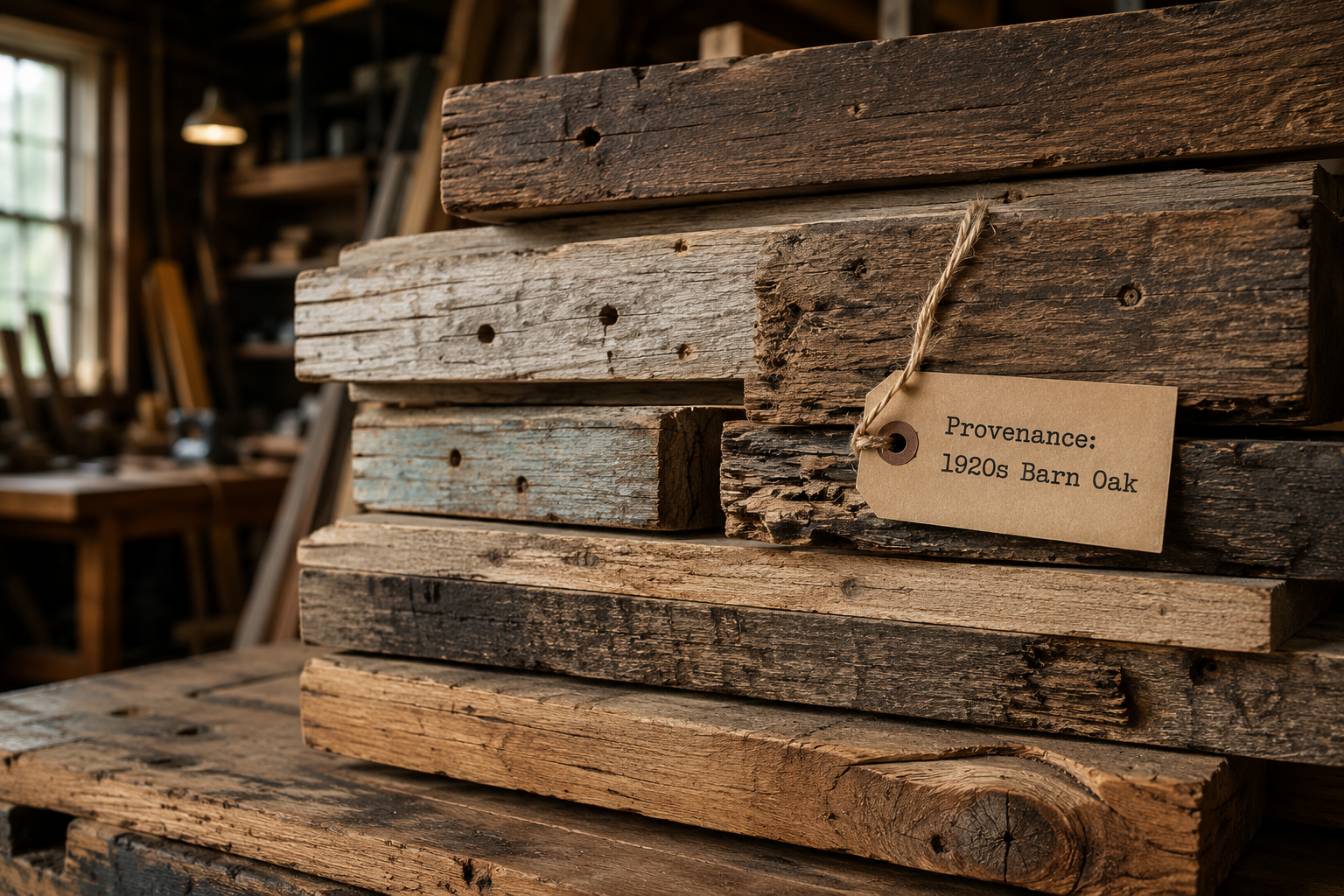
Sourcing these materials requires a discerning eye and an appreciation for authenticity. Here’s how woodworkers are finding and utilizing these valuable resources:
Types of Reclaimed Wood and Their Stories
- Barn Wood: Often oak, pine, or hemlock, barn wood offers deep patina, original saw marks, and sometimes even remnants of old paint. It evokes a rustic, agricultural history, perfect for farmhouse or industrial-chic designs.
- Factory Timbers: Dense hardwoods like maple, hickory, or longleaf pine, often salvaged from industrial buildings, carry a robust, hardworking aesthetic. They speak of an era of manufacturing and durability.
- Shipwreck Timbers: Extremely rare and highly prized, timbers salvaged from old ships often bear unique characteristics from prolonged exposure to water, such as mineral staining or wormholes. These pieces whisper tales of maritime adventure.
- Urban Salvage: Wood from old houses, commercial buildings, or even street trees removed due to disease can offer local historical significance and unique species not commonly found in new lumber.
When sourcing, it’s vital to properly assess the quality and ensure safe handling of reclaimed wood, understanding potential hidden hazards and necessary restoration techniques. For comprehensive guidance, explore our article on Sourcing Reclaimed and Salvaged Wood: Quality Assessment, Restoration, and Safe Handling.
Integrating Reclaimed Wood into Design
The challenge and beauty of working with reclaimed materials lie in designing pieces that honor their past while serving a new purpose. This might involve:
- Preserving Patina: Minimal sanding and specific finishing techniques can protect the aged surface and unique color variations.
- Highlighting Imperfections: Intentional design choices can showcase nail holes, worm tracks, or old mortises as features rather than flaws.
- Contrasting New with Old: Combining reclaimed wood with modern materials like steel or glass can create a dialogue between past and present.
Finishing techniques play a crucial role in enhancing the narrative of reclaimed wood. For more on this, consider reading our insights on Reclaimed Wood Finishing Techniques.
Table: Common Reclaimed Wood Types and Their Narrative Qualities
| Wood Type | Common Species | Typical Origin | Narrative Qualities | Best For |
|---|---|---|---|---|
| Barn Wood | Oak, Pine, Hemlock | Agricultural Structures | Rustic charm, weathered history, resilient spirit | Farmhouse tables, accent walls, mantels |
| Industrial Timbers | Maple, Pine, Fir | Old Factories, Warehouses | Strength, industrial heritage, robust character | Beams, shelving, large work surfaces |
| Urban Salvage | Various hardwoods | Demolished buildings | Local history, unique grain, sustainability | Smaller furniture, cutting boards, decor |
| Railroad Ties | Oak, Cedar | Railway infrastructure | Durability, heavy-duty aesthetic, journey & connection | Outdoor furniture, garden beds (treated with caution) |
By thoughtfully selecting and preparing reclaimed materials, woodworkers create pieces that are not just furniture, but tangible fragments of history, ready to embark on a new chapter in a modern interior.
Crafting Bespoke Narratives: Custom Woodworking for Personal Stories
Beyond the inherent history of reclaimed materials, Narrative Interiors Through Woodworking: Telling Stories with Reclaimed Materials and Custom Pieces truly shines through custom woodworking. This is where a client’s personal story, memories, and aspirations are woven into the fabric of a bespoke piece, making it irreplaceable.
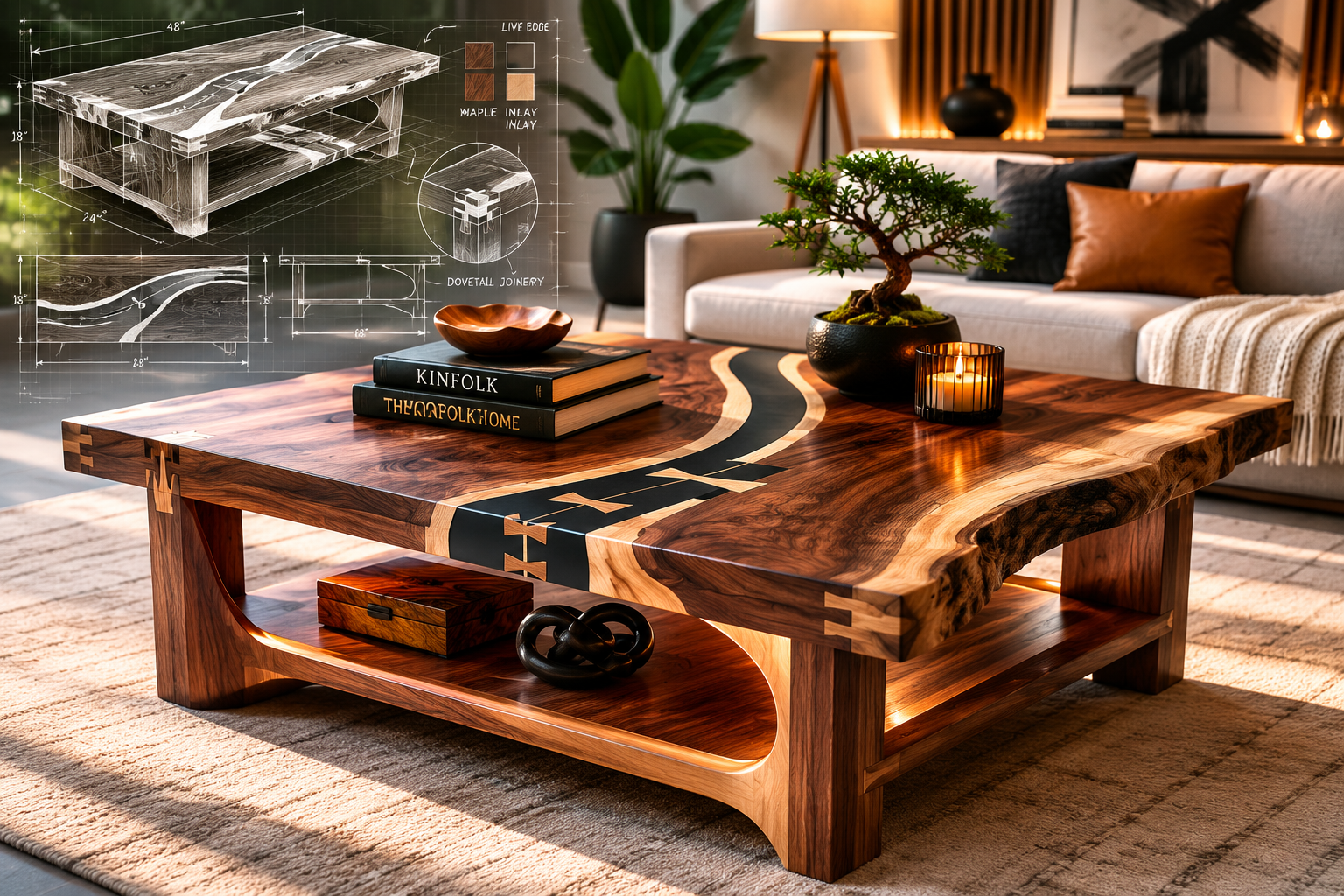
The Art of Customization: From Concept to Creation
Custom woodworking involves a deep collaboration between the client and the artisan. It’s about translating abstract ideas and emotional connections into tangible forms. Key aspects include:
- Client Consultation: Understanding the client’s lifestyle, design preferences, and the specific stories they wish to tell. This might involve discussing family heirlooms, travel experiences, or significant life events.
- Design Development: Sketching and prototyping to ensure the piece aligns with both aesthetic and functional requirements. For example, a custom media console could incorporate hidden compartments for tech, reflecting a desire for seamless integration, as explored in DIY Smart Home Integration with Custom Wooden Enclosures: Concealing Tech for a Seamless Aesthetic.
- Material Selection: Choosing wood species, finishes, and hardware that complement the desired narrative and existing interior.
- Masterful Execution: Employing precise joinery and advanced woodworking techniques to ensure durability and beauty. Understanding Understanding Wood Movement: How to Design and Build Furniture That Lasts Through Seasonal Changes is critical for lasting quality.
“A custom wooden piece isn’t just furniture; it’s a conversation starter, a repository of memories, and a reflection of identity. It turns a house into a home by imbuing it with unique character.”
Examples of Narrative Custom Pieces
The possibilities for narrative custom woodworking are endless, limited only by imagination. Here are a few examples:
- Memory Boxes and Keepsake Chests: Designed to hold cherished items, these pieces can be engraved with dates, names, or symbols representing significant life events.
- Tables from Family History: A dining table crafted from wood sourced from a family farm or a specific memorable location, creating a literal connection to the past.
- Integrated Storage Solutions: A custom Murphy bed with an integrated desk could tell a story of maximizing space in a small home, offering both functionality and a sleek design, as detailed in Building a Custom Murphy Bed with Integrated Desk: Space-Saving.
- Decorative Accents with Symbolism: Intricately carved panels or custom engraved coasters with designs that hold personal meaning. Advanced wood carving techniques can elevate these elements. Refer to Advanced Wood Carving Techniques for Decorative Furniture Accents: Hand Tools, Power Carvers for inspiration.
- Heirloom Restoration: Breathing new life into antique pieces, preserving their original story while preparing them for future generations. Our guide on Restoring Antique Wooden Furniture: Techniques for Repairing, Refinishing, and Preserving Heirloom Pieces offers valuable insights.
Each custom piece is a testament to the artisan’s skill and the client’s vision, resulting in an interior that is not just decorated, but thoughtfully curated with meaning.
Communicating Provenance and Craftsmanship in 2026
In 2026, merely creating a beautiful piece of woodworking is not enough; the story behind it must be effectively communicated. This is essential for elevating a product from a commodity to a cherished heirloom, especially for projects focused on Narrative Interiors Through Woodworking: Telling Stories with Reclaimed Materials and Custom Pieces.
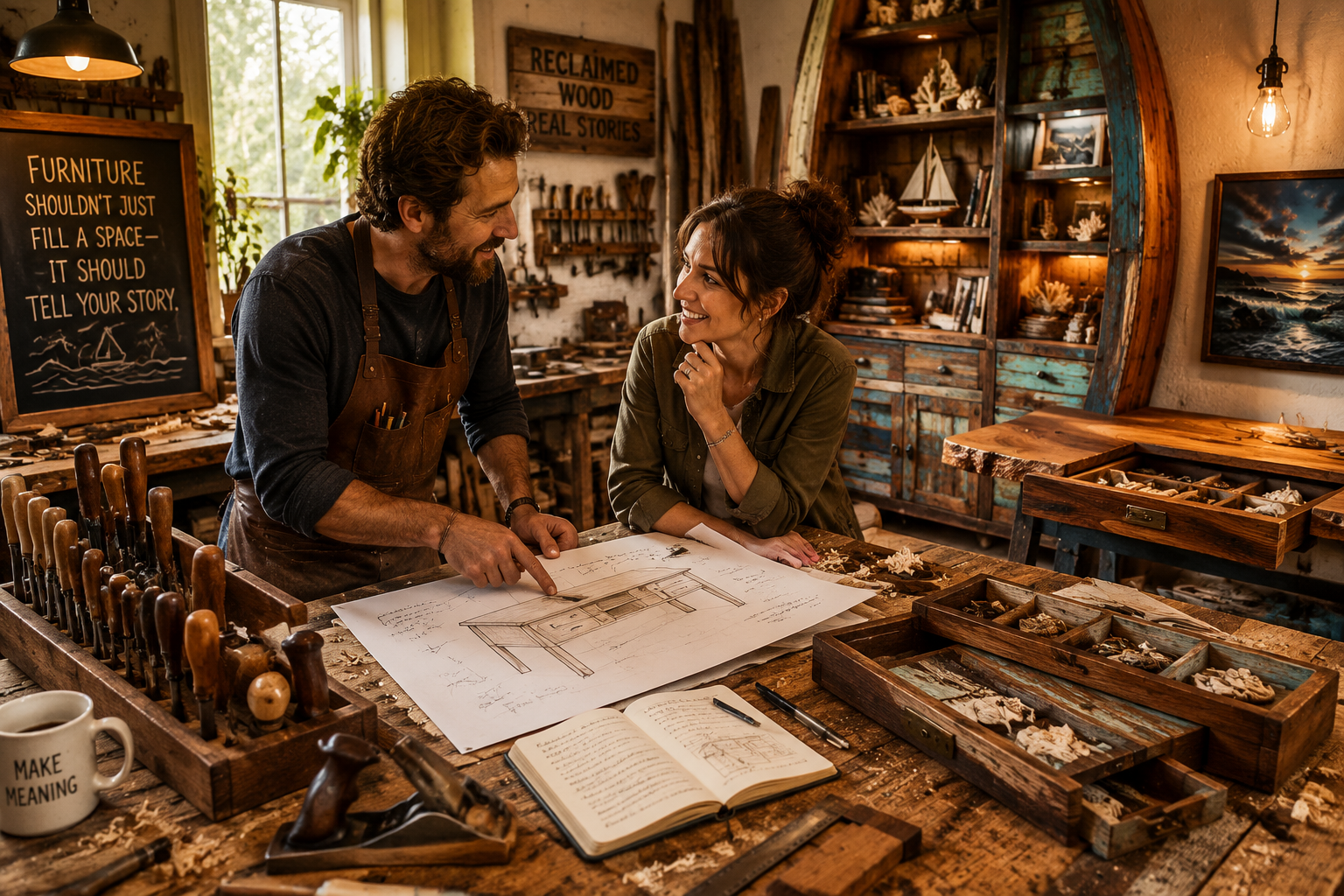
Documenting the Journey
Transparency and documentation are key to conveying provenance. Woodworkers can implement several strategies:
- Material Sourcing Log: Maintain detailed records of where reclaimed wood was acquired, including photographs of its original location, if possible.
- Design Process Journal: Document the evolution of the design, including client consultations, sketches, and any unique challenges or inspirations.
- Craftsmanship Details: Highlight the specific joinery techniques, hand tools used, or any custom processes that went into the creation. This shows dedication and skill, such as the precision achieved through Hand Tool Mastery for Detail Work: Chisels, Hand Planes, and.
Storytelling Through Marketing and Presentation
Effective communication transforms a woodworking business into a storytelling enterprise.
- Visual Narratives: High-quality photography and videography can capture the raw beauty of reclaimed wood, the intricate details of custom work, and the artisan’s process. Think short films or photo essays shared on social media and websites.
- Descriptive Product Descriptions: Go beyond dimensions and materials. Describe the history of the wood, the inspiration behind the design, and the story it tells.
- Certificates of Authenticity: For highly valued pieces, provide a certificate detailing the wood’s origin, the date of creation, and the artisan’s signature.
- Client Testimonials: Encourage clients to share how their custom pieces enhance their homes and lives, providing authentic social proof of the narrative value.
- Website and Blog Content: Create engaging content that delves into the philosophy of narrative interiors, showcases previous projects, and educates potential clients on the value of reclaimed materials and custom craftsmanship. For example, an article discussing the journey from Live Edge Slab Selection and Preparation: From Raw Material to Finished Showpiece provides excellent narrative content.
By embracing these communication strategies, woodworkers can not only meet the 2026 demand for narrative interiors but also build a stronger, more recognizable brand centered on authenticity, history, and unparalleled craftsmanship.
Conclusion
The evolution of interior design in 2026 underscores a profound desire for authenticity and connection. Narrative Interiors Through Woodworking: Telling Stories with Reclaimed Materials and Custom Pieces offers a powerful means to fulfill this desire, transforming spaces into reflections of personal history and sustainable values. By meticulously sourcing reclaimed materials, crafting bespoke pieces rich with personal significance, and eloquently communicating the unique stories behind each creation, woodworkers are positioned to create truly unforgettable environments. This approach not only elevates the craft but also provides clients with timeless pieces that resonate on a deeper, more emotional level.
For woodworkers looking to thrive in this evolving landscape, the actionable next steps involve refining material sourcing techniques, investing in the skills required for custom design and execution, and developing robust storytelling strategies to connect with clients. Embrace the narrative, and your woodworking will move beyond mere function, becoming a legacy.
SEO Meta Title: Narrative Interiors: Reclaimed Wood & Custom Stories SEO Meta Description: Explore Narrative Interiors Through Woodworking in 2026. Discover how reclaimed materials and custom pieces tell unique stories, blending history with bespoke design.