
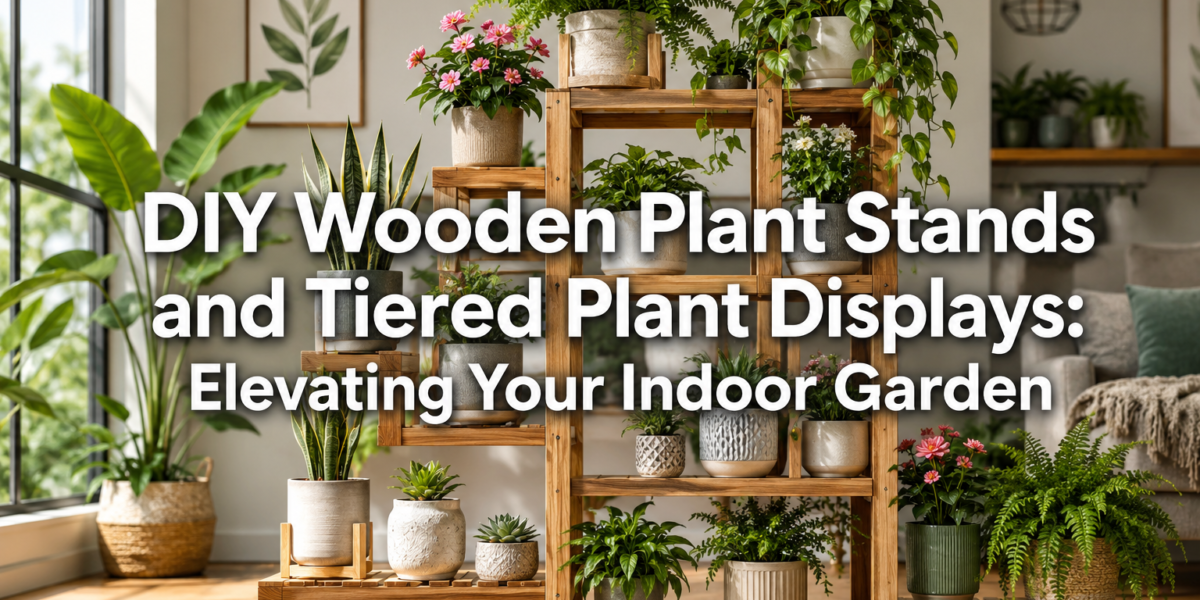
The average household in North America dedicates approximately 25% of its living space to plants, a figure that has steadily climbed over the past five years. This surge in indoor gardening underscores a growing need for creative, space-saving solutions to display botanical collections. Far beyond mere functional objects, DIY Wooden Plant Stands and Tiered Plant Displays: Elevating Your Indoor Garden offer an unparalleled opportunity to transform plant arrangements into integrated design elements, optimizing vertical space and infusing natural warmth into any interior. Crafting these pieces by hand not only provides a custom fit for your unique collection but also adds a deeply personal touch that mass-produced alternatives simply cannot replicate.
Key Takeaways
- Customization is Key: DIY wooden plant stands allow for bespoke designs that perfectly match your space and plant collection, unlike off-the-shelf options.
- Space Optimization: Tiered displays are particularly effective for maximizing vertical space, enabling more plants in smaller footprints.
- Aesthetic Enhancement: Wood adds natural warmth and texture, elevating the overall decor of your home.
- Skill Development: Undertaking these projects builds woodworking skills, from basic cuts to more advanced joinery.
- Sustainability: Using responsibly sourced or reclaimed wood contributes to environmentally conscious home decorating.
The Allure of DIY Wooden Plant Stands and Tiered Plant Displays
The appeal of crafting your own wooden plant stands and tiered displays stems from a blend of practicality and aesthetic desire. In an era where indoor plants have become essential components of home decor and well-being, displaying them effectively is paramount. Generic plastic or metal stands often fall short in durability, style, and customization. Wood, on the other hand, offers timeless elegance, natural warmth, and exceptional versatility, making it the material of choice for discerning plant enthusiasts and DIYers alike.
A well-designed wooden plant stand can do more than just hold a pot; it can elevate a plant to eye-level, allowing its unique foliage or blooms to be appreciated. Tiered displays multiply this effect, creating a lush, multi-dimensional garden within a compact area. This is especially beneficial for those with limited floor space, as vertical growth is often the only way to expand a plant collection without cluttering a room.
The process of building these stands also offers therapeutic benefits. From selecting the wood to the final finish, each step is an engaging activity that culminates in a tangible, beautiful, and functional item. It’s a chance to exercise creativity, learn new skills, and create something truly unique for your home.
Why Wood? Material Selection and Preparation
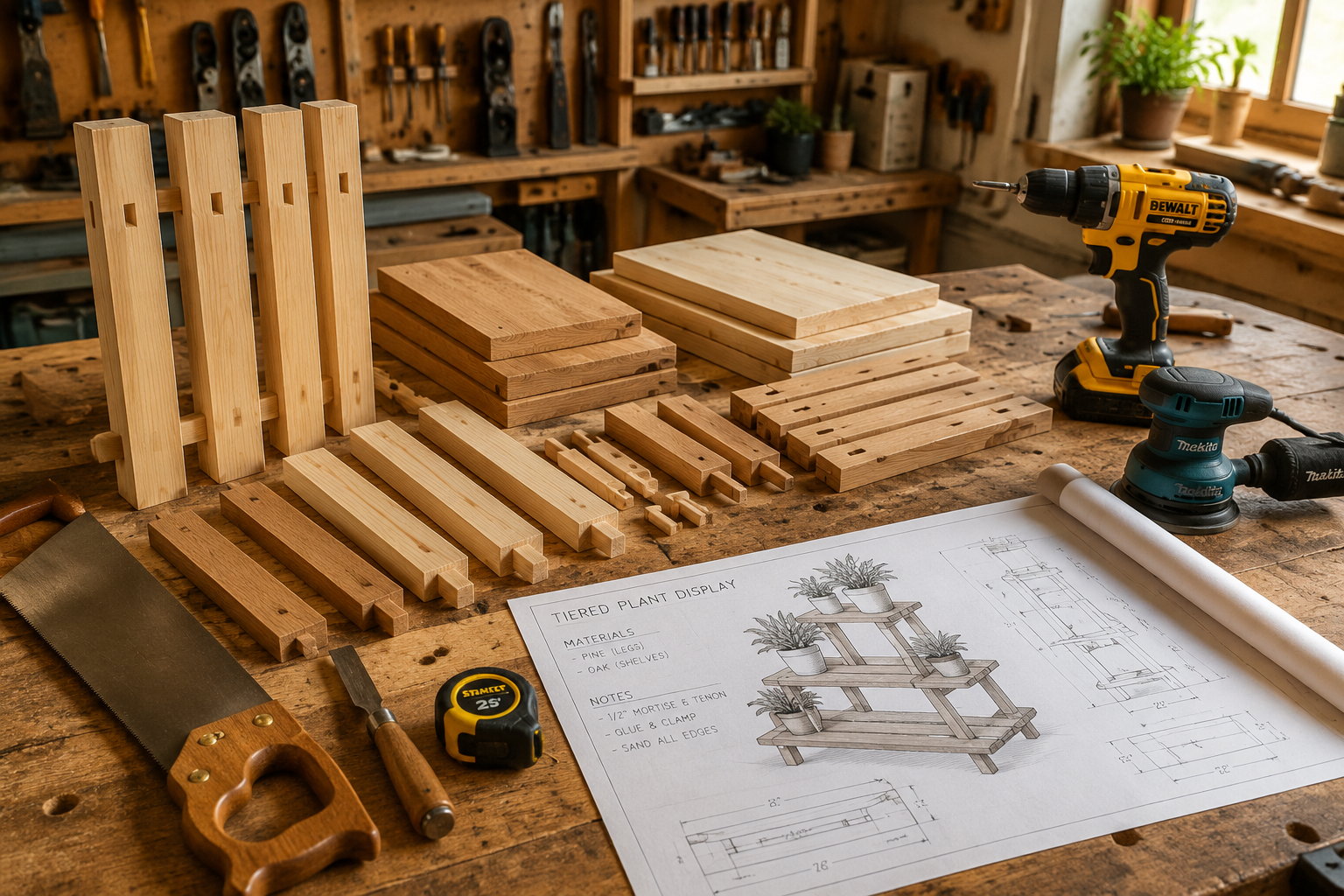
Choosing the right wood is fundamental to the success and longevity of your DIY project. Different wood types offer varying aesthetics, durability, and workability.
Common Wood Choices for Plant Stands:
- Pine: Readily available, affordable, and easy to work with. Ideal for beginners. It stains well and can be finished to mimic more expensive woods.
- Oak: Known for its strength, durability, and prominent grain. A classic choice for furniture, it offers a robust and timeless look. Requires more effort to cut and shape.
- Poplar: A hardwood that’s softer than oak, making it easier to work with. It has a fine, uniform grain and takes paint exceptionally well, making it suitable for painted designs.
- Cedar: Naturally resistant to rot and insects, making it an excellent choice for stands that might experience more moisture or be used in humid environments. It has a distinctive aroma.
- Reclaimed Wood: An eco-friendly and character-rich option. Sourcing Reclaimed and Salvaged Wood: Quality Assessment, Restoration, and Safe Handling provides valuable insights into finding and preparing these unique materials.
Once you have selected your wood, proper preparation is crucial. This includes:
- Measuring and Cutting: Accuracy is key. Use a quality tape measure, square, and saw (miter saw for precision crosscuts, circular saw for longer rips).
- Sanding: Start with a coarser grit (e.g., 80 or 100) to smooth rough surfaces and remove imperfections, then progress to finer grits (150, 220) for a silky-smooth finish. Proper sanding prepares the wood for optimal stain or paint absorption.
- Joinery Selection: Consider the type of joints that best suit your design and skill level.
- Butt Joints: Simple, but require screws or glue for strength.
- Pocket Hole Joints: Strong and hidden, made with a pocket hole jig.
- Dado or Rabbet Joints: Provide more surface area for glue, increasing strength, ideal for shelf supports.
- Dowel Joints: Offer good alignment and strength, requiring precision drilling.
For those looking to expand their woodworking repertoire, Power Tool Mastery for Decorative Wood Projects: Creating Professional Finishes on Cutting Boards, Serving Trays, and Wooden Clocks offers excellent guidance on refining your skills.
Designing Your DIY Wooden Plant Stands and Tiered Plant Displays for Function and Style
The beauty of a DIY approach lies in the complete freedom to design a plant stand that perfectly complements your home’s aesthetic and your plants’ needs. Before cutting any wood, spend time sketching and planning. Consider the dimensions of your pots, the mature size of your plants, and the available space.
Popular Design Concepts:
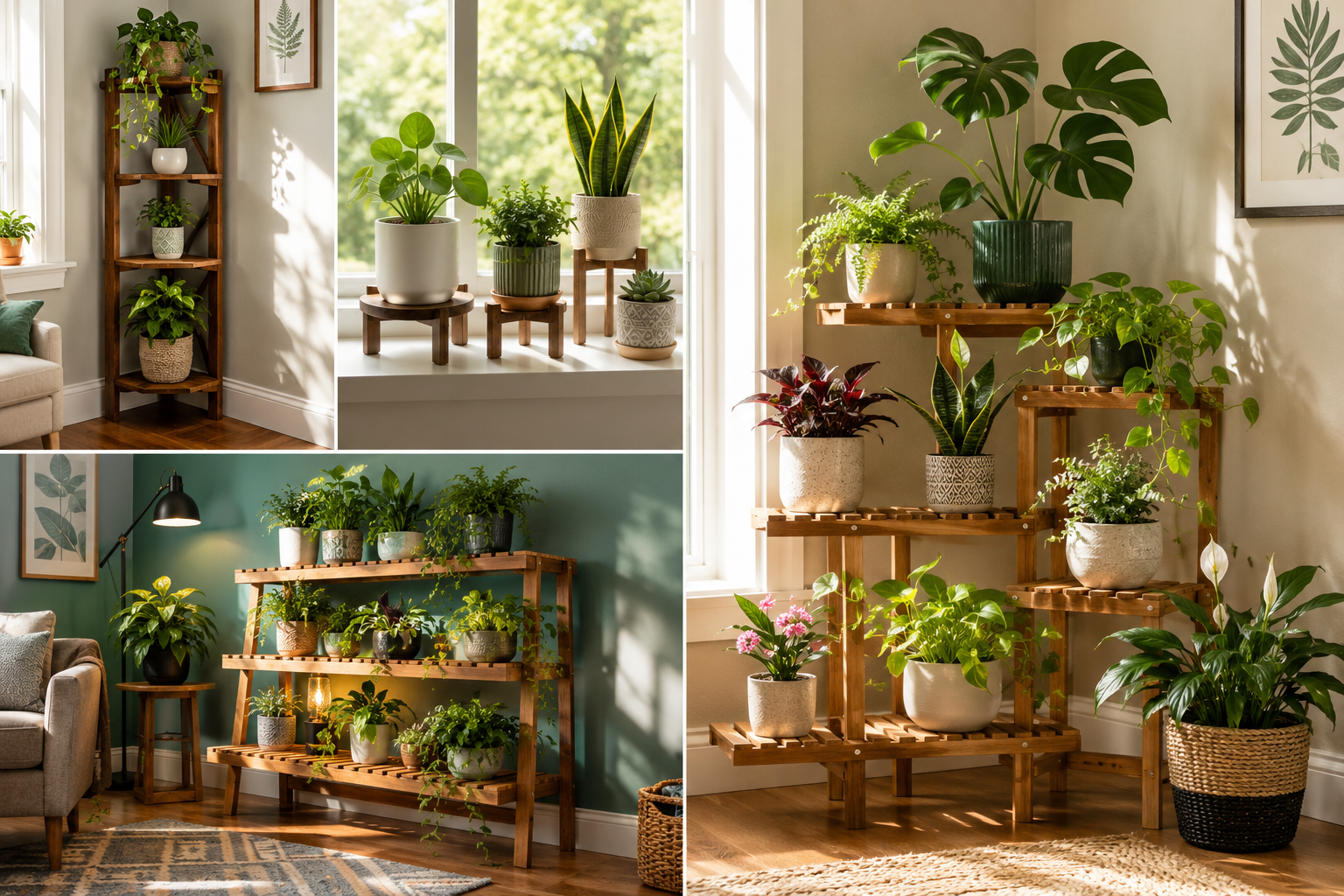
- Single Pedestal Stands: Simple, elegant, and perfect for showcasing a prized specimen. These can vary in height and tabletop size.
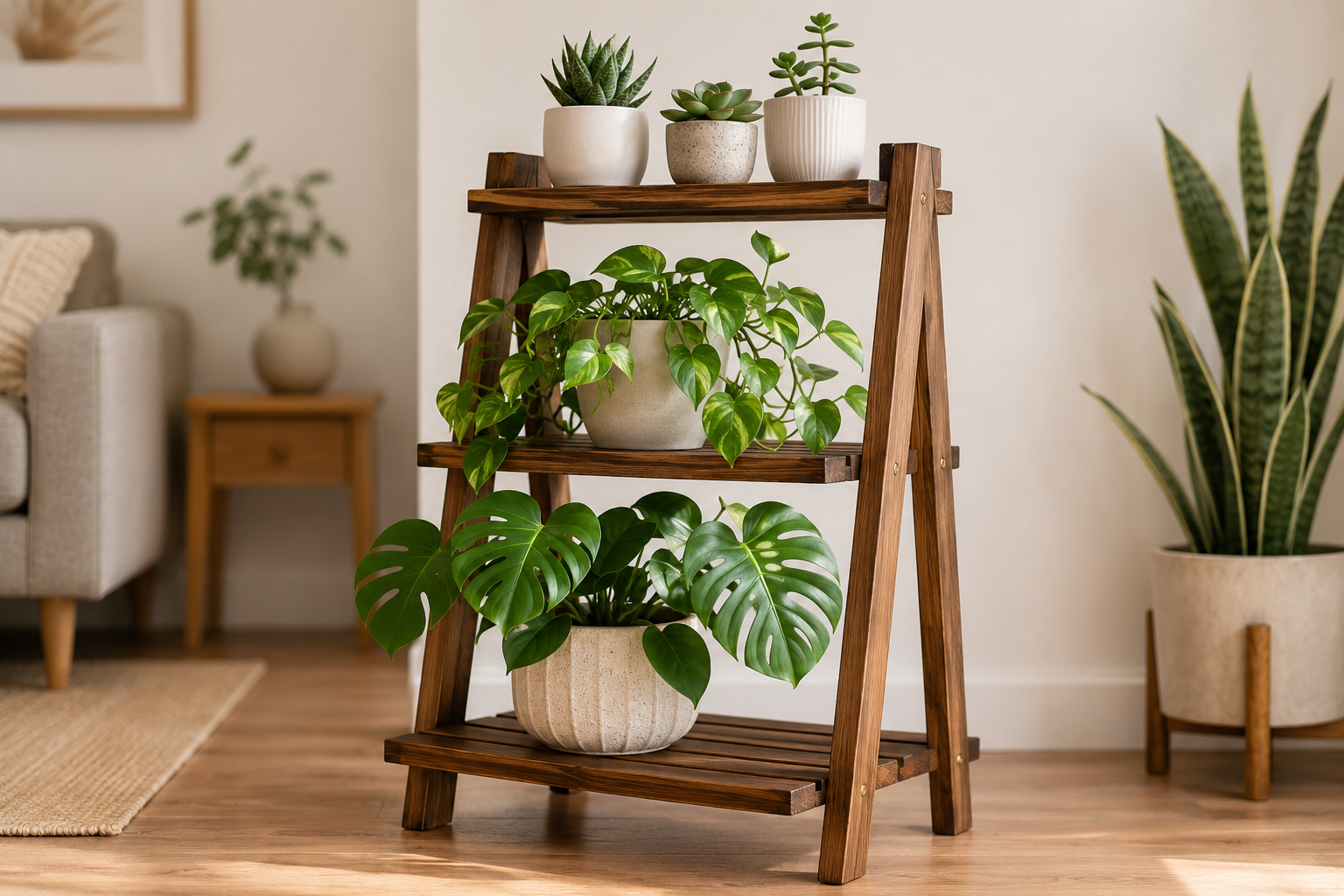
- Multi-Tiered Ladder Stands: A classic for small spaces, offering multiple levels for various plants. The stepped design ensures each plant receives adequate light.
- Corner Stands: Designed to fit snugly into a corner, these utilize often-unused space and can be tiered for maximum plant capacity.
- Window Shelf Units: Custom-built to fit within a window frame, these provide optimal light for sun-loving plants and free up floor space.
- Console Table with Integrated Shelving: A more substantial piece that doubles as furniture, offering display space for plants and other decor. For inspiration, see our guide on Console Tables That Wow: Build Sleek Entryway and TV Stand A.
Key Design Considerations:
- Stability: The stand must be sturdy enough to support the weight of pots, soil, and plants, especially when watered. Wider bases or well-braced structures are crucial.
- Water Drainage: Consider how excess water will be managed. Some designs incorporate trays or slatted shelves to prevent water damage to the stand or floor.
- Plant Height and Growth Habits: Taller plants need more head room, while trailing plants benefit from elevated positions. Arrange plants on a tiered display to ensure all receive light.
- Aesthetics: Match the stand’s style (rustic, modern, minimalist) with your existing home decor. Finishes play a significant role here.
- Portability: If you plan to move your plants frequently, consider a lighter design or one with wheels.
Finishing Touches: Protecting and Enhancing Your Woodwork
The finish you apply not only protects the wood but also significantly impacts the overall look of your DIY Wooden Plant Stands and Tiered Plant Displays. Given the proximity to water and soil, a durable, moisture-resistant finish is essential.
Popular Finishing Options:
- Stain: Enhances the natural grain of the wood and allows you to customize its color. Apply stain evenly and wipe off excess according to product instructions.
- Paint: Offers full color coverage, ideal for matching specific decor or achieving a vibrant, modern look. Use a primer for best adhesion and durability.
- Polyurethane: A highly durable and water-resistant topcoat, available in various sheens (matte, satin, gloss). Apply multiple thin coats, sanding lightly between coats for a smooth finish. This is an excellent choice for plant stands. For techniques, refer to our articles on Oak Wood Finishing Techniques or Unique Wood Finishing Techniques.
- Oil Finishes (e.g., Danish Oil, Tung Oil): Penetrate the wood, providing a natural-looking, water-resistant finish. They bring out the wood’s natural beauty and are easy to reapply for maintenance. Compare options with Danish Oil vs Linseed: The Ultimate Wood Finishing Guide.
- Wax: Can be used over oil finishes or bare wood for a soft luster and some protection. It requires periodic reapplication.
Always work in a well-ventilated area and follow safety guidelines for all finishing products.
Advanced Concepts and Space Optimization with DIY Wooden Plant Stands and Tiered Plant Displays
Once comfortable with basic designs, consider incorporating more advanced woodworking techniques and innovative concepts to further enhance your indoor garden. This journey into more complex DIY Wooden Plant Stands and Tiered Plant Displays not only hones your skills but also unlocks even greater potential for space efficiency and unique aesthetic statements.
Incorporating Advanced Joinery and Features
Moving beyond simple butt joints, exploring techniques like dovetails or mortise and tenon joints can significantly increase the strength, durability, and visual appeal of your plant stands. While these require more precision and specialized tools (or skilled hand-tool work), the resulting pieces are heirloom quality. For instance, mastering dovetail joinery for small drawers or hidden compartments could add functionality to your plant stand, perhaps for storing small gardening tools or plant food. Our guide on Mastering Dovetail Joinery for Drawers: Hand and Router Methods for Cabinet Builders can serve as a valuable resource.
Consider adding functional features:
- Integrated Lighting: Small LED grow lights can be discreetly built into the underside of shelves, providing supplementary light for lower-tier plants, especially in darker corners.
- Watering Systems: While more complex, some DIY enthusiasts integrate small, discreet drip systems or wicking trays to simplify plant care, particularly for multi-tiered displays.
- Adjustable Shelving: Design mechanisms that allow shelves to be repositioned, accommodating plants as they grow or allowing for seasonal display changes. This could involve using metal pins and pre-drilled holes, or a cleat system.
- Casters: Adding locking casters to larger, heavier tiered displays makes them easy to move for cleaning, repositioning, or optimizing light exposure throughout the day.
Optimizing Vertical and Horizontal Space
The core advantage of tiered displays is their ability to leverage vertical space. However, smart design can also optimize horizontal space.
Strategies for Space Optimization:
- Corner Units: Custom-built corner stands utilize otherwise dead space. A multi-level corner unit can hold a surprising number of plants without impeding traffic flow.
- Wall-Mounted Solutions: For truly minimal floor space, consider wall-mounted shelves or small, individual plant hangers crafted from wood. These can create a “living wall” effect. While not strictly “stands,” they share the aesthetic and space-saving principles. Our guide on Building Robust Floating Shelves: Advanced Fastening Systems and Load-Bearing Design offers relevant techniques.
- Modular Designs: Create individual stand components that can be reconfigured or stacked in various ways, adapting to changing plant collections or room layouts.
- Under-Window Benches: A low, wide wooden bench under a sunny window can serve as a display platform for numerous plants, often with storage underneath.
When designing for tight spaces, think about the visual impact. Slim, open designs tend to feel less bulky than solid, closed-off structures. Light-colored woods or painted finishes can also make a piece feel less imposing.
Sustainable Practices in DIY Plant Stand Construction
Embracing sustainability in your woodworking projects is increasingly important. When creating your DIY Wooden Plant Stands and Tiered Plant Displays: Elevating Your Indoor Garden, consider the environmental impact of your material choices.
- Reclaimed and Salvaged Wood: This is perhaps the most sustainable option. Repurposing old barn wood, pallets (ensure they are heat-treated, not chemically treated), or furniture components reduces waste and adds unique character. Beyond environmental benefits, reclaimed wood often possesses a rich history and patina that new wood cannot replicate. For comprehensive details on working with such materials, explore Sourcing and Restoring Urban Harvested and Reclaimed Wood: Quality, Character, and Sustainability.
- FSC-Certified Wood: If buying new lumber, look for Forest Stewardship Council (FSC) certified products, which guarantee the wood comes from responsibly managed forests.
- Low-VOC Finishes: Choose paints, stains, and sealants with low or zero volatile organic compounds (VOCs) to minimize indoor air pollution. Natural oil finishes are often good low-VOC options.
- Minimize Waste: Plan your cuts carefully to reduce scrap wood. Small offcuts can often be used for other projects, such as small Crafting Wooden Candle Holders: From Tealight Clusters to Sc or even Crafting Engraved Wooden Coasters: Laser and Hand Tool Techniques for Personalized Gifts.
By consciously selecting materials and processes, your DIY wooden plant stands become not just beautiful additions to your home but also testaments to sustainable craftsmanship.
Conclusion
Creating your own DIY Wooden Plant Stands and Tiered Plant Displays: Elevating Your Indoor Garden is a rewarding endeavor that merges practical woodworking with horticultural passion. From the initial design concept to the final protective finish, each step offers an opportunity to inject personal style and creativity into your living space. These custom-built structures not only address the critical need for space optimization in urban and compact dwellings but also serve as focal points that enhance the aesthetic appeal of your cherished indoor plants.
As you embark on these projects in 2026, remember that the journey itself is as fulfilling as the finished product. Embrace the process of selecting materials, learning new joinery techniques, and applying finishes. Whether you opt for a minimalist single stand or an intricate multi-tiered display, the satisfaction of crafting something beautiful and functional with your own hands is immense. Start with a simple design, gain confidence, and gradually explore more complex projects. Your indoor garden, elevated on custom wooden displays, will thrive, and your home will radiate a unique, natural elegance.
Actionable Next Steps:
- Assess Your Needs: Catalog your current plant collection, measure available space, and consider the lighting conditions in your desired plant display areas.
- Sketch Designs: Begin drawing basic concepts for stands or tiered displays that fit your specific requirements and aesthetic preferences.
- Choose Your Wood: Based on your design and skill level, select appropriate lumber (pine for beginners, oak for durability, reclaimed for character).
- Gather Tools: Ensure you have the necessary hand tools or power tools for cutting, shaping, and finishing.
- Start Building: Begin with a simple stand to build confidence, then progressively tackle more complex tiered displays.
- Apply a Durable Finish: Protect your creation with a moisture-resistant finish like polyurethane, stain, or oil.
Meta Title: DIY Wooden Plant Stands: Elevate Your Indoor Garden in 2026 Meta Description: Craft custom DIY wooden plant stands & tiered displays to maximize space & beauty. Elevate your indoor garden with unique designs in 2026.