
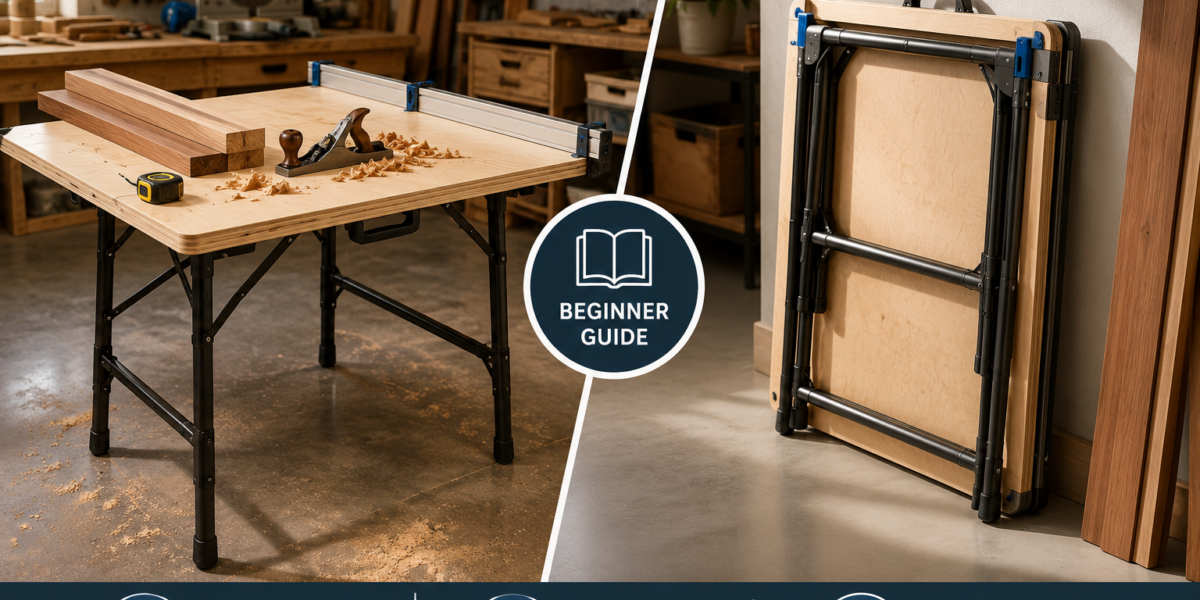
The persistent myth that serious woodworking requires a dedicated, expansive workshop with a permanent, heavy-duty workbench often discourages aspiring DIYers. In reality, many successful woodworkers, especially those just starting out or working in limited spaces, rely on versatile, portable solutions. This “Beginner’s Guide to Choosing Folding Tables for Woodworking: Work Surfaces, Assembly, and Finishing” aims to demystify how these adaptable tables can serve as indispensable assets, offering practical advice on selecting and optimizing them for various woodworking tasks, from initial cuts to final coats. Far from being a mere temporary stand, the right folding table can be a cornerstone of an efficient, flexible woodworking setup.
Key Takeaways
- Prioritize Stability and Load Capacity: For woodworking, a folding table’s ability to remain steady under force and support significant weight is paramount for safety and precision.
- Evaluate Work Surface Material: The tabletop material impacts durability, resistance to damage, and ease of modification. Plywood, MDF, and polyethylene each offer distinct advantages.
- Consider Portability vs. Rigidity: Balance the need for easy storage and transport with the requirement for a rigid, vibration-resistant work platform.
- Assess Assembly and Disassembly Ease: A table that sets up and folds down quickly and securely maximizes your working time and minimizes frustration.
- Plan for Versatile Use: Choose a table that can adapt to different stages of woodworking, from rough assembly to delicate finishing.
Essential Considerations for Woodworking Work Surfaces
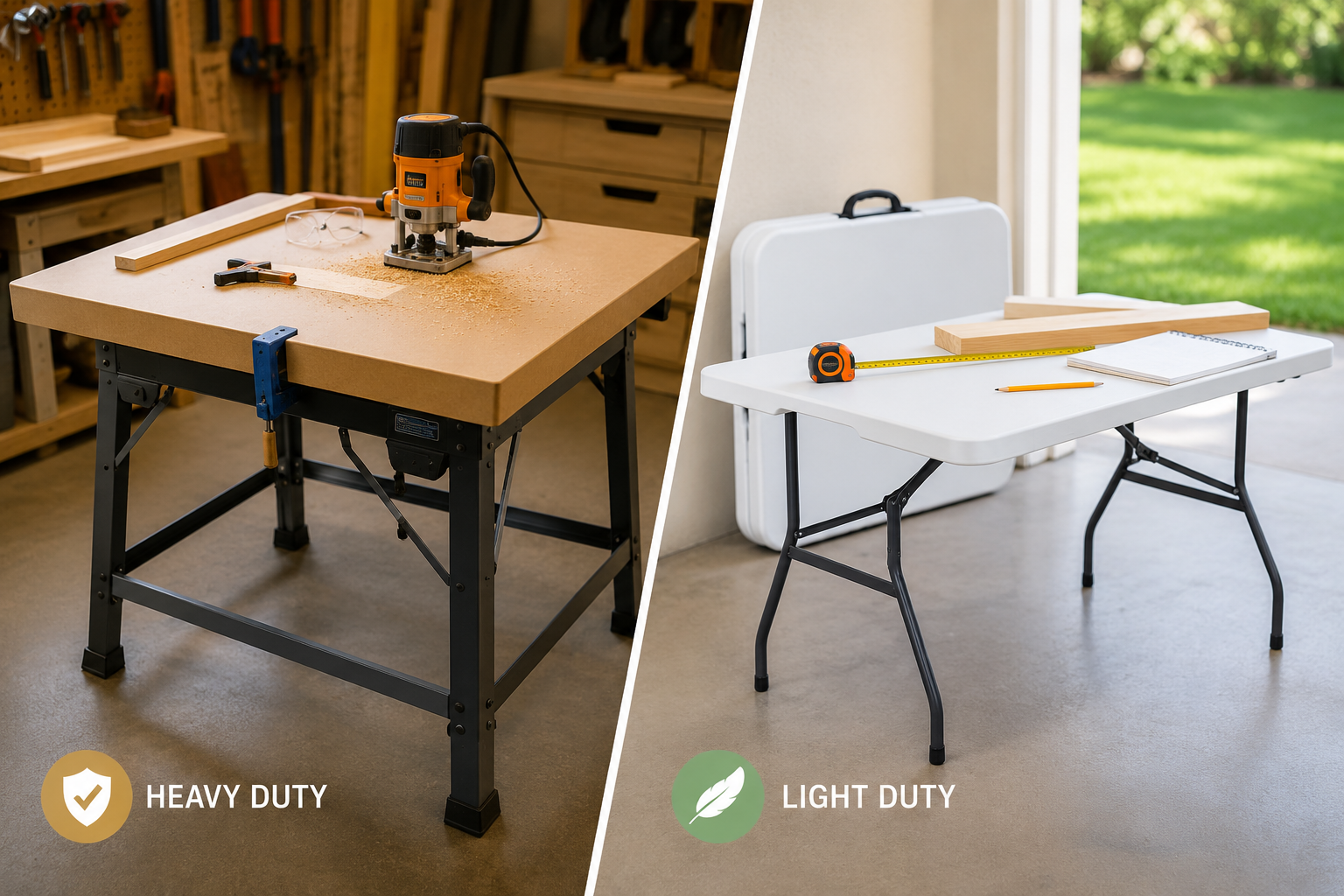
When selecting a folding table for woodworking, the work surface itself is arguably the most critical component. Unlike general-purpose tables, woodworking demands a surface that can withstand abuse, provide stability, and sometimes be modified. Understanding the types of materials and features is crucial for a beginner.
The primary function of a woodworking work surface is to provide a stable, flat platform for various operations. This includes measuring, cutting, routing, sanding, and assembly. A flimsy or uneven surface will compromise accuracy and safety. For this reason, a “Beginner’s Guide to Choosing Folding Tables for Woodworking: Work Surfaces, Assembly, and Finishing” must emphasize the importance of surface quality.
Work Surface Materials
Several materials are commonly used for folding table tops, each with pros and cons for woodworking:
- High-Density Polyethylene (HDPE): Often found on lightweight, general-purpose folding tables. HDPE is durable, easy to clean, and resistant to moisture and many chemicals. However, it can be slick, making clamping challenging, and it’s easily scratched or cut by woodworking tools. For light assembly or finishing where a protective layer is used, it can suffice.
- Plywood or MDF: Some heavy-duty folding tables feature plywood or Medium Density Fiberboard (MDF) tops. These offer excellent flatness and rigidity. Plywood is generally more robust and resistant to impact, while MDF provides a smoother, more consistent surface ideal for precision work. Both can be drilled, screwed, and clamped effectively. They are also relatively easy to replace if damaged.
- Solid Wood: Less common for folding tables due to weight, but some premium options exist. Solid wood provides an exceptional work surface that can be planed or sanded to renew, and it offers excellent grip for clamping. However, it is heavier and more susceptible to wood movement from humidity changes.
Key Features for a Woodworking Surface:
- Flatness: Essential for accurate cuts and assembly. Check for warps or dips before purchasing.
- Thickness: A thicker top generally means greater rigidity and better support for heavy tools or projects.
- Weight Capacity: Look for tables with a high static and dynamic load capacity. A table might support 300 lbs statically, but how much can it handle when you’re sawing or routing vigorously?
- Clamp Compatibility: Consider tables with edges that allow clamps to grip securely. Some tables have specific slots or holes for specialized clamping systems. For advanced work, consider exploring custom solutions like those detailed in our guide on t-track vs dog holes workbench essentials.
“A folding table’s surface should be seen as an extension of your tools, it needs to be reliable, flat, and ready for modification or protection as needed for each project.”
For beginners working on smaller projects, like profitable beginner woodworking: picture frames, cutting boards, a sturdy HDPE table with a sacrificial MDF or plywood overlay can be a cost-effective solution. This allows you to protect the main table while providing a customizable, clamp-friendly surface.
Assembly, Stability, and Adaptability for Woodworking Tasks
Beyond the work surface, the structure of a folding table, its legs, locking mechanisms, and overall design, determines its suitability for woodworking. Stability is paramount; a wobbling table is not only frustrating but dangerous, especially when using power tools. The ease of assembly and disassembly also plays a significant role for those with limited space who need to set up and pack away their workshop regularly.
Leg Construction and Locking Mechanisms
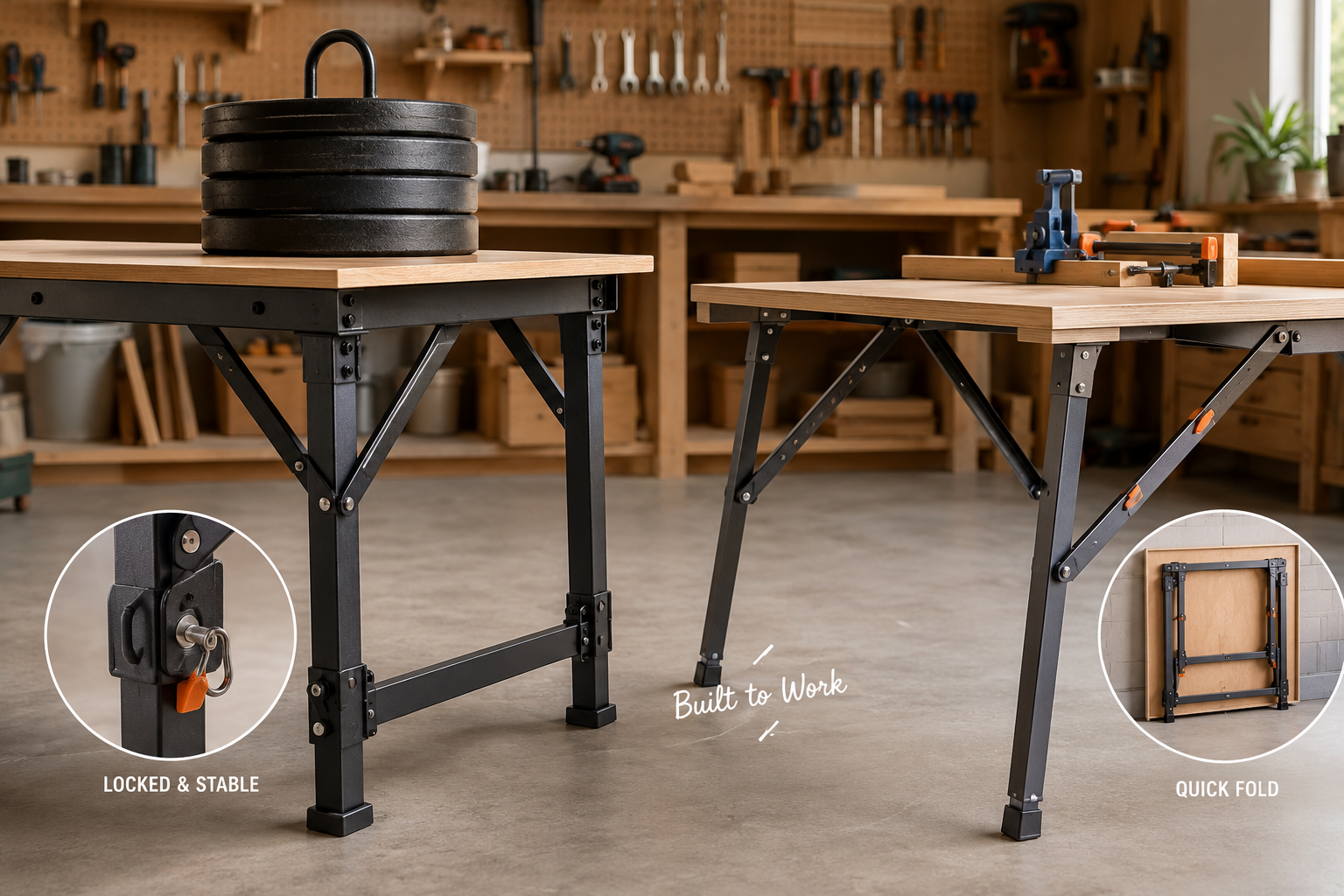
The strength and design of the legs directly impact the table’s stability. Steel legs are generally preferred over aluminum for their greater rigidity and load-bearing capacity. Look for:
- Robust Leg Diameter: Thicker legs offer better stability.
- Cross Bracing: Legs that are interconnected with cross braces provide significantly more stability, reducing wobble.
- Positive Locking Mechanisms: Ensure the legs lock securely in place when extended. A simple friction fit might be adequate for a picnic, but for woodworking, you need a solid, undeniable lock to prevent accidental collapse. Lever-style or spring-loaded pin locks are excellent.
- Adjustable Feet: Leveling feet are invaluable for achieving a stable, non-rocking surface on uneven garage floors or driveways.
Enhancing Stability and Rigidity
Even a well-built folding table can benefit from additional measures to enhance its stability for demanding woodworking tasks.
- Weighting the Table: Placing sandbags or heavy objects on the lower cross-braces can dramatically increase stability.
- Clamping to a Wall or Floor: If your setup allows, temporarily clamping the table to a fixed structure can make it rock-solid.
- Anti-Slip Pads: Rubber feet or anti-slip mats under the legs prevent the table from sliding on smooth floors.
- Sacrificial Top: Attaching a thicker MDF or plywood top not only protects the original surface but also adds weight and rigidity. This temporary top can be easily drilled, cut, and replaced as needed. Consider how this approach can be integrated when building a custom wood workbench.
Adaptability for Various Woodworking Projects
A good folding table for woodworking is versatile. It should be able to serve multiple roles:
- Primary Workbench: For smaller projects or in cramped spaces, it can be your main work surface.
- Outfeed Table: For table saws, a folding table can provide crucial support for long workpieces.
- Assembly Station: Its portability allows you to set it up near your project, making assembly easier.
- Finishing Station: A clean, dedicated surface for applying stains, paints, or varnishes.
- Tool Stand: For benchtop tools like planers, sanders, or even a small router table. For instance, a folding table can provide a stable base when mastering a router table for precision joinery.
Choosing a folding table that can seamlessly transition between these roles is key to maximizing its value in a beginner’s workshop, especially when dealing with smart workshop storage solutions for maximizing small spaces.
Optimizing for Finishing and Dedicated Woodworking Tasks
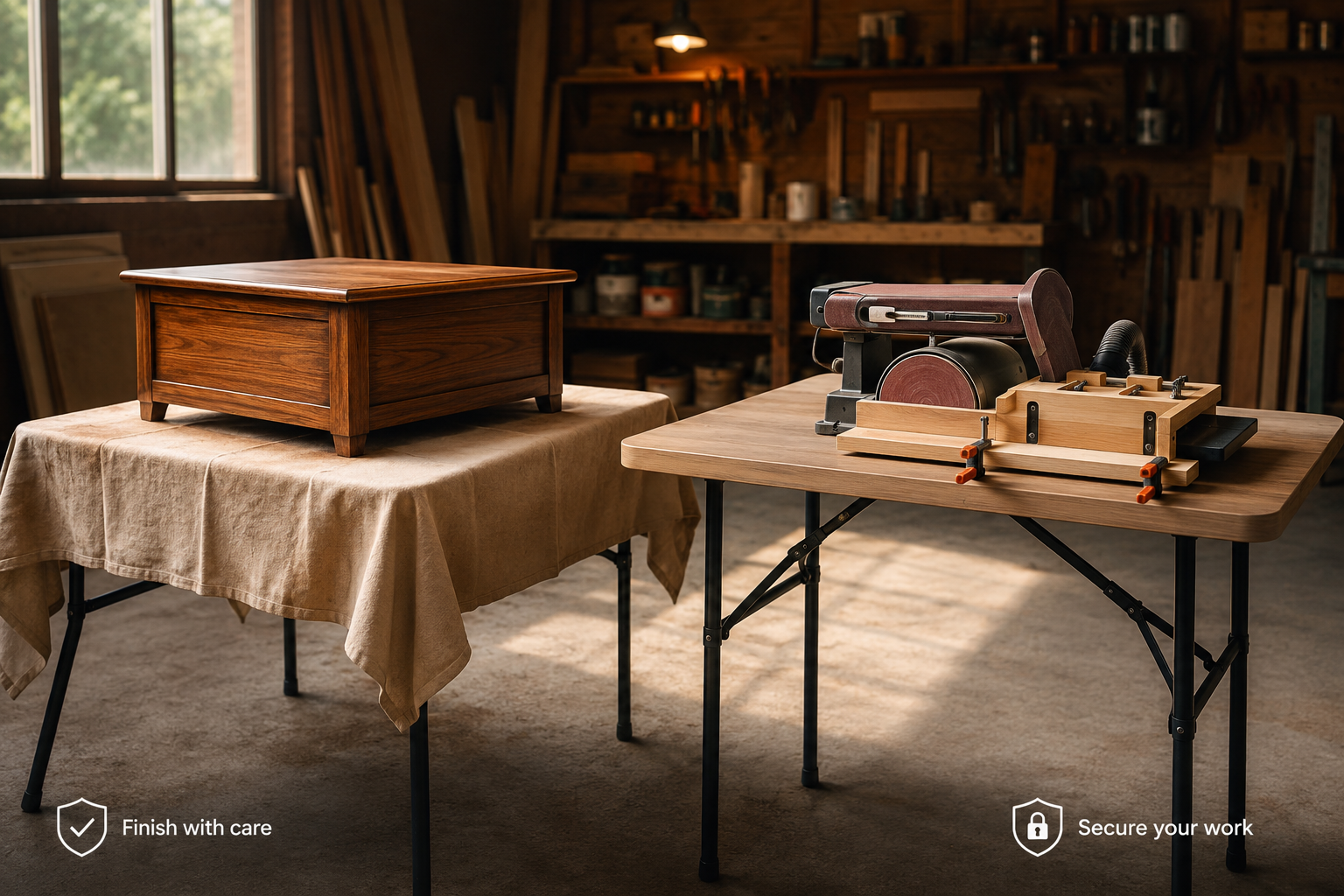
While a folding table’s primary role might be a general work surface, its potential for dedicated tasks like finishing, precise assembly, and even temporary tool mounting makes it invaluable for beginners. This section of the “Beginner’s Guide to Choosing Folding Tables for Woodworking: Work Surfaces, Assembly, and Finishing” focuses on how to set up your folding table for these specific applications.
Setting Up for Finishing
Finishing is where many woodworking projects truly come to life, but it requires a clean, stable, and often dedicated space.
- Cleanliness: Ensure your folding table is meticulously clean before starting any finishing process. Dust and debris are the enemies of a smooth finish.
- Protection: Always use a sacrificial layer on your table. Cardboard, newspaper, silicone mats, or plastic sheeting will protect the tabletop from spills and overspray. This is especially important for delicate tasks like applying maple wood finishing techniques.
- Elevated Stands/Blocks: Use small blocks or painter’s pyramids to elevate your workpiece slightly off the table. This allows you to finish all sides without touching the wet surface, preventing marring and ensuring even drying.
- Lighting: Good lighting is essential for identifying imperfections and ensuring even application of finishes. Position portable lights to illuminate your workpiece from multiple angles.
- Ventilation: If working with solvent-based finishes, ensure adequate ventilation, especially in a compact workshop.
Using for Precise Assembly
When assembling components, precision and stability are key. A folding table, when properly set up, can provide an excellent platform.
- Leveling: Double-check that your table is perfectly level using a spirit level. This prevents parts from sliding or glue from running unevenly.
- Clamping Strategy: Plan your clamping strategy. Ensure the table’s edges are accessible for various clamps. If using a sacrificial top, you can even drill dog holes for hold-downs, enhancing the table’s capability for mastering woodworking screws.
- Bench Dogs and Holdfasts: If your sacrificial top allows, integrating bench dogs or small holdfasts can significantly improve your ability to secure workpieces for gluing, doweling, or joinery.
Temporary Tool Mounting
For benchtop power tools, a sturdy folding table can serve as a temporary mounting station.
- Benchtop Planers/Jointers: Ensure the table’s weight capacity significantly exceeds the tool’s weight. Use clamps or bolts (through a sacrificial top) to secure the tool firmly.
- Small Router Tables: Many compact router tables are designed to be clamped to a workbench. A stable folding table can host these for precision routing tasks.
- Miter Saws: For occasional use, a robust folding table can provide a stable base for a small miter saw, especially when paired with temporary outfeed supports.
- Drill Press: Small benchtop drill presses can also be secured to a folding table, provided the table offers sufficient stability and vibration dampening.
By thoughtfully preparing and adapting your folding table, you can transform it from a simple surface into a specialized station for the intricate stages of woodworking. This adaptability is particularly beneficial for beginners who might be tackling diverse projects, from high-demand woodworking projects for 2026: coffee tables, wine racks to more intricate pieces.
Conclusion
Choosing the right folding table for your woodworking endeavors is a strategic decision that can significantly impact your efficiency, precision, and enjoyment, especially as a beginner. This “Beginner’s Guide to Choosing Folding Tables for Woodworking: Work Surfaces, Assembly, and Finishing” has highlighted that these tables are far more than just temporary platforms; they are versatile, space-saving workhorses when selected and optimized correctly. By prioritizing stability, understanding work surface materials, and considering the ease of assembly and adaptability, you can find a folding table that serves as a robust foundation for various tasks, from rough cuts to delicate finishing.
Don’t let the lack of a permanent, massive workbench deter your woodworking aspirations. With a well-chosen folding table, you can create a highly functional and flexible workspace that grows with your skills and projects. Embrace the portability and versatility to build, finish, and enjoy woodworking in any available space.
Actionable Next Steps:
- Assess Your Needs: Before buying, list the types of woodworking tasks you primarily intend to perform (e.g., sanding, assembly, small cuts, finishing).
- Check Specifications: Look for tables with high weight capacity, sturdy leg construction (steel is often preferred), and positive locking mechanisms.
- Consider a Sacrificial Top: Plan to add a removable MDF or plywood overlay to protect the table and allow for drilling, clamping, and easy replacement.
- Invest in Clamps and Accessories: Good clamps are essential for securing workpieces and enhancing table stability. Consider painter’s pyramids for finishing.
- Test for Stability: Once purchased, set up your table and test its stability under simulated working conditions before starting a critical project.
SEO Meta Title: Beginner’s Guide: Choosing Folding Tables for Woodworking SEO Meta Description: Learn how to choose folding tables for woodworking. This guide covers work surfaces, assembly, stability, and finishing for beginners in 2026.