

The woodworking landscape in 2026 presents a unique opportunity for both hobbyists and aspiring entrepreneurs. Amidst complex, large-scale furniture builds, a niche thrives for simpler, high-demand items that require minimal investment and offer significant returns. Discover how to build simple serving trays and bath trays, quick, beginner-friendly projects that consistently rank among the most profitable small woodworking items for sale. These projects are not only accessible for those new to woodworking but also appeal to a broad consumer base looking for functional and aesthetically pleasing home accessories. This guide will explore the tools, techniques, and market strategies to help you master “Beginner-Friendly Serving Trays and Bath Trays: Fast Builds That Sell as High-Margin Woodworking Projects.”
Key Takeaways
- Serving and bath trays are excellent entry points for new woodworkers due to their straightforward design and manageable scale.
- These projects require minimal tools and materials, making them cost-effective to produce.
- The demand for custom, handcrafted home goods ensures a steady market for these items, commanding high-profit margins.
- Proper wood selection and finishing are crucial for both aesthetics and durability, directly impacting market value.
- Effective marketing through online platforms and local craft fairs can maximize sales and profitability.
Why Beginner-Friendly Serving Trays and Bath Trays Are Ideal Woodworking Projects
The appeal of building serving trays and bath trays lies in their elegant simplicity and high utility. Unlike intricate furniture pieces, these projects typically involve basic cuts, joinery, and finishing, making them perfect for individuals just starting their woodworking journey. The inherent value of these items, both as functional pieces and decorative accents, ensures they are consistently sought after by consumers.
From a practical standpoint, the material requirements are modest. Often, a single board of a desirable hardwood can yield multiple trays, optimizing material usage and reducing waste. The small size of these projects also means they can be built in compact workshops, eliminating the need for extensive space or large, specialized machinery. This accessibility directly translates into lower overheads, making them inherently high-margin projects.
Consider the diverse applications: a beautifully crafted serving tray can elevate a morning coffee ritual or organize a living room ottoman. A well-designed bath tray transforms an ordinary bathroom into a spa-like retreat, holding books, candles, or toiletries. These are items that enhance daily living, making them attractive purchases for self-indulgence or thoughtful gifts.
Market Demand and Profitability
The market for handcrafted home goods remains robust in 2026. Consumers are increasingly valuing unique, artisan-made products over mass-produced alternatives. Serving trays and bath trays fit perfectly into this trend, offering both functionality and a touch of bespoke charm.
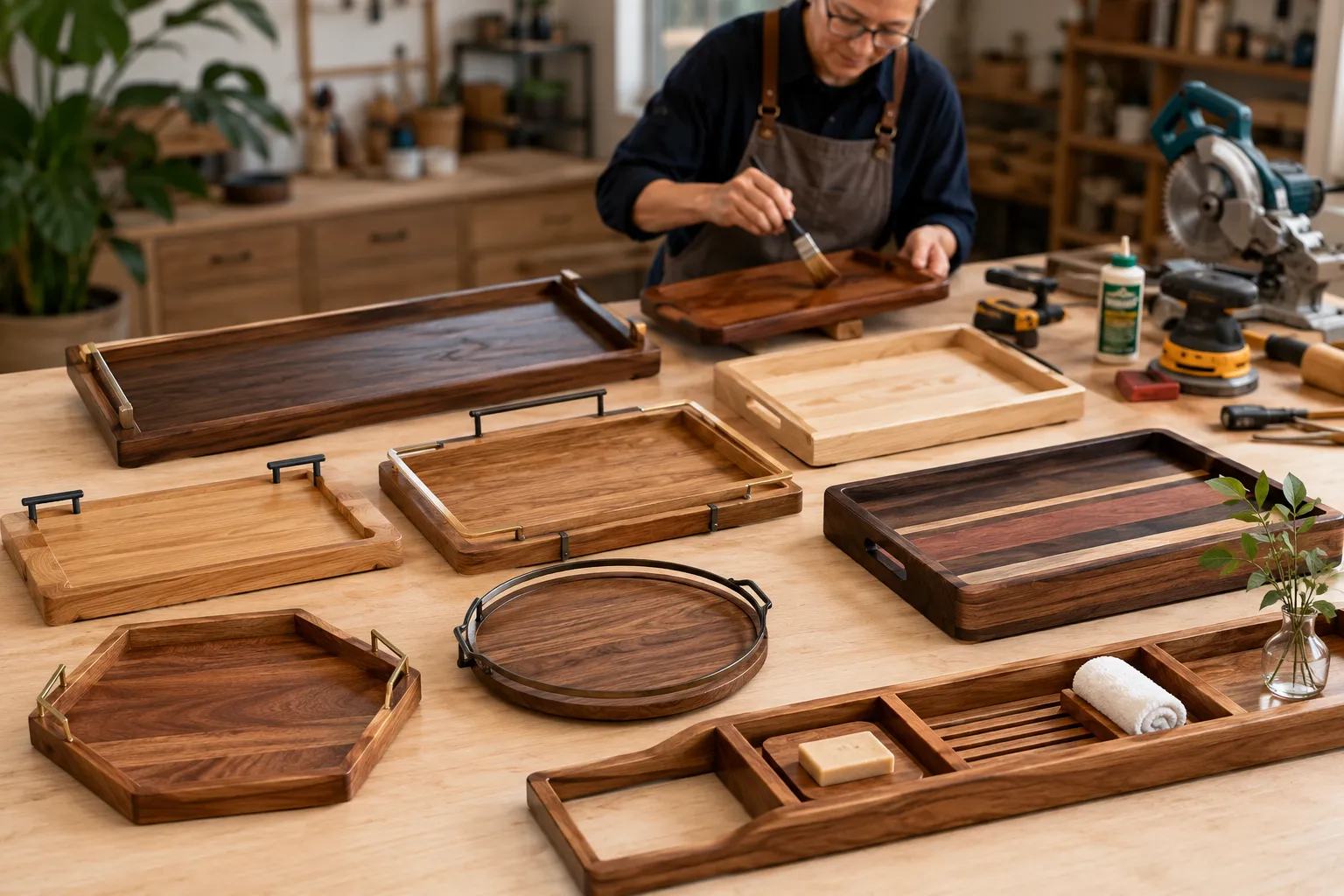 The profitability stems from several factors:
- Low Material Costs: Utilizing readily available and often smaller pieces of wood keeps material expenses down. Hardwoods like maple, cherry, walnut, or even attractive softwoods like pine or cedar can be used effectively.
- Efficient Build Times: Most trays can be completed in a few hours, allowing for higher production volume and quick turnaround times. This is particularly beneficial for selling at craft fairs or fulfilling online orders.
- Perceived Value: The quality of natural wood, combined with a skilled finish, significantly increases the perceived value of the product, allowing for premium pricing.
- Versatile Appeal: These trays appeal to a wide demographic, from individuals looking to organize their homes to those seeking unique gifts.
For woodworkers seeking to monetize their skills, these projects offer a clear path to profitability. They serve as an excellent foundation for understanding market dynamics, refining craftsmanship, and building a portfolio of sellable items. For more ideas on profitable items, explore other profitable woodworking for beginners: building and selling high-demand small projects under $50 in materials.
Essential Tools and Techniques for Beginner-Friendly Serving Trays and Bath Trays
Crafting “Beginner-Friendly Serving Trays and Bath Trays: Fast Builds That Sell as High-Margin Woodworking Projects” doesn’t require an arsenal of expensive equipment. A modest collection of essential hand and power tools will suffice, making these projects approachable for new woodworkers.
Recommended Tools
For basic tray construction, the following tools are highly recommended:
- Circular Saw or Miter Saw: For making straight, accurate crosscuts and rip cuts for the main tray base and sides. A miter saw offers excellent precision for repetitive cuts.
- Router (with a Roundover Bit): Essential for adding decorative and comfortable edges, preventing sharp corners, and giving a professional, finished look.
- Orbital Sander: For achieving smooth surfaces, crucial for a high-quality finish. Various grits of sandpaper will be needed, from coarse to very fine.
- Clamps: Indispensable for holding pieces together during gluing and assembly, ensuring strong joints.
- Wood Glue: High-quality wood glue is critical for durable joints.
- Measuring Tape, Pencil, and Square: For accurate layout and marking.
For those looking to enhance their small workshop, consider a building a compact multi-functional woodworking bench for apartment dwellers to optimize space and efficiency.
Simple Tray Construction Techniques
The beauty of trays lies in their simplicity. Most designs involve a flat base with four sides attached, often using butt joints or simple dadoes.
- Material Selection: Choose attractive wood with good grain patterns. Domestic hardwoods like maple, cherry, or walnut are popular choices. Consider contrasting wood types for aesthetic appeal. For bath trays, ensure the wood is naturally water-resistant or can be properly sealed.
- Cutting Components: Precisely cut the base to your desired dimensions. Then, cut the four side pieces. For butt joints, ensure the end grain of the short sides is covered by the long sides for a cleaner look, or vice-versa, depending on your design.
- Joinery:
- Butt Joints: The simplest method. Apply wood glue to the mating surfaces and clamp securely. Reinforce with small brad nails or screws if desired, though glue alone can be very strong.
- Dado Joints: For a slightly stronger and more refined joint, cut shallow dadoes (grooves) into the long sides to accept the ends of the short sides. This offers more gluing surface and alignment.
- Rabbet Joints: Similar to dadoes, a rabbet is a cut along the edge or end of a board to create a step, allowing another piece to fit flush.
- Sanding: Thorough sanding is non-negotiable. Start with a coarser grit (e.g., 80 or 100), then progressively move to finer grits (120, 150, 180, 220). This removes mill marks and prepares the surface for finishing. Beyond basic sanding: achieving a flawless finish with progressive grits and finishing techniques offers more advanced tips.
- Adding Handles (Optional): Many serving trays benefit from handles. These can be routed directly into the sides, or purchased metal/wood handles can be attached.
- Finishing: The right finish not only protects the wood but also enhances its natural beauty and marketability.
- Food-Safe Finishes: For serving trays, a food-safe oil (like mineral oil, walnut oil, or a specialized butcher block oil/wax blend) is crucial. These penetrate the wood, offering protection while maintaining a natural feel.
- Water-Resistant Finishes: For bath trays, a more robust, water-resistant finish is recommended. Polyurethane, spar varnish, or epoxy are good choices to protect against moisture and humidity. However, ensure they are non-toxic if they will be near bath water.
- Stains and Dyes: To alter the wood’s color, apply a stain or dye before the topcoat. Always test on a scrap piece first.
- Eco-Friendly Options: Consider sustainable wood finishing: eco-friendly oils, waxes, and natural stains for healthier projects to appeal to environmentally conscious buyers.
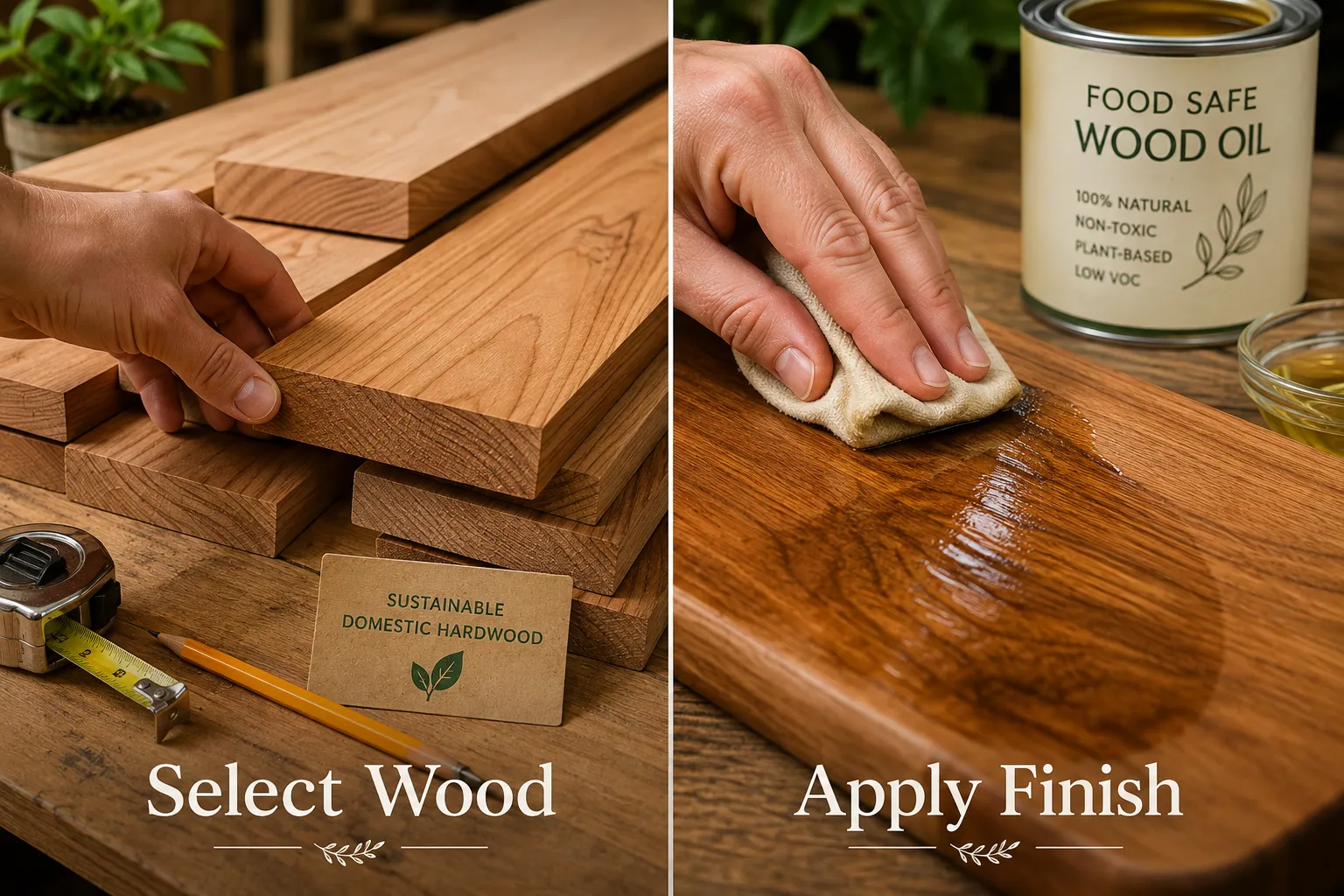 Consistency in technique and attention to detail, even on simple projects, is what transforms a basic build into a high-margin product.
Marketing and Selling Your High-Margin Woodworking Projects
Once you’ve honed your skills in creating “Beginner-Friendly Serving Trays and Bath Trays: Fast Builds That Sell as High-Margin Woodworking Projects,” the next step is to effectively market and sell them. The goal is to maximize your profit margins by reaching the right audience and showcasing the value of your handcrafted items.
Pricing Your Trays
Determining the right price is crucial for profitability. A common formula involves calculating material costs, adding an hourly rate for your labor, and factoring in overhead (tools, sandpaper, finishes, market fees).
Example Pricing Breakdown:
| Cost Category | Estimated Value | Notes |
|---|---|---|
| Materials | $5 – $15 per tray (wood, glue, sandpaper, finish) | Varies by wood species and size |
| Labor | 1-3 hours per tray @ $20-$30/hour | Adjust based on skill level and speed |
| Overhead | 10-20% of material + labor | Accounts for tool wear, utilities, marketing |
| Wholesale Price | Sum of above, typically 50% of retail | For selling to retailers |
| Retail Price | 2x – 3x Material + Labor + Overhead (e.g., $40 – $120) | Aim for a price that reflects quality and market demand |
Remember to research competitor pricing for similar quality items to ensure your prices are competitive yet profitable.
Channels for Selling
Several avenues exist for selling your trays, each with its advantages:
- Local Craft Fairs and Markets: These offer direct interaction with customers, allowing you to tell the story behind your creations. The immediate feedback and cash sales can be highly motivating. Display your trays attractively, highlighting their uses and quality.
- Online Marketplaces (Etsy, Shopify, Amazon Handmade): These platforms provide access to a global audience. High-quality product photography is paramount here. Detailed descriptions, clear dimensions, and honest representations of the wood grain are essential. Explore strategies for woodworking projects that sell: a beginner’s guide to profitable craft show items for more inspiration.
- Local Boutiques and Home Goods Stores: Approach local businesses that align with your product’s aesthetic. They might be interested in wholesale partnerships or consignment agreements.
- Social Media: Platforms like Instagram and Pinterest are visual goldmines for showcasing woodworking projects. Use compelling photos and videos, engage with your audience, and direct them to your sales channels.
- Custom Orders: As your reputation grows, you may receive requests for custom sizes or wood types, which often command higher prices.
Photography and Presentation
In the competitive market of handmade goods, high-quality photography is your silent salesperson.

- Lighting: Natural daylight is often best. Avoid harsh shadows or direct sunlight that washes out details.
- Staging: Arrange your trays in appealing settings. For serving trays, place a coffee cup, a small plant, or a book on them. For bath trays, show them with candles, a bath bomb, or a glass of wine.
- Angles: Take photos from multiple angles, including close-ups of the wood grain and joinery.
- Consistency: Maintain a consistent style across all your product photos to build a cohesive brand image.
By combining efficient production with strategic marketing, your “Beginner-Friendly Serving Trays and Bath Trays: Fast Builds That Sell as High-Margin Woodworking Projects” can become a steady and rewarding source of income.
Conclusion
Mastering “Beginner-Friendly Serving Trays and Bath Trays: Fast Builds That Sell as High-Margin Woodworking Projects” offers an accessible and profitable entry point into the world of woodworking. These projects, characterized by their simple designs, minimal material requirements, and high consumer demand, provide an excellent opportunity for new woodworkers to develop their skills and generate income. By focusing on quality craftsmanship, selecting appropriate finishes, and employing effective marketing strategies, you can transform a hobby into a thriving venture. The satisfaction of creating beautiful, functional items that resonate with customers, combined with the financial rewards, makes these trays an ideal choice for anyone looking to make profitable use of their workshop in 2026.
Actionable Next Steps:
- Start Small: Begin with a basic serving tray design using readily available wood to familiarize yourself with the process.
- Invest in Essentials: Acquire the core tools recommended (circular saw/miter saw, router, orbital sander, clamps) if you don’t already own them.
- Practice Finishing: Experiment with different food-safe and water-resistant finishes on scrap wood to find what works best for your chosen wood and application.
- Build a Portfolio: Create 3-5 distinct trays, varying in wood type or design, to showcase your capabilities.
- Market Your Creations: Take high-quality photos and explore selling platforms, starting with local craft fairs or an online marketplace like Etsy.
SEO Meta Title: Build & Sell Beginner-Friendly Wood Trays: High-Margin Projects SEO Meta Description: Discover how to build beginner-friendly serving trays and bath trays, fast woodworking projects that sell as high-margin items in 2026.