
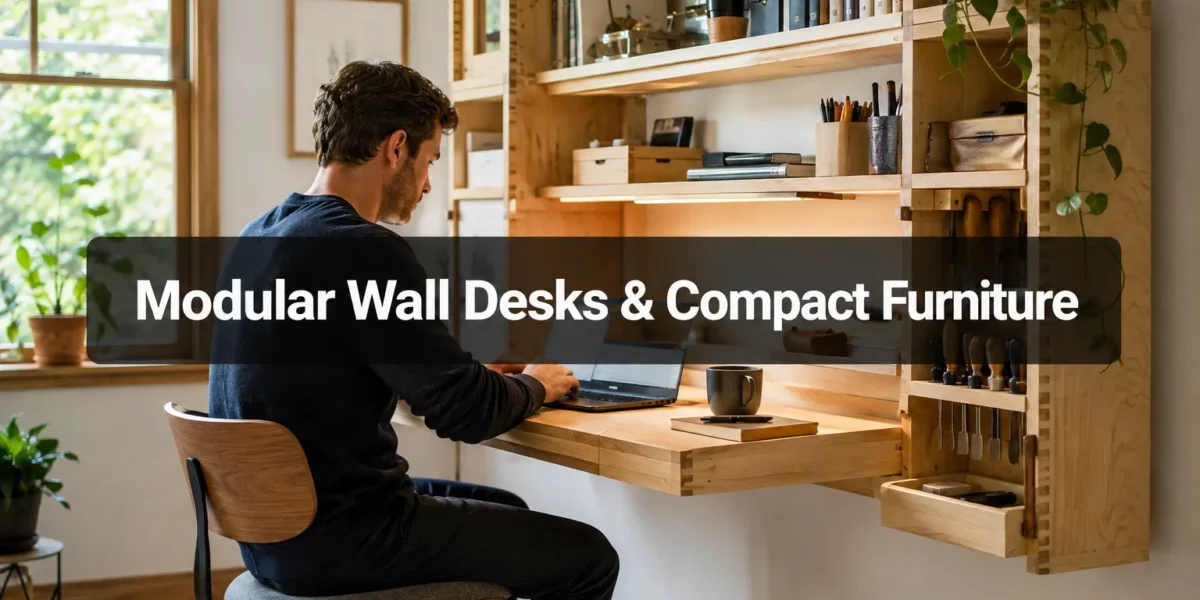
The year 2026 has witnessed a significant shift in how professionals and hobbyists approach their workspaces, especially within the constraints of urban living and hybrid work models. Trend analyses for 2026 reveal a surge in demand for modular wall-mounted desk systems and space-saving organizers, as makers and remote workers increasingly seek efficient, flexible solutions for their small workshops and home offices. The challenge of maximizing limited square footage while maintaining productivity and organization has led to innovative designs in compact furniture. This article explores the benefits, design considerations, and practical applications of modular wall-mounted desks and compact furniture solutions, empowering individuals to create highly functional and aesthetically pleasing workspaces, even in the smallest of environments.
Key Takeaways
- Modular wall-mounted desks are essential for maximizing space and creating flexible, adaptable work zones in small workshops and home offices.
- Customization is key; choosing or building systems that allow for reconfigurable components optimizes workflow and storage for specific needs.
- Ergonomics and lighting must be prioritized in compact setups to ensure comfort, prevent strain, and enhance productivity.
- Integrating smart storage solutions like pegboards, magnetic strips, and hidden compartments is crucial for maintaining an organized and clutter-free environment.
- The right materials and durable construction are vital for longevity and functionality, especially in active workshop settings.
The Imperative for Space-Saving: Why Modular Wall-Mounted Desks and Compact Furniture Solutions are Essential
The realities of modern living often dictate smaller living spaces, making traditional large desks and sprawling workbenches impractical for many. This is particularly true for home offices that double as guest rooms or living areas, and for small workshops tucked into garages, basements, or spare corners. The primary benefit of [modular wall-mounted desks and compact furniture solutions for small workshops and home offices] lies in their ability to reclaim valuable floor space. By utilizing vertical areas, these solutions free up square footage, making rooms feel larger and more open.
Consider a woodworking hobbyist living in an apartment. A traditional workbench might be out of the question due to size. A wall-mounted folding workbench, however, can provide a sturdy surface when needed and disappear flat against the wall when not in use. Similarly, a remote professional can benefit from a wall-mounted desk that offers a dedicated workspace without permanently occupying a room. The flexibility of these systems means they can adapt to various needs, from a temporary craft station to a permanent computer setup.
Furthermore, modularity allows for unparalleled customization. Unlike fixed furniture, modular components can be rearranged, added, or removed as needs evolve. A wall system might start with a simple desk surface and a few shelves, but can later expand to include tool storage, filing cabinets, or even a specialized station for electronics or crafts. This adaptability is invaluable for those whose work or hobbies change over time, offering a future-proof solution.
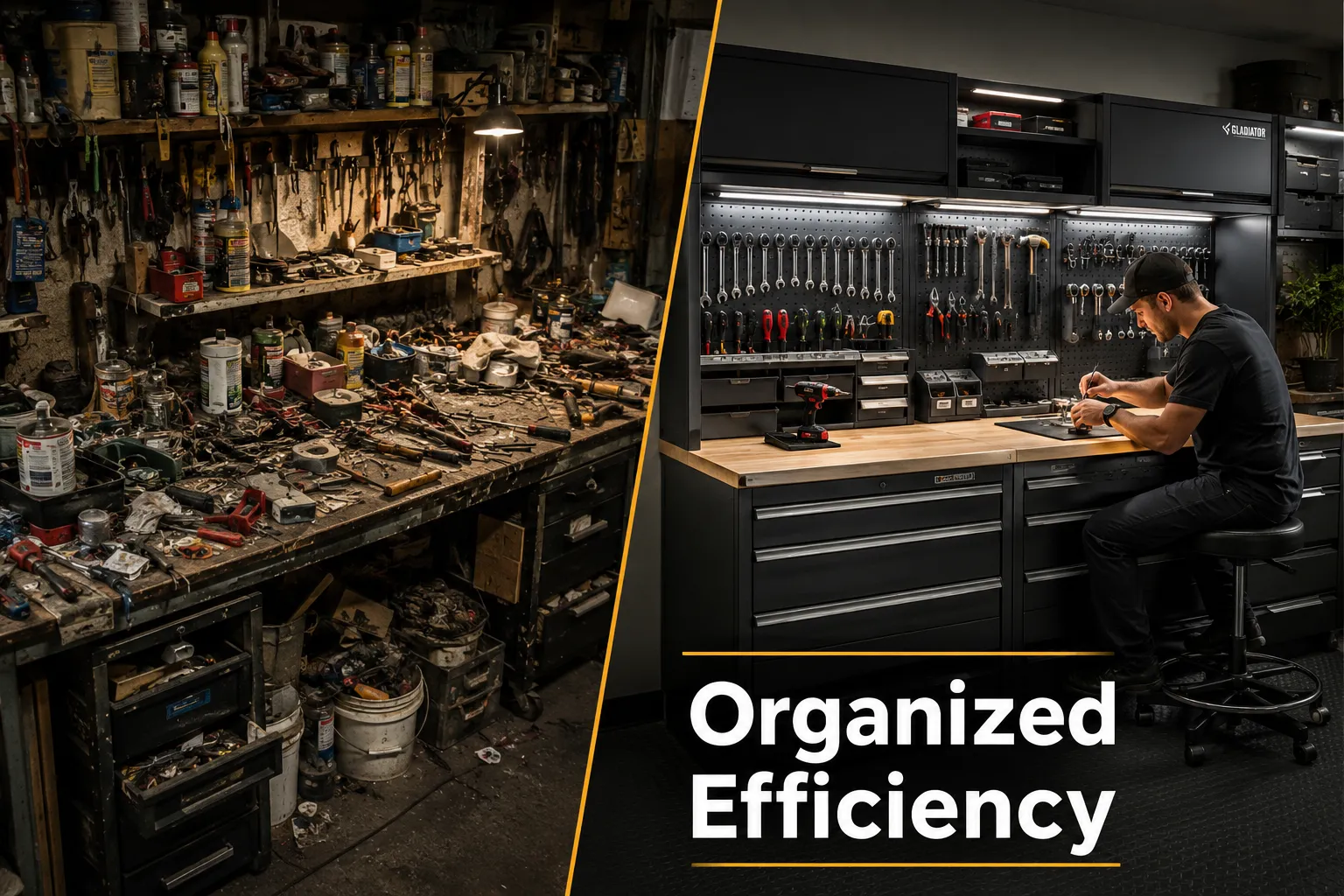
A well-designed compact workspace can significantly enhance productivity. Clutter is a major distraction, and small spaces are particularly prone to it. Modular wall-mounted systems naturally encourage organization by providing dedicated homes for tools, materials, and office supplies. When everything has its place, workflow becomes smoother, and time is saved searching for misplaced items. This thoughtful organization is not just about aesthetics; it directly impacts efficiency and reduces frustration. For more ideas on efficient layouts, consider exploring resources on Creating Ergonomic Workshop Layouts Maximizing Space And Workflow In Small To Medium Sized Woodworking Shops.
Benefits of Wall-Mounted and Compact Designs
- Maximizes Floor Space: Frees up floor area, making small rooms feel larger and more functional.
- Enhanced Organization: Provides dedicated storage, reducing clutter and improving workflow.
- Customization and Flexibility: Components can be rearranged, added, or removed to suit changing needs.
- Versatility: Adaptable for various uses, from crafting to computer work to light manufacturing.
- Improved Aesthetics: Creates a clean, minimalist look, reducing visual clutter.
Designing and Building Your Ideal Modular Wall-Mounted Desk and Compact Furniture Solution
Crafting the perfect modular wall-mounted desk and compact furniture solution requires careful planning and consideration of several key factors. The goal is to create a system that not only saves space but also enhances productivity and comfort.
Assessing Your Space and Needs
Before embarking on any design or build, thoroughly assess your available wall space and specific requirements.
- Measure Accurately: Determine the exact dimensions of the wall you intend to use. Note any obstructions like windows, doors, or electrical outlets.
- Define Primary Function: Is this primarily for computer work, crafting, woodworking, or a mix? This will dictate the size of the desk surface, the type of storage needed, and whether specialized features like tool hangers or power strips are required.
- Inventory Your Tools/Supplies: Make a detailed list of everything you need to store. This helps in planning shelves, drawers, and specialized organizers. For large items, consider integrating smart storage and organization solutions. See our guide on Integrating Smart Storage And Organization With Bespoke Wooden Solutions For Modern Garages And Workshops.
- Consider Ergonomics: How tall do you need your desk to be for comfortable sitting or standing? Will you need adjustable components? An ergonomic setup is crucial to prevent strain and improve focus. Refer to Creating Ergonomic Workshop Furniture Building Custom Workbenches Stools And Storage To Prevent Strain And Increase Productivity for more detailed insights.
Key Components of a Modular System
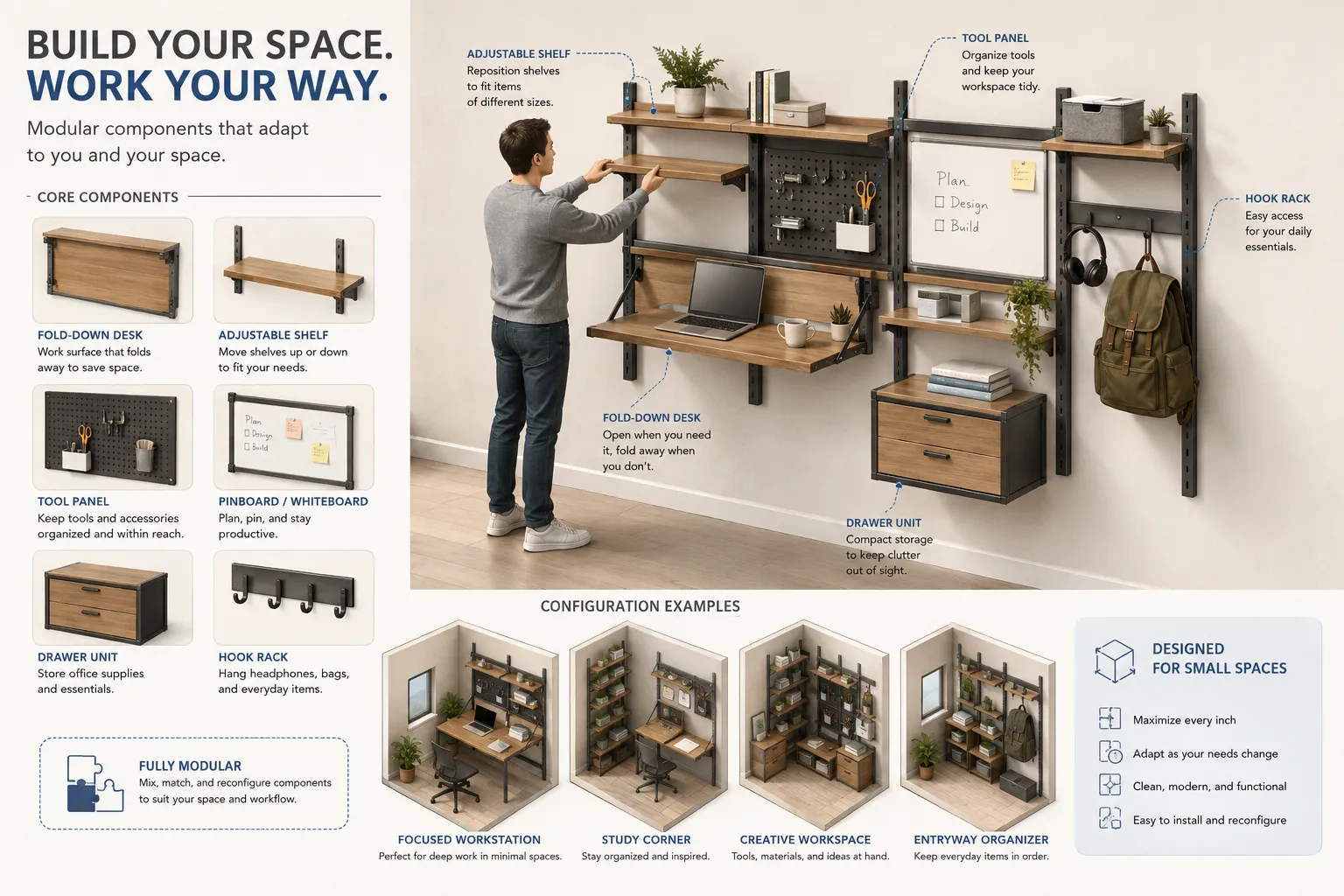
A truly effective [modular wall-mounted desk and compact furniture solution for small workshops and home offices] typically includes a combination of the following:
- Wall-Mounting Rails/Standards: These are the backbone of the system, securely attached to wall studs. They allow for easy adjustment and rearrangement of components.
- Desk Surfaces: Options include fixed shelves, fold-down desks, or height-adjustable surfaces. For small workshops, a robust, durable surface is essential.
- Shelving: Adjustable shelves are ideal for books, tools, or decorative items. Consider various depths.
- Drawers and Cabinets: Enclosed storage keeps clutter out of sight and protects items. Integrated drawer units can be critical for small parts.
- Pegboards/Perforated Panels: Excellent for hanging frequently used tools, spools of thread, or small office supplies. They offer immense flexibility.
- Integrated Lighting: Under-shelf or task lighting can significantly improve visibility and reduce eye strain, especially in workshops. Explore DIY Smart Workshop Lighting Integrating Led Strips And Motion Sensors For Optimal Visibility And Efficiency.
- Cable Management: Channels or clips to keep wires tidy are crucial for a clean, functional workspace.
| Component Type | Common Materials | Key Benefit |
|---|---|---|
| Desk Surface | Plywood, MDF, Solid Wood | Provides work area; can be foldable or fixed |
| Shelving | Plywood, Laminate, Metal | Vertical storage for books, tools, materials |
| Drawers/Cabinets | Plywood, MDF | Enclosed storage, reduces clutter |
| Pegboards | Hardboard, Plywood | Flexible hanging storage for tools, accessories |
| Mounting Rails | Steel, Aluminum, Wood | Supports all components, allows adjustability |
Material Selection and Construction Tips
The choice of materials depends on your budget, desired aesthetics, and the intended use.
- Plywood: A versatile and strong material, ideal for desk surfaces, shelves, and cabinet carcasses. Baltic birch or good quality hardwood plywood offers excellent stability and takes finishes well.
- MDF (Medium-Density Fiberboard): Economical and smooth, great for painted finishes or components that don’t need extreme structural strength. Requires good edge sealing.
- Solid Wood: Provides durability and a premium aesthetic but can be more expensive and prone to movement with humidity changes. Perfect for exposed elements like desk edges or custom drawer pulls. For specific wood choices, consider The Essential Guide To Wood Species For Beginner Furniture Makers Selection Properties And Best Uses.
- Metal Components: Steel or aluminum rails offer maximum strength and durability for mounting systems.
When building, precise measurements and strong joinery are paramount. Router jigs can ensure accurate dados and rabbets for shelves, while pocket screws or screws with appropriate anchors secure components to the wall. Always locate wall studs for mounting and use heavy-duty fasteners to support the weight of the desk and its contents. A well-built system should feel sturdy and reliable.
Optimizing Functionality and Aesthetics in Your Compact Workspace
Beyond simply saving space, the best modular wall-mounted desks and compact furniture solutions integrate functionality and aesthetics seamlessly. A workspace should not only be efficient but also inspire creativity and provide a pleasant environment.
Ergonomics and Workflow Efficiency
Even in a small space, ergonomic principles are crucial. An improperly set up workstation can lead to discomfort, fatigue, and even injury.
- Adjustable Height: If possible, incorporate adjustable features for your desk surface. This allows you to easily switch between sitting and standing, which is beneficial for health and productivity.
- Monitor Placement: Position your monitor at arm’s length, with the top of the screen at or slightly below eye level. A monitor arm mounted directly to the wall or desk rail can save space and offer flexibility.
- Tool and Supply Proximity: Arrange frequently used tools and supplies within easy reach. The modular nature of wall systems makes it simple to place items exactly where they are needed, minimizing unnecessary movement.
- Task Lighting: Good lighting is often overlooked. Implement direct task lighting on your work surface to reduce shadows and improve visibility, particularly for detailed work in a workshop setting. This complements general room lighting and reduces eye strain.
Aesthetic Integration and Personalization
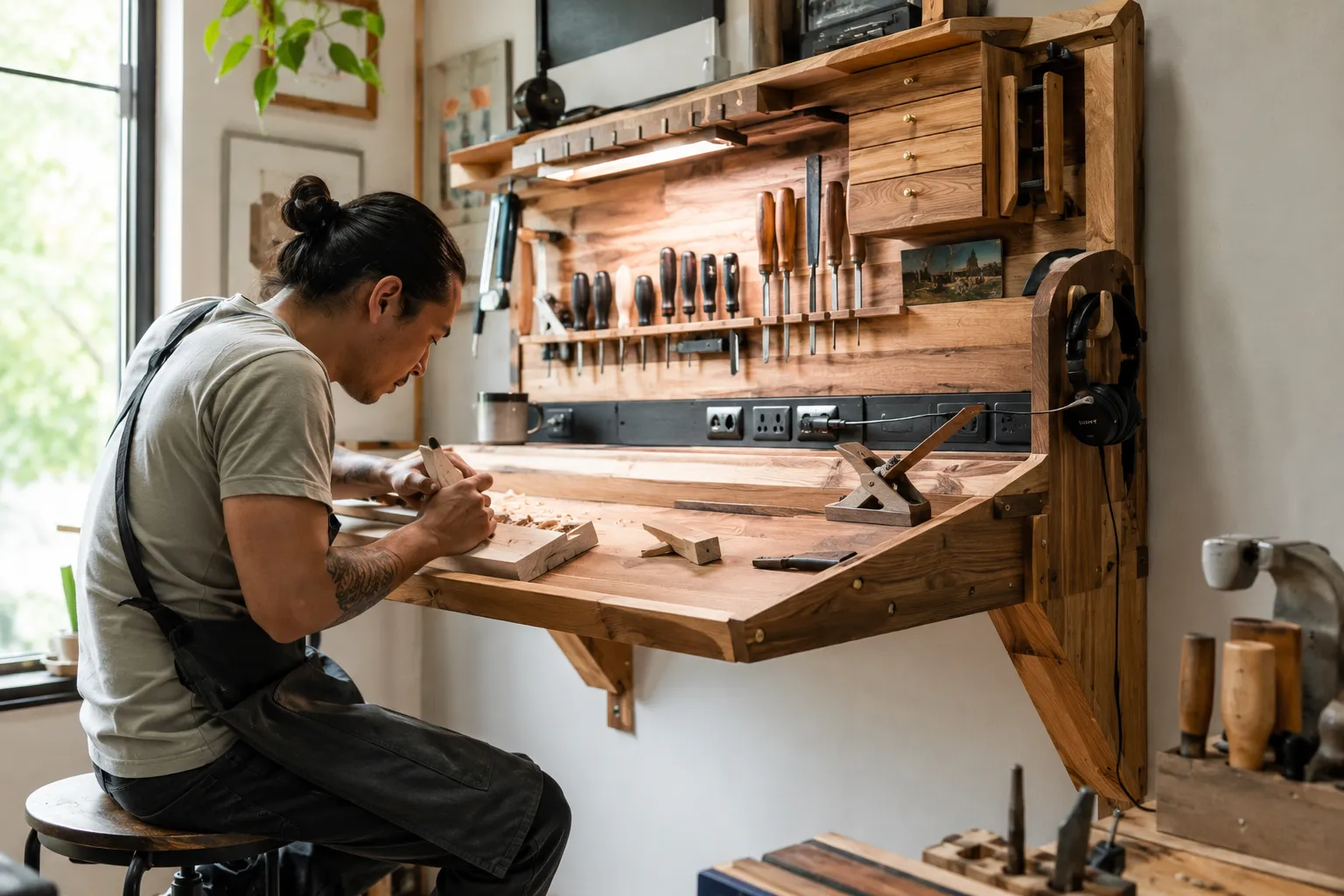
A compact workspace doesn’t have to be purely utilitarian. Integrating thoughtful design elements can make it an enjoyable place to spend time.
- Material and Finish Harmony: Choose materials and finishes that complement the existing decor of your home or workshop. Natural wood finishes can add warmth, while painted surfaces can offer a modern, clean look.
- Minimalism and Clean Lines: Embrace the minimalist approach. Clutter-free surfaces and streamlined designs enhance the perception of space and contribute to a calming atmosphere.
- Personal Touches: Incorporate elements that reflect your personality or interests. This could be a small plant, a piece of artwork, or a display of a finished project. However, avoid over-personalization that leads to clutter.
- Hidden Storage: Utilize hidden compartments or discreet drawers to store items that don’t need to be visible. This maintains a clean appearance while keeping essentials within reach. For example, a hidden compartment for charging cables or a pull-out drawer for small tools.
- Cable Management: As mentioned, tidy cables are a game-changer for aesthetics. Channels, ties, or integrated grommets help maintain a clean look and prevent a tangled mess.
By thoughtfully designing your [modular wall-mounted desk and compact furniture solution], you create a space that is not just functional, but also a joy to use. This holistic approach ensures that your small workshop or home office is a place where you can be productive and inspired, without feeling cramped or overwhelmed. The investment in good design pays dividends in comfort, efficiency, and overall satisfaction.
Conclusion
The evolution of work and living spaces in 2026 has unequivocally highlighted the indispensable role of modular wall-mounted desks and compact furniture solutions for small workshops and home offices. These innovative designs are no longer merely options but essential strategies for maximizing limited square footage, enhancing organization, and fostering productivity. By embracing vertical space and the inherent flexibility of modular systems, individuals can transform even the most confined areas into highly functional and inspiring workstations.
The journey from concept to a fully realized compact workspace involves careful assessment of needs, strategic material selection, and an unwavering commitment to both ergonomic principles and aesthetic integration. Whether you are a dedicated woodworker, a remote professional, or a passionate crafter, investing in a well-designed modular setup means investing in your comfort, efficiency, and creative potential. The actionable steps involve precise measurement, defining functionality, and choosing components that collectively create a harmonious and practical environment. By following these guidelines, you can craft a compact workspace that not only meets the demands of 2026 but continues to serve your evolving needs for years to come.
Meta Title: Modular Wall-Mounted Desks & Compact Furniture for Small Spaces Meta Description: Optimize your small workshop or home office in 2026 with modular wall-mounted desks and compact furniture solutions for ultimate space-saving.