

{“cover”:”Professional landscape format (1536×1024) hero image with bold text overlay: ‘Scaling Your Woodworking Business: From’, in crisp white sans-serif on a semi-transparent dark blue overlay box, centered with 8% safe margins from every edge. Background: a dynamic, wide-angle editorial photograph of a modern woodworking factory floor in operation. The scene features CNC machinery precisely cutting lumber, skilled craftspeople overseeing production, and organized stacks of finished and raw wood products. Bright, even studio lighting highlights the precision and scale of the manufacturing process, conveying efficiency and growth. A diverse group of workers are visible, some observing, others operating equipment, all in a clean, high-tech industrial setting. The composition emphasizes depth and movement, showing the transition from artisan craft to industrial manufacturing.”,”content”:[“Rich landscape format (1536×1024) multi-panel comparison guide for optimizing production workflows in woodworking. Panel 1: ‘Artisan Workshop’ shows a single craftsman at a workbench with hand tools, labels: ‘Custom Orders’, ‘Manual Process’, ‘Limited Volume’. Panel 2: ‘Transition Phase’ shows a small team with a mix of hand tools and entry-level machinery like a Beginner’s Guide to Choosing Your First Table Saw: Features, Safety,, labels: ‘Batch Production’, ‘Standardized Designs’, ‘Tool Investment’. Panel 3: ‘Manufacturer Setup’ shows a larger, organized factory floor with advanced CNC routers and assembly lines, labels: ‘High-Volume Output’, ‘Automated Processes’, ‘Quality Control Integration’. Each panel features a distinct visual style, from rustic to modern industrial, with a clean white background and a professional blue-grey color palette.”,”Detailed landscape format (1536×1024) infographic visualizing the supply chain and logistics for Scaling Your Woodworking Business: From Artisan to Manufacturer, Production, Logistics, and Market Entry. The infographic is a flow diagram with distinct stages. Stage 1: ‘Raw Material Sourcing’ (depicting sustainable timber forests and lumberyards). Stage 2: ‘Inbound Logistics’ (trucks delivering lumber to a factory). Stage 3: ‘Manufacturing & Inventory’ (factory interior with organized storage racks and production lines). Stage 4: ‘Order Fulfillment’ (packaging and labeling stations). Stage 5: ‘Outbound Shipping’ (delivery trucks and cargo containers). Stage 6: ‘Last-Mile Delivery’ (product arriving at a customer’s home). Each stage has a small icon and a 3-5 word descriptive label. The visual style is clean and modern, using an isometric illustration with a green-and-brown natural palette, emphasizing efficiency and global reach.”,”Split-screen editorial image for Market Entry Strategies: left half shows a artisan’s booth at a local craft fair, with handmade wooden items displayed attractively, labels: ‘Direct-to-Consumer’, ‘Local Markets’, ‘Personal Brand’. Right half shows a sleek, modern e-commerce website interface displaying a range of manufactured wooden furniture, with multiple shipping options and customer reviews, labels: ‘Online Platforms’, ‘Wholesale Channels’, ‘Brand Scalability’. The left side has warm, natural lighting typical of an outdoor market, while the right side features a clean, digitally-oriented studio lighting. The composition highlights the stark contrast and transition between different market approaches for Scaling Your Woodworking Business: From Artisan to Manufacturer, Production, Logistics, and Market Entry.”} The journey of a solitary craftsman to a thriving manufacturing enterprise is paved with intricate decisions and strategic pivots. Many woodworking artisans dream of expanding their reach beyond bespoke commissions, yet the leap from creating individual pieces to mass-producing high-quality items is a formidable challenge. This article provides a comprehensive guide to Scaling Your Woodworking Business: From Artisan to Manufacturer, Production, Logistics, and Market Entry, offering actionable insights for sustainable growth in the competitive woodworking industry in 2026.
Key Takeaways
- Transitioning requires a strategic shift from custom work to standardized, scalable production.
- Investing in appropriate machinery and optimizing workflows are crucial for increasing output and efficiency.
- Effective supply chain management and robust logistics are vital for timely material acquisition and product delivery.
- Market entry strategies must evolve from local sales to broader online, wholesale, or retail distribution.
- Maintaining quality and brand identity is paramount even as production scales.
Understanding the Shift: From Artisan Craft to Industrial Production
The core difference between an artisan and a manufacturer lies in the approach to production. An artisan often focuses on unique, handcrafted pieces, where the value is in the individuality, personal touch, and specialized skills. Production is typically low volume, labor-intensive, and custom-order driven.
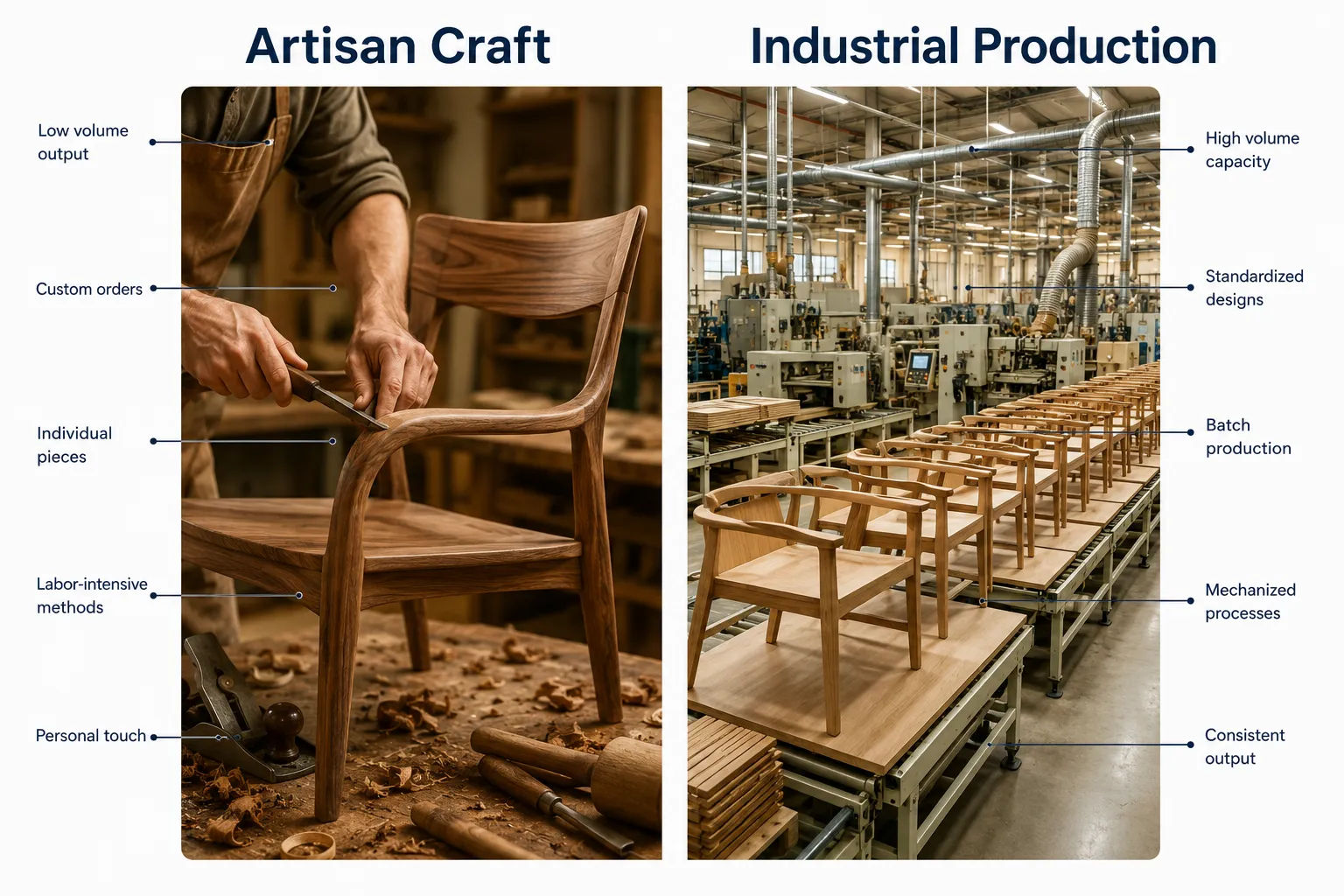
When Scaling Your Woodworking Business: From Artisan to Manufacturer, Production, Logistics, and Market Entry, the paradigm shifts to efficiency, consistency, and volume. This means standardizing designs, optimizing processes, and often introducing machinery to handle repetitive tasks. It’s about creating a system where multiple identical or similar products can be made reliably and cost-effectively, without compromising the inherent quality that defines good woodworking. This transition demands a new mindset, moving from “making a single piece” to “making the process.”
Key considerations for this shift include:
- Standardization vs. Customization: While custom work can continue, the focus for scaling will be on repeatable designs.
- Manual Labor vs. Automation: Strategic investment in tools and machinery can drastically increase output.
- Individual Skill vs. Team Processes: Developing clear workflows and training a team becomes essential.
- Small Batches vs. Mass Production: Planning for larger production runs requires different strategies.
Optimizing Production Workflows for Scaling Your Woodworking Business
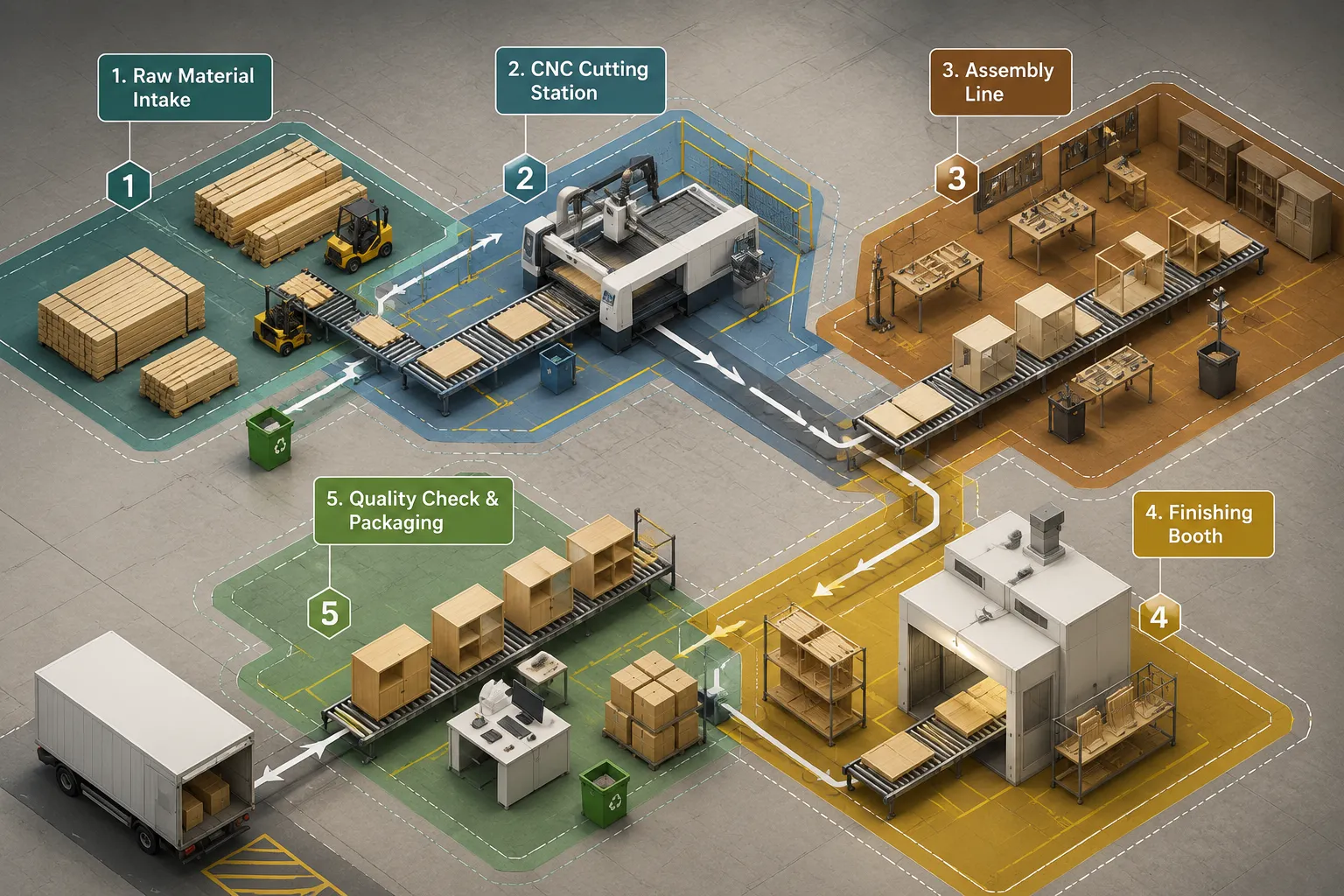
Efficient production is the backbone of a successful manufacturing operation. Without streamlined processes, scaling can quickly lead to bottlenecks, quality issues, and increased costs. The goal is to move wood through your shop with minimal waste and maximum speed.
Designing for Manufacturability
Before any wood is cut, consider how designs can be simplified for repeatable production. This doesn’t mean sacrificing aesthetics or function but rather identifying opportunities to use common parts, reduce complex joinery that is time-consuming, or utilize jigs and fixtures. For example, a custom Diy Live Edge Night Side Tables From Raw Slab To Finished Bedroom Piece might transition to a standardized collection of live-edge furniture with consistent leg designs that can be mass-produced.
Investing in Equipment and Technology
As an artisan, hand tools and basic power tools suffice. For manufacturing, specific machinery can dramatically increase throughput and precision.
Consider the following:
- CNC Routers and Laser Cutters: Ideal for intricate cuts, repetitive patterns, and consistent sizing. Small CNC machines can be a game-changer for repeatable joinery and decorative elements. See our guide on Small Cnc And Laser Cutter Mastery Jigs Templates And Detail Work For Home Workshops.
- Panel Saws and Table Saws: For accurate and rapid cutting of sheet goods and dimensioning lumber. Investing in a quality Beginner’s Guide to Choosing Your First Table Saw: Features, Safety, is critical.
- Planers and Jointers: Essential for preparing raw lumber to consistent dimensions.
- Dust Collection Systems: Crucial for a clean, safe, and efficient workspace, especially with increased production.
- Finishing Booths: For consistent and efficient application of finishes.
Lean Manufacturing Principles
Implementing lean principles, such as 5S (Sort, Set in order, Shine, Standardize, Sustain) and Kaizen (continuous improvement), can eliminate waste, reduce lead times, and improve overall quality. This involves constantly evaluating every step of your production process, from From Lawn To Lumber Using Husqvarna Chainsaws To Buck Slab And Prepare Logs For Woodworking to final assembly, to find areas for optimization.
Production Workflow Example:
| Stage | Artisan Approach | Manufacturer Approach |
|---|---|---|
| Material Prep | Hand-cut, individual sizing | Batch-cut, optimized nesting, automated dimensioning |
| Component Creation | Manual shaping, hand joinery | CNC routing, jig-assisted, standardized joints |
| Assembly | One-off, custom fitting | Modular assembly, standardized hardware, glue-ups |
| Finishing | Hand-sanding, brush application | Automated sanding, spray booth application |
| Quality Control | Visual inspection by craftsman | Checklists, measurement tools, team inspection |
Mastering Logistics and Supply Chain Management
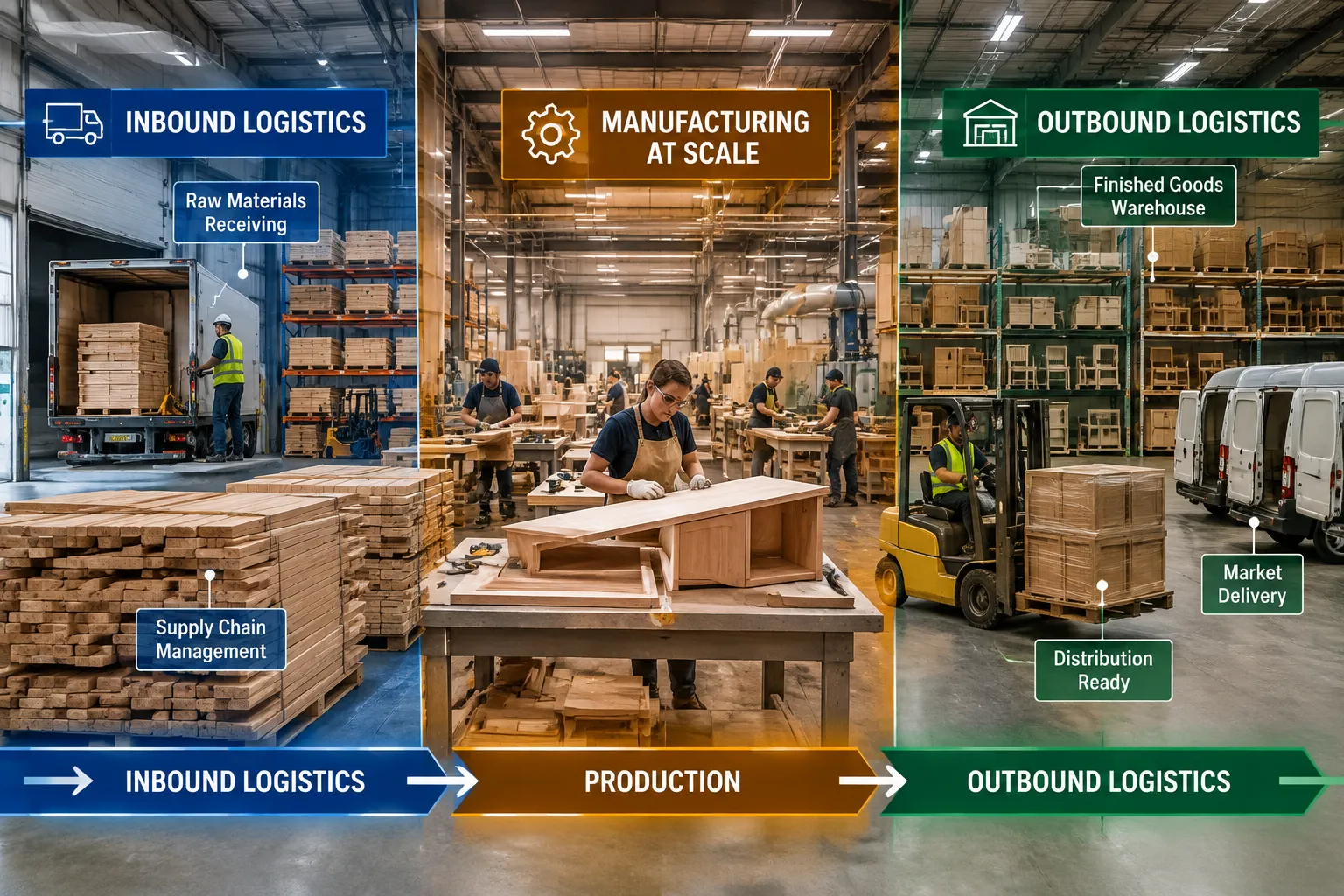
Once you can produce items at scale, the next challenge is getting raw materials in and finished products out efficiently. Effective logistics and supply chain management are critical components of Scaling Your Woodworking Business: From Artisan to Manufacturer, Production, Logistics, and Market Entry.
Sourcing and Procurement
Moving from purchasing a few boards for a project to buying lumber in bulk requires new strategies.
- Supplier Relationships: Build strong relationships with reliable lumber suppliers. Negotiate bulk pricing and consistent quality. Explore options for sustainable sourcing to appeal to conscious consumers. See our Beginners Guide To Wood Species Hardwoods Vs Softwoods Workability And Best Uses For Diy Projects for material considerations.
- Inventory Management: Implement systems (manual or software-based) to track raw materials, work-in-progress, and finished goods. Overstocking ties up capital, while understocking leads to production delays.
- Component Sourcing: Beyond wood, consider hardware, finishes, and packaging. Consolidate orders where possible to reduce shipping costs and complexity.
Warehousing and Storage
As volume increases, your small workshop might become insufficient for storing raw materials and finished products.
- Dedicated Storage: Consider separate warehousing space or a larger facility.
- Organization: Implement robust shelving and labeling systems to ensure efficient retrieval of materials and products.
- Environmental Control: Proper storage conditions are essential for wood to prevent warping, cracking, or moisture damage.
Distribution and Fulfillment
Getting finished products to customers quickly and cost-effectively is paramount for customer satisfaction and repeat business.
- Shipping Partnerships: Work with freight companies or postal services to get favorable rates for various shipping volumes and destinations.
- Packaging: Develop standardized, protective, and cost-effective packaging solutions that reflect your brand.
- Order Fulfillment Process: Establish a clear process for receiving orders, picking, packing, and shipping. Consider integrating this with your e-commerce platform.
- Returns Management: A clear and efficient process for handling returns builds customer trust.
Strategic Market Entry and Brand Expansion
With robust production and logistics in place, the focus shifts to effectively reaching a wider audience. This involves refining your brand message and exploring new sales channels.
Defining Your Niche and Brand Identity
Even when scaling, maintaining a unique brand identity is crucial. What makes your woodworking products stand out? Is it a particular style (e.g., modern farmhouse, minimalist), the type of wood used, sustainability practices, or a specific product line (e.g., Profitable Small Scale Woodworking Mastering Jewelry Boxes Picture Frames And Serving Trays)? Clearly defining this will guide your marketing efforts.
Expanding Sales Channels
Moving beyond local craft fairs means diversifying how you sell your products.
- E-commerce Platform: A professional, user-friendly website is essential. Optimize it for mobile users and search engines. Include high-quality product photography and detailed descriptions.
- Wholesale: Selling to retail stores (boutiques, furniture shops) can significantly expand your reach. Prepare wholesale catalogs, pricing tiers, and clear terms.
- Online Marketplaces: Platforms like Etsy (for handcrafted appeal), Amazon Handmade, or even larger furniture marketplaces can provide exposure to a ready-made audience.
- Trade Shows: Participating in trade shows can connect you with wholesale buyers and design professionals.
- Direct-to-Consumer (DTC) Marketing: Leverage social media, email marketing, and content marketing to drive traffic to your website. Consider showing behind-the-scenes glimpses of your manufacturing process to highlight craftsmanship and quality.
Pricing Strategy
As an artisan, pricing is often based on time and materials. As a manufacturer, you need to account for overhead, production costs, marketing expenses, and desired profit margins. Develop tiered pricing for wholesale vs. retail.
Customer Service and Feedback Loop
Even at scale, customer service remains vital. Promptly address inquiries, resolve issues, and gather feedback. This input can be invaluable for refining products and processes. Building a strong brand reputation through excellent products and service will foster loyalty and drive organic growth.
Conclusion
The transition from a woodworking artisan to a successful manufacturer in 2026 is an ambitious yet achievable endeavor. It demands a strategic overhaul of your approach to production, a meticulous focus on logistics, and an intelligent expansion of your market reach. By standardizing designs, investing in appropriate technology, optimizing your supply chain, and diversifying your sales channels, you can effectively scale your woodworking business. Remember to maintain the core quality and passion that defined your artisan craft, as these will be the enduring hallmarks of your brand as you grow into a manufacturing powerhouse.
To begin, conduct a thorough audit of your current production capabilities and identify areas where standardization and efficiency can be introduced. Research potential equipment investments and explore new suppliers for bulk material purchases. Finally, begin developing a comprehensive marketing and sales strategy that targets your expanded market. The path is challenging, but with careful planning and execution, your woodworking enterprise can reach new heights.
References
- Duvall, C. (2018). The Woodworking Business Handbook: A Comprehensive Guide to Starting and Growing a Woodworking Business. Fox Chapel Publishing.
- Porter, M. E. (1980). Competitive Strategy: Techniques for Analyzing Industries and Competitors. Free Press.
- Womack, J. P., Jones, D. T., & Roos, D. (1990). The Machine That Changed the World: The Story of Lean Production. Harper Perennial.
SEO Meta Title: Scale Your Woodworking Business: Artisan to Manufacturer SEO Meta Description: Master scaling your woodworking business in 2026. Learn production optimization, logistics, supply chain, and market entry strategies to grow from artisan to manufacturer.