
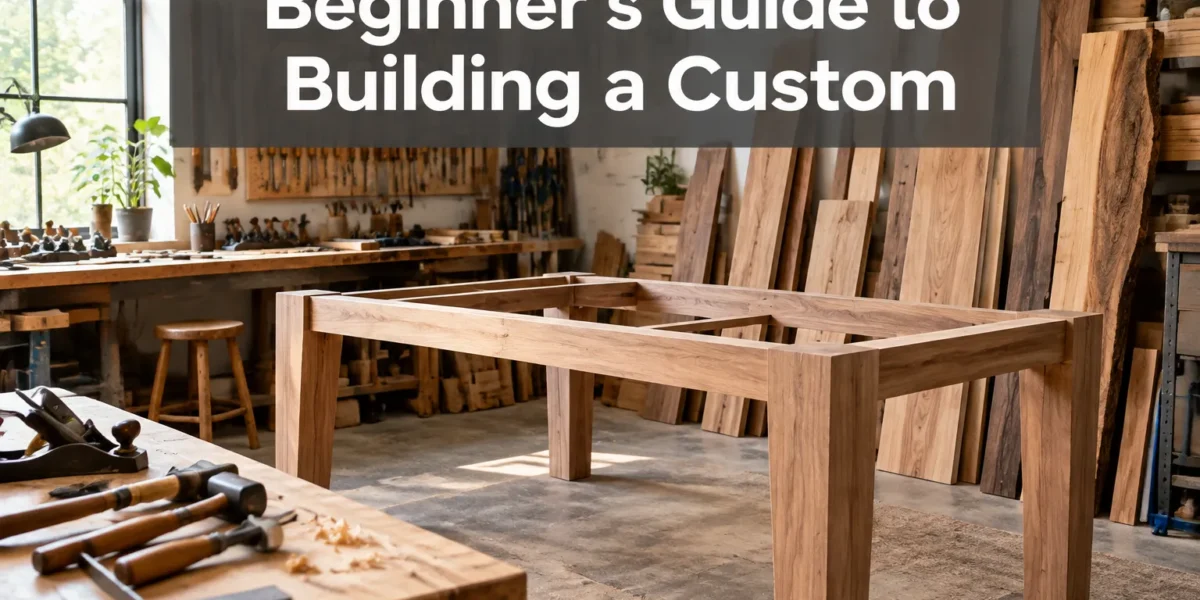
Creating a custom dining area table, far from being an intimidating endeavor reserved for master craftsmen, is a profoundly rewarding woodworking project accessible to motivated beginners. The journey from raw lumber to a functional, beautiful centerpiece for your home is not only a practical skill-building exercise but also an opportunity to infuse personal style into your living space. This Beginner’s Guide to Building a Custom Dining Area Table: Standard Sizes, Joinery, and Wood Selection for Your First Project will demystify the process, equipping you with the foundational knowledge to successfully construct a durable and aesthetically pleasing table in 2026. Understanding the interplay of appropriate dimensions, robust joinery, and the right wood species is crucial for a project that will stand the test of time and become a cherished part of your home.
Key Takeaways
- Determine Table Size First: Before cutting any wood, accurately measure your space and estimate seating needs to choose the right standard or custom dimensions for your dining table.
- Prioritize Strong Joinery: For a dining table, robust joinery like mortise and tenon or sturdy through-bolt connections are essential for long-term stability and durability, especially at critical stress points.
- Select Appropriate Wood: Research wood species based on durability, hardness, stability, and aesthetic appeal for your project, considering both budget and the intended use of the table.
- Plan Thoroughly: Success hinges on detailed planning, including drawing sketches, creating cut lists, and envisioning the assembly process before starting construction.
- Embrace the Learning Process: As a beginner, expect challenges and learn from them; precision, patience, and a willingness to adapt are key to a satisfying first custom furniture build.
Planning Your Custom Dining Area Table: Standard Sizes and Design Considerations
The first step in any successful woodworking project, especially a piece as central as a dining table, is meticulous planning. This involves more than just sketching a pretty picture; it means carefully considering the practical aspects of your space, the number of people you wish to seat, and the overall aesthetic you want to achieve. For a Beginner’s Guide to Building a Custom Dining Area Table: Standard Sizes, Joinery, and Wood Selection for Your First Project, understanding dimensions is paramount.
Determining the Right Size for Your Dining Table
Dining tables come in various standard sizes, but the beauty of a custom build is the ability to tailor it precisely to your needs. When planning, consider the following:
- Room Dimensions: Ensure adequate clearance around the table for chairs to be pulled out and for people to walk comfortably. A good rule of thumb is to allow at least 36 inches (90 cm) of clear space between the table edge and any wall or furniture.
- Seating Capacity: How many people will regularly use the table? How many for special occasions? A general guideline is to allocate approximately 24-30 inches (60-75 cm) of table length or circumference per person for comfortable seating.
- Table Height: Standard dining table height is typically 29-30 inches (74-76 cm) from the floor to the tabletop surface. This allows for standard dining chairs with seat heights around 17-19 inches (43-48 cm).
The table below outlines common dining table dimensions and their typical seating capacities:
| Table Shape | Dimensions (Length x Width) | Seating Capacity | Ideal for Room Size (approx.) |
|---|---|---|---|
| Rectangular | 48″ x 30-36″ | 4 | Small/Apartment |
| 60″ x 30-36″ | 4-6 | Medium | |
| 72″ x 36-40″ | 6-8 | Medium-Large | |
| 96″ x 40-44″ | 8-10 | Large | |
| Square | 36″ x 36″ | 2-4 | Small/Compact |
| 48″ x 48″ | 4-6 | Medium | |
| Round | 36-44″ Diameter | 2-4 | Small/Intimate |
| 48-60″ Diameter | 4-6 | Medium | |
| 60-72″ Diameter | 6-8 | Medium-Large |
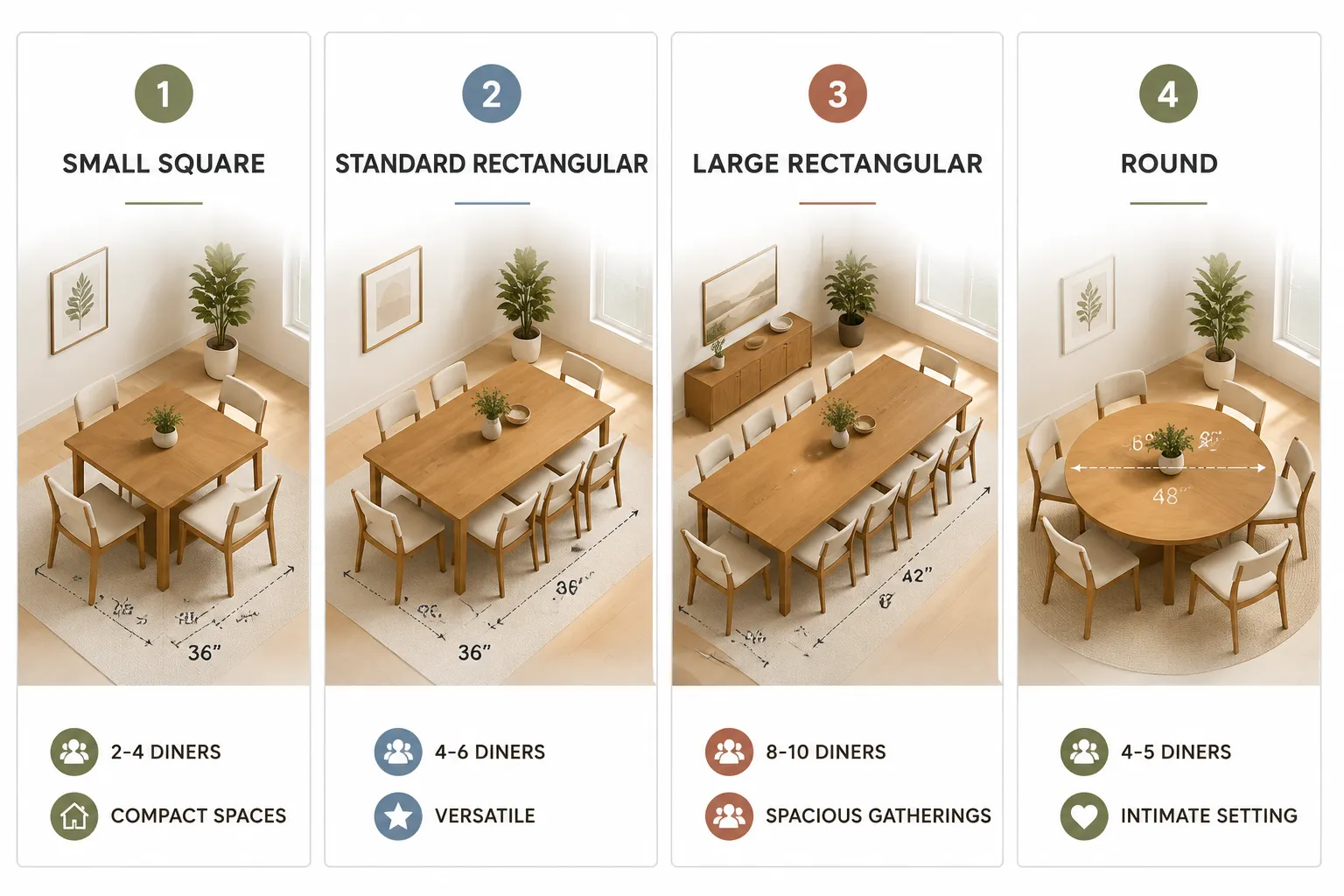
Remember, these are guidelines. A custom table allows you to fine-tune these dimensions to perfectly fit your unique space and lifestyle. Consider how the table will be used beyond just eating, will it double as a workspace or a game table? These factors can influence your final design.
Essential Joinery Techniques for a Durable Dining Table
The strength and longevity of your custom dining table will largely depend on the quality of its joinery. For a beginner, choosing the right techniques is crucial for both success and safety. While intricate joinery like dovetails might be advanced for a first project, several robust and accessible options are available. This section of your Beginner’s Guide to Building a Custom Dining Area Table: Standard Sizes, Joinery, and Wood Selection for Your First Project will focus on practical, strong joints.
Basic Yet Robust Joinery Options
For a piece of furniture that will endure daily use, you need joints that can withstand significant stress. Here are some excellent choices for your dining table:
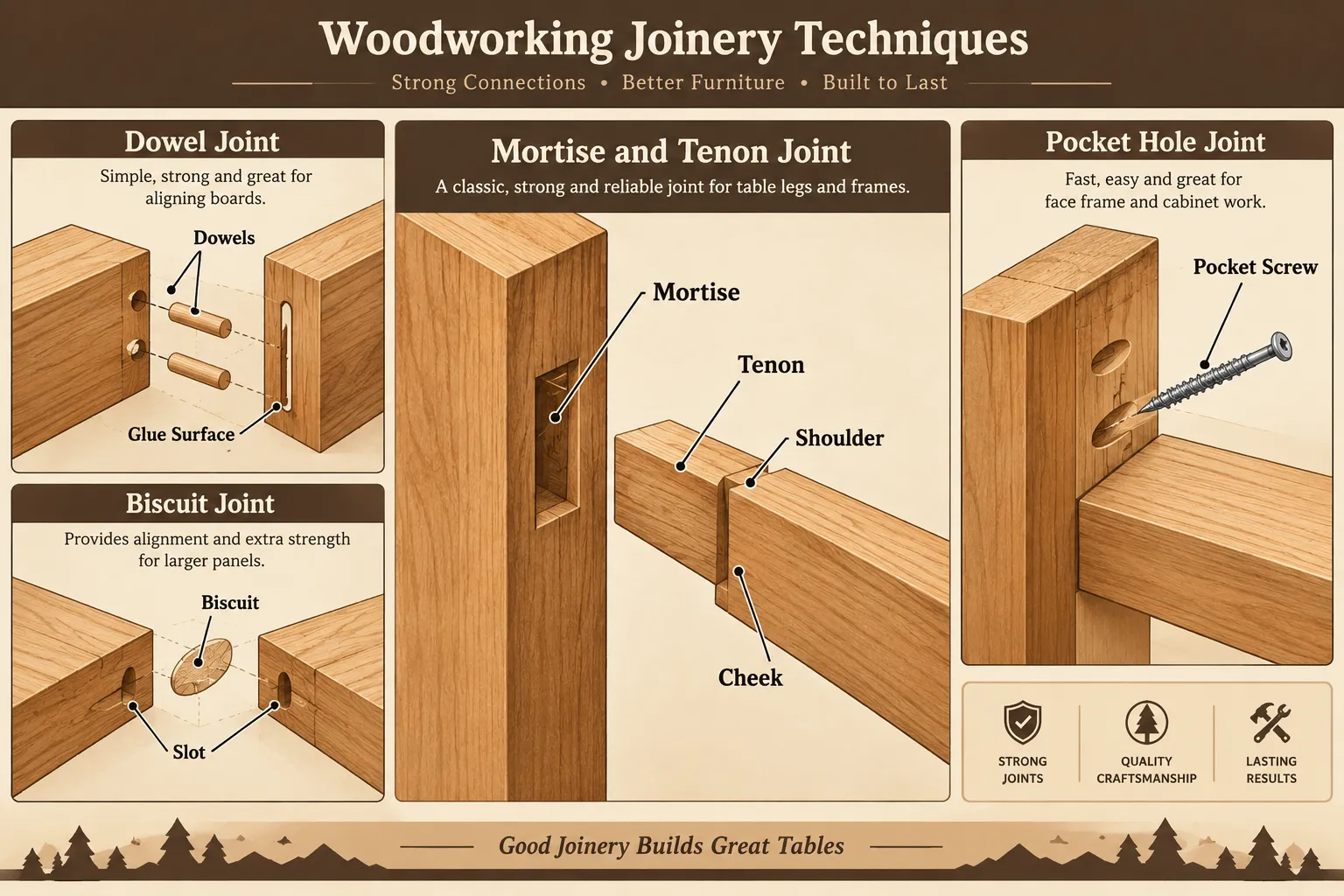
- Mortise and Tenon Joint: This is a classic for a reason. It involves cutting a rectangular hole (mortise) into one piece of wood and a corresponding projecting piece (tenon) on another. When fitted together and glued, it creates an incredibly strong mechanical lock. It’s often used for attaching legs to rails and stretchers. While it requires precision, it’s highly rewarding to master. For more on advanced joinery, explore DIY Wooden Birdhouses Advanced Designs With Precision Joinery For Garden Enthusiasts.
- Pocket Hole Joinery: A popular choice for beginners due to its simplicity and effectiveness. Using a specialized jig, angled holes are drilled into one piece of wood, allowing screws to connect it securely to another piece. This is excellent for attaching tabletops to apron frames or assembling apron components.
- Dowel Joints: These rely on short, cylindrical wooden pins (dowels) inserted into corresponding holes drilled into two pieces of wood. When glued, dowels provide good alignment and strength, often used for connecting boards edge-to-edge for tabletops or for leg-to-apron connections.
- Biscuit Joints: Similar to dowel joints in principle, biscuit joints use flat, oval-shaped wooden biscuits inserted into crescent-shaped slots cut into the mating pieces. While excellent for alignment and moderate strength, they are generally less robust than mortise and tenon for high-stress connections like leg-to-apron joints without additional reinforcement.
For assembling the tabletop itself, edge-to-edge joinery is required. Here, options like dowel joints or simply glued butt joints with clamps can suffice, provided the wood edges are perfectly straight and flat for a strong glue bond. The sheer surface area of a well-glued butt joint can be surprisingly strong. Remember to use a high-quality wood glue. The choice of fasteners, when used, is also critical for durability; refer to Mastering Woodworking Screws Your Ultimate Guide For 2026 for more detailed information.
Selecting the Right Wood for Your First Dining Table Project
The choice of wood profoundly impacts the appearance, durability, and cost of your custom dining table. For a beginner tackling their first significant furniture piece, understanding the characteristics of different wood species is a vital part of this Beginner’s Guide to Building a Custom Dining Area Table: Standard Sizes, Joinery, and Wood Selection for Your First Project.
Hardwoods vs. Softwoods for Dining Tables
Generally, hardwoods are preferred for dining tables due to their superior strength, hardness, and resistance to dents and scratches. While softwoods like pine are more affordable and easier to work with, they are less durable for a high-traffic item like a dining table.
Here are some excellent hardwood choices suitable for dining tables, balancing workability, aesthetics, and cost:
- Oak (Red or White): A classic choice. Oak is strong, durable, and has a beautiful, prominent grain pattern. Red oak is slightly easier to work with, while white oak is more water-resistant and even harder. Both take stains well.
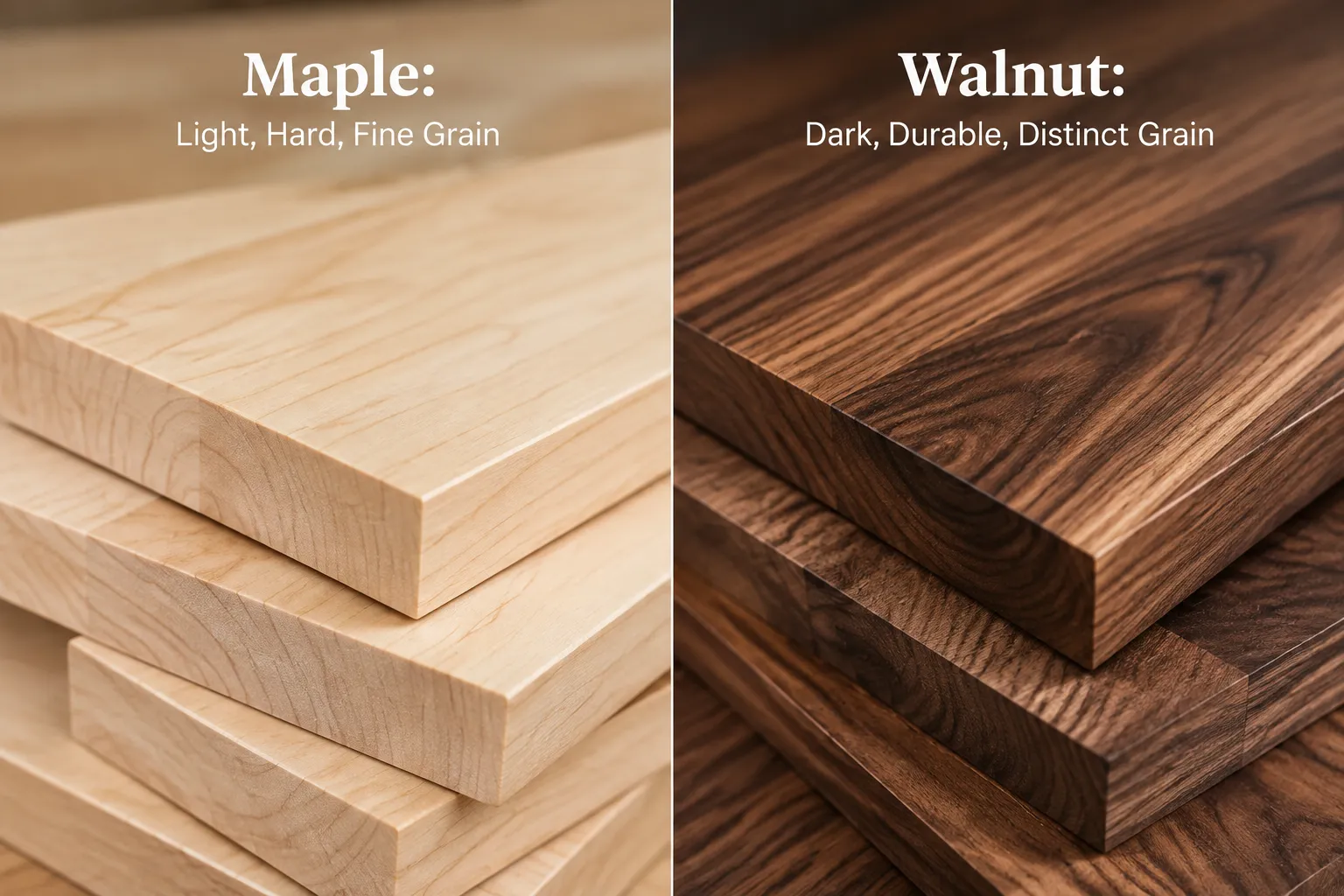
- Maple: Known for its exceptional hardness and fine, subtle grain. Maple is very durable and resistant to dents. It typically has a lighter color and can be stained to mimic other woods. Maple Wood Finishing Techniques provides more insight.
- Walnut: A premium hardwood with a rich, dark brown color and striking grain patterns. Walnut is strong, stable, and works beautifully, though it can be more expensive. Its natural beauty often requires only a clear finish.
- Cherry: Features a beautiful reddish-brown hue that deepens with age and exposure to light. Cherry is moderately hard, stable, and takes a finish exceptionally well. It’s often considered a luxurious wood.
For more in-depth knowledge on wood selection, including considerations for durability and aesthetics, see Mastering The Art Of Wood Selection Choosing The Right Lumber For Your Projects Durability And Aesthetics.
Considerations When Choosing Wood
- Durability and Hardness: Look for woods with good Janka hardness ratings (a measure of resistance to denting and wear) for a table that will see regular use.
- Stability: Some woods are more prone to warping, twisting, or shrinking than others. Stable woods are easier to work with and result in a more lasting piece. Kiln-dried lumber is generally more stable.
- Aesthetics: Consider the grain pattern, color, and how the wood will look with your chosen finish. Do you want a light and airy feel, or a dark and rich statement piece?
- Cost: Hardwoods vary significantly in price. Oak and maple are generally more budget-friendly than walnut or cherry. Calculate your lumber needs carefully to estimate costs.
- Workability: Some woods are harder on tools or more prone to tear-out. For a beginner, selecting woods that are relatively easy to cut, plane, and sand can make the project more enjoyable.
Purchasing good quality, straight lumber is one of the best investments you can make for your project. Look for boards that are flat, free of large knots, significant checks, or warping.
Conclusion
Embarking on the journey to build your first custom dining area table is a significant undertaking, but one that promises immense satisfaction. This Beginner’s Guide to Building a Custom Dining Area Table: Standard Sizes, Joinery, and Wood Selection for Your First Project has laid the groundwork, from understanding critical dimensions to choosing appropriate joinery and selecting the perfect wood. Remember, the success of your table hinges on meticulous planning, patient execution, and a willingness to learn new skills.
As you move forward, prioritize safety in your workshop, take accurate measurements, and don’t rush the process. A custom dining table is more than just a piece of furniture; it’s a testament to your craftsmanship and a unique centerpiece that will gather friends and family for years to come. Start with detailed drawings, create a comprehensive cut list, and approach each step with care. The reward of sitting down at a table you crafted yourself is truly unmatched.
SEO Meta Title: Build Your Custom Dining Table: Sizes, Joinery & Wood Guide SEO Meta Description: First project? Learn standard dining table sizes, essential joinery techniques, and optimal wood selection to build your custom table in 2026.