

The global demand for timber continues to surge, yet in 2026, concerns about deforestation and unsustainable practices are more prevalent than ever. As a passionate DIY furniture maker or small woodcraft enthusiast, your choices have a tangible impact. This Wood Picker’s Guide: How to Choose Sustainable Timber for DIY Furniture and Small Woodcraft Projects aims to equip you with the knowledge to make environmentally responsible selections without compromising on quality or aesthetics. Moving beyond merely purchasing wood, this guide transforms you into a discerning ‘wood picker’ who understands the origins, characteristics, and sustainability credentials of your materials.
Key Takeaways
- Prioritize Certified Timber: Look for certifications like FSC, PEFC, or SFI to ensure timber comes from responsibly managed forests.
- Embrace Reclaimed and Salvaged Wood: These options significantly reduce environmental impact by repurposing existing materials.
- Understand Wood Characteristics: Match the wood’s properties (hardness, grain, stability) to your project’s needs to minimize waste and maximize durability.
- Assess Moisture Content and Quality: Use a moisture meter and visual inspections to ensure timber is stable and free from significant defects before purchase.
- Support Local and Domestic Sources: Reducing transportation emissions and supporting local economies are additional sustainable practices.
Understanding Sustainable Timber Certifications: A Wood Picker’s Guide
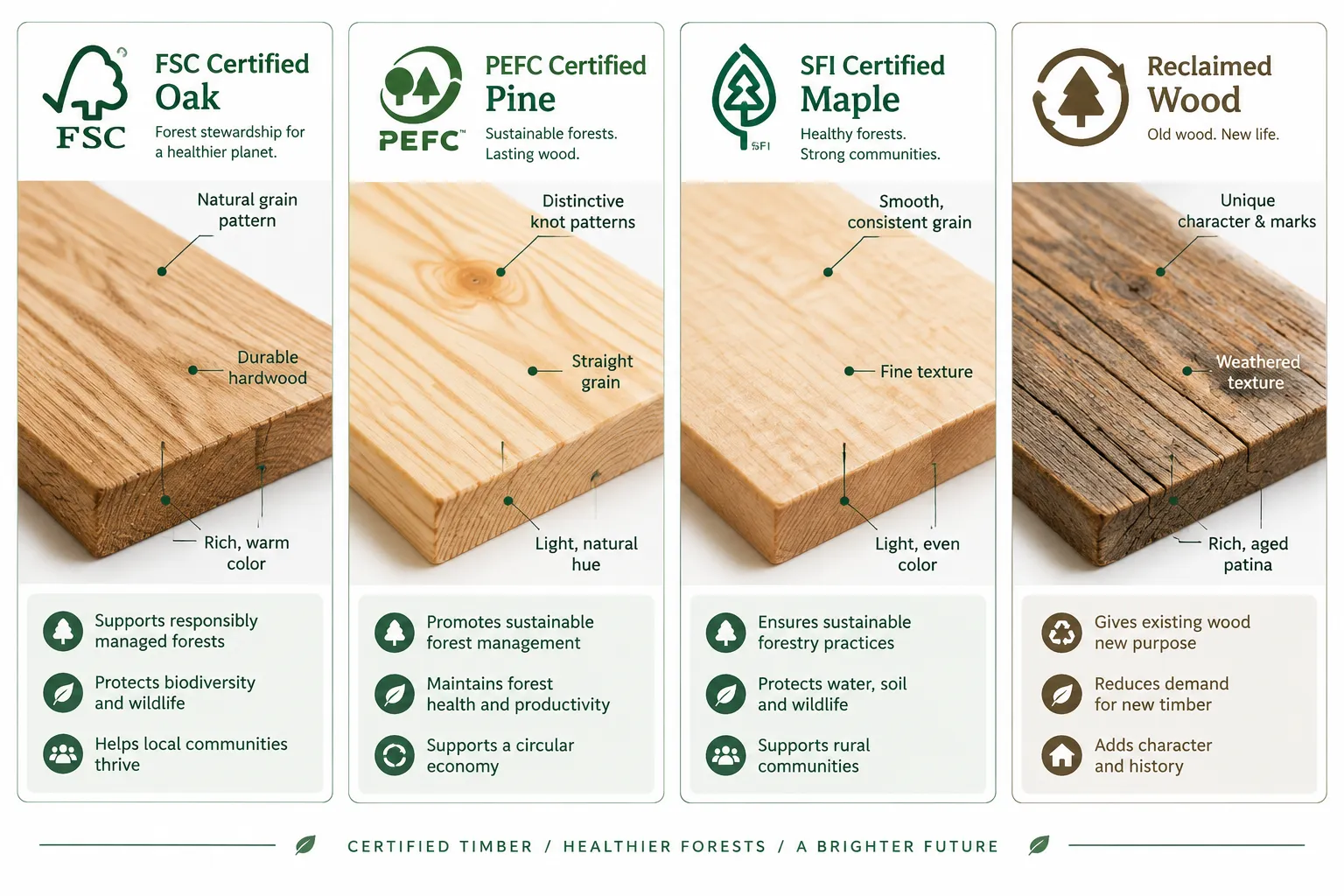
Choosing sustainable timber starts with understanding what makes wood truly “sustainable.” It’s not just about replanting trees; it encompasses responsible forest management that maintains biodiversity, protects ecosystems, and respects the rights of local communities. Several certifications help consumers identify timber sourced from such operations.
Leading Certification Programs
When you’re seeking sustainable timber for your DIY furniture and small woodcraft projects, these are the primary certifications to look for:
- Forest Stewardship Council (FSC): Widely regarded as the gold standard, FSC certification ensures that timber comes from forests managed according to strict environmental and social standards. FSC-certified wood is traceable from the forest to the final product, providing robust assurance of its origin. This often means careful planning, reduced impact logging, and protection of rare species and cultural sites.
- Programme for the Endorsement of Forest Certification (PEFC): PEFC is the world’s largest forest certification system, working through the endorsement of national certification schemes. While its standards might be slightly less stringent than FSC in some areas, it still promotes sustainable forest management globally and is a strong indicator of responsible sourcing.
- Sustainable Forestry Initiative (SFI): Predominantly used in North America, SFI certification emphasizes sustainable forest management practices, including reforestation, protection of water quality, and biodiversity conservation. SFI also includes chain-of-custody tracking.
While these certifications are excellent starting points, remember that even non-certified wood can be sustainable if it comes from small-scale, local, and responsibly managed woodlots. Always inquire about the source and practices of your timber supplier.
The Art of Selecting Sustainable Timber: What to Look For
Becoming an astute wood picker involves more than just reading labels. It requires hands-on inspection, an understanding of wood properties, and a keen eye for quality. When choosing sustainable timber for DIY furniture and small woodcraft projects in 2026, consider these critical factors.
Species Selection and Project Suitability
Different wood species have varying properties, making them suitable for different applications. Matching the right wood to your project minimizes waste and ensures durability.
- Hardwoods vs. Softwoods:
- Hardwoods (e.g., oak, maple, walnut, cherry) are generally denser, more durable, and often preferred for furniture due to their strength and aesthetic appeal. Many premium hardwoods are becoming more readily available from sustainable sources. Our article on premium wood selection for 2026 projects delves deeper into these options.
- Softwoods (e.g., pine, cedar, fir) are typically lighter, easier to work with, and more cost-effective. They are excellent for many small craft projects, shelving, or internal furniture components.
- Domestic vs. Exotic Woods: Whenever possible, opt for domestically sourced woods. They often have a lower carbon footprint due to reduced transportation. If considering exotic woods, ensure they are FSC-certified to avoid contributing to illegal logging or deforestation in sensitive regions.
Moisture Content (MC) and Stability
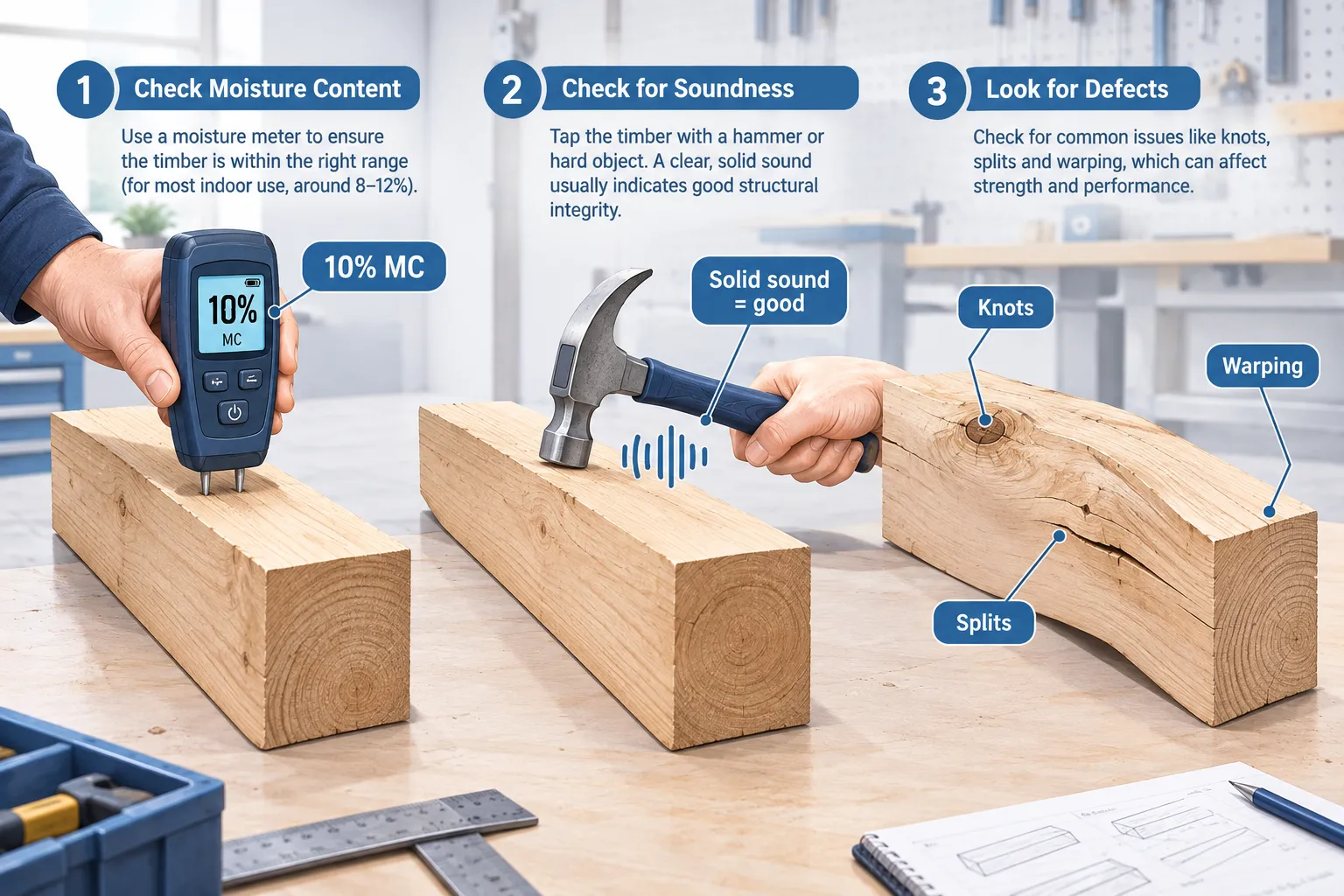
One of the most crucial aspects of wood selection is its moisture content. Wood is a hygroscopic material, meaning it absorbs and releases moisture from the air. Improperly dried wood can lead to warping, cracking, and joint failure in your finished projects.
- Ideal MC: For indoor furniture and woodcraft, aim for timber with a moisture content between 6% and 8%. For outdoor projects, a slightly higher MC (around 10-12%) might be acceptable, but consistency is key.
- Using a Moisture Meter: Invest in a good quality moisture meter. It’s a small investment that saves significant frustration. Test several spots on a board to ensure consistent readings.
- Visual Cues of Stability: Look for straight grain, minimal knots, and absence of severe bowing, cupping, or twisting. While some movement is natural, excessive distortion indicates poorly dried or stored wood.
Checking for Defects and Quality
Beyond moisture, a thorough visual inspection is essential:
- Knots: Small, tight knots are often acceptable and can add character. Large, loose, or “dead” knots can weaken the wood and pop out during milling or finishing.
- Splits and Cracks: Check for cracks, especially at the ends of boards (end checks) and along the grain. These can worsen over time.
- Warping, Cupping, and Twisting: Hold boards at eye level to check for straightness. A board that is significantly warped will be difficult to work with and can compromise the integrity of your project.
- Insect Damage or Rot: Look for small holes (pinholes) that might indicate borers, or discolored, soft areas that suggest rot.
- Milling Quality: Examine the milling. Are the faces flat and parallel? Are the edges square? Poor milling can lead to significant material waste and extra work.
A simple checklist for beginners buying wood:
- Certification: Is it FSC, PEFC, or SFI certified, or from a verifiable local sustainable source?
- Species: Is the wood suitable for my project’s intended use and environment?
- Moisture Content: Does a moisture meter read between 6-12% (depending on indoor/outdoor)?
- Straightness: Is the board free from significant warp, cup, or twist?
- Defects: Are there minimal large knots, splits, or signs of rot/insect damage?
Reclaimed, Salvaged, and Locally Sourced Timber: The Ultimate Sustainable Choice
While certified new timber is a great step, the pinnacle of sustainable wood selection for DIY furniture and small woodcraft projects often lies in utilizing reclaimed, salvaged, or locally sourced materials. These options minimize the demand for new logging and significantly reduce the environmental footprint.
The Appeal of Reclaimed and Salvaged Wood
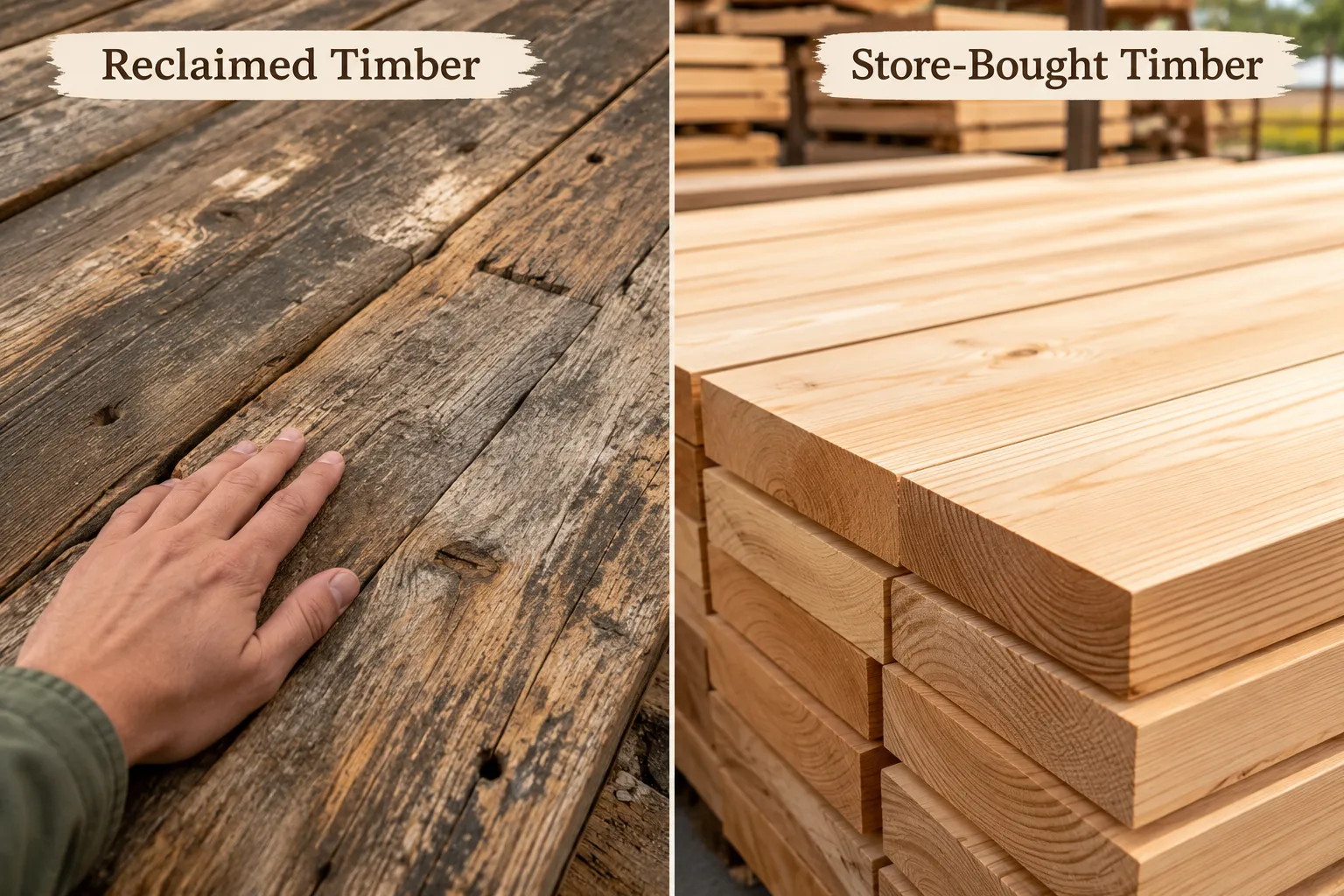
Reclaimed wood is timber that has been given a second life, often sourced from old barns, factories, gym floors, or demolished buildings. Salvaged wood refers to timber from urban trees taken down due to disease, storm damage, or construction, which would otherwise be chipped or landfilled. Both offer unique benefits:
- Environmental Impact: Drastically reduces deforestation and landfill waste. The energy used to reclaim and process this wood is often far less than that required for new timber. For ideas on what to make with these materials, explore 3 profitable scrap wood projects under 1 hour and live edge wood projects from design to execution.
- Unique Aesthetics: Reclaimed wood often boasts incredible character, rich patinas, nail holes, and historical markings that cannot be replicated in new timber. This gives your projects a unique story and rustic charm. Finishing reclaimed wood for 2026 offers insights into enhancing this character.
- Stability: Often, reclaimed timber is from old-growth trees and has been air-dried for decades, making it incredibly stable and less prone to movement than newly kiln-dried wood.
Sourcing Reclaimed and Salvaged Timber
- Architectural Salvage Yards: These are treasure troves for old beams, flooring, and siding.
- Demolition Companies: Often willing to sell or even give away suitable timber before disposal.
- Local Arborists/Sawyers: For salvaged urban trees, contact local tree services or small sawmills that process fallen trees.
- Online Marketplaces: Websites specializing in reclaimed materials can connect you with suppliers.
Considerations for Working with Reclaimed Wood
While highly rewarding, working with reclaimed wood comes with its own set of challenges:
- Hidden Fasteners: Be prepared for nails, screws, or other metal embedded in the wood. A metal detector is a wise investment to protect your tools.
- Cleaning: Reclaimed wood may need thorough cleaning to remove dirt, grime, and old finishes.
- Pests: Inspect carefully for signs of active insect infestation and treat if necessary.
- Milling: Be prepared for irregular dimensions and the need to plane or joint boards to achieve flat, square surfaces. This is where tools like a Delta Planer 22-560 can be invaluable.
- Stability: Even historically stable wood needs to acclimatize to your workshop’s environment before milling. Our guide on reclaimed wood restoration offers more advice.
Supporting Local Lumber Mills and Woodlots
Purchasing from local, small-scale lumber mills and woodlot owners offers another excellent path to sustainability.
- Reduced Carbon Footprint: Less transportation means lower emissions.
- Direct Knowledge of Source: You can often speak directly with the landowner or miller about their forestry practices, ensuring transparency.
- Support Local Economy: Your purchase directly supports local businesses and jobs.
- Unique Species: Local mills might offer species not readily available from larger suppliers.
By prioritizing certified, reclaimed, salvaged, or locally sourced timber, you not only craft beautiful and durable projects but also contribute positively to global environmental stewardship, embodying the true spirit of a responsible wood picker in 2026.
Preparing and Stabilizing Sustainable Timber for DIY Projects
Once you’ve carefully selected your sustainable timber, the journey isn’t over. Proper preparation and stabilization are crucial to ensure your DIY furniture and small woodcraft projects stand the test of time, preventing issues like warping, cracking, or joint failure after assembly. This final step in our Wood Picker’s Guide ensures your efforts in sustainable sourcing translate into durable, beautiful finished pieces.
Acclimatization
Before you begin any cutting or joinery, allow your newly acquired timber to acclimatize to your workshop or home environment for at least a week, and ideally longer for thicker stock. Wood will absorb or release moisture until it reaches equilibrium with its surroundings.
- Proper Stacking: Stack your boards horizontally with small spacers (stickers) placed evenly between each layer. This allows air to circulate around all surfaces.
- Controlled Environment: Store the wood in the area where it will eventually be used, or in a similar climate. Avoid direct sunlight, extreme humidity, or dry conditions during this period.
Resurfacing and Dimensioning
Reclaimed or rough-sawn timber will often require significant preparation to achieve flat, square, and dimensionally accurate pieces.
- Metal Detection: If working with reclaimed wood, always run a metal detector over the entire piece to locate and remove any hidden nails, screws, or other foreign objects that could damage your tools.
- Planing and Jointing: Use a jointer to create one flat face and one square edge, then a planer to bring the opposite face parallel and achieve your desired thickness. For beginners, a beginner’s guide to essential woodworking jigs can help with precise milling.
- Squaring and Ripping: Use a table saw or circular saw with a straight edge to square the remaining edges and rip the boards to your required width. Ensuring your riving knife for Craftsman table saw is correctly installed is crucial for safety during ripping operations.
Finishing Considerations
The finish you choose can also contribute to the longevity and sustainability of your project.
- Eco-Friendly Finishes: Opt for low-VOC (volatile organic compound) finishes, natural oils (like linseed or tung oil), or water-based polyurethanes. These reduce indoor air pollution and are safer to apply. Our article on linseed oil vs stain offers a detailed comparison.
- Protection: A good finish protects the wood from moisture fluctuations, spills, and general wear and tear, extending the life of your furniture. For outdoor projects, specialized finishes for weather resistance are essential, as discussed in our guide to selecting the right wood for outdoor projects.
By following these preparation and stabilization steps, you ensure that your carefully chosen sustainable timber transforms into a beautiful, lasting piece of DIY furniture or woodcraft, reflecting both your skill and your commitment to responsible practices.
Conclusion
Embracing sustainable timber choices for your DIY furniture and small woodcraft projects is a powerful way to merge your passion for woodworking with environmental responsibility. This Wood Picker’s Guide has illuminated the path, from understanding crucial certifications like FSC and PEFC to the invaluable practice of utilizing reclaimed or locally sourced wood. You’ve also learned the practical skills of inspecting timber for moisture content, assessing quality, and preparing it for a long life in your creations.
As a wood picker in 2026, your decisions reverberate beyond your workshop, contributing to healthier forests and a more sustainable future. By making informed choices, you not only craft unique and durable pieces but also become an integral part of a larger movement towards ethical consumption and resource management.
Actionable Next Steps
- Seek Certified Suppliers: Prioritize lumberyards and online retailers that prominently feature FSC or PEFC certified timber.
- Explore Reclaimed Options: Visit local architectural salvage yards, demolition sites, or urban logging operations for unique, sustainable materials.
- Invest in a Moisture Meter: Make this essential tool part of your woodworking kit to ensure timber stability.
- Practice Inspection: Develop a keen eye for quality by regularly inspecting wood before purchase, using the checklist provided.
- Support Local: Research and support small, local sawmills and woodlot owners in your area.
By taking these steps, you will not only create more meaningful projects but also empower yourself as a conscientious and skilled wood picker.
SEO Meta Title: Wood Picker’s Guide: Choose Sustainable Timber for DIY Projects SEO Meta Description: Master sustainable timber selection for DIY furniture & woodcraft in 2026. Learn about FSC, reclaimed wood, moisture content, and quality checks.