
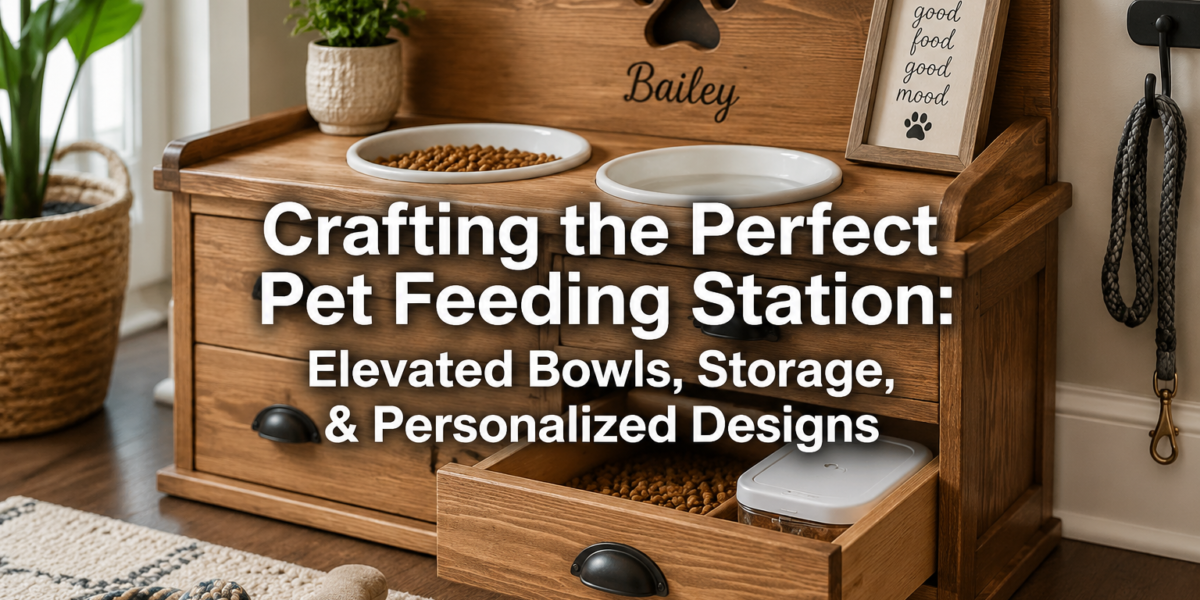
The surprising reality for many pet owners in 2026 is that commercially available pet feeding solutions often fall short in addressing specific needs, leading to discomfort for animals, mess for owners, and a lack of aesthetic integration with home décor. Standard bowls on the floor can contribute to neck strain for larger breeds and older pets, while open food bags create clutter and can attract pests. This article will guide woodworkers through the process of Building a Custom Pet Feeding Station: Elevated Bowls, Storage, and Personalized Designs for Dogs and Cats, providing a functional, ergonomic, and stylish solution that enhances both pet well-being and home aesthetics.
Key Takeaways
- Custom pet feeding stations offer ergonomic benefits for pets, preventing neck strain and improving digestion.
- Integrated storage solutions keep pet food fresh, organized, and out of sight, reducing clutter.
- Personalized designs allow for seamless integration with home décor and add a unique touch tailored to individual pets.
- Careful material selection, joinery, and finishing ensure durability, hygiene, and safety for your furry companions.
- Planning is crucial, covering pet size, feeding habits, material choices, and desired features before beginning construction.
Why a Custom Pet Feeding Station is a Game Changer for Your Furry Friends
A custom pet feeding station isn’t just a luxury; it’s a thoughtful investment in your pet’s health, comfort, and your home’s organization. For dogs and cats, particularly larger breeds, older animals, or those with certain medical conditions, elevated bowls can make a significant difference. Raising food and water bowls to an appropriate height reduces strain on the neck and joints, promotes better posture, and can aid in digestion by preventing air ingestion during eating. This simple ergonomic adjustment can lead to a happier, healthier pet.
Beyond the ergonomic advantages, Building a Custom Pet Feeding Station: Elevated Bowls, Storage, and Personalized Designs for Dogs and Cats offers unparalleled organizational benefits. Imagine a world where pet food bags are no longer sprawled across the kitchen floor, where scoops are always readily available, and kibble is securely stored away from curious noses (and paws). Integrated storage can include pull-out bins for dry food, drawers for treats and toys, and even compartments for medication or grooming supplies. This not only declutters your space but also keeps food fresh and deters pests.
Moreover, a custom station provides an opportunity to personalize an essential pet item to match your home’s aesthetic. Instead of an eyesore, your pet’s feeding area can become a stylish, integrated piece of furniture. You can choose wood types, stains, paints, and hardware that complement your existing décor. Adding personalized touches like engraved names, paw prints, or unique motifs makes the station truly one-of-a-kind.
| Feature | Benefit for Pets | Benefit for Owners |
|---|---|---|
| Elevated Bowls | Reduces neck/joint strain, aids digestion | Cleaner eating area, less mess |
| Integrated Food Storage | Keeps food fresh, prevents overeating | Reduces clutter, pest control, organized |
| Water Spill Tray | Prevents water damage, healthier environment | Easier cleanup, protects floors |
| Personalized Design | Sense of belonging, comfortable feeding | Enhances home décor, unique piece |
| Durable Materials | Safe for consumption, stable | Long-lasting investment, easy maintenance |
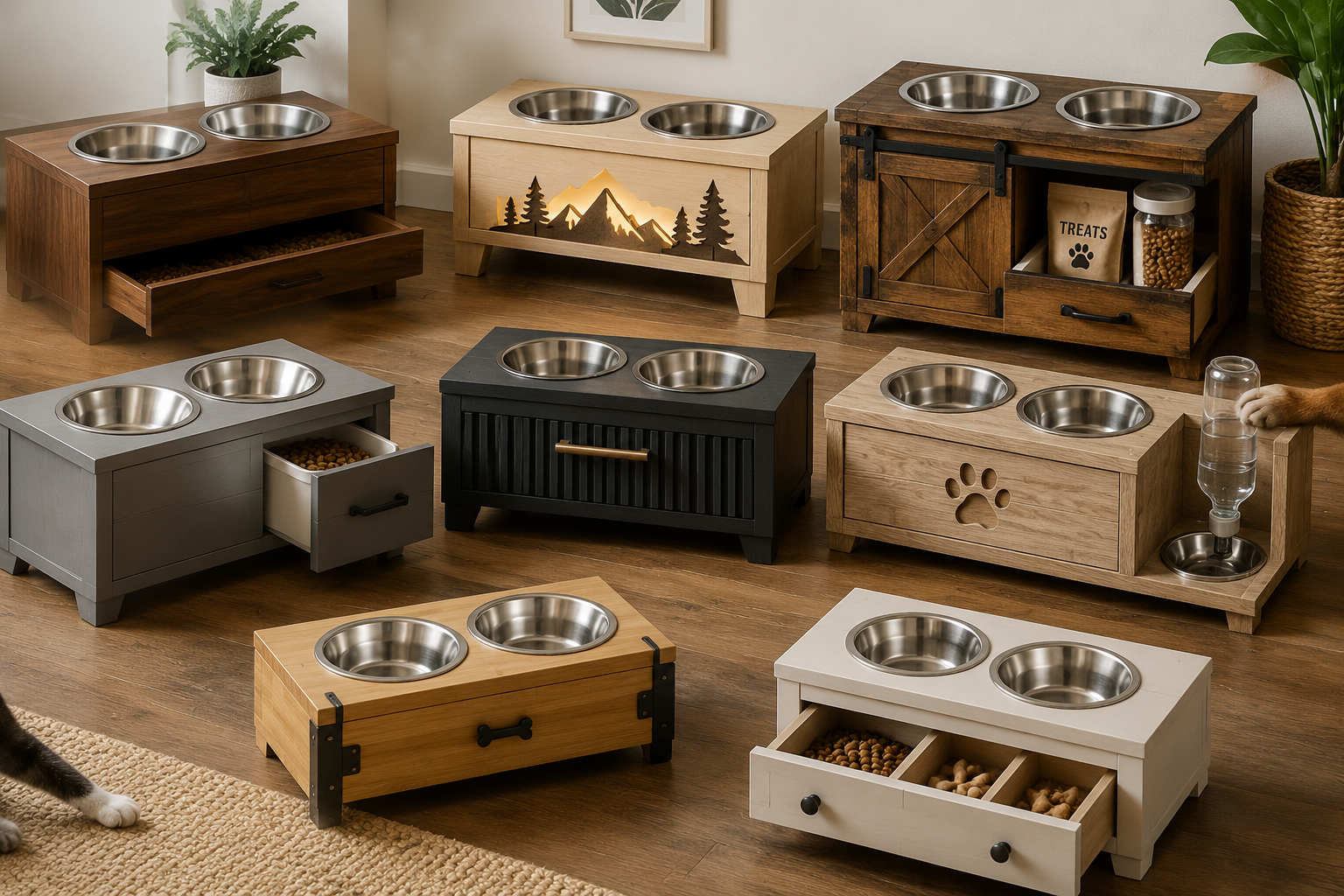
Designing Your Ideal Pet Feeding Station
Before cutting any wood, thorough planning is essential. Consider the following factors to ensure your custom pet feeding station meets all your (and your pet’s) needs:
- Pet Size and Breed: This is paramount for determining the correct bowl height. For dogs, a general rule is that the bowl should be at chest height or slightly lower. For cats, a slightly elevated bowl can be beneficial but ensure it’s not too high. Measure your pet’s standing height at the shoulder to guide your design.
- Number of Pets: If you have multiple pets, you might need a station with more bowls or a larger surface area.
- Feeding Habits: Does your pet tend to make a mess while eating or drinking? A wider base, a lip around the bowls, or an integrated spill tray can help contain spills.
- Material Selection:
- Wood: Hardwoods like oak, maple, or cherry offer durability and beauty. Plywood, especially Baltic birch, is a stable and strong option for structural components. Understanding Wood Movement: How to Design and Build Furniture That can provide insights into choosing and working with wood that resists warping.
- Bowls: Stainless steel is hygienic, durable, and easy to clean. Ceramic bowls are also good options but can be heavier and more fragile. Avoid plastic bowls, which can harbor bacteria and cause skin irritation.
- Storage Needs: How much food do you need to store? Do you want separate compartments for treats, toys, or medical supplies? Consider the volume of your pet food bags when designing storage bins. A pull-out drawer with an airtight liner is an excellent choice for dry kibble. For small workshops, optimizing storage for your tools will be helpful, just as you’ll optimize storage for pet food in this project; learn more about DIY Smart Workshop Storage Solutions: Maximizing Space and.
- Aesthetic Integration: Think about where the station will be placed in your home. What colors and finishes will complement your existing furniture and décor? This is where personalized designs truly shine.
- Safety and Hygiene: Ensure all materials are pet-safe and non-toxic. Design the station with smooth edges to prevent injury. Consider a removable top or drawers for easy cleaning.
“A truly custom pet feeding station is a blend of veterinary science, woodworking craftsmanship, and personal style. It’s about building a healthier, happier life for your pet and a more organized, beautiful home for you.”
Building Your Custom Pet Feeding Station: Step-by-Step Construction
Once your design is finalized, it’s time to bring your vision to life. The process of Building a Custom Pet Feeding Station: Elevated Bowls, Storage, and Personalized Designs for Dogs and Cats can be a rewarding woodworking project.
Materials and Tools
- Wood: Chosen based on your design (e.g., solid hardwood, plywood, MDF).
- Bowls: Stainless steel or ceramic, sized appropriately.
- Hardware: Drawer slides, hinges, handles, screws.
- Wood Glue: High-quality wood adhesive.
- Clamps: Essential for strong glue joints.
- Cutting Tools: Table saw, miter saw, jigsaw, router (with circle-cutting jig).
- Drill: For pilot holes and assembly.
- Sanding Supplies: Various grits of sandpaper.
- Finishing Supplies: Pet-safe stain, paint, or sealant.
- Safety Gear: Eye protection, ear protection, dust mask.
Construction Steps
Cut Your Components:
- Measure and cut all wood pieces according to your design plans. This includes the top panel, side panels, base, shelves, and drawer components.
- For the elevated bowls, use a router with a circle-cutting jig or a jigsaw to create perfectly sized holes in the top panel. Ensure the holes are slightly smaller than the bowl’s rim to allow the bowls to sit securely.
Assemble the Frame:
- Begin by assembling the main frame of the feeding station. Use strong joinery techniques for durability. Depending on your skill level and desired aesthetic, options include dado joints, rabbet joints, or simple butt joints reinforced with screws and glue. For advanced joinery techniques, you might refer to our guide on Hand Tool Joinery for Visible Wood Joints: Dovetails, Mortis.
- Apply wood glue to all mating surfaces and clamp them securely while the glue dries. This is critical for the structural integrity of your station.
Install Storage Elements:
- If your design includes integrated storage, install drawer slides or hinge mechanisms at this stage. Build the drawer boxes, ensuring they fit smoothly within their compartments.
- For food storage bins, consider using a moisture-resistant material for the interior or lining it with a pet-safe, food-grade container to maintain freshness.
Attach Top Panel and Base:
- Once the frame and internal components are secure, attach the top panel (with the bowl cutouts) and the base. Use screws and glue for a robust connection.
- Consider adding feet or a decorative base molding to elevate the entire unit slightly and protect it from floor moisture.
Sanding and Finishing:
- Thorough sanding is crucial for both aesthetics and pet safety. Start with a coarser grit (e.g., 80 or 100) and progressively move to finer grits (e.g., 180 or 220) until all surfaces are smooth. Pay special attention to edges and corners, rounding them slightly to prevent splinters or sharp points.
- Apply a pet-safe finish. This could be a food-grade mineral oil, a water-based polyurethane, or a non-toxic stain and sealer combination. Ensure the finish is completely dry and cured before introducing your pet to the station. This step is vital for hygiene and the longevity of your piece.
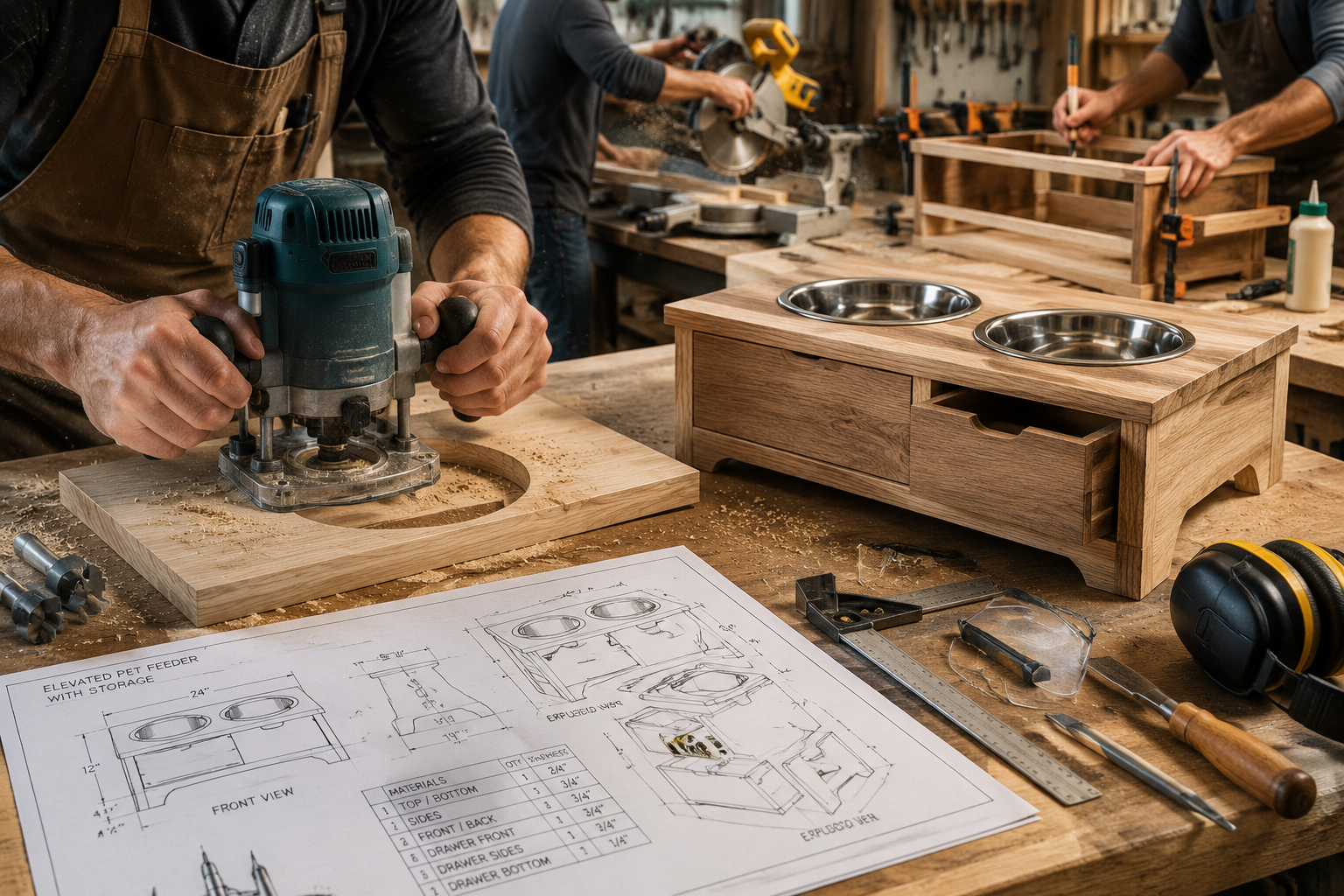
Tool Tip: A good quality workbench is invaluable for projects like this. If you’re looking to upgrade your setup, explore resources like Building a Custom Wood Workbench: Design Considerations and or Building a Compact and Ergonomic Workbench for Small Workshops: for ideas on creating an efficient workspace.
Personalizing and Enhancing Your Pet Feeding Station
The true beauty of Building a Custom Pet Feeding Station: Elevated Bowls, Storage, and Personalized Designs for Dogs and Cats lies in the ability to make it uniquely yours and your pet’s. This stage allows for creative expression and adds significant value to the project.
Personalized Touches
- Engraving: Use a router with a small bit or a CNC machine to engrave your pet’s name, a paw print, or a special message onto the front, sides, or top of the station. This adds a charming, bespoke element.
- Stenciling or Hand Painting: For a rustic or artistic touch, you can stencil or hand-paint designs. Pet silhouettes, bones, or fish are popular motifs. Ensure any paint used is non-toxic and sealed with a pet-safe topcoat.
- Color Matching: Select a stain or paint color that perfectly matches your kitchen cabinets, living room furniture, or other home accents for a truly integrated look.
- Unique Hardware: Choose drawer pulls or handles that reflect your style – perhaps a vintage knob, a modern brushed metal pull, or even a whimsical animal-themed handle.
Functional Enhancements
- Integrated Water Dispenser: For pets that drink a lot, consider incorporating a small reservoir and gravity-fed water bowl to ensure fresh water is always available.
- Removable Spill Tray: Design a removable tray beneath the bowls to catch drips and spills, making cleanup effortless. This is particularly useful for messy drinkers.
- Slow Feeder Inserts: If your dog eats too quickly, you can design the bowl openings to accommodate removable slow-feeder inserts, promoting healthier eating habits.
- Measuring Scoop Holder: Integrate a small hook or compartment specifically for your pet food scoop, ensuring it’s always within reach and not lost in the food bin.
- Adjustable Bowl Height: For growing puppies or multi-pet households, a design that allows for adjustable bowl heights can be incredibly practical. This might involve a slotted system or a series of peg holes.
“A customized pet feeding station is more than just a place to eat; it’s a statement of love and care, designed with your pet’s unique needs and your home’s aesthetic in mind.”
Remember to always prioritize safety and hygiene when adding any enhancements. Ensure all additions are securely fastened, made from non-toxic materials, and easy to clean. The longevity and safety of your custom feeding station depend on the quality of your craftsmanship and the thoughtfulness of your design.
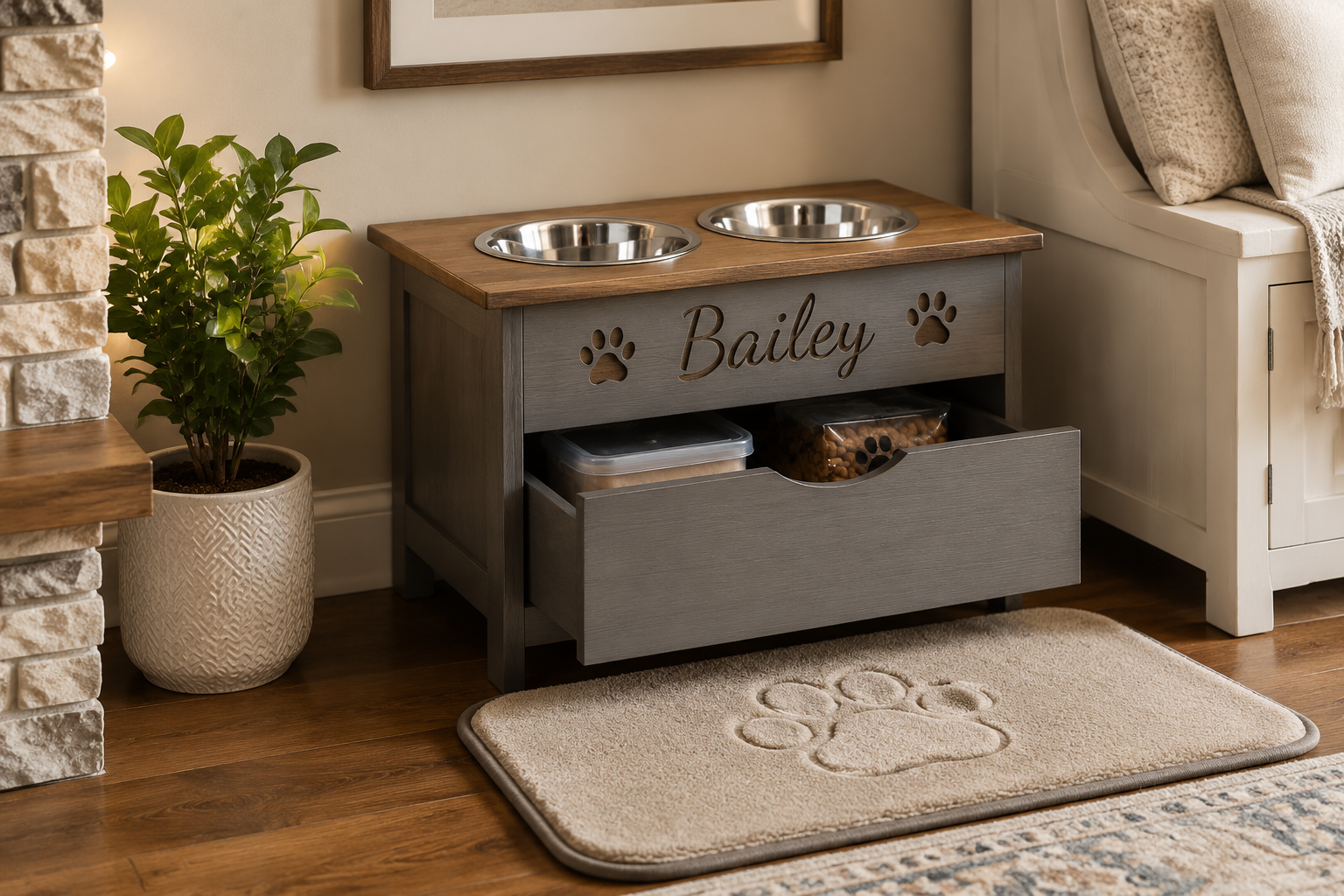
Maintenance and Longevity
To ensure your custom pet feeding station lasts for years and remains a hygienic spot for your pets, regular maintenance is key.
- Daily Cleaning: Wipe down the bowl area and any accessible surfaces daily to remove food residue and water spots.
- Deep Cleaning: Periodically (weekly or bi-weekly), remove bowls for a thorough wash, and clean the entire station with a pet-safe, mild cleaner. Pay attention to corners and crevices where crumbs might accumulate.
- Inspect Finish: Over time, continuous exposure to water and food can wear down the finish. Inspect the wood periodically for signs of wear or damage. If needed, reapply a pet-safe sealant to protect the wood and maintain its appearance. This is especially important for water-prone areas.
- Check Hardware: Ensure all screws, hinges, and drawer slides remain tight and functional. Address any loose components promptly to maintain stability and safety.
By following these design, construction, and maintenance guidelines, you can create a truly exceptional and long-lasting custom pet feeding station that will be cherished by both you and your beloved companions.
Conclusion
Building a Custom Pet Feeding Station: Elevated Bowls, Storage, and Personalized Designs for Dogs and Cats is a rewarding project that combines thoughtful design with practical woodworking skills. From ensuring ergonomic comfort for your pets to integrating seamless storage and personalized aesthetics into your home, a custom station offers benefits far beyond those of generic store-bought alternatives. By carefully considering pet size, material choices, and desired features, you can craft a durable, hygienic, and beautiful piece that enhances your pet’s quality of life and adds a unique touch to your living space.
Start by meticulously planning your design, selecting pet-safe materials, and focusing on robust joinery for lasting stability. The woodworking process, from precise cuts for elevated bowls to the installation of integrated storage, allows for both skill development and creative expression. Finally, personalize your station with engravings or unique finishes to make it truly one-of-a-kind. This project is more than just building furniture; it’s about crafting a healthier, happier environment for the furry members of your family.
Actionable Next Steps:
- Measure Your Pet: Determine the ideal bowl height for your dog or cat.
- Sketch Your Design: Create a detailed drawing, including dimensions for bowls, storage, and overall size.
- Gather Materials: Source pet-safe wood, bowls, and hardware.
- Plan Your Cuts: Optimize your wood usage and prepare your cutting list.
- Build with Care: Follow proper woodworking techniques, prioritizing safety and strong joinery.
SEO Meta Title: Build a Custom Pet Feeding Station: Elevated Bowls & Storage SEO Meta Description: Learn to build a custom pet feeding station in 2026 with elevated bowls, integrated storage, and personalized designs for dogs and cats.