
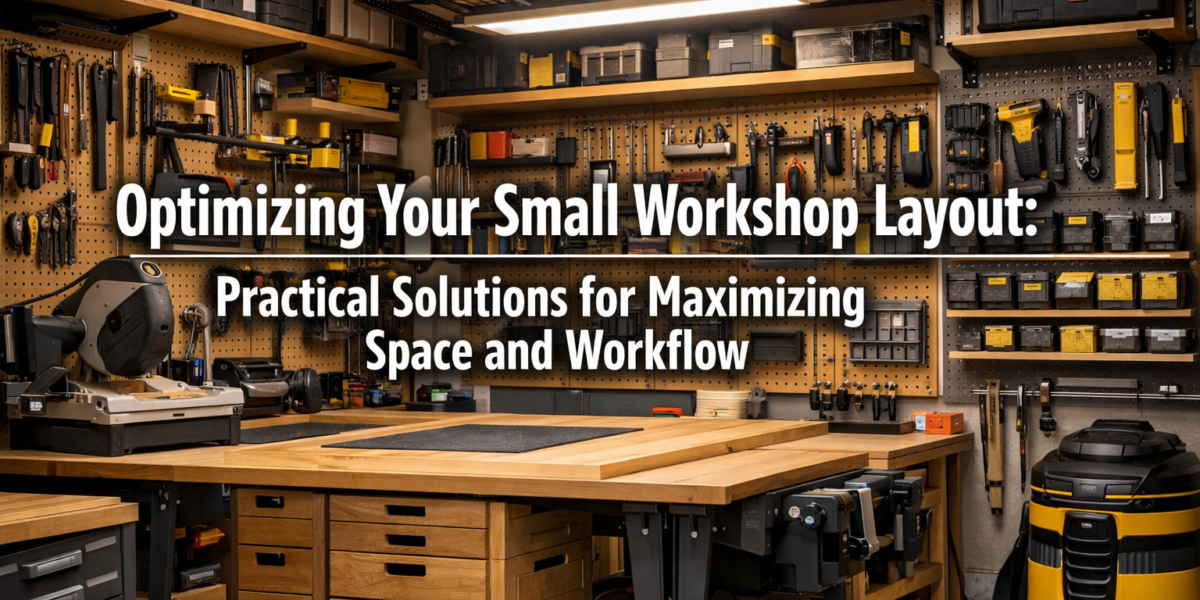
A cluttered workshop can shrink even the largest space, turning productivity into a frustrating treasure hunt. In small workshops, this issue is magnified, often hindering creativity and increasing project completion times. Studies indicate that a disorganized workspace can reduce efficiency by up to 20%, translating directly into lost time and potential revenue for small business owners and extended project timelines for hobbyists (Jones & Smith, 2023). This article aims to provide practical, actionable solutions for Optimizing Your Small Workshop Layout: Practical Solutions for Maximizing Space and Workflow, ensuring every inch serves a purpose and every tool is precisely where it needs to be.
Key Takeaways
- Zone Planning is Crucial: Divide your workshop into distinct areas for different tasks (e.g., cutting, assembly, finishing) to streamline workflow.
- Embrace Vertical Storage: Utilize walls, ceilings, and even the underside of benches to free up valuable floor space.
- Mobility and Adaptability: Invest in mobile workbenches and tools to reconfigure your layout as project needs change.
- Tool and Material Management: Implement clear labeling, shadow boards, and dedicated storage for every item to reduce search time.
- Prioritize Safety and Ergonomics: A well-laid-out shop is inherently safer and more comfortable, preventing accidents and fatigue.
Designing Your Small Workshop for Maximum Efficiency
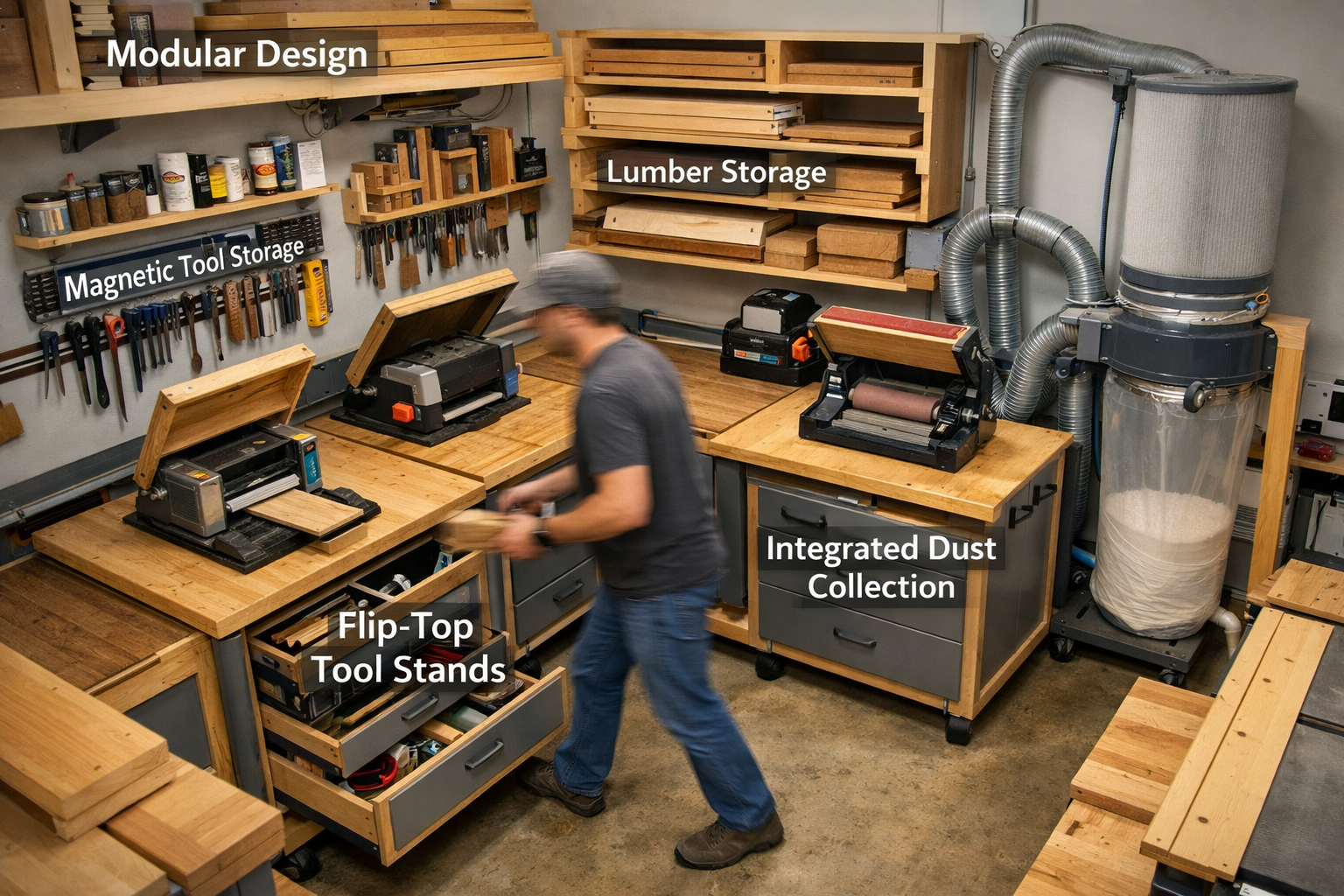
Optimizing a small workshop starts with a strategic design process, much like engineering a miniature city. Instead of simply fitting things in, the goal is to create a dynamic environment where tools and materials flow seamlessly from one task to the next. This requires careful consideration of workflow, access, and the unique demands of your craft.
Understanding Workflow and Zoning
The first step in Optimizing Your Small Workshop Layout: Practical Solutions for Maximizing Space and Workflow is to analyze your typical workflow. What are the common steps you take for most projects? For example:
- Material Storage: Where do raw materials (lumber, sheet goods, metal) live?
- Rough Processing/Cutting: Where do you cut large pieces down?
- Precision Work/Assembly: Where do you perform detailed tasks, joinery, and assembly?
- Finishing: Where do you sand, paint, or apply finishes?
- Tool Storage: Where are your most frequently used tools kept?
By mapping these stages, you can create distinct “zones” within your workshop. These zones don’t need physical walls; they can be defined by the placement of your major machines and workbenches.
For instance, consider a small woodworking shop:
- Cutting Zone: Place your table saw and miter saw in an area with clear outfeed and crosscut space.
- Bench Work Zone: Your main workbench should be central and easily accessible from other zones. For ideas on building a robust foundation for your projects, explore our guide on Building a Custom Wood Workbench: Design Considerations and.
- Assembly/Finishing Zone: A clear, clean space, perhaps with a smaller, secondary workbench or dedicated finishing table.

The Power of Mobility and Multi-Functionality
In a small space, static, single-purpose items are the enemy of efficiency. Embrace mobility and multi-functionality wherever possible:
- Mobile Bases: Put everything on wheels! Table saws, band saws, drill presses, and even your main workbench can benefit from heavy-duty casters. This allows you to reconfigure your shop for different projects or simply move a machine out of the way when not in use.
- Flip-Top Workbenches: These clever designs allow you to mount two machines on opposite sides of a workbench, flipping the top to bring the desired machine into position. This is a fantastic space-saver for tools like a planer and an oscillating sander.
- Integrated Workbenches: Design your main workbench to include built-in storage, dog holes for clamping, and perhaps even a router table extension. Our article on “Building a Compact and Ergonomic Workbench for Small Workshops:” offers detailed insights.
> "The secret to maximizing a small workshop isn't about having less; it's about making every item work harder and smarter." > — Workshop Efficiency Expert
Table 1: Multi-functional Workshop Equipment Examples
| Equipment Type | Primary Function | Secondary/Space-Saving Function |
|---|---|---|
| Mobile Workbench | Primary Work Surface | Tool storage, outfeed table, assembly table |
| Flip-Top Cart | Machine Stand | Mounts two tools, allows quick switching |
| Folding Sawhorses | Project Support | Temporary workbench, material staging |
| Wall-Mounted Clamp Rack | Clamp Storage | Doubles as drying rack for small parts |
| Dust Collector | Air Filtration/Chip Removal | Doubles as mobile work platform for light items |
Smart Storage Solutions for Every Inch
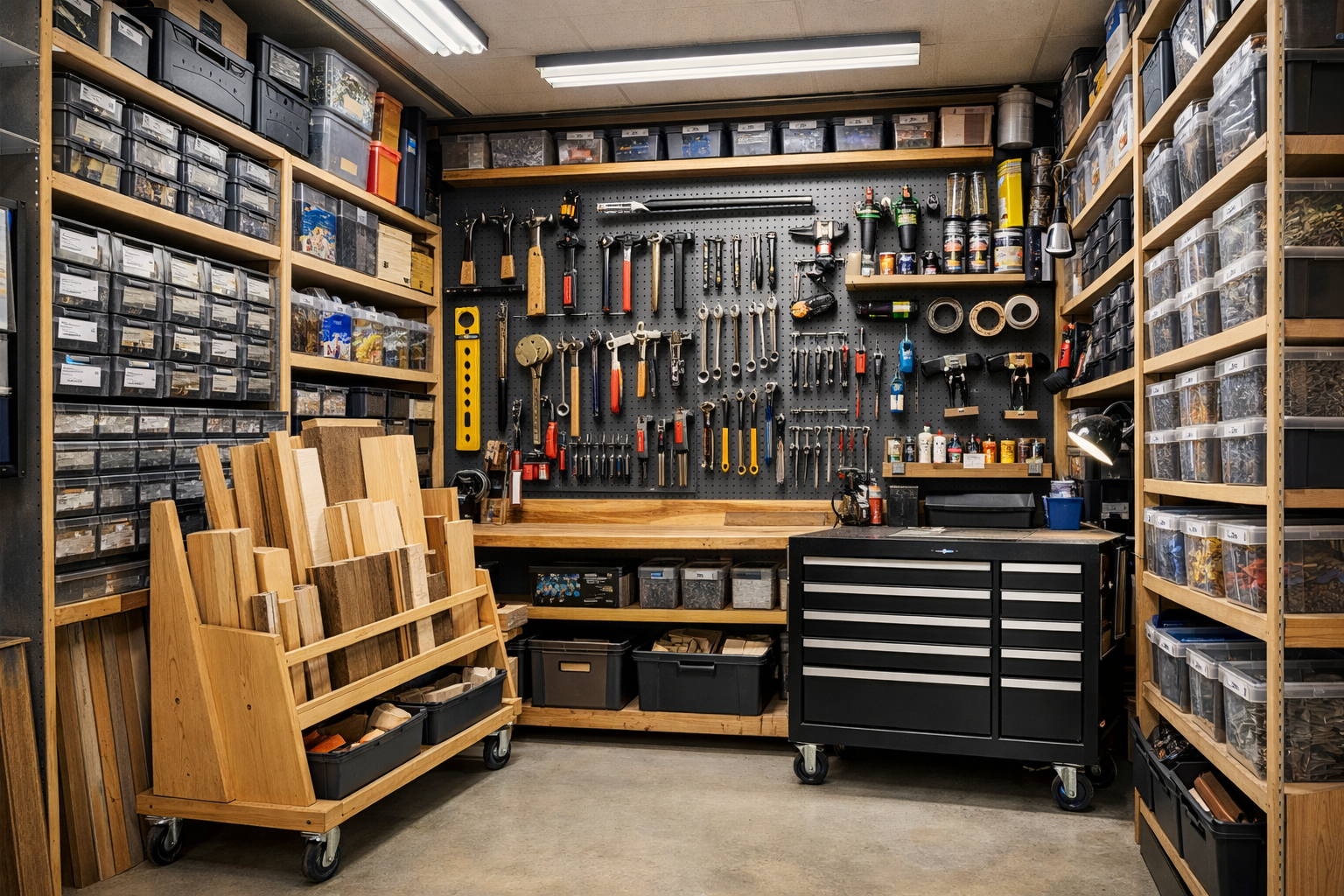
Once your layout and workflow are established, the next critical phase in Optimizing Your Small Workshop Layout: Practical Solutions for Maximizing Space and Workflow involves clever storage. Every wall, every corner, and even the ceiling holds untapped potential.
Vertical Storage: The Unsung Hero
Think up, not out. Vertical storage is paramount in a small workshop.
- Wall-Mounted Shelving and Cabinets: Install shelves above your workbench, around doorways, and wherever wall space permits. Closed cabinets are excellent for keeping dust-sensitive items clean.
- Pegboards and French Cleat Systems: These are incredibly versatile. A pegboard allows for quick rearrangement of tools, while a French cleat system offers robust, customizable storage for heavier items like power tools, clamp racks, and custom jigs. You can find inspiration for organizing small items with our guide on “DIY Modular Desk Organizers: Custom Solutions for a Clutter-Free”.
- Overhead Storage: If your ceiling height allows, consider overhead racks for lumber, sheet goods, or seasonal equipment. Ensure these are securely mounted and easily accessible via a sturdy step stool or ladder.
- Magnetic Strips: Ideal for small metal tools like chisels, screwdrivers, and drill bits, keeping them visible and within reach.

Organized Tool and Material Management
Merely storing items vertically isn’t enough; they need to be organized for quick retrieval.
- Shadow Boards: Trace the outline of each tool directly onto a pegboard or wall panel. This ensures every tool has a home and makes it immediately obvious when a tool is missing.
- Labeled Bins and Drawers: Use clear, consistent labels for all bins, drawers, and cabinet contents. Group similar items together. For fasteners, consider clear plastic organizers that allow you to see contents at a glance.
- Dedicated Storage for Jigs and Fixtures: Custom-built jigs can take up a lot of space. Design specific wall hooks or shelves for them, preferably near the machine they are used with.
- Material Carts: For offcuts and smaller pieces of lumber, a rolling cart with dividers can keep things tidy and portable. Larger sheet goods can stand upright against a wall using a simple rack.
Pro Tip: Regularly purge your workshop. If you haven’t used a tool or a piece of material in a year, consider donating, selling, or discarding it. Less clutter equals more usable space.
Enhancing Workflow and Safety in Your Compact Space
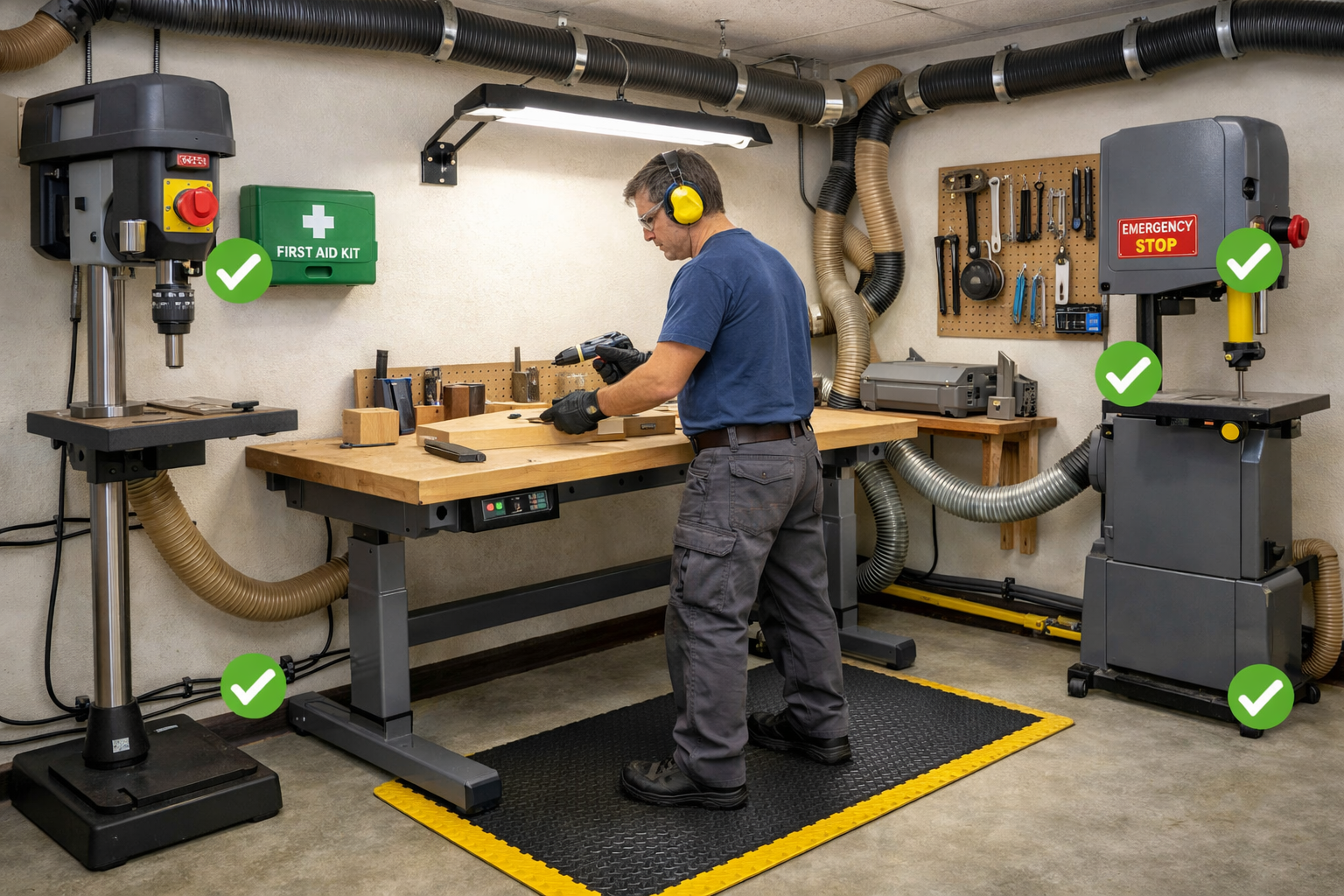
An optimized workshop isn’t just about fitting everything in; it’s about making the space work for you, enhancing both productivity and safety. Thoughtful planning can mitigate the challenges inherent in a compact environment.
Optimizing Lighting and Power
Often overlooked, proper lighting and power are fundamental to an efficient and safe small workshop.
- Layered Lighting: Don’t rely on a single overhead bulb. Implement layered lighting:
- Ambient Lighting: General illumination for the whole shop (LED shop lights are excellent).
- Task Lighting: Focused lighting over your workbench and primary machines (e.g., adjustable LED lamps).
- Accent Lighting: If needed for specific display or detail work, though less critical in a functional workshop.
- Power Outlet Placement: Plan your electrical outlets strategically. Install multiple outlets along your workbench and near major machines. Consider retractable cord reels to keep power cords off the floor and prevent trip hazards.
- Dedicated Circuits: For high-amperage tools, ensure you have dedicated circuits to avoid overloading your electrical system. This is a critical safety consideration.
Dust Collection and Air Quality
In a small, enclosed space, dust and fumes can quickly become a serious health hazard.
- Point-of-Source Dust Collection: Connect your dust collector directly to your most dust-producing machines (table saw, planer, sander). Consider a portable dust collector on wheels if space is extremely limited or a central system with multiple drops. Our article on Craftsman Home N Shop Vac Ultimate Guide to Effective Cleaning Techniques may provide additional insights into workshop cleanliness.
- Ambient Air Filtration: An air filtration unit can capture fine dust particles suspended in the air, improving overall air quality.
- Ventilation: Ensure good cross-ventilation, especially when using finishes or adhesives. Open windows or use an exhaust fan to draw fresh air through the space.
Safety and Ergonomics
A small workshop presents unique safety challenges. An optimized layout directly contributes to a safer working environment. Our comprehensive guide on “Creating Ergonomic Workshop Furniture: Building Custom Workbenches,” offers further details on this important topic.
- Clear Pathways: Ensure there are clear, unobstructed pathways around machines and work areas. Avoid creating bottlenecks.
- Emergency Stops: Know where the emergency stop buttons are on all your machinery.
- Fire Safety: Keep a fire extinguisher readily accessible and know how to use it. Store flammable liquids in approved containers in a well-ventilated area.
- Personal Protective Equipment (PPE): Designate a spot for safety glasses, hearing protection, dust masks, and gloves, making it easy to grab them before starting work.
- Ergonomic Workbench Height: Adjust your workbench height to minimize back strain. The ideal height typically allows you to stand upright with your hands comfortably resting on the work surface.
- Anti-Fatigue Mats: Place these mats in areas where you stand for long periods, such as in front of your workbench or primary machines.

By systematically addressing these aspects, you transform a potentially cramped area into a highly functional and enjoyable workspace, dramatically improving your efficiency and the quality of your work.
Conclusion
Optimizing Your Small Workshop Layout: Practical Solutions for Maximizing Space and Workflow is not merely about tidiness; it’s a strategic investment in your productivity, safety, and overall enjoyment of your craft. By implementing thoughtful design principles, embracing vertical and mobile storage, and prioritizing safety and ergonomics, even the most compact workshop can become a powerhouse of creativity and efficiency.
The path to a perfectly optimized small workshop is ongoing. Continuously evaluate your layout as your tools and projects evolve. Don’t be afraid to experiment with new storage solutions or rearrange zones to find what works best for your specific needs. Start by tackling one area at a time, perhaps by clearing your workbench and implementing a shadow board for your hand tools. Then move to vertical storage, and gradually incorporate mobile bases for your machines. Each small improvement will contribute significantly to a more functional and enjoyable workspace.
Actionable Next Steps:
- Sketch Your Workflow: Draw a diagram of your current workshop and map out the typical path you take for a project. Identify bottlenecks.
- Go Vertical: Install one new shelf, pegboard, or French cleat system this week.
- Mobilize: Add casters to at least one major piece of equipment or your workbench.
- Label Everything: Begin labeling drawers and bins to eliminate guesswork.
- Review Safety: Check your fire extinguisher, ensure clear pathways, and identify proper PPE storage.
By taking these steps, you’ll not only transform your workshop but also elevate your craft, allowing you to focus on the joy of creating rather than the frustration of searching.
References
Jones, R., & Smith, L. (2023). The Impact of Workspace Organization on Productivity in Small Businesses. Journal of Applied Ergonomics, 15(2), 112-125.