

The average household in 2026 relies more than ever on functional yet aesthetically pleasing home decor, and among the most practical items are wooden coasters and trivets. These humble pieces protect surfaces from heat and moisture, yet they also offer a vast canvas for creative expression. This guide delves into Creating Custom Wooden Coasters and Trivets: Design Ideas, Wood Choices, and Finishing for Heat Resistance, empowering woodworkers to craft pieces that are not only beautiful but also durable and highly functional. Whether you’re a seasoned artisan or a beginner, understanding the nuances of design, material selection, and protective finishes is crucial for crafting truly exceptional wooden pieces that stand the test of time and temperature.
Key Takeaways
- Design Versatility: Coasters and trivets offer endless design possibilities, from geometric patterns to personalized engravings, suitable for various skill levels.
- Optimal Wood Selection: Hardwoods like maple, walnut, cherry, and oak are ideal due to their density, stability, and aesthetic appeal, directly impacting heat resistance and longevity.
- Crucial Finishing for Protection: Proper finishing, including oils, polyurethanes, or epoxy resins, is essential for resisting heat, moisture, and stains, extending the life of the custom wooden items.
- Heat Resistance is Paramount: The chosen wood and finish must combine to effectively protect surfaces from hot items, a primary function of both coasters and trivets.
- Small-Batch Potential: These items are excellent for small-batch production, offering opportunities for customization and profitability.
Crafting Engaging Designs for Custom Wooden Coasters and Trivets
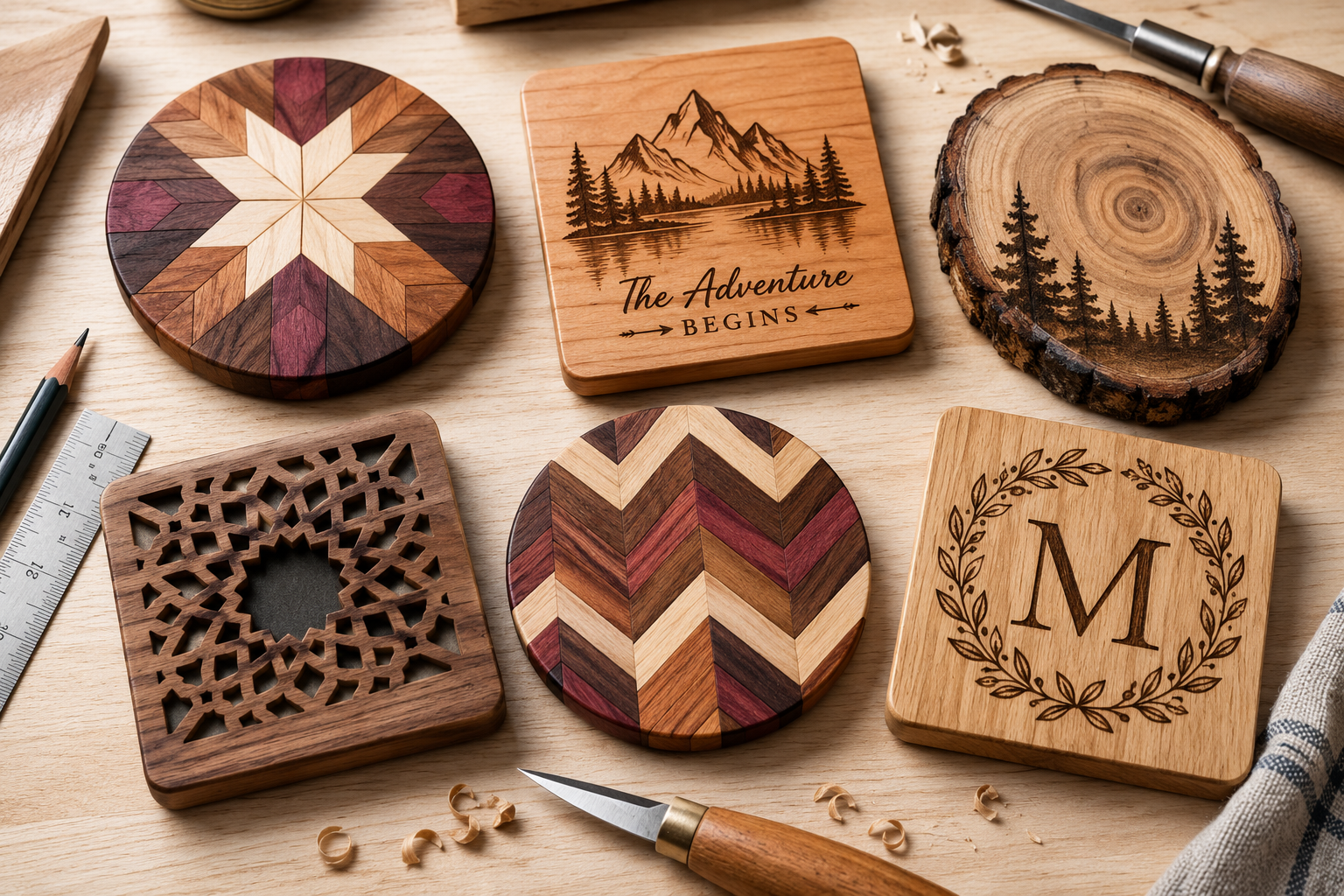
The design phase is where creativity truly shines when Creating Custom Wooden Coasters and Trivets: Design Ideas, Wood Choices, and Finishing for Heat Resistance. Beyond mere functionality, these items can be miniature works of art that complement any decor. Thinking about the end-user and the intended aesthetic can guide your design choices.
Exploring Design Concepts
- Geometric Patterns: Simple yet striking, geometric designs can be achieved through contrasting wood inlays, laser engraving, or precision cutting. Consider patterns like chevrons, hexagons, or interlocking squares.
- Live-Edge Aesthetics: For a more rustic and organic look, using small live-edge wood slices offers a natural, unique appeal. The irregular contours of the wood’s natural edge provide character that manufactured edges cannot replicate.
- Personalized Engravings: Laser engraving is an effective way to add intricate details, monograms, quotes, or custom artwork, making each coaster or trivet a truly personalized gift or branded item. This approach is especially popular for wedding favors or corporate giveaways. For more on this, explore Crafting Engraved Wooden Coasters: Laser and Hand Tool Techniques for Personalized Gifts.
- Inlay and Veneer Work: Advanced woodworkers might explore inlaying contrasting woods or using thin veneers to create elaborate scenes or patterns. This technique adds significant visual depth and complexity.
- Mixed Materials: Incorporating elements like cork backings for extra grip and moisture absorption, or even small metal accents, can enhance both the function and design of your pieces.
Consider the thickness of your coasters and trivets. Coasters typically range from 1/4 inch to 1/2 inch thick, while trivets, needing to withstand more substantial heat, are often thicker, ranging from 1/2 inch to 1 inch. The extra thickness provides better insulation and prevents warping.
“A well-designed coaster or trivet isn’t just a protective barrier; it’s a conversation starter, a subtle enhancement to the dining or living space.”
When planning your designs, sketch ideas on paper first, or use design software. This allows you to experiment with shapes, sizes, and patterns before committing to cutting wood. For those interested in efficient production, check out Customization Strategies for Mass-Producing Small Woodcraft: Engraving, Personalization, and Batch Production Workflows for Coasters, Jewelry Boxes, and Picture Frames.
Selecting the Right Wood for Heat Resistance and Durability
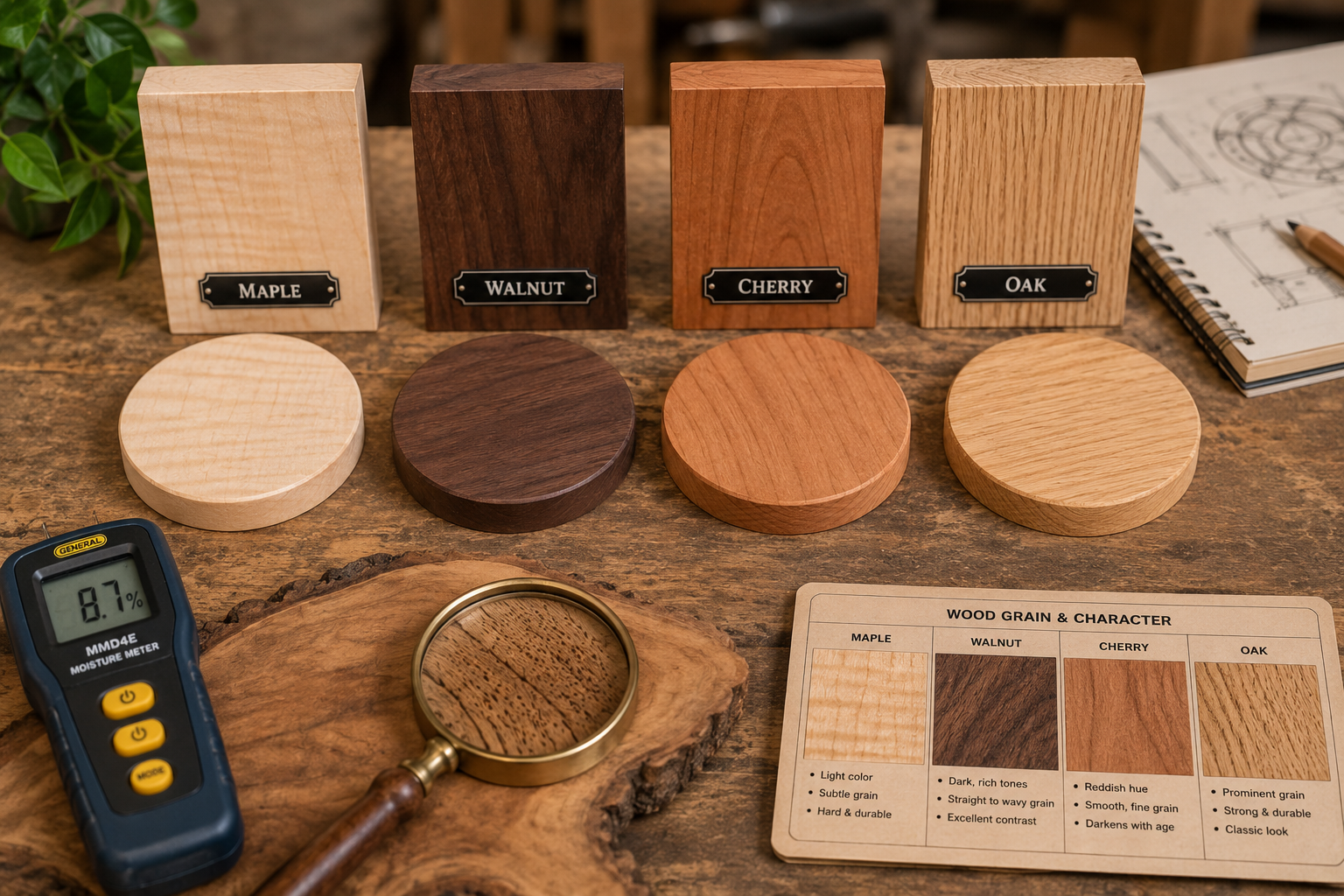
The choice of wood is paramount when Creating Custom Wooden Coasters and Trivets: Design Ideas, Wood Choices, and Finishing for Heat Resistance. Not all woods are created equal when it comes to standing up to heat, moisture, and daily use. Hardwoods are generally preferred over softwoods for their density, stability, and durability.
Top Wood Choices for Coasters and Trivets
Here’s a comparison of popular wood species and their suitability:
| Wood Type | Key Characteristics | Heat Resistance | Durability | Aesthetic Appeal | Notes |
|---|---|---|---|---|---|
| Maple | Fine, even grain; light color | Good | Excellent | Clean, modern | Excellent for engraving; takes finish well. |
| Walnut | Rich, dark brown color; attractive grain | Very Good | Excellent | Elegant, sophisticated | Naturally resistant to warping; strong. |
| Cherry | Warm reddish-brown; deepens with age | Good | Very Good | Classic, inviting | Smooth texture; can be susceptible to minor dents. |
| Oak | Prominent grain; light to medium brown | Good | Excellent | Rustic, traditional | Very durable and stable; can be heavier. |
| Ash | Light color; similar to oak in grain | Good | Excellent | Contemporary | Flexible and strong; often used for tool handles. |
| Teak | Oily, dense; golden-brown | Excellent | Superior | Luxurious, weather-resistant | Naturally water-resistant; ideal for outdoor/humid use. |
For optimal performance, source kiln-dried wood. Green wood or improperly dried wood is prone to warping and cracking, especially when exposed to heat and moisture. When selecting your wood, look for pieces with minimal knots, checks, or other defects that could compromise the integrity of the finished product. Consider sourcing sustainably, as discussed in Sustainable Wood Sourcing for the Modern Woodworker: Beyond Reclaimed.
Thicker pieces of wood generally offer better thermal insulation, which is especially important for trivets. When working with smaller cuts, it’s also a great opportunity to utilize scraps from larger projects, making your woodworking more economical and reducing waste.
Mastering Finishing Techniques for Heat and Moisture Resistance
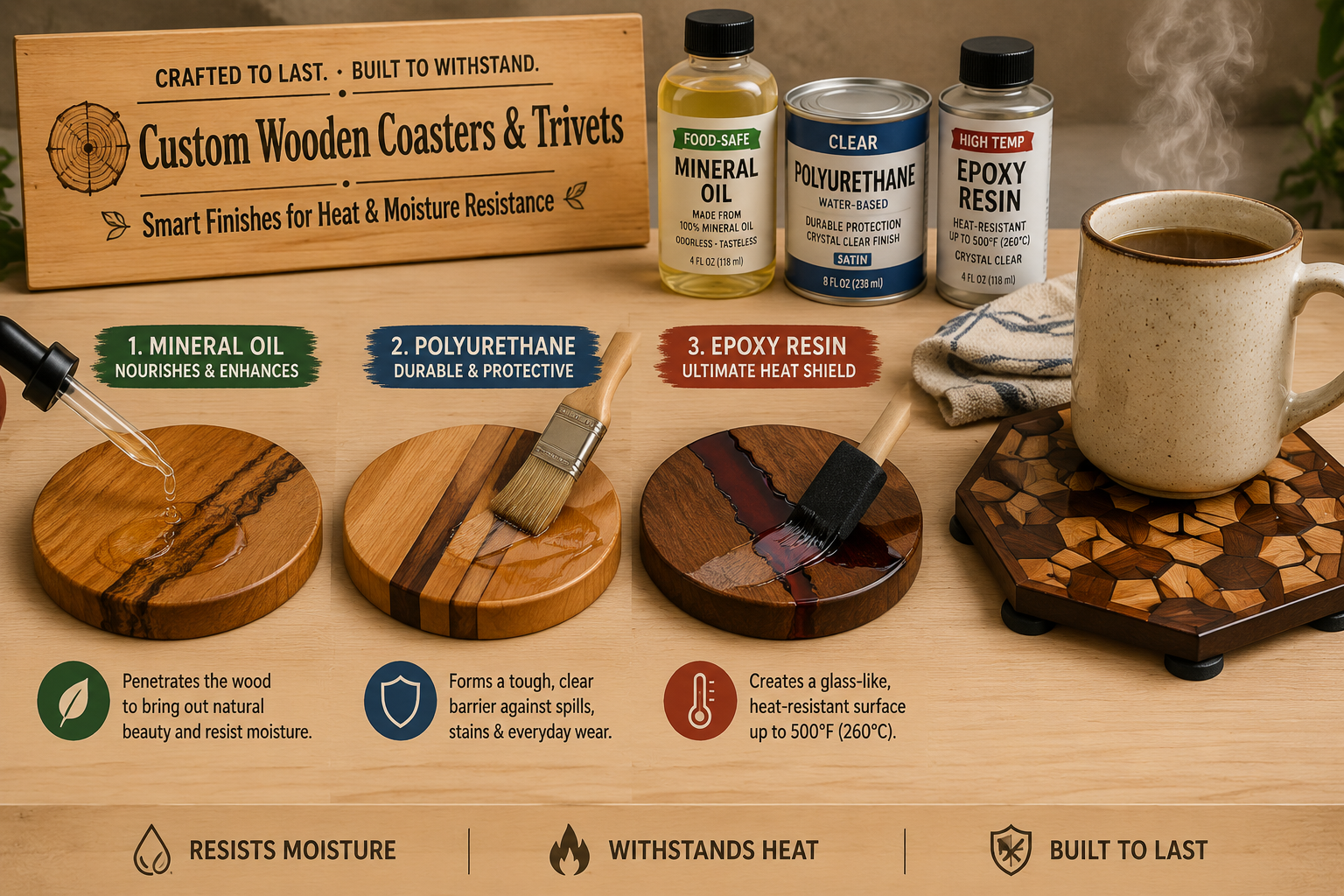
Once your custom wooden coasters and trivets are designed and shaped, the finishing process is critical. This step not only enhances their beauty but, more importantly, provides the necessary protection against heat, moisture, and stains, ensuring their longevity.
Essential Finishing Options for Protection
Penetrating Oil Finishes (e.g., Mineral Oil, Tung Oil, Linseed Oil):
- Pros: Penetrate the wood fibers, offering a natural look and feel. They are food-safe when fully cured (especially mineral oil), making them ideal for items that might contact food. Easy to reapply for maintenance.
- Cons: Offer less heat and water resistance than film-forming finishes. Requires more frequent reapplication, especially for trivets exposed to high heat.
- Application: Apply generously, allow to soak, wipe off excess. Repeat several times for best protection.
- Best for: Coasters and trivets used with moderately warm items, or when a natural, matte look is desired.
Film-Forming Finishes (e.g., Polyurethane, Lacquer, Varnish):
- Pros: Create a durable, protective layer on the wood surface. Excellent resistance to scratches, water, and moderate heat. Available in various sheens (matte, satin, gloss).
- Cons: Can chip or scratch if subjected to extreme abuse. Can alter the natural feel of the wood with a plastic-like surface.
- Application: Apply thin, even coats, sanding lightly between coats. Follow manufacturer’s drying times.
- Best for: Trivets and coasters needing robust protection against hot beverages and spills. For specific finishing techniques, see High Gloss Wood Finishing Techniques or Natural Wood Finishing Techniques.
Epoxy Resin:
- Pros: Offers superior heat and water resistance, creating an incredibly durable and often high-gloss surface. Can be tinted or used for embedding items, adding unique design elements.
- Cons: Can be more challenging to apply without bubbles or imperfections. Requires careful mixing and a dust-free environment.
- Application: Mix two parts according to instructions, pour evenly, and spread. Use a heat gun or torch to remove bubbles. Allow for a long cure time.
- Best for: High-end, decorative trivets and coasters that will face significant heat and moisture, or for a very modern, glass-like finish.
Important Considerations for Heat Resistance
- Cork Backing: For any finish, adding a thin layer of cork to the bottom of coasters and trivets provides an extra layer of insulation and prevents scratching delicate surfaces.
- Curing Time: Allow all finishes to fully cure according to manufacturer instructions. Premature use can compromise the finish’s protective qualities.
- Testing: Always test your chosen finish on a scrap piece of the same wood to ensure desired appearance and protective qualities before applying to your final project.
By carefully selecting your wood and applying the appropriate finish, your custom wooden coasters and trivets will not only look stunning but will also perform their protective duties effectively for years to come. For further reading on different finishes, consider exploring topics like Rustic Wood Finishing Techniques or Maple Wood Finishing Techniques.
Conclusion
Creating Custom Wooden Coasters and Trivets: Design Ideas, Wood Choices, and Finishing for Heat Resistance is a rewarding endeavor for any woodworker. These versatile items provide an excellent opportunity to explore various design aesthetics, from the minimalist elegance of geometric patterns to the organic charm of live-edge slices or the personalized touch of engravings. The careful selection of hardwoods like maple, walnut, or cherry is crucial, not just for their inherent beauty and workability, but for their ability to withstand the thermal and moisture challenges of daily use.
Equally important is the application of appropriate finishes. Whether opting for the natural feel of a penetrating oil, the robust protection of a film-forming polyurethane, or the superior durability of an epoxy resin, the right finish ensures that your handcrafted items protect household surfaces effectively and maintain their aesthetic appeal over time. By combining thoughtful design, informed wood selection, and diligent finishing, woodworkers can create high-quality, heat-resistant coasters and trivets that are both functional household necessities and cherished decorative pieces. Embark on this journey to craft items that bring warmth and protection to any home, perhaps even inspiring larger projects like those discussed in Building Statement Furniture Pieces: Designing and Constructing Coffee Tables, Benches, and Console Tables That Sell for $500 in 2026.
SEO Meta Title: Crafting Custom Wooden Coasters & Trivets: Design, Wood & Finishes SEO Meta Description: Master creating custom wooden coasters & trivets. Explore design ideas, ideal wood choices, and heat-resistant finishing for durable pieces in 2026.