

The stark reality is that woodworking accidents involving power tools account for a significant number of emergency room visits each year. According to the U.S. Consumer Product Safety Commission, thousands of injuries are linked to workshop machinery annually, ranging from minor cuts to severe amputations. Prioritizing safety in your woodworking endeavors is paramount, and this comprehensive guide will cover the essential safety practices for power tools in the home workshop, outlining best practices, common hazards, and preventative measures for a secure environment for all skill levels.
Key Takeaways
- Always wear appropriate Personal Protective Equipment (PPE) including eye, ear, and respiratory protection.
- Maintain a clean, organized workshop free of clutter and debris to prevent slips, trips, and falls.
- Understand each power tool’s specific safety features and operating procedures before use.
- Regularly inspect tools for damage, sharp blades, and proper functioning of safety guards.
- Never work alone if possible, and always have a clear emergency plan, including a well-stocked first-aid kit.
Foundations of Essential Safety Practices for Power Tools in the Home Workshop: Personal Protection and Environment
Implementing robust safety measures begins with the individual and their workspace. Before any tool is powered on, understanding personal protective equipment (PPE) and maintaining a pristine workshop environment are non-negotiable steps for essential safety practices for power tools in the home workshop.
Personal Protective Equipment (PPE): Your First Line of Defense
No matter how minor the task, PPE is critical. It acts as a barrier between you and potential hazards.
- Eye Protection: Safety glasses or goggles are indispensable. Shavings, dust, and errant pieces of wood can become high-velocity projectiles. Look for eyewear rated ANSI Z87.1 for impact resistance.
- Hearing Protection: Power tools often produce noise levels far exceeding safe limits, which can lead to permanent hearing damage over time. Earmuffs or earplugs are vital. Choose options with a high Noise Reduction Rating (NRR).
- Respiratory Protection: Sawdust, especially from certain woods like exotic hardwoods or MDF, can cause respiratory irritation, allergies, or long-term lung issues. A dust mask or respirator (N95 or better) should be worn when creating dust. Consider a comprehensive DIY Smart Workshop Dust Collection System to significantly reduce airborne particulates.
- Hand Protection: While not always recommended for tools with rotating blades (due to entanglement risks), appropriate gloves can protect against splinters, sharp edges, and chemical exposure (e.g., when finishing). For handling rough lumber or non-rotating tool tasks, cut-resistant gloves are beneficial.
- Foot Protection: Steel-toed boots can prevent injuries from dropped tools or falling lumber.
- Appropriate Clothing: Avoid loose-fitting clothing, jewelry, or long, untied hair that could get caught in moving parts.

Maintaining a Safe and Organized Workshop
A cluttered workshop is an invitation to accidents. A clean and well-organized space not only boosts efficiency but drastically reduces hazards.
- Cleanliness: Regularly sweep or vacuum sawdust and debris. A clean floor prevents slips and trips. Keep your workbench clear of unnecessary items.
- Lighting: Ensure your workshop is brightly lit, minimizing shadows that can obscure blades or workpieces. Task lighting for specific tools is often beneficial.
- Ventilation: Good air circulation is essential for dispersing dust and fumes from finishes. Open windows or use exhaust fans. As mentioned, a dust collection system is a powerful asset.
- Tool Storage: Store tools properly when not in use. Sharp edges should be covered, and heavy tools placed securely. Implement Smart Workshop Storage Solutions to keep everything organized and accessible.
- Clear Pathways: Ensure unobstructed paths around all your machinery to prevent accidental contact while operating.
- Ergonomics: Consider ergonomic setups to reduce fatigue and strain, which can lead to mistakes. Our guide on Creating Ergonomic Workshop Furniture offers valuable insights.
Operating Power Tools Safely: Techniques and Prevention
Beyond personal gear and environment, the manner in which you interact with power tools is paramount. Mastering essential safety practices for power tools in the home workshop requires diligent attention to technique, tool inspection, and emergency preparedness.
Understanding Your Tools and Their Safe Operation
Each power tool has its own set of dangers and specific safety protocols. Never assume you know how to operate a new tool without consulting its manual.
- Read the Manual: This is non-negotiable. The manufacturer’s manual contains vital information about safe operation, maintenance, and specific hazards.
- Inspect Tools Before Use: Before each use, inspect power cords for damage, check blades and bits for sharpness and cracks, and ensure all guards are in place and functioning. For instance, a dull saw blade is more likely to bind and cause kickback than a sharp one.
- Power Cord Management: Keep cords out of walkways and away from cutting surfaces. Avoid using tools with frayed or damaged cords. Never yank a cord to unplug a tool.
- Maintain Sharp Blades and Bits: Dull tools require more force, increasing the risk of slips and kickback. Learn to identify when a blade needs sharpening or replacement. For specific tools like a band saw, knowing essential techniques includes ensuring the blade is sharp and correctly tensioned.
- Secure Workpieces: Always clamp or secure your workpiece firmly. Freehand cutting with power tools is extremely dangerous.
- Avoid Kickback: Kickback is a sudden, violent reaction that can occur when a spinning blade binds in the material. Always use rip fences, miter gauges, and push sticks. Stand out of the potential kickback path.
- Use Push Sticks and Blocks: For cutting small pieces or when your hands are close to a blade, always use push sticks, push blocks, and featherboards. This keeps your fingers safely away from the cutting action.
- Never Bypass Safety Guards: Safety guards are there for a reason. Never remove them or operate a tool with a malfunctioning guard. For example, a table saw’s blade guard prevents accidental contact.
- Unplug When Changing Bits or Blades: Always unplug a power tool before changing blades, bits, or making adjustments. This prevents accidental startup. This also applies when troubleshooting issues, like the Shop-Vac ball float problem.
- Patience and Focus: Rushing or being distracted leads to mistakes. Focus entirely on the task at hand. Avoid using power tools when fatigued or under the influence of any impairing substances.
Specific Tool Considerations
While general rules apply, some tools demand particular attention:
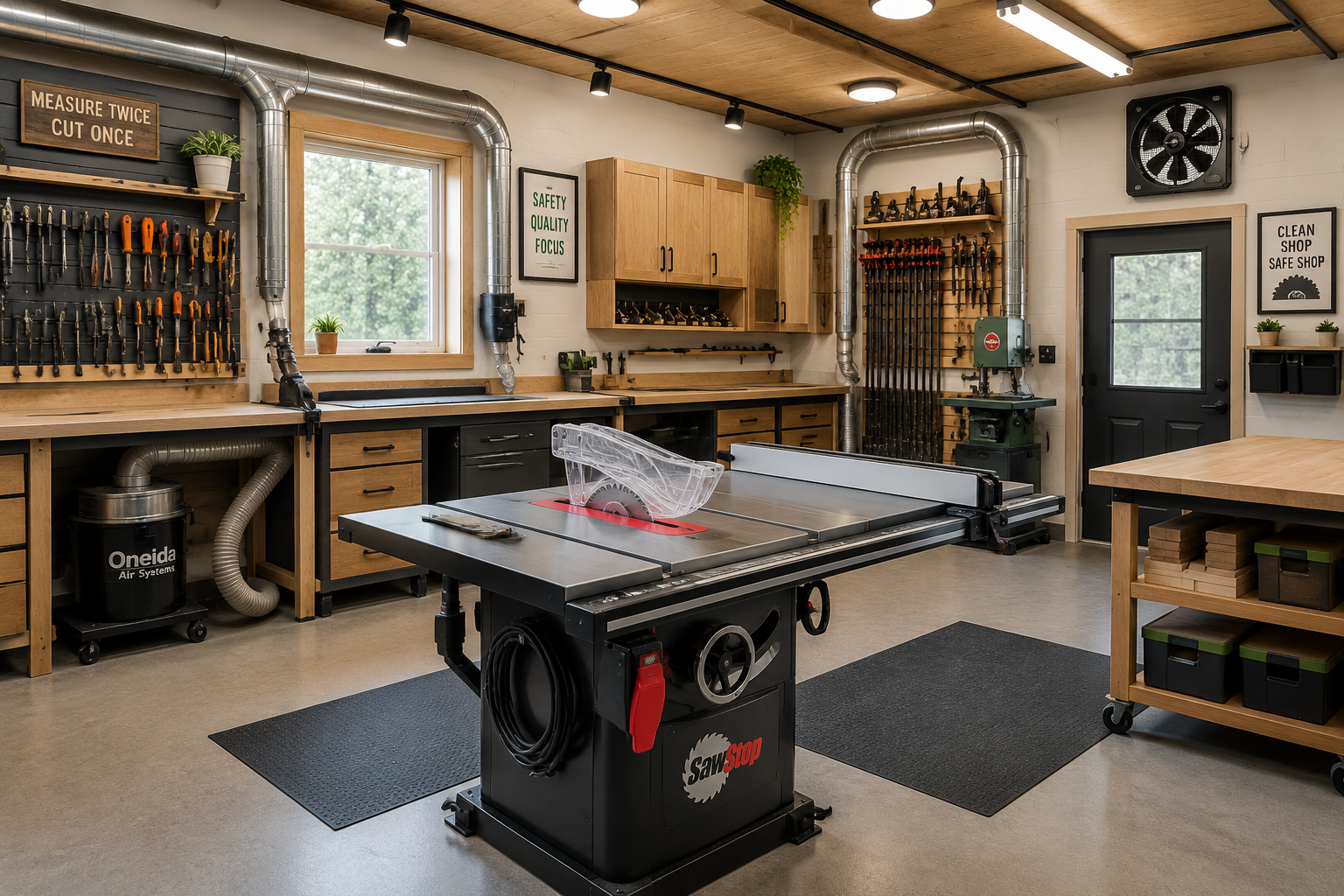
- Table Saw: The most dangerous tool in many workshops. Always use a splitter or riving knife, blade guard, and anti-kickback pawls. Always use push sticks when feeding material.
- Miter Saw: Ensure the workpiece is fully supported and clamped. Allow the blade to reach full speed before cutting and ensure the blade guard functions correctly.
- Router: Secure the workpiece, ensure the bit is properly tightened, and understand the climb cut vs. conventional cut distinctions to prevent unexpected movement. For router bit selection, safety often dictates matching the bit to the task and material.
- Drill Press: Clamp small workpieces to the table. Never hold them by hand. Remove the chuck key immediately after tightening a bit. For understanding shank hole basics, proper setup is key.
- Band Saw: Ensure the blade is properly tensioned and tracking. Adjust the blade guard to be just above the workpiece. Be aware of the blade’s kerf and potential for drift. More on this in Mastering the Band Saw.
Emergency Preparedness and Ongoing Safety Culture
Even with meticulous planning, accidents can happen. Being prepared for an emergency is a final, crucial layer of essential safety practices for power tools in the home workshop. Cultivating a continuous safety culture ensures vigilance remains high.
Emergency Procedures and Equipment
Knowing what to do when something goes wrong can minimize injury and damage.
- First-Aid Kit: A well-stocked first-aid kit is mandatory. Ensure it includes bandages, antiseptic wipes, pain relievers, and trauma dressings. Everyone in the workshop should know its location.
- Fire Extinguisher: Wood dust is highly flammable. Keep a Type ABC fire extinguisher easily accessible and know how to use it.
- Emergency Stop Button: If a piece of machinery has an emergency stop button, ensure it is clearly marked and functional. If not, know where the power switch is for each tool.
- Clear Exit Paths: Ensure your workshop has at least one clear, unobstructed exit in case of fire or other emergencies.
- Communication: If you often work alone, consider a way to quickly contact emergency services (e.g., keeping your phone within reach). Let someone know when you are working with power tools.

Fostering a Culture of Safety
Safety is not a one-time checklist; it’s an ongoing commitment.
- Regular Review: Periodically review your safety practices and workshop setup. Are there new tools? Have your skills advanced? What new hazards might exist?
- Learn from Others: Join woodworking forums or local clubs. Sharing experiences and learning from others’ mistakes (and successes) can be invaluable.
- Continuous Education: Attend workshops, watch instructional videos, and read articles on tool-specific safety. Even experienced woodworkers can learn new safety techniques.
- Teach and Mentor: If you mentor beginners, instill good safety habits from day one. Our Beginner’s Guide to Building a Simple Wooden Bookshelf emphasizes foundational skills, which always start with safety.
- Lead by Example: Always demonstrate safe practices yourself. Your actions speak louder than words.
By adhering to these comprehensive guidelines for essential safety practices for power tools in the home workshop, hobbyists and seasoned craftspeople alike can significantly reduce the risk of injury, ensuring a productive and enjoyable woodworking experience in 2026 and beyond.
Conclusion
The allure of transforming raw materials into beautiful and functional pieces is undeniable, but it should never come at the expense of personal safety. Adopting essential safety practices for power tools in the home workshop is not merely a recommendation; it is a fundamental requirement for anyone operating these powerful machines. From meticulously selecting and wearing appropriate PPE to maintaining an organized workspace, understanding each tool’s nuances, and preparing for emergencies, every step contributes to a secure environment. By prioritizing safety as an ongoing commitment, woodworkers of all skill levels can hone their craft with confidence, peace of mind, and the assurance that they are minimizing risks to themselves and others. Make safety your constant companion in the workshop.
References
- U.S. Consumer Product Safety Commission. (2024). Power Tool Safety Guide. Retrieved from https://www.cpsc.gov/
- Occupational Safety and Health Administration (OSHA). (n.d.). Hand and Power Tools. Retrieved from https://www.osha.gov/
Power tool safety, workshop safety, woodworking safety, PPE, home workshop, tool operation, kickback prevention, emergency preparedness, dust collection, safe practices