
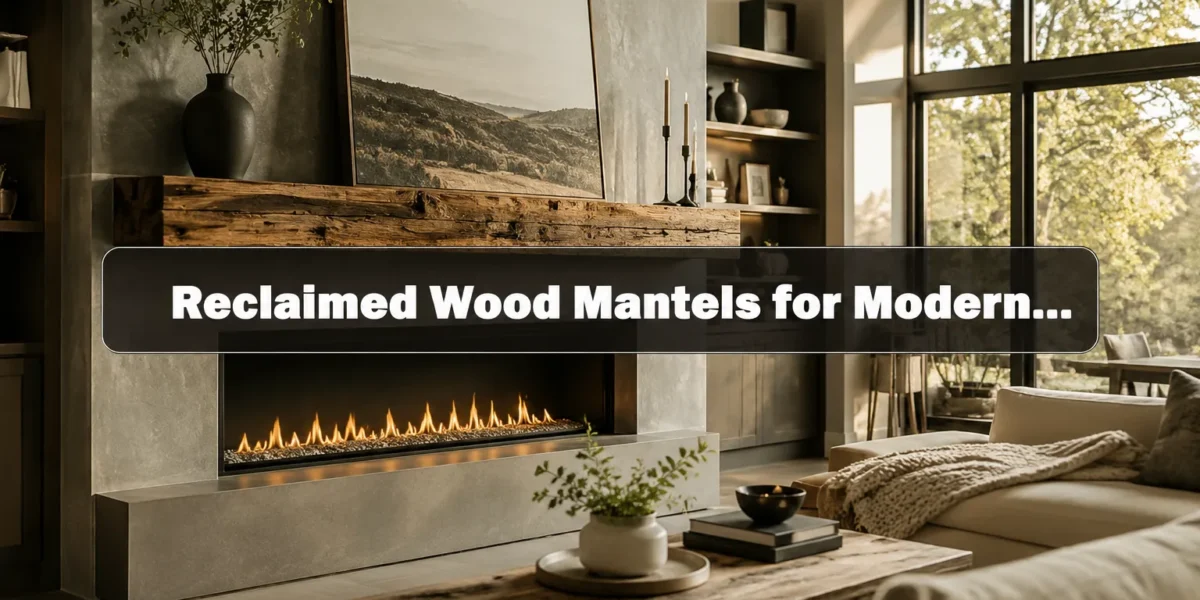
The average household in North America generates approximately 4.9 pounds of waste per day, contributing to a growing demand for sustainable materials in home design. Reclaimed wood, salvaged from old barns, factories, and other structures, offers a compelling solution, particularly for homeowners seeking to imbue their living spaces with unique character and ecological responsibility. Integrating Reclaimed Wood Mantels for Modern Fireplaces: Balancing Organic Warmth with Contemporary Design presents a powerful aesthetic statement, bridging the rustic charm of history with the clean lines of modern living. This approach not only diverts usable timber from landfills but also introduces an unparalleled sense of authenticity and story into contemporary interiors.
Key Takeaways
- Reclaimed wood mantels offer a sustainable and unique aesthetic for modern fireplaces.
- Proper sourcing and preparation are crucial for the longevity and safety of reclaimed timber.
- Mantel design should harmonize with both the fireplace type (gas, electric, traditional) and the overall room’s contemporary style.
- Finishing options, from natural oils to matte sealers, play a vital role in protecting the wood and complementing the design.
- Professional installation ensures structural integrity and a seamless integration into modern architectural elements.
Sourcing and Preparing Reclaimed Timber for Fireplace Mantels
The journey of a reclaimed wood mantel begins long before it adorns a modern fireplace. It starts with careful sourcing and meticulous preparation to ensure its suitability for this prominent application. The very essence of Reclaimed Wood Mantels for Modern Fireplaces: Balancing Organic Warmth with Contemporary Design lies in the timber’s provenance and its readiness to withstand the unique environment of a fireplace surround.
Identifying Quality Reclaimed Wood Sources
Not all reclaimed wood is created equal, especially when it comes to a feature as central as a fireplace mantel. Key sources include old barns, industrial buildings, distilleries, and even underwater salvage operations. Each source offers distinct characteristics:
- Barn Wood: Often pine, oak, or hemlock, barn wood is celebrated for its deep patina, saw marks, and nail holes, telling a visible story of its past.
- Industrial Beams: Typically dense hardwoods like oak, maple, or Douglas fir, these beams possess impressive structural integrity and often come in larger dimensions suitable for substantial mantels.
- Underwater Salvage: Timber from riverbeds or lakes, submerged for decades or centuries, develops unique mineral stains and exceptional stability due to slow oxygen deprivation.
When evaluating a source, prioritize suppliers who can verify the wood’s origin and have a reputation for quality. Look for timber that is structurally sound, free from excessive rot or insect damage, and ideally, has been air-dried or kiln-dried to stabilize moisture content. The chosen wood should align with the desired aesthetic, whether a heavily distressed look or a more refined, subtly aged appearance.
Essential Preparation Steps for Fireplace Exposure
Preparing reclaimed timber for a fireplace mantel is a multi-step process that addresses both structural integrity and fire safety. This is particularly important given the proximity to heat sources.
- Cleaning and De-nailing: The initial step involves thoroughly cleaning the timber to remove dirt, debris, and any loose material. All old nails, screws, or metal fragments must be carefully extracted. Metal left in the wood can cause dangerous sparks if exposed to heat or present a hazard during milling.
- Pest and Fungus Treatment: Reclaimed wood often carries a history of insect activity or fungal growth. Before bringing it into a home, it’s crucial to treat the wood. Kiln drying is highly effective, as the high temperatures kill most pests and sterilize fungi. If kiln drying isn’t an option, professional fumigation or heat treatment might be necessary. This ensures that no unwanted guests are introduced into the home.
- Drying and Stabilization: Wood, especially reclaimed timber, needs to be stable to prevent warping, cracking, or excessive movement after installation. Ideally, the wood should be kiln-dried to a moisture content of 6-9% for interior use. If only air-dried wood is available, allow it to acclimate indoors for several weeks or months in the intended environment before final shaping and installation. This process helps the wood reach equilibrium with the ambient humidity.
- Sizing and Shaping: Once cleaned, treated, and stabilized, the timber can be cut to the desired length and dimensions. For a modern aesthetic, sharp, clean cuts are often preferred, but the natural edges (live edge) can also be preserved for a more organic feel. The surface can be planed smooth, wire-brushed to enhance grain, or left with its original rough-sawn texture, depending on the design vision.

Designing Reclaimed Wood Mantels for Modern Fireplaces
The true art of Reclaimed Wood Mantels for Modern Fireplaces: Balancing Organic Warmth with Contemporary Design lies in the deliberate choices made during the design phase. It’s about creating a focal point that respects the wood’s history while seamlessly integrating with contemporary aesthetics.
Harmonizing with Modern Fireplace Styles
Modern fireplaces come in various forms, each presenting unique design considerations for a reclaimed wood mantel.
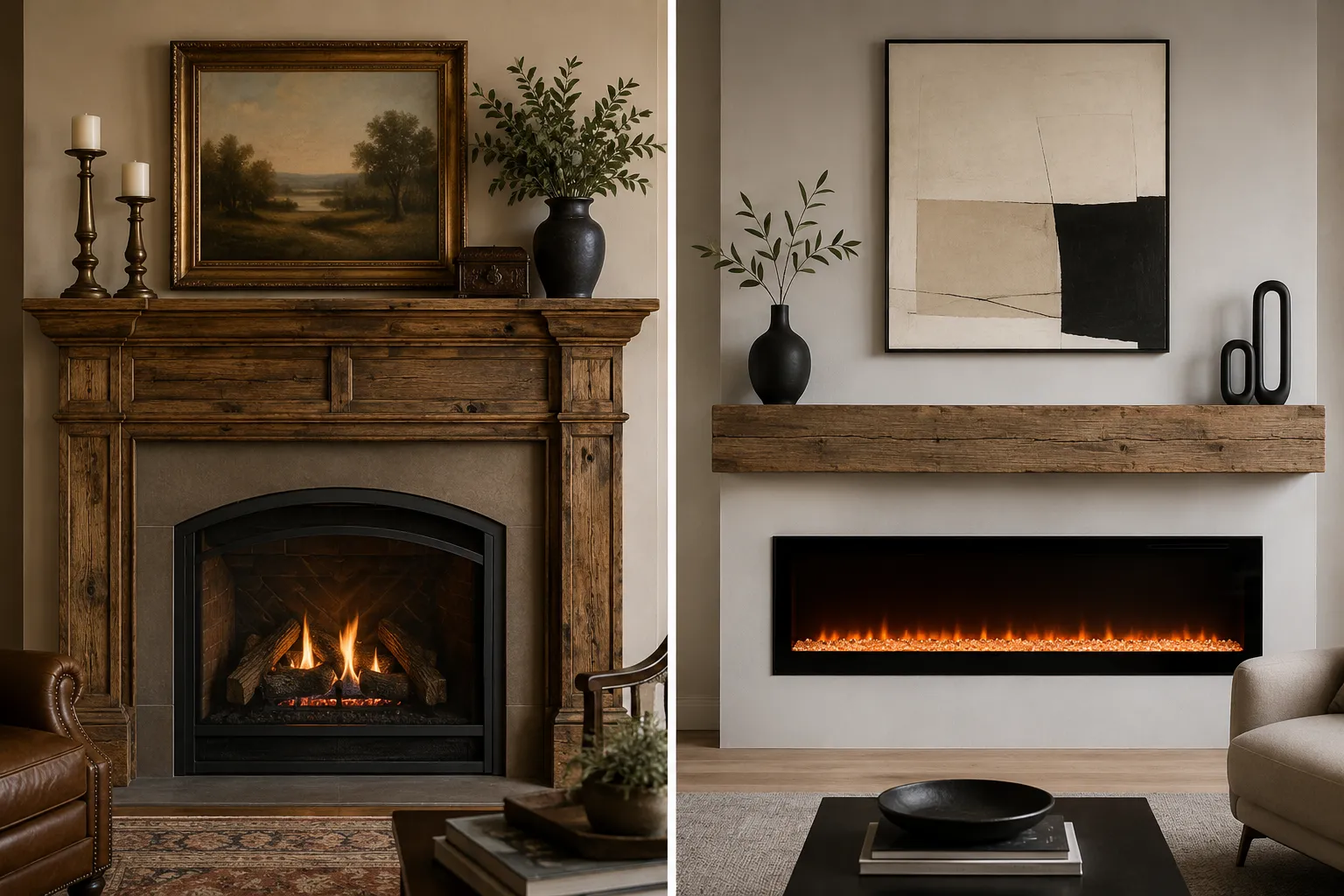
- Linear Gas Fireplaces: These sleek, often horizontal fireplaces benefit from mantels that complement their elongated form. A long, clean-lined reclaimed beam, perhaps with a subtly planed surface, can enhance the minimalist aesthetic while adding texture. The contrast between the raw wood and the clean firebox can be striking.
- Electric Fireplaces: Often wall-mounted or built-in, electric fireplaces offer flexibility. A reclaimed wood mantel can ground the visual space, providing a natural counterpoint to the synthetic flame effect. Consider a mantel with a shallower depth for wall-mounted units to maintain a streamlined profile.
- Traditional Fireplaces (with a Modern Twist): Even a traditional masonry fireplace can be modernized with the right reclaimed mantel. Instead of an ornate, layered design, opt for a single, substantial beam with clean edges. This simplifies the visual, bringing the focus to the wood’s organic beauty.
- Inset or Flush Fireplaces: For fireplaces that sit flush with the wall, a “floating” reclaimed mantel design can create a dramatic effect, appearing to emerge directly from the wall. This requires precise installation and a robust mounting system.
Mantel Profiles and Finishing Options
The profile and finish of the reclaimed mantel are critical in defining its character and its relationship with the surrounding modern design.
Common Mantel Profiles:
- Solid Beam: The most straightforward and popular choice, using a single, substantial piece of timber. Its simplicity often works best in modern settings.
- Box Beam: A hollow construction that mimics a solid beam but is lighter and sometimes easier to install. It can also conceal wiring for lighting or integrated tech.
- Live Edge: Retains the natural, irregular edge of the tree, offering a more organic and sculptural feel that contrasts beautifully with sharp modern lines.
- Sleek & Planed: The wood is planed smooth on all surfaces, minimizing rustic elements and emphasizing the grain patterns and inherent warmth of the timber.
Finishing for Modern Appeal:
The finish protects the wood and dictates its final appearance. For modern designs, less is often more.
- Natural Oils and Waxes: These finishes penetrate the wood, enhancing its natural color and grain without creating a plastic-like surface. They offer a matte or satin look, perfect for allowing the wood’s character to shine through. Consider products that are non-toxic and eco-friendly. Learn more about Natural Wood Finishing Without Chemicals: Plant-Based Stains, Oils.
- Matte Sealers: A clear, matte polyurethane or acrylic sealer can offer durable protection without adding gloss, preserving the raw, organic look of the reclaimed wood.
- Light Stains or Washes: If a slight color adjustment is desired, a very light stain or a white/grey wash can subtly alter the wood’s tone without obscuring its texture or history.
- Burnished or Wire-Brushed: These techniques enhance the wood’s texture, bringing out the softer grain and creating a tactile surface that adds depth to a modern space.
Installation and Longevity Considerations for 2026
Achieving the perfect balance of organic warmth and contemporary design with Reclaimed Wood Mantels for Modern Fireplaces: Balancing Organic Warmth with Contemporary Design requires attention to structural integrity and long-term care. Proper installation and maintenance are paramount, especially given the current year is 2026, and homeowners prioritize durability and timeless appeal.
Secure Mounting Techniques for Heavy Timbers
Reclaimed wood mantels can be exceptionally heavy, making secure installation a critical safety and aesthetic concern. The mounting method must accommodate the weight of the timber and the type of wall construction.
- Floating Mantel Brackets: For a minimalist look, heavy-duty floating mantel brackets, often made of steel, are bolted directly into wall studs. The mantel is then drilled to slide over these brackets, creating the illusion that it’s floating. This method requires precise measurements and strong structural backing.
- Corbels or Decorative Brackets: While more traditional, modern corbels can be designed with clean lines to support the mantel from below. These provide visible support and can be integrated into the room’s aesthetic.
- Lag Bolts or Through-Bolting: For extremely heavy or deeply set mantels, lag bolts directly into studs or through-bolting through the wall (with cosmetic caps on the opposite side) may be necessary. This is often combined with other support systems.
- Fire Codes and Clearances: Always consult local building codes regarding clearances between combustible materials (like wood) and the firebox opening. These codes are designed for safety and vary based on the type of fireplace and its heat output. Adhering to these regulations is non-negotiable.
Maintaining the Organic Warmth in a Modern Setting
Once installed, a reclaimed wood mantel requires minimal but consistent care to maintain its beauty and ensure its longevity. The goal is to preserve its organic warmth without detracting from the contemporary design elements of the room.
- Regular Cleaning: Dust the mantel regularly with a soft cloth. For deeper cleaning, a damp cloth with a mild, wood-safe cleaner can be used, but avoid excessive moisture.
- Humidity Control: Wood is hygroscopic, meaning it absorbs and releases moisture. In modern homes with efficient HVAC systems, maintaining stable indoor humidity levels (ideally between 35-55%) helps prevent the wood from drying out excessively, which can lead to cracking, or swelling, which can lead to warping.
- Protection from Direct Heat: While a mantel is designed to be near a fireplace, extreme, prolonged direct heat can still damage the wood. Ensure proper clearances are maintained and consider a heat shield if the fireplace generates intense radiant heat directly upwards.
- Re-finishing as Needed: Depending on the finish used, the mantel may benefit from occasional re-oiling or re-sealing. Natural oil finishes might need annual or bi-annual reapplication to nourish the wood and maintain its luster. Matte sealers are generally more durable but can be re-applied if scuffs or wear become apparent. This is particularly important for high-touch surfaces or areas exposed to sunlight. For guidance on wood finishing techniques, explore resources like The Art of Wood Finishing: Step-by-Step Guide to Stains, Oils, and Lacquers for Professional Results.

Beyond the fireplace, reclaimed wood finds its way into other areas of modern homes, echoing the mantel’s character. Consider how the texture and story of reclaimed wood might also enhance a modern live edge coffee table with epoxy river or even DIY modern nightstands with integrated wireless charging, extending this harmonious blend of old and new throughout your living space. The intentional choice of reclaimed wood speaks to a broader commitment to sustainable design and personalized aesthetics in 2026 homes.
Conclusion
Incorporating Reclaimed Wood Mantels for Modern Fireplaces: Balancing Organic Warmth with Contemporary Design offers a unique opportunity to infuse character, history, and sustainable beauty into contemporary living spaces. This guide has detailed the critical steps from sourcing and preparing the ancient timber to designing and installing a mantel that complements modern fireplace styles and lasts for decades. The deliberate choice of reclaimed wood is more than a design trend; it is a commitment to sustainability and a celebration of imperfection, bringing a soulful counterpoint to the sleek lines of modern architecture.
For those considering this distinctive design element in 2026, the key is thoughtful execution. Prioritize reputable reclaimed wood suppliers, ensure rigorous cleaning and stabilization, and select a finish that enhances the wood’s natural appeal while providing necessary protection. When designing, consider how the mantel’s profile and scale will interact with your specific fireplace type and the room’s overall aesthetic. Finally, engage experienced professionals for installation to ensure safety and structural integrity. By carefully following these guidelines, a reclaimed wood mantel will not only elevate your modern fireplace but also become a cherished focal point, telling a story that spans generations.
SEO Meta Title: Reclaimed Wood Mantels: Organic Warmth for Modern Fireplaces SEO Meta Description: Discover how reclaimed wood mantels balance organic warmth with contemporary design for modern fireplaces. Learn sourcing, preparation, & installation.