
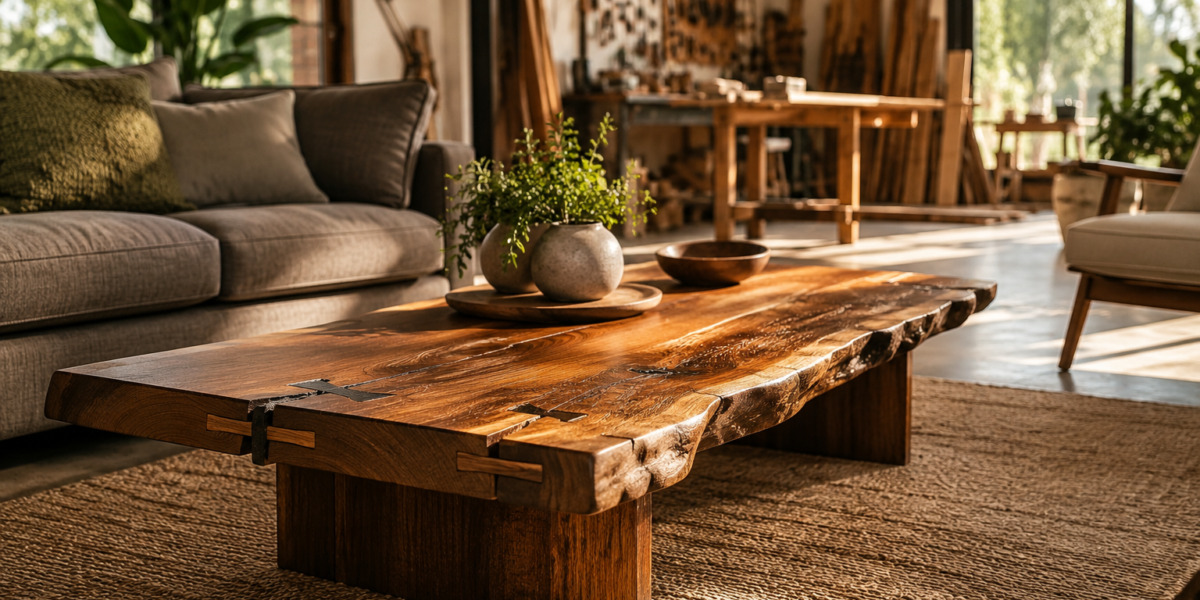
The global coffee table market is projected to reach over $16.5 billion by 2026, driven by a surging demand for personalized home furnishings that blend functionality with unique aesthetic appeal. This lucrative market offers a significant opportunity for woodworkers and artisans specializing in Handcrafted Coffee Tables: Designs That Sell from Farmhouse to Modern. Crafting versatile coffee tables that incorporate reclaimed wood and live edges, coupled with precise joinery and expert finishing techniques, can transform a hobby into a profitable venture. This article provides step-by-step insights and finishing tips to help you design and build pieces that capture diverse buyer interests, from the rustic charm of farmhouse aesthetics to the sleek lines of contemporary design.
Key Takeaways
- The market for handcrafted coffee tables is expanding, favoring unique, high-quality designs.
- Reclaimed wood and live edge elements are highly sought after, adding character and value.
- Understanding different design aesthetics—farmhouse, industrial, modern, mid-century modern—is crucial for market appeal.
- Profitable coffee tables require a combination of strong joinery, thoughtful design, and professional finishing.
- Strategic pricing and effective marketing are essential for selling handcrafted furniture.
Embracing Rustic Charm: Farmhouse and Industrial Handcrafted Coffee Tables
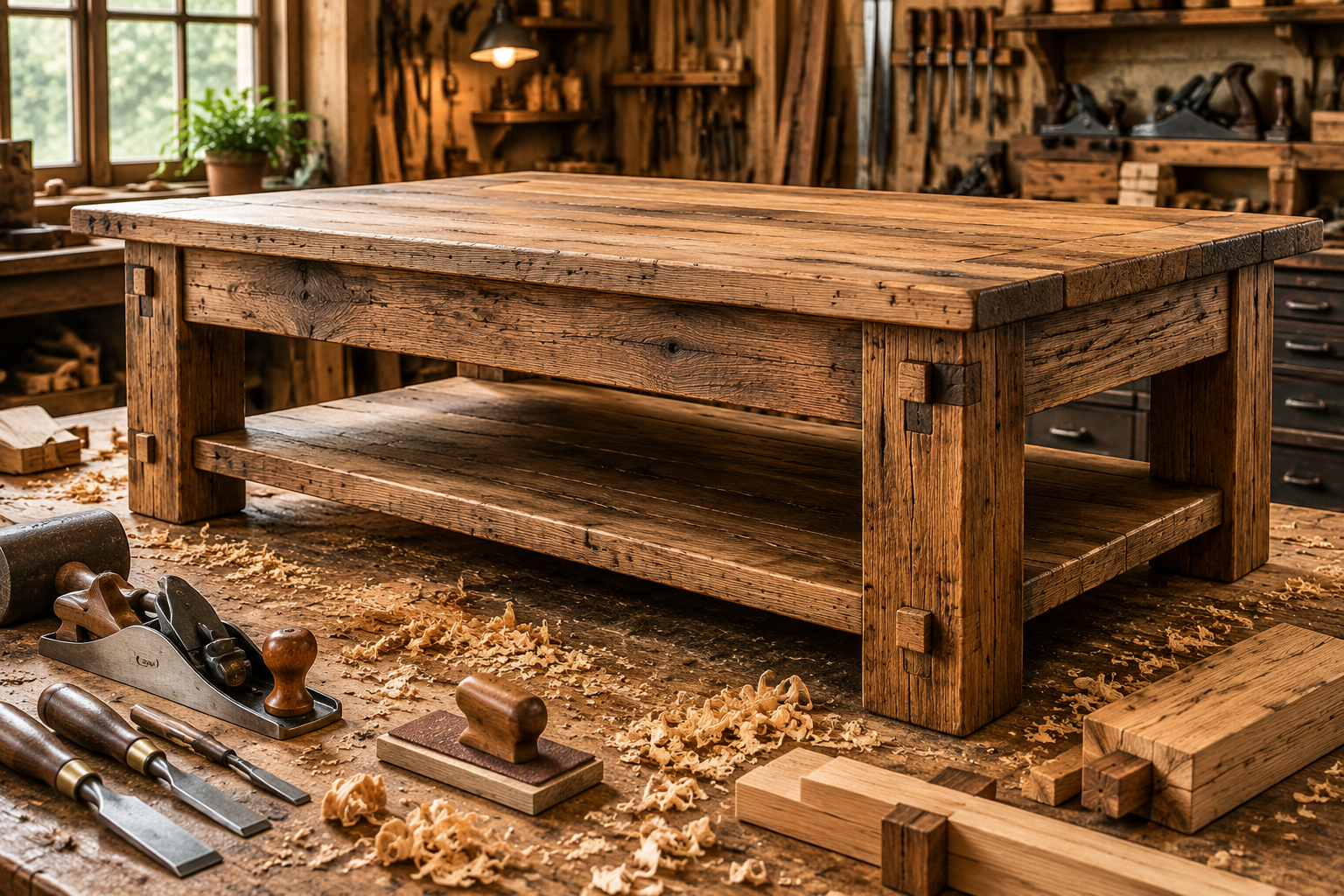
The farmhouse aesthetic continues to be a dominant trend in interior design, celebrating warmth, comfort, and a connection to the past. Handcrafted Coffee Tables: Designs That Sell from Farmhouse to Modern often begin with this foundational style, offering a blend of sturdy construction and inviting textures. Reclaimed wood is the cornerstone of farmhouse design, providing character, history, and a sustainable appeal. Think salvaged barn wood, old fence posts, or even discarded pallets carefully prepared and transformed.
Designing Farmhouse Coffee Tables
Farmhouse tables typically feature robust legs, often turned or square, and a thick tabletop. Distressing techniques, such as light sanding, wire brushing, or applying layered paint and sanding back, can enhance the aged look. Key elements include:
- Robust Legs: Turned legs (e.g., bun feet, spindle legs) or sturdy square legs.
- Thick Tabletops: Often constructed from multiple planks joined together, highlighting wood grain.
- Lower Shelves/Drawers: Many farmhouse designs incorporate open lower shelves for storage or decorative display, enhancing functionality.
- Finishes: Matte or satin finishes are preferred, often with a subtle white or gray wash to mimic weathered wood.
Consider creating a coffee table with a substantial, chunky frame, perhaps a trestle base, which evokes classic farmhouse appeal. Mortise and tenon joinery or robust pocket hole screws can provide the necessary strength and rustic look. For a deeper dive into crafting profitable pieces, explore building statement furniture pieces, including coffee tables.
Incorporating Industrial Elements
Industrial design, while distinct from farmhouse, often complements it with raw materials and utilitarian aesthetics. Combining wood with metal elements creates a striking contrast that appeals to a broad market.
Table 1: Design Elements for Farmhouse vs. Industrial Coffee Tables
| Feature | Farmhouse Design | Industrial Design |
|---|---|---|
| Primary Material | Reclaimed wood, distressed pine, oak | Reclaimed wood, metal (steel, iron), concrete |
| Legs | Turned, square, trestle, X-frame | Metal pipe, hairpin, angular steel, cast iron |
| Joinery | Mortise and tenon, pocket holes, dowels | Bolted, welded, exposed fasteners |
| Finish | Matte, satin, distressed, whitewash | Natural wood grain, clear coat on metal, patina |
| Accent | Corbels, breadboard ends, exposed wood pegs | Rivets, gears, visible welds, caster wheels |
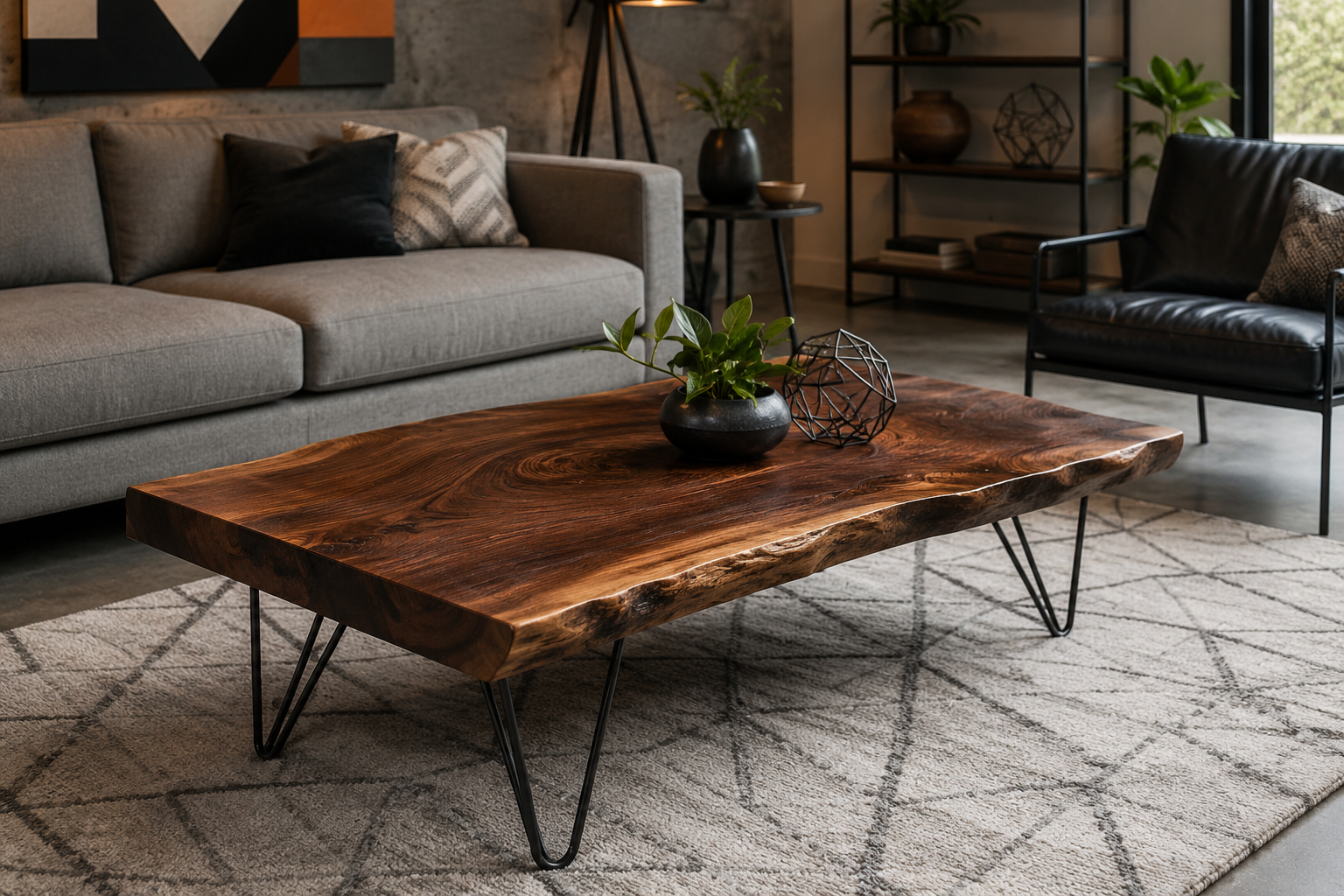
For industrial designs, source raw steel, iron pipes, or even old machine parts for bases. The beauty lies in the exposed materials and their inherent imperfections. A thick, live-edge slab top paired with sleek, black steel legs creates a sophisticated industrial-modern look. Consider a design that uses heavy-gauge steel tubing for the frame, with visible bolts and welds to emphasize its rugged character.
The process of selecting and preparing raw materials, especially reclaimed wood and live edge slabs, is critical. Understanding wood movement is also crucial to ensure your handcrafted coffee tables remain stable and durable over time, regardless of the design style.
Crafting Contemporary Appeal: Modern and Mid-Century Handcrafted Coffee Tables
Moving from rustic to refined, modern and mid-century modern designs offer sleek lines, minimalist aesthetics, and functional elegance. These styles often command higher price points due to their precision craftsmanship and timeless appeal.
Modern Design Principles
Modern coffee tables prioritize clean lines, geometric shapes, and a lack of ornamentation. The beauty stems from the materials themselves and the expert execution of joinery.
- Minimalist Aesthetic: Focus on simplicity and functionality, avoiding excessive detail.
- Geometric Forms: Rectangular, circular, or even irregular shapes with sharp edges or smooth curves.
- Material Contrast: Often combines wood with glass, metal, or stone.
- Sleek Finishes: Smooth, polished surfaces, often with a clear coat to highlight natural wood grain or a high-gloss lacquer for a contemporary feel.
Live edge slabs, when finished exquisitely, fit perfectly into modern designs, offering an organic contrast to otherwise structured elements. Imagine a highly polished live-edge black walnut slab resting on minimalist, powder-coated steel legs. This creates a compelling focal point, blending nature with industrial precision. Selecting and preparing live edge slabs requires specific skills to preserve their natural beauty while ensuring stability.
Mid-Century Modern Revival
Mid-century modern (MCM) designs, popular from the 1940s to 1960s, are experiencing a massive resurgence. Characterized by organic curves, tapered legs, and a thoughtful balance of form and function, MCM coffee tables are highly sought after.
- Tapered Legs: Often angled outwards, creating a light, airy feel.
- Organic Curves: Rounded edges, elliptical tops, and sculptural bases.
- Rich Woods: Teak, walnut, and cherry are common, often with natural oil finishes.
- Integrated Storage: Sliding tops, hidden compartments, or open shelving for magazines and books.
A classic MCM coffee table might feature an elliptical walnut top with subtly tapered, splayed legs. Precision joinery and meticulous sanding are vital to achieving the smooth, seamless look characteristic of this era. For those interested in advanced woodworking, mastering modern hand-cut joinery techniques can elevate these designs significantly. Additionally, crafting custom wooden record player consoles often draws inspiration from mid-century modern aesthetics, showcasing how these design principles can be applied across different furniture types.
Finishing and Selling Your Handcrafted Coffee Tables
Crafting the perfect coffee table is only half the journey; the other half involves applying professional finishes and understanding how to market your creations effectively. The finish can make or break a piece, enhancing its beauty and protecting it for years to come.
Essential Finishing Techniques
The choice of finish depends heavily on the design style and the desired aesthetic.
- Oil Finishes (e.g., Danish Oil, Tung Oil): Penetrate the wood, providing a natural, warm glow and enhancing the grain. Ideal for farmhouse and mid-century modern pieces, offering a durable yet understated protection. For a comparison, see Danish oil vs. linseed: The ultimate wood finishing guide.
- Polyurethane (Oil-Based or Water-Based): Creates a protective layer on the surface. Oil-based offers more warmth and durability, suitable for high-traffic surfaces. Water-based is clearer and dries faster, excellent for modern pieces where a true-to-wood color is desired.
- Lacquers: Provide a high-gloss, durable finish common in modern and some mid-century designs. Requires specialized spray equipment for best results.
- Waxes: Often used over other finishes for an added layer of protection and a soft sheen.
Always prepare the wood thoroughly by sanding through successive grits (up to 220-320 grit for fine furniture) to achieve a smooth surface. Test your chosen finish on scrap wood before applying it to the main piece. Proper ventilation and safety equipment are paramount during finishing.
Pricing and Marketing Strategies for Handcrafted Coffee Tables
Pricing your handcrafted coffee tables accurately is crucial for profitability. Consider material costs, labor hours, overhead (shop rent, utilities, tool maintenance), and a fair profit margin. Research market prices for similar handcrafted items, both locally and online.
Pricing Formula Example: (Material Cost + Labor Cost) x (1 + Profit Margin Percentage) + Overhead Allocation = Selling Price
- Material Cost: Wood, hardware, finishes, sandpaper.
- Labor Cost: Your hourly rate x hours spent. Don’t underestimate your time.
- Profit Margin: Typically 20-50% for handcrafted goods.
Marketing Your Designs:
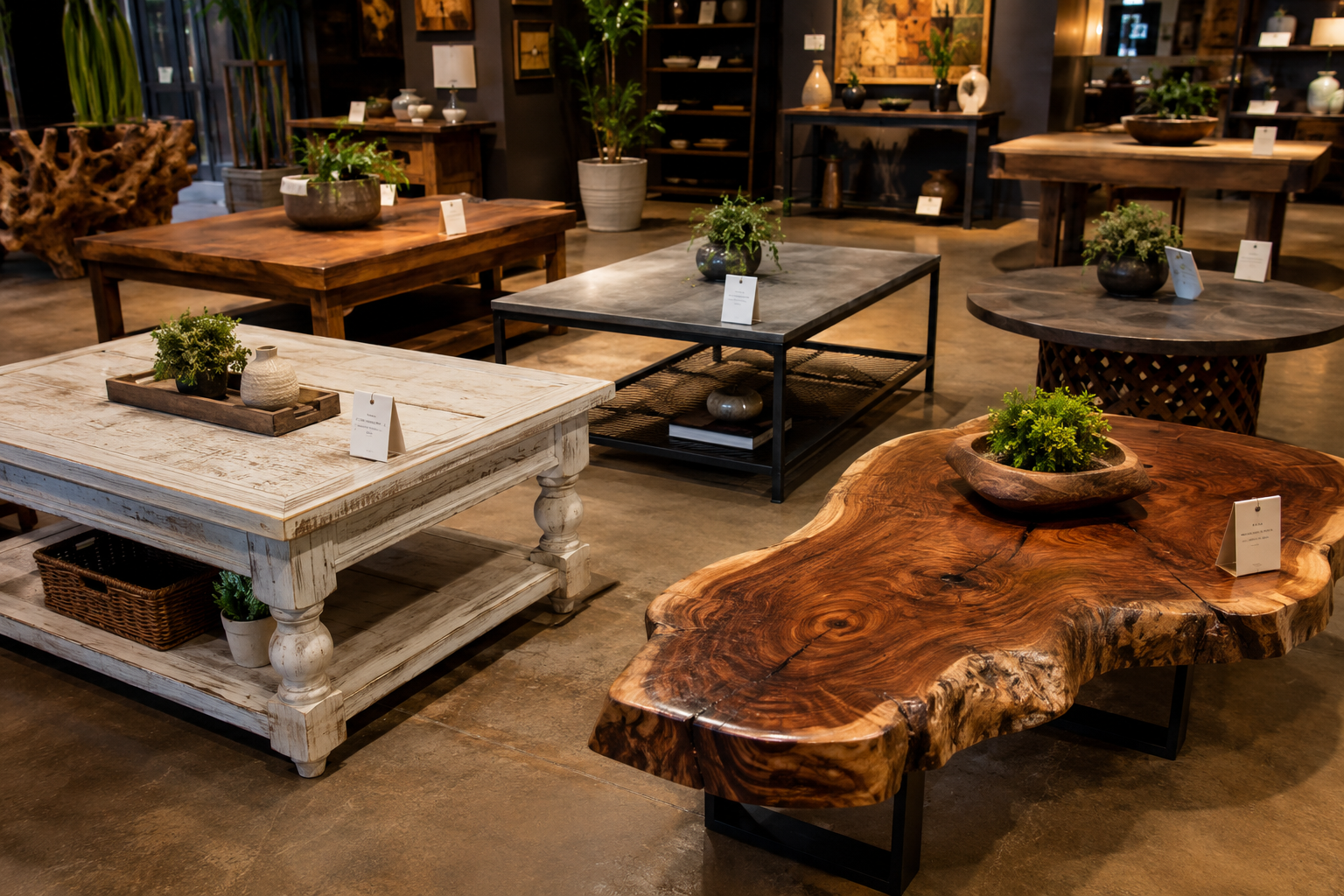
- High-Quality Photography: Professional photos are non-negotiable. Showcase different angles, close-ups of joinery and grain, and staged lifestyle shots.
- Online Presence: Establish an Etsy shop, a dedicated website, or use platforms like Instagram and Pinterest to display your work. Optimize product descriptions with relevant keywords like “reclaimed wood coffee table” or “mid-century modern console.”
- Local Markets & Shows: Participate in artisan markets, craft fairs, and local furniture galleries to connect with buyers directly.
- Storytelling: Emphasize the unique story behind each piece—the origin of reclaimed wood, the intricate joinery, the inspiration behind the design. This personal touch adds immense value.
- Custom Orders: Offer customization options. Many buyers seek bespoke furniture that fits their specific space and aesthetic. Being able to build custom pieces, like console tables that wow, expands your market.
- Collaborate: Partner with interior designers or home staging companies to get your work seen by a broader audience.
The market for high-quality, unique furniture is robust. By focusing on popular designs, utilizing premium materials like reclaimed wood and live edge slabs, and mastering both the craft and the business aspects, you can successfully sell your Handcrafted Coffee Tables: Designs That Sell from Farmhouse to Modern. For more insights into profitable woodworking, explore high-demand woodworking projects for 2026, which often include coffee tables.
Conclusion
The demand for Handcrafted Coffee Tables: Designs That Sell from Farmhouse to Modern presents an exciting opportunity for skilled woodworkers. By understanding market trends, embracing popular aesthetics from rustic farmhouse to sleek mid-century modern, and mastering the nuances of design and finishing, artisans can create highly desirable and profitable pieces. The allure of reclaimed wood, the organic beauty of live edges, and the precision of expert joinery are key differentiators in a competitive market.
To truly succeed, focus not only on the artistry of woodworking but also on the strategic aspects of the business. Meticulous finishing, accurate pricing, and compelling marketing are as vital as the hammer and chisel. Continuously refine your skills, experiment with diverse designs, and tell the unique story behind each table you craft. Your dedication to quality and your understanding of consumer preferences will transform your passion into a thriving enterprise, one beautifully handcrafted coffee table at a time.
Actionable Next Steps
- Research Current Trends: Spend time on interior design blogs, Pinterest, and Instagram to identify emerging styles and popular material combinations for 2026.
- Source Sustainably: Explore local lumberyards for unique slabs, or connect with demolition companies for reclaimed wood. Consider options like sustainable wood sourcing for the modern woodworker.
- Master Joinery: Invest time in perfecting various joinery techniques, especially those suitable for different design styles, to ensure durability and aesthetic appeal. Beginner’s guide to essential woodworking joints can be a good starting point.
- Refine Finishing Skills: Practice different finishes on scrap pieces to achieve professional-grade results that enhance your chosen wood and design.
- Build a Portfolio: Create 2-3 diverse coffee table prototypes (farmhouse, modern, live edge) to showcase your versatility and build a strong visual portfolio for marketing.
- Develop a Pricing Model: Calculate your costs accurately and set competitive prices that reflect the value and craftsmanship of your work.