
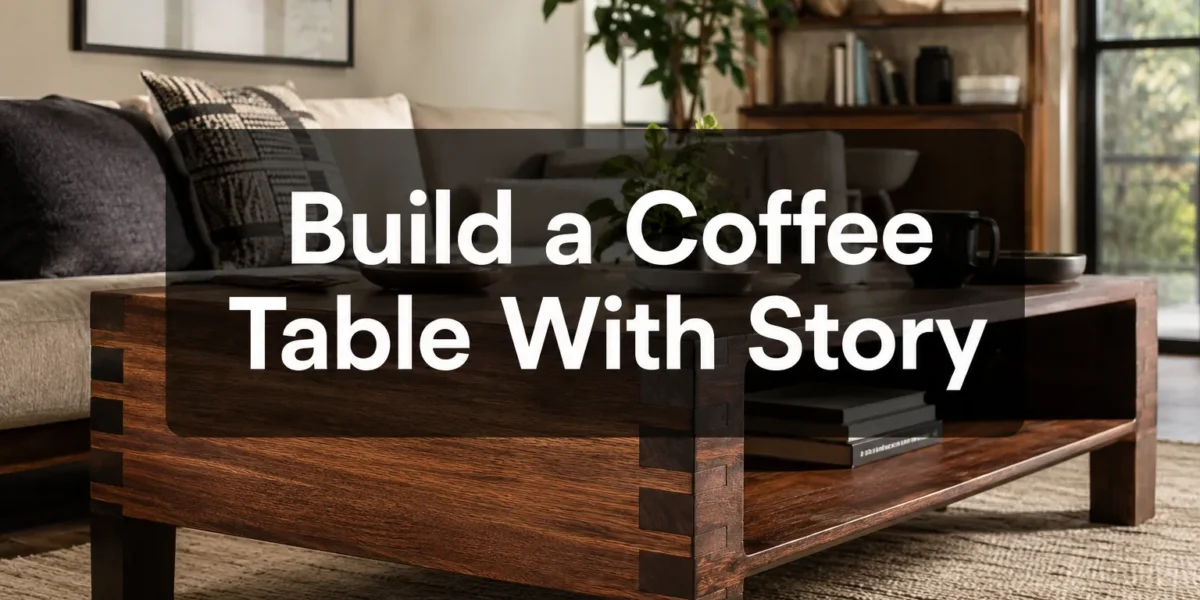
The average piece of furniture, purchased off a showroom floor, rarely carries a story beyond its price tag. But what if your coffee table could tell a richer tale? What if it reflected intention, craftsmanship, and a deeply personal connection? This article aims to guide you through the process of how to build a coffee table with emotional storytelling: wood selection, visible joinery, and finish choices, transforming a mere object into a cherished heirloom that speaks volumes. In 2026, where mass production often overshadows individual artistry, crafting a piece with narrative becomes a powerful statement of personal style and value.
Key Takeaways
- Intentional Design: View your coffee table not just as furniture, but as a medium for personal expression, where every design choice contributes to its unique narrative.
- Wood as Character: Select wood species not only for aesthetics and durability but also for their inherent history, grain patterns, and ability to convey specific emotions or stories.
- Visible Joinery as Art: Embrace visible joinery techniques like dovetails or mortise and tenons as design features, celebrating the craft and creating points of visual interest and strength.
- Finishes that Speak: Choose finishes that protect and enhance the wood, while also communicating the desired tone, whether it’s a rustic, modern, or timeless aesthetic.
- Beyond Function: Understand that a truly special coffee table transcends its functional purpose to become a central piece of your home’s emotional landscape.
The Foundation of Story: Wood Selection for Your Coffee Table
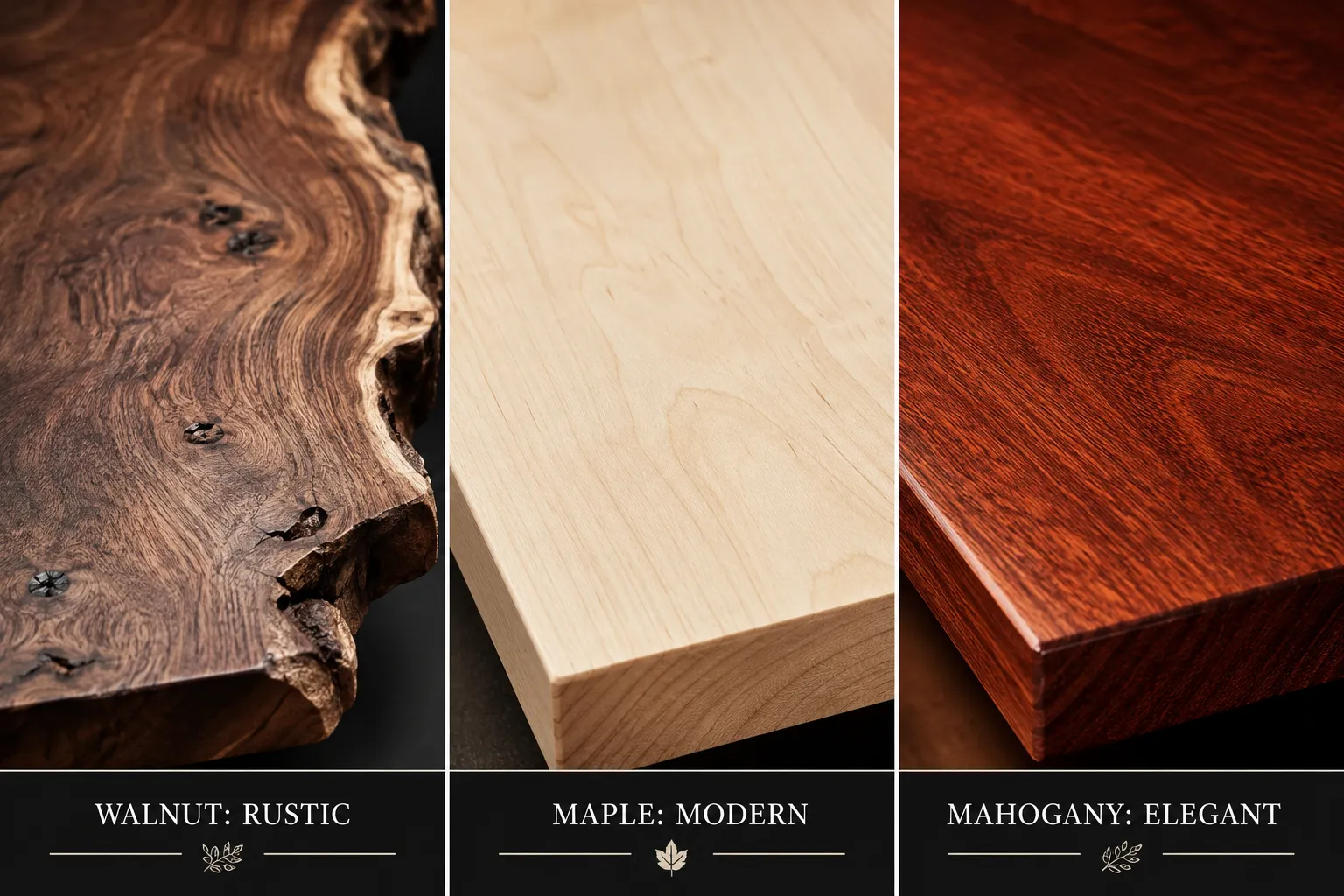
The journey of building a coffee table with emotional storytelling begins long before the first cut: it starts with the wood itself. Each species carries its own character, history, and workability, influencing the final piece’s aesthetic and narrative. Your choice of wood is perhaps the most significant decision in imbuing your table with a unique personality.
Consider the intrinsic qualities of different woods:
- Oak (White or Red): A classic choice, known for its strength, prominent grain, and durability. White oak often has a lighter tone and attractive ray fleck, while red oak is slightly pinker. Oak can evoke a sense of tradition, resilience, and timelessness. It’s a reliable choice for a sturdy, enduring table.
- Walnut: Prized for its rich, dark chocolate-brown hues and beautiful grain patterns, walnut exudes sophistication and warmth. It’s excellent for conveying a sense of luxury, depth, and understated elegance. A DIY live-edge ‘narrative’ furniture builds like coffee tables and piece in walnut can become a stunning focal point.
- Maple: With its light color and fine, subtle grain, maple offers a clean, contemporary feel. It’s incredibly hard and takes stains well, though many prefer its natural, bright appearance. Maple can represent clarity, modernity, and simplicity, making it ideal for a minimalist design.
- Cherry: Known for its distinctive reddish-brown color that deepens beautifully with age and exposure to light, cherry brings warmth and a touch of antique charm. Its fine, uniform grain makes it a joy to work with. Cherry tells a story of evolving beauty, heritage, and comfort.
- Reclaimed Wood: Perhaps the ultimate choice for emotional storytelling. Reclaimed wood, salvaged from old barns, factories, or even discarded furniture, carries an undeniable history. Every nail hole, scratch, and weathered patch tells a part of its past life. This material intrinsically weaves a narrative of rebirth, sustainability, and connection to a bygone era. When building a coffee table with emotional storytelling, reclaimed wood demands that its story be visible. Learn more about finishing reclaimed wood for 2026 to enhance its narrative.
Sourcing Your Wood for the Narrative
Beyond the species, the specific lumber you select matters. Look for boards with interesting grain figures, knots that add character, or even unique natural edges if you’re aiming for a rustic aesthetic. Think about the origin of the wood:
- Local Sawmills: Often provide lumber with a known local provenance, adding another layer to your story.
- Specialty Wood Suppliers: Offer a wider range of exotic or harder-to-find species, potentially with detailed origin information.
- Reclamation Yards: A treasure trove for unique, story-rich wood. Be prepared to put in extra work to prepare it, but the payoff in character is immense.
Selecting your wood is an intimate process. Hold the planks, feel their weight, examine the grain. Imagine how these raw materials will transform into the centerpiece of your living space. For a deeper understanding of wood properties, consult a Beginner’s Guide to Wood Species: Hardwoods vs. Softwoods.
Crafting Connections: Visible Joinery as a Design Feature
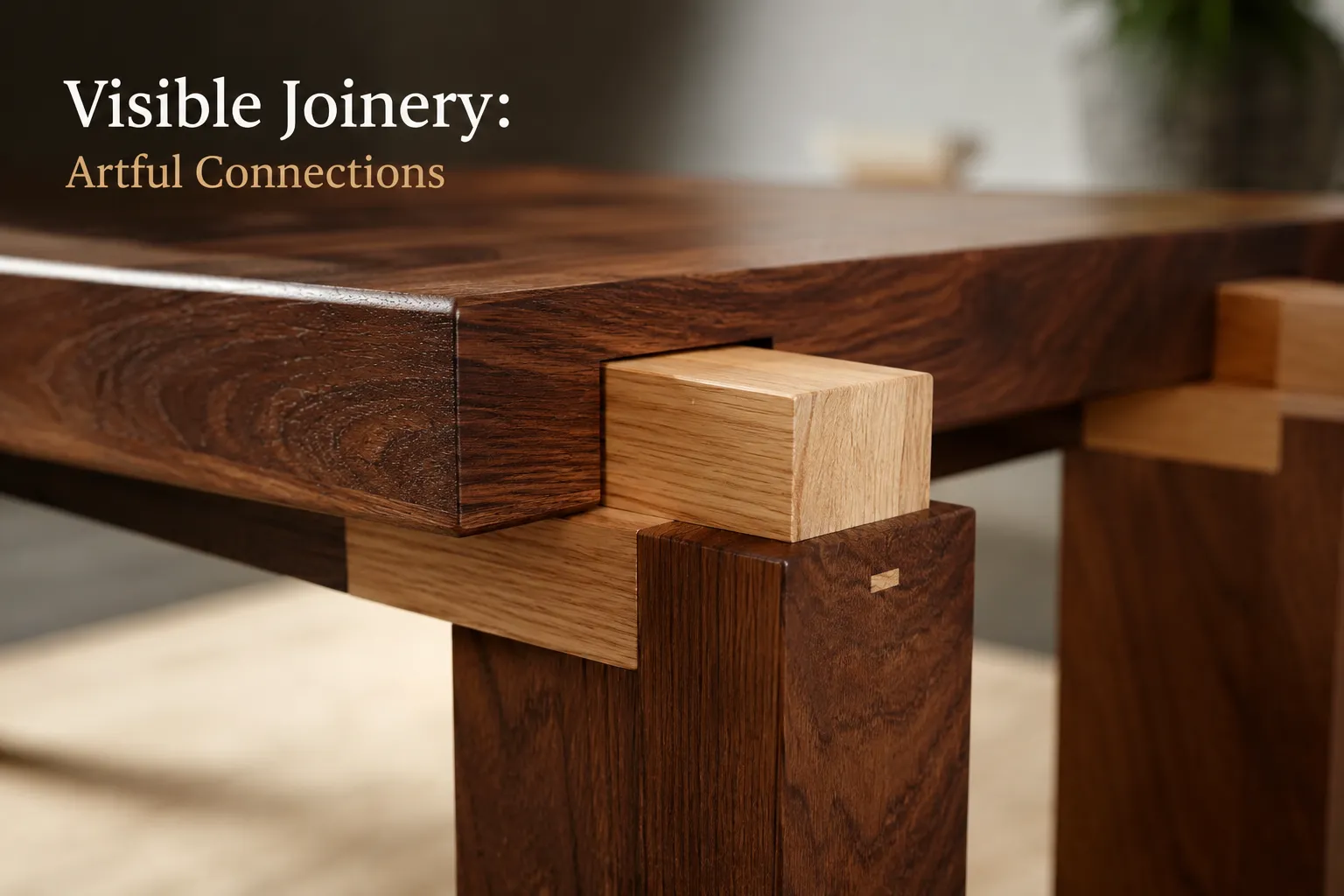
In the pursuit of building a coffee table with emotional storytelling, the way pieces of wood are connected can be as expressive as the wood itself. While modern methods often prioritize invisible fasteners, embracing visible joinery elevates craftsmanship and integrates structural elements directly into the table’s aesthetic narrative.
Visible joinery speaks volumes about the maker’s skill and intention. It celebrates the act of creation and invites closer inspection, turning functional connections into artistic statements.
Popular Visible Joinery Techniques for Coffee Tables:
- Dovetail Joints: Iconic and universally admired for their interlocking “tails” and “pins,” dovetails are a hallmark of fine woodworking. They offer exceptional mechanical strength and a beautiful, intricate visual pattern. Using contrasting woods for the tails and pins can make the joint pop, highlighting the craftsmanship. Dovetails are perfect for drawer boxes within a coffee table or for connecting aprons to legs, adding a touch of traditional elegance and enduring quality. Mastering dovetail joinery for drawers offers valuable insights.
- Mortise and Tenon Joints: A fundamental and incredibly strong joint, the mortise and tenon involves a “tenon” (a projecting piece) fitting snugly into a “mortise” (a corresponding hole). When used as a visible feature, the tenon can be left slightly proud or wedged for an even more pronounced effect. This joint conveys robustness, honesty in construction, and a timeless, handcrafted appeal. It’s ideal for attaching legs to aprons or rails to tabletops. The art of Japanese wood joinery for furniture often features this joint prominently.
- Box Joints (Finger Joints): Similar to dovetails but with straight, square fingers, box joints are strong and visually distinct. They create a beautiful, geometric pattern, often seen on blanket chests or boxes, but can be adapted for coffee table elements like storage compartments. They suggest precision and a modern, clean aesthetic.
- Bridle Joints: A strong and elegant joint where a tenon on one piece fits into an open mortise on the other. It’s a clean, often preferred alternative for connecting rails to legs in contemporary designs, offering both strength and a pleasing visual line.
Designing with Visible Joinery
When incorporating visible joinery into your coffee table design, consider:
- Contrast: Using different wood species for the joined components can dramatically emphasize the joint. A dark walnut leg with a maple tenon, for instance, makes a powerful visual statement.
- Proportion: Ensure the size and scale of your joints are in harmony with the overall dimensions of the coffee table. A bulky joint on a delicate table might feel out of place.
- Placement: Think about where the joints will be most appreciated. Do you want them on the top surface, along the legs, or at the corners? Each placement tells a different part of the story.
Visible joinery is an invitation for the viewer to appreciate the skilled hands that brought the piece together. It’s a statement against disposable furniture and a testament to enduring craftsmanship. For more detailed techniques, explore Hand Tool Joinery for Visible Wood Joints.
The Final Chapter: Finish Choices that Convey Emotion
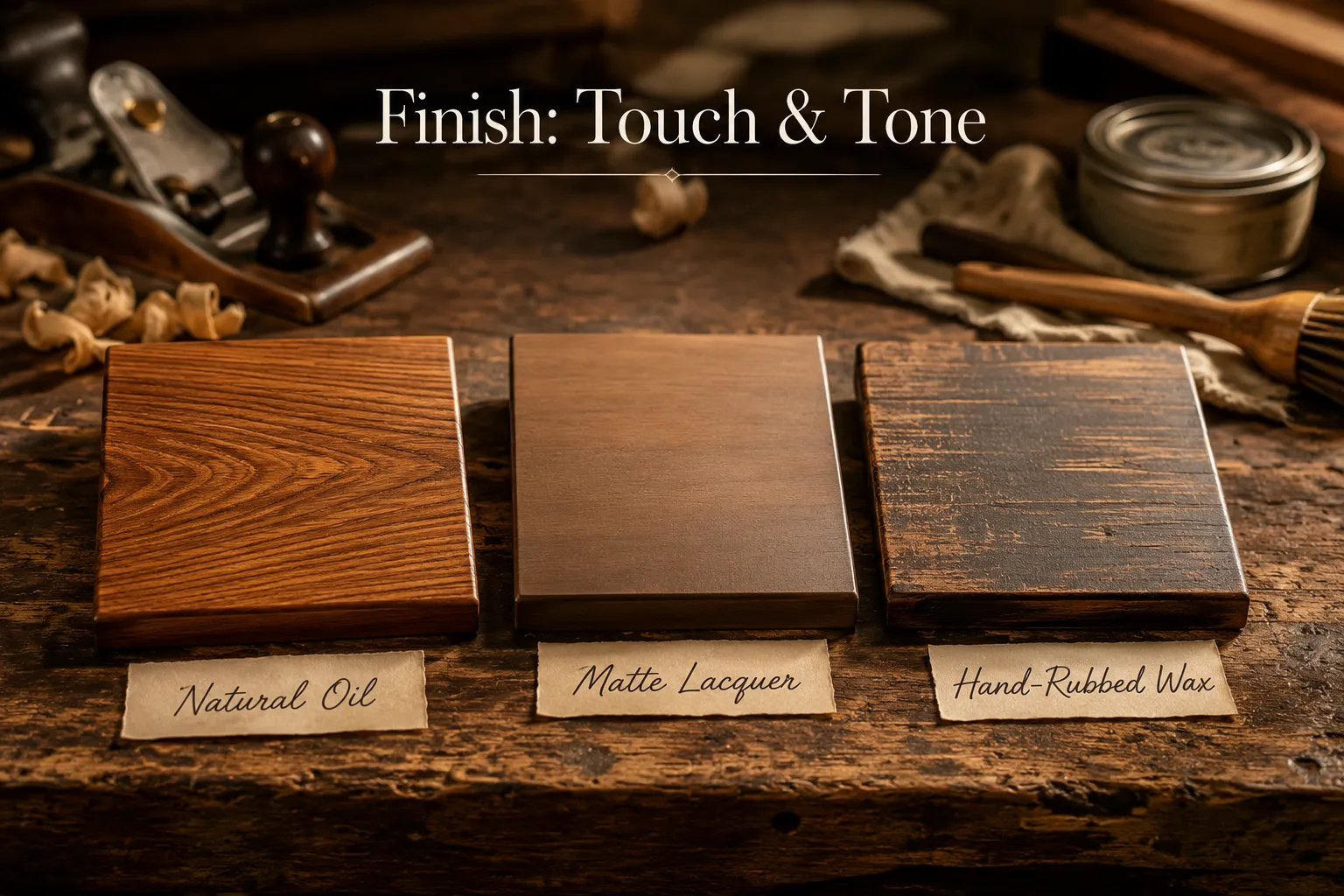
The finish you apply to your coffee table is the final touch in its emotional storytelling. It’s more than just protection; it’s about enhancing the wood’s inherent beauty, influencing its tactile feel, and setting the overall tone of the piece. The right finish can evoke warmth, sophistication, ruggedness, or minimalist elegance.
When considering how to build a coffee table with emotional storytelling, the finish choice needs to align with the narrative you’ve established through wood selection and joinery.
Popular Finish Types and Their Emotional Impact:
Oil Finishes (e.g., Tung Oil, Linseed Oil, Danish Oil):
- Emotional Impact: Natural, warm, inviting, tactile, organic. Oils penetrate the wood fibers, enhancing the natural grain and providing a soft, satin sheen that feels incredibly pleasant to the touch. They don’t form a thick film on the surface, allowing the wood to breathe and age gracefully.
- Best For: Rustic, minimalist, or eco-conscious designs where the natural beauty of the wood is paramount. Ideal for pieces where you want a “barely there” finish that invites interaction. Consider natural wood finishing without chemicals for a truly organic feel.
Varnish/Polyurethane Finishes:
- Emotional Impact: Durable, protected, glossy or semi-gloss, traditional, resilient. These finishes form a hard, protective film on the surface of the wood, offering excellent resistance to spills, scratches, and wear. They can range from high-gloss to a more subdued satin.
- Best For: High-traffic coffee tables or those needing maximum protection. A glossy varnish can convey a sense of formal elegance, while a satin polyurethane offers robust protection with a slightly softer look.
Lacquer Finishes:
- Emotional Impact: Smooth, sleek, modern, sophisticated, often with a high-end feel. Lacquers dry quickly to a very hard, durable finish. They can be sprayed on to achieve a perfectly smooth, flawless surface, available in various sheens from matte to high-gloss.
- Best For: Contemporary designs where a flawless, uniform appearance is desired. A matte lacquer can give a refined, understated modern look, while a high-gloss can make a bold, luxurious statement.
Wax Finishes (e.g., Beeswax, Carnauba Wax):
- Emotional Impact: Soft, subtle, artisanal, antique, low-sheen, hand-rubbed. Waxes provide a very light layer of protection and a beautiful, natural luster that feels incredibly smooth. They are often used over oil finishes or stains to add depth and a tactile quality.
- Best For: Pieces aiming for an old-world charm, or when you want to highlight the texture of reclaimed wood. It requires more maintenance but offers an unparalleled hand-rubbed feel.
Stains and Dyes:
- Emotional Impact: Can completely alter the wood’s perceived age, warmth, or coolness. Stains add color while allowing the grain to show through, while dyes penetrate more deeply and can create more vibrant or uniform colors.
- Best For: Adjusting the natural color of the wood to match a specific aesthetic or to create contrast. For instance, a dark stain on oak can make it appear more antique, while a light pickling stain on pine can give it a coastal, airy feel.
Aligning Finish with Your Narrative
Think about the coffee table’s story:
- A Rustic, Reclaimed Wood Table: Might benefit most from an oil finish or a tinted wax that celebrates its imperfections and aged character, letting its past shine through.
- A Modern Maple Table with Clean Lines: Could be enhanced by a matte lacquer or a clear satin polyurethane that emphasizes its smooth surfaces and minimalist form.
- A Traditional Cherry Table with Dovetail Joints: Would look stunning with a hand-rubbed oil-and-varnish blend that allows the cherry to deepen in color over time, telling a story of rich heritage.
The process of finishing is an art in itself. Each coat, each sanding pass, contributes to the final emotional resonance of your coffee table. It’s about revealing, protecting, and amplifying the story inherent in the wood and your craftsmanship.
Conclusion
Building a coffee table with emotional storytelling is a journey of deliberate choices, from the moment you select your timber to the final application of its protective finish. It moves beyond mere construction, inviting you to infuse your personality and intention into every aspect of the piece. By thoughtfully considering wood selection for its inherent character, showcasing visible joinery as an artistic and structural declaration, and choosing a finish that enhances both touch and tone, you create more than just furniture. You craft a focal point for your home in 2026, a conversation starter, and a tangible narrative that will be cherished for generations.
Take the time to research different wood species, practice various joinery techniques, and experiment with finishes. Consider sketching your ideas, perhaps drawing inspiration from high-demand woodworking projects for 2026: coffee tables, wine racks, and clocks. The satisfaction of building a coffee table that tells a story, one that resonates deeply within your home, is an unparalleled reward for any maker.
SEO Meta Title: Build a Coffee Table With Emotional Storytelling: Wood, Joinery, Finish SEO Meta Description: Craft a unique coffee table in 2026 with emotional storytelling. Learn wood selection, visible joinery, and finish choices for a truly personal piece.