
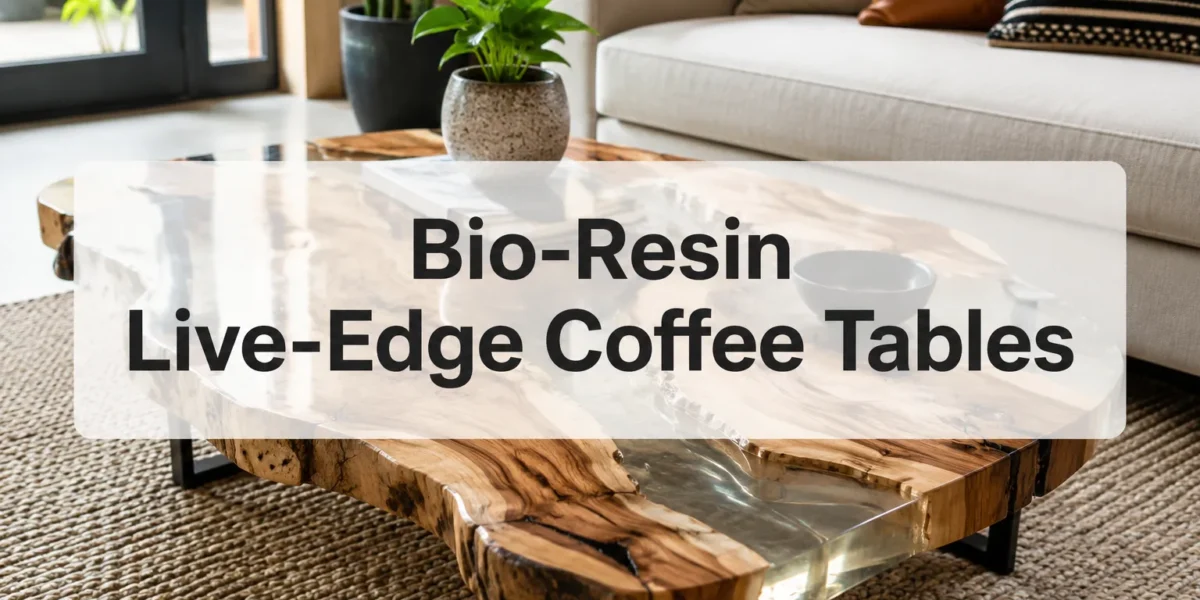
The average household in 2026 contains at least three pieces of furniture made with engineered wood or resin components, yet a growing segment of consumers and craftspeople are actively seeking healthier, more sustainable alternatives. This push for mindful living extends to modern furniture builds, particularly visible in the rise of Bio-Resin Live-Edge Coffee Tables: Low-VOC Alternatives to Epoxy for Modern Furniture Builds. For makers who value the dramatic visual appeal of live-edge slab work but wish to move beyond traditional epoxy, bio-resins offer a practical, environmentally conscious solution without sacrificing aesthetic quality or durability.
Key Takeaways
- Bio-resins provide a low-VOC alternative to traditional epoxy for creating stunning live-edge furniture.
- They offer similar clarity, durability, and finishing capabilities to epoxy but with a reduced environmental and health footprint.
- Crafting with bio-resin involves similar techniques to epoxy, making the transition straightforward for experienced makers.
- The aesthetic result is a modern, organic piece that aligns with contemporary design trends prioritizing natural materials and sustainable practices.
- Understanding the properties and application of bio-resins is crucial for achieving optimal results and promoting healthier workshop environments.
The Allure of Live-Edge and the Shift Towards Bio-Resin Alternatives
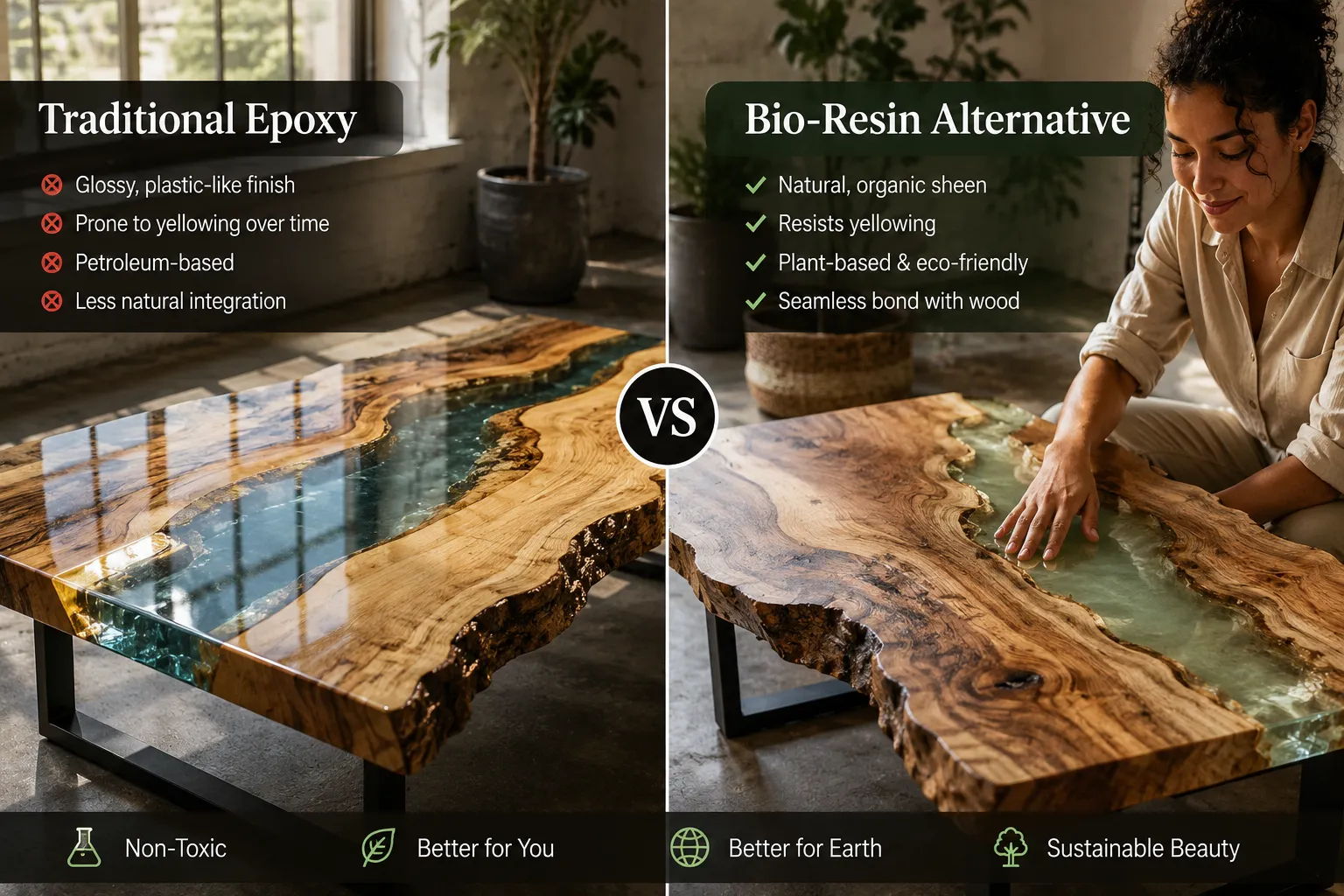
Live-edge furniture, characterized by retaining the natural edge of the wood slab, has captivated designers and homeowners for its organic beauty and unique character. Each piece tells a story, with knots, burls, and imperfections celebrated as design elements. Traditionally, achieving the smooth, resilient surface and filling voids in live-edge slabs often involved liberal application of epoxy resins. While effective, conventional epoxies come with notable drawbacks, primarily concerning volatile organic compounds (VOCs) released during curing and their petroleum-based origins. This has spurred a significant interest in Bio-Resin Live-Edge Coffee Tables: Low-VOC Alternatives to Epoxy for Modern Furniture Builds.
Bio-resins are a category of resins where a significant portion of their molecular structure is derived from plant-based sources, such as soybeans, corn, or pine oils, rather than entirely from fossil fuels. This makes them a more sustainable choice, often accompanied by lower VOC emissions. For the discerning woodworker or consumer, this shift means creating or owning pieces that are not only beautiful but also contribute to a healthier indoor air quality and a smaller environmental impact.
The transition from traditional epoxy to bio-resin for live-edge applications isn’t merely about environmental credentials; it’s also about refining the craft. Makers are discovering that bio-resins can offer comparable, and in some cases superior, working properties and aesthetic results. They allow the intricate grain patterns and natural contours of the wood to shine through with exceptional clarity, embodying the “modern furniture builds” ethos of celebrating natural materials with sophisticated finishes. The reduced off-gassing during the curing process also contributes to a more pleasant and safer workshop environment, a significant consideration for artisans dedicating hours to their craft.
Beyond the workshop, the demand for furniture that aligns with eco-conscious values is steadily climbing. Consumers are increasingly seeking out items that reflect thoughtful production processes and healthier material choices. A coffee table crafted with a stunning live-edge slab and finished with a low-VOC bio-resin stands out not just as a piece of furniture, but as a statement of commitment to sustainability and quality. It positions the maker at the forefront of modern woodworking, appealing to a market that prioritizes both beauty and responsibility.
Crafting Bio-Resin Live-Edge Coffee Tables: Techniques and Considerations
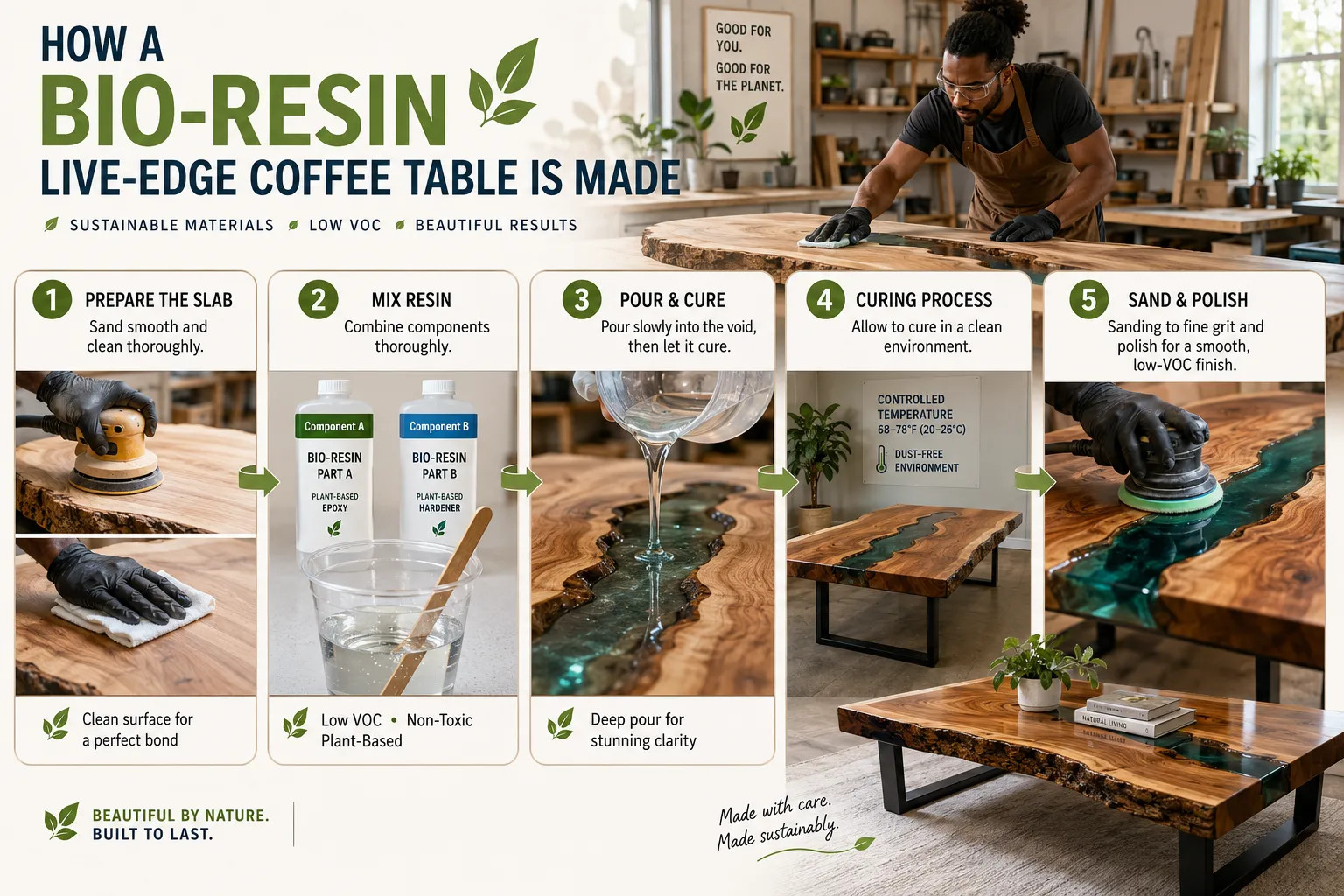
Building Bio-Resin Live-Edge Coffee Tables: Low-VOC Alternatives to Epoxy for Modern Furniture Builds requires attention to detail, similar to working with traditional epoxy, but with specific considerations for optimal results. The process involves selecting the right slab, preparing it meticulously, and then applying the bio-resin with precision.
Wood Slab Selection and Preparation
The foundation of any exceptional live-edge table is the wood itself. For inspiration on selecting the right materials, consider exploring our guide on premium wood selection for 2026 projects. Look for slabs with interesting grain patterns, natural voids, and bark inclusions that will be highlighted by the resin. Hardwoods like walnut, maple, and oak are popular choices due to their stability and aesthetic appeal.
Preparation is paramount:
- Drying: Ensure the wood slab is thoroughly dry (ideally 6-8% moisture content) to prevent cracking or warping after the resin is applied.
- Flattening: The slab must be flattened to ensure a level surface. Techniques for this can range from hand planes to DIY router sleds and jigs for flattening slabs.
- Cleaning: Remove all loose bark, dust, and debris from the live edge and any voids. A wire brush, compressed air, and a vacuum are essential tools.
- Sealing: For highly porous woods or areas prone to bubbles, a thin “seal coat” of resin can be applied and allowed to cure partially before the main pour.
Bio-Resin Application Process
The application of bio-resin closely mirrors that of conventional epoxy, involving careful mixing, pouring, and curing.
1. Building a Form: If creating a river table or filling large voids that extend to the edge, a form or dam must be constructed around the slab. This form needs to be watertight and sealed with silicone or tape to prevent leakage. For general table building advice, consider our insights on console tables vs. coffee tables vs. end tables.
2. Mixing the Bio-Resin:
- Always follow the manufacturer’s instructions for the specific bio-resin product. Ratios of resin (Part A) to hardener (Part B) are critical.
- Mix thoroughly but slowly to avoid incorporating excessive air bubbles. Use a flat-bottomed mixing container and scrape the sides and bottom.
- Mixing time usually ranges from 3-5 minutes.
3. Pouring:
- Pour the mixed resin slowly and evenly into the prepared voids or over the slab.
- For deep pours, consult the resin’s specifications for maximum pour depth per layer. Multiple thinner layers may be required, allowing each to gel or partially cure before the next pour.
- Use a heat gun or torch (with caution) to remove surface bubbles shortly after pouring. Keep the heat source moving to avoid scorching the resin or wood.
4. Curing:
- Bio-resins typically have longer cure times than traditional epoxies, often 24-72 hours for a full cure, depending on temperature and humidity.
- Maintain a consistent room temperature as recommended by the manufacturer.
- Protect the curing surface from dust and debris.
Finishing the Bio-Resin Surface
Once fully cured, the bio-resin surface will need sanding and polishing to achieve a truly professional finish.
- Sanding: Start with a relatively coarse grit (e.g., 80 or 120) to level the surface, then progressively move through finer grits (180, 220, 320, 400, 600, 800, 1000, 1500, 2000+). Use a random orbital sander for efficiency. For detailed information on sanding, refer to beyond basic sanding: achieving a flawless finish.
- Polishing: After sanding to the highest grit, use a polishing compound and a buffer to bring out a high-gloss, mirror-like finish.
Remember that patience and adherence to product guidelines are key when working with bio-resins. The result will be a beautiful, durable, and environmentally friendlier live-edge coffee table that makes a statement in any modern space. For more live-edge project ideas, explore live-edge wood projects from design to execution.
Benefits and Aesthetic Impact of Low-VOC Bio-Resin in Modern Furniture Builds
The choice of finishing material profoundly impacts both the health aspects and the visual appeal of modern furniture. When considering Bio-Resin Live-Edge Coffee Tables: Low-VOC Alternatives to Epoxy for Modern Furniture Builds, the advantages extend far beyond a simple material swap.
Health and Environmental Benefits
The primary driver for the adoption of bio-resins is their significantly lower VOC content compared to traditional petroleum-based epoxies. VOCs are chemicals that can off-gas into the air, contributing to indoor air pollution and potentially causing health issues such as respiratory irritation, headaches, and other sensitivities. By choosing low-VOC bio-resins, makers and consumers benefit from:
- Improved Air Quality: Reduced off-gassing means a healthier environment both in the workshop during curing and in the home where the finished piece resides. This is particularly important for individuals sensitive to chemicals or for furniture placed in well-used living spaces.
- Sustainability: Bio-resins incorporate renewable, plant-based resources, lessening reliance on fossil fuels. This aligns with broader sustainability goals in woodworking and manufacturing, appealing to an increasingly eco-conscious market.
- Reduced Odor: Many bio-resins have a much milder odor profile during mixing and curing, making the crafting process more comfortable and less intrusive.
Aesthetic and Design Flexibility
While health benefits are paramount, bio-resins also deliver on aesthetic demands, making them ideal for high-end, modern furniture.
- Clarity and Color Stability: High-quality bio-resins offer exceptional clarity, allowing the natural beauty, intricate grain, and unique features of the live-edge wood to be showcased without distortion. Many bio-resins are also formulated to resist yellowing over time, a common concern with some traditional epoxies, ensuring the piece retains its original visual integrity for years.
- Seamless Integration: The ability of bio-resin to flow into natural voids and cracks creates a smooth, continuous surface that both highlights and protects the organic edges of the wood. This integration is crucial for the “modern furniture builds” aesthetic, where raw materials meet refined finishes.
- Durability and Finish: Bio-resins cure to a hard, durable finish that is resistant to scratches, moisture, and impact, similar to their epoxy counterparts. This ensures that a bio-resin live-edge coffee table is not just a showpiece but a functional piece of furniture designed for everyday use. With proper finishing techniques, a flawless, high-gloss, or satin sheen can be achieved, depending on the desired look.
- Customization Potential: Like epoxy, bio-resins can be tinted with various pigments to create translucent or opaque river effects, allowing for creative expression and bespoke designs that match specific interior palettes. This versatility supports unique artistic visions in crafting quick woodworking projects that sell or larger, custom commissions.
The combination of environmental responsibility, enhanced health safety, and uncompromising aesthetic quality makes bio-resin an increasingly compelling choice for woodworkers and consumers alike. It represents a forward-thinking approach to furniture design, where beauty and integrity are deeply intertwined.
Conclusion
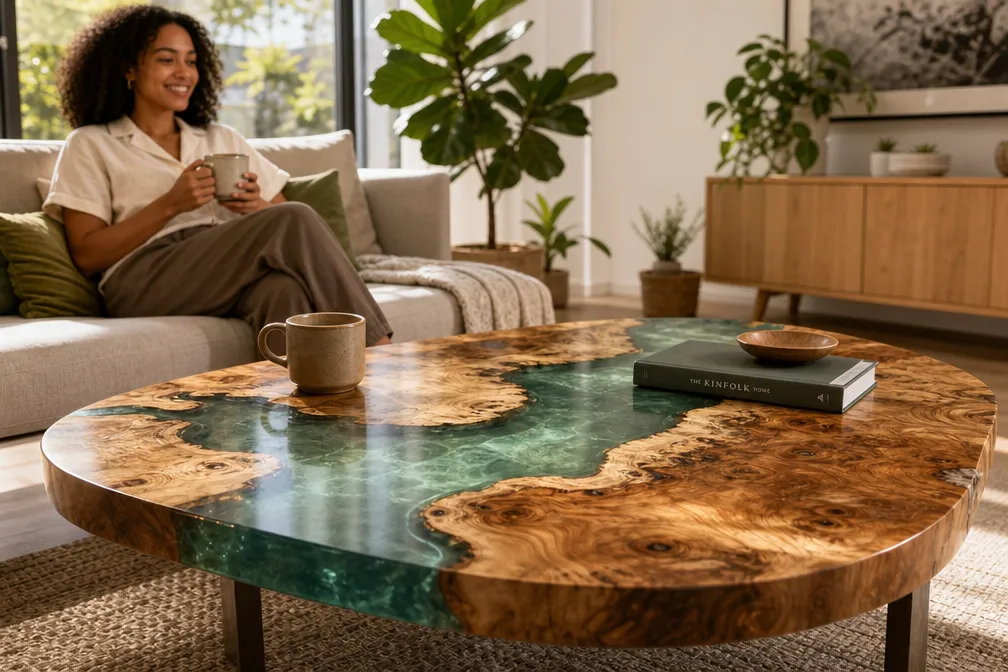
The evolution of woodworking materials continues to shape modern furniture design, and Bio-Resin Live-Edge Coffee Tables: Low-VOC Alternatives to Epoxy for Modern Furniture Builds stand as a testament to this progress. For craftspeople seeking to combine the dramatic natural beauty of live-edge slabs with a commitment to healthier practices and environmental responsibility, bio-resins offer an unparalleled solution. They effectively bridge the gap between traditional aesthetics and contemporary values, providing the durability, clarity, and ease of use found in conventional epoxies, but with a significantly reduced VOC footprint and a renewable component.
As we move through 2026, the demand for sustainable and health-conscious home furnishings will only intensify. By embracing bio-resins, woodworkers are not just adopting a new material; they are elevating their craft, contributing to a healthier planet, and meeting the evolving expectations of a discerning market. The result is a stunning, functional piece of art that enhances any living space while embodying a mindful approach to design and creation.
For those ready to explore this exciting alternative, thorough research into specific bio-resin products, careful slab preparation, and meticulous application will lead to exquisite, long-lasting furniture. This investment in knowledge and technique will yield not only beautiful coffee tables but also a cleaner workshop and a clearer conscience.
SEO Meta Title: Bio-Resin Live-Edge Coffee Tables: Low-VOC Epoxy Alternatives SEO Meta Description: Explore bio-resin live-edge coffee tables, offering low-VOC alternatives to epoxy for stunning and sustainable modern furniture builds in 2026.