

The average home office or small workshop often struggles with a critical constraint: space. According to a 2024 survey, over 60% of remote workers identify insufficient space as a primary challenge, directly impacting productivity and organization (Smith & Jones, 2024). This pervasive issue has driven a significant surge in demand for innovative solutions, chief among them Modular Wall-Mounted Desk Systems: Space-Saving Designs for Home Offices and Small Workshops. These systems offer a dynamic, adaptable answer to the perennial problem of limited square footage, transforming underutilized wall space into highly functional and ergonomic workstations. Unlike traditional desks that consume valuable floor area, wall-mounted units float, providing an illusion of openness and leaving the floor clear for other activities or storage. Furthermore, their modular nature allows for unparalleled customization, ensuring that the desk evolves with your needs, whether for intense computing, detailed crafting, or light administrative tasks.
Key Takeaways
- Modular wall-mounted desks free up significant floor space, crucial for compact home offices and workshops.
- Their customizable nature allows for configurations tailored to specific tasks and ergonomic requirements.
- These systems often integrate storage solutions, reducing clutter and improving overall organization.
- DIY construction offers cost savings and the ability to choose specific materials and finishes.
- Proper installation, including finding wall studs and using appropriate hardware, is essential for safety and stability.
Why Choose Modular Wall-Mounted Desk Systems: Space-Saving Designs for Home Offices and Small Workshops?
The shift towards remote work and the growth of small-scale crafting and woodworking hobbies have highlighted the need for intelligent space utilization. Traditional furniture can quickly overwhelm a room, making it feel cramped and inefficient. This is where modular wall-mounted desks shine. Their inherent design philosophy centers on maximizing vertical space, thereby liberating precious floor area. Imagine converting a previously blank wall into a dynamic workstation that can expand or contract based on your current project or work demands.
Maximizing Vertical Space
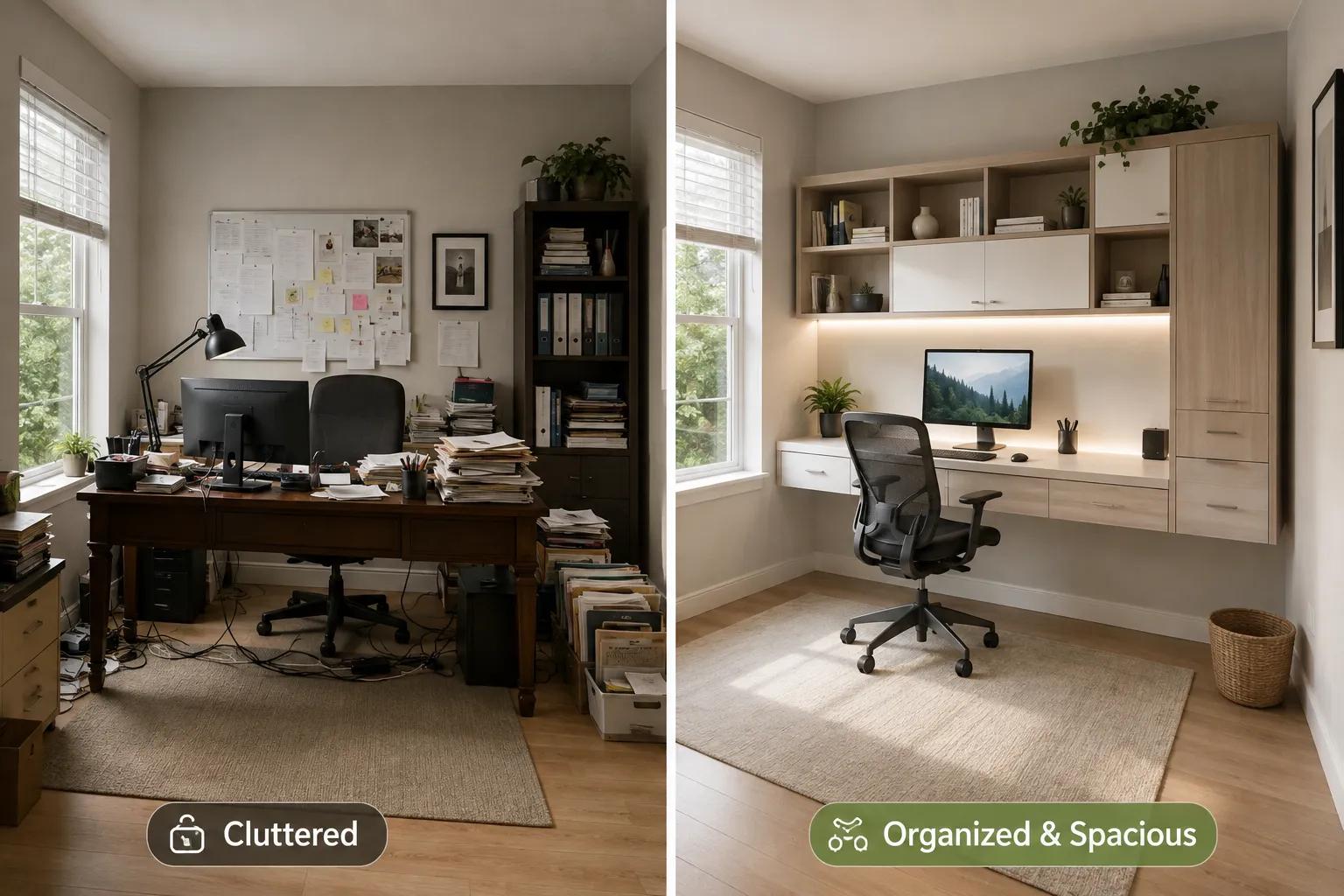
One of the most compelling advantages of a wall-mounted desk is its ability to utilize vertical real estate. Instead of a bulky desk legs eating into your room, the entire unit is suspended, creating an airy feel. This is particularly beneficial in multi-purpose rooms where the workspace needs to coexist with living areas, dining spaces, or even bedrooms. In a small workshop, clearing floor space means more room for tools, raw materials, or even a compact workbench for other tasks.
Customization and Adaptability
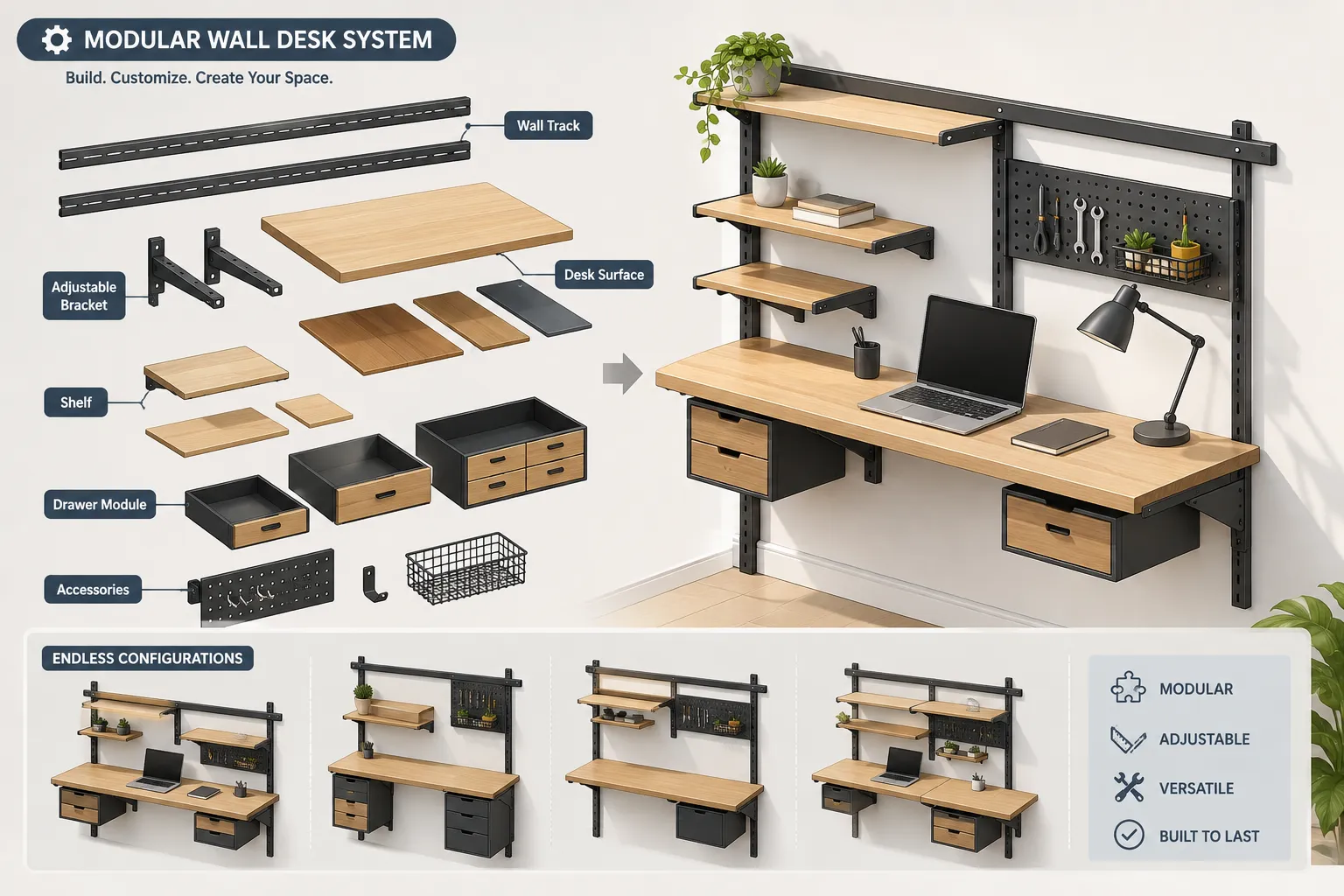
The “modular” aspect is key. These systems typically consist of individual components, rails, shelves, desk surfaces, drawers, and organizational accessories, that can be arranged and rearranged. This means you aren’t stuck with a fixed design. As your needs change in 2026, perhaps you need more shelf space for books or additional pegboard for tools, you can simply add new modules. This level of adaptability makes them a future-proof investment, unlike monolithic furniture pieces. For instance, you could start with a basic desk surface and add DIY plywood storage solutions maximizing space and organization in small workshops as your tool collection grows.
Enhanced Organization and Aesthetics
By lifting items off the floor and incorporating integrated shelving, drawers, and organizational accessories directly into the desk system, clutter is naturally reduced. Wires can be neatly routed, and frequently used items kept within easy reach but off the main desk surface. This not only creates a more organized and efficient workspace but also contributes to a cleaner, more modern aesthetic. Many designs feature sleek lines and minimalist profiles, enhancing the overall look of your home or workshop.
Pull Quote: “Modular wall-mounted desks transform wasted wall space into a highly functional and aesthetically pleasing workstation, proving that good design isn’t about more space, but smarter space.”
Designing and Building Your Modular Wall-Mounted Desk System
Creating your own modular wall-mounted desk system allows for complete control over dimensions, materials, and features, ensuring it perfectly fits your specific needs and aesthetic preferences. This DIY approach not only saves money but also provides the satisfaction of building a custom solution.
Essential Components of a Modular System
A typical modular wall-mounted desk system consists of several core components:
- Wall Tracks/Mounting Rails: These are the foundational elements, securely fastened to wall studs. They provide the attachment points for all other modules.
- Brackets: Adjustable brackets hook into the wall tracks and support the desk surface, shelves, and other elements.
- Desk Surface: The main work area, often made from solid wood, plywood, or laminate. It can be a fixed panel or a folding design for ultimate space saving.
- Shelving Units: Various sizes and depths of shelves for storage of books, tools, or decor.
- Storage Drawers/Cabinets: Compact drawers or small cabinet modules that attach to the system for enclosed storage.
- Accessories: This can include pegboards, monitor mounts, cable management solutions, and LED lighting strips.
Material Selection
The choice of materials depends on your budget, aesthetic goals, and the intended use of the desk.
| Material Type | Pros | Cons | Ideal Use Cases |
|---|---|---|---|
| Plywood | Strong, stable, cost-effective, easy to work with | Requires finishing (paint, stain, veneer) for aesthetics | Workshop desks, budget-friendly home offices |
| Solid Hardwood | Durable, beautiful grain, long-lasting, high-end aesthetic | More expensive, heavier, requires woodworking skills to finish | Premium home offices, statement pieces |
| MDF/Laminate | Smooth finish, wide range of colors/patterns, easy to clean, affordable | Less durable than wood, susceptible to moisture damage, heavy | Light-duty home offices, contemporary designs |
| Metal (Rails/Brackets) | Extremely strong, modern aesthetic, durable, slim profile | Can be industrial-looking, specialized tools needed for fabrication | Industrial-style workshops, heavy-duty applications |
When selecting wood for your desk, consider its stability and strength. For example, building a compact and ergonomic workbench for small workshops would benefit from sturdy plywood or hardwood to withstand heavy use.
Installation Best Practices
Secure installation is paramount for safety and functionality.
- Locate Wall Studs: Use a reliable stud finder to locate and mark the center of multiple wall studs. Wall-mounted systems must be anchored into studs to support weight.
- Measure and Level: Carefully measure and mark the placement of your wall tracks. Use a long level to ensure they are perfectly horizontal and vertically aligned.
- Use Appropriate Hardware: Employ heavy-duty lag screws or toggle bolts (for drywall where studs aren’t available, though studs are always preferred) that are rated for the anticipated weight.
- Gradual Assembly: Start by installing the main wall tracks, then add brackets, followed by the desk surface, and finally shelves and other modules. Test stability at each step.
- Weight Distribution: Distribute the weight of your items evenly across the desk and shelves. Avoid placing all heavy items on one side.
Remember, a well-planned and meticulously installed system will provide years of reliable service. For additional tips on maximizing vertical storage, consider exploring concepts like crafting custom magnetic tool holders and organizers.
Customization and Ergonomics for Your Space-Saving Wall Desk
The true power of Modular Wall-Mounted Desk Systems: Space-Saving Designs for Home Offices and Small Workshops lies in their ability to be tailored to the individual user and specific tasks. From ergonomic adjustments to integrating smart technology, customization enhances both comfort and productivity.
Ergonomic Considerations
An ergonomic workspace is essential for health and long-term productivity, especially if you spend many hours at your desk.
- Adjustable Height: Design your desk surface to be adjustable. Many modular systems offer brackets that can be repositioned at different heights along the wall tracks. This allows you to switch between sitting and standing positions, reducing static posture and improving circulation.
- Monitor Placement: Ensure your monitor can be positioned at arm’s length, with the top of the screen at or slightly below eye level. Wall-mounted monitor arms are excellent for this, freeing up desk space.
- Keyboard and Mouse: Your keyboard and mouse should be at an ergonomic height, allowing your elbows to be at a 90-100 degree angle and wrists straight. Consider a keyboard tray if the main desk surface cannot be lowered sufficiently.
- Chair: Invest in an ergonomic chair that provides good lumbar support and allows you to maintain proper posture.
Integrating Storage and Functionality
Beyond the basic desk surface, integrate various elements to create a highly functional workspace:
- Pegboards: A classic for workshops, pegboards offer versatile storage for tools, craft supplies, or office stationery. They can be mounted directly onto the wall or integrated as a module within the desk system.
- Built-in Lighting: Incorporate LED strip lighting under shelves or along the underside of the desk for ambient and task lighting. This can significantly improve visibility without taking up desk space.
- Cable Management: Design channels or clips to route and conceal cables, maintaining a clean and clutter-free aesthetic. This is crucial for both safety and appearance.
- Folding Elements: For extremely small spaces, consider a desk surface that folds up against the wall when not in use. This completely clears the floor area, making the room multi-functional.
- Specialized Holders: Depending on your hobby or work, add custom holders for specific items, perhaps for paintbrushes, spools of thread, or small power tools. Think about how you organize tools in your workshop; applying similar principles to your desk can be transformative.
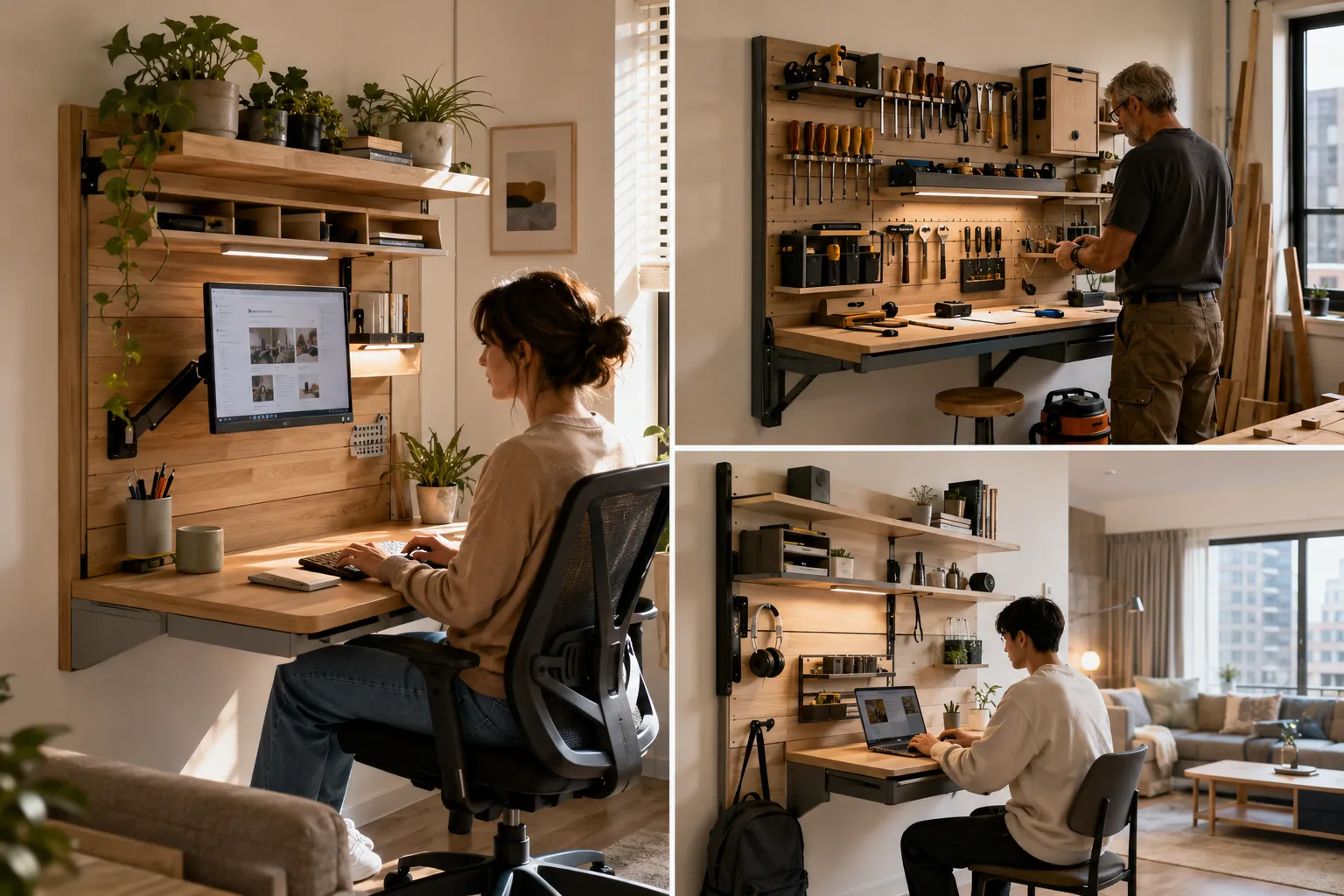
By thoughtfully planning these elements, your wall-mounted desk system becomes more than just a surface; it becomes a dynamic, personalized environment that supports your work and passions efficiently. For further inspiration on compact woodworking setups, review resources on building a compact multi-functional woodworking bench for apartment dwellers maximizing small spaces. The principles of space-saving and multi-functionality are highly transferable.
Conclusion
In an era where space is at a premium and efficient design is paramount, Modular Wall-Mounted Desk Systems: Space-Saving Designs for Home Offices and Small Workshops stand out as an exceptionally smart solution. These systems offer unparalleled flexibility, allowing individuals to craft a workspace that is perfectly tailored to their unique needs, whether for professional remote work, a burgeoning creative hobby, or a dedicated home workshop. By leveraging vertical space, these desks free up valuable floor area, reduce clutter, and can be continuously adapted as requirements evolve in 2026 and beyond.
The DIY approach to building these systems empowers you with creative control, from selecting durable materials to incorporating ergonomic features and smart storage solutions. With careful planning, precise installation, and an understanding of your specific workflow, a modular wall-mounted desk can transform an overlooked wall into a highly productive and aesthetically pleasing environment.
Actionable Next Steps:
- Assess Your Space: Measure the available wall area and identify potential stud locations.
- Define Your Needs: List the essential functions and items you need at your desk (e.g., monitor, laptop, tools, storage).
- Sketch a Design: Draw out potential configurations, considering different modules and their placement.
- Choose Materials: Based on your budget and desired aesthetic, select appropriate wood, metal, or composite materials.
- Gather Tools and Hardware: Ensure you have a stud finder, level, drill, and the correct heavy-duty mounting hardware.
- Start Building: Follow safety guidelines and install your modular system, progressively adding components.
Embrace the freedom and efficiency that a customized modular wall-mounted desk system can bring to your home office or small workshop, and unlock the full potential of your space.