

The average household replaces its cutting board every 2-3 years, creating a consistent market for durable, aesthetically pleasing kitchenware. For aspiring woodworkers and seasoned artisans alike, this demand presents a significant opportunity. Discover how to craft high-quality, sellable cutting boards, focusing on food-safe materials and joinery techniques that appeal to buyers and ensure durability. This comprehensive guide will walk you through the essential steps for building a custom cutting board: wood selection, food-safe finishes, and joinery for selling, setting you up for success in 2026 and beyond.
Key Takeaways
- Wood Selection is Crucial: Opt for dense, closed-grain hardwoods like maple, walnut, or cherry for durability and hygiene.
- Prioritize Food Safety: Only use glues and finishes explicitly rated as food-safe to protect consumers.
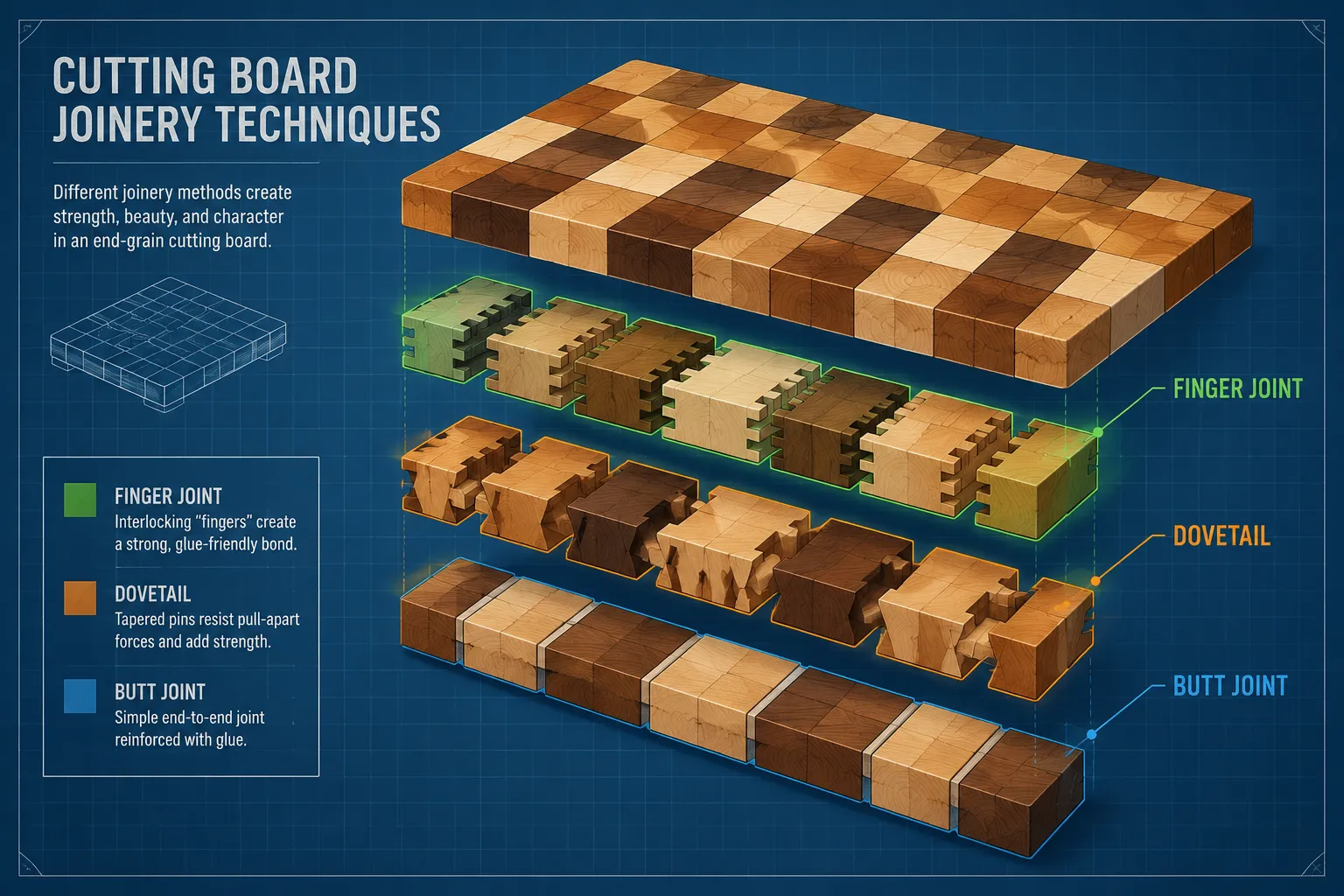
- Master Joinery Techniques: End-grain construction with robust joinery like finger joints offers superior durability and knife-friendliness.
- Achieve a Marketable Finish: Proper sanding and a food-safe finish enhance aesthetic appeal and product longevity.
- Consider Sales Appeal: Unique designs, ergonomic features, and personalization can significantly increase market value.
Strategic Wood Selection for Building a Custom Cutting Board
Choosing the right wood is the foundational step for creating a high-quality cutting board that not only performs well but also commands a good price in the market. The ideal wood possesses several key characteristics: hardness to withstand knife cuts without excessive damage, density to resist moisture absorption and bacterial growth, and a closed grain structure for hygiene. Open-grain woods like oak or ash are generally unsuitable as they can trap food particles and bacteria.
Top Wood Species for Cutting Boards
Here’s a breakdown of commonly recommended wood species:
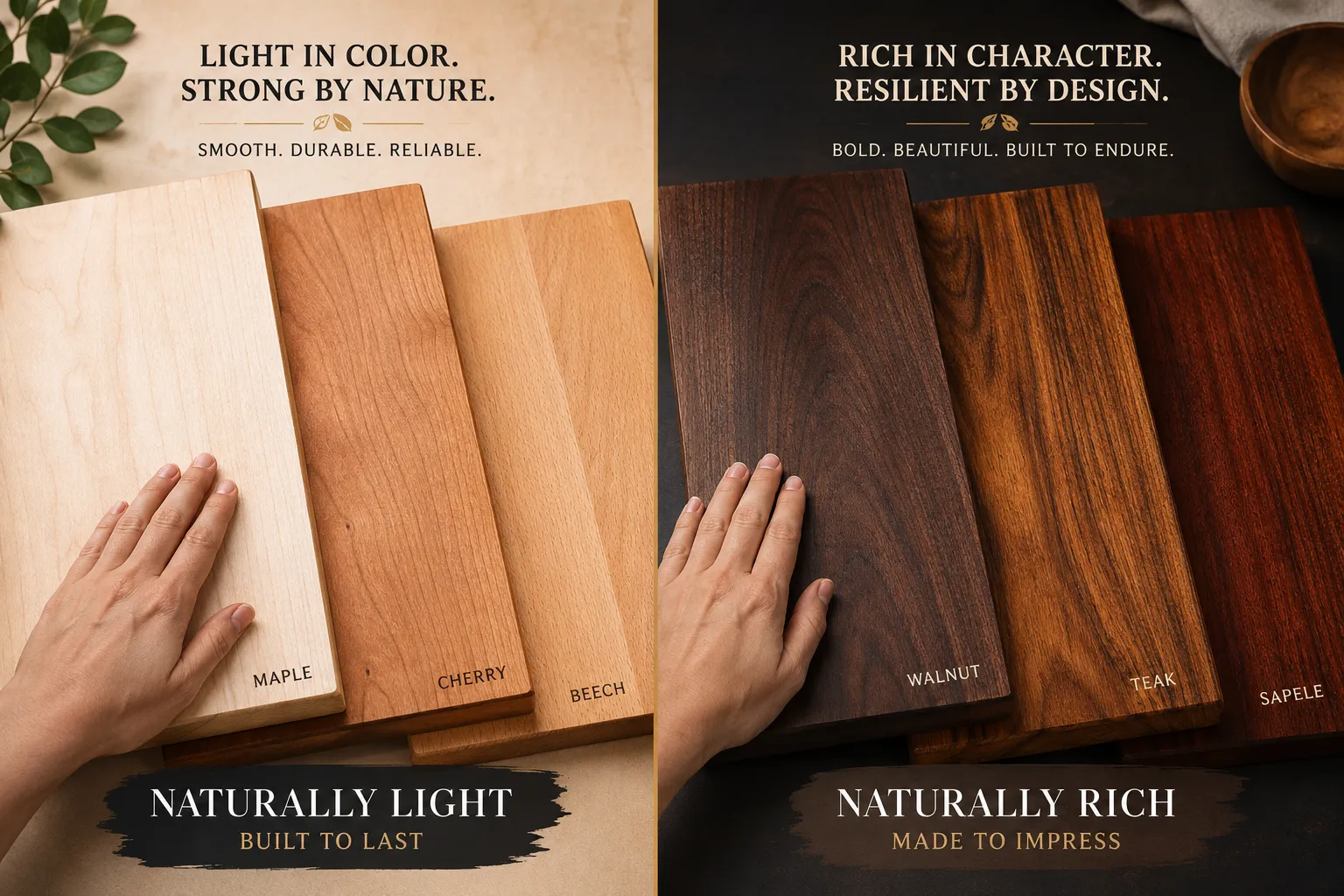
- Maple (Hard Maple): Often considered the gold standard for cutting boards. It is exceptionally hard, dense, and has a fine, closed grain. Its light color provides a clean aesthetic and contrasts beautifully with darker woods in patterned boards. Maple is readily available and relatively affordable.
- Walnut (Black Walnut): A popular choice for its rich, dark brown color and attractive grain patterns. Walnut is softer than maple but still highly durable and food-safe. It adds a touch of elegance and sophistication, making boards particularly appealing for high-end markets.
- Cherry: Known for its warm, reddish-brown tones that deepen over time with exposure to light. Cherry is moderately hard, has a fine grain, and offers good moisture resistance. Its aesthetic appeal makes it a favorite for custom pieces.
- Beech: Similar to maple in hardness and grain structure, beech is a good, economical alternative. It has a light, consistent color that works well in various designs.
- Sapele: An African hardwood with a beautiful ribbon-like grain and reddish-brown color, similar to mahogany. It’s durable and moisture-resistant, offering an exotic touch to custom boards.
Woods to Avoid
Certain woods should be avoided due to their properties that make them unsuitable or unsafe for food preparation:
- Softwoods: Pine, cedar, and fir are too soft, easily scarred by knives, and prone to absorbing moisture and bacteria.
- Open-Grain Woods: Oak and ash have large pores that can harbor bacteria, even after sealing.
- Toxic Woods: Some exotic woods, like purpleheart or wenge, can cause allergic reactions or leach harmful compounds. Always verify a wood’s toxicity before use.
When sourcing wood, always opt for kiln-dried lumber to ensure stability and prevent warping or cracking later. Moisture content should ideally be between 6-8%. High-quality, stable wood is paramount for creating durable products that you can confidently sell.
Joinery Techniques for Superior Cutting Board Construction
The method of joining wood pieces significantly impacts a cutting board’s durability, stability, and aesthetic appeal. For selling, boards must not only look good but also withstand years of heavy use without delaminating or warping. Two primary constructions dominate the market: edge-grain and end-grain. While both are viable, end-grain boards generally offer superior benefits for longevity and knife preservation. Learn more about diverse joinery options in our introduction to traditional Japanese wood joinery for inspiration on precise connections.
Edge-Grain vs. End-Grain Construction
- Edge-Grain Boards: Made by gluing strips of wood together with their edge grain facing up. This is a simpler and quicker construction method, often resulting in a more affordable product. Edge-grain boards are durable but show knife marks more readily than end-grain. They are less prone to warping if properly dried and glued.
- End-Grain Boards: Constructed by orienting wood blocks so the end grain faces up. When a knife cuts an end-grain board, the blade goes between the wood fibers, which then “heal” or close back up, making the board self-healing and exceptionally kind to knife edges. End-grain boards are also highly resistant to moisture and warping due to the alternating grain direction, but they are more complex and time-consuming to build, resulting in a premium product.
Essential Joinery for End-Grain Boards
For selling custom cutting boards, especially end-grain designs, robust joinery is non-negotiable. The goal is to create strong, seamless bonds that prevent delamination.
- Preparation: Accurate milling is critical. Ensure all wood strips are perfectly flat, square, and dimensioned identically. Even slight variations will lead to gaps.
- Glue Selection: Use a waterproof, food-safe wood glue. Titebond III Ultimate Wood Glue is a popular choice, as it’s rated for indirect food contact and offers excellent moisture resistance. For more detailed insights, consult the ultimate guide to wood glue.
- Clamping: Even pressure across all glue joints is essential. Use a sufficient number of clamps to prevent gaps and ensure a strong bond. Alternate clamps above and below the board to counteract bowing. Allow adequate drying time as per the glue manufacturer’s instructions.
- Pattern Design: For end-grain boards, stagger the seams between rows of blocks to enhance strength and visual appeal. This often involves cutting “starter” and “ender” pieces to complete rows, creating a brick-like pattern.
- Routed Grooves/Handles: Consider adding routed juice grooves around the perimeter or finger holds on the sides for practical appeal. Use a router with appropriate bits for clean, consistent results. Precision in joinery is vital for crafting items like custom entryway tables, much like cutting boards.
- Finishing and Sanding: After initial glue-ups, plane or sand the board flat. Start with a coarse grit (e.g., 80 or 100), then progressively move to finer grits (150, 220, 320, 400). Between grits, “water pop” the board by wiping it with a damp cloth; this raises any compressed wood fibers, allowing them to be sanded away, resulting in a smoother finish that will last.
Building a custom cutting board with strong, invisible joinery elevates it from a simple kitchen tool to a piece of functional art. This craftsmanship justifies a higher price point for custom projects.
Food-Safe Finishes and Market Appeal for Custom Cutting Boards
The final step in building a custom cutting board is applying a food-safe finish. This not only protects the wood from moisture and bacteria but also enhances its natural beauty, making it more appealing to potential buyers. Choosing the right finish is critical for both safety and durability.
Selecting Food-Safe Finishes
Any finish applied to a cutting board must be non-toxic and food-safe once cured. The most common and recommended finishes include:
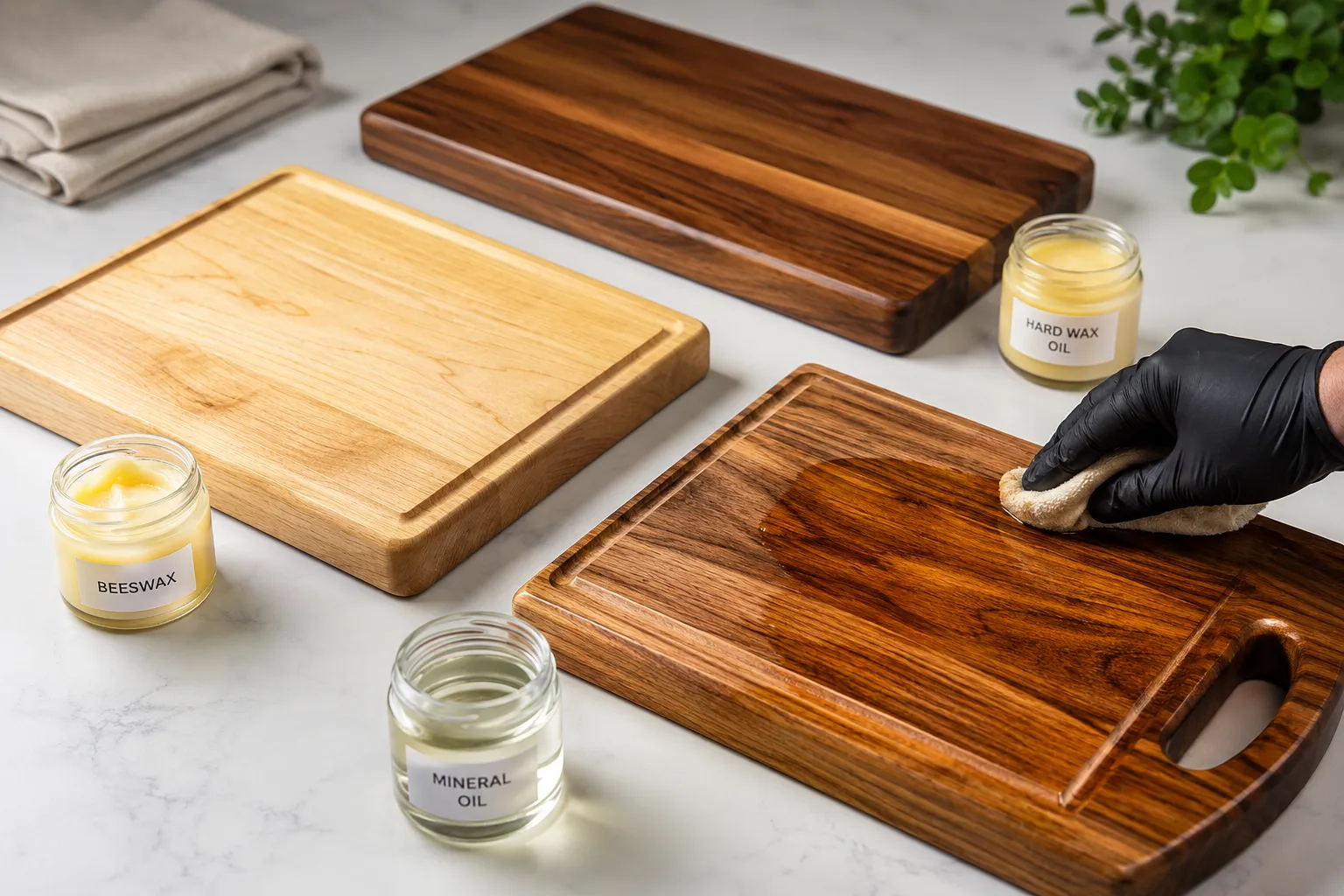
- Mineral Oil: This is the most popular choice. It’s inexpensive, readily available, completely food-safe, and penetrates deeply into the wood. Mineral oil needs to be reapplied regularly (monthly or bi-monthly) to maintain protection.
- Beeswax/Mineral Oil Blend: A mixture of mineral oil and beeswax (often 4 parts oil to 1 part wax) provides a more durable and water-resistant finish than oil alone. The wax creates a thin, protective barrier on the surface while the oil conditions the wood. It leaves a slightly satin sheen and requires less frequent reapplication than pure mineral oil. This approach aligns with trends in natural wood finishing without chemicals.
- Hard Wax Oils: Products like Osmo Polyx-Oil or Rubio Monocoat are plant-based, durable, and food-safe after full cure. They offer a strong, water-resistant finish that requires less maintenance than traditional oil/wax blends but can be more expensive and may slightly alter the wood’s natural color. Always check specific product certifications for food safety.
Application Tips:
- Liberally Apply: For oil-based finishes, apply generously until the wood stops absorbing it, then wipe off excess after 20-30 minutes. Repeat this process several times over 24-48 hours.
- Curing Time: Allow any finish, especially hard wax oils, to fully cure according to the manufacturer’s instructions before the board is used or sold.
- Maintenance Instructions: Always provide buyers with clear maintenance instructions for their new cutting board to ensure its longevity and customer satisfaction.
Enhancing Market Appeal and Selling Your Custom Cutting Boards
Once your cutting board is beautifully crafted and finished, it’s time to consider how to make it stand out in the market in 2026.
Design and Aesthetics:
- Wood Combinations: Use contrasting wood species (e.g., maple and walnut) to create striking patterns in end-grain or edge-grain boards.
- Shapes and Sizes: Offer a variety of sizes, from small cheese boards to large butcher blocks. Unique shapes, like paddle boards or those with integrated handles, can attract specific buyers.
- Personalization: Consider offering laser engraving for monograms, dates, or custom logos. This adds significant value and makes the board an ideal gift. Check out resources on beginner’s guide to laser engraving and cutting for ideas.
Functionality and Features:
- Juice Grooves: Rout a shallow groove around the perimeter to catch meat juices, a highly desirable feature for many cooks.
- Non-Slip Feet: Attaching small rubber feet to the bottom prevents slipping during use and allows airflow, crucial for preventing moisture buildup.
Branding and Packaging:
- Logo: Discreetly brand your boards with a burned or engraved logo.
- Care Cards: Include a beautifully designed care card with instructions for cleaning and oiling.
- Packaging: Present your boards in attractive, protective packaging, especially if selling online or at craft shows.
Pricing Strategy:
- Calculate your material costs, labor (hourly rate), and overhead.
- Research competitor pricing for similar quality and design.
- Position end-grain boards at a premium due to their complexity and benefits.
- Consider offering boards in a range of price points to appeal to different budgets, much like one might approach woodworking projects that sell.
By focusing on superior craftsmanship, food safety, and thoughtful design, your custom cutting boards can become highly sought-after items, whether sold through online platforms, local markets, or direct commissions.
Conclusion
Building a custom cutting board for sale is a rewarding endeavor that blends woodworking skill with an understanding of market demands. By carefully selecting dense, closed-grain hardwoods like maple, walnut, or cherry, you lay the groundwork for a durable and hygienic product. Mastering robust joinery techniques, especially for end-grain construction, ensures longevity and appeals to buyers seeking premium quality. Finally, applying food-safe finishes like mineral oil or hard wax oils not only protects the wood but also enhances its natural beauty, making it a marketable masterpiece.
As you embark on or continue your journey in crafting these essential kitchen tools, remember that attention to detail, from the initial wood selection to the final finish, is what truly sets a custom cutting board apart. Offer unique designs, functional features, and clear care instructions to empower your customers and build a reputable brand. With these principles in mind, you are well-equipped to create custom cutting boards that delight buyers and thrive in the competitive market of 2026.
SEO Meta Title: Crafting Sellable Custom Cutting Boards: Wood, Finishes & Joinery SEO Meta Description: Learn to build custom cutting boards for profit in 2026. Expert guide on wood selection, food-safe finishes, and strong joinery techniques for selling.