
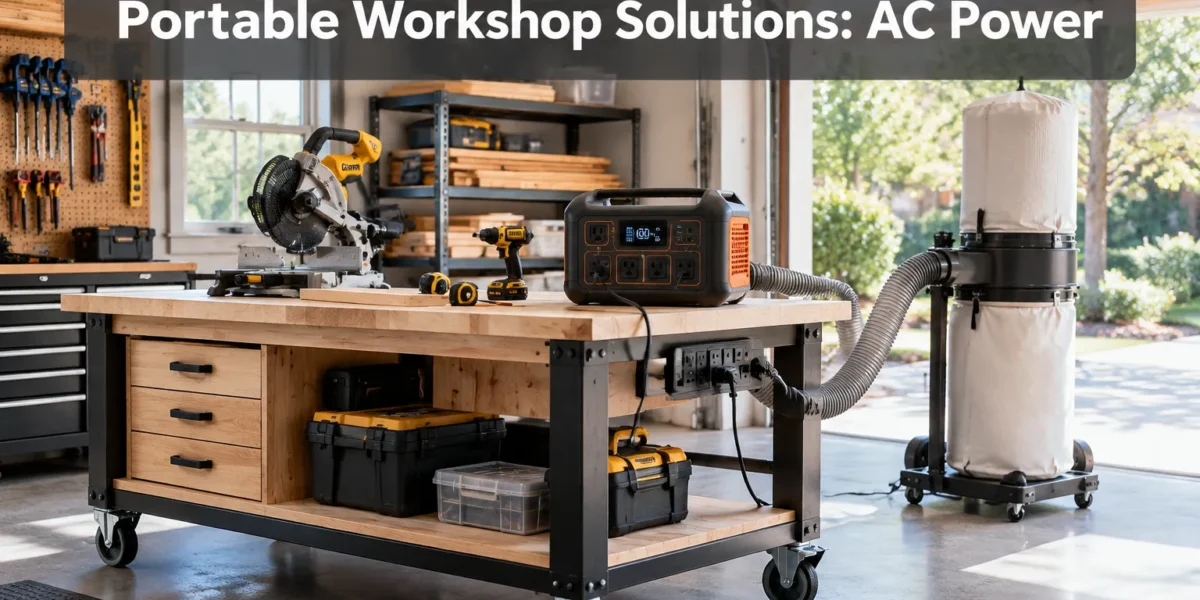
The aspiration for year-round woodworking, once limited to dedicated, fully outfitted shops, is now within reach for many thanks to advanced Portable Workshop Solutions: AC Power, Dust Control & Climate for Year-Round Woodworking. Gone are the days when a woodworker’s passion had to ebb and flow with the seasons, or be constrained by the lack of permanent infrastructure. In 2026, innovative portable setups empower hobbyists and professionals alike to transform garages, driveways, or even temporary job sites into highly functional workspaces, overcoming challenges such as power limitations, rampant sawdust, and unfavorable weather.
Key Takeaways:
- Adaptable Power: Utilize portable power stations, inverter generators, and smart extension cord management to safely power tools in diverse locations.
- Effective Dust Management: Implement portable dust collectors, air filtration systems, and strategic ventilation to maintain a clean and healthy workspace.
- Climate Control for Comfort: Employ portable heaters, air conditioners, and dehumidifiers to ensure comfortable working conditions regardless of external weather.
- Modular Design: Embrace modular and mobile workshop elements to maximize flexibility and efficiency in any temporary or shared space.
- Safety First: Prioritize electrical safety, respiratory protection, and proper tool use in all portable workshop configurations.
Harnessing AC Power for Portable Workshop Solutions
Powering an array of tools, from table saws to sanders, is fundamental to any woodworking operation. In a portable setting, establishing a reliable and safe AC power supply requires strategic planning. The goal is to deliver consistent power without tripping breakers, overheating circuits, or posing electrical hazards.
Portable Power Sources
When a standard wall outlet isn’t accessible, or lacks sufficient amperage, dedicated portable power solutions become essential.
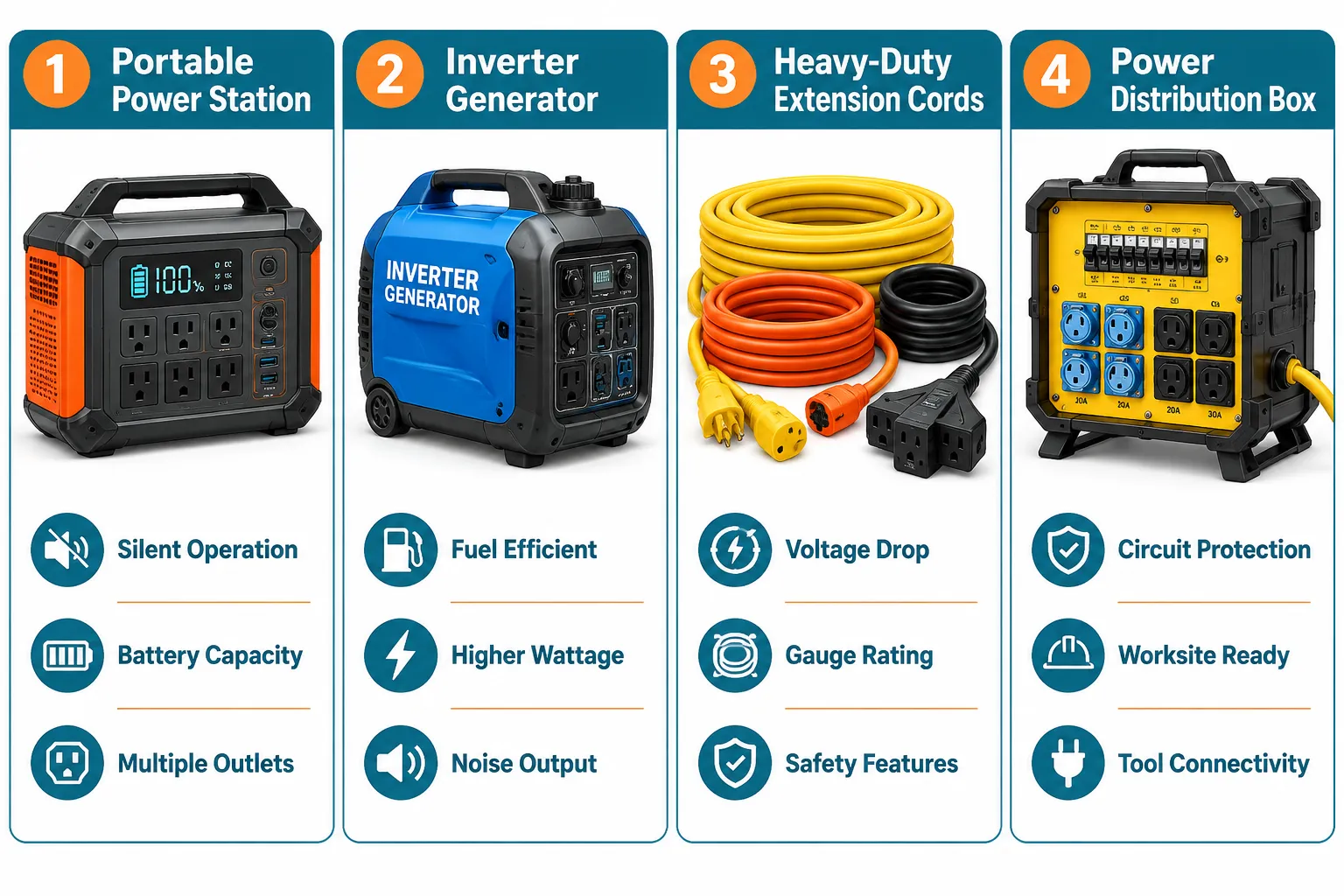
- Portable Power Stations: These large battery banks with integrated inverters provide clean, quiet AC power. They are ideal for sensitive electronics and lighter-duty tools, offering silent operation. Advances in lithium-ion technology mean that many units in 2026 can sustain power-hungry tools for significant periods. However, their capacity is finite, making them more suitable for shorter tasks or supplementing primary power.
- Inverter Generators: For higher wattage demands and extended runtimes, inverter generators are a robust solution. Unlike traditional generators, inverter models produce a cleaner sine wave, which is safer for modern electronics and variable-speed tools. They are also significantly quieter and more fuel-efficient. While they require fuel and generate exhaust, their power output makes them indispensable for heavy-duty tools like 12 Inch Craftsman Table Saw.
- Temporary Power Pedestals/Boxes: For recurring outdoor or temporary setups, consider investing in a portable power distribution box. These units often feature multiple outlets with built-in circuit breakers, offering a safer and more organized way to distribute power from a single source to multiple tools. They are invaluable for job sites or larger outdoor projects.
Smart Power Distribution and Safety
Effective power distribution is about more than just plugging things in; it’s about safety and efficiency.
- Heavy-Duty Extension Cords: Always use appropriately gauged extension cords. Thin cords can lead to voltage drop, reducing tool performance and potentially overheating, creating a fire hazard. For power-hungry tools, a 12-gauge or 10-gauge cord is often necessary. Ensure cords are rated for outdoor use if working outside and kept clear of walkways to prevent tripping hazards.
- GFCI Protection: Ground Fault Circuit Interrupters (GFCIs) are critical for safety, especially in damp environments or outdoor settings. They quickly cut power if a ground fault is detected, preventing electrocution. Many modern portable power stations and inverter generators include GFCI outlets, but if not, inline GFCI adapters are readily available.
- Circuit Management: Understand the power requirements of your tools and the capacity of your power source. Avoid overloading circuits by distributing tools across different outlets or, if using a generator, by being mindful of its total wattage output.
Implementing Effective Dust Control for Portable Workshop Solutions
Woodworking generates significant amounts of dust, which not only creates a mess but also poses serious health risks. In a portable setup, dust control requires a proactive and multi-layered approach to protect your lungs and maintain a clean environment.
Portable Dust Collection Systems
The cornerstone of dust management in a mobile shop is a capable dust collector.
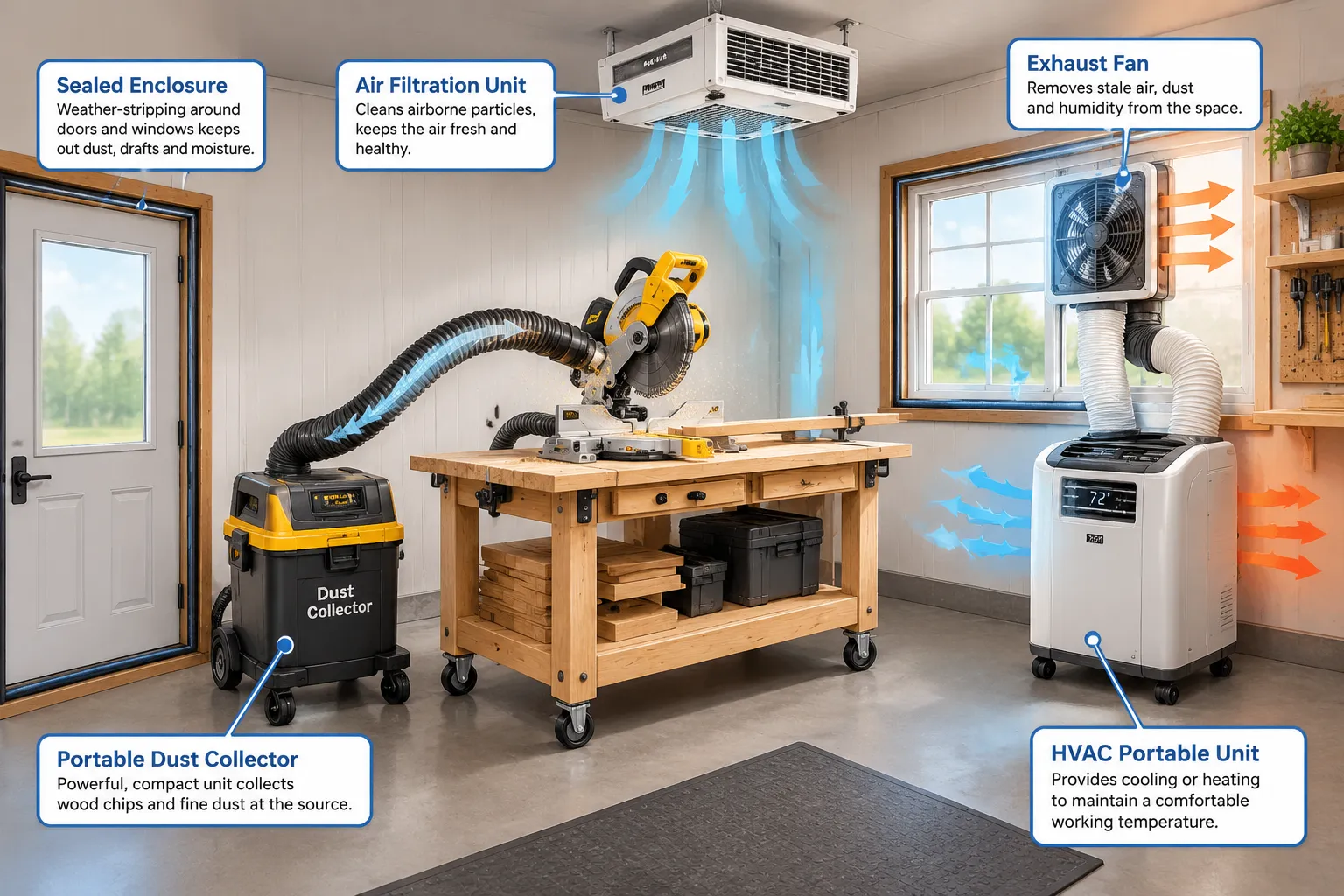
- Compact Dust Collectors: Modern portable dust collectors are designed to be powerful yet space-efficient. Look for units with good CFM (Cubic Feet per Minute) ratings, effective filtration down to 1 micron or less, and easy-to-empty collection bags or canisters. Many include wheeled bases for easy relocation. Connecting them directly to tools like a miter saw or table saw is crucial. For detailed guidance on optimizing your setup, explore resources on Building a Mobile Dust Collection Cart for Any Workshop Design Filtration Portability.
- Shop Vacuums with HEPA Filters: For smaller tools or cleanup tasks, a good shop vacuum equipped with a HEPA filter can be highly effective. Pair it with a dust separator (like a cyclone system) to pre-filter larger debris, significantly extending the life of the HEPA filter and maintaining suction power.
- Tool-Specific Dust Collection: Many portable power tools come with dust ports. Invest in quality hoses and adapters to ensure a tight seal between your tools and your dust collector or shop vacuum. This direct capture is the most efficient way to prevent dust from becoming airborne. For example, when building a Portable Miter Saw Stand With Integrated Dust Collection And Outfeed Support, integrating dust collection from the start is key.
Air Filtration and Ventilation
Even with excellent direct collection, fine dust particles will inevitably escape into the air.
- Ambient Air Cleaners: These standalone units continuously filter the air, capturing fine airborne particles. For a portable setup, choose a model that is lightweight and easy to move or mount temporarily. Running an air cleaner even after you’ve finished woodworking helps clear residual dust.
- Strategic Ventilation: If working in an enclosed space like a garage, ensure proper ventilation. Opening doors or windows can help, but a dedicated exhaust fan can create positive or negative pressure, effectively drawing stale, dusty air out and replacing it with fresh air. Position fans to create a cross-breeze that directs dust away from your breathing zone and towards an exhaust point.
- Respiratory Protection: Regardless of how good your dust control system is, always wear a high-quality respirator or dust mask (N95 or better) when generating dust. This is your last line of defense against inhaling harmful particles.
“Effective dust control isn’t just about cleanliness; it’s about protecting your long-term health. A layered approach, combining source capture, ambient filtration, and personal protective equipment, is non-negotiable for any woodworker, especially in a portable setting.”
Climate Control for Year-Round Woodworking
Working comfortably year-round, whether in the searing heat of summer or the biting cold of winter, requires active climate management. This is particularly crucial for woodworking, as extreme temperatures and humidity can affect both the wood itself and the woodworker’s endurance.
Maintaining Optimal Temperature
Temperature extremes can make a workshop unbearable and impact material stability.
- Heating Solutions:
- Portable Electric Heaters: For smaller, enclosed spaces, electric heaters are a clean and relatively safe option. Look for models with tip-over protection and automatic shut-off features.
- Propane/Kerosene Heaters: These offer more powerful heating for larger, well-ventilated spaces. Crucially, ensure adequate ventilation to prevent carbon monoxide buildup. Never use unvented combustion heaters in poorly ventilated areas.
- Infrared Heaters: These heat objects directly rather than the air, providing targeted warmth that can be effective in drafty or semi-open spaces.
- Cooling Solutions:
- Portable Air Conditioners: These self-contained units can significantly lower the temperature in an enclosed space. They require an exhaust hose to vent hot air outside, typically through a window or door opening.
- Evaporative Coolers (Swamp Coolers): In dry climates, these can be very effective and energy-efficient. They add moisture to the air as they cool, which can be beneficial in arid conditions but is generally not recommended for humid environments due to potential wood warping issues.
- High-Velocity Fans: While not reducing air temperature, powerful fans can create airflow that makes hot conditions more tolerable by accelerating sweat evaporation.
Managing Humidity
Humidity plays a critical role in woodworking. High humidity can cause wood to swell, while low humidity can lead to shrinkage and cracking. Maintaining a consistent relative humidity (RH) between 30% and 55% is ideal.
- Dehumidifiers: In humid climates, a portable dehumidifier is invaluable. It removes excess moisture from the air, preventing wood movement, reducing rust on tools, and making the environment more comfortable.
- Humidifiers: In dry climates, especially during winter when heating can drastically lower indoor humidity, a portable humidifier can help maintain wood stability and prevent static electricity buildup.
Insulating and Sealing Your Portable Space
Even temporary spaces can benefit from basic insulation and sealing efforts.
- Temporary Wall Panels: If working in a garage, consider temporary insulated panels for garage doors and windows.
- Weather Stripping: Seal gaps around doors and windows with removable weather stripping to prevent drafts and minimize heat/cool air loss.
- Reflective Barriers: In hot climates, reflective insulation or tarps can be used on exteriors to deflect solar heat gain.
Integrating these climate control measures ensures that your woodworking projects can proceed smoothly, regardless of the season, extending the utility of your portable workshop.

Optimizing Portable Workshop Solutions for Maximum Efficiency
Beyond power, dust, and climate, the overall layout and organization of your portable workshop are crucial for productivity and safety. A well-thought-out design minimizes setup and teardown time, allowing more focus on the craft.
Modular and Mobile Workstations
The essence of a portable workshop lies in its ability to adapt and move.
- Rolling Workbenches: Invest in or build workbenches on heavy-duty casters. These allow you to reconfigure your space quickly for different tasks or move tools closer to the material being worked on. Incorporate storage underneath for tools and materials to keep the workbench clear. Our guide on Smart Workshop Storage Solutions Maximizing Small Spaces With Modular Systems And Diy Organizers offers excellent ideas.
- Foldable and Collapsible Supports: Outfeed supports for table saws, saw horses, and assembly tables that fold flat or collapse are space-saving heroes.
- Tool Stands with Wheels: Mount stationary tools like planers or jointers on mobile bases. This transforms a fixed machine into a flexible asset that can be positioned where needed or rolled away for storage.
Strategic Layout and Workflow
Even in a temporary space, applying principles of efficient workflow can save time and effort.
- Zoning: mentally divide your portable space into zones: a cutting zone, an assembly zone, a finishing zone, and a storage zone. While these zones might overlap or shift, having a plan helps keep operations organized.
- Tool Accessibility: Arrange tools and materials so frequently used items are easily accessible. Consider shadow boards or pegboards that can be hung temporarily or built into mobile cabinets.
- Clear Pathways: Always maintain clear pathways for moving materials and tools, especially for longer stock. This is a critical safety consideration. For more on optimizing space, see Creating Ergonomic Workshop Layouts Maximizing Space And Workflow In Small To Medium Sized Woodworking Shops.
Lighting for Precision and Safety
Good lighting is paramount in any workshop, portable or permanent.
- Portable LED Work Lights: Modern LED work lights are bright, energy-efficient, and generate little heat. They are rugged and can be easily moved and positioned to illuminate specific tasks, reducing eye strain and improving accuracy.
- Overhead Lighting: Supplement task lighting with general overhead lighting, especially if working in a garage with minimal built-in fixtures. Temporary string lights or shop lights can be effective.
- Natural Light: Maximize any available natural light. Position your setup to take advantage of windows or open doors where possible.
By integrating these practical solutions, woodworkers in 2026 can enjoy the freedom and flexibility of a portable workshop without compromising on performance, safety, or comfort.
Conclusion
The evolution of Portable Workshop Solutions: AC Power, Dust Control & Climate for Year-Round Woodworking has transformed the landscape for woodworkers. No longer tethered to a fixed location or at the mercy of the weather, individuals can now set up a fully functional, comfortable, and safe woodworking environment almost anywhere. By strategically addressing power requirements with advanced portable stations and generators, implementing robust dust collection and air filtration systems, and actively managing temperature and humidity, the dream of year-round woodworking is a tangible reality.
Moving forward in 2026, embracing modular designs, mobile workstations, and prioritizing safety will unlock even greater potential for flexibility and productivity. Whether you’re a hobbyist with limited permanent space or a professional needing to bring your shop to the job site, investing in these portable solutions will empower you to pursue your passion with unprecedented freedom and comfort. Start by assessing your specific power needs, then build out your dust control and climate management systems, always keeping portability and safety at the forefront of your design.
SEO Meta Title: Portable Workshop Solutions: Power, Dust, Climate for Woodworking SEO Meta Description: Master year-round woodworking with portable workshop solutions for AC power, advanced dust control, and climate management in 2026.