
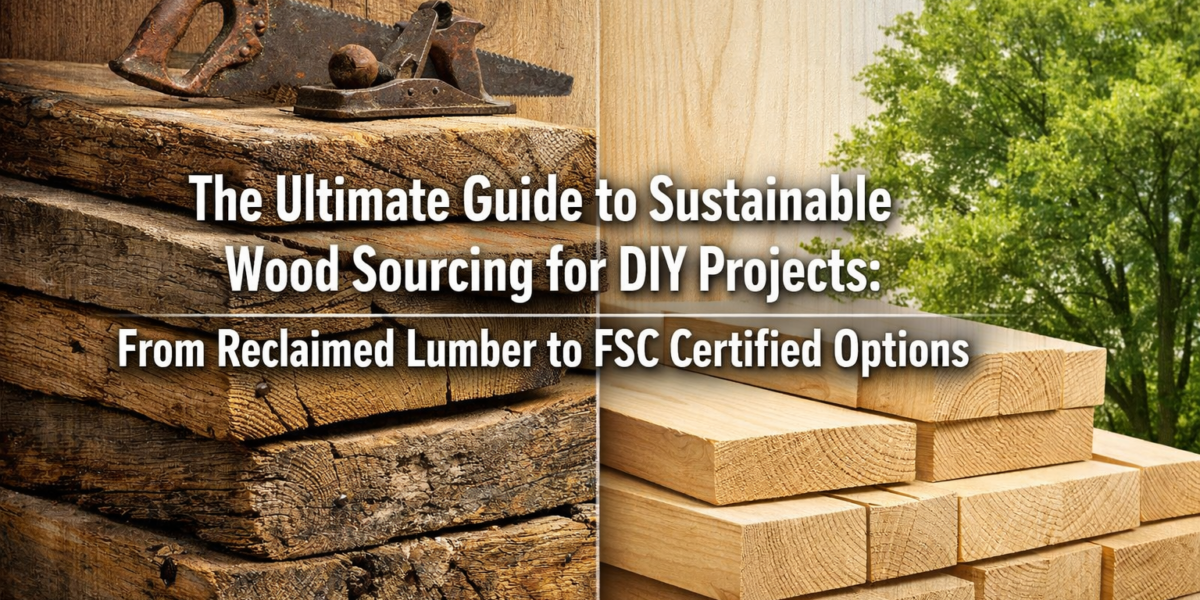
Global deforestation rates, despite growing awareness, continue at an alarming pace, contributing significantly to climate change and biodiversity loss. For the environmentally conscious DIY enthusiast, the choice of wood is no longer just about aesthetics or durability; it’s about impact. This article, “The Ultimate Guide to Sustainable Wood Sourcing for DIY Projects: From Reclaimed Lumber to FSC Certified Options,” delves into ethical and eco-friendly wood sourcing, covering how to find and prepare reclaimed wood, understanding FSC certification, and exploring lesser-known sustainable timber alternatives for your woodworking projects. By making informed choices, woodworkers in 2026 can craft beautiful pieces while actively participating in a more sustainable future.
Key Takeaways
- Reclaimed wood offers a unique aesthetic and environmental benefits: Sourcing wood from old buildings, pallets, and urban trees prevents waste and gives materials a second life, often with rich character.
- FSC certification ensures responsible forest management: Look for the Forest Stewardship Council (FSC) label to guarantee that wood comes from forests managed in an environmentally appropriate, socially beneficial, and economically viable manner.
- Urban logging and lesser-known species provide local, sustainable alternatives: Utilizing wood from city tree removals or exploring fast-growing, less common timber species reduces demand on traditional, often overharvested, forests.
- Preparation and safety are crucial for reclaimed wood: Proper cleaning, de-nailing, and pest treatment are essential steps to ensure reclaimed lumber is safe and ready for use.
- Consider a holistic approach to sustainability: Beyond sourcing, minimize waste, use eco-friendly finishes, and design for longevity to maximize your project’s environmental benefits.
Embracing Reclaimed Wood: A Second Life for Timber
Reclaimed wood is perhaps the most direct way to engage in sustainable sourcing for your DIY projects. It’s wood that has been salvaged from its original purpose and given a new life, diverting it from landfills and reducing the demand for newly harvested timber. This practice not only offers significant environmental benefits but also imbues projects with a unique character and history that new wood simply cannot replicate.
What is Reclaimed Wood?
Reclaimed wood can come from a myriad of sources, each offering different wood types, conditions, and stories. Common sources include:
- Barns and Old Buildings: Often yielding strong, aged hardwoods like oak, pine, and hemlock, these timbers frequently exhibit beautiful patinas, nail holes, and distressing that are highly sought after.
- Factory and Warehouse Structures: Industrial buildings from the early 20th century frequently contain large beams and flooring made from dense, old-growth timber.
- Shipping Pallets: While often softer woods like pine, oak, or fir, pallets are an accessible and abundant source of reclaimed wood, perfect for smaller projects or decorative elements.
- Dismantled Decks and Fences: These can provide useful softwood planks, though their exposure to the elements may require more processing.
- Urban Logging: Trees removed from urban environments due to storm damage, disease, or development can be milled into valuable lumber. This local sourcing reduces transportation costs and offers unique species often not found in traditional lumberyards. For more on this, check out our guide on sourcing and restoring urban harvested and reclaimed wood.
Finding and Assessing Reclaimed Lumber
Locating quality reclaimed wood requires a bit of detective work and an eye for potential.
Where to Look:
- Architectural Salvage Yards: These businesses specialize in reclaimed building materials and often have a wide selection of timbers, flooring, and decorative elements.
- Demolition Companies: Form relationships with local demolition contractors. They can be a goldmine for large quantities of wood, often at a lower cost, though it may require more processing on your end.
- Online Marketplaces: Websites like Craigslist, Facebook Marketplace, and specialized online forums often have individuals selling reclaimed wood locally.
- Sawmills that Process Urban Lumber: Some local sawmills now specialize in milling trees from urban areas.
- Your Own Backyard/Neighborhood: Keep an eye out for renovation projects, tree removals, or even old fences being replaced. Always ask permission before taking anything!
Quality Assessment:
Once you’ve found a source, careful inspection is crucial.
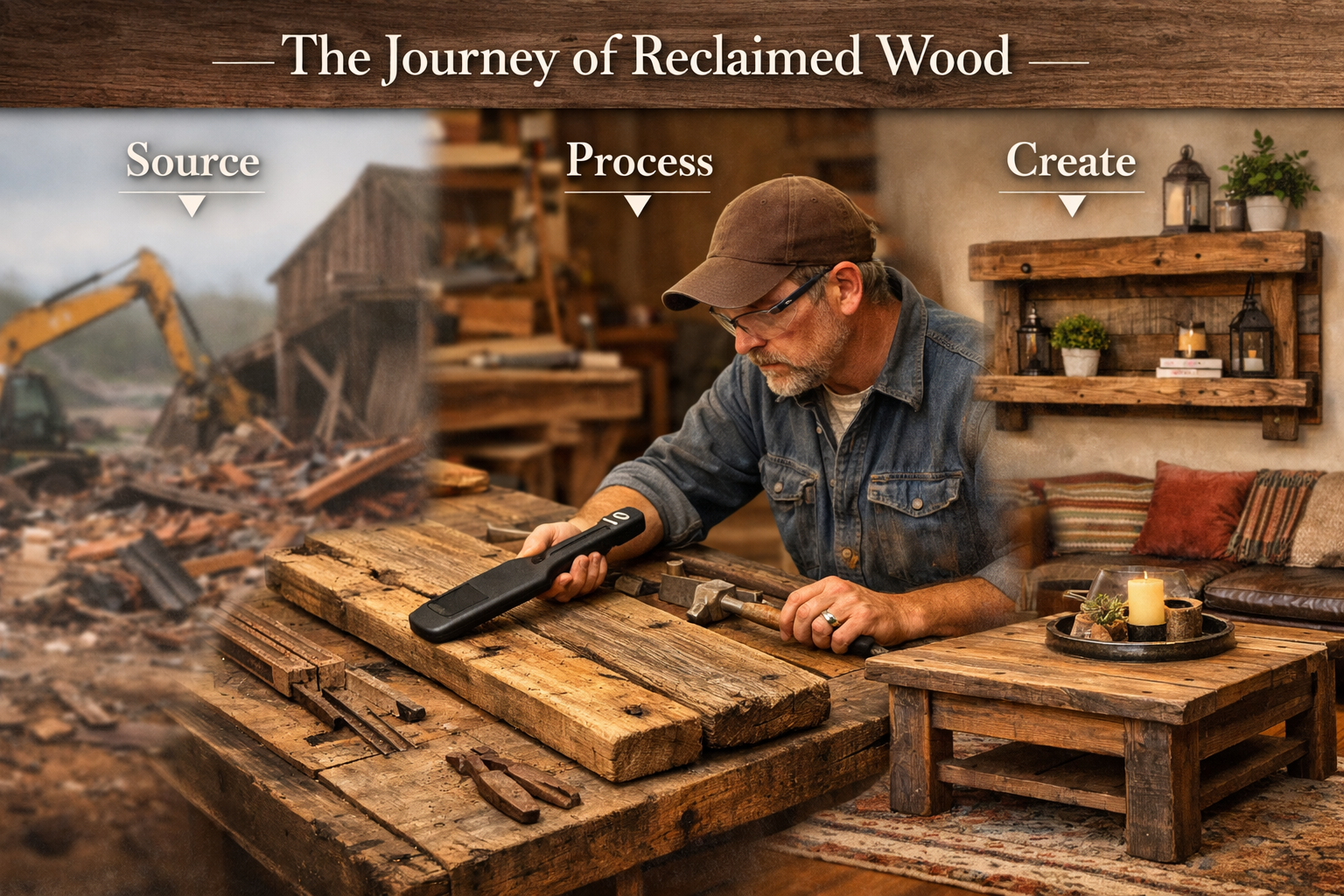
- Moisture Content: Reclaimed wood can have varying moisture levels. Ideally, it should be air-dried or kiln-dried to prevent warping and cracking in your finished project. A moisture meter is an invaluable tool.
- Structural Integrity: Check for rot, insect damage, and excessive splitting. While some character is desirable, you don’t want wood that compromises the strength of your project.
- Hidden Fasteners: Old nails, screws, and metal fragments are common in reclaimed wood and can severely damage your tools. A metal detector is highly recommended before cutting or planing. For tips on handling salvaged wood safely, refer to our guide on sourcing reclaimed and salvaged wood.
- Chemical Exposure: Be cautious of wood that might have been treated with hazardous chemicals, especially if it was used outdoors or in industrial settings.
)
Preparing Reclaimed Wood for Your Projects
Working with reclaimed wood often involves more steps than new lumber, but the results are worth the effort.
- Cleaning: Remove dirt, debris, and loose paint. A stiff brush, scraper, and sometimes a power washer can be effective.
- De-nailing and Metal Removal: This is critical. Use a hammer, pry bar, and pliers to extract all visible fasteners. Go over the entire surface with a metal detector.
- Milling (Optional but Recommended): For precise projects, you may need to plane and joint the wood to achieve flat and square surfaces. This also reveals the clean, true color of the wood beneath the aged patina. If you don’t own these tools, many local woodworking shops offer milling services.
- Pest Treatment: If there’s any suspicion of insect infestation, consider methods like heat treatment (kiln drying) or freezing to eliminate pests.
Understanding FSC Certified Wood: Ethical Sourcing from Managed Forests
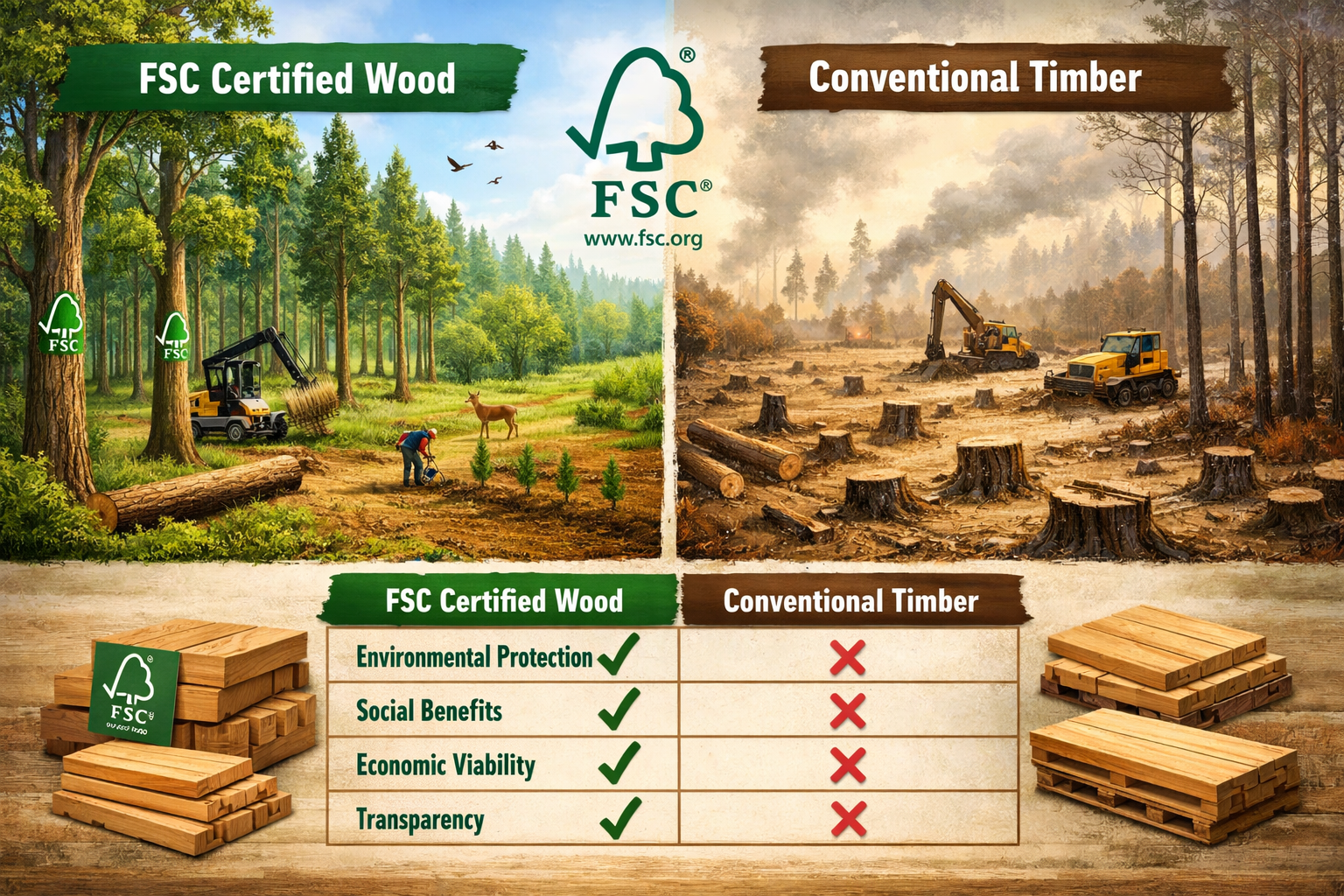
While reclaimed wood is about repurposing, FSC certified wood is about responsible new growth. The Forest Stewardship Council (FSC) is a global non-profit organization that sets standards for responsible forest management. Choosing FSC-certified wood ensures that the timber you use comes from forests that are managed in an environmentally sound, socially beneficial, and economically viable way.
What is FSC Certification?
FSC certification is a voluntary process where forests and the companies that process wood from them are independently audited against stringent standards. When you see the FSC label on a product, it means:
- Environmental Protection: Biodiversity is maintained, high conservation value forests are protected, and the overall health of the forest ecosystem is preserved.
- Social Benefits: Forest workers are protected, and indigenous peoples’ rights are respected. Local communities also benefit from forest management.
- Economic Viability: Forest operations are managed in a way that ensures their long-term economic sustainability without relying on clear-cutting or unsustainable practices.
Types of FSC Labels:
- FSC 100%: All wood in the product comes from FSC-certified forests.
- FSC Recycled: All wood in the product is recycled material.
- FSC Mix: The wood in the product comes from a mix of FSC-certified forests, recycled material, and/or controlled wood (wood that avoids illegally harvested, conflict, or genetically modified sources).
Why Choose FSC Certified Wood?
- Environmental Impact: Directly supports sustainable forestry practices, combating deforestation and protecting critical ecosystems.
- Social Responsibility: Ensures fair labor practices and respects the rights of communities dependent on forests.
- Guaranteed Origin: Provides verifiable proof that the wood was sourced responsibly, offering peace of mind.
- Quality: FSC standards often correlate with well-managed timber, reducing defects and ensuring better milling.
)
Finding FSC Certified Lumber
Most major lumber retailers and specialty wood suppliers now offer FSC-certified options. When purchasing, always look for the distinctive FSC logo on the lumber itself or on accompanying documentation. Don’t hesitate to ask your supplier for proof of certification. The demand for FSC-certified products is growing, and by choosing them, you help drive market preference for sustainable practices.
Exploring Sustainable Alternatives and Lesser-Known Timbers
Beyond reclaimed and FSC-certified wood, the world of sustainable sourcing offers a variety of innovative and often overlooked options. These alternatives can reduce environmental impact and provide unique aesthetic qualities for your DIY projects in 2026.
Urban Harvested Wood
As discussed briefly with reclaimed wood, urban logging is a significant, yet often underutilized, source of sustainable timber. When trees in cities are removed due to disease, storm damage, or construction, they are often chipped or sent to landfills. However, a growing number of urban sawmills and non-profits are intercepting these trees, milling them into usable lumber.
Benefits of Urban Wood:
- Hyper-Local: Minimizes transportation footprint, reducing carbon emissions.
- Waste Diversion: Prevents valuable wood from becoming waste.
- Unique Species: Urban environments host a diverse range of tree species, including maple, oak, ash, walnut, and cherry, many of which produce beautiful and durable lumber.
- Community Benefit: Often supports local businesses and creates green jobs.
To find urban lumber, search for “urban logging” or “local sawmill” in your area. Organizations like the Urban Wood Network can also connect you with suppliers. Consider this for your next high-demand woodworking projects for 2026.
Lesser-Known and Fast-Growing Species
Many common woodworking species are experiencing overharvesting pressure. Exploring less common, fast-growing, or regionally abundant species can relieve this pressure.
| Wood Type | Characteristics | Best For | Sustainability Notes |
|---|---|---|---|
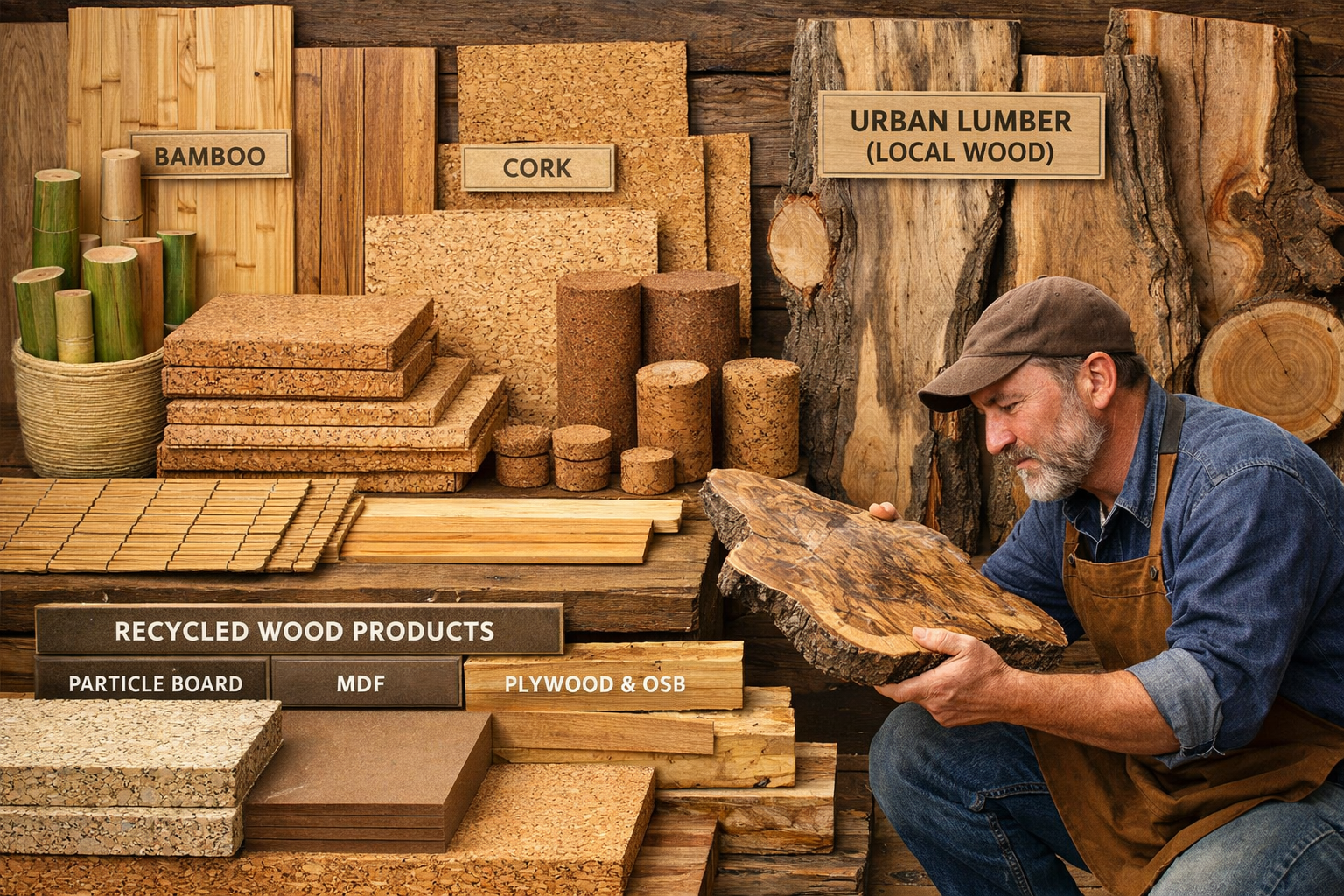
| Bamboo | Technically a grass, incredibly fast-growing, strong, and stable. | Flooring, cutting boards, small furniture, decorative items, craft projects. | Extremely rapid growth cycle (can be harvested in 3-5 years vs. decades for trees). Requires minimal water and no pesticides. Ensure source is certified (e.g., FSC for bamboo) to confirm sustainable harvesting and processing practices without harsh chemicals. |
| Cork | Harvested from cork oak trees without cutting down the tree (bark only). Lightweight, elastic, impermeable. | Trivets, coasters, soundproofing, decorative panels, drawer liners, small components. | Highly renewable resource as trees continue to live and produce bark for centuries. Harvesting is generally low-impact. Look for FSC-certified cork. |
| Poplar | Fast-growing hardwood, relatively soft but takes paint well. | Interior framing, painted furniture, drawer boxes, hidden components. | Abundant, grows quickly across North America, often used in sustainable plantation forestry. Good substitute for less sustainable hardwoods in non-structural or painted applications. |
| Ash | Strong, durable, good shock resistance. | Furniture, tool handles, flooring. | Currently facing threat from Emerald Ash Borer, leading to many urban ash trees needing removal. This creates a sustainable opportunity for urban-sourced ash that would otherwise be wasted. |
| Rubberwood | Wood from rubber trees after they’ve finished producing latex. | Furniture, cabinetry, cutting boards. | Excellent example of maximizing resource utility, as the wood is a byproduct of the latex industry. Widely available and considered sustainable due to its end-of-life harvesting. |
| Plywood/MDF (Recycled Content) | Engineered wood products made from wood fibers/veneers. Can incorporate recycled wood. | Cabinetry, built-ins, jigs, workshop fixtures, large panels. | Choosing options with recycled wood content significantly reduces demand for virgin timber. Look for certifications like SCS Global Services for recycled content, and low-VOC/formaldehyde-free options for indoor air quality. |
)
When exploring these alternatives, remember to:
- Research: Understand the characteristics of the wood and its suitability for your project.
- Ask Questions: Inquire about the source, harvesting methods, and any certifications available.
- Support Local: Prioritize local suppliers to reduce transportation impact.
The Holistic Approach to Sustainable Woodworking
Sustainable wood sourcing is a critical component, but true eco-conscious woodworking extends beyond just the material. In 2026, consider these practices to maximize your environmental stewardship:
- Minimize Waste: Design projects to optimize material usage. Utilize scraps for smaller items like wooden candle holders or even kindling. For ideas, explore our guide on maximizing profit from scrap wood.
- Eco-Friendly Finishes: Opt for natural oils (like Danish oil or linseed oil), water-based polyurethanes, or low-VOC (Volatile Organic Compound) finishes. These reduce harmful chemical emissions.
- Tool Maintenance: Keep your tools sharp and well-maintained to improve efficiency and reduce energy consumption. Our guide on restoring vintage woodworking hand tools offers useful tips.
- Durability and Longevity: Craft pieces that are built to last generations, reducing the need for replacements and further resource consumption. Design for repairability where possible.
- Knowledge Sharing: Educate fellow woodworkers and clients about the importance of sustainable choices.
By integrating these practices, you transform your woodworking hobby or business into a powerful force for environmental good. The choices you make, from initial sourcing to final finish, collectively contribute to a healthier planet.
Conclusion
The pursuit of woodworking combines creativity with connection to natural materials. As woodworkers in 2026, we have a responsibility to ensure that this connection is a positive one for the environment. “The Ultimate Guide to Sustainable Wood Sourcing for DIY Projects: From Reclaimed Lumber to FSC Certified Options” has highlighted the diverse avenues available for conscientious material selection.
From the unique character and waste-reducing benefits of reclaimed lumber to the assured environmental and social responsibility of FSC-certified timber, and the innovative potential of urban harvested and lesser-known species, the options are abundant. By embracing these sustainable practices, you not only contribute to a healthier planet but also imbue your creations with a richer story and greater ethical value.
Actionable Next Steps:
- Start Local: Investigate architectural salvage yards, urban sawmills, or even local tree removal services in your area for reclaimed and urban lumber.
- Ask for Certification: When buying new wood, specifically request FSC-certified options from your supplier.
- Experiment: Consider incorporating bamboo, cork, or other sustainable alternatives into smaller projects to understand their properties.
- Adopt a Holistic View: Beyond sourcing, think about your entire woodworking process, from minimizing waste to using eco-friendly finishes.
- Share Your Journey: Document your sustainable woodworking projects and inspire others to make similar choices.
Your next DIY project can be more than just a beautiful creation; it can be a statement of commitment to sustainability.
References
- Forest Stewardship Council. (n.d.). About FSC. Retrieved from https://fsc.org/en/about-fsc
- Urban Wood Network. (n.d.). Find Urban Wood. Retrieved from https://www.urbanwoodnetwork.org/find-urban-wood