
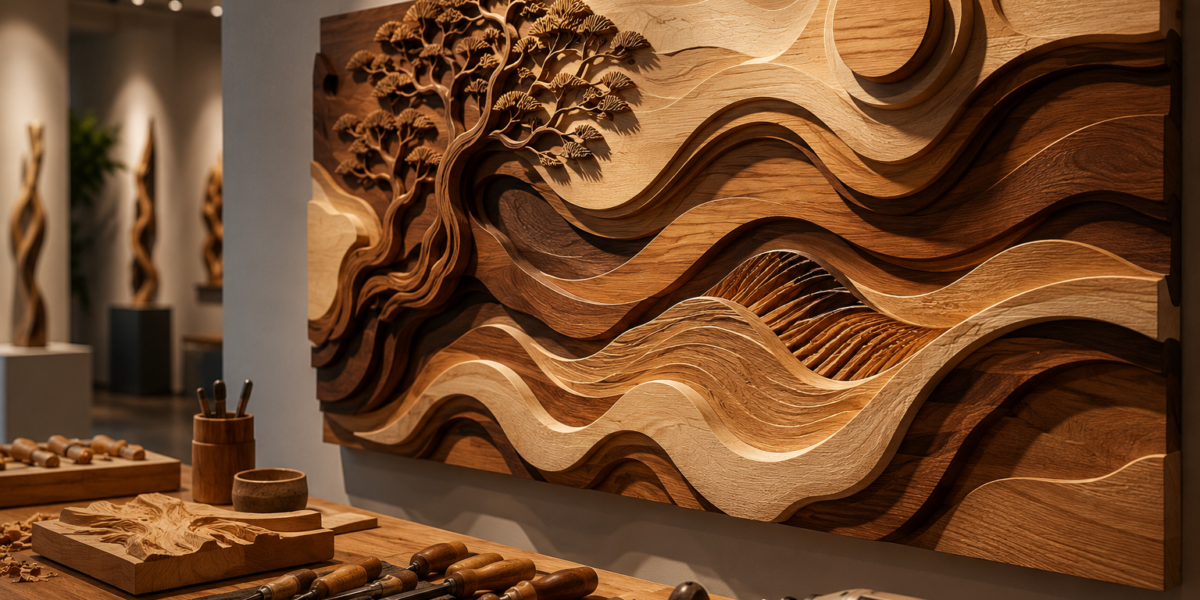
By 2026, the global market for handmade goods is projected to exceed $100 billion, with discerning buyers increasingly seeking unique, tactile pieces that tell a story. Within this burgeoning demand, layered wooden sculptures and carvings are emerging as a powerful niche, offering artisans a distinct path for Turning Wall Art into Profit: Layered Wooden Sculptures and Carvings. These aren’t merely flat pictures; they are three-dimensional narratives, crafted from the inherent beauty of wood, that resonate deeply with the contemporary trend towards narrative interiors—spaces designed to reflect personal stories and curated experiences.
This article delves into the transformative potential of wood, guiding you through the techniques, tools, and strategies required to create captivating layered wooden art and successfully market it. We will explore how thoughtful design, skilled execution, and strategic presentation can elevate your craft from a hobby into a thriving venture.
Key Takeaways
- Layered wooden sculptures meet the growing demand for unique, narrative-driven interior decor in 2026.
- Mastery of tools like routers, chisels, and various stains is crucial for creating depth and texture.
- Understanding design principles, from conceptualization to finishing, is vital for high-value pieces.
- Effective branding, pricing, and online presence are essential for successful market penetration.
- Continuous skill development and adaptation to market trends will sustain profitability.
Crafting the Foundation: Techniques and Tools for Layered Wooden Sculptures
The journey of Turning Wall Art into Profit: Layered Wooden Sculptures and Carvings begins with a deep understanding of the materials and the mastery of specialized techniques. Layered wooden sculptures derive their unique appeal from the interplay of depth, shadow, and texture, all meticulously crafted from multiple pieces of wood.
Wood Selection and Preparation
The choice of wood significantly influences the final aesthetic and carvability of your layered pieces. Different wood types offer distinct grain patterns, colors, and hardness levels.
- Softwoods (e.g., Pine, Basswood): Easier to carve, ideal for beginners, but can dent more easily. Excellent for intricate details where a smooth cut is desired.
- Hardwoods (e.g., Oak, Maple, Walnut, Cherry): More durable and offer richer, more complex grain patterns. They can be more challenging to carve but yield stunning, lasting results. Consider sourcing reclaimed and salvaged wood for unique character and sustainable practice.
Before carving, wood must be properly prepared. This typically involves sanding to a smooth finish and, if desired, applying a base stain or sealer. Ensuring the wood is dry and free of defects is crucial for quality outcomes.
Essential Carving and Layering Techniques
Creating multi-dimensional art requires a blend of traditional and modern woodworking skills.
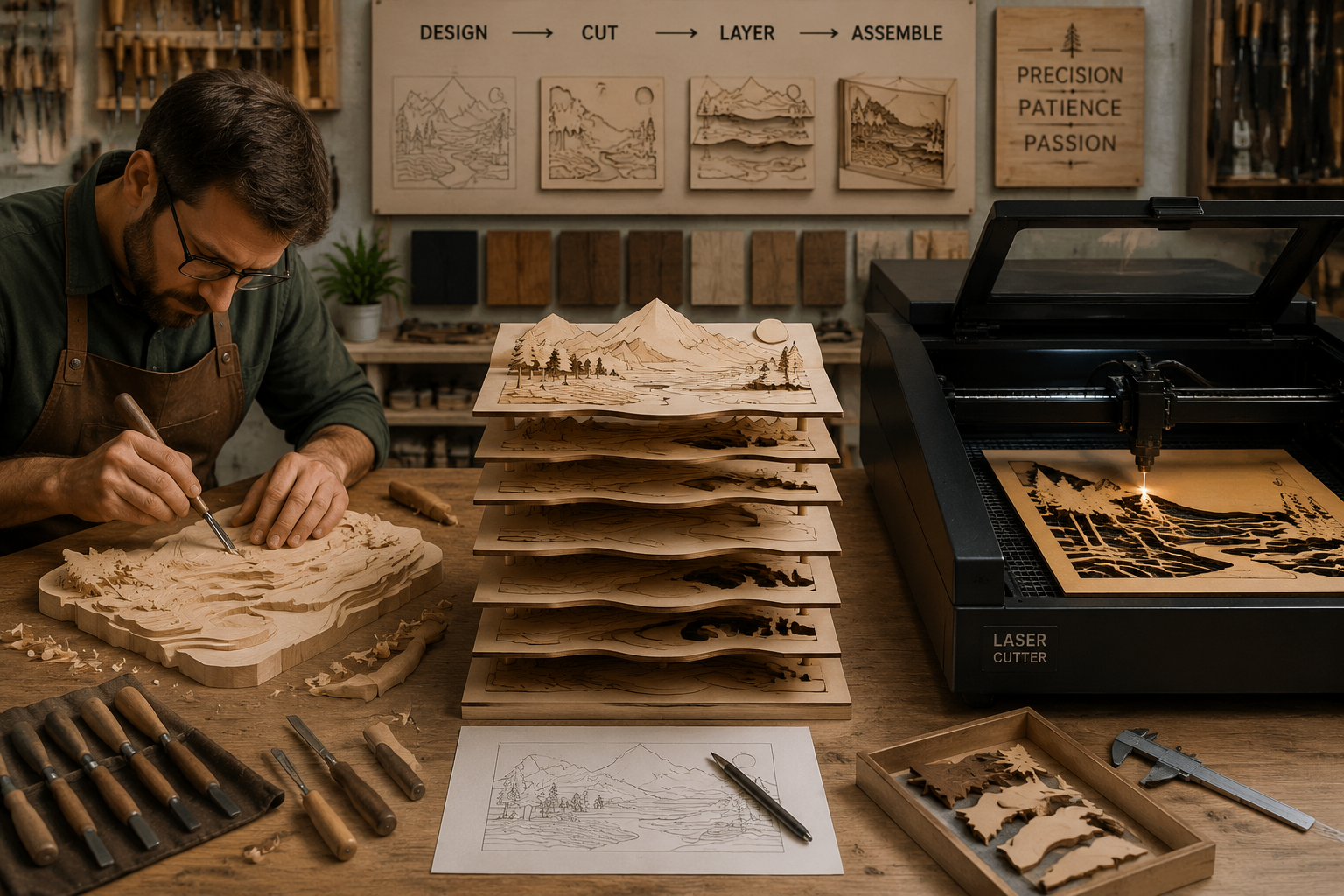
- Design and Template Creation: Start with a detailed design, often drawn out or digitally rendered. This design is then broken down into individual layers, each requiring a separate template.
- Cutting the Layers:
- Scroll Saw/Bandsaw: Ideal for precise, intricate cuts on thinner wood layers.
- CNC Router/Laser Cutter: For complex designs and repetitive production, these tools offer unparalleled precision and efficiency, especially when creating many layers.
- Carving and Shaping: This is where the magic happens, adding depth and texture to each layer.
- Routers: Handheld or table-mounted routers with various bits can create chamfers, round-overs, and dados, adding subtle or dramatic dimensionality. The essential guide to router bits offers further insight.
- Chisels: Essential for detailed work, undercutting, and fine shaping that power tools cannot achieve. Mastering various advanced wood carving techniques is paramount here.
- Dremel/Rotary Tools: Excellent for fine details, texturing, and sanding in tight spaces.
- Sanding and Finishing Each Layer: Each layer should be sanded thoroughly before assembly to ensure a smooth, professional finish. Various grits, from coarse to very fine, are used.
- Assembly: Wood glue is the primary adhesive for joining layers. Applying even pressure and allowing adequate drying time is critical. For insights on adhesives, consult the ultimate guide to wood glue.
Adding Narrative Through Stains and Textures
Stains, paints, and various finishing techniques are crucial for enhancing the visual narrative of your sculptures.
- Layered Staining: Apply different shades of stain to various layers or parts of a single layer to create contrast and highlight depth. Darker stains can recede, while lighter stains can bring elements forward.
- Textural Finishes: Techniques like wood burning (pyrography), wire brushing, or light distressing can add an aged or organic feel, enriching the story told by the wood.
- Protective Coatings: A clear sealant, lacquer, or polyurethane not only protects the wood but can also deepen its color and enhance its luster. Consider sustainable finishes for reclaimed wood for an eco-conscious approach.
Experimentation is key to developing a unique style that truly captures the essence of Turning Wall Art into Profit: Layered Wooden Sculptures and Carvings.
Designing for Impact: Aesthetics and Trends in 2026
To truly profit from layered wooden sculptures and carvings, understanding design principles and current aesthetic trends is as important as technical skill. The “narrative interiors” trend of 2026 emphasizes authenticity, personal connection, and unique stories within home decor.
Principles of Layered Design
Successful layered wooden art often adheres to fundamental design principles:
- Depth and Dimension: The primary characteristic of layered work. Varying the thickness of layers and the depth of carving creates a sense of space and movement.
- Composition: How elements are arranged within the piece. Use the rule of thirds, leading lines, and focal points to guide the viewer’s eye.
- Contrast: Achieved through variations in wood type, grain direction, stain color, and texture. High contrast can create dramatic impact, while subtle contrast lends sophistication.
- Balance: Ensuring the visual weight of the sculpture is evenly distributed, even if asymmetrical.
- Harmony: All elements working together to create a cohesive and pleasing whole.
Incorporating 2026 Narrative Interiors Trends
The contemporary home is moving beyond mass-produced items towards curated collections that reflect the owner’s personality and values. Layered wooden sculptures are perfectly positioned to capitalize on this.
- Storytelling Themes: Design pieces that evoke a sense of place, a historical event, a personal memory, or an abstract concept. For example, a layered forest scene could evoke tranquility and nature.
- Biophilic Design: Incorporating natural elements and forms, such as landscapes, animals, or botanical motifs. This connects interiors with the natural world, a key aspect of modern wellness trends.
- Personalization and Customization: Offering clients the ability to commission unique pieces, perhaps incorporating specific dates, names, or meaningful symbols. This elevates a piece from decor to a cherished heirloom. Customization strategies for mass-producing small woodcraft can inspire ways to scale this.
- Texture and Tactility: The inherent texture of wood, enhanced by carving and finishing, adds a sensory dimension often lacking in flat art.
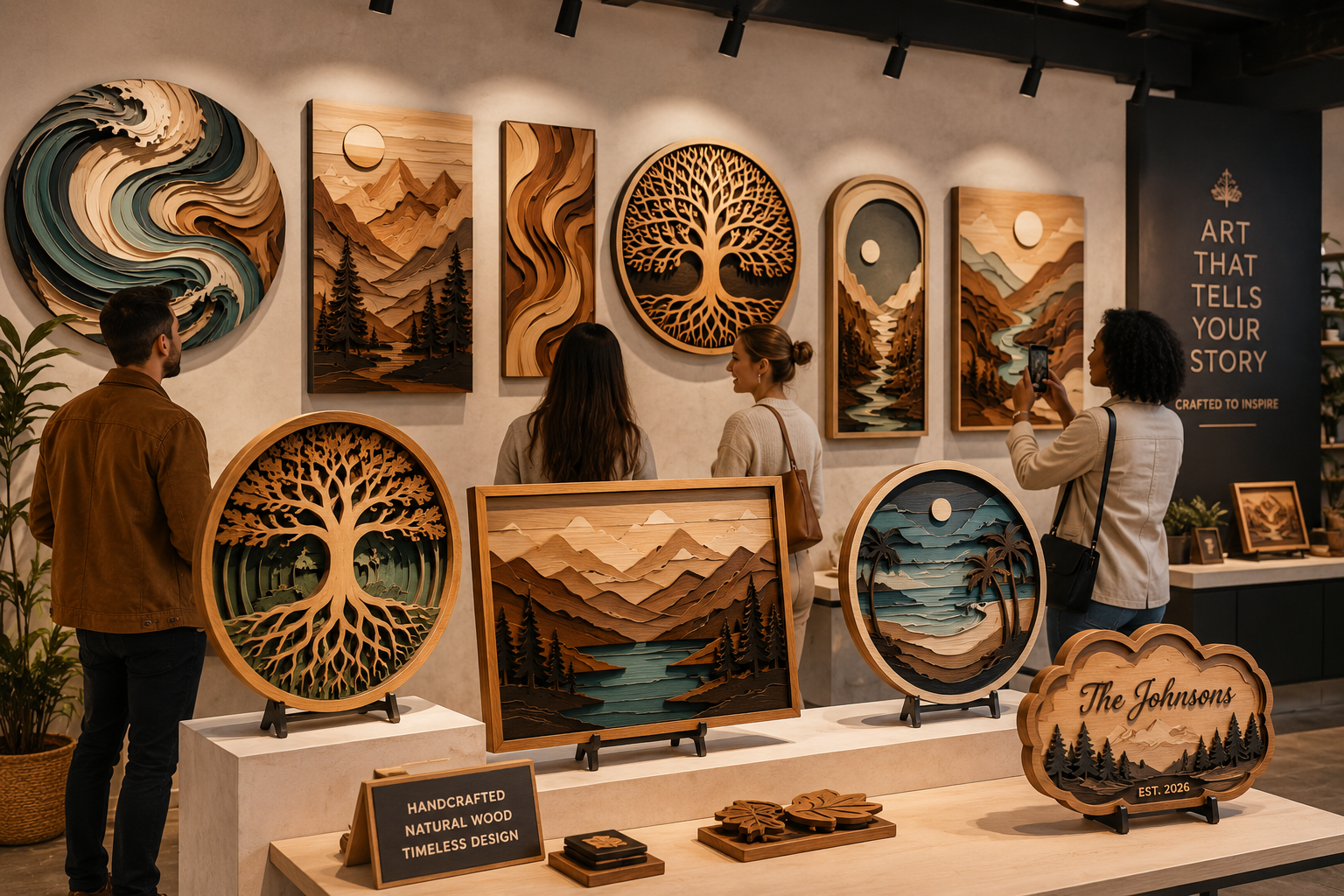
Consider creating pieces that can serve as focal points in various settings, from living rooms to offices. For instance, a complex, multi-layered rendition of a cityscape or a sprawling root system can provide a compelling visual narrative. Think about how your pieces might complement other handmade wooden items, like handcrafted wooden wall clocks or building custom wooden key holders for a cohesive aesthetic.
“The true value of a handcrafted item lies not just in its beauty, but in the story it tells and the connection it fosters between the artisan and the owner.” – Aileen Lee, Etsy CEO (paraphrased)
Marketing and Selling Your Layered Wooden Art
Turning Wall Art into Profit: Layered Wooden Sculptures and Carvings requires not only artistic talent but also a robust business strategy. Effective marketing, pricing, and distribution are crucial for reaching your target audience and ensuring profitability.
Branding and Storytelling
Your brand is more than just a logo; it’s the narrative that connects your art with your customers.
- Develop a Unique Brand Identity: What makes your layered wooden art distinctive? Is it the wood you use, the themes you explore, or a signature technique?
- Share Your Process: Documenting your creation process through photos and videos can build anticipation and appreciation for the craftsmanship involved. Highlight the intricate carving, the careful layering, and the passion behind each piece.
- Emphasize the Narrative: Position your art as more than decor—as pieces that evoke emotion, spark conversation, and enrich living spaces with a story.
Pricing Your Work
Pricing handmade art can be challenging, but a structured approach ensures fair compensation and market competitiveness.
- Material Costs: Account for all wood, glue, stains, finishes, and hardware.
- Labor Costs: Estimate your hourly rate and the time spent on design, cutting, carving, sanding, and finishing. Do not undervalue your skilled labor.
- Overhead Costs: Include a portion of your workshop expenses, tools, marketing, and packaging.
- Market Value: Research similar artwork from other artisans. What are they charging?
- Perceived Value: Unique designs, high-quality materials, and exceptional craftsmanship can command higher prices.
A common formula is (Materials + Labor + Overhead) x 2 to 3, but this needs adjustment based on your unique market position.
Sales Channels and Marketing Strategies
To maximize reach, a multi-channel approach is often most effective.
- Online Marketplaces: Platforms like Etsy, Shopify, or even dedicated art galleries online are excellent starting points. Ensure high-quality product photography that showcases the depth and detail of your layered pieces.
- Social Media Marketing: Instagram and Pinterest are highly visual platforms perfect for showcasing your art. Use compelling captions, hashtags, and behind-the-scenes content.
- Local Art Fairs and Craft Shows: Direct interaction with customers allows you to share your story and build relationships. It also provides immediate feedback.
- Gallery Partnerships: Consigning your work to local art galleries can open doors to a more established clientele.
- Custom Commissions: Actively promote your ability to create bespoke pieces. This can be a highly profitable segment, especially for items fitting the narrative interiors trend.
- Website/E-commerce Store: A professional website offers complete control over your brand and customer experience. Optimize it for search engines to attract organic traffic.
- Blogging: Write articles about your process, the types of wood you use, or the inspiration behind your pieces. This builds authority and drives traffic.

For beginners in woodworking looking to make a profit, exploring profitable woodworking for beginners can provide a foundation before scaling up to more complex layered sculptures. Remember that consistency in quality and marketing efforts is paramount for sustained success in Turning Wall Art into Profit: Layered Wooden Sculptures and Carvings.
Conclusion
The pursuit of Turning Wall Art into Profit: Layered Wooden Sculptures and Carvings offers a rewarding pathway for artisans in 2026. By combining skilled craftsmanship with a keen understanding of market trends, particularly the demand for narrative interiors, woodworkers can transform raw material into cherished works of art that command significant value. From mastering the intricate techniques of routers and chisels to strategically selecting wood and applying nuanced finishes, every step contributes to a piece’s depth, texture, and storytelling potential.
Success in this niche requires more than just technical prowess; it demands a thoughtful approach to design, understanding consumer preferences for personalized and meaningful decor, and a robust marketing strategy. By developing a strong brand identity, pricing your work effectively, and leveraging both online and offline sales channels, you can connect your unique wooden narratives with a global audience eager for authentic, handcrafted pieces.
Actionable Next Steps:
- Refine Your Craft: Experiment with new carving techniques and wood types. Consider enrolling in workshops or exploring online tutorials to broaden your skill set. For those new to the craft, starting with an introduction to wood carving for beginners is highly recommended.
- Develop a Signature Style: Identify what makes your work unique. Is it a particular theme, a carving style, or a finishing technique? Consistency in your aesthetic will build brand recognition.
- Build a Portfolio: Create high-quality photographs of your best pieces. This digital portfolio is essential for online marketplaces, social media, and client pitches.
- Market Strategically: Establish an online presence if you haven’t already. Start with platforms like Instagram or Etsy, focusing on engaging visuals and compelling product descriptions that highlight the narrative behind your art.
- Network and Learn: Connect with other woodworkers, artists, and interior designers. Attend craft fairs and art shows, not just to sell, but also to observe market trends and gather feedback.
Embrace the journey of creativity and entrepreneurship, and watch as your layered wooden sculptures become not just art, but a profitable venture in the vibrant market of 2026.