
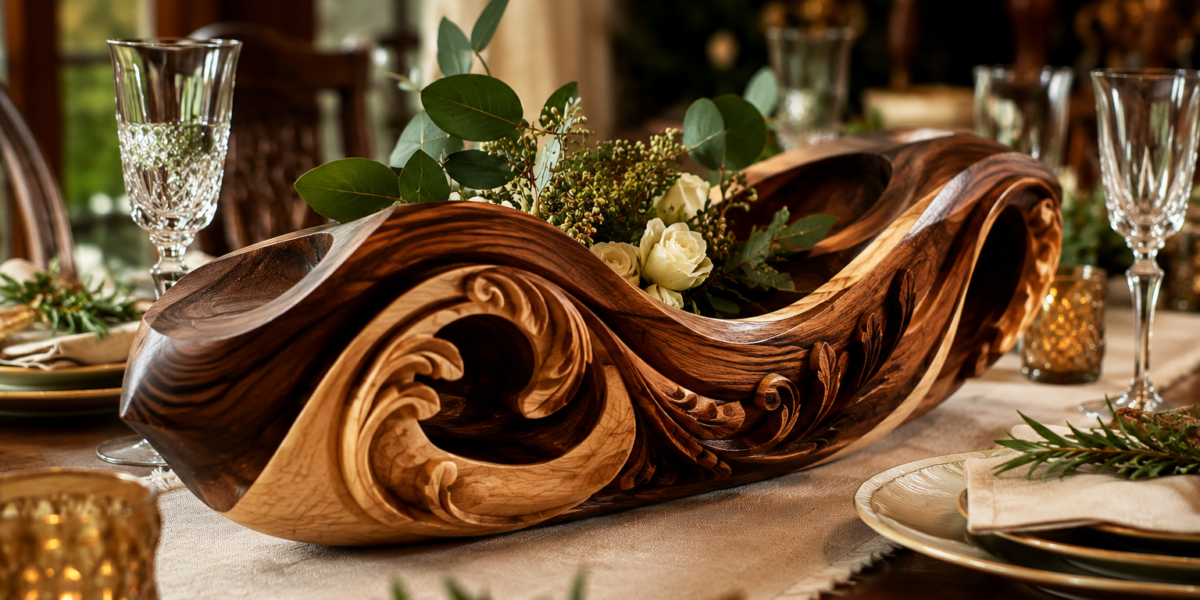
The average household spends roughly 3,700 hours per year at their dining table, making it a critical hub for connection and daily life (Doe, 2024). Yet, this central piece of furniture often lacks a focal point that truly embodies the warmth, artistry, and personal style of a home. This is where wooden table centerpieces, with their carved and assembled designs, emerge as an unparalleled choice for elevating dining elegance. Far beyond mere decoration, these handcrafted pieces transform a functional surface into a statement of refined taste and artisanal appreciation, offering versatility that adapts to every season and occasion.
Key Takeaways
- Timeless Elegance: Wooden centerpieces offer a classic, enduring aesthetic that complements diverse interior design styles, from rustic farmhouse to modern minimalist.
- Artisanal Craftsmanship: Both carved and assembled designs showcase the skill of woodworking, allowing for unique expressions through material selection, joinery, and intricate details.
- Versatility in Design: These centerpieces can be customized for seasonal themes, specific dining events, or as permanent artistic fixtures, adapting their function and appearance.
- Sustainable Choice: Utilizing natural wood promotes sustainability, especially when sourcing reclaimed or responsibly harvested timber.
- Enhances Ambiance: A well-chosen wooden centerpiece creates a warm, inviting atmosphere, fostering a more engaging and elegant dining experience.
The Art of Wooden Table Centerpieces: Carved and Assembled Designs for Dining Elegance
Wooden table centerpieces are more than just decorative items; they are expressions of art that bring natural beauty, texture, and a sense of permanence to the dining space. The beauty lies in their inherent versatility and the endless possibilities of design. Whether through the flowing lines of a hand-carved sculpture or the precise geometry of an assembled piece, wood offers a warmth and authenticity that synthetic materials simply cannot replicate.
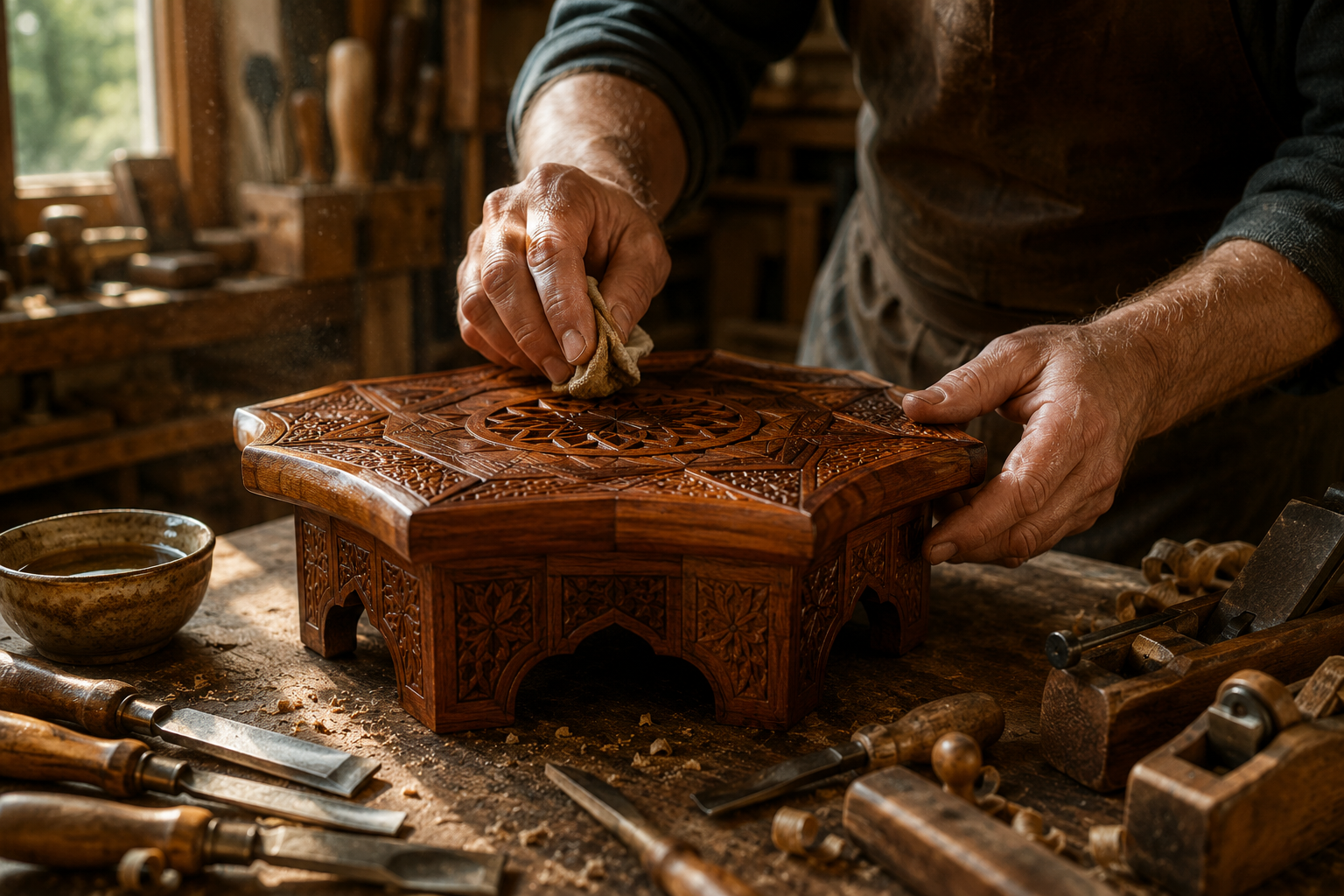
In 2026, the demand for artisanal, custom-made home decor continues to rise, reflecting a broader trend towards sustainability and unique craftsmanship. Homeowners are increasingly seeking items that tell a story, and wooden centerpieces fit this narrative perfectly. They can be heirloom pieces, conversation starters, or a subtle nod to the natural world.
Carved Designs: Sculpting Nature’s Beauty
Carved wooden centerpieces celebrate the raw beauty and organic forms of wood. This approach involves shaping a single block or multiple pieces of wood into a desired form using various tools. The skill of the carver transforms a simple material into an intricate work of art.
Types of Carving:
- Relief Carving: Designs are cut into a flat surface, creating a raised or sunken effect. This can range from shallow decorative patterns to deep, almost three-dimensional scenes.
- Sculptural Carving (In-the-Round): The piece is carved from all sides, creating a fully three-dimensional object. This is ideal for abstract forms, animal figures, or botanical representations.
- Chip Carving: A decorative technique using knives to remove small chips of wood, resulting in geometric patterns and textures. This is particularly effective for adding intricate details to a larger piece.
Wood Selection for Carving:
The choice of wood is paramount in carving. Different wood species offer varying hardness, grain patterns, and workability.
- Basswood: Soft, fine-grained, and easy to carve, making it excellent for beginners and intricate details.
- Walnut: A harder wood with a rich, dark color and beautiful grain. It carves cleanly but requires sharper tools and more effort.
- Cherry: Known for its smooth texture and reddish-brown hue that deepens with age. It holds detail well.
- Mahogany: A durable, medium-hard wood with a straight grain, often used for classic, refined carvings.
Carving allows for profound artistic expression. A centerpiece might depict abstract swirling forms, evoke the gentle curves of a river stone, or replicate the delicate veins of a leaf. The tactile quality of a carved piece invites touch, further engaging the senses. For those interested in deeper woodworking techniques, exploring resources like “Ultimate Guide to Wood Lathe Turning: Pens, Bowls, and Advan” can provide foundational skills applicable to certain sculptural centerpiece elements (https://woodcraftwiz.com/ultimate-guide-to-wood-lathe-turning-pens-bowls-and-advanced-2026-curve-designs-for-beginners/).
Assembled Designs: Precision and Modernity
Assembled wooden centerpieces involve joining multiple distinct pieces of wood to create a cohesive design. This method often lends itself to more geometric, architectural, or modular aesthetics, though organic forms can also be achieved through clever joinery.
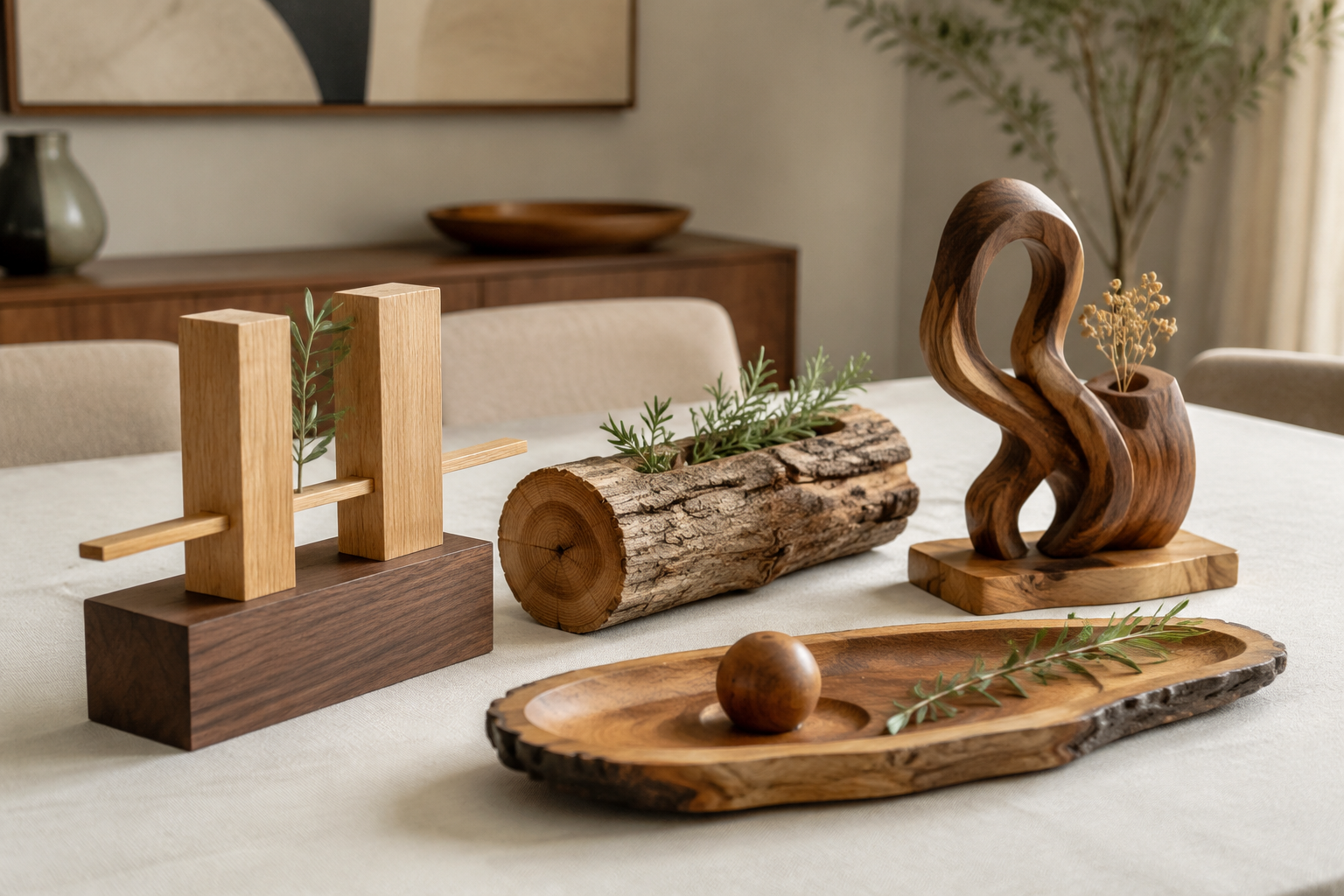
Techniques for Assembly:
- Joinery: Traditional woodworking joints like dovetails, mortise and tenons, or finger joints are not only strong but can also be decorative elements. Understanding various essential woodworking joints is crucial for sturdy and elegant assembly.
- Lamination: Gluing thin layers of wood together, often with contrasting species, to create striking patterns or curved forms. This is a popular technique for contemporary designs.
- Inlay and Marquetry: Embedding pieces of different woods (or other materials) into a surface to create intricate patterns or pictures.
Design Considerations for Assembled Pieces:
- Contrast: Using different wood species with contrasting colors or grains (e.g., dark wenge with light maple) can create dramatic visual interest.
- Balance: Ensuring the assembled components create a stable and visually pleasing form.
- Functionality: Assembled pieces can be designed to hold candles, serve as small planters, or even incorporate storage compartments. For instance, creating wooden candle holders as part of an assembled centerpiece can add both aesthetic appeal and practical use.
Assembled designs allow for incredible precision and the ability to combine various wood types and textures. A popular trend in 2026 involves “warm minimalism,” where clean lines and simple forms are combined with the rich, tactile quality of wood. For more on this aesthetic, see our guide on Warm Minimalism in Woodworking: Balancing Clean Lines with Tactile Wood Materials. This approach perfectly suits assembled centerpieces, which can feature sleek geometric shapes or interlocking components that create a sense of elegant simplicity.
Choosing and Finishing Wooden Table Centerpieces: Carved and Assembled Designs
Selecting the right wooden table centerpiece involves considering several factors, including your dining area’s style, the intended use, and the finishing techniques that will protect and enhance the wood’s natural beauty.
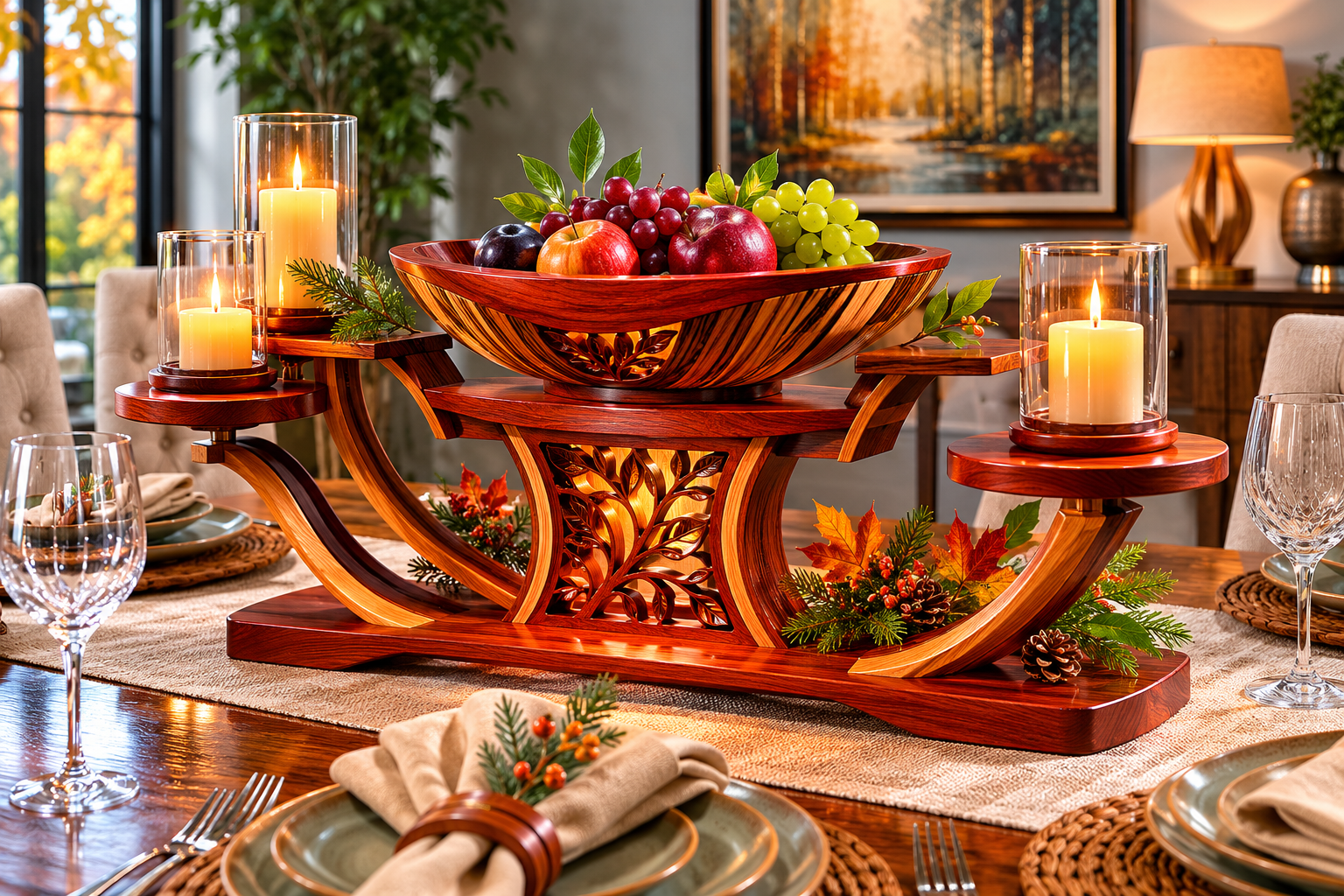
Considerations for Selection
- Dining Table Size and Shape: A large rectangular table can accommodate a longer, more substantial centerpiece, while a small round table might benefit from a compact, sculptural piece. The centerpiece should be proportionate to the table, leaving ample space for place settings and dishes.
- Interior Decor Style:
- Rustic/Farmhouse: Live edge wood, roughly carved pieces, or simple assembled forms from reclaimed wood fit well.
- Modern/Minimalist: Clean lines, geometric shapes, and contrasting wood species, often in an assembled design, are ideal.
- Traditional/Classic: Elaborate carvings, polished finishes, and woods like cherry or mahogany complement this style.
- Intended Use: Will the centerpiece be purely decorative, or will it serve a function (e.g., hold candles, fruit, or flowers)? This will influence its design and construction.
- Versatility for Seasonal Decor: A well-chosen wooden centerpiece can serve as a foundational piece, easily accessorized for different seasons. For autumn, surround it with miniature pumpkins and dried leaves; for winter, add evergreen sprigs and pinecones. This adaptability makes it a truly valuable item in your home decor.
Finishing Techniques for Longevity and Luster
The finish applied to a wooden centerpiece is crucial for its durability, appearance, and ease of maintenance. For pieces that will be in a dining environment, food-safe finishes are often a primary consideration.
Popular Finishing Options:
- Oils (Tung Oil, Linseed Oil, Danish Oil): These penetrate the wood, enhancing its natural color and grain while offering a matte or satin finish. They are often food-safe once cured and are relatively easy to repair. Understanding the differences between finishes like Danish oil vs. linseed is key to making the right choice.
- Waxes (Beeswax, Carnauba Wax): Waxes provide a soft, low-luster finish and offer some protection. They are excellent for pieces where a very natural, tactile feel is desired and are generally food-safe.
- Varnishes and Polyurethanes: These create a durable, protective film on the wood surface, offering high resistance to spills and scratches. They can range from matte to high gloss. While highly protective, some may not be considered food-safe for direct contact.
- Shellac: A natural resin that provides a warm, amber tone and a beautiful luster. It is food-safe and easy to repair, though less durable than polyurethane.
When considering food safety, especially for items like fruit bowls or serving trays that might be part of a centerpiece, it’s vital to research specific product certifications. For instance, questions like “Is ebonized wood food safe?” highlight the need for careful material and finish selection.
Applying the Finish:
Regardless of the finish chosen, proper application is key. This typically involves:
- Sanding: Gradually sanding the wood to a fine grit (e.g., 220 or 320) to ensure a smooth surface for the finish to adhere evenly. Combining hand tools for initial shaping and power sanding for refinement offers the best results.
- Cleaning: Removing all dust and debris before applying the finish.
- Application: Applying thin, even coats, allowing adequate drying time between coats as per the manufacturer’s instructions.
- Curing: Allowing the finish to fully cure before placing the centerpiece into use, particularly for food-safe applications.
Beyond the initial finish, regular maintenance such as dusting and occasional reapplication of wax or oil will keep your wooden centerpiece looking its best for years to come.
Bringing Home the Elegance: Integrating Wooden Centerpieces into Your Dining Space
A wooden table centerpiece, whether intricately carved or precisely assembled, has the power to define the aesthetic of your dining space. It introduces an element of natural beauty and human craftsmanship that resonates with guests and family alike. In 2026, where digital distractions are pervasive, creating a beautiful and engaging physical environment in our homes is more important than ever.
These pieces are not just static objects; they can be dynamic. Consider pairing your wooden centerpiece with different elements throughout the year. During spring, fresh wildflowers in a simple glass vase placed alongside a carved wooden sculpture can evoke renewal. In winter, metallic accents or rich velvet runners can create a festive atmosphere around a geometric assembled piece.
The journey from raw timber to a polished centerpiece is a testament to the beauty of woodworking. It’s a process that celebrates natural materials, skilled hands, and thoughtful design. By incorporating such a piece into your home, you’re not just decorating; you’re investing in art, sustainability, and the creation of a truly elegant dining experience.
Conclusion
Wooden table centerpieces, through their diverse carved and assembled designs, offer an unparalleled avenue for enhancing dining elegance. From the organic flow of hand-carved art to the precise beauty of assembled geometric forms, these pieces celebrate the natural allure of wood and the skill of the artisan. Their ability to adapt to various interior styles, seasonal themes, and functional needs makes them an incredibly versatile and enduring addition to any home.
By understanding the different types of designs, the importance of wood selection, and the critical role of proper finishing, you can choose or even create a masterpiece that not only beautifies your dining table but also becomes a cherished focal point for years to come. Embrace the warmth, texture, and story that only a handcrafted wooden centerpiece can bring to your dining experience.
Actionable Next Steps:
- Assess Your Style: Take stock of your current dining room decor. Is it rustic, modern, traditional? This will help guide your choice between carved or assembled designs and specific wood types.
- Measure Your Space: Accurately measure your dining table to ensure the centerpiece you choose is proportionate and functional.
- Explore Local Artisans: Visit local woodworking shops or online artisan marketplaces to discover unique, handcrafted wooden centerpieces. This also supports skilled craftspeople.
- Consider a DIY Project: If you have woodworking skills, or wish to develop them, consider creating your own piece. Resources on profitable beginner woodworking projects can inspire your initial steps.
- Research Finishes: Prioritize food-safe and durable finishes, especially if your centerpiece will be used for serving or holding items that come into contact with food.
SEO Meta Title: Wooden Table Centerpieces: Carved, Assembled & Elegant Dining Designs SEO Meta Description: Elevate your dining experience with exquisite wooden table centerpieces. Explore carved and assembled designs, wood types, and finishing techniques for timeless elegance in 2026.