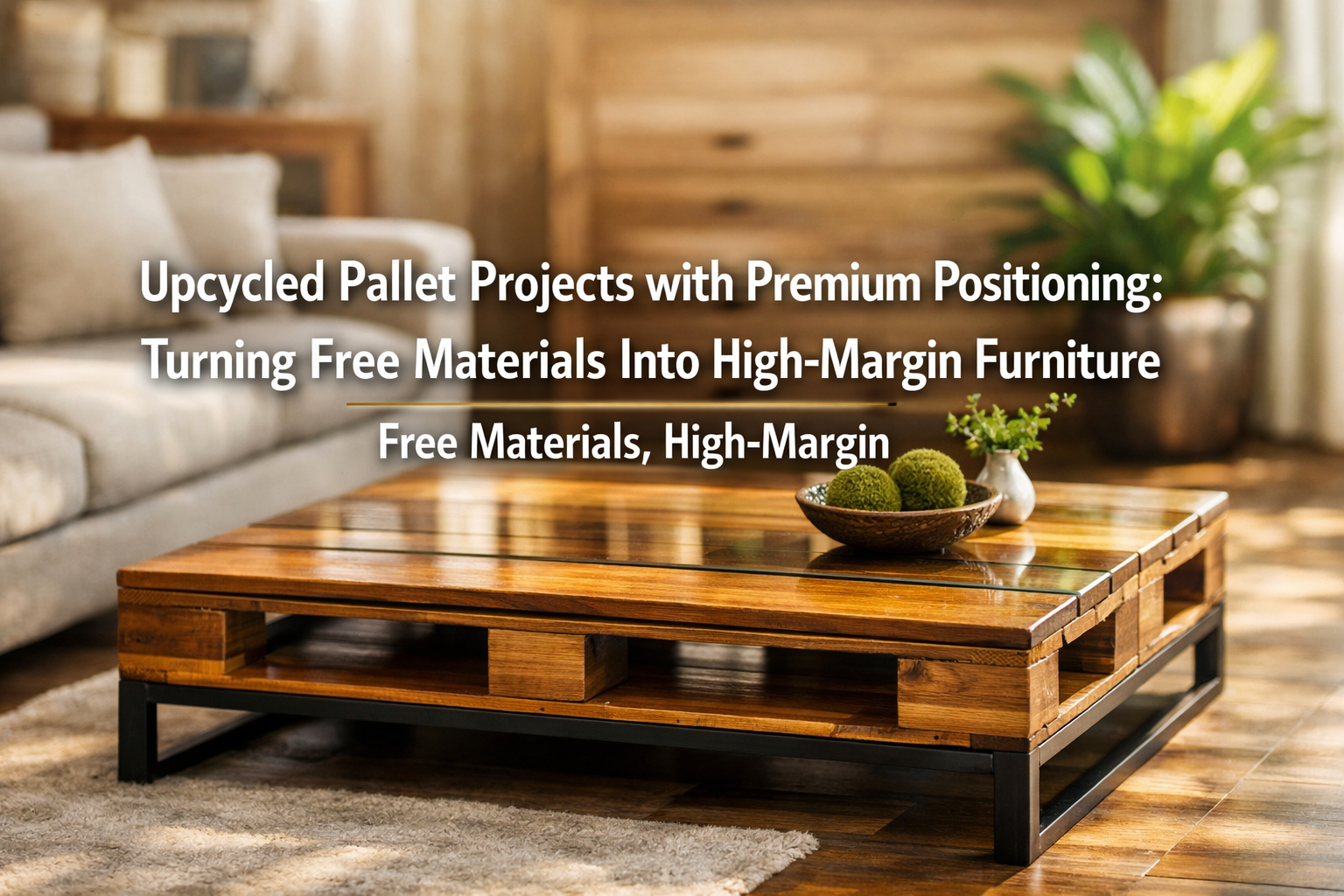

Imagine transforming discarded wooden pallets into sought-after, high-margin furniture pieces. In 2026, this isn’t just a dream; it’s a proven strategy for woodworkers and craft entrepreneurs. The increasing demand for sustainable and unique home furnishings creates a fertile ground for businesses specializing in upcycled products. By strategically positioning your Upcycled Pallet Projects with Premium Positioning: Turning Free Materials Into High-Margin Furniture, you can tap into a niche market willing to pay a premium for eco-conscious luxury and artisanal quality. This guide will provide the actionable strategies needed to elevate your pallet creations from rustic DIY to sophisticated, profitable ventures.
This article delves into the critical aspects of sourcing, design, and marketing that enable a significant profit margin, often allowing you to charge up to 9.7% more by highlighting the eco-conscious and luxurious nature of your upcycled work.

Key Takeaways
- Strategic Sourcing is Crucial: Focus on clean, heat-treated (HT) pallets to ensure safety and quality, forming the foundation for premium products.
- Design for Modularity & Aesthetics: Develop modular furniture systems and apply high-end finishing techniques to transform rustic pallets into luxurious, customizable pieces.
- Embrace Eco-Conscious Marketing: Position sustainability and uniqueness as core value propositions, justifying higher price points and attracting discerning buyers.
- Implement Professional Finishing: Quality sanding, staining, and sealing are non-negotiable for achieving a premium look and feel.
- Scale and Diversify: Explore furniture systems and online marketplaces to expand reach and maximize the profitability of your upcycled creations.
1. Mastering the Art of Sourcing and Preparing Pallets for Premium Projects
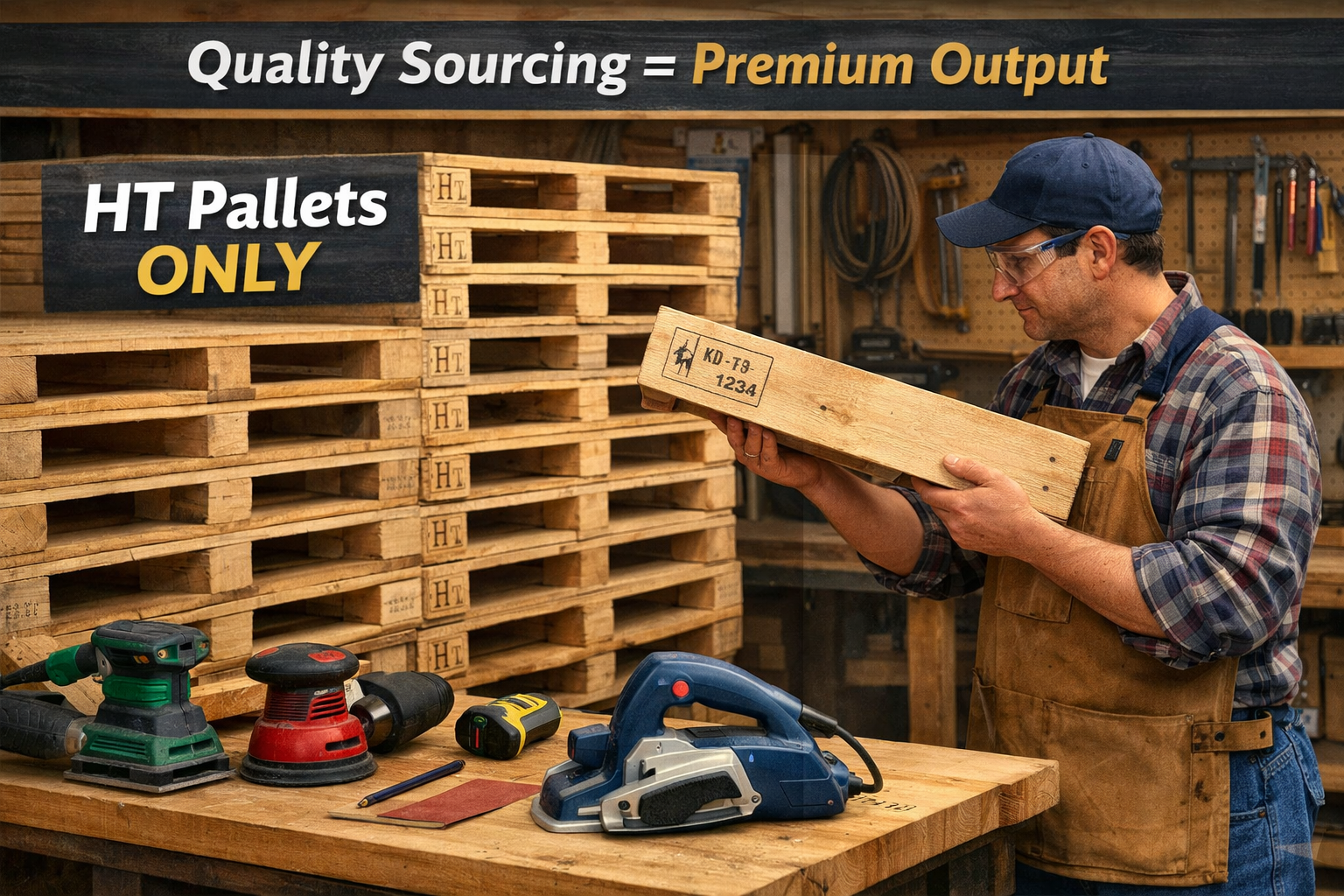
The journey to creating high-margin pallet furniture begins long before the first cut: it starts with meticulous sourcing and preparation. Not all pallets are created equal, and for Upcycled Pallet Projects with Premium Positioning: Turning Free Materials Into High-Margin Furniture, quality and safety are paramount.
Identifying and Sourcing Clean, Safe Pallets
The most critical step in sourcing pallets for premium furniture is ensuring they are safe and free from contaminants. Look for pallets marked with an “HT” stamp, which signifies they have been heat-treated to eliminate pests, rather than chemically treated (MB – Methyl Bromide), which can be toxic.
Where to Find Quality Pallets:
- Local Businesses: Small businesses, particularly those receiving goods from abroad, often have a surplus of HT pallets. Think hardware stores, pet supply shops, feed stores, and some manufacturing facilities. Always ask permission before taking pallets.
- Construction Sites: New construction often uses materials delivered on HT pallets. Building supply companies might also be a good resource.
- Online Marketplaces: Local online groups or forums (e.g., Craigslist, Facebook Marketplace) sometimes list free pallets, though verification of HT status is still necessary.
- Wood Recycling Centers: Some centers specialize in collecting and sorting pallets, potentially offering a more reliable source for clean, sorted pallets.
"The 'HT' stamp is your gold standard for upcycling safety. Never compromise on pallet quality when aiming for a premium product."
Essential Pallet Preparation Techniques
Once you’ve secured your HT pallets, thorough preparation is key to transforming them into a premium material. This involves dismantling, cleaning, and processing the wood.
Dismantling Pallets Safely:
- Tools: A pry bar, hammer, reciprocating saw with a metal-cutting blade (for nails), and a circular saw can make dismantling easier.
- Technique: Carefully remove planks to avoid splitting the wood. A specialized pallet buster tool can significantly speed up this process and minimize damage.
- Nail Removal: Extract all nails or cut them flush with the wood surface. Leftover metal can damage woodworking tools and compromise the finished product.
Cleaning and Inspection:
- Deep Cleaning: Use a stiff brush, soap, and water to remove dirt, grime, and any residues. A pressure washer can be highly effective for stubborn dirt. Allow the wood to dry completely.
- Inspection: Check each piece for rot, excessive splitting, or signs of pest damage that may have been missed during initial sourcing. Discard any compromised wood.
Milling and Finishing for a Premium Look:
To achieve a high-end finish, the rough pallet wood often needs milling.
- Planing: Running the dismantled boards through a thickness planer, such as a Delta 22-560 planer or a Hitachi P13F 13″ thickness planer, will smooth the surfaces and bring them to a consistent thickness. This step drastically improves the aesthetic and workability of the wood.
- Jointing: For edge gluing, a jointer (like the Enlon Jointer) is essential for creating perfectly flat edges, critical for strong, seamless joints in high-quality furniture.
- Sanding: Begin with a coarse grit (e.g., 80-100) and progressively move to finer grits (180-220) to achieve a silky-smooth surface. For dark wood finishing techniques, this smooth base is crucial for even stain absorption.
- Finishing: Apply high-quality stains and sealants. Spray polyurethane vs. brush can offer different results; for a flawless finish, spraying might be preferred. Consider finishes that enhance the wood grain while offering durability. For example, a clear finish for maple would focus on preserving the natural look, while a rich stain can dramatically alter the perception of pallet wood.
By adhering to these rigorous sourcing and preparation standards, you lay the groundwork for transforming reclaimed wood into furniture that rivals pieces made from new lumber, justifying premium price points for your Upcycled Pallet Projects with Premium Positioning: Turning Free Materials Into High-Margin Furniture.
2. Designing Modular & Aesthetically Pleasing Pallet Furniture Systems
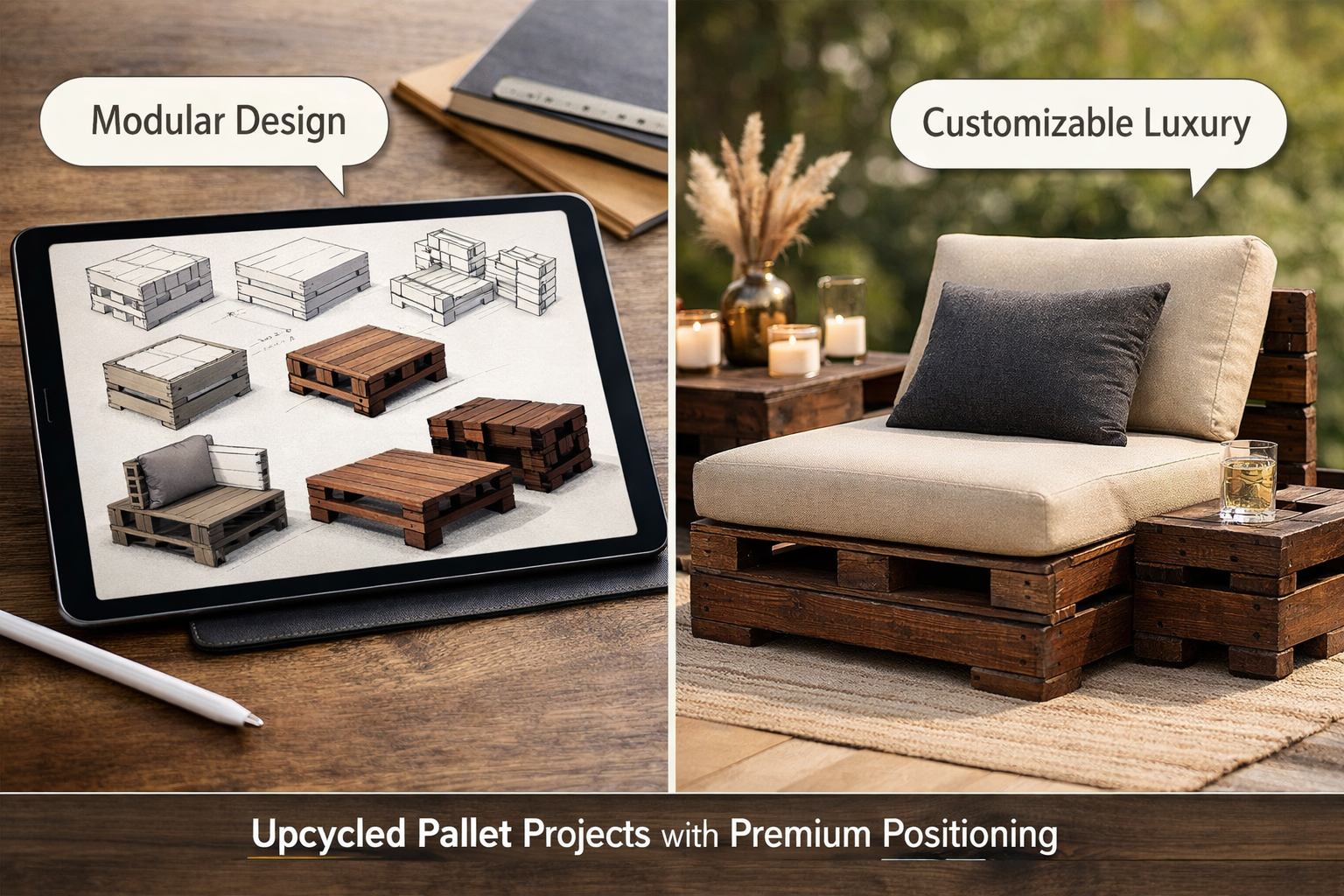
The leap from basic pallet furniture to high-margin, premium pieces lies squarely in intelligent design. In 2026, customers expect more than just rustic charm; they seek sophisticated aesthetics, functionality, and customization. This section focuses on designing modular furniture systems that leverage the inherent characteristics of pallets while delivering a luxurious appeal.
Embracing Modular Design for Versatility
Modular design is a game-changer for upcycled pallet projects, allowing for versatile pieces that customers can reconfigure to suit their changing needs and spaces. This flexibility adds significant value and appeal.
Principles of Modular Pallet Design:
- Standardized Units: Design individual pallet components or small, complete units (e.g., a single seating block, a storage cube) that can be easily combined.
- Interlocking Systems: Develop simple, robust joinery or fastening methods that allow units to connect securely without extensive tools. This could involve specialized brackets or a system similar to advanced joinery techniques used in crafting profitable wooden benches.
- Multi-Functionality: Each module should ideally serve multiple purposes. A low stool could also be a side table, or a shelving unit could double as a room divider.
"Modularity transforms a single piece of furniture into a dynamic, adaptable system, multiplying its perceived value and utility."
Examples of Modular Pallet Furniture:
- Seating Systems: Create base units that can be arranged as sofas, L-shaped sectionals, or individual chairs. Add custom cushions made from durable, high-quality outdoor fabric to elevate the comfort and look.
- Storage & Display Units: Design stackable or side-by-side shelving units that can form bookcases, entertainment centers, or retail displays.
- Outdoor Living: Build adaptable outdoor lounges, planters, and serving carts that complement each other. For larger outdoor projects, insights from building picnic tables for outdoor gatherings can inform structural integrity.
Elevating Aesthetics with Premium Finishing
The difference between “recycled” and “upcycled luxury” often comes down to the finishing. It’s about transforming raw materials into sophisticated furniture that transcends its humble origins.
High-End Finish Applications:
- Superior Sanding: As mentioned, impeccable sanding is non-negotiable. It creates a smooth, inviting surface that enhances any subsequent finish.
- Staining and Sealing:
- Rich Stains: Apply high-quality wood stains that penetrate deeply and offer consistent color. Consider staining birch dark for a dramatic effect, or a sophisticated gray stain on maple for a modern touch.
- Durable Sealants: Use finishes like polyurethane, epoxy, or marine-grade varnish for durability and protection. For outdoor pieces, a robust finish is essential. Weigh the pros and cons of spray vs. brush polyurethane for different applications; spraying often yields a smoother, more even coat for professional results. For projects requiring extreme durability, consider specialized polyurethanes like the best poly for cornhole boards.
- Hardware and Accents: Incorporate high-quality metal casters, handles, or decorative brackets. Simple additions like unlocking the secrets of brackets woodworking can elevate functionality and aesthetic appeal.
Incorporating Design Elements for Luxury:
- Clean Lines and Minimalism: Embrace modern design principles that emphasize simplicity, functionality, and uncluttered aesthetics.
- Color Palette: Use a sophisticated color palette for stains and paints. Earthy tones, grays, and deep blues often convey elegance.
- Upholstery and Cushions: Invest in high-density foam cushions and durable, stylish fabrics (e.g., Sunbrella for outdoor, linen blends for indoor).
- Lighting and Integration: For pieces like headboards or consoles, consider integrating subtle LED lighting for an added touch of modern luxury.
By focusing on these design and finishing principles, your Upcycled Pallet Projects with Premium Positioning: Turning Free Materials Into High-Margin Furniture can command higher prices, appealing to a clientele that values both style and sustainability.
3. Marketing and Selling Your High-Margin Pallet Furniture
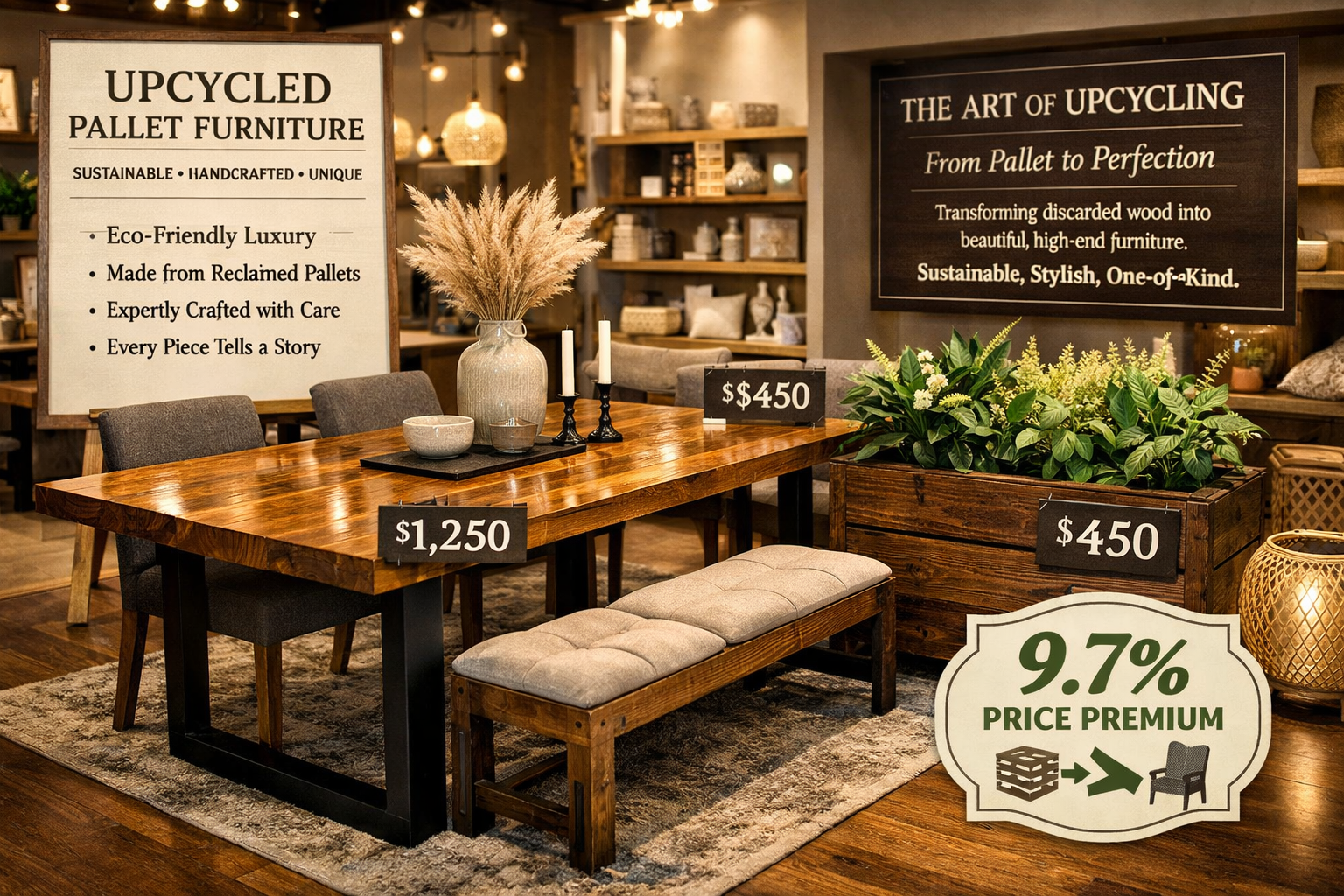
Having mastered sourcing and design, the final puzzle piece for Upcycled Pallet Projects with Premium Positioning: Turning Free Materials Into High-Margin Furniture is effective marketing and sales. In 2026, consumers are increasingly swayed by narratives of sustainability, craftsmanship, and unique value. This section outlines how to leverage these aspects to position your products as eco-conscious luxury and justify premium pricing.
Crafting a Premium Brand Narrative
Your brand story is paramount. It’s not just about selling furniture; it’s about selling a lifestyle, a commitment to the environment, and a piece of unique artistry.

Key Storytelling Elements:
- The “Upcycled” Journey: Document the transformation process, from discarded pallet to refined furniture. Show before-and-after photos, emphasizing the meticulous work involved.
- Sustainability as a Core Value: Highlight the ecological benefits: diverting waste from landfills, reducing demand for new timber, and lowering carbon footprint. This directly appeals to the growing segment of eco-conscious consumers.
- Artisan Craftsmanship: Emphasize the handmade quality, the attention to detail, and the unique character of each piece. Unlike mass-produced items, your furniture has a story and a soul.
- Durability and Quality: Reassure customers that despite being made from reclaimed materials, your furniture is built to last, utilizing high-quality finishes and construction techniques. For instance, referencing the resilience of finishes like those discussed in best polyurethane for live edge wood can bolster confidence.
"Your eco-conscious narrative isn't just a marketing ploy; it's the authentic soul of your brand, justifying premium prices and fostering customer loyalty."
Strategic Pricing and Sales Channels
Justifying a higher price point for upcycled items requires strategic positioning and selection of appropriate sales channels. Studies show that customers are willing to pay a premium (often around 9.7%) for products perceived as sustainable and artisanal.
Pricing Strategies:
- Value-Based Pricing: Price your products based on the perceived value to the customer, considering their desire for unique, sustainable, and handcrafted items, rather than solely on material cost.
- Cost-Plus with Premium Markup: Calculate your material and labor costs accurately, then apply a significant markup that reflects the design, craftsmanship, and environmental benefits.
- Tiered Pricing: Offer different finishes or customization options at varying price points.
Effective Sales Channels:
- Online Boutiques and E-commerce: Establish a professional website showcasing your products with high-quality photography and compelling descriptions. Platforms like Etsy, Shopify, or even dedicated “green living” marketplaces are ideal. Ensure your product listings emphasize sustainability and bespoke craftsmanship.
- Local Artisan Markets and Pop-up Shops: These provide direct interaction with customers, allowing you to share your story and demonstrate the quality of your work firsthand.
- Interior Designers and Staging Companies: Partner with professionals who seek unique, sustainable pieces for their clients and projects. Offer trade discounts to foster long-term relationships.
- Social Media Marketing: Utilize platforms like Instagram and Pinterest to visually tell your brand story. Showcase behind-the-scenes processes, customer testimonials, and beautifully styled product shots. Focus on hashtags related to sustainable living, handmade furniture, and unique home decor.
- Collaboration with Eco-friendly Brands: Partner with other businesses that align with your sustainability values, such as eco-conscious home decor stores or sustainable lifestyle blogs, to expand your reach.
- Custom Orders: Offer bespoke design services, allowing customers to commission pieces tailored to their specific needs. This often commands the highest margins.
By meticulously crafting your brand narrative, embracing premium aesthetics, and strategically pricing and marketing your Upcycled Pallet Projects with Premium Positioning: Turning Free Materials Into High-Margin Furniture, you can transform discarded materials into a thriving, profitable business in 2026. This approach not only generates income but also contributes positively to environmental sustainability, making it a truly rewarding venture. For additional inspiration on enhancing the aesthetic of your wood creations, consider exploring resources on “Escape to Enchantment: A Deep Dive into Twilight Woods Bath & Body Works 🌲✨ – Wood Craft Wiz” and “Master Narrative Interiors: DIY Reclaimed Wood Accent Walls” which delve into creating appealing atmospheres and unique design elements.
Conclusion
The journey of transforming humble wooden pallets into high-margin, premium furniture is a testament to creativity, craftsmanship, and strategic business acumen. In 2026, the market for sustainable and unique home furnishings is robust, offering an unparalleled opportunity for woodworkers to carve out a profitable niche. By focusing on meticulous sourcing of clean, heat-treated pallets, employing sophisticated design principles for modular and aesthetically pleasing furniture systems, and championing an eco-conscious brand narrative, businesses can effectively position their Upcycled Pallet Projects with Premium Positioning: Turning Free Materials Into High-Margin Furniture.
The ability to command a 9.7% price premium isn’t just a hopeful estimate; it’s a direct result of adding value through superior preparation, innovative design, and compelling storytelling that resonates with discerning consumers. This approach not only contributes to environmental sustainability by diverting waste but also fosters a thriving business built on ethical practices and beautiful, functional products.
Actionable Next Steps:
- Refine Sourcing Protocols: Immediately implement strict screening for HT-stamped pallets and establish relationships with local businesses for consistent, safe supply.
- Invest in Quality Tools & Training: Acquire necessary tools like planers and jointers, and hone your skills in advanced joinery and finishing techniques to ensure professional-grade output.
- Develop a Modular Design Portfolio: Create a series of interchangeable pallet furniture modules that can be customized and reconfigured, enhancing versatility and appeal.
- Craft Your Brand Story: Document your upcycling process and articulate your commitment to sustainability and craftsmanship clearly in all marketing materials.
- Target Premium Channels: Shift your sales efforts towards online luxury marketplaces, artisan fairs, and collaborations with interior designers to reach customers who value and pay for eco-conscious design.
By adhering to these principles, your venture into upcycled pallet furniture will not only be sustainable for the planet but also sustainably profitable for your business.