

The average household in the United States generates approximately 600 pounds of wood waste annually, much of which ends up in landfills (EPA, 2021). This startling statistic underscores a significant opportunity: transforming discarded wood and other natural elements into functional, beautiful, and sustainable furniture. This article explores the art of Wild Crafts and Rustic Woodworking: Building Furniture from Reclaimed and Natural Materials, a practice that not only diverts waste but also imbues pieces with unique character and a story. By embracing this approach, woodworkers can create items that are both environmentally responsible and deeply aesthetically pleasing, echoing the raw beauty of the natural world.
Key Takeaways
- Sustainable Sourcing: Learn to identify and responsibly gather reclaimed wood, branches, and other natural materials, minimizing environmental impact.
- Embracing Imperfection: Discover how to leverage the inherent “flaws” and unique characteristics of natural materials to create distinctive, rustic furniture designs.
- Essential Techniques: Understand fundamental woodworking skills and joinery methods tailored for irregular and natural forms.
- Natural Finishing: Explore eco-friendly finishing options that protect the wood while enhancing its organic beauty.
- Creative Freedom: Gain inspiration to design and build furniture that reflects personal style and a deep connection to nature.
The Allure of Wild Crafts and Rustic Woodworking: Building Furniture from Reclaimed and Natural Materials
The appeal of rustic woodworking lies in its authenticity, its connection to nature, and its inherent sustainability. Unlike mass-produced furniture, pieces crafted from reclaimed and natural materials possess a unique narrative. A slab of wood from an old barn carries the history of its previous life, while a fallen branch tells the story of the tree it once belonged to. This philosophy aligns perfectly with contemporary values, emphasizing resourcefulness and environmental stewardship in 2026.
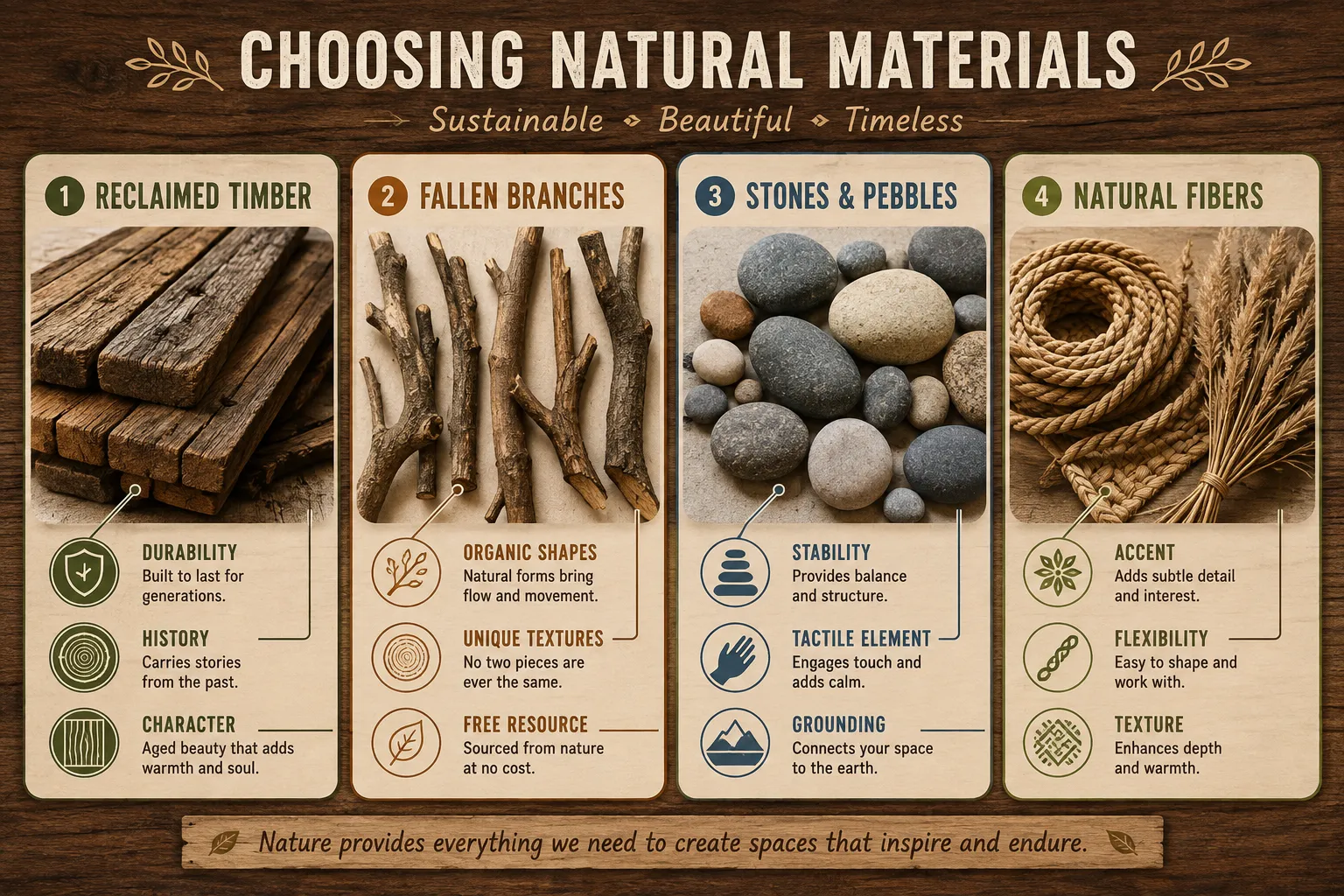
Choosing reclaimed and natural materials is a conscious decision to reduce waste and lower the demand for newly harvested timber. This practice often means working with diverse wood species, each offering its own grain patterns, colors, and textures. From the sturdy resilience of oak reclaimed from a deconstructed building to the fluid lines of a twisted cedar branch found in a forest, the possibilities for creative expression are limitless.
The beauty of Wild Crafts and Rustic Woodworking: Building Furniture from Reclaimed and Natural Materials also lies in embracing the “imperfections” that factory-made items often discard. Knots, cracks, wormholes, and natural edges become celebrated features, adding character and warmth to each piece. This approach fosters a mindset of appreciation for natural forms and the stories they tell.
Sourcing and Selecting Natural Materials
Successful rustic woodworking begins with thoughtful material sourcing. This process is not just about finding wood; it’s about finding pieces that inspire and inform your design.
Reclaimed Wood:
- Barn wood: Often made from hardwoods like oak, pine, or hemlock, barn wood offers weathered textures, nail holes, and a rich patina. Always check for rot, insect infestation, or excessive damage.
- Pallets: A readily available source, pallets can be deconstructed into usable lumber. Ensure they are “HT” (heat treated) rather than “MB” (methyl bromide treated) for safety. For ideas on turning pallets into high-margin furniture, see our guide on Upcycled Pallet Projects With Premium Positioning Turning Free Materials Into High Margin Furniture.
- Deconstructed buildings: Old homes, factories, or warehouses can yield valuable lumber, including beams, flooring, and siding. Always seek permission before salvaging.
- Old furniture: Disassemble unwanted furniture to reclaim solid wood components.
Natural Materials:
- Fallen branches and logs: Collect branches from storm-damaged trees, forest floors, or tree trimming services. Look for interesting shapes, knots, and variations. Ensure the wood is dry; green wood will warp and crack as it dries. Air-drying typically takes about one year per inch of thickness.
- Stones and pebbles: Smooth river stones or interesting rocks can be incorporated as bases, decorative elements, or even tabletops.
- Natural fibers: Ropes, jute, or dried grasses can be used for weaving, accents, or structural components in some designs.
Considerations for Sourcing:
- Legality and ethics: Always obtain permission before collecting materials from private property or protected areas.
- Safety: Wear appropriate personal protective equipment (PPE) when handling reclaimed wood, which may contain old nails, splinters, or hidden hazards.
- Drying: Most natural wood needs to be thoroughly dried before use to prevent warping, cracking, and shrinkage. This can be done through air-drying or kiln-drying.
Essential Techniques and Tools for Rustic Woodworking
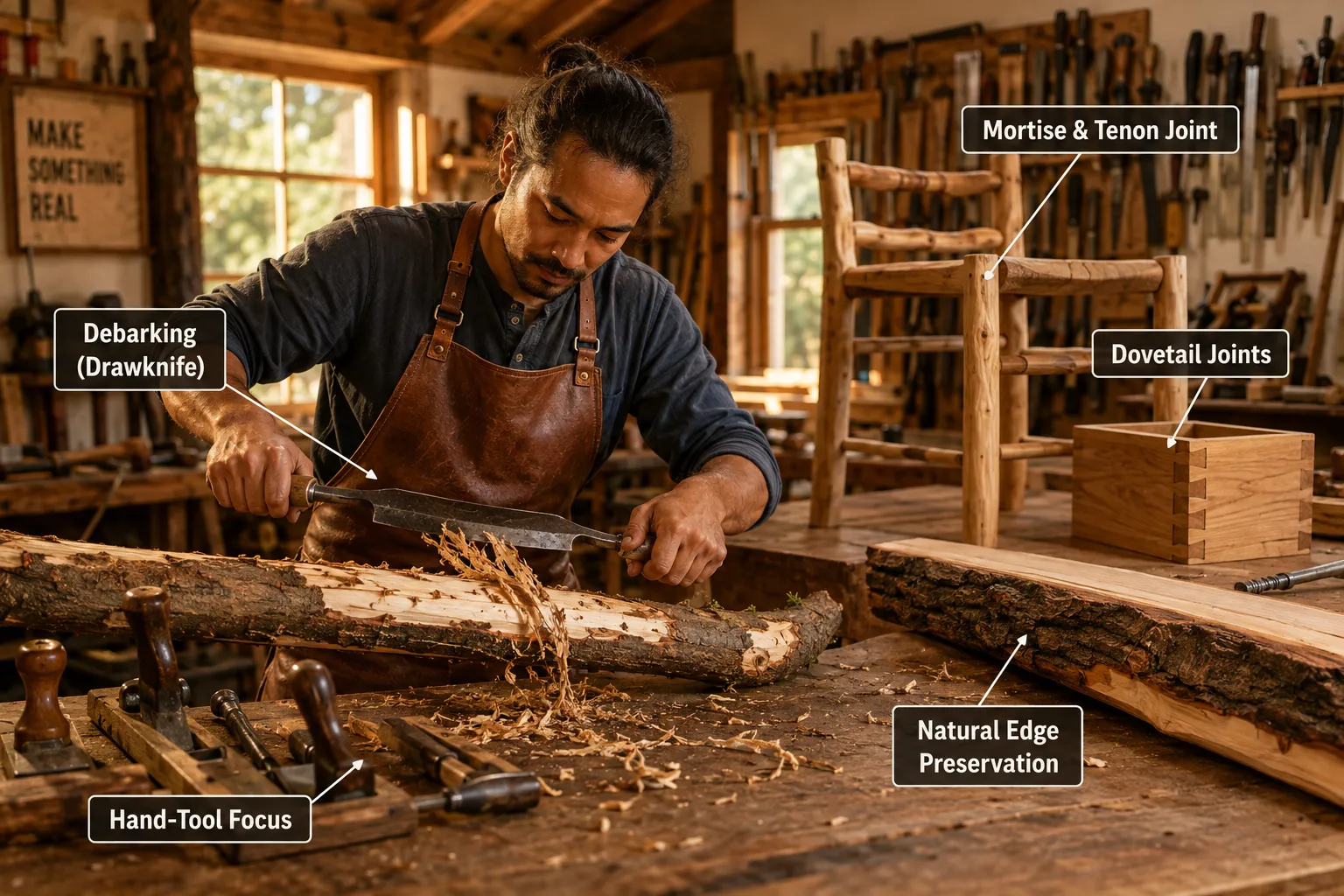
Crafting furniture from irregular and reclaimed materials requires a blend of traditional woodworking skills and a willingness to adapt. While modern power tools can certainly assist, many rustic projects lend themselves well to hand tools, which allow for a more intuitive and organic approach. For those working with raw logs, a chainsaw like those discussed in Husqvarna Chainsaws For Woodworkers From Milling Logs To Preparing Slabs For Furniture can be invaluable.
Key Woodworking Techniques
Joinery: Given the irregular nature of many materials, traditional joinery methods are often preferred for their strength and aesthetic appeal.
- Mortise and Tenon: A robust joint, where a protrusion (tenon) fits into a cavity (mortise). This is excellent for attaching legs to tabletops or stretchers.
- Dovetails: While challenging, dovetails offer exceptional strength and a beautiful, classic appearance, especially for drawers or boxes made from reclaimed boards.
- Lap Joints: Simple yet effective, especially for connecting two pieces of wood where a flush surface isn’t strictly necessary.
- Dowels and Biscuits: For simpler constructions or adding alignment, dowels or biscuits can be employed, though they might not offer the same rustic aesthetic as traditional joinery.
Shaping and Carving:
- Debarking: Using a drawknife or spokeshave to remove bark from branches or logs, revealing the natural wood underneath.
- Sanding: Essential for smoothing surfaces, preparing for finishes, and ensuring comfort. Start with coarse grit and progressively move to finer grits.
- Carving: Basic carving tools can be used to add decorative details or refine organic shapes.
Preserving Natural Edges: One of the hallmarks of rustic furniture is the “live edge”, the natural, unadulterated edge of the slab or board, complete with bark or its natural curve. Learning how to clean, stabilize, and finish these edges is crucial. Our article on Live Edge Slab Selection And Preparation From Raw Material To Finished Showpiece offers a deep dive into this topic.
Essential Tools for Wild Crafts and Rustic Woodworking
While a fully equipped workshop can be helpful, many rustic woodworking projects can be completed with a more minimalist set of tools.
Hand Tools:
- Saws: Handsaws (rip and crosscut), bow saws, and coping saws for rough cutting and intricate shapes.
- Planes: Block planes, jack planes, and spokeshaves for shaping and smoothing.
- Chisels: A set of sharp chisels for joinery and carving.
- Mallet: For driving chisels and other tasks.
- Drawknife: Specifically for debarking and rough shaping of logs and branches.
- Scrapers: For final smoothing and preparing surfaces.
Power Tools (Optional but helpful):
- Orbital Sander: Speeds up the sanding process significantly.
- Jigsaw/Bandsaw: For cutting curves and irregular shapes more efficiently.
- Drill/Impact Driver: For drilling holes and driving screws, especially when traditional joinery isn’t feasible or desired.
- Table Saw: For milling reclaimed lumber into more uniform dimensions if needed. For more on table saws, see 12 Inch Craftsman Table Saw Features Advantages And Woodworking Tips.
- Router: For decorative edges or cutting precise dados and rabbets. More on general power tool use can be found in Power Tool Mastery For Building Console Tables Modern Entryway Furniture For Small Spaces.
Safety Equipment:
- Safety Glasses: Crucial for protecting your eyes from flying debris.
- Gloves: To protect hands from splinters and rough surfaces.
- Dust Mask: Essential when sanding or working with potentially dusty reclaimed materials.
- Hearing Protection: When using power tools.
Designing and Finishing Your Rustic Pieces
Designing furniture with reclaimed and natural materials is an exercise in creativity and adaptability. The material itself often dictates the design, rather than the other way around. This process encourages innovative thinking and a deep respect for the unique characteristics of each piece of wood or branch.
Design Principles for Rustic Furniture
- Embrace Organic Forms: Allow the natural curves, knots, and imperfections of the wood to guide your design. Don’t force straight lines or perfect symmetry if the material suggests otherwise.
- Highlight Material Character: Showcase the weathered patina of barn wood, the grain patterns of a live edge slab, or the twists of a natural branch. These are the elements that give rustic furniture its soul.
- Simplicity: Rustic designs often benefit from simplicity, allowing the natural beauty of the materials to take center stage. Avoid overly complex joinery or decorative elements that detract from the raw aesthetic.
- Functionality: While aesthetics are important, ensure the piece is stable, durable, and serves its intended purpose effectively. A rustic coffee table, for instance, should still be level and sturdy. For inspiration, consider our guide on Diy Coffee Table Building Guide From 2×4 Sketch To Finished Centerpiece.
- Proportion and Balance: Even with irregular materials, strive for a sense of visual balance. Consider the thickness of legs in relation to the tabletop, or the overall size of the piece within its intended space.
Eco-Friendly Finishing for Wild Crafts and Rustic Woodworking
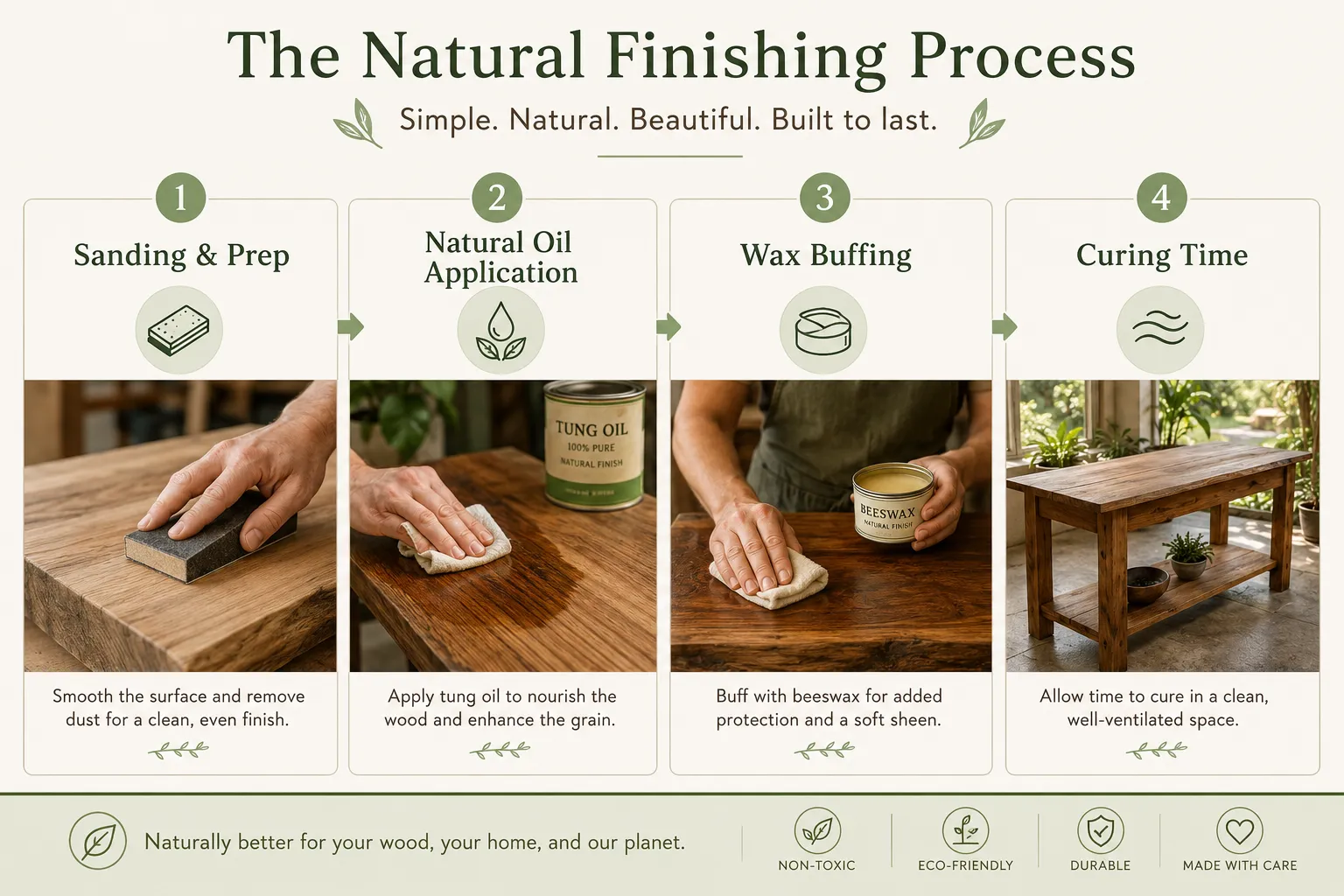
The final step in Wild Crafts and Rustic Woodworking: Building Furniture from Reclaimed and Natural Materials is finishing. Given the natural and sustainable ethos of this craft, it’s logical to choose finishes that are environmentally friendly and enhance the wood’s inherent beauty without compromising its character.
- Natural Oils: Tung oil, linseed oil, and danish oil penetrate the wood fibers, providing protection while highlighting the grain and giving a natural, low-sheen finish. They are non-toxic and easy to reapply.
- Waxes: Beeswax or carnauba wax offer a softer, more subtle sheen and good protection for pieces that won’t see heavy wear. They are applied as a paste and buffed to a shine.
- Milk Paint: For a rustic, distressed look, milk paint is an excellent choice. It’s non-toxic, biodegradable, and creates a beautiful, matte finish that can be aged for an antique appearance.
- Water-Based Polyurethanes: If a more durable, water-resistant finish is required, water-based polyurethanes offer a less toxic alternative to their oil-based counterparts, with lower VOC (Volatile Organic Compound) emissions.
- Stains: For coloring, consider natural pigments or homemade stains from tea, coffee, or vinegar and steel wool, which create beautiful, subtle effects. For more on chemical-free finishing, refer to Natural Wood Finishing Without Chemicals Plant Based Stains Oils And Protective Coatings For Health Conscious Makers And Eco Conscious Buyers.
When applying finishes, always ensure the wood is clean and sanded appropriately. Test the finish on a scrap piece of the same wood to see how it affects the color and appearance before applying it to your final project.
Conclusion
Wild Crafts and Rustic Woodworking: Building Furniture from Reclaimed and Natural Materials offers a deeply rewarding creative journey. It’s a practice that celebrates sustainability, embraces the inherent beauty of natural forms, and allows artisans to infuse their work with unique character and a powerful connection to the environment. By thoughtfully sourcing reclaimed wood and natural elements, mastering adaptable woodworking techniques, and applying eco-friendly finishes, you can transform discarded materials into heirloom-quality furniture that tells a story for generations to come. In 2026, as the demand for sustainable and authentic goods continues to grow, this craft represents not just a hobby, but a meaningful contribution to a more conscious way of living and creating.
Actionable Next Steps:
- Start Small: Begin with a simple project like a rustic shelf, a small side table, or Diy Wooden Wine Racks From Rustic Wall Mounts To Sleek Countertop Designs For Wine Lovers using readily available materials.
- Explore Local Resources: Visit local sawmills, salvage yards, or even inquire with tree removal services for potential material sources.
- Invest in Essential Hand Tools: A good set of sharp hand tools will provide immediate satisfaction and control over your materials. Consider reading our Introduction To Traditional Hand Tool Woodworking Essential Tools And First Projects Without Power guide.
- Embrace the Process: Let the unique nature of each piece of wood guide your design and enjoy the journey of creation.
SEO Meta Title: Wild Crafts & Rustic Woodworking: Reclaimed Furniture Guide SEO Meta Description: Build unique furniture from reclaimed wood and natural materials in 2026. Explore wild crafts, rustic woodworking techniques, and eco-friendly finishes.