

In an age often dominated by mass production and hidden fasteners, the resurgence of visible hand tool joinery stands as a powerful testament to craftsmanship. For discerning buyers and passionate makers alike, these meticulously crafted joints — particularly dovetails, mortise-and-tenon, and box joints — are no longer just structural necessities. In 2026, they are celebrated design features, elevating furniture and small projects into works of art. This article delves into the aesthetic and functional benefits of embracing Hand Tool Joinery for Visible Wood Joints: Dovetails, Mortise-and-Tenon, and Box Joints as Design Features in Furniture and Small Projects, exploring how these traditional techniques become compelling selling points that appeal to craft-conscious individuals willing to invest in pieces that tell a story of skill and dedication.
Key Takeaways
- Visible Joinery as a Design Statement: Traditional hand-cut joints like dovetails, mortise-and-tenons, and box joints transcend mere construction, serving as deliberate and highly valued aesthetic elements in modern woodworking.
- Embracing Craftsmanship: The decision to use visible hand tool joinery reflects a commitment to traditional skills, quality, and durability, appealing strongly to buyers who appreciate authentic, handcrafted items.
- Structural Integrity and Longevity: Beyond aesthetics, these joints offer superior mechanical strength and stability, ensuring the furniture and projects endure for generations, a key selling point for high-end pieces.
- Enhancing Project Value: Furniture and small projects featuring well-executed, visible hand tool joinery command higher prices and garner greater appreciation, differentiating them in a competitive market.
- Mastery Through Practice: Achieving clean, precise visible joints requires patience, skill development, and the right hand tools, but the journey itself is deeply rewarding and ultimately produces superior results.
The Art of Visible Joinery: Dovetails as a Design Feature
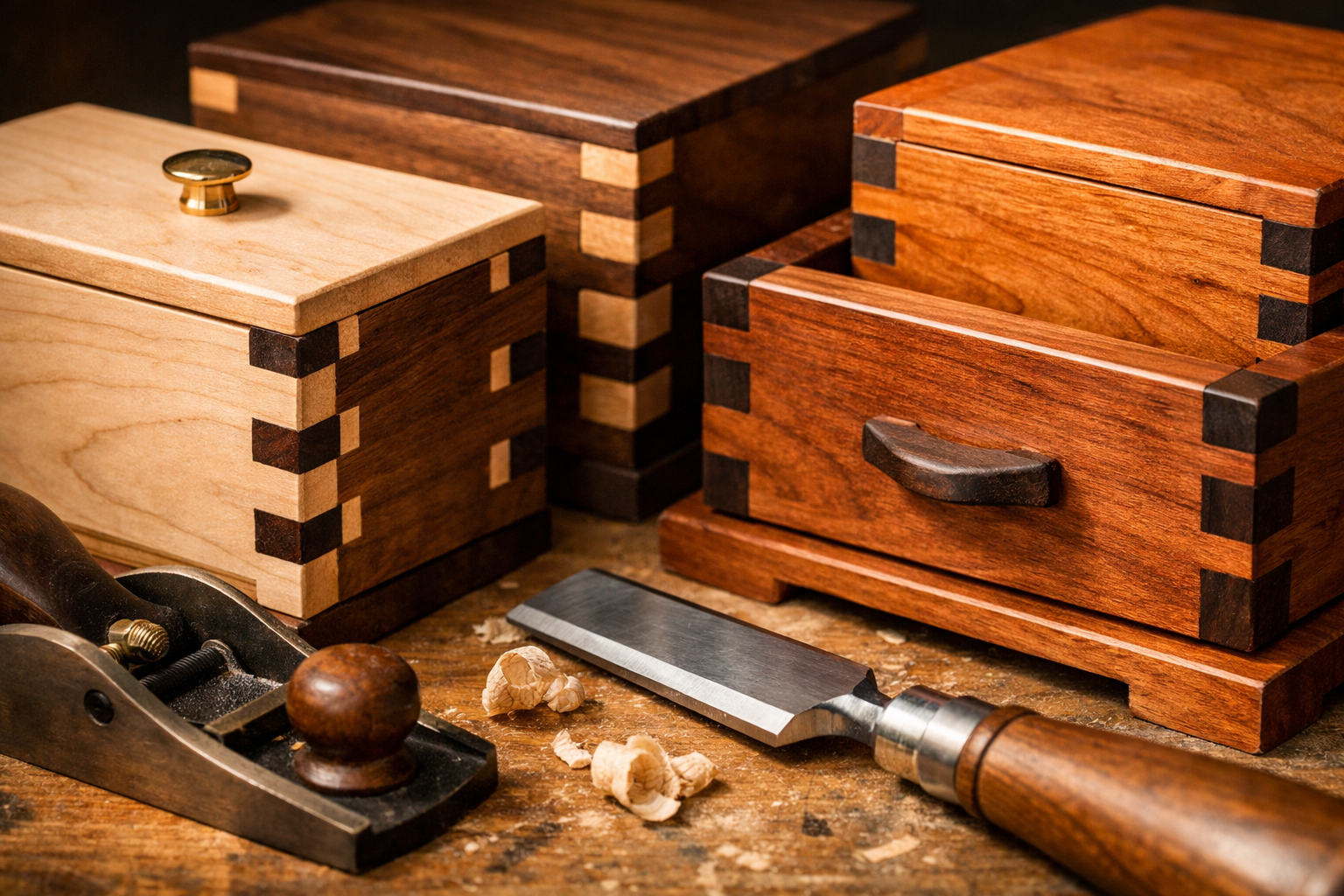
Dovetail joints are often considered the pinnacle of fine woodworking joinery. Their distinctive interlocking ‘pins’ and ‘tails’ create an incredibly strong mechanical bond, resistant to being pulled apart. But beyond their strength, it’s their intricate, tooth-like pattern that makes them so visually appealing, turning a functional joint into a decorative highlight. In 2026, showcasing well-executed dovetails is a mark of exceptional skill and a clear design choice.
Why Dovetails captivate as a Visible Wood Joint
The beauty of a dovetail joint lies in its blend of engineering and artistry. When crafting furniture or small projects, exposing the dovetails allows the woodworker to demonstrate their mastery of hand tools and precision.
- Aesthetic Appeal: The alternating pattern of the pins and tails creates a rhythmic, visually engaging texture on the corner of a drawer or case. This pattern can be further enhanced by using contrasting wood species for the joined pieces, making the joint pop even more. Imagine a dark walnut drawer front joined with light maple sides – the dovetails become a stunning feature.
- Symbol of Quality: Hand-cut dovetails signal meticulous attention to detail and a commitment to traditional woodworking practices. Unlike machine-cut dovetails, which often have a uniform, sometimes sterile appearance, hand-cut versions possess subtle imperfections that speak to the human touch, making each piece unique.
- Durability and Longevity: Structurally, dovetails are legendary for their strength. The flared shape of the tails prevents the joint from pulling apart, especially under tension. This means a drawer with hand-cut dovetails will remain solid for decades, often outliving the rest of the piece, adding to its heirloom quality. This aspect is particularly valuable for items like Ultimate Guide to Wooden Cutting Boards: End-Grain Patterns where durability is paramount.
“In the realm of woodworking, visible dovetails are not merely joinery; they are a signature, a whispered promise of enduring quality and dedicated craftsmanship.”
Applications in Furniture and Small Projects
Dovetails shine in applications where strength and aesthetics converge.
- Drawers and Boxes: This is arguably the most common and celebrated use for visible dovetails. On a beautifully crafted dresser or a small jewelry box, the dovetails on the corners are the first thing a discerning eye will notice. They elevate a simple box into a piece of fine furniture. For example, when exploring how to construct intricate details, knowing about Mastering the Woodworking Box Lid: A Comprehensive Guide for 2026 can further enhance the design of a dovetailed box.
- Carcases and Cabinets: While often hidden, exposed dovetails can be used in the construction of cabinet frames or small bookcases, adding a sophisticated, handmade touch.
- Small Decorative Items: From keepsake boxes to small shelves, visible dovetails transform utilitarian objects into cherished heirlooms. The precision involved aligns well with the broader concept of Fine Woodworking Detail Crossword Clue: Unraveling the Puzzle, where every detail counts.
Types of Dovetails for Visual Impact
| Dovetail Type | Description | Visual Effect | Ideal Use Case |
|---|---|---|---|
| Through Dovetail | Pins and tails go completely through both pieces, visible from both faces. | Highly decorative, classic, and robust. | Carcase construction, chests, large drawers. |
| Half-Blind Dovetail | Tails are visible on one face, pins are hidden on the mating piece. | Elegant, clean front face, strong. | Drawer fronts, where only one side is seen. |
| Sliding Dovetail | A single tail slides into a corresponding groove (dovetail dado). | Strong, often used for shelves or table skirts. | Attaching shelves, table legs to aprons. |
Crafting dovetails by hand requires sharp chisels, a reliable marking gauge, a coping saw, and patience. The reward, however, is a joint that is both beautiful and built to last.
Mortise-and-Tenon Joints: Strength and Elegance in Design
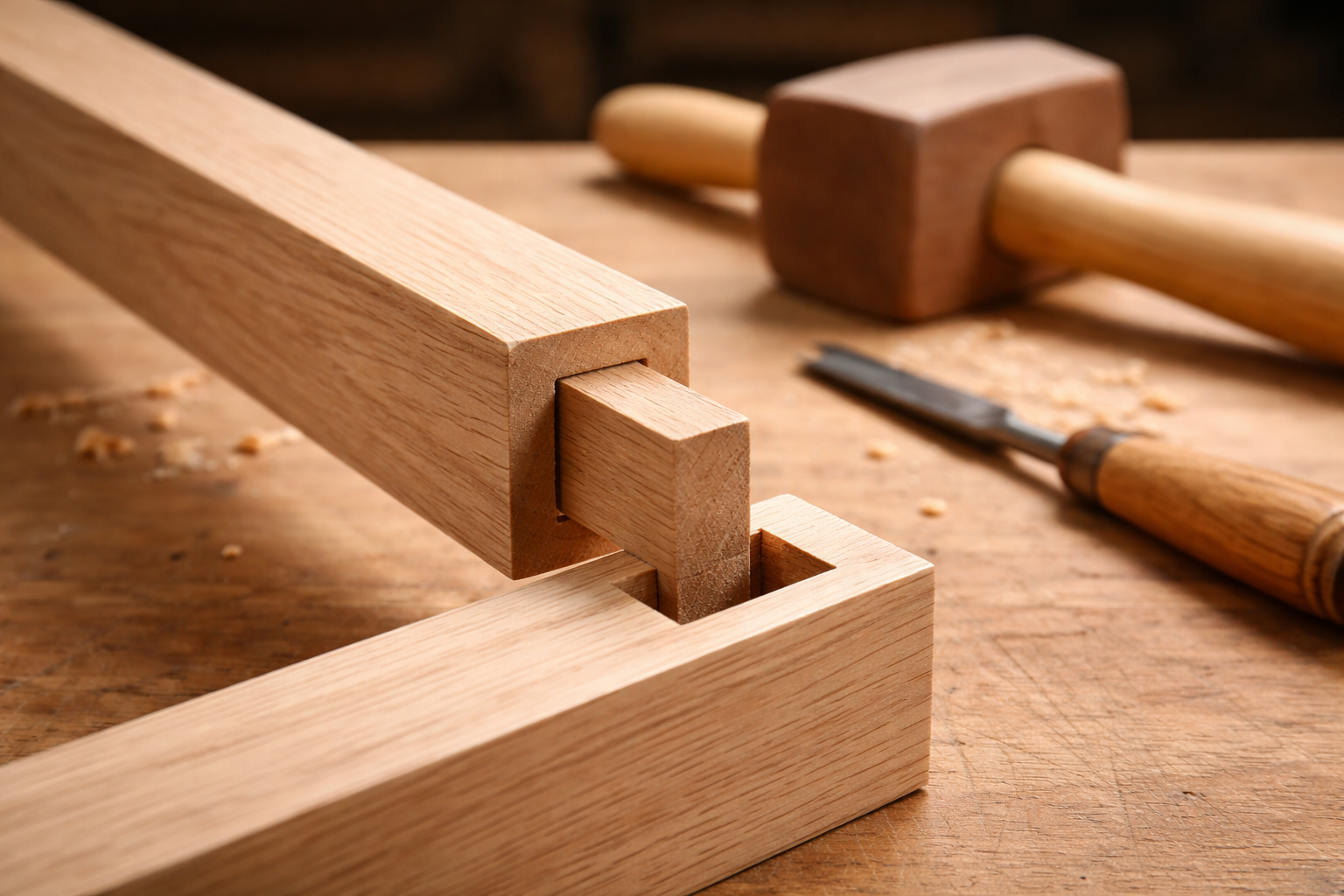
The mortise-and-tenon joint is one of the oldest and most fundamental joints in woodworking, known for its incredible strength and rigidity. It consists of a tenon (a projection on one piece of wood) that fits snugly into a mortise (a cavity or hole in another piece). When executed by hand, these joints, especially when visible, speak volumes about the quality and thoughtful construction of a piece. Hand Tool Joinery for Visible Wood Joints: Dovetails, Mortise-and-Tenon, and Box Joints as Design Features in Furniture and Small Projects relies heavily on the strength this joint provides.
Showcasing the Mortise-and-Tenon
While often concealed, when a mortise-and-tenon joint is designed to be visible, it adds a distinct architectural quality to furniture. This visibility is achieved through techniques like through-tenons or wedged through-tenons, where the tenon passes entirely through the mortised piece and is often pinned or wedged on the other side.
- Structural Artistry: A visible mortise-and-tenon joint is a clear declaration of how a piece is built, revealing the underlying structure as an integral part of the design. It conveys honesty in construction.
- Unparalleled Strength: Historically used in timber framing and robust furniture, the mortise-and-tenon joint provides excellent resistance to racking and twisting forces. This makes it ideal for elements under stress, such as chair legs, table frames, and bedposts.
- Timeless Appeal: This joint has been used for millennia and carries with it a sense of heritage and enduring quality. Furniture featuring exposed mortise-and-tenons often possesses a rustic yet refined aesthetic that appeals to a wide range of tastes, fitting well with themes like Live Edge Wood Projects: From Design to Execution for Home C or even more modern designs.
Common Visible Mortise-and-Tenon Variations
| Variation | Description | Visual Impact | Typical Application |
|---|---|---|---|
| Through Mortise-and-Tenon | Tenon passes completely through the mortise and is flush or slightly proud. | Clean, minimalist, structural emphasis. | Modern tables, chair rails, exposed framing. |
| Wedged Through Mortise-and-Tenon | Tenon passes through, and wedges are driven into its end to expand and lock it. | Highly decorative, robust, and permanent. | Arts & Crafts furniture, rustic tables, benches. |
| Pinned Mortise-and-Tenon | A dowel or peg is driven through the tenon and mortise for added security. | Adds a small, circular visual detail, traditional. | Chair legs, door frames, historic reproductions. |
Tools and Techniques for Excellence
Crafting a precise mortise-and-tenon by hand requires careful layout, sharp chisels (especially mortise chisels), a mallet, and a keen eye. A hollow chisel mortiser craftsman can speed up mortise creation, but hand tools allow for fine-tuning and the unique character that visible joinery demands. Accuracy in measuring and marking is crucial, as is the ability to pare precisely with a chisel. This precision is echoed in the pursuit of Precision Woodworking Tool Crossword: Solve the Clue! where tool knowledge is key.
When these joints are made visible, the edges of the tenon and the mortise must be perfectly clean and tight. Any gaps become immediately apparent, detracting from the intended design feature. This commitment to perfection is what elevates a visible mortise-and-tenon from a simple joint to a statement of craftsmanship.
Box Joints: Rhythmic Patterns and Robust Construction
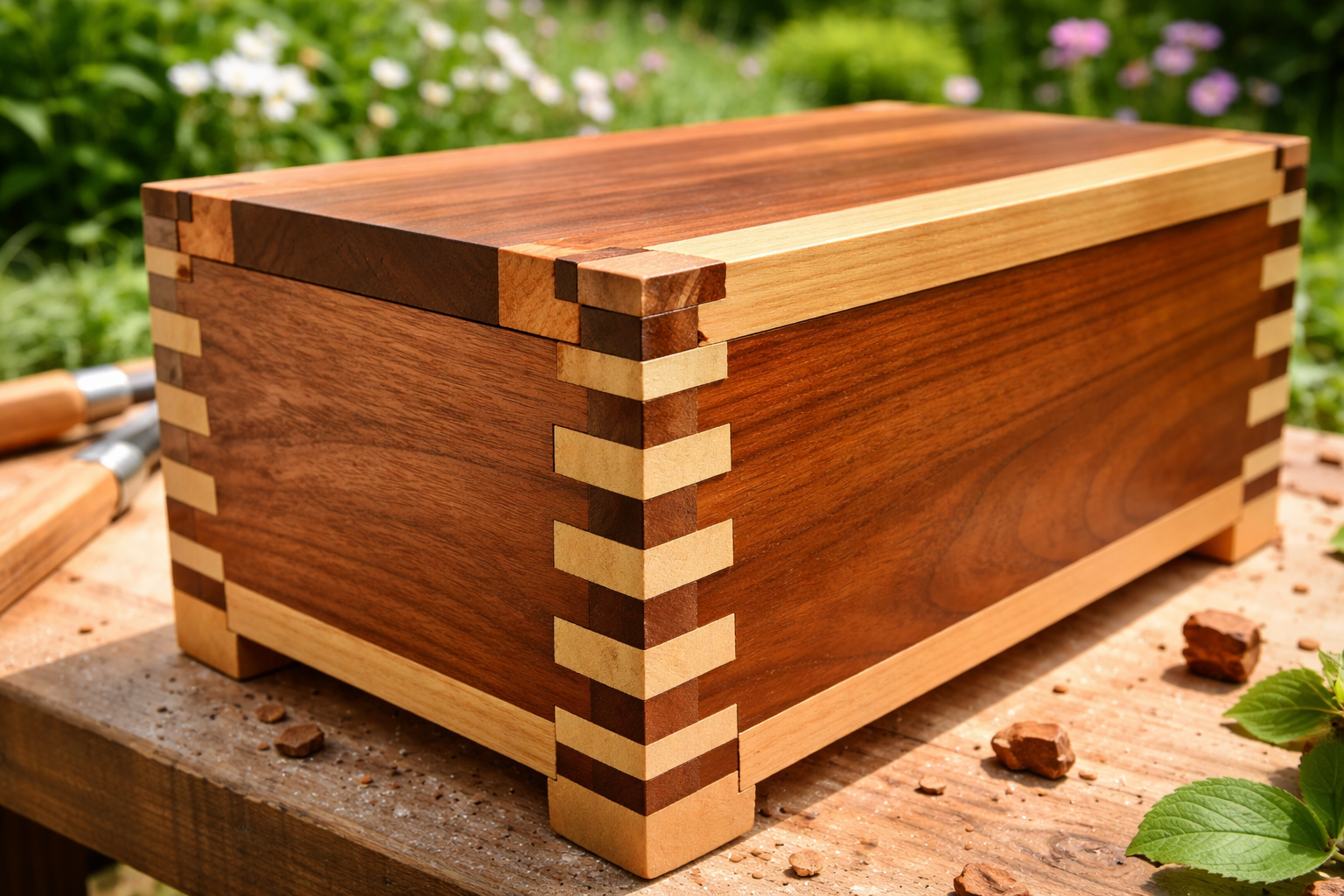
Box joints, also known as finger joints, are a fantastic way to create strong, visually engaging corners, particularly for boxes, drawers, and cabinet carcases. They consist of a series of interlocking rectangular ‘fingers’ that are visible on both mating faces of the joint. The rhythmic pattern they create is both aesthetically pleasing and structurally sound, making them a popular choice for showcasing Hand Tool Joinery for Visible Wood Joints: Dovetails, Mortise-and-Tenon, and Box Joints as Design Features in Furniture and Small Projects.
The Aesthetic and Structural Appeal of Box Joints
Unlike the tapered elegance of dovetails, box joints offer a bolder, more geometric aesthetic. Their straightforward design doesn’t diminish their impact; instead, it provides a clean, modern look that still speaks to handcrafted quality.
- Distinctive Pattern: The repetition of uniform fingers creates a beautiful, grid-like pattern on the corner of a piece. This pattern can be varied by changing the size and spacing of the fingers, offering design flexibility.
- Solid and Reliable: With ample long grain to long grain glue surface, box joints create an incredibly strong bond. They resist twisting and pulling forces effectively, making them perfect for any rectangular construction that needs to hold together firmly.
- Showcasing Material: Box joints are excellent for highlighting beautiful wood grain patterns. When different species are used, or when quarter-sawn wood is carefully chosen, the interlocking fingers can create stunning visual effects, enhancing the overall appeal of the project. This is particularly relevant when creating items for sale, as discussed in Woodworking Projects That Sell: A Beginner’s Guide to Profit.
Crafting Box Joints with Hand Tools
While often associated with router tables and jigs for speed, hand-cut box joints demonstrate a high level of precision and patience. The process typically involves:
- Accurate Layout: Marking out the fingers and sockets precisely on both pieces.
- Sawing: Cutting the waste areas with a fine-toothed back saw.
- Chiseling: Paring away the waste with sharp chisels, ensuring clean, square shoulders.
- Test Fitting: Carefully adjusting for a perfect, snug fit.
The use of a marking knife for precise lines and a square to guide cuts is paramount. The satisfaction of a perfectly fitting, hand-cut box joint is immense, and its visual presence in a finished piece is a powerful selling point.
Applications of Visible Box Joints
Box joints are versatile and can be found in a wide array of projects.
- Small Boxes and Storage: From trinket boxes to larger storage chests, box joints provide both strength and decorative flair. The regular pattern can be particularly effective in minimalist designs.
- Drawer Construction: Similar to dovetails, box joints offer a robust and attractive solution for drawer corners, though they don’t have the same anti-pull-out strength as dovetails against a direct force along the joint’s length.
- Cabinet Carcases: For smaller cabinets or display cases, exposed box joints can add a craftsman-style aesthetic, revealing the method of construction in an appealing way. This aligns well with general concepts around constructing Master Your Craft: Building the Ultimate Woodworking Storage Bench in 2026, where robust, visible joinery is often a key feature.
- Specialty Items: They are excellent for the construction of unique pieces like wooden toy boxes for Spark Imagination: Unlocking the World of Children’s Woodwork Projects 🎨🔨 or custom shadow boxes, where the repetitive pattern adds visual interest without overpowering the contents.
Design Considerations for Box Joints
- Finger Size: Experiment with different finger widths. Thinner fingers can create a more delicate look, while thicker ones offer a bolder, more robust appearance.
- Wood Choice: Contrasting wood species will make the joint stand out dramatically. Even within the same species, varying grain direction can add subtle visual interest.
- Finishing: A clear finish will allow the natural beauty of the wood and the joint to shine through. The careful preparation of surfaces before finishing is vital for all visible joints. For more on finishing techniques, exploring topics like wood finishing techniques or specific types like mahogany wood finishing techniques can be beneficial.
The journey to mastering hand-cut box joints is rewarding, culminating in pieces that are both strong and visually captivating. They are a testament to the maker’s dedication to precision and traditional woodworking methods, ensuring that the piece stands out in 2026’s market of discerning buyers.
The Appeal of Hand Tool Joinery in 2026: More Than Just Construction
In an increasingly digitized and often impersonal world, the appeal of handcrafted items, especially those showcasing Hand Tool Joinery for Visible Wood Joints: Dovetails, Mortise-and-Tenon, and Box Joints as Design Features in Furniture and Small Projects, continues to grow. These joints represent more than just a method of assembly; they embody a philosophy of craftsmanship, quality, and sustainability that resonates deeply with modern consumers.
Craftsmanship as a Selling Point
For many buyers in 2026, the visible sign of hand tool joinery is a powerful indicator of value. It communicates:
- Authenticity: Each hand-cut joint bears the unique marks of the maker, distinguishing it from machine-made alternatives. This individuality is highly prized.
- Durability and Investment: Pieces constructed with traditional, interlocking wood joints are renowned for their strength and longevity. Buyers see these items as investments, furniture that will last generations rather than being disposable.
- Story and Heritage: Every visible joint tells a story of skill passed down through generations, of patience, and of a connection to a rich woodworking heritage. This narrative adds significant emotional value to the piece.
- Environmental Responsibility: Hand tool work often implies a slower, more deliberate process, potentially using sustainably sourced timber. This aligns with a growing consumer demand for eco-conscious products.
Integrating Visible Joints into Design Philosophy
For woodworkers, deciding to make joints visible is a deliberate design choice that requires thoughtful execution.
- Choose the Right Joint: The type of visible joint should complement the overall aesthetic of the piece. Dovetails offer a classic elegance, mortise-and-tenons a robust architectural feel, and box joints a clean, modern rhythm.
- Highlight with Wood Selection: Using contrasting wood species (e.g., a dark wood joined with a light wood) or woods with strong grain patterns (like figured maple or quarter-sawn oak) can dramatically enhance the visual impact of the joint.
- Precision is Paramount: While hand tools allow for individuality, visible joints demand exceptional precision. Gaps or poorly matched surfaces will detract from the intended aesthetic. Investing time in sharpening tools and practicing layout techniques is crucial.
- Thoughtful Finishing: The finish applied to a piece with visible joinery should enhance, not obscure, the joint. Clear oils, varnishes, or lacquers are often preferred to allow the grain and the craftsmanship to shine through. Techniques like danish oil vs linseed can be explored for desired effects.
The Impact on Project Value
Projects featuring visible hand tool joinery often command a higher price point. This premium is justified by:
- Increased Labor and Skill: Hand-cutting joints is significantly more time-consuming and requires a higher level of skill than using screws, biscuits, or even power tools.
- Perceived Quality: The inherent strength and beauty of these joints convey a sense of superior quality that is immediately apparent to the buyer.
- Exclusivity: In a market saturated with mass-produced items, handcrafted pieces with visible joinery stand out as exclusive and unique.
Consider the difference between a simple, screwed-together plywood box and a meticulously dovetailed hardwood box. The latter, with its visible joinery, transforms into a cherished item, often becoming an heirloom. This principle applies across the board, whether you’re crafting a small jewelry box or a grand dining table. For projects such as the DIY Live Edge Dining Table: Step-by-Step Build for 2026 Tren, integrating visible joinery can significantly elevate its perceived value and uniqueness.
Conclusion
The enduring appeal of Hand Tool Joinery for Visible Wood Joints: Dovetails, Mortise-and-Tenon, and Box Joints as Design Features in Furniture and Small Projects lies in its powerful fusion of functionality and artistry. In 2026, as consumers increasingly seek authenticity, durability, and a story behind their purchases, the deliberate showcase of these traditional joints has become a hallmark of quality craftsmanship.
Dovetails, with their intricate interlocked strength, speak of elegance and meticulous precision. Mortise-and-tenons, whether through-wedged or pinned, proclaim a robust, honest construction that underpins enduring furniture. And box joints, with their rhythmic, bold patterns, offer a modern aesthetic without sacrificing integrity. Each joint, when executed by hand and made visible, transforms a piece of furniture or a small project from a mere object into a statement – a testament to the maker’s skill, patience, and dedication to timeless craft.
For woodworkers, embracing visible joinery is an invitation to refine skills, deepen understanding of wood, and elevate creations into true works of art. For buyers, it offers the profound satisfaction of owning something unique, robust, and beautiful, a piece infused with the soul of its maker. By continuing to champion these traditional methods, the woodworking community ensures that the legacy of hand tool joinery remains vibrant and relevant, creating pieces that will be admired and cherished for generations to come.
Actionable Next Steps
- Practice Fundamental Skills: Dedicate time to mastering the basics of layout, sawing, and chiseling. These core skills are the foundation for all visible joinery.
- Invest in Quality Hand Tools: Sharp, well-maintained hand planes, chisels, saws, and marking gauges are essential for achieving precise, clean joints. Regularly sharpening your tools is critical.
- Start Small: Begin with simpler box joints on practice pieces, then move on to dovetails and mortise-and-tenons on small projects like keepsake boxes before tackling larger furniture.
- Study and Learn: Research historical examples of visible joinery and explore contemporary designs that successfully integrate these features. Watch tutorials, read books, and learn from experienced woodworkers.
- Embrace Imperfection (Initially): While precision is the goal, initial attempts may not be perfect. View these as learning opportunities and embrace the journey of skill development.
- Design for Visibility: When planning your next project, consciously consider how to incorporate visible joints as a deliberate design element, rather than just a construction method.