
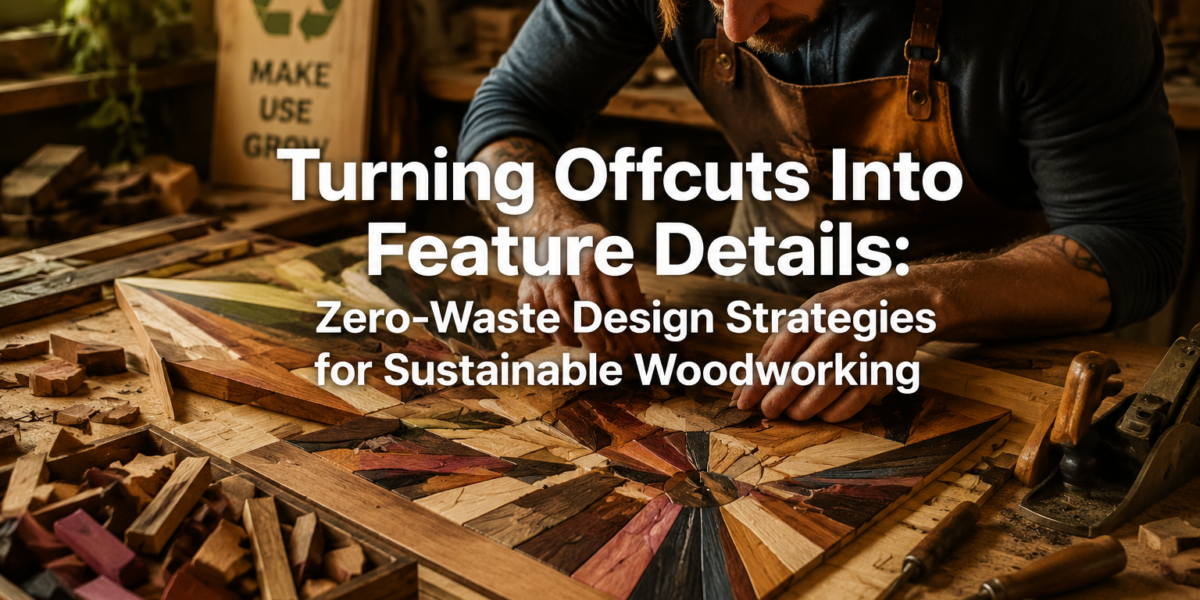
Each year, woodworkers worldwide generate tons of wood waste, with estimates suggesting that up to 40% of timber can become offcuts during the milling and crafting process (Forest Products Laboratory, 2010). This staggering volume represents not just lost material, but also missed creative and financial opportunities. Rather than viewing these smaller pieces as mere waste, forward-thinking woodworkers in 2026 are embracing a paradigm shift: Turning Offcuts Into Feature Details: Zero-Waste Design Strategies for Sustainable Woodworking. This approach not only minimizes environmental impact but also unlocks a new realm of aesthetic possibilities and business value, allowing makers to infuse their brand with a powerful sustainability narrative.
Key Takeaways
- Wood offcuts are a valuable resource for creative and sustainable woodworking, moving beyond traditional waste disposal.
- Zero-waste design integrates offcuts into projects as decorative elements, inlays, mixed-wood assemblies, and functional components.
- Effective offcut management, including sorting, storing, and planning, is crucial for maximizing their utility.
- Diverse techniques like inlay, parquetry, lamination, and segmenting transform small pieces into high-value design features.
- Embracing zero-waste practices enhances a woodworker’s brand, appeals to eco-conscious consumers, and can open new market avenues.
Rethinking Wood Scraps: The Foundation of Zero-Waste Woodworking
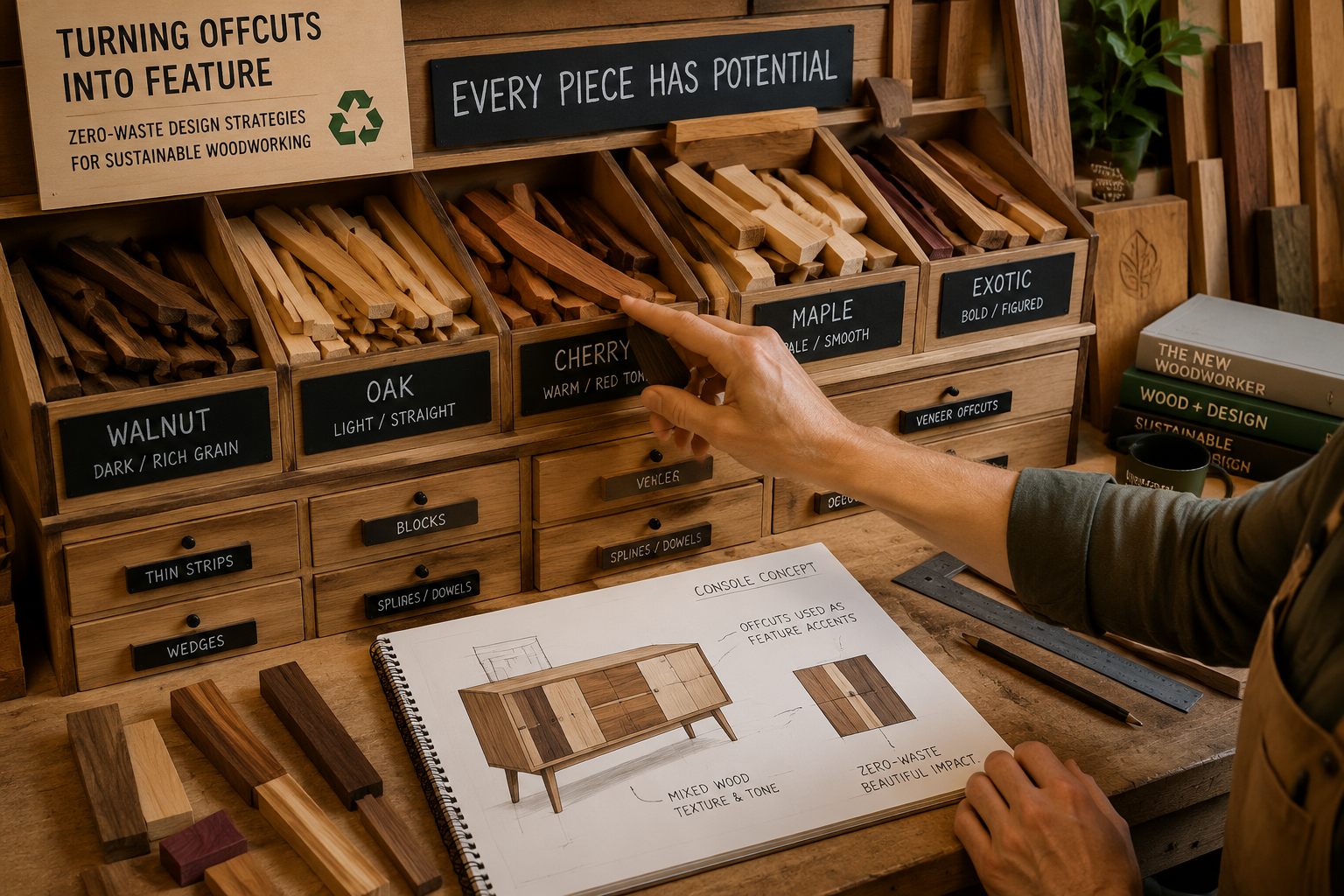
The journey of Turning Offcuts Into Feature Details: Zero-Waste Design Strategies for Sustainable Woodworking begins with a fundamental change in perspective. Instead of seeing wood scraps as an inevitable byproduct destined for the burn pile or landfill, they are recognized as precious raw materials, each with unique grain, color, and character waiting to be revealed. This shift is particularly pertinent in 2026, as consumer demand for sustainable products continues to grow, and the woodworking community seeks innovative ways to reduce its ecological footprint.
Zero-waste woodworking is more than just efficient use of materials; it’s a design philosophy that integrates the smallest pieces into the larger aesthetic and structural integrity of a project. This proactive approach encourages woodworkers to design with offcuts in mind from the very outset, rather than trying to fit them in as an afterthought.
Classifying and Storing Offcuts
Effective offcut management is the cornerstone of any successful zero-waste strategy. Without proper organization, even the most valuable scraps can become lost or damaged. Consider implementing a system based on size, wood species, or intended use.
- Small (under 6 inches): Ideal for inlays, marquetry, contrasting plugs, small toggles, or fine detail work.
- Medium (6 inches to 1 foot): Suitable for segmented turning, laminated panels, small boxes, coasters, or accent pieces.
- Large (over 1 foot): Can be resawn for veneer, used for small joinery components, or incorporated into larger panel assemblies.
Investing in clear bins, drawers, or a modular storage system can significantly streamline your workflow. Labeling is key – indicating species, dimensions, and even origin can save considerable time and effort. For ideas on efficient workshop organization, you might find our guide on Building Modular Wood Storage Systems for Small Workshops: Maximizing space and organization helpful.
Integrating Offcuts into Design from the Outset
The most successful zero-waste projects are those where the offcuts are considered an integral part of the design, not an afterthought. This might involve:
- Designing for Inlays: Planning for specific contrasting wood species to be inlaid into larger surfaces, utilizing small, thin pieces.
- Segmented Construction: Envisioning bowls, vases, or tabletops built from multiple small segments of different woods.
- Laminated Accents: Using strips of offcuts to create decorative edge banding or to build up thicker panels with unique patterns.
- Mixed-Media Projects: Combining various wood species in a single piece to highlight their natural colors and grain, creating a visually rich tapestry.
By sketching out designs that explicitly call for smaller pieces, woodworkers can ensure that offcuts are valued components, not merely filler. This forward-thinking approach transforms waste into unique design signatures.
Creative Techniques for Turning Offcuts Into Feature Details: Zero-Waste Design Strategies for Sustainable Woodworking
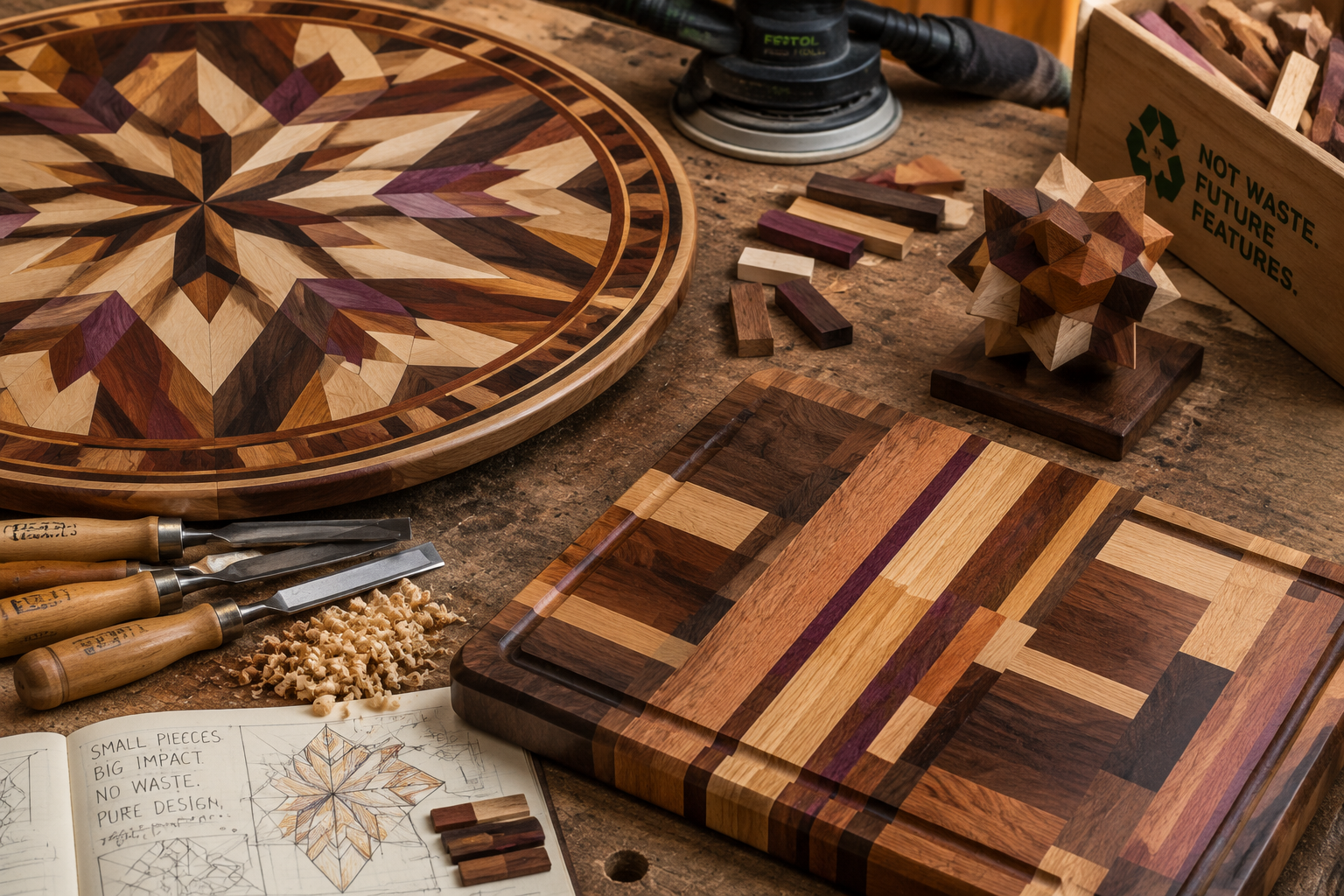
Once offcuts are properly managed and integrated into the design philosophy, the next step is to master the techniques that transform these humble scraps into captivating feature details. This is where the artistry of Turning Offcuts Into Feature Details: Zero-Waste Design Strategies for Sustainable Woodworking truly shines, allowing for unparalleled creativity and distinct product differentiation.
Inlays and Marquetry
Inlays involve embedding pieces of one material into the surface of another, creating a flush, decorative pattern. Marquetry takes this a step further, using thin pieces of veneer to create complex pictorial designs. Both techniques are excellent for utilizing small, thin offcuts of contrasting wood species.
Steps for Basic Inlay:
- Select Offcuts: Choose pieces with contrasting colors and grains. Hardwoods work best for durability.
- Design Pattern: Sketch your desired pattern directly onto the offcut or use a template.
- Cut Inlay Piece: Carefully cut the inlay piece using a scroll saw, fret saw, or a sharp knife. For precision, Hand Tool Mastery for Detail Work: Chisels, Hand Planes, and can be invaluable.
- Trace onto Base: Place the inlay piece onto the base material and carefully trace its outline.
- Rout/Chisel Recess: Using a router with a fine bit or sharp chisels, remove material from the base to create a recess that perfectly matches the inlay’s shape and depth.
- Glue and Clamp: Apply a small amount of wood glue to the recess and insert the inlay piece. Clamp firmly until dry.
- Sand Flush: Once dry, sand the surface until the inlay is perfectly flush with the base material.
- Example Applications: Decorative motifs on tabletops, contrasting borders on boxes, custom logos on cutting boards. Our guide on Engraved Wooden Coasters with Custom Designs: Laser and Hand offers additional inspiration for small-scale decorative work.
Parquetry and Geometric Patterns
Parquetry is a geometric mosaic of wood pieces used for decorative effects, often seen in flooring but equally effective in furniture and decorative panels. It involves arranging small, precisely cut offcuts into repeating patterns.
Common Parquetry Patterns:
| Pattern | Description | Offcut Shape Examples |
|---|---|---|
| Herringbone | Rectangular pieces laid in a zigzag pattern | Rectangular strips, consistent width/length |
| Basketweave | Small rectangular pieces arranged to mimic a woven basket effect | Small, identical rectangular blocks |
| Chevron | V-shaped pattern created by cutting pieces at an angle and joining them | Trapezoids, parallelogram strips |
| Cube/3D | Arrangement of trapezoids or rhomboids to create an illusion of cubes | Triangles, rhomboids of various woods |
- Tips: Precision in cutting is paramount. A good miter saw or table saw with a crosscut sled is essential. Varying wood species or grain direction within a pattern can create stunning visual depth.
Lamination and Segmented Construction
These techniques allow woodworkers to build up larger forms or panels from many smaller offcuts.
- Lamination: Gluing together multiple layers or strips of wood. This can create strong, stable panels with dynamic visual interest, especially when using contrasting wood species or varying grain orientations. Thin offcuts can be laminated to create unique cutting boards, thick tabletops, or even curved forms.
- Segmented Turning: For lathe work, segmented turning involves gluing individual pieces of wood into rings, which are then stacked and turned to create bowls, vases, or other round objects. This is an exceptional way to use even very small, oddly shaped offcuts, combining them into intricate, multi-colored designs. The beauty comes from the careful selection and arrangement of wood types.
Other Innovative Applications
- Decorative Plugs and Knobs: Small offcuts can be turned into custom wooden plugs to cover screw holes or crafted into unique drawer pulls and cabinet knobs.
- Small Functional Items: Coasters, trivets, phone stands, or small desk organizers are perfect projects for utilizing collections of diverse offcuts.
- Mixed-Wood Joinery: Sometimes, a contrasting wood offcut can be intentionally used for a joint, like a spline or a dowel, to highlight the joinery itself as a design feature. For those interested in advanced joinery, our guide on Mastering Dovetail Joints with Hand Tools: A Step-by-Step Guide for offers relevant skills.
Building a Sustainable Brand: The Business Case for Zero-Waste Woodworking
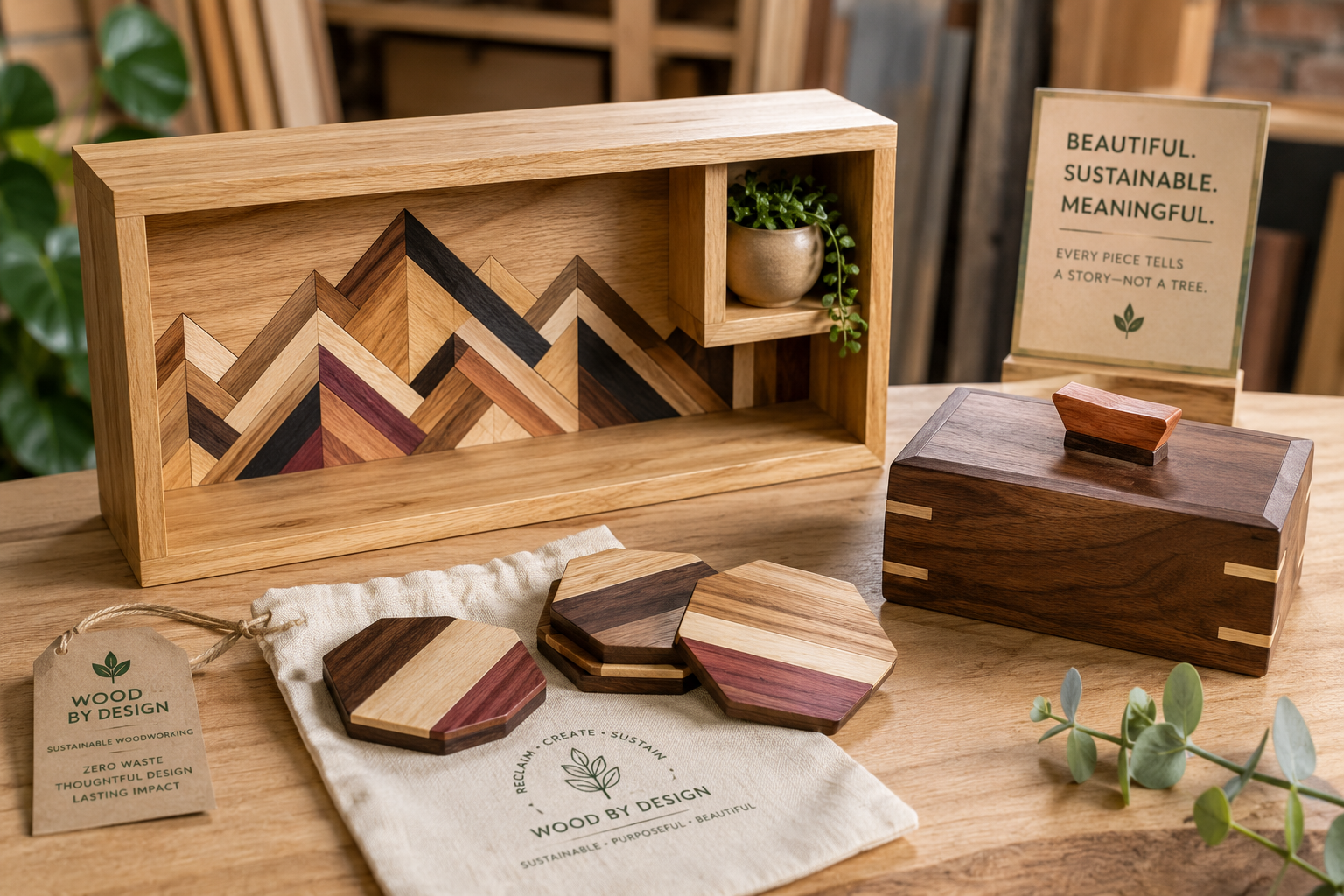
Beyond the environmental and creative benefits, deliberately Turning Offcuts Into Feature Details: Zero-Waste Design Strategies for Sustainable Woodworking offers a compelling business model for makers in 2026. Integrating these strategies into your brand narrative can resonate deeply with a growing segment of environmentally conscious consumers, transforming a potential cost (waste disposal) into a significant competitive advantage.
Marketing Your Sustainability Story
Consumers today are not just buying products; they are buying into values and stories. A brand built on zero-waste principles can tell a powerful narrative:
- Environmental Stewardship: Highlight how your process minimizes waste, conserves resources, and reduces landfill burden. This directly appeals to eco-aware buyers.
- Unique Craftsmanship: Emphasize that each piece is distinctive due to the intentional incorporation of varied offcuts. No two inlays or segmented patterns will be identical, creating truly unique, artisanal products.
- Resourcefulness and Innovation: Showcase the ingenuity involved in transforming undervalued materials into high-value design elements. This speaks to a passion for the craft and a commitment to responsible making.
In your product descriptions, social media posts, and website content, explicitly detail the zero-waste design strategies employed. Use phrases like “crafted from salvaged hardwoods,” “unique offcut inlay,” or “sustainable design.”
Expanding Product Lines with Offcut Creations
Zero-waste strategies can also lead to the development of new, highly profitable product lines:
- High-End Decor: Intricate inlay panels, segmented art pieces, or decorative boxes can command premium prices due to the labor and skill involved.
- Gift Items: Coasters, small keychains, bottle stoppers, or puzzle-like desk toys made from beautiful offcut combinations make excellent, affordable, yet unique gift items. Crafting Custom Wooden Gifts for the Holiday Season: Profitable provides ideas for smaller, marketable items.
- Accessories: Custom buttons, toggles, or small handles for other handmade goods.
- Acoustic Panels: Small offcuts can even be used to craft acoustic diffusers and absorbers from scrap wood for home audio enthusiasts.
This diversification allows you to cater to different price points and customer segments, all while reinforcing your sustainable brand identity.
Operational Benefits and Cost Savings
Beyond marketing and new product opportunities, zero-waste woodworking offers tangible operational benefits:
- Reduced Waste Disposal Costs: Less material sent to landfills means lower costs for waste removal.
- Maximized Material Value: Every piece of wood purchased is utilized to its fullest extent, increasing the overall yield and return on investment for your raw materials. This complements strategies like Sustainable Wood Sourcing for the Modern Woodworker: Beyond Reclaimed.
- Enhanced Reputation: A reputation for sustainability can attract new customers and collaborators, potentially opening doors to partnerships with other eco-conscious businesses or organizations.
By consciously incorporating offcuts into every project, woodworkers can not only create stunning, distinctive pieces but also build a resilient, ethical, and economically viable business in the competitive market of 2026.
Conclusion
The practice of Turning Offcuts Into Feature Details: Zero-Waste Design Strategies for Sustainable Woodworking represents a powerful evolution in the craft. It moves beyond simply “using up scraps” to consciously integrating them as valuable, artistic components from the initial design phase. For woodworkers in 2026, this isn’t just an environmentally responsible choice; it’s a strategic business decision that fosters innovation, distinguishes products, and builds a compelling brand narrative focused on sustainability.
By meticulously organizing offcuts, embracing creative techniques like inlay, parquetry, and lamination, and intentionally designing for these elements, woodworkers can transform perceived waste into stunning, high-value feature details. This approach not only reduces ecological impact but also creates unique, handcrafted pieces that resonate with a growing market of consumers seeking ethically produced, beautiful goods.
Actionable Next Steps:
- Audit Your Offcuts: Begin by assessing your current volume and types of wood scraps. Implement a systematic sorting and storage method based on size and species.
- Sketch with Scraps in Mind: For your next project, intentionally design a detail—an inlay, a decorative accent, or a contrasting panel—that can be made entirely from your existing offcuts.
- Experiment with Techniques: Start with simple inlay patterns or a small laminated piece to build your skills. Reference guides and tutorials for specific techniques if needed.
- Document Your Process: Take photos and notes on how you incorporate offcuts. This will be invaluable for refining your workflow and for marketing your sustainable practices.
- Share Your Story: Integrate your zero-waste journey into your brand’s marketing. Explain the craftsmanship and environmental benefits behind your use of offcut details.
Embracing zero-waste design is a journey that enriches the craft, benefits the planet, and strengthens the business of woodworking.
References
- Forest Products Laboratory. (2010). Wood Handbook: Wood as an Engineering Material. General Technical Report FPL-GTR-190. U.S. Department of Agriculture, Forest Service, Forest Products Laboratory.
SEO Meta Title: Zero-Waste Woodworking: Turn Offcuts Into Feature Details SEO Meta Description: Discover zero-waste design strategies for sustainable woodworking in 2026. Learn to turn wood offcuts into unique feature details, enhancing your craft & brand.