

The average living room coffee table, often overlooked, holds more design potential than many realize. It’s not just a surface for drinks and remote controls; it’s a focal point, a statement piece, and a reflection of personal style. For makers and DIY enthusiasts in 2026, the opportunity to craft a truly unique coffee table offers immense satisfaction and a chance to elevate any living space. This Coffee Table Design Showcase: 10 Styles from Farmhouse to Modern with Build Difficulty Ratings and Plans explores a curated collection of 10 distinct coffee table styles, from rustic farmhouse to sleek modern, complete with design considerations, wood recommendations, and difficulty ratings. Find your next woodworking project and elevate your living space.
Key Takeaways
- Coffee tables are central design elements, offering both functionality and aesthetic appeal.
- Diverse styles, from Farmhouse to Modern, cater to various interior design preferences.
- Build difficulty ratings provide guidance for woodworkers of all skill levels.
- Material selection, joinery, and finishing techniques are crucial for a successful build.
- Custom-built coffee tables offer personalization and a rewarding woodworking experience.
Unpacking the Coffee Table Design Showcase: 10 Styles from Farmhouse to Modern
Choosing the right coffee table style can transform a room. Whether you’re drawn to the warmth of rustic wood or the clean lines of contemporary design, there’s a style to match your aesthetic. This section delves into the characteristics of various popular coffee table designs, offering insights into their construction and the visual impact they create.
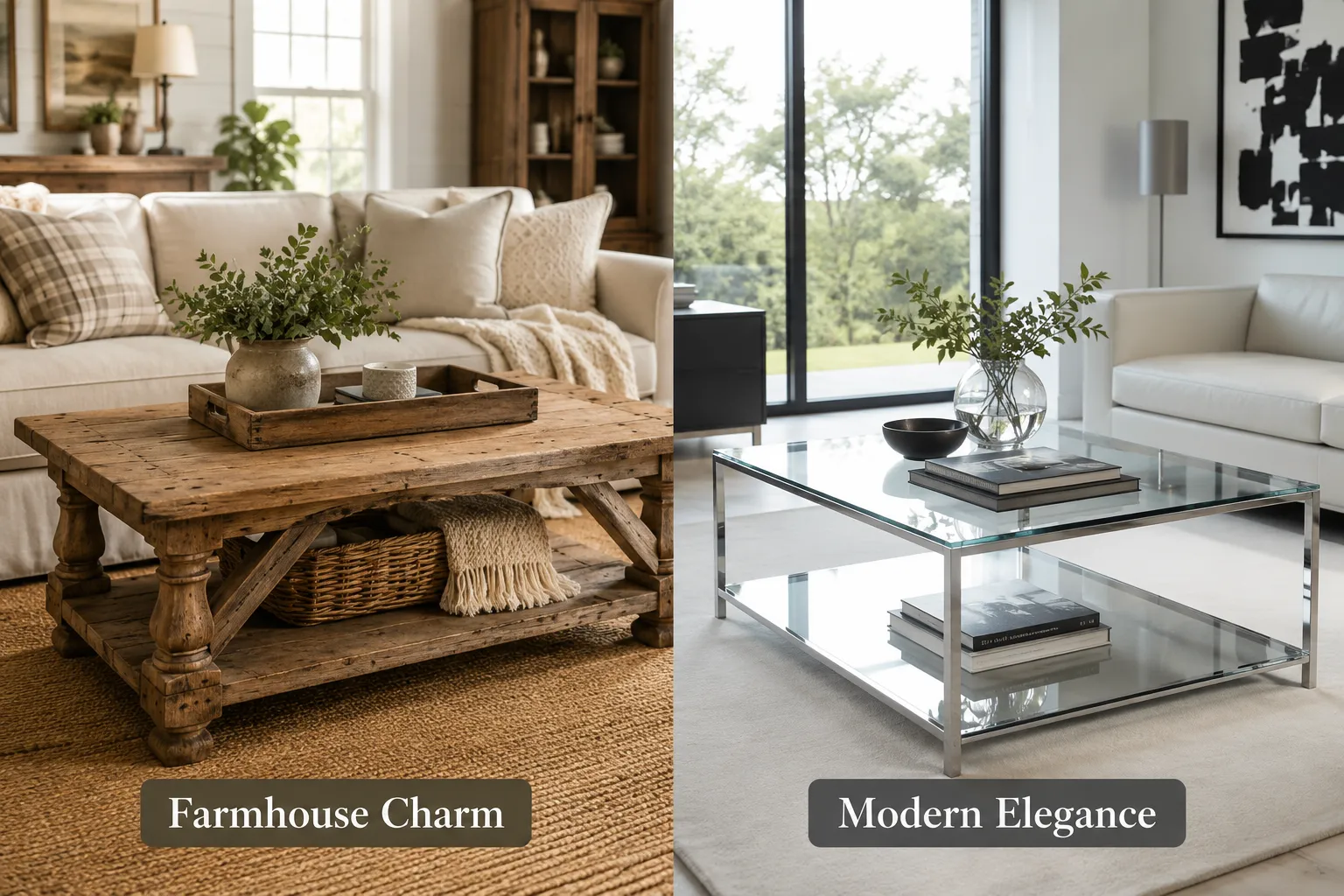
1. The Farmhouse Coffee Table (Difficulty: Beginner to Intermediate)
The farmhouse style evokes comfort, warmth, and a connection to the past. These tables often feature distressed wood, sturdy construction, and a slightly rustic finish. Think chunky legs, planked tops, and a weathered appearance. Common wood choices include pine, reclaimed barn wood, or oak, often finished with a matte or satin sealant to preserve the natural look.
- Design Characteristics: Robust, often oversized, with visible wood grain and imperfections. Can include X-bracing, trestle bases, or simple block legs.
- Build Difficulty: Generally straightforward, relying on simple joinery like pocket screws or robust mortise and tenon. The “distressed” look can be forgiving of minor imperfections.
- Wood Recommendations: Pine, fir, reclaimed oak, poplar.
- Typical Dimensions: Vary widely, but often 48-60 inches long, 24-36 inches wide, and 16-18 inches high.
- Why build it: Perfect for creating a cozy, inviting atmosphere. Pairs well with a DIY farmhouse dining table.
2. The Modern Minimalist Coffee Table (Difficulty: Intermediate)
Characterized by clean lines, geometric shapes, and a lack of ornamentation, the modern minimalist coffee table emphasizes function and simplicity. Materials often include sleek hardwoods like walnut or maple, sometimes combined with metal or glass. Finishes are typically smooth and uniform, allowing the material’s natural beauty to shine.
- Design Characteristics: Sharp angles, flat surfaces, often cantilevered elements or floating tops. Focus on negative space.
- Build Difficulty: Intermediate, as precise cuts and seamless joinery are critical for a polished look. Finishes need to be impeccable.
- Wood Recommendations: Walnut, maple, birch, ash.
- Typical Dimensions: Often 40-50 inches long, 20-30 inches wide, and 14-16 inches high.
- Why build it: Ideal for contemporary spaces, creating an uncluttered and sophisticated feel, echoing principles of warm minimalism in wood design.
3. The Industrial Coffee Table (Difficulty: Intermediate)
Industrial coffee tables blend raw materials like metal (often steel or iron) with robust wood. They celebrate utilitarianism and expose structural elements. Think heavy-duty casters, pipe legs, and thick, unfinished or lightly finished wood tops.
- Design Characteristics: Exposed metalwork, rough-hewn or thick wood tops, bolted or riveted connections. Often features a weighty, grounded appearance.
- Build Difficulty: Intermediate, requiring some metalworking skills (cutting, drilling, potentially welding) in addition to woodworking.
- Wood Recommendations: Reclaimed wood, oak, pine (for thickness), plywood with a sturdy veneer.
- Typical Dimensions: Similar to farmhouse, often 48-60 inches long, 28-36 inches wide, 16-18 inches high.
4. The Mid-Century Modern Coffee Table (Difficulty: Intermediate to Advanced)
Inspired by the design movement of the mid-20th century, these tables feature organic shapes, tapered legs, and a blend of rich wood tones. Walnut, teak, and cherry are common, often with a clear, smooth finish that highlights the grain.
- Design Characteristics: Sculptural forms, tapered or splayed legs, often a lower profile. Can incorporate subtle curves and mixed materials.
- Build Difficulty: Intermediate to advanced due to precise angles, curved elements, and the need for flawless joinery and finishing.
- Wood Recommendations: Walnut, teak, cherry, mahogany.
- Typical Dimensions: Often round or oval, or rectangular with rounded edges; 36-48 inches diameter/length, 14-16 inches high.
5. The Live Edge Coffee Table (Difficulty: Intermediate to Advanced)
Celebrating nature’s artistry, live edge tables incorporate the natural, untouched edge of a slab of wood. Each piece is unique, showcasing the tree’s original form. Paired with minimalist metal legs or a sculptural wooden base, these tables are true conversation starters.
- Design Characteristics: Untouched bark edges (or smoothed natural edges), irregular shapes, and often beautiful wood grain patterns.
- Build Difficulty: Intermediate to advanced. Working with irregular slabs requires careful flattening, sanding, and finishing to preserve the natural beauty while ensuring stability. Choosing a quality slab is key. Learn more about live edge wood projects.
- Wood Recommendations: Walnut, oak, maple, sycamore.
- Typical Dimensions: Highly variable due to natural slab shapes, but often 36-60 inches long, 18-30 inches wide, 16-18 inches high.
6. The Storage Coffee Table (Difficulty: Intermediate)
Combining functionality with style, storage coffee tables offer hidden compartments, drawers, or lift-tops to keep living spaces tidy. These designs can span various aesthetics, from traditional to modern, depending on the chosen materials and hardware.
- Design Characteristics: Integrated drawers, cubbies, lift-top mechanisms, or hinged tops.
- Build Difficulty: Intermediate due to the complexity of building drawers, fitting hardware, and ensuring smooth operation of moving parts.
- Wood Recommendations: Plywood for carcases, solid wood for fronts/tops, or a combination.
- Typical Dimensions: Can be larger to accommodate storage, often 40-55 inches long, 24-30 inches wide, 18-20 inches high.
7. The Pallet Coffee Table (Difficulty: Beginner)
An excellent entry-level project, pallet coffee tables utilize reclaimed wooden pallets, offering an eco-friendly and budget-conscious approach. These tables inherently have a rustic, industrial, or bohemian vibe, depending on how they are finished and stacked.
- Design Characteristics: Made from repurposed wooden pallets, often featuring raw, distressed wood. Can be stacked for height or fitted with casters for mobility.
- Build Difficulty: Beginner. Primarily involves cleaning, disassembling (if necessary), sanding, and assembling pallet sections.
- Wood Recommendations: Pallet wood (often pine or oak, condition varies widely).
- Typical Dimensions: Based on standard pallet sizes, often 40-48 inches long, 30-40 inches wide, 12-18 inches high.
- Why build it: Sustainable and cost-effective. Check out other upcycled pallet projects.
8. The Scandinavian Coffee Table (Difficulty: Intermediate)
Characterized by light wood tones, simple forms, and functionality, Scandinavian coffee tables exude a sense of airy openness. Birch, ash, or light oak are common, often paired with tapered legs and a minimalist, often playful, design.
- Design Characteristics: Light wood, clean lines, often rounded edges, tapered legs, and sometimes integrated subtle storage or shelving.
- Build Difficulty: Intermediate due to the need for precise joinery and smooth, light finishes that highlight the wood.
- Wood Recommendations: Birch, ash, light oak, pine.
- Typical Dimensions: Often 36-48 inches long, 20-28 inches wide, 16-18 inches high.
9. The Trestle Coffee Table (Difficulty: Intermediate)
Inspired by traditional bridge and table designs, the trestle coffee table features a sturdy base composed of horizontal beams supported by vertical or angled legs. This design offers robust stability and a classic, often rustic or traditional aesthetic.
- Design Characteristics: X-shaped or H-shaped base supports, often with a stretcher connecting the two trestle ends.
- Build Difficulty: Intermediate. Requires accurate joinery (mortise and tenon or robust bolted connections) for strength and visual appeal.
- Wood Recommendations: Oak, pine, maple, ash.
- Typical Dimensions: Often 48-60 inches long, 24-32 inches wide, 16-18 inches high.
10. The Japandi Coffee Table (Difficulty: Intermediate to Advanced)
A fusion of Japanese minimalism and Scandinavian warmth, Japandi coffee tables are characterized by clean lines, natural materials, and a serene aesthetic. They often feature low profiles, subtle curves, and a blend of light and dark woods, emphasizing craftsmanship and natural beauty.
- Design Characteristics: Low-slung profile, emphasis on natural wood grain, often with subtle joinery, simple forms, and a sense of calm.
- Build Difficulty: Intermediate to advanced. Demands high precision in joinery, careful wood selection, and a focus on subtle details.
- Wood Recommendations: Walnut, oak (light or dark), ash.
- Typical Dimensions: Often 40-55 inches long, 20-30 inches wide, 12-16 inches high.
Understanding Build Difficulty Ratings for Coffee Table Designs
For every aspiring woodworker, selecting a project that matches their skill level is crucial for a rewarding experience. Our Coffee Table Design Showcase: 10 Styles from Farmhouse to Modern with Build Difficulty Ratings and Plans provides guidance to help you choose wisely. Difficulty ratings are subjective but generally relate to the complexity of joinery, the precision of cuts required, the types of tools needed, and the intricacy of the finishing process.
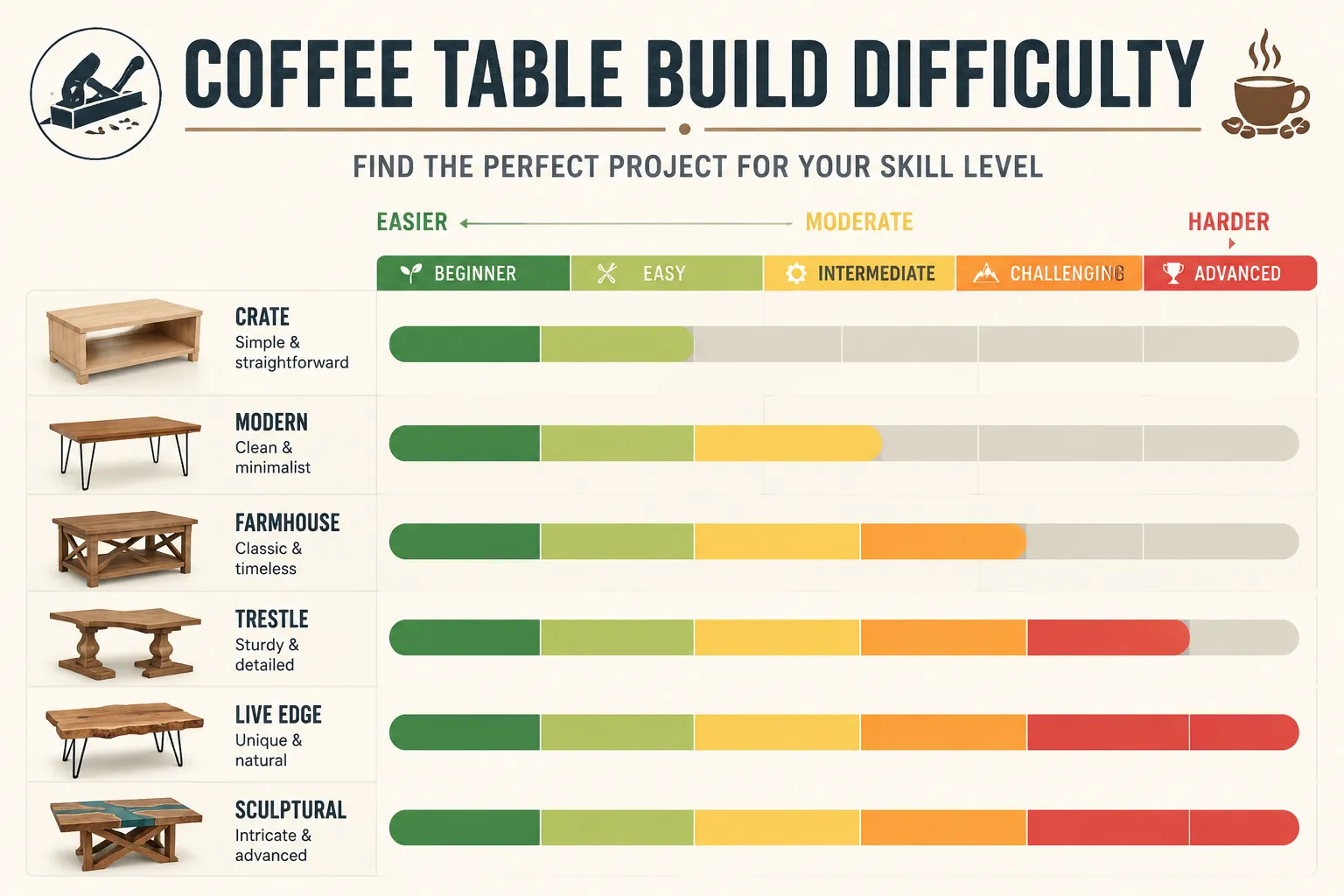
Difficulty Rating Scale:
- Beginner: Simple cuts (straight lines), basic tools (saw, drill, sander), common fasteners (screws, nails), forgiving finishes. Great for first-time builders.
- Intermediate: Requires more precise cuts (angles, curves), introduces more advanced tools (router, jig saw, possibly a table saw), may involve basic joinery (pocket holes, lap joints), and more careful finishing.
- Advanced: Demands high precision, complex joinery (dovetails, mortise and tenon, intricate curves), specialized tools, and meticulous finishing techniques. Often involves working with challenging materials or complex assemblies.
Here’s a quick overview of how the styles fall within these categories:
| Style | Build Difficulty | Key Skills/Tools |
|---|---|---|
| Pallet Coffee Table | Beginner | Disassembly, cleaning, sanding, basic assembly (screws) |
| Farmhouse Coffee Table | Beginner-Intermediate | Straight cuts, pocket hole joinery, sanding, distressing techniques |
| Storage Coffee Table | Intermediate | Drawer construction, hardware installation, precise cuts for compartments |
| Industrial Coffee Table | Intermediate | Metal cutting/drilling, strong wood-to-metal connections, robust joinery |
| Scandinavian Coffee Table | Intermediate | Clean cuts, tapered legs, precise joinery, smooth finishes |
| Trestle Coffee Table | Intermediate | Mortise and tenon or robust bolted joinery, accurate beam/leg angles |
| Modern Minimalist Table | Intermediate | Very precise cuts, seamless joinery (dowels, biscuits), flawless finishing |
| Live Edge Coffee Table | Intermediate-Advanced | Slab flattening, crack filling, natural edge shaping, intricate finishing |
| Mid-Century Modern Table | Intermediate-Advanced | Tapered/splayed legs, curved elements, precise joinery, immaculate finishing |
| Japandi Coffee Table | Intermediate-Advanced | Low-profile joinery, subtle curves, impeccable surfaces, careful wood selection |
Essential Tools and Planning for Your Coffee Table Project
Before diving into any of the Coffee Table Design Showcase: 10 Styles from Farmhouse to Modern with Build Difficulty Ratings and Plans, thorough planning and having the right tools are paramount. A well-equipped workshop and a clear understanding of your project scope will ensure a smoother build and a higher quality finished product.
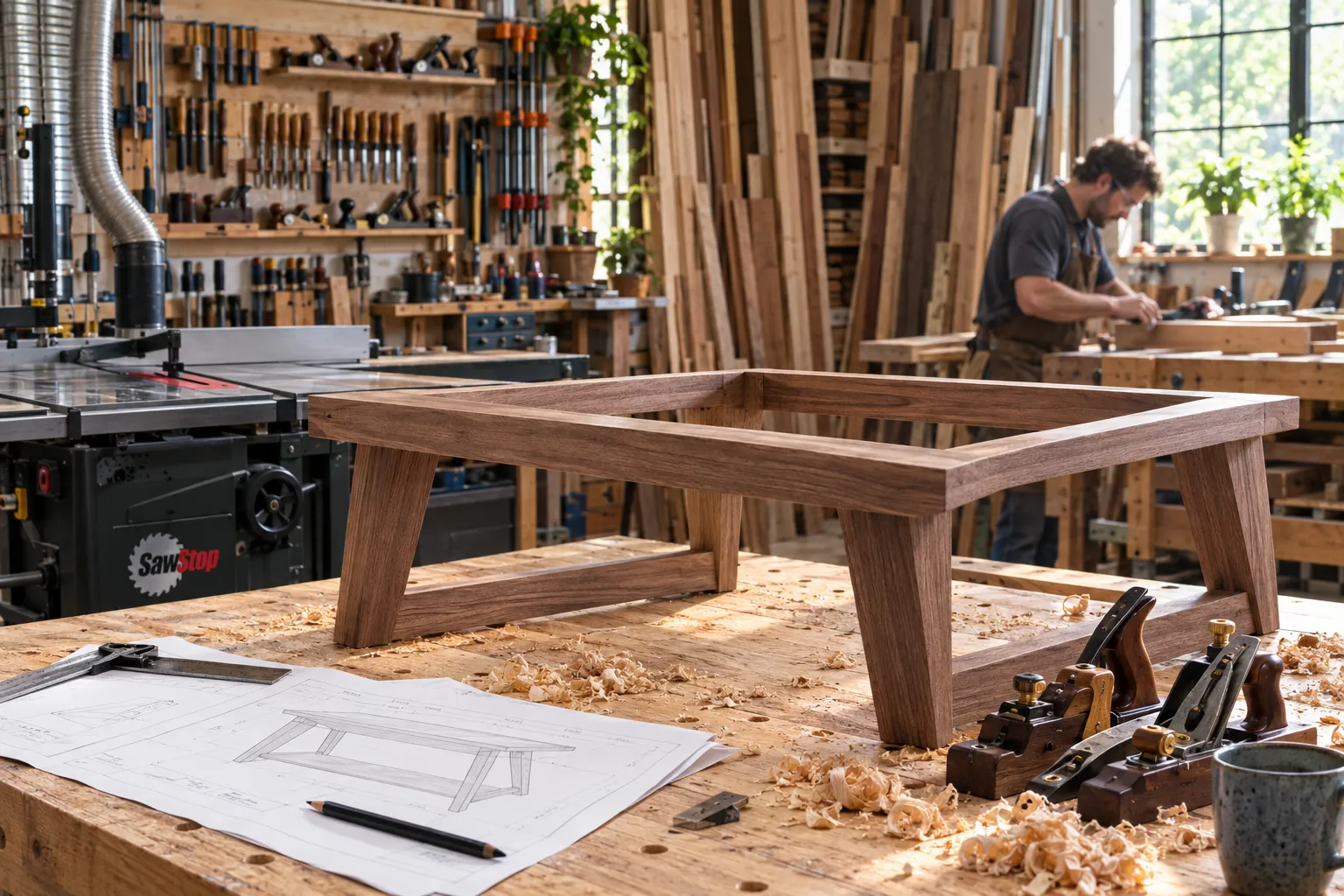
Workshop Essentials
While specific tools will vary based on your chosen coffee table style and its complexity, a few foundational items are indispensable for almost any woodworking project:
- Measuring and Marking Tools: Tape measure, combination square, marking knife, pencil. Accuracy here is non-negotiable.
- Cutting Tools: A circular saw or miter saw for breaking down lumber. A table saw is highly recommended for precise, repeatable cuts. A jigsaw is useful for curves.
- Drilling: A cordless drill for pilot holes and driving screws.
- Sanding: An orbital sander for efficient surface preparation, along with various grits of sandpaper.
- Clamping: A good collection of bar clamps, pipe clamps, and F-clamps is essential for strong glue-ups.
- Safety Gear: Eye protection, hearing protection, and a dust mask are not optional.
For more advanced projects, you might also consider:
- Router: For decorative edges, joinery, and dadoes.
- Hand Planes: For fine-tuning surfaces or creating chamfers, especially if you’re exploring mastering traditional hand planes for fine furniture making.
- Joinery Jigs: Pocket hole jigs or doweling jigs can simplify certain types of joinery.
Planning Your Build
- Select Your Style and Wood: Based on your aesthetic preference and skill level, choose one of the 10 styles. Research wood types; consider their availability, cost, workability, and how they complement your chosen style.
- Gather Detailed Plans: Find reputable plans online or in woodworking magazines. These plans should include cut lists, dimensions, and assembly instructions. For advanced designs, you might need to draw your own plans or modify existing ones.
- Create a Cut List and Materials List: Before cutting anything, make a precise list of every piece of wood you need, including its dimensions. Also, list all hardware, fasteners, and finishing supplies.
- Consider Joinery: Decide on the joinery methods you’ll use. Pocket screws are fast and strong for many projects, while mortise and tenon or dovetails offer superior strength and aesthetic appeal for fine furniture.
- Finishing Schedule: Plan your finishing process from the start. Will you stain, paint, or simply apply a clear coat? What kind of sheen do you want? Understanding budget-friendly wood finishing can save you time and money.
- Workspace and Safety: Ensure your workspace is clean, well-lit, and organized. Always prioritize safety.
By taking the time to plan thoroughly and equip yourself with the necessary tools, you’ll be well on your way to successfully building a stunning coffee table that will be a cherished piece in your home for years to come.
Conclusion
A coffee table is more than just a functional piece of furniture; it’s an opportunity for creative expression and a central element in defining your living space’s character. From the inviting warmth of a farmhouse design to the striking simplicity of a modern minimalist table, the Coffee Table Design Showcase: 10 Styles from Farmhouse to Modern with Build Difficulty Ratings and Plans offers a rich palette of ideas for every skill level.
As you embark on your next woodworking adventure in 2026, remember that the joy of crafting your own furniture lies not just in the final product but in the process of learning, problem-solving, and personalizing. Armed with the insights into these diverse styles, their build difficulties, and essential planning tips, you are now equipped to choose a project that challenges you appropriately and rewards you with a truly unique piece. Take the leap, select your style, gather your tools, and create a coffee table that beautifully reflects your personal touch.