
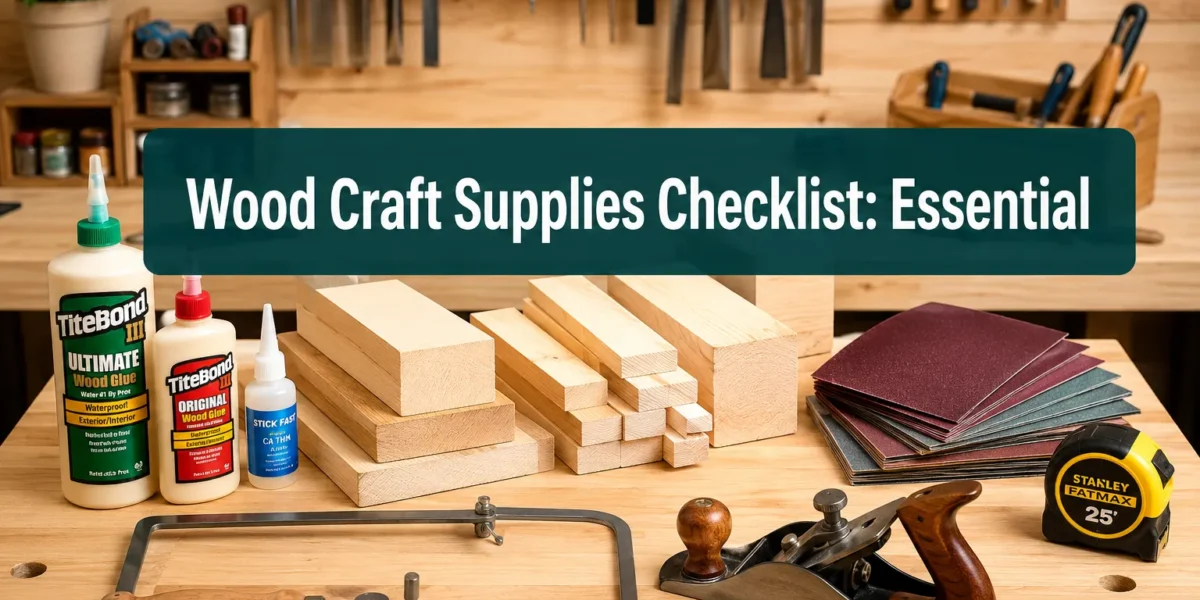
The average aspiring wood crafter often invests in tools before fully understanding the fundamental materials required for their first successful project, leading to frustration and wasted resources. To circumvent this common pitfall, this article presents a comprehensive “Wood Craft Supplies Checklist: Essential Materials and Finishing Products for Your First Projects,” ensuring that beginners are well-equipped from the outset in 2026. This guide details the crucial lumber types, adhesives, abrasives, and protective finishes necessary to transform raw ideas into tangible wooden creations.
Key Takeaways
- Start with soft, affordable woods: Pine, poplar, and basswood are ideal for beginners due to their ease of workability and lower cost, minimizing investment risks.
- Essential hand tools are paramount: Focus on acquiring basic measuring, cutting, shaping, and clamping tools before investing in complex power tools.
- High-quality wood glue is non-negotiable: Wood glue, specifically PVA types, is foundational for strong, lasting joints in most beginner projects.
- Never underestimate sanding: A range of sandpaper grits is critical for achieving smooth surfaces, which is key to a professional finish.
- Finishing protects and enhances: Select appropriate finishes like oils, waxes, varnish, or paint not only for aesthetics but also for durability and protection.
Understanding Your Core Wood Craft Supplies Checklist: Essential Materials
Embarking on your first wood crafting projects requires more than just enthusiasm; it demands a foundational understanding of the materials that will form the backbone of your creations. The right wood, adhesives, and abrasives are not merely components but crucial elements that dictate the ease of your build and the longevity of your finished piece. This section provides a detailed breakdown of the essential raw materials every beginner should consider.
Choosing the Right Wood for Beginners
The selection of wood is perhaps the most critical decision on your “Wood Craft Supplies Checklist: Essential Materials and Finishing Products for Your First Projects.” For those new to woodworking, certain wood types offer greater forgiveness and ease of use.
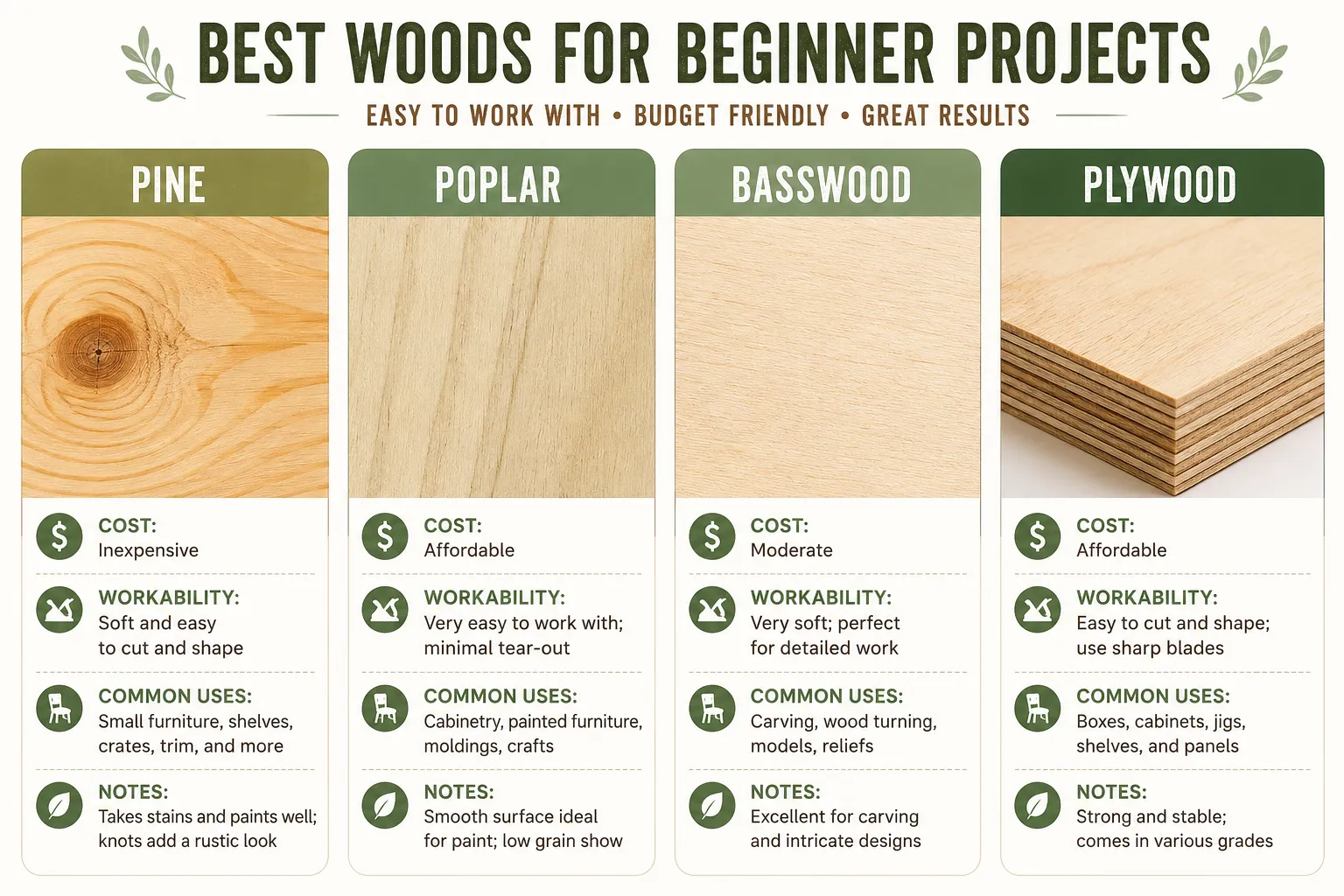
- Pine: This is often the go-to for beginners. Pine is inexpensive, widely available, and relatively soft, making it easy to cut, carve, and sand. It’s excellent for practice pieces, small decorative items, and simple furniture. Its distinctive knots can add character, though they can also present minor challenges during cutting.
- Poplar: A step up from pine in terms of density, poplar is still considered a hardwood that is easy to work with. It’s often used for painted projects because it takes paint very well and has a uniform grain. It’s slightly more expensive than pine but offers a smoother finish.
- Basswood: Renowned for its fine, even grain and soft texture, basswood is the preferred choice for carving. It holds detail exceptionally well and is relatively inexpensive, making it ideal for sculptural projects or intricate decorative elements.
- Plywood: While not a solid wood, various types of plywood (e.g., Baltic birch, cabinet-grade plywood) are invaluable for larger projects requiring stability and flatness. They are engineered woods made from thin layers of wood veneer glued together, offering strength and resistance to warping. Plywood is excellent for shelving, cabinet backs, and jigs.
For small, high-demand projects, consider using scrap wood projects from these types of lumber to start.
Essential Adhesives: The Glue That Binds
No woodworking project is complete without a reliable way to join pieces together. Wood glue is an indispensable item on any “Wood Craft Supplies Checklist: Essential Materials and Finishing Products for Your First Projects.”
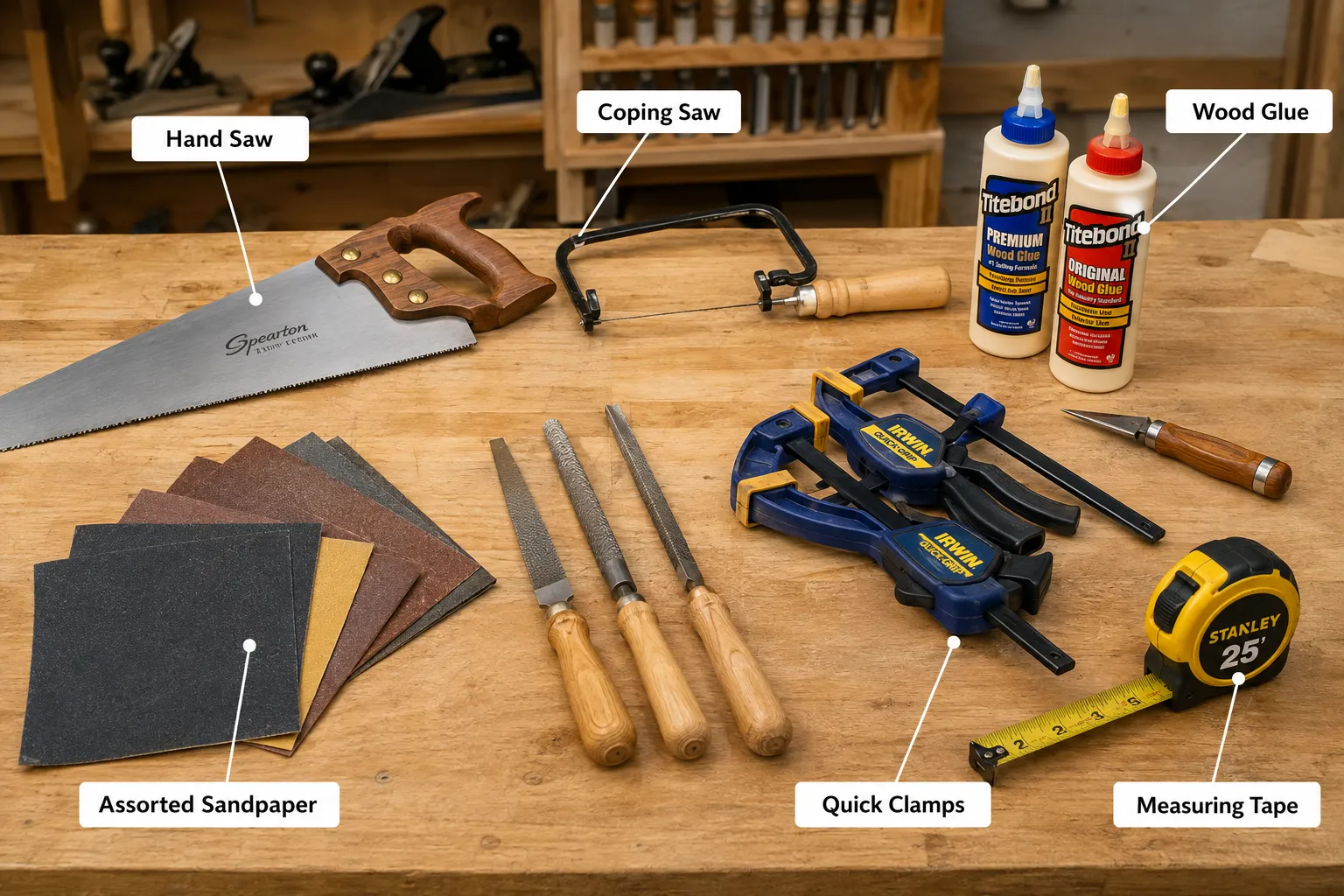
- PVA Wood Glue (Polyvinyl Acetate): The most common type, offering strong bonds and easy cleanup with water. Titebond Original is a popular brand. It dries translucent yellow, which is generally acceptable for many projects.
- Epoxy: For waterproof bonds or filling gaps, epoxy offers superior strength and durability. It’s a two-part adhesive that needs mixing and has a longer working time.
- CA Glue (Cyanoacrylate or Super Glue): Useful for quick fixes, clamping aids, or bonding very small pieces. It dries almost instantly, but its bond isn’t as strong as PVA for structural joints.
- Hide Glue: A traditional adhesive, available in liquid or granular form. It offers a strong, reversible bond, which is useful for repairs or projects where future disassembly might be necessary.
Understanding the ultimate guide to wood glue is crucial for project success.
Abrasives: Achieving Smoothness
Sanding is not just a chore; it’s a critical step that prepares your wood for finishing and highlights its natural beauty. A comprehensive set of abrasives is a must-have for your initial projects.
- Sandpaper: Start with a range of grits from 80-grit (coarse) for initial shaping and removing imperfections, to 120-150 grit for general sanding, and up to 220-grit (fine) for final smoothing before finishing. Higher grits (320-400) are used between coats of finish. Always sand with the grain.
- Sanding Blocks: These provide a flat, even surface for manual sanding, preventing uneven pressure and gouging.
- Sanding Sponges: Flexible and conform to curved surfaces, useful for intricate shapes that traditional sandpaper struggles with.
Essential Tools for Your First Wood Craft Projects
While the wood and consumables are foundational, a specific set of tools makes the crafting process possible. For beginners, the focus should be on versatile, reliable hand tools that build fundamental skills before considering larger power tool investments. This section outlines the essential hand tools and clamping solutions to include in your “Wood Craft Supplies Checklist: Essential Materials and Finishing Products for Your First Projects.”
Measuring and Marking Tools
Accuracy is paramount in woodworking. Even minor inaccuracies can throw off an entire project.
- Measuring Tape: A sturdy, retractable metal tape measure for general measurements.
- Ruler/Straight Edge: A metal ruler (12-inch or longer) for precise marking and guiding cuts.
- Combination Square: Invaluable for marking lines at 90 and 45-degree angles, checking squareness, and transferring measurements.
- Pencil and Marking Knife: A sharp pencil (preferably a carpenter’s pencil) for rough marks, and a marking knife for precise, fine lines that guide your cuts more accurately than a pencil.
Cutting and Shaping Tools
Initial projects often involve simple cuts and basic shaping. These tools provide control and allow for learning fundamental techniques.
- Hand Saw: A versatile crosscut saw for general lumber breakdown.
- Coping Saw: Excellent for intricate curves and interior cuts that larger saws cannot manage. This tool allows for detailed work on decorative pieces.
- Chisels: A set of sharp chisels (e.g., 1/4″, 1/2″, 3/4″, 1″) is crucial for precise shaping, cleaning out joints, and carving details. Learning to master essential woodworking hand tools will greatly benefit your craft.
- Block Plane: A small, single-handed plane perfect for trimming end grain, chamfering edges, and making small adjustments.
Clamping and Holding Solutions
Securely holding your workpieces is critical for safety and accuracy, both during cutting and gluing.
- Bar Clamps / F-Clamps: Essential for holding glued joints under pressure until the adhesive cures. Start with a few in varying lengths (e.g., 24-inch and 12-inch).
- Spring Clamps: Smaller and quicker to deploy, useful for holding smaller pieces or temporary clamping.
- Vise: A sturdy workbench vise is invaluable for securely holding work while sawing, planing, or chiseling.
Safety Gear
Safety should never be an afterthought. Protecting yourself is the most important part of any “Wood Craft Supplies Checklist: Essential Materials and Finishing Products for Your First Projects.”
- Safety Glasses: Protect your eyes from flying debris.
- Dust Mask/Respirator: Essential when sanding or cutting, especially with certain wood types or engineered wood products, to protect your lungs from fine dust.
- Hearing Protection: Earmuffs or earplugs are critical if using power tools, even for short periods.
Finishing Products: Enhancing and Protecting Your Wood Crafts
The finishing stage is where your project truly comes to life, moving from a raw piece of wood to a durable, aesthetically pleasing object. Selecting the right finishing products from your “Wood Craft Supplies Checklist: Essential Materials and Finishing Products for Your First Projects” is crucial for both protection and visual appeal.
Protective Finishes
These finishes create a barrier over the wood, protecting it from moisture, wear, and tear.
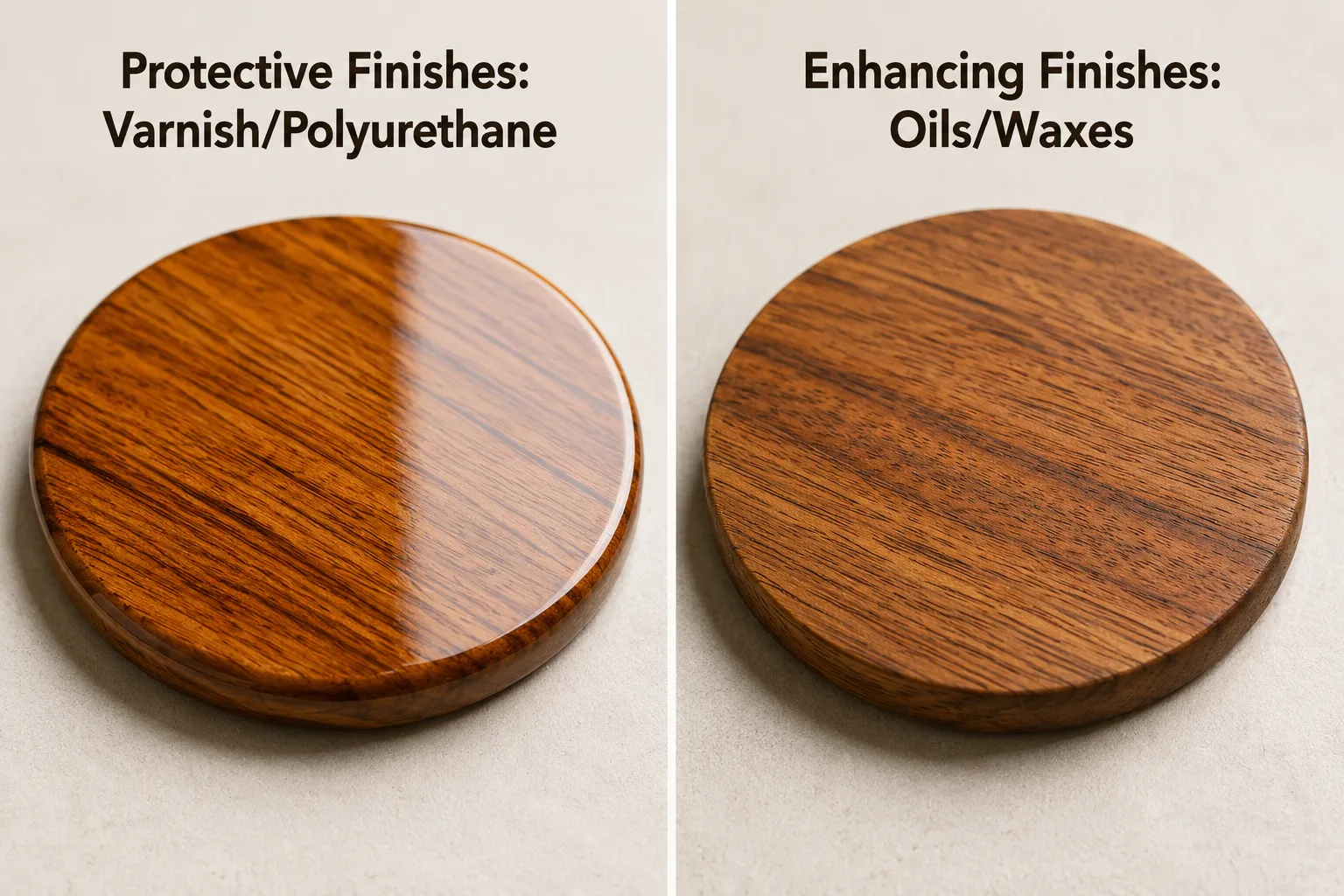
- Varnish/Polyurethane: These are highly durable film-forming finishes that offer excellent protection against scratches, water, and chemicals. Polyurethane is particularly popular for tabletops, flooring, and other high-wear surfaces. Available in oil-based (more durable, slower drying, amber tint) and water-based (faster drying, less odor, clear).
- Lacquer: Dries very quickly and builds a thin, durable film. It’s often sprayed on for a smooth, professional-looking finish.
- Shellac: A natural resin finish that provides a beautiful warm glow. It’s easy to apply and repair, and food-safe once cured. It offers moderate protection and is an excellent sealer.
- Paint: For projects where you want a specific color or a distressed look, paint is a versatile option. Primer is usually recommended first. Chalk paint and milk paint are popular for rustic or vintage aesthetics.
For environmentally conscious crafters, exploring sustainable wood finishing options can provide beautiful and eco-friendly results.
Enhancing Finishes
These finishes penetrate the wood, enhancing its natural grain and color while offering some level of protection.
- Wood Oils (Linseed Oil, Tung Oil, Danish Oil): These oils penetrate the wood fibers, hardening within the wood to create a natural, hand-rubbed look. They are easy to apply and repair, bringing out the wood’s natural beauty without creating a thick film. They offer good water resistance but less scratch protection than film finishes.
- Waxes (Beeswax, Carnauba Wax): Often used in conjunction with oil finishes or over shellac to provide a soft sheen and additional protection. Waxes offer minimal protection on their own but create a lovely tactile surface.
- Stain: Applied before a topcoat, stain changes the color of the wood while allowing the grain to show through. It’s important to test stains on scrap wood of the same type to ensure the desired color is achieved.
- Wood Conditioner/Pre-stain: Essential for preventing blotchiness when staining soft or porous woods like pine. It helps the stain absorb more evenly.
Application Tools for Finishing
Having the right tools for applying your finishes ensures a smooth, even coat.
- Brushes: High-quality natural bristle brushes for oil-based finishes, synthetic brushes for water-based finishes.
- Rags/Lint-free Cloths: Essential for applying oils, waxes, and wiping off excess stain. Old cotton T-shirts work well.
- Foam Brushes/Applicators: Inexpensive and good for applying paints, stains, or thin finishes. Disposable nature makes cleanup easy.
- Safety Gloves: Protect your hands from chemicals and stains.
Conclusion
Building a solid foundation for your woodworking journey begins with a well-thought-out “Wood Craft Supplies Checklist: Essential Materials and Finishing Products for Your First Projects.” By prioritizing appropriate wood types like pine or poplar, investing in quality adhesives and abrasives, and equipping yourself with essential hand tools, you set the stage for successful and enjoyable crafting experiences. The final touch of proper finishing not only safeguards your creations but also elevates their aesthetic appeal, transforming simple wood into cherished pieces. As you progress, remember that practice and a willingness to learn are as vital as any tool or material. Start small, build confidence, and watch your skills and projects flourish in 2026.
SEO Meta Title: Wood Craft Supplies: Your Essential Checklist for Beginners SEO Meta Description: Master wood crafting in 2026 with our essential supplies checklist. Discover ideal woods, glues, tools, and finishing products for your first projects.