
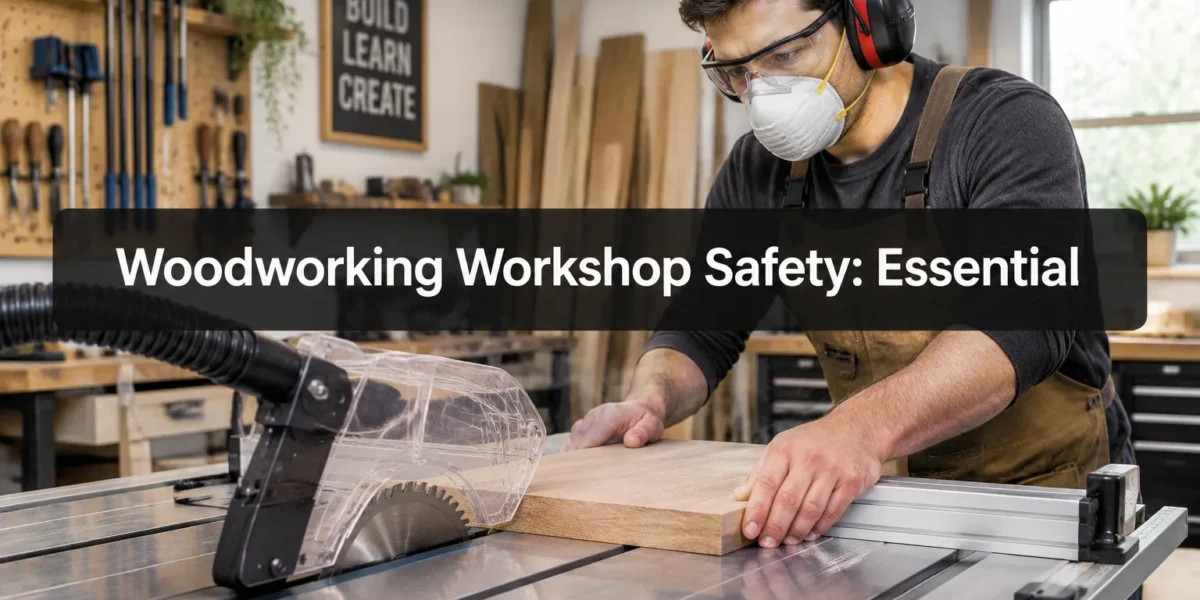
More than 120,000 woodworking-related injuries occur each year in the United States, with power tools being a significant contributor to these statistics (U.S. Consumer Product Safety Commission, 2021). For anyone who wields a saw, router, or sander, understanding and implementing robust safety protocols isn’t just a recommendation, it’s a critical necessity. This article offers a crucial guide to Woodworking Workshop Safety: Essential Guards, Dust Masks & Injury Prevention for Power Tool Users, covering indispensable guards for power tools, proper dust mask usage, and comprehensive injury prevention strategies specifically tailored for DIY woodworkers in 2026.
Key Takeaways
- Always use appropriate guards on all power tools to prevent direct contact with blades or bits.
- Wear a properly fitted N95 or P100 respirator to protect against fine wood dust, a known respiratory hazard.
- Implement a clean and organized workshop environment, free of clutter and trip hazards.
- Never work while fatigued or distracted; maintain full concentration on the task at hand.
- Regularly inspect and maintain all tools and safety equipment to ensure peak performance and protection.
Essential Power Tool Guards: Your First Line of Defense in Woodworking Workshop Safety
Power tools are the backbone of most woodworking projects, dramatically increasing efficiency and precision. However, their very power makes them potentially dangerous without the correct safeguards. Essential guards are non-negotiable components designed to prevent accidental contact with moving parts, mitigate kickback, and contain debris. Understanding and utilizing these guards is paramount for Woodworking Workshop Safety: Essential Guards, Dust Masks & Injury Prevention for Power Tool Users.
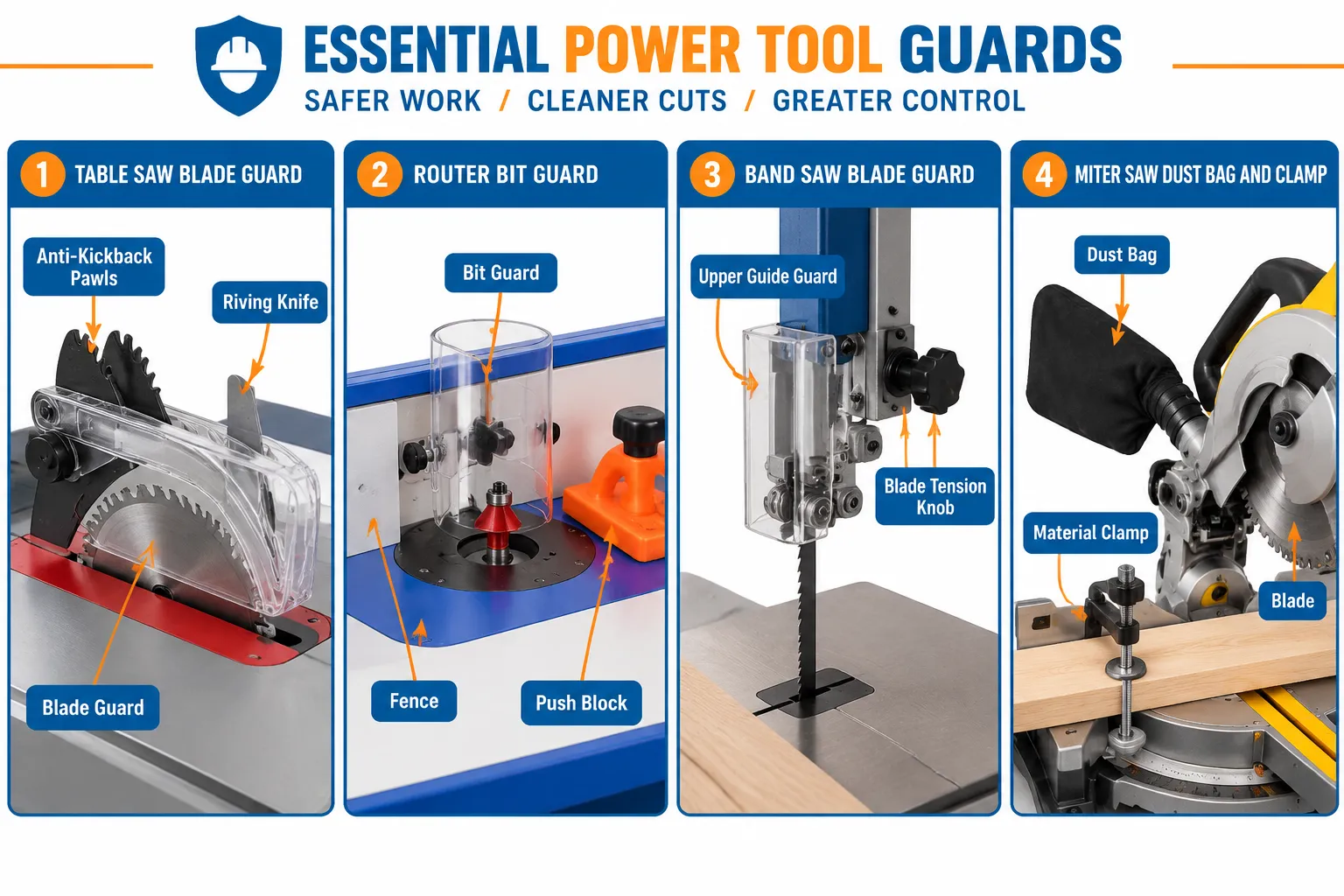
Table Saw Guards
The table saw is arguably the most hazardous tool in a woodworking shop due to its exposed, rapidly spinning blade. Effective table saw safety relies on a combination of guards:
- Blade Guard: This transparent cover sits over the blade, preventing hands and fingers from coming into contact with it. Modern blade guards are often designed to lift as the workpiece passes through, then return to cover the blade.
- Riving Knife: Positioned directly behind the blade and in line with it, a riving knife prevents the kerf (the slot cut by the blade) from closing up and pinching the blade. This is crucial for preventing dangerous kickback, where the workpiece is violently thrown back towards the operator. Learn more about the importance of this component in Bork Riving Knife Enhancing Woodworking Safety.
- Anti-Kickback Pawls: These serrated teeth are usually mounted on the blade guard assembly. They dig into the wood if it attempts to kick back, holding it against the table and preventing it from being ejected.
Always ensure all these components are correctly installed and adjusted for each cut. Never remove them for convenience, as the risks far outweigh any perceived time savings.
Router Table Guards
Router tables, while versatile, present their own set of risks, primarily from the rapidly spinning router bit.
- Bit Guards: These typically clear plastic shields enclose the router bit, allowing visibility while preventing accidental hand contact. They are especially vital when making cuts like dadoes or rabbets where the bit is partially exposed.
- Featherboards and Push Blocks: While not guards in the traditional sense, featherboards apply constant pressure to the workpiece against the fence and table, reducing wobble and improving control. Push blocks or push shoes keep hands a safe distance from the spinning bit. You can explore creating your own safety jigs in our Beginners Guide To Essential Woodworking Jigs Improving Accuracy And Safety On Table Saws And Routers.
Band Saw Guards
Band saws, though often perceived as safer than table saws, still require diligent use of guards.
- Blade Guide and Guard Assembly: The upper blade guide assembly must be adjusted so it is no more than 1/4 inch above the workpiece. This limits the amount of exposed blade, making it safer and improving cut accuracy.
Miter Saw and Radial Arm Saw Guards
These saws typically have spring-loaded blade guards that automatically retract as the blade is lowered and then cover the blade as it returns to its rest position.
- Automatic Blade Guards: Ensure these guards are functioning correctly and that they fully cover the blade when the saw is not in use. Never attempt to manually hold the guard open during a cut.
- Workpiece Clamps: Utilize the clamps provided with your saw to secure the workpiece firmly, preventing it from shifting during the cut and minimizing the need to hold it by hand close to the blade.
The Critical Role of Dust Masks and Personal Protective Equipment (PPE)
Beyond physical tool guards, personal protective equipment (PPE) forms the next layer of defense against common workshop hazards. Among these, proper dust mask usage is paramount, as wood dust poses significant long-term health risks. This aspect of Woodworking Workshop Safety: Essential Guards, Dust Masks & Injury Prevention for Power Tool Users is often overlooked but is crucial for protecting your respiratory health.
Understanding Wood Dust Hazards
Wood dust, particularly fine particles generated by sanding, routing, and sawing, can be a serious health hazard. It can cause:
- Respiratory Issues: Asthma, bronchitis, and allergic reactions.
- Carcinogenic Effects: Certain wood species (e.g., oak, beech, birch) are classified as human carcinogens when inhaled as dust (International Agency for Research on Cancer, 1995).
- Skin and Eye Irritation: Contact dermatitis and conjunctivitis.
Therefore, robust dust control, including effective dust collection systems and personal respiratory protection, is non-negotiable.
Choosing the Right Dust Mask
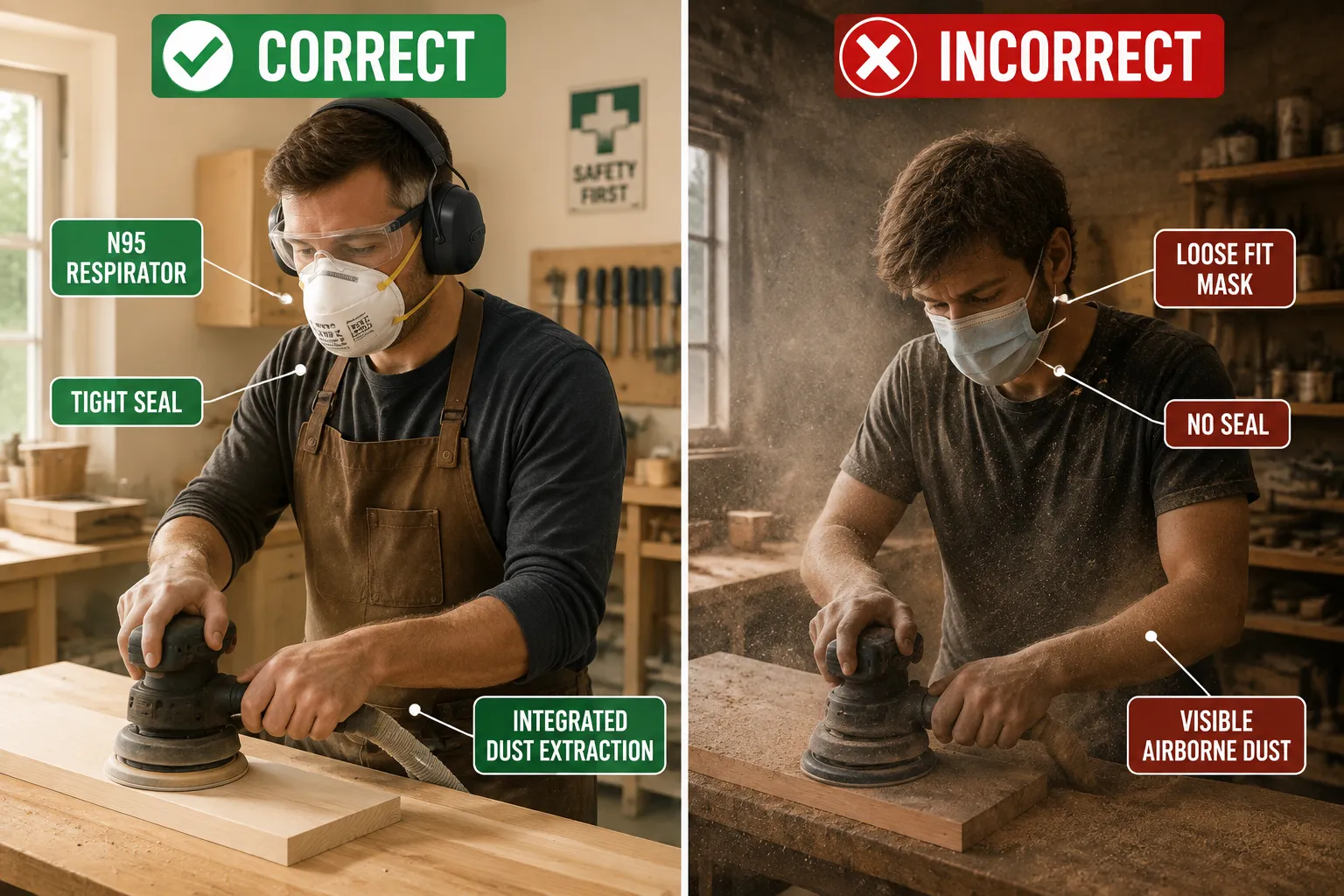
Not all masks are created equal. A simple surgical mask offers minimal protection against fine wood dust. For effective protection, consider:
- N95 Respirator: This mask filters at least 95% of airborne particles larger than 0.3 microns. It’s a minimum requirement for most woodworking tasks. Ensure it has a proper fit and seal around your face.
- P100 Respirator: For maximum protection, especially during heavy sanding or working with known hazardous woods, a P100 respirator is recommended. It filters at least 99.97% of airborne particles.
- Powered Air-Purifying Respirators (PAPRs): These systems provide the highest level of protection, offering a constant flow of filtered air, often within a hooded or helmeted system. They are ideal for prolonged exposure or for individuals with pre-existing respiratory conditions.
Proper Dust Mask Usage and Fit
A dust mask is only effective if it fits correctly.
- Seal Check: Before each use, perform a seal check. Inhale sharply; the mask should pull tightly to your face. Exhale, and ensure no air leaks around the edges. Facial hair can compromise the seal.
- Maintenance: Replace disposable masks regularly or when breathing becomes difficult. For reusable respirators, clean and replace filters according to manufacturer guidelines.
Other Essential PPE
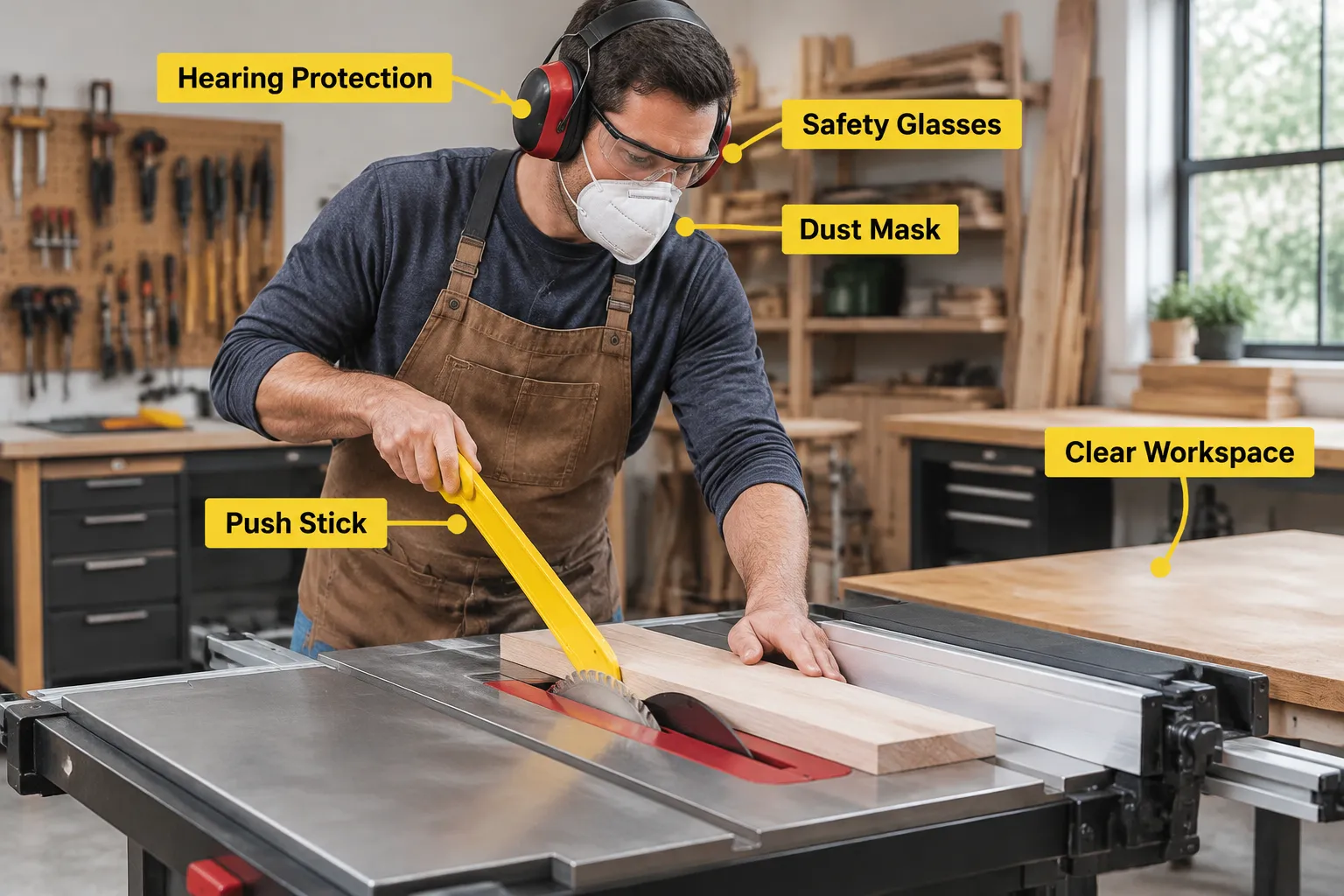
- Safety Glasses/Goggles: Always wear eye protection to shield against flying debris, sawdust, and splinters.
- Hearing Protection: Power tools generate noise levels that can lead to permanent hearing damage over time. Earmuffs or earplugs are crucial.
- Gloves: While useful for handling rough lumber, avoid wearing gloves when operating rotating machinery (e.g., table saws, routers) where they could get caught and pull your hand into the blade.
- Appropriate Clothing: Avoid loose-fitting clothing, jewelry, or long, unrestrained hair that could get caught in moving machinery.
For a deeper dive into managing workshop air quality, consider learning about Building A Diy Smart Workshop Dust Collection System Integrating Iot Sensors For Automated Air Quality And Tool Activation.
Injury Prevention Strategies for Power Tool Users
While guards and PPE are vital, a comprehensive approach to Woodworking Workshop Safety: Essential Guards, Dust Masks & Injury Prevention for Power Tool Users extends to the very habits and environment of your workspace. Proactive injury prevention relies on vigilance, preparation, and continuous education.
Workspace Organization and Environment
A cluttered or poorly lit workshop is an accident waiting to happen.
- Keep it Clean: Regularly clear sawdust, offcuts, and tools from work surfaces and floors. Sawdust is slippery and can hide tripping hazards. Consider investing in a Building A Mobile Dust Collection Cart For Any Workshop Design Filtration Portability.
- Adequate Lighting: Ensure your workshop is brightly lit, especially around machine areas. Good lighting reduces eye strain and helps you see potential hazards.
- Clear Pathways: Keep aisles and pathways free from obstruction to prevent trips and falls.
- Electrical Safety: Inspect power cords for damage. Avoid overloading circuits. Ensure all tools are properly grounded.
Safe Tool Operation Practices
Even with guards in place, proper operating techniques are crucial.
- Read Manuals: Always read and understand the operating manual for every tool before use.
- Unplug Before Adjusting: Disconnect power from tools before changing blades, bits, or making any adjustments.
- Use Push Sticks and Blocks: For table saws, jointers, and router tables, always use push sticks, push blocks, or featherboards to keep your hands clear of cutting edges. These are extensions of your hands, not substitutes for them.
- Maintain Sharp Blades and Bits: Dull tools require more force, which increases the risk of kickback, slipping, and inconsistent cuts. Sharp tools cut more efficiently and safely.
- Proper Stance and Control: Maintain a balanced stance. Control the workpiece firmly but without excessive force. Let the tool do the work.
- Never Reach Over Moving Blades: This is a cardinal rule. Wait until the blade has completely stopped before reaching for cut pieces or scraps.
- Mind Your Off-Cuts: Plan how to handle off-cuts before you make the cut. Ensure they won’t bind or fall into the blade.
- Avoid Distractions: Never work while tired, under the influence of medications, or when your concentration is compromised. Silence your phone and focus solely on the task at hand.
Emergency Preparedness
Even with the best precautions, accidents can happen. Being prepared is essential.
- First-Aid Kit: Keep a well-stocked first-aid kit easily accessible and know how to use its contents.
- Fire Extinguisher: Wood dust is combustible, and electrical fires can occur. Have a Class ABC fire extinguisher readily available.
- Emergency Shut-Offs: Know the location of main power shut-offs for your workshop and individual tools.
- Develop an Emergency Plan: If you work alone, ensure someone knows your general schedule or check in periodically.
Integrating these practices into your routine will significantly enhance your workshop safety. For those looking to optimize their workshop further, exploring Diy Smart Workshop Automation Integrating Iot Devices For Safety Efficiency And Remote Monitoring can provide additional layers of protection and efficiency.
Conclusion
Woodworking offers immense satisfaction, but it demands an unwavering commitment to safety. By diligently employing Woodworking Workshop Safety: Essential Guards, Dust Masks & Injury Prevention for Power Tool Users, you create an environment that minimizes risks and maximizes enjoyment. Remember, safety is an ongoing process, not a one-time checklist. Always use the appropriate guards, wear your personal protective equipment, maintain a clean and organized workspace, and practice mindful, deliberate tool operation. Your health and well-being depend on it.
Actionable Next Steps:
- Inspect Your Tools: Review all your power tools and verify that all original safety guards are present, functional, and properly adjusted. Replace any missing or damaged guards immediately.
- Upgrade Your PPE: Check your dust masks, safety glasses, and hearing protection. Ensure they meet current safety standards (e.g., N95 or P100 respirators) and fit properly.
- Clean Your Workshop: Dedicate time this week to thoroughly clean and organize your workshop. Remove clutter, clear pathways, and implement effective dust management.
- Review Tool Manuals: Pick one tool you use frequently and re-read its safety guidelines and operating manual. You might discover overlooked safety tips.
References
International Agency for Research on Cancer. (1995). IARC Monographs on the Evaluation of Carcinogenic Risks to Humans, Volume 62: Wood Dust and Formaldehyde. Lyon, France: IARC.
U.S. Consumer Product Safety Commission. (2021). National Electronic Injury Surveillance System (NEISS) data. Retrieved from www.cpsc.gov. (Note: Specific report numbers vary by year; this is a general reference to CPSC data on woodworking injuries.)
SEO Meta Title: Woodworking Workshop Safety: Guards, Dust Masks & Injury Prevention SEO Meta Description: Master woodworking safety in 2026. Learn about essential power tool guards, proper dust mask usage, and vital injury prevention strategies for DIY users.