
The average woodworker spends hundreds, if not thousands, of dollars annually on raw materials, tools, and finishing supplies. For many, the passion for woodworking is often constrained by budget, making the quest for affordable yet quality supplies a continuous challenge. This comprehensive “Art Craft Supplier Guide for Woodworkers: Finding Budget-Friendly Lumber, Hardware, and Finishing Oils” aims to demystify the sourcing process, offering practical strategies to acquire essential materials without compromising project quality or breaking the bank in 2026.
Key Takeaways
- Diverse Sourcing is Key: Explore both local and online suppliers, including specialty stores, salvage yards, and online marketplaces, to find the best deals on lumber, hardware, and finishes.
- Lumber Beyond Retail: Consider reclaimed wood, local sawmills, and even fallen urban timber as cost-effective and unique alternatives to big-box store lumber.
- Smart Hardware Purchases: Buy in bulk when possible, utilize surplus stores, and consider standardizing hardware for discounts.
- Economical Finishing Solutions: Research DIY finishing oil recipes, buy larger quantities, and compare brands for value while ensuring compatibility with your wood type.
- Prioritize for Beginners: Focus initial purchases on essential, versatile tools and materials to build foundational projects before investing in specialized items.
Sourcing Budget-Friendly Lumber: An Art Craft Supplier Guide for Woodworkers
Finding affordable lumber is often the cornerstone of budget-conscious woodworking. While big-box stores are convenient, their prices for quality hardwoods or specialty woods can be prohibitive. Savvy woodworkers explore a variety of sources to get the best value and unique materials.
Local Lumberyards and Sawmills
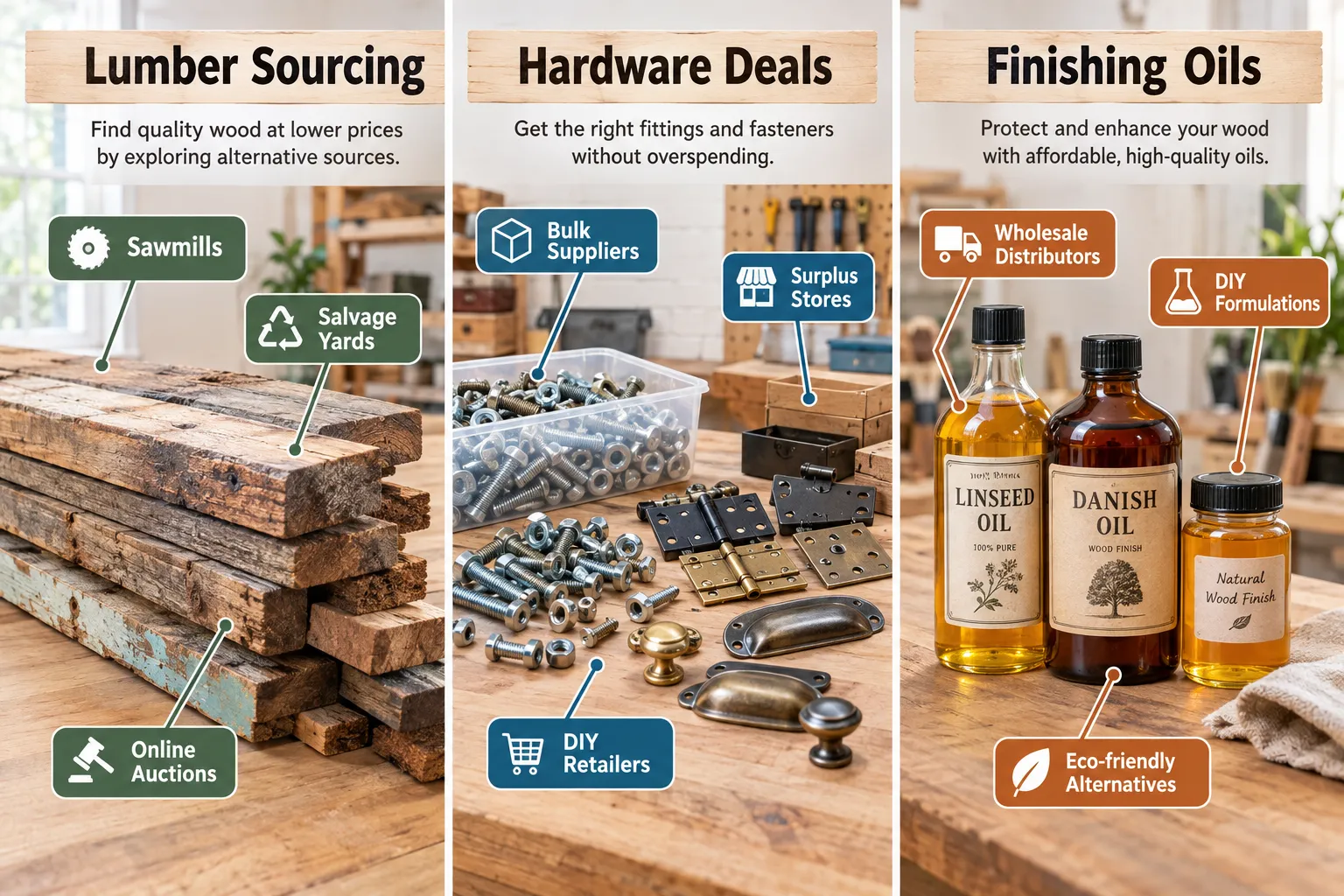
Local lumberyards, particularly those that mill their own timber, frequently offer better prices than large retailers, especially for rough-cut lumber. These suppliers often have a wider selection of species and can provide custom dimensions, reducing waste and cost. Building a relationship with a local mill can also unlock access to less common species or offcuts at significant discounts.
Consider checking out sawmills in rural areas. They often sell wood directly to the public at competitive rates, sometimes even offering “green” (undried) lumber that, while requiring proper drying on your part, can be exceptionally inexpensive. This approach aligns well with sustainable wood sourcing a guide to salvaging urban timber and fallen trees for woodworking projects by utilizing local resources.
Reclaimed and Salvaged Wood
Reclaimed wood is a treasure trove for budget-friendly projects, offering character and history at a fraction of the cost of new lumber. Sources include:
- Demolition Sites: With permission, you can often find valuable timbers from old barns, houses, or industrial buildings. Always prioritize safety and acquire necessary permits.
- Pallets: Free and abundant, pallets can be deconstructed into usable wood for smaller projects. Be mindful of their original use to avoid chemically treated wood.
- Salvage Yards and Architectural Salvage Companies: These businesses specialize in recovering materials from old buildings. You can find unique pieces, including large timbers suitable for oversized rough hewn timber mantels for 2026 gas fireplaces sourcing shaping and installation guide.
- Urban Timber: Local arborists or tree removal services often have access to fallen urban trees that can be milled into slabs. These “urban lumber” sources can provide beautiful, unique wood at low cost if you have the means to transport and dry it.
Online Marketplaces and Auctions
The internet offers a vast marketplace for lumber. Websites like Craigslist, Facebook Marketplace, and specialized woodworking forums often feature individuals selling surplus wood from their own projects or small batches of unique timber. Online auctions can also be a source for good deals, though shipping costs must be factored in for bulky items.
Table 1: Lumber Sourcing Comparison
| Source Type | Pros | Cons | Best For |
|---|---|---|---|
| Local Sawmills | Best prices for rough-cut, custom sizes | May require drying, limited species | Large projects, bulk buying, unique cuts |
| Reclaimed Wood | Inexpensive, unique character, eco-friendly | May require significant prep (nails, dirt) | Rustic furniture, decorative pieces |
| Online Marketplaces | Wide variety, potential for great deals | Shipping costs, quality verification can be hard | Specific species, smaller quantities |
| Big-Box Retailers | Convenient, consistent sizing | Higher prices, limited hardwood selection | Small projects, dimensional lumber |
Finding Affordable Hardware for Woodworking Projects
Hardware, from hinges and drawer slides to screws and fasteners, can quickly add up. Smart sourcing is crucial for an effective “Art Craft Supplier Guide for Woodworkers: Finding Budget-Friendly Lumber, Hardware, and Finishing Oils.”
Bulk Purchases and Wholesale Suppliers
For common hardware like screws, nails, and standard hinges, buying in bulk from wholesale suppliers or large hardware distributors can yield significant savings. While the initial outlay might be higher, the per-unit cost is substantially lower. This strategy is especially beneficial if you frequently build similar projects or anticipate needing a lot of a particular item.
Consider standardizing certain hardware components across your projects. For instance, using the same type of drawer slide or hinge whenever possible can justify a bulk purchase.
Surplus and Specialty Hardware Stores
Industrial surplus stores or liquidation centers are hidden gems for unique and discounted hardware. They often carry discontinued lines, overstocked items, or hardware from factory closures at deeply reduced prices. While selection can be unpredictable, these stores can provide high-quality, specialized items that would otherwise be expensive.
Antique hardware stores or architectural salvage shops are excellent for vintage-style pulls, knobs, and hinges, often offering more character than new mass-produced items, sometimes at comparable or even lower prices.
Online Retailers and Auctions
Websites like Amazon, eBay, and specialized online hardware stores can offer competitive pricing and a vast selection. Look for sellers offering free shipping or bulk discounts. Be cautious with extremely low-priced items, as quality can vary. Reading reviews and checking seller ratings is essential.
For specific or unique hardware, sometimes auction sites can yield unexpected finds, though patience and careful bidding are required.

Economical Finishing Oils and Supplies for Woodworkers
The finishing stage is where a woodworking project truly shines, but quality finishing oils can be costly. This “Art Craft Supplier Guide for Woodworkers: Finding Budget-Friendly Lumber, Hardware, and Finishing Oils” would be incomplete without discussing cost-effective finishing strategies.
DIY Finishing Oil Formulations
Many popular finishing oils, such as “Danish oil” or “varnish oil,” are often proprietary blends of oil (like linseed or tung oil), varnish, and mineral spirits. Woodworkers can create their own versions, often at a fraction of the cost, by mixing raw ingredients.
For example, a common DIY Danish oil recipe involves equal parts:
- Boiled Linseed Oil (BLO)
- Varnish (e.g., polyurethane, spar varnish)
- Mineral Spirits (or turpentine)
Mixing your own allows for customization of sheen and penetration, and reduces material cost significantly. For more details on various oil finishes, explore resources like Danish oil vs linseed the ultimate wood finishing guide and Danish oil vs boiled linseed oil understanding wood oils.
Bulk Purchases and Manufacturer Direct Sales
Just like lumber and hardware, buying finishing oils in larger quantities (gallon or five-gallon containers) often provides a better per-ounce price. If you frequently use a particular finish, a bulk purchase can be a wise investment. Some manufacturers also offer direct-to-consumer sales or discounts for professionals, which can be explored even by hobbyists if they meet minimum order requirements.
Alternative and Natural Finishes
Consider using simpler, natural finishes like pure tung oil or raw linseed oil. While they may require more application coats or longer curing times, they are often less expensive per volume than pre-blended “wiping varnishes” and offer a beautiful, natural look. Wax finishes can also be very economical and are excellent for protecting finishing reclaimed wood for 2026 polishes that highlight texture and story.
What Beginners Should Buy First for Furniture Builds
For those new to woodworking, the array of available supplies can be overwhelming. Focusing on essential, versatile items is key when starting, ensuring that your initial investment goes a long way. This part of the “Art Craft Supplier Guide for Woodworkers: Finding Budget-Friendly Lumber, Hardware, and Finishing Oils” is geared towards efficiency and foundational success.
Essential Lumber for Beginners
Start with readily available, affordable, and easy-to-work-with woods.
- Pine: Excellent for practice projects, jigs, and internal components. It’s inexpensive and widely available.
- Poplar: A step up from pine, poplar is a medium-density hardwood that is relatively inexpensive, takes paint well, and can be stained to mimic more expensive woods. It’s great for painted furniture or hidden components.
- Common Hardwoods (Oak/Maple): Once comfortable with basic joinery and cutting, consider small quantities of red oak or maple for visible parts of furniture. These are durable and offer beautiful grain, but can be harder on tools. For specialized uses, like cutting boards, red oak for cutting board a comprehensive guide can provide further insight.
Foundational Hardware
Focus on hardware that serves multiple functions and is common in furniture construction.
- Wood Screws: An assortment of common sizes (e.g., 1-inch, 1.5-inch, 2-inch) will be invaluable for assembly.
- Wood Glue: High-quality wood glue is essential for strong joinery. Refer to the ultimate guide to wood glue choosing the right adhesive for every woodworking joint and project for detailed selection.
- Clamps: A few bar clamps and C-clamps are critical for holding pieces together during glue-ups.
- Measuring and Marking Tools: A good tape measure, combination square, and pencil are non-negotiable.
Basic Finishing Supplies
Keep it simple and versatile for your first projects.
- Sandpaper: A variety of grits from 80 to 220 is usually sufficient. Remember that beyond basic sanding achieving a flawless finish with progressive grits and finishing techniques is key to a good finish.
- Mineral Spirits: Useful for cleanup and thinning oil-based finishes.
- Disposable Rags/Applicators: For applying finishes.
- Simple Oil Finish: A small can of Danish oil, pure tung oil, or boiled linseed oil (BLO) is a good starting point. These are relatively forgiving and produce a natural look. Explore cool wood finishing techniques for inspiration.
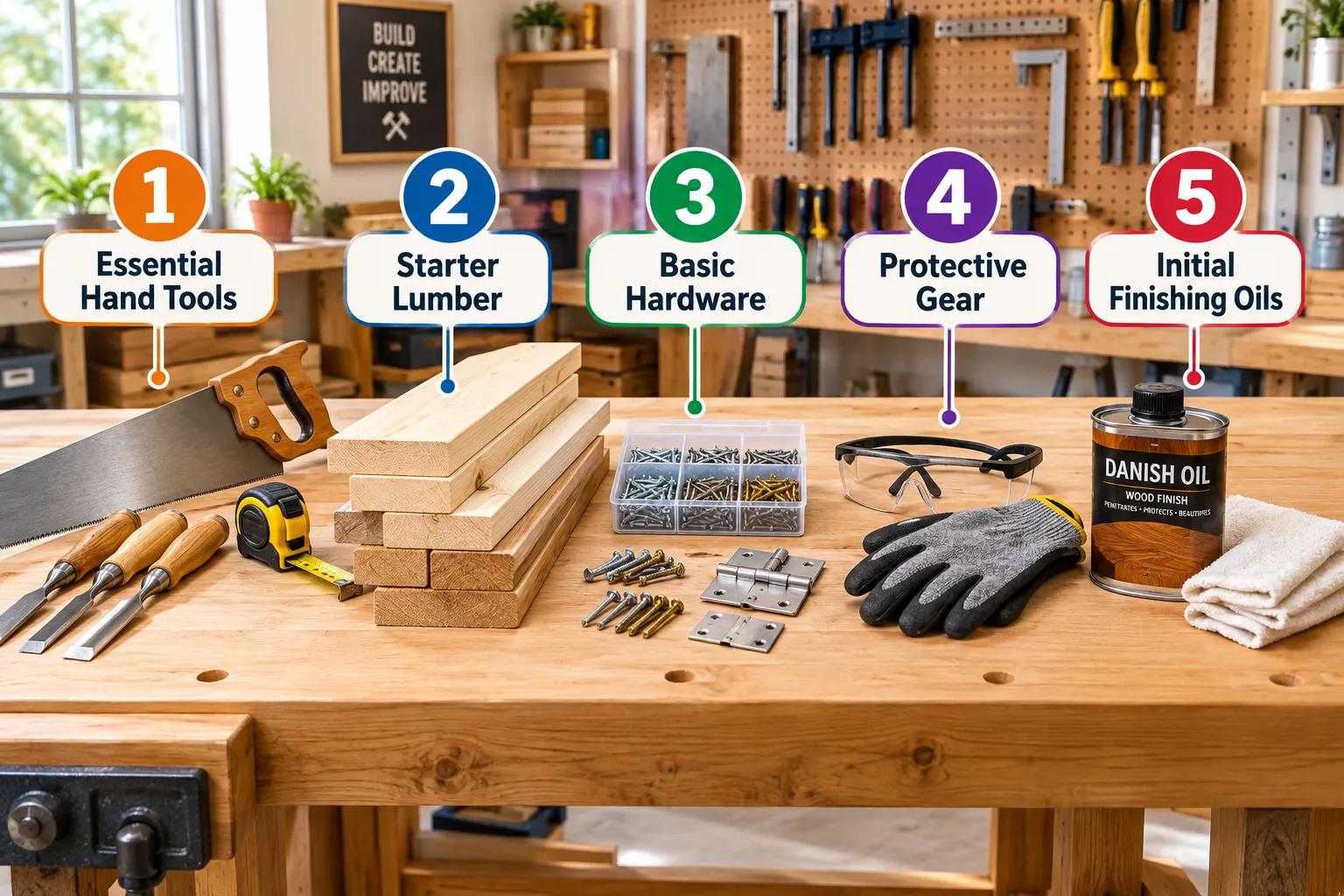
By prioritizing these fundamental items, beginners can build confidence and skills without overspending, setting a strong foundation for more complex projects. As skills develop, specific tools and materials can be acquired as needed, making the hobby sustainable and enjoyable.
Conclusion
Navigating the world of woodworking suppliers to find budget-friendly lumber, hardware, and finishing oils is an essential skill for any woodworker in 2026. This “Art Craft Supplier Guide for Woodworkers: Finding Budget-Friendly Lumber, Hardware, and Finishing Oils” has highlighted that cost savings don’t necessitate a compromise on quality. By diversifying your sourcing strategies, looking beyond big-box stores to local sawmills, reclaimed wood vendors, and online marketplaces, you can uncover unique materials and significant savings. Similarly, purchasing hardware in bulk or exploring surplus stores, and mixing your own finishing oils or opting for natural alternatives, are effective ways to manage expenses. For beginners, focusing on essential, versatile materials ensures a productive start without overwhelming initial investment. Adopt these strategies to make your woodworking passion more affordable and sustainable, allowing you to create beautiful projects within your budget.
SEO Meta Title: Woodworking Supplier Guide: Budget Lumber, Hardware & Finishes SEO Meta Description: Find budget-friendly lumber, hardware, and finishing oils with this ultimate art craft supplier guide for woodworkers in 2026. Save money without compromising quality.